
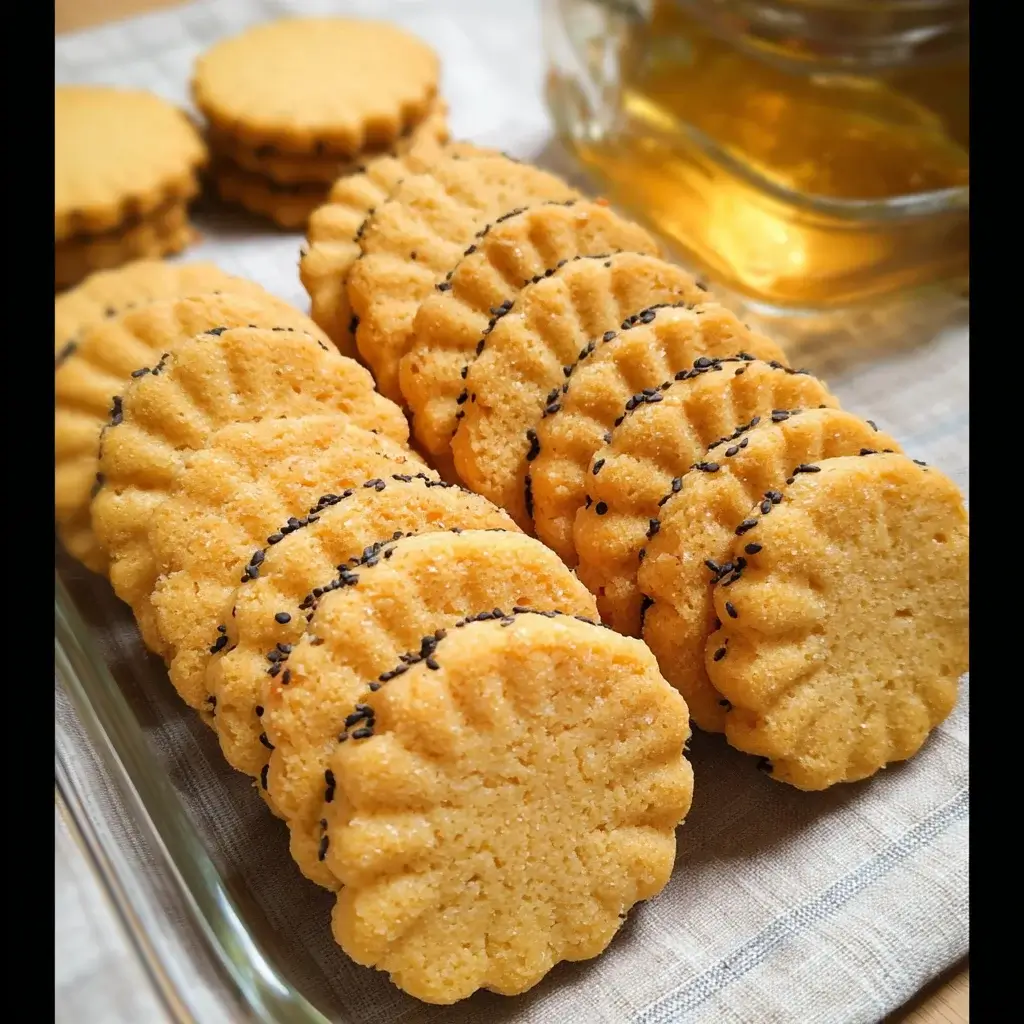

I’ll admit, the first time I heard the words “miso” and “cookie” in the same sentence, I was skeptical. Miso, the funky, salty soybean paste I use for soup and glazes, in a sweet, buttery cookie? It sounded like a culinary experiment destined for failure. But my curiosity got the better of me, and one rainy afternoon, I decided to give it a try. The result was nothing short of a revelation. The moment I took my first bite, my entire understanding of what a cookie could be was transformed. It wasn’t just sweet; it was complex. The rich, familiar flavor of a classic butter cookie was there, but it was accompanied by a subtle, savory, almost caramelly depth that I couldn’t quite place at first. It was the umami from the miso, working its magic in the background. It made the butter taste butterier, the sugar taste richer, and a delicate salty finish lingered on the palate, making me instantly crave another bite. These Miso Butter Cookies have since become my secret weapon dessert—the one I bring to parties when I want to impress, the one I bake for friends who appreciate a gourmet twist. They are sophisticated yet comforting, and the perfect example of how a single, unexpected ingredient can elevate a simple classic into something truly unforgettable.
The Unforgettable World of Miso Butter Cookies
Welcome to the ultimate guide for baking Miso Butter Cookies. This recipe isn’t just about mixing ingredients; it’s about understanding the beautiful science of flavor contrast. We will delve into why this unlikely pairing works so well and provide you with a foolproof method to create perfectly soft, chewy, and deeply flavorful cookies every single time. Prepare to have your new favorite cookie.
Understanding the Magic: Why Miso in Cookies?
Before we grab our mixing bowls, let’s talk about the star ingredient. Miso is a traditional Japanese seasoning produced by fermenting soybeans with salt and kōji (a type of fungus) and sometimes rice, barley, or other ingredients. Its primary flavor profile is salt and a deep, savory richness known as “umami.”
So, why add it to a sweet cookie?
- Flavor Enhancer: Just as a pinch of salt makes chocolate taste more chocolaty, the umami in miso enhances the other flavors in the cookie. It deepens the caramel notes of the brown sugar and enriches the flavor of the butter.
- Balances Sweetness: The inherent saltiness of miso cuts through the sweetness of the cookie, creating a more balanced and complex flavor profile. This prevents the cookie from being cloyingly sweet and makes it incredibly moreish.
- Adds Complexity: It introduces a subtle, savory, and slightly nutty depth that is hard to pinpoint but utterly delicious. It transforms a simple butter cookie into a gourmet experience.
Choosing the Right Miso
There are many types of miso, but for baking, the choice is critical.
- White Miso (Shiro Miso): This is the best choice for this recipe and for most baking applications. It is fermented for a shorter period, resulting in a milder, sweeter, and less salty flavor profile that beautifully complements the other ingredients without overpowering them.
- Yellow Miso (Shinshu Miso): This is a bit more fermented and saltier than white miso. It can work in a pinch but will lend a slightly stronger, earthier flavor.
- Red Miso (Aka Miso): Avoid this for this recipe. Red miso is fermented the longest, making it very pungent, salty, and intense. It’s fantastic for hearty soups and glazes but will overwhelm the delicate flavors of a cookie.
You can find white miso paste in the refrigerated section of most major supermarkets, often near the tofu or other international foods, as well as at any Asian grocery store.
Complete Ingredients List
Precision is key in baking. Using a kitchen scale for measuring flour is highly recommended for the most consistent results. This recipe yields approximately 24-30 cookies.
For the Miso Butter Cookies:
- All-Purpose Flour: 2 ½ cups (315g). Spooned and leveled, or weighed for accuracy.
- Baking Soda: 1 teaspoon. This helps the cookies spread and brown beautifully.
- Unsalted Butter: 1 cup (2 sticks or 227g), softened to cool room temperature. It should be pliable but not greasy or melting. Using unsalted butter allows you to control the salt level, which is crucial when adding miso.
- Light Brown Sugar: 1 cup (220g), packed. Adds moisture and a delicious molasses flavor.
- Granulated Sugar: ½ cup (100g). Provides sweetness and helps the cookies spread.
- White Miso Paste (Shiro Miso): 3 tablespoons. This is the source of our secret savory flavor.
- Large Eggs: 2, at room temperature. Room temperature eggs incorporate more easily into the batter, creating a more uniform texture.
- Pure Vanilla Extract: 2 teaspoons. Enhances all the other flavors in the cookie.
For the Optional Topping:
- Flaky Sea Salt (like Maldon): For sprinkling on top before baking. This adds a delightful textural crunch and a final pop of saltiness that complements the miso.
Step-by-Step Instructions
Follow these detailed instructions carefully. The chilling step is particularly important, so do not skip it!
Step 1: Combine the Dry Ingredients
- In a medium-sized mixing bowl, whisk together the all-purpose flour and baking soda.
- Whisking for about 30 seconds helps to evenly distribute the baking soda and aerate the flour, which contributes to a better cookie texture. Set the bowl aside.
Step 2: Cream the Wet Ingredients
- In a large bowl using a handheld electric mixer, or in the bowl of a stand mixer fitted with the paddle attachment, add the softened unsalted butter, packed light brown sugar, and granulated sugar.
- Beat on medium-high speed for about 3-4 minutes. The mixture should become visibly lighter in color, pale, and fluffy in texture. This process, called creaming, incorporates air into the dough, which is essential for a light and tender cookie.
- Add the white miso paste and pure vanilla extract to the creamed butter and sugar mixture. Beat on medium speed for another minute until the miso is completely incorporated and the mixture is smooth.
- Add the room temperature eggs, one at a time. Beat well after each addition, scraping down the sides and bottom of the bowl with a rubber spatula as needed to ensure everything is evenly mixed.
Step 3: Combine and Chill the Dough
- Turn the mixer to its lowest speed and gradually add the dry flour mixture to the wet ingredients in two or three additions. Mix only until the last streaks of flour have just disappeared. Do not overmix! Overmixing develops the gluten in the flour, which can lead to tough, dense cookies.
- Use a rubber spatula to fold the dough a few times to ensure everything at the bottom of the bowl is incorporated. The dough will be soft and slightly sticky.
- Cover the bowl with plastic wrap and transfer it to the refrigerator. Chill the dough for a minimum of 2 hours, and up to 48 hours. This is the most crucial step of the recipe. Chilling solidifies the fat (butter) in the cookies. When the cold dough hits the hot oven, the fat melts more slowly, which prevents the cookies from spreading too much and results in a thicker, chewier cookie. Chilling also allows the flavors to meld and deepen—the miso and vanilla will fully infuse the dough.
Step 4: Shape and Bake
- When you are ready to bake, preheat your oven to 375°F (190°C). Line two large baking sheets with parchment paper.
- Remove the chilled dough from the refrigerator. The dough will be firm.
- Using a medium cookie scoop (about 1.5 tablespoons), portion the dough into balls. Roll them briefly between your palms to smooth them out.
- Place the dough balls about 2-3 inches apart on the prepared baking sheets to allow room for spreading.
- If using, sprinkle the tops of the dough balls with a small pinch of flaky sea salt. This is highly recommended for the best flavor experience.
- Bake for 10-13 minutes, or until the edges are golden brown and the centers are set but still look slightly soft. The exact time will depend on your oven.
- Let the cookies cool on the baking sheet for 5 minutes. They will continue to cook slightly from the residual heat of the pan. This helps them set up properly.
- After 5 minutes, use a spatula to transfer the cookies to a wire cooling rack to cool completely.
Nutrition Facts
- Servings: 24-30 cookies
- Calories Per Serving: Approximately 140-170 kcal per cookie
Disclaimer: The nutritional information provided is a rough estimate and will vary based on the exact size of your cookies and the specific brands of ingredients used. This is calculated for one cookie, assuming a yield of 28 cookies.
Preparation Time
- Active Preparation Time: 20 minutes
- Chilling Time: 2 hours (minimum)
- Baking Time: 10-13 minutes per batch
- Total Time: Approximately 2 hours 45 minutes
How to Serve and Enjoy Your Miso Cookies
These cookies are a treat on their own, but their unique flavor profile opens them up to some delightful pairings.
- With a Hot Beverage: The salty-sweet nature of these cookies makes them the perfect companion to a cup of coffee or tea.
- Coffee: A dark roast coffee beautifully complements the deep, caramelly notes.
- Tea: Pair with a robust black tea like English Breakfast or a nutty, roasted green tea like Hojicha.
- As a Base for an Ice Cream Sandwich: This is a next-level dessert. Place a scoop of high-quality vanilla bean or salted caramel ice cream between two completely cooled miso butter cookies.
- On a Dessert Charcuterie Board: Their unique flavor makes them a standout addition to a dessert board. Pair them with dark chocolate, sharp cheeses, and fresh figs or berries.
- Crumbled as a Topping: Crumble a cookie over a bowl of vanilla yogurt, panna cotta, or even a simple scoop of ice cream for a delicious textural contrast and flavor boost.
5 Expert Tips for Perfect Miso Butter Cookies
Take your Miso Butter Cookies from great to absolutely perfect with these professional tips.
1. Prioritize Room Temperature Ingredients
We mentioned using room temperature butter and eggs, but it’s worth stressing why. Softened butter creams more effectively, trapping air for a lighter cookie. Room temperature eggs emulsify into the batter without shocking and re-hardening the butter, leading to a smooth, uniform dough. To quickly bring eggs to room temperature, place them in a bowl of warm (not hot) water for 5-10 minutes.
2. Do Not Compromise on Chilling Time
This is the most common mistake in cookie baking. Chilling is not an optional step. It is the secret to thick, chewy cookies that don’t spread into thin, greasy crisps. The 2-hour minimum is essential. If you have the patience, chilling the dough overnight (24 hours) will result in an even deeper, more complex flavor as the miso fully melds with the other ingredients.
3. Measure Your Flour Correctly
Too much flour is the primary cause of dry, crumbly, and cakey cookies. The most accurate way to measure flour is with a digital kitchen scale. If you don’t have one, use the “spoon and level” method: use a spoon to fluff up the flour in its container, then spoon it into your measuring cup until it’s overflowing. Use the back of a knife to level off the top. Never scoop directly from the bag with your measuring cup, as this compacts the flour and you’ll end up using too much.
4. Don’t Be Afraid to Experiment with Mix-Ins
While this recipe is perfect as a standalone butter cookie, it also serves as a fantastic base for mix-ins that complement the umami flavor.
- Chocolate: Both white chocolate and dark chocolate work beautifully. White chocolate enhances the creamy, caramel notes, while dark chocolate (60-70% cacao) provides a pleasant bitterness that balances the cookie’s richness. Add 1.5 cups of chocolate chips or chopped chocolate chunks.
- Nuts: Toasted walnuts or pecans add a wonderful crunch and earthy flavor. Add about 1 cup of chopped, toasted nuts.
- Toffee Bits: For an extra layer of buttery, caramel flavor, add 1 cup of toffee bits to the dough.
5. The Finishing Salt is Worth It
Sprinkling flaky sea salt on top before baking does more than just add saltiness. It provides a burst of clean, sharp flavor that contrasts with the deep, mellow saltiness of the miso. It also adds a delicate crunch and a beautiful, crystalline appearance that signals this is no ordinary cookie. Don’t use regular table salt for this; the unique texture of flaky salt is what you’re after.
Frequently Asked Questions (FAQ)
Here are answers to some of the most common questions about making Miso Butter Cookies.
1. I can only find red miso. Can I still use it?
Answer: It is strongly recommended to find white (shiro) miso for this recipe. Red (aka) miso has a much more potent, salty, and pungent flavor that can easily overwhelm the cookie and create a result that tastes more like soup than dessert. If you absolutely must use it, I would recommend reducing the amount to 1 or 1.5 tablespoons and be prepared for a much more savory, funky, and less balanced cookie.
2. Why did my cookies spread so much and become flat?
Answer: This is almost always due to one of three reasons. First, your butter may have been too soft or melted. It should be at a cool room temperature. Second, and most likely, you did not chill the dough for long enough. The 2-hour minimum is crucial to solidify the fat. Third, you may have placed the dough on a warm baking sheet. Always use cool baking sheets for each batch.
3. Can I make the cookie dough ahead of time?
Answer: Yes! This dough is perfect for making ahead. You can refrigerate the dough, tightly covered, for up to 3 days. The flavor will actually improve with a longer chill time. You can also freeze the dough. Scoop the dough into balls, place them on a parchment-lined tray, and freeze until solid. Then, transfer the frozen dough balls to a freezer-safe bag or container. They can be frozen for up to 3 months. You can bake them directly from frozen; just add 2-3 minutes to the baking time.
4. How should I store the finished Miso Butter Cookies?
Answer: Store the cooled cookies in an airtight container at room temperature. They will stay fresh and delicious for up to 5 days. Their texture may soften slightly over time, but the flavor will remain excellent. You can also place a slice of bread in the container to help maintain their softness.
5. Can I make these cookies gluten-free?
Answer: Yes, you can adapt this recipe to be gluten-free. For the best results, use a high-quality, all-purpose gluten-free flour blend that contains xanthan gum. A 1:1 replacement blend is ideal. The texture may be slightly different—often a bit more delicate or sandy—but the core flavor of the miso, butter, and sugar will still be delicious. Be sure to check that your miso paste is certified gluten-free, as some can be made with barley (mugi miso).
Print
Miso Butter Cookies recipe
Ingredients
For the Miso Butter Cookies:
-
All-Purpose Flour: 2 ½ cups (315g). Spooned and leveled, or weighed for accuracy.
-
Baking Soda: 1 teaspoon. This helps the cookies spread and brown beautifully.
-
Unsalted Butter: 1 cup (2 sticks or 227g), softened to cool room temperature. It should be pliable but not greasy or melting. Using unsalted butter allows you to control the salt level, which is crucial when adding miso.
-
Light Brown Sugar: 1 cup (220g), packed. Adds moisture and a delicious molasses flavor.
-
Granulated Sugar: ½ cup (100g). Provides sweetness and helps the cookies spread.
-
White Miso Paste (Shiro Miso): 3 tablespoons. This is the source of our secret savory flavor.
-
Large Eggs: 2, at room temperature. Room temperature eggs incorporate more easily into the batter, creating a more uniform texture.
-
Pure Vanilla Extract: 2 teaspoons. Enhances all the other flavors in the cookie.
For the Optional Topping:
-
Flaky Sea Salt (like Maldon): For sprinkling on top before baking. This adds a delightful textural crunch and a final pop of saltiness that complements the miso.
Instructions
Step 1: Combine the Dry Ingredients
-
In a medium-sized mixing bowl, whisk together the all-purpose flour and baking soda.
-
Whisking for about 30 seconds helps to evenly distribute the baking soda and aerate the flour, which contributes to a better cookie texture. Set the bowl aside.
Step 2: Cream the Wet Ingredients
-
In a large bowl using a handheld electric mixer, or in the bowl of a stand mixer fitted with the paddle attachment, add the softened unsalted butter, packed light brown sugar, and granulated sugar.
-
Beat on medium-high speed for about 3-4 minutes. The mixture should become visibly lighter in color, pale, and fluffy in texture. This process, called creaming, incorporates air into the dough, which is essential for a light and tender cookie.
-
Add the white miso paste and pure vanilla extract to the creamed butter and sugar mixture. Beat on medium speed for another minute until the miso is completely incorporated and the mixture is smooth.
-
Add the room temperature eggs, one at a time. Beat well after each addition, scraping down the sides and bottom of the bowl with a rubber spatula as needed to ensure everything is evenly mixed.
Step 3: Combine and Chill the Dough
-
Turn the mixer to its lowest speed and gradually add the dry flour mixture to the wet ingredients in two or three additions. Mix only until the last streaks of flour have just disappeared. Do not overmix! Overmixing develops the gluten in the flour, which can lead to tough, dense cookies.
-
Use a rubber spatula to fold the dough a few times to ensure everything at the bottom of the bowl is incorporated. The dough will be soft and slightly sticky.
-
Cover the bowl with plastic wrap and transfer it to the refrigerator. Chill the dough for a minimum of 2 hours, and up to 48 hours. This is the most crucial step of the recipe. Chilling solidifies the fat (butter) in the cookies. When the cold dough hits the hot oven, the fat melts more slowly, which prevents the cookies from spreading too much and results in a thicker, chewier cookie. Chilling also allows the flavors to meld and deepen—the miso and vanilla will fully infuse the dough.
Step 4: Shape and Bake
-
When you are ready to bake, preheat your oven to 375°F (190°C). Line two large baking sheets with parchment paper.
-
Remove the chilled dough from the refrigerator. The dough will be firm.
-
Using a medium cookie scoop (about 1.5 tablespoons), portion the dough into balls. Roll them briefly between your palms to smooth them out.
-
Place the dough balls about 2-3 inches apart on the prepared baking sheets to allow room for spreading.
-
If using, sprinkle the tops of the dough balls with a small pinch of flaky sea salt. This is highly recommended for the best flavor experience.
-
Bake for 10-13 minutes, or until the edges are golden brown and the centers are set but still look slightly soft. The exact time will depend on your oven.
-
Let the cookies cool on the baking sheet for 5 minutes. They will continue to cook slightly from the residual heat of the pan. This helps them set up properly.
-
After 5 minutes, use a spatula to transfer the cookies to a wire cooling rack to cool completely.
Nutrition
- Serving Size: one normal portion
- Calories: 140-170