

Ingredients: Freshness from the Mediterranean Garden
The cornerstone of an exceptional Mediterranean Veggie Sandwich is undoubtedly the quality and freshness of its ingredients. Each component contributes to the overall symphony of flavors and textures, evoking the sun-drenched landscapes and vibrant culinary traditions of the Mediterranean. Let’s explore each ingredient in detail, highlighting why they are essential and offering tips for choosing the best:
- Bread: 1 Loaf of Ciabatta, Focaccia, or Pita Bread (or similar hearty bread). The bread is the foundation, the vessel that holds all the deliciousness together. The choice of bread significantly impacts the sandwich’s texture and overall experience.
- Ciabatta: With its airy, open crumb and slightly chewy crust, ciabatta is a classic choice. Its robust structure holds up well to the fillings without becoming soggy, and its mild flavor complements the Mediterranean ingredients beautifully. Look for a loaf that is fresh and has a good crust.
- Focaccia: Olive oil-rich and often seasoned with herbs and salt, focaccia adds an extra layer of flavor and a softer, more pillowy texture. Its flat shape is also ideal for sandwich making. Choose a focaccia that is not too thick and has a good balance of olive oil and herbs.
- Pita Bread: For a different texture and experience, warm pita bread offers a softer, more pliable base. You can stuff the pita pockets or halve them and create open-faced sandwiches. Opt for whole wheat pita for added fiber.
- Other Options: Don’t be afraid to experiment! Sourdough bread, baguette, or even a hearty whole wheat bread can work well. The key is to choose a bread that is sturdy enough to hold the fillings and has a flavor that complements the Mediterranean profile. Consider toasting or grilling the bread lightly for added texture and warmth.
- Gluten-Free Option: For a gluten-free version, use gluten-free ciabatta, focaccia, or pita bread. There are many excellent gluten-free bread options available now that can work wonderfully in this sandwich.
- Hummus: ½ cup, store-bought or homemade. Hummus is the creamy, flavorful spread that acts as the glue holding the sandwich together and adding a protein-rich base.
- Homemade vs. Store-Bought: Homemade hummus, made with chickpeas, tahini, lemon juice, garlic, and olive oil, offers the freshest and most customizable flavor. However, high-quality store-bought hummus is a convenient and perfectly acceptable option for busy days.
- Flavor Variations: Plain hummus is classic, but feel free to experiment with flavored hummus varieties to add another layer of taste. Roasted red pepper hummus, sun-dried tomato hummus, or even spicy harissa hummus can all be delicious variations.
- Vegan and Gluten-Free: Hummus is naturally vegan and gluten-free, making this sandwich easily adaptable for various dietary needs.
- Vegetables: A Colorful Medley: Approximately 2-3 cups of a mix of fresh and roasted vegetables. The vegetables are the heart of this sandwich, providing flavor, texture, and essential nutrients.
- Roasted Red Bell Peppers: 1-2, roasted and sliced. Roasted red peppers add a sweet, smoky, and slightly charred flavor, along with a soft, tender texture. Roasting brings out their natural sweetness and makes them incredibly flavorful. You can roast them yourself or use jarred roasted red peppers (drained and patted dry).
- Cucumber: 1 medium, thinly sliced. Cucumber adds a refreshing coolness and crispness to the sandwich, balancing the richness of the hummus and other ingredients. English cucumbers or Persian cucumbers are ideal as they have fewer seeds and thinner skins.
- Tomato: 1-2 medium, sliced. Juicy, ripe tomatoes provide sweetness, acidity, and moisture. Choose flavorful tomatoes, such as heirloom tomatoes or vine-ripened tomatoes, for the best taste. Slicing them thinly ensures they fit nicely in the sandwich.
- Red Onion: ¼ cup, thinly sliced. Red onion adds a pungent bite and a slightly sharp flavor that cuts through the richness of the other ingredients. Thinly slicing mellows their intensity while still providing a pleasant oniony flavor. You can also soak thinly sliced red onion in ice water for 10 minutes to further reduce its sharpness.
- Optional Vegetables: Get creative and add other Mediterranean-inspired vegetables based on your preference and availability. Consider:
- Zucchini or Yellow Squash: Grilled or roasted zucchini or yellow squash adds a tender, slightly sweet flavor.
- Eggplant: Roasted eggplant adds a smoky, meaty texture.
- Artichoke Hearts: Marinated artichoke hearts (drained) add a tangy, briny flavor.
- Spinach or Arugula: Fresh spinach or peppery arugula adds leafy greens and nutritional value.
- Carrots: Shredded or thinly sliced carrots add sweetness and crunch.
- Feta Cheese: ½ cup, crumbled. Feta cheese adds a salty, tangy, and slightly crumbly texture that is characteristic of Mediterranean cuisine.
- Type of Feta: Authentic Greek feta, made from sheep’s milk or a blend of sheep’s and goat’s milk, offers the most traditional and flavorful experience. Feta made from cow’s milk is milder and creamier. Choose based on your taste preference.
- Vegan Feta Alternative: For a vegan version, use a vegan feta alternative, which is typically made from tofu or nuts and mimics the salty, tangy flavor of feta.
- Kalamata Olives: ¼ cup, pitted and halved or sliced. Kalamata olives bring a briny, salty, and slightly fruity flavor that is quintessential Mediterranean.
- Type of Olives: Kalamata olives are the classic choice for Mediterranean sandwiches, but other Mediterranean olive varieties, such as Nicoise olives or Castelvetrano olives, can also be used.
- Preparation: Ensure the olives are pitted for easy eating. Halving or slicing them makes them easier to distribute throughout the sandwich.
- Mediterranean Dressing or Vinaigrette: ¼ cup, store-bought or homemade. A flavorful dressing or vinaigrette ties all the ingredients together and adds moisture and brightness.
- Homemade Vinaigrette: A simple homemade vinaigrette made with olive oil, lemon juice or red wine vinegar, garlic, oregano, and salt and pepper is easy to whisk together and offers the freshest flavor.
- Store-Bought Dressing: Look for a good quality store-bought Mediterranean dressing or vinaigrette. Greek vinaigrette, Italian dressing, or a simple lemon-herb vinaigrette are all suitable options.
- Variations: Experiment with different dressings to customize the flavor profile. Consider a balsamic vinaigrette, a sun-dried tomato vinaigrette, or a creamy tahini dressing for variations.
- Optional Additions:
- Sun-Dried Tomatoes: Oil-packed sun-dried tomatoes (drained) add intense sun-dried tomato flavor and chewiness.
- Banana Peppers or Pepperoncini: For a touch of heat and tang, add sliced banana peppers or pepperoncini peppers.
- Fresh Basil or Mint Leaves: Fresh basil or mint leaves add a bright, herbaceous note.
- Pine Nuts or Toasted Almonds: For added crunch and nutty flavor, sprinkle in pine nuts or toasted slivered almonds.
Having these fresh, flavorful ingredients prepared and ready will ensure you can assemble a truly delicious and authentic Mediterranean Veggie Sandwich that is bursting with taste and texture.
Instructions: Building Your Perfect Mediterranean Veggie Sandwich
Assembling a Mediterranean Veggie Sandwich is a breeze, requiring no cooking (unless you choose to toast your bread or roast your own peppers). Follow these simple steps to create your own flavorful masterpiece:
- Prepare the Bread: If using a loaf of ciabatta or focaccia, slice it horizontally in half to create two large pieces for the top and bottom of your sandwich. If using pita bread, you can warm it slightly according to package directions to make it more pliable, or you can use it at room temperature. Optional: For added warmth and texture, lightly toast or grill the cut sides of the bread halves. This will also prevent the bread from becoming soggy if you are preparing the sandwiches ahead of time.
- Spread Hummus: Generously spread hummus on both the top and bottom halves of your chosen bread. The hummus acts as a flavorful base and helps to keep the vegetables from making the bread soggy. Tip: Ensure the hummus is spread evenly to distribute the flavor throughout the sandwich.
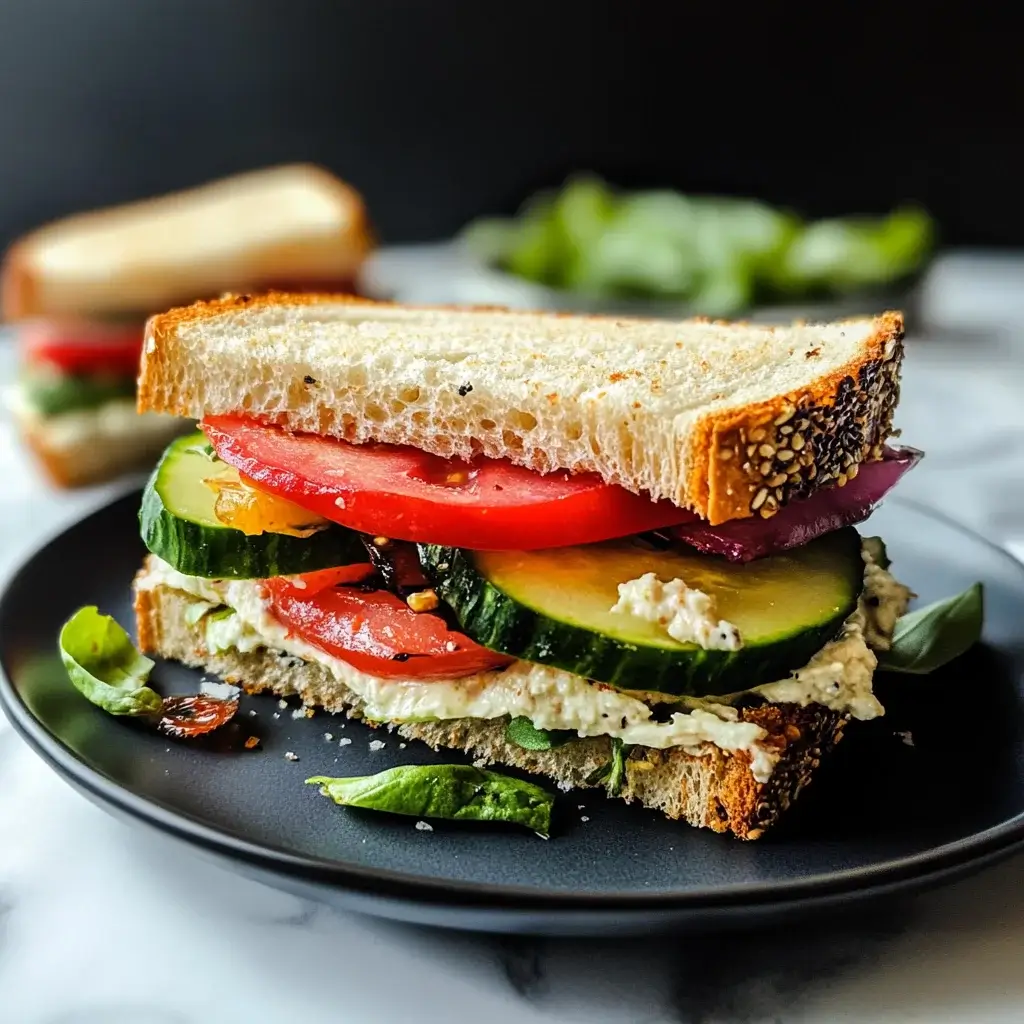
- Layer Vegetables: Begin layering your vegetables on the bottom half of the bread, over the hummus. Start with a layer of roasted red peppers. Tip: Pat roasted red peppers dry with paper towels if they are very moist to prevent excess liquid in the sandwich. Next, add a layer of sliced cucumbers, followed by sliced tomatoes, and then thinly sliced red onions. Tip: Layering the vegetables in this order helps to distribute flavors and textures evenly and prevents softer vegetables like tomatoes from getting squished at the bottom.
- Add Feta Cheese and Olives: Sprinkle crumbled feta cheese generously over the vegetables. Then, scatter the halved or sliced Kalamata olives over the feta. Tip: Don’t be shy with the feta and olives – they are key flavor components of a Mediterranean sandwich!
- Drizzle with Dressing or Vinaigrette: Drizzle your chosen Mediterranean dressing or vinaigrette generously over the fillings. Tip: Distribute the dressing evenly to moisten all the layers of the sandwich and enhance the flavors.
- Add Optional Toppings (if desired): If using sun-dried tomatoes, banana peppers, fresh basil or mint, pine nuts, or other optional toppings, sprinkle them over the dressing at this stage. Tip: Add fresh herbs like basil or mint just before serving for the brightest flavor and aroma.
- Top with Bread and Serve: Carefully place the top half of the bread over the fillings to complete the sandwich. Tip: If making ahead, you can wrap the assembled sandwich tightly in parchment paper or plastic wrap at this stage and refrigerate. However, for best texture, it’s ideal to assemble and serve closer to eating time.
- Cut and Serve: Slice the Mediterranean Veggie Sandwich in half (or into smaller portions if desired) and serve immediately. Tip: Cutting the sandwich in half diagonally not only makes it easier to handle but also presents it beautifully.
Following these simple steps, you’ll have a vibrant and flavorful Mediterranean Veggie Sandwich ready to enjoy in just minutes. The combination of creamy hummus, fresh and roasted vegetables, salty feta and olives, and zesty dressing creates a truly satisfying and delicious meal.
Nutrition Facts: A Wholesome and Delicious Choice
The Mediterranean Veggie Sandwich is not only a delight to the taste buds but also a nutritionally sound choice, packed with vitamins, minerals, fiber, and healthy fats. Here’s an estimated nutritional breakdown per serving. Please remember that these values are approximate and can vary based on specific ingredients used, bread type, portion sizes, and variations in dressings and fillings.
Servings: 1 Large Sandwich (can be halved for two smaller servings)
Per Serving (Estimated, based on recipe as described using ciabatta bread and average ingredient quantities):
- Calories: 500-600 kcal
- This range can fluctuate depending on bread type (focaccia will be higher in calories than pita), amount of hummus and olive oil, and additions like cheese and olives.
- Protein: 15-20 grams
- Protein comes from hummus, feta cheese, and bread.
- Fat: 25-35 grams
- Fat content is primarily from olive oil in the dressing and hummus, feta cheese, and olives. These are largely healthy monounsaturated and polyunsaturated fats.
- Saturated Fat: 5-10 grams
- Saturated fat comes mainly from feta cheese and olive oil.
- Cholesterol: 20-30 mg
- Cholesterol content is primarily from feta cheese (vegan feta will have zero cholesterol).
- Sodium: 800-1200 mg
- Sodium content can be relatively high due to hummus, feta cheese, olives, and some dressings. Using low-sodium hummus and being mindful of salt additions can help reduce sodium levels.
- Carbohydrates: 50-70 grams
- Carbohydrates primarily come from the bread, hummus (chickpeas), and vegetables.
- Fiber: 8-12 grams
- Fiber content is excellent, coming from whole grains in bread (especially whole wheat), hummus (chickpeas), and vegetables. High fiber promotes digestive health and satiety.
- Sugar: 8-15 grams
- Sugars are naturally occurring in vegetables, tomatoes, and some breads. Hummus also contains a small amount of natural sugar from chickpeas.
- Vitamins and Minerals (Significant Sources):
- Vitamin A: Excellent source (from carrots, red peppers, spinach if used)
- Vitamin C: Good source (from red peppers, tomatoes)
- Vitamin K: Good source (from spinach, leafy greens if used)
- Folate (Vitamin B9): Good source (from chickpeas in hummus, leafy greens)
- Potassium: Good source (from tomatoes, potatoes if used, leafy greens)
- Iron: Moderate source (from chickpeas in hummus, spinach)
- Calcium: Good source (from feta cheese, hummus, leafy greens)
- Magnesium: Good source (from whole grains, hummus, leafy greens, nuts/seeds if used)
Health Benefits Highlights:
- Rich in Fiber: Promotes digestive health, satiety, and blood sugar control.
- Good Source of Protein: Supports muscle maintenance, satiety, and various bodily functions.
- Healthy Fats: Contains monounsaturated and polyunsaturated fats from olive oil, hummus, and olives, beneficial for heart health.
- Packed with Vitamins and Minerals: Offers a wide array of essential vitamins and minerals from vegetables and whole food ingredients.
- Vegetarian and Customizable: Naturally vegetarian and easily made vegan and gluten-free to suit various dietary needs.
- Aligned with Mediterranean Diet Principles: Emphasizes whole grains, vegetables, legumes, healthy fats, and lean protein sources, reflecting the principles of the heart-healthy Mediterranean diet.
Important Notes:
- Estimated Values: These are general estimates. For precise nutritional information, use online nutrition calculators with the specific brands and quantities of ingredients you use.
- Serving Size Variability: Portion sizes can significantly impact nutritional values. Adjust serving sizes to meet individual dietary needs.
- Customize for Dietary Needs:
- Lower Calorie: Choose whole wheat pita bread, reduce hummus and olive oil amounts, use less feta cheese or a lighter cheese alternative, increase vegetable content.
- Lower Sodium: Use low-sodium hummus, reduce or omit feta cheese or use a lower-sodium feta, use no-salt-added olives or rinse olives before use, make homemade dressing with reduced salt.
- Vegan: Use vegan feta alternative, ensure bread is vegan-friendly (some focaccia may contain dairy).
- Gluten-Free: Use gluten-free bread options, ensure hummus and dressing are gluten-free (most are naturally gluten-free, but always check labels).
The Mediterranean Veggie Sandwich, when made with fresh, whole ingredients, is a nutritious and balanced meal option. It provides a satisfying combination of macronutrients and micronutrients, making it a wholesome and delicious choice for lunch, a light dinner, or a healthy snack.
Preparation Time: Quick, Easy, and Perfect for Any Day
The Mediterranean Veggie Sandwich is celebrated for its speed and ease of preparation, making it an ideal choice for busy weekdays, quick lunches, or impromptu picnics. Here’s a breakdown of the estimated time involved:
Prep Time: 15-20 minutes
- This includes slicing vegetables (cucumber, tomato, red onion), pitting and halving olives, crumbling feta cheese (if needed), preparing roasted red peppers (if roasting your own – otherwise, just draining jarred peppers), and gathering all ingredients and dressings.
- If making homemade hummus or dressing, factor in additional prep time for those components (e.g., 10-15 minutes for hummus, 5 minutes for vinaigrette). However, for speed, using store-bought options is perfectly fine.
Cook Time: 0 minutes (unless toasting bread or roasting peppers)
- No cooking is required for the sandwich assembly itself.
- Optional toasting or grilling bread adds only a few minutes.
- Roasting red peppers, if done from scratch, adds about 30-40 minutes of roasting time, but this can be done ahead of time.
Total Time: Approximately 15-20 minutes (primarily active prep time)
Tips to Speed Up Preparation:
- Use Pre-Roasted Red Peppers: Jarred roasted red peppers are a fantastic time-saver and readily available in most grocery stores. Simply drain and pat them dry.
- Pre-Sliced Vegetables: Purchase pre-sliced vegetables like cucumbers or tomatoes from the grocery store, although slicing them yourself is usually faster and fresher for these particular vegetables.
- Store-Bought Hummus and Dressing: Using high-quality store-bought hummus and Mediterranean dressing significantly reduces prep time compared to making them from scratch.
- Efficient Knife Skills: Practice efficient knife skills to chop vegetables quickly and uniformly. A sharp knife makes a big difference.
- Assemble in Batches: If making multiple sandwiches, set up an assembly line to efficiently layer ingredients for all sandwiches at once.
Make-Ahead Components:
- Roasted Red Peppers: Roasted red peppers can be roasted ahead of time (up to 2-3 days) and stored in an airtight container in the refrigerator.
- Hummus: Homemade hummus can be made up to 3-4 days in advance and stored in the refrigerator.
- Mediterranean Dressing/Vinaigrette: Homemade dressing can be made up to a week in advance and stored in the refrigerator.
- Sliced Vegetables (Partial Prep Ahead): You can slice vegetables like cucumbers and red onions a few hours ahead of time and store them in separate airtight containers in the refrigerator. Tomatoes are best sliced just before assembly to maintain their freshness and prevent them from becoming watery.
While the total time is very short, most of it is active prep work, which is minimal and straightforward. The Mediterranean Veggie Sandwich is truly a champion of quick and easy meals, perfect for those moments when you crave something healthy, flavorful, and fast.
How to Serve Your Mediterranean Veggie Sandwich: Beyond the Basics
The Mediterranean Veggie Sandwich is inherently satisfying and delicious on its own, but offering it with thoughtful accompaniments and presentation can elevate the dining experience and create a more complete and enjoyable meal. Here are some serving suggestions to take your sandwich to the next level:
- Side Dish Pairings (Complementary Flavors and Textures):
- Greek Salad: A classic Greek salad (Horiatiki) with tomatoes, cucumbers, onions, olives, feta, and a simple vinaigrette is a natural and refreshing pairing, echoing the Mediterranean flavors of the sandwich.
- Tabouli Salad: Tabouli, a parsley and bulgur wheat salad, offers a light, herbaceous, and tangy side dish that complements the sandwich beautifully.
- Lentil Soup: A hearty lentil soup provides a warm and comforting contrast, especially in cooler weather.
- Lemon Orzo Salad: A light and lemony orzo pasta salad with vegetables like cucumbers, tomatoes, and bell peppers is another excellent Mediterranean-inspired side.
- Roasted Potatoes or Sweet Potatoes: Roasted potatoes or sweet potatoes seasoned with Mediterranean herbs provide a heartier side dish option.
- Hummus and Pita Chips: Serve extra hummus with pita chips or vegetable sticks (carrots, celery, cucumbers) for dipping, reinforcing the hummus base of the sandwich.
- Fruit Salad: A light and refreshing fruit salad with melon, grapes, and berries offers a sweet and juicy counterpoint.
- Presentation Ideas (Visual Appeal Matters):
- Cut in Half Diagonally: Cutting the sandwich in half diagonally not only makes it easier to handle but also creates a more visually appealing presentation, showcasing the colorful layers.
- Open-Faced Sandwich: For a lighter option or a more elegant presentation, serve the sandwich open-faced, with just one bread half topped with the fillings.
- Skewers: Thread chunks of the sandwich fillings (roasted peppers, feta, olives, cucumbers, tomatoes) onto skewers for a fun and interactive appetizer or side.
- Garnish Plate: Garnish the plate with fresh herbs like parsley or basil sprigs, a drizzle of olive oil, or a sprinkle of red pepper flakes for added visual appeal and flavor.
- Wrap in Parchment Paper: For a casual and portable presentation, wrap the sandwich in parchment paper or deli paper, securing it with twine or a sticker. This is ideal for picnics or lunchboxes.
- Serving Suggestions for Different Occasions:
- Quick Lunch: Serve the sandwich on its own or with a small side of pita chips and hummus for a fast and satisfying lunch.
- Healthy Dinner: Pair the sandwich with a lentil soup or a large Greek salad for a complete and balanced vegetarian dinner.
- Picnic or Outdoor Gathering: Prepare the sandwiches ahead of time, wrap them individually, and pack them along with sides like tabouli salad and fruit salad for a delicious and portable picnic.
- Party Appetizer: Cut the sandwiches into smaller portions or create skewers of the fillings to serve as a Mediterranean-themed appetizer platter.
- Vegetarian Buffet: Include Mediterranean Veggie Sandwiches as a centerpiece of a vegetarian buffet spread, alongside other Mediterranean dishes like hummus, baba ghanoush, falafel, and Greek salad.
By considering these serving suggestions and presentation tips, you can transform your Mediterranean Veggie Sandwich from a simple lunch into a more elaborate and enjoyable culinary experience for any occasion.
Additional Tips for an Unforgettable Mediterranean Veggie Sandwich
To truly elevate your Mediterranean Veggie Sandwich and make it an unforgettable culinary experience, consider these five additional tips:
- Marinate Your Vegetables: Take your sandwich to the next level by marinating some of the vegetables before assembling. Marinate sliced cucumbers and red onions in a mixture of red wine vinegar, olive oil, oregano, garlic, and a pinch of salt and pepper for about 30 minutes to an hour. This will infuse them with extra flavor and tanginess, adding depth to the sandwich. You can also marinate roasted red peppers in a similar mixture for an even more intense flavor.
- Make Your Own Hummus (If Time Permits): While store-bought hummus is convenient, homemade hummus is undeniably superior in flavor and texture. Making your own hummus allows you to control the ingredients, adjust the seasonings to your liking, and enjoy the freshest possible taste. It’s surprisingly easy to make in a food processor and the difference in flavor is remarkable.
- Grill or Panini Press Your Sandwich: For a warm and melty twist, consider grilling your assembled Mediterranean Veggie Sandwich in a panini press or on a grill pan. Grilling will toast the bread beautifully, warm the fillings slightly, and create a delightful melty texture with the feta cheese. Brush the outside of the bread with olive oil before grilling for extra crispness and flavor.
- Add a Spicy Kick: If you enjoy a bit of heat, incorporate some spicy elements into your sandwich. Add a pinch of red pepper flakes to your dressing or hummus, include sliced pepperoncini or banana peppers in the fillings, or use a spicy harissa hummus for the base. A touch of spice can add another layer of complexity and excitement to the Mediterranean flavors.
- Use High-Quality Olive Oil: Olive oil is a cornerstone of Mediterranean cuisine and plays a significant role in the flavor profile of this sandwich, both in the dressing and potentially in the hummus. Using high-quality extra virgin olive oil with a rich, fruity flavor will make a noticeable difference in the overall taste of your Mediterranean Veggie Sandwich. Choose a good quality olive oil for the dressing and consider drizzling a bit more over the finished sandwich for extra richness and flavor.
By incorporating these additional tips, you can transform your Mediterranean Veggie Sandwich from a simple and delicious meal into a truly gourmet experience, bursting with flavor, texture, and Mediterranean sunshine.
FAQ: Your Burning Questions About Mediterranean Veggie Sandwiches Answered
Got questions about creating the perfect Mediterranean Veggie Sandwich? Here are answers to some frequently asked questions to help you master this delightful vegetarian dish:
Q1: Can I make Mediterranean Veggie Sandwiches ahead of time?
A: Yes, you can prepare certain components of Mediterranean Veggie Sandwiches ahead of time, but fully assembled sandwiches are best enjoyed soon after assembly to prevent the bread from becoming soggy.
- Make-Ahead Components: You can roast red peppers, make hummus and dressing, and slice vegetables (except tomatoes, which are best sliced fresh) up to 1-2 days in advance and store them separately in the refrigerator.
- Assemble Just Before Serving: For best results, assemble the sandwiches shortly before you plan to eat them. If you need to assemble them a few hours ahead, wrap them tightly in parchment paper or plastic wrap and refrigerate. However, be aware that the bread may soften slightly over time, especially with moist fillings.
- Tips for Make-Ahead: If making ahead, lightly toast the bread before assembly to help it stay firmer for longer. Avoid adding too much dressing directly into the sandwich if making it far in advance; you can pack dressing separately and drizzle it on just before serving.
Q2: How can I make a vegan Mediterranean Veggie Sandwich?
A: Making a vegan Mediterranean Veggie Sandwich is very easy! The recipe is already largely vegan, you just need to make a few simple substitutions:
- Vegan Feta Cheese: Substitute the feta cheese with a vegan feta alternative. There are many good vegan feta options available now, typically made from tofu or nuts, that mimic the salty, tangy flavor and crumbly texture of feta.
- Check Bread Ingredients: Ensure that your chosen bread (ciabatta, focaccia, pita, etc.) is vegan-friendly. Most crusty breads are vegan, but always check the ingredient list to be certain, especially for focaccia which may sometimes contain dairy.
- Hummus and Dressing: Hummus and most Mediterranean vinaigrettes are naturally vegan. However, double-check ingredient labels to ensure there are no hidden non-vegan ingredients like honey in some dressings.
With these simple swaps, you can easily enjoy a completely vegan and delicious Mediterranean Veggie Sandwich.
Q3: What are some good substitutions for feta cheese?
A: If you don’t have feta cheese or prefer not to use it, here are some good substitutions that can still maintain a Mediterranean flavor profile:
- Goat Cheese (Chèvre): Goat cheese offers a tangy and creamy alternative, though it’s less salty than feta.
- Halloumi Cheese (Grilled or Pan-Fried): Grilled or pan-fried halloumi cheese adds a salty, squeaky texture and a savory flavor.
- Ricotta Salata: Ricotta Salata is a firm, salty, and slightly crumbly Italian cheese that can be used as a substitute for feta.
- Artichoke Hearts (Marinated): Marinated artichoke hearts, while not cheese, offer a tangy, briny flavor and a soft texture that can complement the other Mediterranean ingredients.
- Vegan Feta Alternatives: As mentioned earlier, vegan feta alternatives are designed to mimic the flavor and texture of feta cheese.
Q4: Can I add protein to make it a more substantial meal?
A: Yes, you can easily add protein to your Mediterranean Veggie Sandwich to make it even more satisfying and substantial. Good protein additions include:
- Grilled or Roasted Chicken or Turkey: Thinly sliced grilled or roasted chicken breast or turkey breast adds lean protein and a savory element.
- Falafel: Crispy falafel patties are a classic Mediterranean protein source and pair perfectly with the other flavors.
- Grilled or Pan-Fried Halloumi Cheese: As mentioned, halloumi cheese not only acts as a feta substitute but also adds a good source of protein.
- Chickpeas (Roasted or Spiced): Roasted or spiced chickpeas add plant-based protein and extra texture.
- Lentils (Cooked): Cooked lentils, seasoned with Mediterranean spices, can be added for a hearty and protein-rich filling.
Q5: How can I make a lower-carb or gluten-free Mediterranean Veggie Sandwich?
A: To make a lower-carb or gluten-free Mediterranean Veggie Sandwich:
- Gluten-Free Bread: Use gluten-free ciabatta, focaccia, pita bread, or lettuce wraps as a bread alternative for a gluten-free option.
- Lettuce Wraps: For a very low-carb and gluten-free option, use large lettuce leaves (like romaine or butter lettuce) to wrap the sandwich fillings instead of bread.
- Reduce Bread: Use only one half of the bread for an open-faced sandwich or use thinner slices of bread to reduce carbohydrate content.
- Increase Vegetables and Protein: Increase the amount of vegetables and protein fillings (like grilled chicken, falafel, or halloumi) and reduce the bread portion to create a more balanced lower-carb meal.
- Cauliflower Pita Bread: Explore cauliflower pita bread or wraps, which are lower in carbs and gluten-free.
By making these adjustments, you can enjoy a delicious and customizable Mediterranean Veggie Sandwich that fits your dietary needs and preferences. Enjoy creating and savoring this vibrant and healthy meal
Print
Mediterranean Veggie Sandwich recipe
Ingredients
- Bread: 1 Loaf of Ciabatta, Focaccia, or Pita Bread (or similar hearty bread). The bread is the foundation, the vessel that holds all the deliciousness together. The choice of bread significantly impacts the sandwich’s texture and overall experience.
- Ciabatta: With its airy, open crumb and slightly chewy crust, ciabatta is a classic choice. Its robust structure holds up well to the fillings without becoming soggy, and its mild flavor complements the Mediterranean ingredients beautifully. Look for a loaf that is fresh and has a good crust.
- Focaccia: Olive oil-rich and often seasoned with herbs and salt, focaccia adds an extra layer of flavor and a softer, more pillowy texture. Its flat shape is also ideal for sandwich making. Choose a focaccia that is not too thick and has a good balance of olive oil and herbs.
- Pita Bread: For a different texture and experience, warm pita bread offers a softer, more pliable base. You can stuff the pita pockets or halve them and create open-faced sandwiches. Opt for whole wheat pita for added fiber.
- Other Options: Don’t be afraid to experiment! Sourdough bread, baguette, or even a hearty whole wheat bread can work well. The key is to choose a bread that is sturdy enough to hold the fillings and has a flavor that complements the Mediterranean profile. Consider toasting or grilling the bread lightly for added texture and warmth.
- Gluten-Free Option: For a gluten-free version, use gluten-free ciabatta, focaccia, or pita bread. There are many excellent gluten-free bread options available now that can work wonderfully in this sandwich.
- Hummus: ½ cup, store-bought or homemade. Hummus is the creamy, flavorful spread that acts as the glue holding the sandwich together and adding a protein-rich base.
- Homemade vs. Store-Bought: Homemade hummus, made with chickpeas, tahini, lemon juice, garlic, and olive oil, offers the freshest and most customizable flavor. However, high-quality store-bought hummus is a convenient and perfectly acceptable option for busy days.
- Flavor Variations: Plain hummus is classic, but feel free to experiment with flavored hummus varieties to add another layer of taste. Roasted red pepper hummus, sun-dried tomato hummus, or even spicy harissa hummus can all be delicious variations.
- Vegan and Gluten-Free: Hummus is naturally vegan and gluten-free, making this sandwich easily adaptable for various dietary needs.
- Vegetables: A Colorful Medley: Approximately 2-3 cups of a mix of fresh and roasted vegetables. The vegetables are the heart of this sandwich, providing flavor, texture, and essential nutrients.
- Roasted Red Bell Peppers: 1-2, roasted and sliced. Roasted red peppers add a sweet, smoky, and slightly charred flavor, along with a soft, tender texture. Roasting brings out their natural sweetness and makes them incredibly flavorful. You can roast them yourself or use jarred roasted red peppers (drained and patted dry).
- Cucumber: 1 medium, thinly sliced. Cucumber adds a refreshing coolness and crispness to the sandwich, balancing the richness of the hummus and other ingredients. English cucumbers or Persian cucumbers are ideal as they have fewer seeds and thinner skins.
- Tomato: 1-2 medium, sliced. Juicy, ripe tomatoes provide sweetness, acidity, and moisture. Choose flavorful tomatoes, such as heirloom tomatoes or vine-ripened tomatoes, for the best taste. Slicing them thinly ensures they fit nicely in the sandwich.
- Red Onion: ¼ cup, thinly sliced. Red onion adds a pungent bite and a slightly sharp flavor that cuts through the richness of the other ingredients. Thinly slicing mellows their intensity while still providing a pleasant oniony flavor. You can also soak thinly sliced red onion in ice water for 10 minutes to further reduce its sharpness.
- Optional Vegetables: Get creative and add other Mediterranean-inspired vegetables based on your preference and availability. Consider:
- Zucchini or Yellow Squash: Grilled or roasted zucchini or yellow squash adds a tender, slightly sweet flavor.
- Eggplant: Roasted eggplant adds a smoky, meaty texture.
- Artichoke Hearts: Marinated artichoke hearts (drained) add a tangy, briny flavor.
- Spinach or Arugula: Fresh spinach or peppery arugula adds leafy greens and nutritional value.
- Carrots: Shredded or thinly sliced carrots add sweetness and crunch.
- Feta Cheese: ½ cup, crumbled. Feta cheese adds a salty, tangy, and slightly crumbly texture that is characteristic of Mediterranean cuisine.
- Type of Feta: Authentic Greek feta, made from sheep’s milk or a blend of sheep’s and goat’s milk, offers the most traditional and flavorful experience. Feta made from cow’s milk is milder and creamier. Choose based on your taste preference.
- Vegan Feta Alternative: For a vegan version, use a vegan feta alternative, which is typically made from tofu or nuts and mimics the salty, tangy flavor of feta.
- Kalamata Olives: ¼ cup, pitted and halved or sliced. Kalamata olives bring a briny, salty, and slightly fruity flavor that is quintessential Mediterranean.
- Type of Olives: Kalamata olives are the classic choice for Mediterranean sandwiches, but other Mediterranean olive varieties, such as Nicoise olives or Castelvetrano olives, can also be used.
- Preparation: Ensure the olives are pitted for easy eating. Halving or slicing them makes them easier to distribute throughout the sandwich.
- Mediterranean Dressing or Vinaigrette: ¼ cup, store-bought or homemade. A flavorful dressing or vinaigrette ties all the ingredients together and adds moisture and brightness.
- Homemade Vinaigrette: A simple homemade vinaigrette made with olive oil, lemon juice or red wine vinegar, garlic, oregano, and salt and pepper is easy to whisk together and offers the freshest flavor.
- Store-Bought Dressing: Look for a good quality store-bought Mediterranean dressing or vinaigrette. Greek vinaigrette, Italian dressing, or a simple lemon-herb vinaigrette are all suitable options.
- Variations: Experiment with different dressings to customize the flavor profile. Consider a balsamic vinaigrette, a sun-dried tomato vinaigrette, or a creamy tahini dressing for variations.
- Optional Additions:
- Sun-Dried Tomatoes: Oil-packed sun-dried tomatoes (drained) add intense sun-dried tomato flavor and chewiness.
- Banana Peppers or Pepperoncini: For a touch of heat and tang, add sliced banana peppers or pepperoncini peppers.
- Fresh Basil or Mint Leaves: Fresh basil or mint leaves add a bright, herbaceous note.
- Pine Nuts or Toasted Almonds: For added crunch and nutty flavor, sprinkle in pine nuts or toasted slivered almonds.
Instructions
- Prepare the Bread: If using a loaf of ciabatta or focaccia, slice it horizontally in half to create two large pieces for the top and bottom of your sandwich. If using pita bread, you can warm it slightly according to package directions to make it more pliable, or you can use it at room temperature. Optional: For added warmth and texture, lightly toast or grill the cut sides of the bread halves. This will also prevent the bread from becoming soggy if you are preparing the sandwiches ahead of time.
- Spread Hummus: Generously spread hummus on both the top and bottom halves of your chosen bread. The hummus acts as a flavorful base and helps to keep the vegetables from making the bread soggy. Tip: Ensure the hummus is spread evenly to distribute the flavor throughout the sandwich.
- Layer Vegetables: Begin layering your vegetables on the bottom half of the bread, over the hummus. Start with a layer of roasted red peppers. Tip: Pat roasted red peppers dry with paper towels if they are very moist to prevent excess liquid in the sandwich. Next, add a layer of sliced cucumbers, followed by sliced tomatoes, and then thinly sliced red onions. Tip: Layering the vegetables in this order helps to distribute flavors and textures evenly and prevents softer vegetables like tomatoes from getting squished at the bottom.
- Add Feta Cheese and Olives: Sprinkle crumbled feta cheese generously over the vegetables. Then, scatter the halved or sliced Kalamata olives over the feta. Tip: Don’t be shy with the feta and olives – they are key flavor components of a Mediterranean sandwich!
- Drizzle with Dressing or Vinaigrette: Drizzle your chosen Mediterranean dressing or vinaigrette generously over the fillings. Tip: Distribute the dressing evenly to moisten all the layers of the sandwich and enhance the flavors.
- Add Optional Toppings (if desired): If using sun-dried tomatoes, banana peppers, fresh basil or mint, pine nuts, or other optional toppings, sprinkle them over the dressing at this stage. Tip: Add fresh herbs like basil or mint just before serving for the brightest flavor and aroma.
- Top with Bread and Serve: Carefully place the top half of the bread over the fillings to complete the sandwich. Tip: If making ahead, you can wrap the assembled sandwich tightly in parchment paper or plastic wrap at this stage and refrigerate. However, for best texture, it’s ideal to assemble and serve closer to eating time.
- Cut and Serve: Slice the Mediterranean Veggie Sandwich in half (or into smaller portions if desired) and serve immediately. Tip: Cutting the sandwich in half diagonally not only makes it easier to handle but also presents it beautifully.
Nutrition
- Serving Size: one normal portion
- Calories: 500-600 kcal
- Sugar: 8-15 grams
- Sodium: 800-1200 mg
- Fat: 25-35 grams
- Saturated Fat: 5-10 grams
- Carbohydrates: 50-70 grams
- Fiber: 8-12 grams
- Protein: 15-20 grams
- Cholesterol: 20-30 mg