

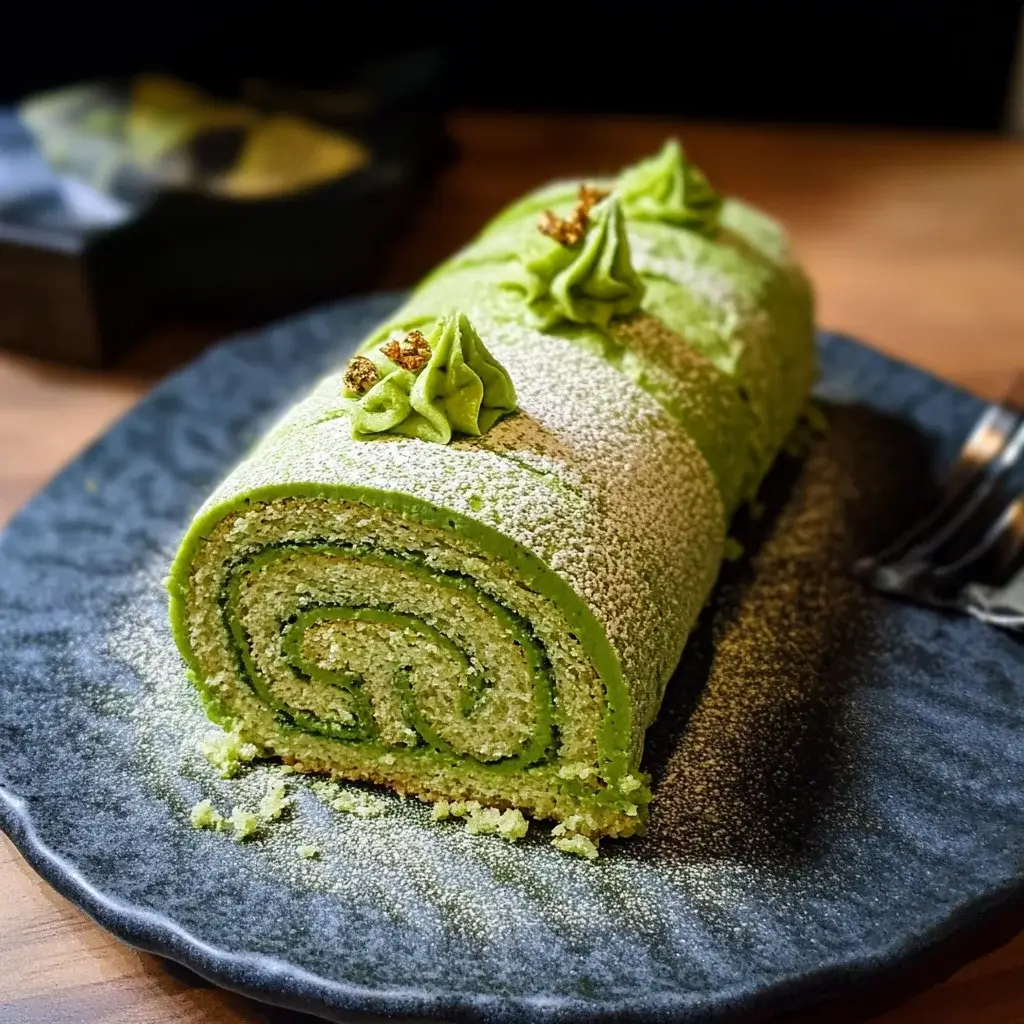

Ingredients for a Perfect Matcha Swiss Roll
Creating a truly exceptional Matcha Swiss Roll hinges on using the right ingredients, each playing a vital role in achieving the perfect balance of flavor, texture, and that signature vibrant green color. Here’s a detailed breakdown of what you’ll need for both the delicate sponge cake and the luscious filling, along with notes on ingredient importance and potential substitutions:
For the Matcha Sponge Cake:
- 4 Large Eggs, separated: Eggs are the backbone of our sponge cake, providing structure, richness, and moisture. Separating the eggs is crucial for creating a light and airy texture. The yolks contribute richness and flavor, while the whipped egg whites provide volume and lift.
- Why Separated Eggs? Separating eggs allows you to whip the whites to stiff peaks, incorporating maximum air into the batter. This airy structure is what gives a sponge cake its signature lightness and delicate crumb, essential for a Swiss Roll that needs to be flexible and roll without cracking.
- Tip: Ensure your eggs are at room temperature for better volume when whipping. Cold eggs separate more cleanly, but room temperature whites whip to a greater volume. Separate them while cold, then let the whites sit at room temperature for about 30 minutes before whipping.
- Substitution: There is no direct substitution for eggs in a traditional sponge cake recipe if you want to achieve the same texture. For vegan options, you would be looking at a completely different recipe approach using ingredients like flax eggs or aquafaba, which will result in a different texture profile.
- ¾ cup Granulated Sugar, divided: Sugar sweetens the cake, adds moisture, and contributes to its tenderness. Dividing the sugar, using some for the yolks and some for the whites, helps in creating stable and voluminous egg foams.
- Why Divided Sugar? Sugar stabilizes egg whites when whipped, helping them achieve stiff peaks and preventing them from deflating easily. Sugar also helps to create a finer crumb in the cake.
- Tip: Use superfine or caster sugar if available, as it dissolves more easily into the egg whites and yolks, resulting in a smoother batter. Regular granulated sugar works perfectly well too.
- Substitution: You can use other granulated sweeteners like coconut sugar or cane sugar, but they may slightly alter the color and flavor of the cake. Avoid liquid sweeteners like honey or maple syrup in the sponge cake batter as they can affect the texture and rise.
- ½ cup Cake Flour: Cake flour is essential for a tender and delicate sponge cake. It has a lower protein content than all-purpose flour, which minimizes gluten development, leading to a softer crumb.
- Why Cake Flour? The lower protein content in cake flour is key to achieving the light, airy, and tender texture characteristic of a sponge cake. It prevents the cake from becoming tough or chewy.
- Substitution: If you don’t have cake flour, you can make a substitute using all-purpose flour and cornstarch. For every 1 cup of cake flour, measure out 1 cup of all-purpose flour, remove 2 tablespoons of flour, and replace it with 2 tablespoons of cornstarch. Sift together thoroughly. This approximates the protein content of cake flour.
- Tip: Always sift cake flour before measuring to ensure accuracy and remove any lumps. Sifting also aerates the flour, contributing to a lighter cake.
- 2 tablespoons Matcha Powder (culinary grade or higher): Matcha powder is the star flavor ingredient, imparting its distinctive earthy, slightly bitter, and subtly sweet green tea flavor, as well as the vibrant green color. Culinary grade or higher quality matcha is recommended for the best flavor and color payoff.
- Why Matcha Powder? Matcha powder provides the signature flavor and color of this Swiss Roll. The quality of matcha greatly affects the final taste and color. Culinary grade is suitable for baking, while ceremonial grade is higher quality and can be used if you desire a more intense matcha flavor and vibrant green hue.
- Tip: Sift the matcha powder along with the cake flour to remove any clumps and ensure even distribution in the batter. This will prevent pockets of concentrated matcha flavor and ensure a smooth, consistent green color.
- Storage: Store matcha powder in an airtight container in a cool, dark place to preserve its color and flavor.
- ¼ cup Milk (whole milk or 2%): Milk adds moisture to the sponge cake, contributing to its tender crumb and helping to dissolve the sugar and matcha powder. Whole milk or 2% milk provides richness and flavor.
- Why Milk? Milk adds moisture and richness to the cake, contributing to its soft texture. It also helps to create a smoother batter and enhances the overall flavor.
- Substitution: You can use non-dairy milk alternatives like almond milk, soy milk, or oat milk. These will work well, but may slightly alter the flavor and richness depending on the type of milk used. Buttermilk can also be used for a slightly tangier flavor, but it may alter the texture slightly.
- 2 tablespoons Vegetable Oil (or other neutral oil): Vegetable oil adds moisture to the cake and contributes to its tender texture. Unlike butter, oil keeps the cake moist even when refrigerated, which is important for a Swiss Roll that needs to be stored chilled.
- Why Vegetable Oil? Oil contributes to a moist and tender cake crumb. It also helps to keep the cake soft and pliable, making it easier to roll without cracking.
- Substitution: You can use other neutral oils like canola oil, grapeseed oil, or sunflower oil. Melted unsalted butter can be used for a richer flavor, but oil generally results in a moister cake that stays softer for longer.
- 1 teaspoon Vanilla Extract: Vanilla extract enhances the overall flavor of the sponge cake, adding warmth and complexity that complements the matcha. Use pure vanilla extract for the best flavor.
- Why Vanilla Extract? Vanilla extract enhances the sweetness and complements the subtle bitterness of matcha, creating a more rounded and flavorful cake.
- Substitution: You can use almond extract for a slightly different flavor profile, or omit it if you prefer to focus solely on the matcha flavor. Matcha extract can also be used to further intensify the matcha flavor, but use it sparingly as it can be quite potent.
For the Matcha Cream Filling:
- 1 cup Heavy Cream (35% milkfat or higher), cold: Heavy cream is the base of our luscious filling, providing richness and a light, airy texture when whipped. It must be cold for proper whipping and volume.
- Why Heavy Cream? Heavy cream has a high fat content, which is essential for whipping into stable and voluminous whipped cream. It creates a rich and decadent filling that complements the light sponge cake.
- Substitution: You can use whipping cream (30% milkfat), but it may not whip up as stiffly as heavy cream. For a dairy-free option, you can use chilled full-fat coconut cream (scoop out the solid cream from a refrigerated can, leaving the liquid behind), but the flavor will be coconut-forward.
- Tip: Ensure your heavy cream is thoroughly chilled in the refrigerator for at least 2 hours before whipping, and preferably overnight. Cold cream whips up to a greater volume and holds its shape better.
- ¼ cup Powdered Sugar, sifted: Powdered sugar sweetens the whipped cream filling and also helps to stabilize it, preventing it from weeping or becoming grainy. Sifting is important to remove lumps and ensure a smooth filling.
- Why Powdered Sugar? Powdered sugar dissolves easily into cold cream and contains cornstarch, which acts as a stabilizer for whipped cream, helping it hold its shape for longer.
- Substitution: You can use granulated sugar, but it may make the whipped cream slightly grainy if not fully dissolved. If using granulated sugar, ensure it is very fine or caster sugar and whip for a bit longer to allow it to dissolve.
- Tip: Sift powdered sugar before measuring to ensure accuracy and remove any lumps. Lumps in powdered sugar can make the whipped cream grainy.
- 1 teaspoon Matcha Powder (culinary grade or higher): Adding matcha powder to the whipped cream infuses it with matcha flavor, creating a cohesive matcha experience throughout the Swiss Roll. It also enhances the visual appeal by adding a subtle green hue to the filling.
- Why Matcha Powder in Filling? Adding matcha to the filling intensifies the matcha flavor of the Swiss Roll and creates a harmonious flavor profile between the cake and the filling.
- Tip: Sift the matcha powder before adding it to the whipped cream to prevent clumps and ensure smooth incorporation. You can also whisk the sifted matcha with a tablespoon of powdered sugar to further prevent clumping and ensure even distribution.
- ½ teaspoon Vanilla Extract: Vanilla extract enhances the sweetness and creaminess of the whipped cream filling, adding a subtle layer of flavor complexity that complements the matcha.
- Why Vanilla Extract in Filling? Vanilla extract enhances the overall flavor of the whipped cream and complements the matcha, adding warmth and depth to the filling.
- Substitution: You can use almond extract for a slightly different flavor, or omit it if you prefer a purer matcha flavor in the filling.
Having these high-quality ingredients measured and ready is the first step to creating a truly delightful Matcha Swiss Roll. Each component contributes to the final flavor, texture, and visual appeal, so using the right ingredients and following the recipe carefully will ensure baking success.
Instructions for Baking a Matcha Swiss Roll
Now that we have all our ingredients prepped and ready, let’s move on to the step-by-step instructions for baking a beautiful and delicious Matcha Swiss Roll:
Step 1: Prepare the Sponge Cake Batter
- Preheat Oven and Prepare Pan: Preheat your oven to 325°F (165°C). This lower temperature helps the sponge cake bake evenly and prevents it from browning too quickly, ensuring a tender and pliable cake that rolls without cracking. Line a 10×15 inch jelly roll pan with parchment paper, leaving an overhang on the sides for easy removal later. Grease the parchment paper lightly with butter or cooking spray. This ensures the cake releases cleanly after baking.
- Separate Eggs: Carefully separate the eggs, placing the yolks in a large bowl and the whites in a clean, grease-free bowl. It’s crucial that no yolk gets into the whites, as even a tiny amount of fat can prevent them from whipping properly.
- Whisk Egg Yolks and Sugar: In the bowl with the egg yolks, add half of the granulated sugar (about ⅓ cup). Whisk together until the yolks become pale yellow and slightly thickened. This process, called “ribbon stage,” incorporates air into the yolks and creates a richer base for the batter.
- Whisk in Wet Ingredients: Whisk in the milk, vegetable oil, and vanilla extract into the yolk mixture until well combined. The batter will be smooth and slightly liquid.
- Sift Dry Ingredients: In a separate medium bowl, sift together the cake flour and matcha powder. Sifting removes any lumps and ensures the dry ingredients are light and airy, contributing to a tender cake.
- Combine Wet and Dry Ingredients: Gradually add the sifted dry ingredients to the wet ingredients, mixing gently with a spatula until just combined. Be careful not to overmix. Overmixing can develop gluten and result in a tough cake. Mix until you no longer see streaks of flour, but the batter should still be light and airy.
- Whip Egg Whites and Sugar: In the clean bowl with the egg whites, use an electric mixer (hand mixer or stand mixer with whisk attachment) to beat the egg whites until soft peaks form. Gradually add the remaining granulated sugar (about ⅓ cup), a tablespoon at a time, while continuing to beat. Continue beating until stiff, glossy peaks form. The egg whites should be voluminous and hold their shape when you lift the beaters.
- Fold Egg Whites into Batter: Gently fold about one-third of the whipped egg whites into the yolk batter to lighten it. Then, gently fold in the remaining egg whites in two additions, being careful not to deflate the whites. Use a spatula and fold in a figure-eight motion, scraping from the bottom of the bowl to ensure everything is evenly incorporated. The batter should be light, airy, and voluminous.
Step 2: Bake the Sponge Cake
- Pour Batter into Pan: Pour the prepared batter into the lined jelly roll pan and spread it evenly to the corners using an offset spatula or the back of a spoon. Ensure the batter is spread in an even layer for uniform baking.
- Bake: Bake in the preheated oven at 325°F (165°C) for 12-15 minutes, or until the cake springs back lightly when gently pressed in the center and the edges are lightly golden. Be careful not to overbake, as a dry cake will crack when rolled.
- Prepare for Rolling: While the cake is baking, lay out a clean kitchen towel or a large sheet of parchment paper on your work surface and lightly dust it with powdered sugar. This will prevent the warm cake from sticking to the towel or paper.
Step 3: Roll the Warm Cake
- Invert Cake onto Towel: Once the cake is baked, immediately remove it from the oven and invert it onto the prepared towel or parchment paper. Carefully peel off the parchment paper lining from the bottom of the cake.
- Roll Cake and Towel Together: Starting from one of the short ends of the cake, gently roll the cake and the towel (or parchment paper) together into a tight spiral. Be firm but gentle to avoid cracking the cake. The towel will be rolled up inside the cake.
- Cool in Rolled Position: Place the rolled cake seam-down on a wire rack and let it cool completely in the rolled position. Cooling in the rolled position trains the cake to hold its rolled shape and prevents cracking when filling. Allow it to cool for at least 1-2 hours, or until completely cooled.
Step 4: Prepare the Matcha Cream Filling
- Chill Bowl and Beaters: Ensure your mixing bowl and whisk attachment or beaters are thoroughly chilled. This helps the heavy cream whip up to its maximum volume. You can place them in the freezer for 10-15 minutes before whipping.
- Combine Filling Ingredients: In the chilled bowl, combine the cold heavy cream, sifted powdered sugar, sifted matcha powder, and vanilla extract.
- Whip Cream to Stiff Peaks: Using an electric mixer, beat the mixture on medium-high speed until stiff peaks form. Be careful not to overwhip, as whipped cream can turn grainy and separate if overbeaten. You want stiff peaks that hold their shape when you lift the beaters.
Step 5: Assemble the Matcha Swiss Roll
- Unroll Cake: Once the cake is completely cooled, carefully unroll it from the towel or parchment paper.
- Spread Filling: Evenly spread the matcha cream filling over the unrolled cake, leaving about a ½-inch border along one of the long edges without filling. This border will be the final seam and helps prevent filling from squeezing out when rolled.
- Reroll Cake: Starting from the edge opposite the border, gently reroll the cake tightly, without the towel this time, into a spiral. Use the parchment paper or towel to help you roll tightly and neatly. Roll it seam-down.
- Chill Swiss Roll: Wrap the rolled Swiss Roll tightly in plastic wrap and chill in the refrigerator for at least 2-3 hours, or preferably overnight, to allow the filling to set and the flavors to meld.
Step 6: Slice and Serve
- Trim Ends (Optional): Before serving, you can trim the ends of the Swiss Roll for a cleaner, more professional look. Use a serrated knife and trim about ½ inch off each end.
- Slice and Serve: Slice the chilled Matcha Swiss Roll into ¾-inch to 1-inch thick slices using a serrated knife. Wipe the knife clean between slices for clean cuts.
- Garnish (Optional): Dust the slices with powdered sugar or extra matcha powder before serving for a beautiful presentation. Serve chilled and enjoy!
Following these detailed instructions will guide you to bake a stunning and delicious Matcha Swiss Roll with a light, airy sponge cake and a luscious matcha cream filling. Enjoy the baking process and the delightful results!
Nutrition Facts for Matcha Swiss Roll
Understanding the nutritional content of your Matcha Swiss Roll can be helpful for making informed dietary choices. Please note that these are approximate values and can vary based on specific ingredient brands, serving sizes, and any slight variations in the recipe.
Serving Size: 1 slice (assuming the Swiss Roll is cut into 10-12 slices)
Approximate Nutrition Facts per Serving (estimated):
- Calories: 280-350 kcal
- Total Fat: 18-25g
- Saturated Fat: 10-15g
- Trans Fat: 0g
- Unsaturated Fat: 8-10g
- Cholesterol: 80-100mg
- Sodium: 50-80mg
- Total Carbohydrates: 25-35g
- Dietary Fiber: <1g
- Sugars: 20-25g (including added sugars)
- Protein: 3-5g
Key Nutritional Considerations:
- Moderate in Calories: Matcha Swiss Roll is a dessert and is moderate in calories per serving, primarily due to the sugar, heavy cream, and flour content. Portion control is important, especially if you are watching your calorie intake.
- High in Fat: The cake and especially the cream filling contribute to a relatively high fat content, primarily from heavy cream and eggs. Saturated fat content is also significant.
- Low in Sodium: Sodium content is relatively low in this recipe.
- Moderate in Carbohydrates and Sugars: Swiss Roll is a carbohydrate-rich dessert, mainly from flour and sugars. The sugar content is moderate to high due to the sugar in both the cake and the filling.
- Low in Protein: The protein content is relatively low compared to carbohydrates and fats.
- Low in Fiber: The fiber content is very low, as sponge cake is made with refined flour and the filling is primarily cream and sugar.
- Matcha Benefits: Matcha powder does contain antioxidants and some nutrients, but the amount per serving in a Swiss Roll is relatively small and should not be considered a significant source of these benefits in the context of a dessert.
Important Notes:
- These nutritional facts are estimates and can vary. Using different brands or substitutions for ingredients can alter the nutritional values.
- The calorie and fat content are mainly contributed by the heavy cream filling. Using a lighter filling (e.g., a mousse-based filling or a lighter whipped cream with less sugar) could reduce the calorie and fat content.
- This Matcha Swiss Roll is best enjoyed as an occasional treat due to its higher calorie, fat, and sugar content.
For more precise nutritional information, you can use online nutritional calculators and input the specific brands and quantities of ingredients you use. Remember to enjoy this delicious Matcha Swiss Roll in moderation as part of a balanced diet.
Preparation Time for Matcha Swiss Roll
Planning your time in the kitchen is essential, especially for baking projects like a Swiss Roll. Here’s a breakdown of the preparation and baking time for Matcha Swiss Roll:
Total Preparation Time: Approximately 2 hours 45 minutes – 3 hours 30 minutes (including cooling and chilling time)
This time is divided into:
- Active Prep Time: 1 hour – 1 hour 15 minutes
- Sponge Cake Batter Preparation: 30-40 minutes (egg separation, whisking, sifting, combining wet and dry ingredients, whipping egg whites, folding batter)
- Pan Preparation: 5 minutes (lining and greasing pan)
- Cream Filling Preparation: 15-20 minutes (chilling bowl, whipping cream and other filling ingredients)
- Rolling the Cake (Initial Roll): 5-10 minutes (inverting cake, rolling with towel)
- Filling and Rerolling: 5-10 minutes (unrolling, spreading filling, rerolling)
- Inactive Time (Cooling and Chilling Time): 1 hour 45 minutes – 2 hours 15 minutes
- Cake Cooling (Rolled): 1-2 hours (cooling cake completely in rolled towel)
- Swiss Roll Chilling (Filled): Minimum 2-3 hours, ideally longer (chilling filled Swiss Roll in refrigerator)
Timeline Summary:
- Preheat Oven and Prepare Pan (5 minutes – overlaps with other steps)
- Prepare Sponge Cake Batter (30-40 minutes)
- Bake Sponge Cake (12-15 minutes)
- Roll Warm Cake and Cool (1-2 hours)
- Prepare Matcha Cream Filling (15-20 minutes – can be done while cake cools)
- Fill and Reroll Swiss Roll (5-10 minutes)
- Chill Swiss Roll (minimum 2-3 hours, ideally overnight)
- Slice and Serve (5 minutes)
Tips for Efficient Preparation:
- Read the Recipe Thoroughly: Before you start, read the entire recipe to understand all the steps and ingredient requirements.
- Mise en Place: “Everything in its place.” Measure out all your ingredients before you begin mixing. This saves time and ensures you don’t forget anything.
- Chill Cream in Advance: Ensure your heavy cream is thoroughly chilled in the refrigerator at least 2 hours prior to whipping, or even overnight.
- Prepare Filling While Cake Cools: While the sponge cake is cooling in its rolled position, you can prepare the matcha cream filling to maximize your time.
- Make Ahead: Matcha Swiss Roll is a great make-ahead dessert. You can bake the sponge cake and prepare the filling a day in advance, assemble and chill the Swiss Roll, and then slice and serve it the next day. This breaks down the preparation and makes it more manageable.
By following this timeline and these tips, you can efficiently prepare your Matcha Swiss Roll, making the baking process enjoyable and stress-free. Enjoy the anticipation of the delicious and elegant dessert to come after the chilling process!
How to Serve Matcha Swiss Roll
Matcha Swiss Roll is an elegant and versatile dessert that can be served in a variety of ways, making it perfect for afternoon tea, special occasions, or a delightful sweet treat any time. Here are some delightful serving suggestions:
Serving Temperature:
- Chilled: Matcha Swiss Roll is always best served chilled straight from the refrigerator. The cold temperature enhances the refreshing flavors and creamy texture of the filling and cake.
- Do not freeze (long-term): While you can freeze slices for longer storage (see FAQ), serving directly from frozen is not ideal as the texture may be altered. Allow frozen slices to thaw in the refrigerator before serving.
Serving Occasions:
- Afternoon Tea: A classic pairing! Serve slices of Matcha Swiss Roll as part of a traditional afternoon tea spread, alongside other pastries, sandwiches, and a selection of teas.
- Dessert for Asian-Inspired Meals: Perfect as a light and refreshing dessert following a Japanese, Chinese, or Korean meal.
- Special Occasions and Celebrations: Elegant enough for birthdays, anniversaries, holidays, and other special gatherings. Its beautiful appearance makes it a visually impressive dessert.
- Casual Gatherings and Potlucks: Easy to transport and serve, making it a great option for potlucks, picnics, and casual get-togethers.
- Everyday Treat: Enjoy a slice with your morning coffee or afternoon tea as a special everyday indulgence.
Serving Suggestions – Bullet Points:
- Classic Tea Pairing: Serve slices of chilled Matcha Swiss Roll with a cup of hot green tea, such as Sencha, Genmaicha, or Gyokuro. The earthy notes of green tea complement the matcha flavor in the cake beautifully.
- Coffee Accompaniment: Equally delicious with a cup of coffee, especially a latte or cappuccino. The slight bitterness of coffee balances the sweetness of the cake.
- Fruit and Cream Platter: Enhance the presentation by serving slices of Matcha Swiss Roll on a platter garnished with fresh berries (strawberries, raspberries, blueberries), sliced peaches, or whipped cream.
- Dessert Trio: Include Matcha Swiss Roll as part of a dessert trio platter with other small desserts like mochi, macarons, or fruit tarts for a variety of options.
- Dust with Powdered Sugar or Matcha: A simple dusting of powdered sugar or extra matcha powder adds a touch of elegance and visual appeal.
- Chocolate Sauce Drizzle: For a richer indulgence, drizzle a light chocolate sauce or white chocolate sauce over the slices just before serving.
- Ice Cream Pairing: Serve alongside a scoop of vanilla ice cream, green tea ice cream, or red bean ice cream for a more substantial dessert.
- Japanese-Style Dessert Plate: Combine Matcha Swiss Roll with other Japanese sweets like dango, dorayaki, or yokan for an authentic Japanese dessert plate.
- Simple and Elegant: Sometimes, the best way to serve it is simply sliced and presented on a pretty plate. Its natural beauty shines through.
No matter how you choose to serve it, Matcha Swiss Roll is sure to be a delightful treat. Its delicate flavors and elegant presentation make it a welcome addition to any occasion. Enjoy experimenting with different pairings and serving styles to find your favorite way to savor this exquisite dessert!
Additional Tips for Baking the Perfect Matcha Swiss Roll
To ensure your Matcha Swiss Roll is consistently flawless and utterly delicious, here are five additional tips to elevate your baking game:
- Use High-Quality Matcha Powder: The quality of your matcha powder will directly impact the flavor and color of your Swiss Roll. Invest in culinary grade or higher quality matcha for baking. Lower quality matcha can be bitter or have a dull green color. High-quality matcha will have a vibrant green hue and a more nuanced, less bitter flavor. Store your matcha powder properly in an airtight container in a cool, dark place to maintain its freshness and potency.
- Don’t Overmix the Batter (Especially After Adding Dry Ingredients and Egg Whites): Overmixing is a common pitfall in baking sponge cakes. Once you add the dry ingredients to the wet ingredients, mix gently until just combined. Overmixing at this stage develops gluten, leading to a tougher cake. Similarly, when folding in the whipped egg whites, be extremely gentle and fold just until no white streaks remain. Over-folding deflates the egg whites, resulting in a dense and less airy cake.
- Bake at the Right Temperature and Time (and Watch Carefully): Oven temperatures can vary, so use an oven thermometer to ensure your oven is accurately set to 325°F (165°C). Baking time is also crucial for a tender and rollable sponge cake. Bake for the recommended 12-15 minutes, but start checking for doneness around 12 minutes. The cake should spring back lightly when gently pressed in the center and the edges should be just lightly golden. Overbaking will dry out the cake, making it prone to cracking when rolled. Underbaking can make the cake too fragile to roll.
- Roll the Cake While Warm (But Not Too Hot): Rolling the cake while it is still warm, but not scalding hot, is key to preventing cracks. Warm cake is more pliable and less likely to break than cooled cake. Work quickly after removing the cake from the oven. If the cake is too hot to handle comfortably, let it cool for just a minute or two before inverting and rolling. Rolling it too late, when it has cooled down significantly, will increase the risk of cracking.
- Chill Thoroughly After Filling (For Easier Slicing and Flavor Mellowing): Chilling the filled Swiss Roll in the refrigerator for at least 2-3 hours, or preferably overnight, is essential for several reasons. Chilling allows the cream filling to set properly, making the Swiss Roll easier to slice neatly. It also allows the flavors to meld and deepen, resulting in a more harmonious and delicious dessert. Chilling also firms up the cake and filling, making each slice hold its shape better when served.
By incorporating these additional tips into your baking process, you’ll significantly improve your chances of creating a perfect Matcha Swiss Roll every time – light, airy, flavorful, and beautifully rolled. Happy baking!
Frequently Asked Questions (FAQ) About Matcha Swiss Roll
Got questions about making Matcha Swiss Roll? Here are answers to some frequently asked questions to help you bake with confidence:
Q1: My Swiss Roll cracked when I rolled it. What did I do wrong?
A: Cracking is a common issue with Swiss Rolls, but it can be avoided! Here are the most common causes and solutions:
* Overbaking: Overbaked cake becomes dry and brittle, making it crack when rolled. Ensure you don’t overbake your sponge cake – bake just until it springs back lightly and the edges are lightly golden.
* Cooling Too Long Before Rolling: If you let the cake cool completely before rolling, it will become less pliable and more prone to cracking. Roll the cake while it is still warm (but not too hot to handle).
* Rolling Too Tightly: Rolling the cake too tightly can also cause cracks. Roll gently but firmly, guiding the cake into a spiral shape rather than forcing it.
* Not Using Enough Moisture: Ensure your sponge cake batter is moist enough. Using oil and milk helps with moisture. Also, make sure you are using the correct ratio of ingredients.
* Rolling Technique: Roll the cake starting from one of the shorter ends for a shorter, thicker roll, which is sometimes easier to manage than a long, thin roll.
Q2: Can I make Matcha Swiss Roll ahead of time?
A: Yes, absolutely! Matcha Swiss Roll is a great make-ahead dessert. In fact, it’s often even better when made a day in advance, as chilling allows the flavors to meld and the filling to set properly. You can bake the sponge cake, prepare the filling, assemble the Swiss Roll, and then chill it in the refrigerator for up to 2-3 days. It’s best to add any powdered sugar dusting or garnishes just before serving for the freshest appearance.
Q3: How do I store Matcha Swiss Roll?
A: Store Matcha Swiss Roll in an airtight container in the refrigerator. It will keep well for 3-4 days. Ensure it is tightly wrapped to prevent it from drying out. For longer storage, you can freeze slices. Wrap individual slices tightly in plastic wrap, then place them in a freezer-safe container. Frozen slices can be thawed in the refrigerator for a few hours before serving. Freezing the entire rolled cake is also possible, but individual slices are often more convenient.
Q4: Can I use a different filling for Matcha Swiss Roll?
A: Yes, you can definitely experiment with different fillings! While matcha cream filling is classic, you can try other options:
* Vanilla Whipped Cream: A simple vanilla whipped cream is always delicious.
* Red Bean Paste (Anko): For a more traditional Japanese flavor, use sweet red bean paste.
* Custard Cream: A light and creamy pastry cream or crème diplomat (custard cream lightened with whipped cream) works beautifully.
* Fruit Puree or Jam: A thin layer of fruit puree or jam (like raspberry, strawberry, or citrus curd) can add a fruity twist.
* Chocolate Ganache: For a richer dessert, use a white or milk chocolate ganache filling.
* Mascarpone Cream: Mascarpone cheese whipped with sugar and vanilla creates a richer and slightly tangy filling.
Q5: Can I make a dairy-free or vegan Matcha Swiss Roll?
A: Making a completely dairy-free or vegan Matcha Swiss Roll requires significant recipe adjustments, but it is possible.
* Dairy-Free Filling: Use chilled full-fat coconut cream (scoop out the solid cream, discard liquid) whipped with powdered sugar and matcha for a dairy-free filling. Vegan whipped cream alternatives are also available, but their texture may vary.
* Vegan Sponge Cake: For a vegan sponge cake, you would need to adapt the recipe significantly, replacing eggs with vegan egg substitutes like flax eggs or aquafaba. Look for specific vegan Swiss Roll recipes online as sponge cake is heavily reliant on eggs for its structure and texture. Vegan versions will likely have a slightly different texture.
Hopefully, these FAQs address any questions you might have and give you the confidence to bake a perfect Matcha Swiss Roll. If you have any other questions, don’t hesitate to ask! Happy baking and enjoy your beautiful and delicious Matcha Swiss Roll!
Print
Matcha Swiss Roll recipe
Ingredients
For the Matcha Sponge Cake:
- 4 Large Eggs, separated: Eggs are the backbone of our sponge cake, providing structure, richness, and moisture. Separating the eggs is crucial for creating a light and airy texture. The yolks contribute richness and flavor, while the whipped egg whites provide volume and lift.
- Why Separated Eggs? Separating eggs allows you to whip the whites to stiff peaks, incorporating maximum air into the batter. This airy structure is what gives a sponge cake its signature lightness and delicate crumb, essential for a Swiss Roll that needs to be flexible and roll without cracking.
- Tip: Ensure your eggs are at room temperature for better volume when whipping. Cold eggs separate more cleanly, but room temperature whites whip to a greater volume. Separate them while cold, then let the whites sit at room temperature for about 30 minutes before whipping.
- Substitution: There is no direct substitution for eggs in a traditional sponge cake recipe if you want to achieve the same texture. For vegan options, you would be looking at a completely different recipe approach using ingredients like flax eggs or aquafaba, which will result in a different texture profile.
- ¾ cup Granulated Sugar, divided: Sugar sweetens the cake, adds moisture, and contributes to its tenderness. Dividing the sugar, using some for the yolks and some for the whites, helps in creating stable and voluminous egg foams.
- Why Divided Sugar? Sugar stabilizes egg whites when whipped, helping them achieve stiff peaks and preventing them from deflating easily. Sugar also helps to create a finer crumb in the cake.
- Tip: Use superfine or caster sugar if available, as it dissolves more easily into the egg whites and yolks, resulting in a smoother batter. Regular granulated sugar works perfectly well too.
- Substitution: You can use other granulated sweeteners like coconut sugar or cane sugar, but they may slightly alter the color and flavor of the cake. Avoid liquid sweeteners like honey or maple syrup in the sponge cake batter as they can affect the texture and rise.
- ½ cup Cake Flour: Cake flour is essential for a tender and delicate sponge cake. It has a lower protein content than all-purpose flour, which minimizes gluten development, leading to a softer crumb.
- Why Cake Flour? The lower protein content in cake flour is key to achieving the light, airy, and tender texture characteristic of a sponge cake. It prevents the cake from becoming tough or chewy.
- Substitution: If you don’t have cake flour, you can make a substitute using all-purpose flour and cornstarch. For every 1 cup of cake flour, measure out 1 cup of all-purpose flour, remove 2 tablespoons of flour, and replace it with 2 tablespoons of cornstarch. Sift together thoroughly. This approximates the protein content of cake flour.
- Tip: Always sift cake flour before measuring to ensure accuracy and remove any lumps. Sifting also aerates the flour, contributing to a lighter cake.
- 2 tablespoons Matcha Powder (culinary grade or higher): Matcha powder is the star flavor ingredient, imparting its distinctive earthy, slightly bitter, and subtly sweet green tea flavor, as well as the vibrant green color. Culinary grade or higher quality matcha is recommended for the best flavor and color payoff.
- Why Matcha Powder? Matcha powder provides the signature flavor and color of this Swiss Roll. The quality of matcha greatly affects the final taste and color. Culinary grade is suitable for baking, while ceremonial grade is higher quality and can be used if you desire a more intense matcha flavor and vibrant green hue.
- Tip: Sift the matcha powder along with the cake flour to remove any clumps and ensure even distribution in the batter. This will prevent pockets of concentrated matcha flavor and ensure a smooth, consistent green color.
- Storage: Store matcha powder in an airtight container in a cool, dark place to preserve its color and flavor.
- ¼ cup Milk (whole milk or 2%): Milk adds moisture to the sponge cake, contributing to its tender crumb and helping to dissolve the sugar and matcha powder. Whole milk or 2% milk provides richness and flavor.
- Why Milk? Milk adds moisture and richness to the cake, contributing to its soft texture. It also helps to create a smoother batter and enhances the overall flavor.
- Substitution: You can use non-dairy milk alternatives like almond milk, soy milk, or oat milk. These will work well, but may slightly alter the flavor and richness depending on the type of milk used. Buttermilk can also be used for a slightly tangier flavor, but it may alter the texture slightly.
- 2 tablespoons Vegetable Oil (or other neutral oil): Vegetable oil adds moisture to the cake and contributes to its tender texture. Unlike butter, oil keeps the cake moist even when refrigerated, which is important for a Swiss Roll that needs to be stored chilled.
- Why Vegetable Oil? Oil contributes to a moist and tender cake crumb. It also helps to keep the cake soft and pliable, making it easier to roll without cracking.
- Substitution: You can use other neutral oils like canola oil, grapeseed oil, or sunflower oil. Melted unsalted butter can be used for a richer flavor, but oil generally results in a moister cake that stays softer for longer.
- 1 teaspoon Vanilla Extract: Vanilla extract enhances the overall flavor of the sponge cake, adding warmth and complexity that complements the matcha. Use pure vanilla extract for the best flavor.
- Why Vanilla Extract? Vanilla extract enhances the sweetness and complements the subtle bitterness of matcha, creating a more rounded and flavorful cake.
- Substitution: You can use almond extract for a slightly different flavor profile, or omit it if you prefer to focus solely on the matcha flavor. Matcha extract can also be used to further intensify the matcha flavor, but use it sparingly as it can be quite potent.
For the Matcha Cream Filling:
- 1 cup Heavy Cream (35% milkfat or higher), cold: Heavy cream is the base of our luscious filling, providing richness and a light, airy texture when whipped. It must be cold for proper whipping and volume.
- Why Heavy Cream? Heavy cream has a high fat content, which is essential for whipping into stable and voluminous whipped cream. It creates a rich and decadent filling that complements the light sponge cake.
- Substitution: You can use whipping cream (30% milkfat), but it may not whip up as stiffly as heavy cream. For a dairy-free option, you can use chilled full-fat coconut cream (scoop out the solid cream from a refrigerated can, leaving the liquid behind), but the flavor will be coconut-forward.
- Tip: Ensure your heavy cream is thoroughly chilled in the refrigerator for at least 2 hours before whipping, and preferably overnight. Cold cream whips up to a greater volume and holds its shape better.
- ¼ cup Powdered Sugar, sifted: Powdered sugar sweetens the whipped cream filling and also helps to stabilize it, preventing it from weeping or becoming grainy. Sifting is important to remove lumps and ensure a smooth filling.
- Why Powdered Sugar? Powdered sugar dissolves easily into cold cream and contains cornstarch, which acts as a stabilizer for whipped cream, helping it hold its shape for longer.
- Substitution: You can use granulated sugar, but it may make the whipped cream slightly grainy if not fully dissolved. If using granulated sugar, ensure it is very fine or caster sugar and whip for a bit longer to allow it to dissolve.
- Tip: Sift powdered sugar before measuring to ensure accuracy and remove any lumps. Lumps in powdered sugar can make the whipped cream grainy.
- 1 teaspoon Matcha Powder (culinary grade or higher): Adding matcha powder to the whipped cream infuses it with matcha flavor, creating a cohesive matcha experience throughout the Swiss Roll. It also enhances the visual appeal by adding a subtle green hue to the filling.
- Why Matcha Powder in Filling? Adding matcha to the filling intensifies the matcha flavor of the Swiss Roll and creates a harmonious flavor profile between the cake and the filling.
- Tip: Sift the matcha powder before adding it to the whipped cream to prevent clumps and ensure smooth incorporation. You can also whisk the sifted matcha with a tablespoon of powdered sugar to further prevent clumping and ensure even distribution.
- ½ teaspoon Vanilla Extract: Vanilla extract enhances the sweetness and creaminess of the whipped cream filling, adding a subtle layer of flavor complexity that complements the matcha.
- Why Vanilla Extract in Filling? Vanilla extract enhances the overall flavor of the whipped cream and complements the matcha, adding warmth and depth to the filling.
- Substitution: You can use almond extract for a slightly different flavor, or omit it if you prefer a purer matcha flavor in the filling.
Instructions
Step 1: Prepare the Sponge Cake Batter
- Preheat Oven and Prepare Pan: Preheat your oven to 325°F (165°C). This lower temperature helps the sponge cake bake evenly and prevents it from browning too quickly, ensuring a tender and pliable cake that rolls without cracking. Line a 10×15 inch jelly roll pan with parchment paper, leaving an overhang on the sides for easy removal later. Grease the parchment paper lightly with butter or cooking spray. This ensures the cake releases cleanly after baking.
- Separate Eggs: Carefully separate the eggs, placing the yolks in a large bowl and the whites in a clean, grease-free bowl. It’s crucial that no yolk gets into the whites, as even a tiny amount of fat can prevent them from whipping properly.
- Whisk Egg Yolks and Sugar: In the bowl with the egg yolks, add half of the granulated sugar (about ⅓ cup). Whisk together until the yolks become pale yellow and slightly thickened. This process, called “ribbon stage,” incorporates air into the yolks and creates a richer base for the batter.
- Whisk in Wet Ingredients: Whisk in the milk, vegetable oil, and vanilla extract into the yolk mixture until well combined. The batter will be smooth and slightly liquid.
- Sift Dry Ingredients: In a separate medium bowl, sift together the cake flour and matcha powder. Sifting removes any lumps and ensures the dry ingredients are light and airy, contributing to a tender cake.
- Combine Wet and Dry Ingredients: Gradually add the sifted dry ingredients to the wet ingredients, mixing gently with a spatula until just combined. Be careful not to overmix. Overmixing can develop gluten and result in a tough cake. Mix until you no longer see streaks of flour, but the batter should still be light and airy.
- Whip Egg Whites and Sugar: In the clean bowl with the egg whites, use an electric mixer (hand mixer or stand mixer with whisk attachment) to beat the egg whites until soft peaks form. Gradually add the remaining granulated sugar (about ⅓ cup), a tablespoon at a time, while continuing to beat. Continue beating until stiff, glossy peaks form. The egg whites should be voluminous and hold their shape when you lift the beaters.
- Fold Egg Whites into Batter: Gently fold about one-third of the whipped egg whites into the yolk batter to lighten it. Then, gently fold in the remaining egg whites in two additions, being careful not to deflate the whites. Use a spatula and fold in a figure-eight motion, scraping from the bottom of the bowl to ensure everything is evenly incorporated. The batter should be light, airy, and voluminous.
Step 2: Bake the Sponge Cake
- Pour Batter into Pan: Pour the prepared batter into the lined jelly roll pan and spread it evenly to the corners using an offset spatula or the back of a spoon. Ensure the batter is spread in an even layer for uniform baking.
- Bake: Bake in the preheated oven at 325°F (165°C) for 12-15 minutes, or until the cake springs back lightly when gently pressed in the center and the edges are lightly golden. Be careful not to overbake, as a dry cake will crack when rolled.
- Prepare for Rolling: While the cake is baking, lay out a clean kitchen towel or a large sheet of parchment paper on your work surface and lightly dust it with powdered sugar. This will prevent the warm cake from sticking to the towel or paper.
Step 3: Roll the Warm Cake
- Invert Cake onto Towel: Once the cake is baked, immediately remove it from the oven and invert it onto the prepared towel or parchment paper. Carefully peel off the parchment paper lining from the bottom of the cake.
- Roll Cake and Towel Together: Starting from one of the short ends of the cake, gently roll the cake and the towel (or parchment paper) together into a tight spiral. Be firm but gentle to avoid cracking the cake. The towel will be rolled up inside the cake.
- Cool in Rolled Position: Place the rolled cake seam-down on a wire rack and let it cool completely in the rolled position. Cooling in the rolled position trains the cake to hold its rolled shape and prevents cracking when filling. Allow it to cool for at least 1-2 hours, or until completely cooled.
Step 4: Prepare the Matcha Cream Filling
- Chill Bowl and Beaters: Ensure your mixing bowl and whisk attachment or beaters are thoroughly chilled. This helps the heavy cream whip up to its maximum volume. You can place them in the freezer for 10-15 minutes before whipping.
- Combine Filling Ingredients: In the chilled bowl, combine the cold heavy cream, sifted powdered sugar, sifted matcha powder, and vanilla extract.
- Whip Cream to Stiff Peaks: Using an electric mixer, beat the mixture on medium-high speed until stiff peaks form. Be careful not to overwhip, as whipped cream can turn grainy and separate if overbeaten. You want stiff peaks that hold their shape when you lift the beaters.
Step 5: Assemble the Matcha Swiss Roll
- Unroll Cake: Once the cake is completely cooled, carefully unroll it from the towel or parchment paper.
- Spread Filling: Evenly spread the matcha cream filling over the unrolled cake, leaving about a ½-inch border along one of the long edges without filling. This border will be the final seam and helps prevent filling from squeezing out when rolled.
- Reroll Cake: Starting from the edge opposite the border, gently reroll the cake tightly, without the towel this time, into a spiral. Use the parchment paper or towel to help you roll tightly and neatly. Roll it seam-down.
- Chill Swiss Roll: Wrap the rolled Swiss Roll tightly in plastic wrap and chill in the refrigerator for at least 2-3 hours, or preferably overnight, to allow the filling to set and the flavors to meld.
Step 6: Slice and Serve
- Trim Ends (Optional): Before serving, you can trim the ends of the Swiss Roll for a cleaner, more professional look. Use a serrated knife and trim about ½ inch off each end.
- Slice and Serve: Slice the chilled Matcha Swiss Roll into ¾-inch to 1-inch thick slices using a serrated knife. Wipe the knife clean between slices for clean cuts.
- Garnish (Optional): Dust the slices with powdered sugar or extra matcha powder before serving for a beautiful presentation. Serve chilled and enjoy!
Nutrition
- Serving Size: one normal portion
- Calories: 280-350 kcal
- Sugar: 20-25g
- Sodium: 50-80mg
- Fat: 18-25g
- Saturated Fat: 10-15g
- Unsaturated Fat: 8-10g
- Carbohydrates: 25-35g
- Fiber: <1g
- Protein: 3-5g
- Cholesterol: 80-100mg