
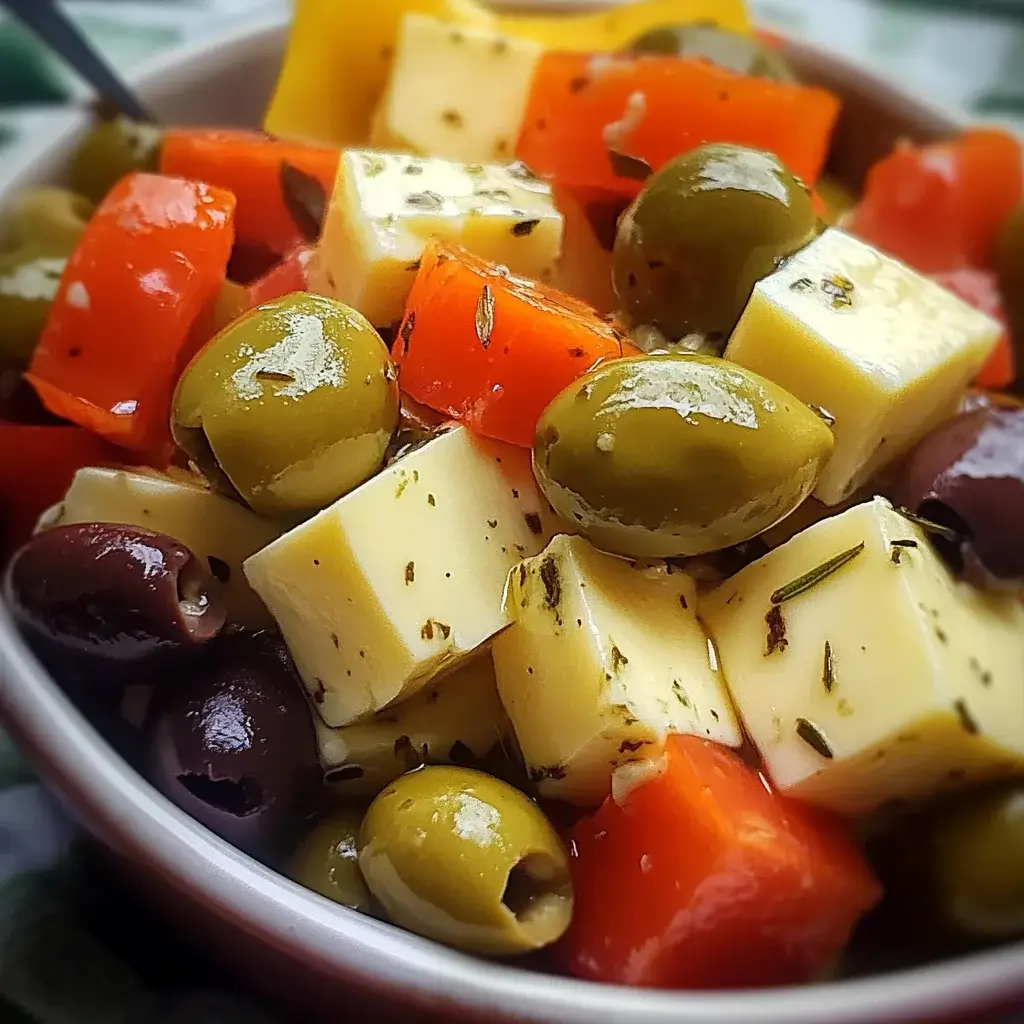

My love affair with marinated cheese and olives began on a sun-drenched terrace overlooking the Mediterranean. The air was thick with the scent of herbs and the gentle sea breeze, and before me sat a simple yet exquisite platter: glistening olives of every hue nestled amongst cubes of creamy feta, all bathed in fragrant olive oil and scattered with vibrant herbs. It was a revelation. The combination of salty, briny olives, tangy cheese softened and infused with aromatic oils, and the fresh herbs was utterly captivating. Back home, I immediately set out to recreate that magic. Over the years, marinated cheese and olives have become my go-to appetizer for everything from casual weeknight gatherings to more formal dinner parties. It’s effortlessly elegant, incredibly flavorful, and always a crowd-pleaser. What I appreciate most is its versatility. You can tailor the cheese, olives, herbs, and spices to your liking, creating endless variations. Plus, it’s a make-ahead dream, getting even better as the flavors meld and deepen over time. If you’re searching for an appetizer that’s both sophisticated and simple, bursting with Mediterranean flavors, and guaranteed to impress, then you absolutely must try making your own marinated cheese and olives. Prepare to be transported to that sun-drenched terrace with every bite!
Ingredients for Exquisite Marinated Cheese and Olives
Creating truly exceptional marinated cheese and olives hinges on the quality and selection of your ingredients. Each component plays a vital role in building layers of flavor and texture. Let’s delve into each element, ensuring you have everything you need to craft a masterpiece of Mediterranean flavors.
For the Cheese Foundation:
- 8 ounces Cheese, cut into bite-sized cubes or blocks: The cheese is the star of the show, and your choice will significantly impact the final flavor profile. Consider these excellent options:
- Feta Cheese: Classic and undeniably delicious in marinades. Feta’s salty, tangy, and slightly crumbly texture absorbs the marinade beautifully, becoming softer and even more flavorful. Opt for feta packed in brine, as it tends to be creamier and less dry than pre-crumbled feta. Greek feta, made from sheep’s milk, is considered the gold standard, offering a richer, more complex flavor than feta made from cow’s milk.
- Fresh Mozzarella Balls (Bocconcini or Ciliegine): These small, milky mozzarella balls offer a mild, creamy counterpoint to the briny olives and robust marinade. Their soft texture becomes even more luscious as they soak up the flavorful oil. Choose fresh mozzarella packed in water, and drain it well before marinating. Bocconcini are larger, while ciliegine are cherry-sized – both work wonderfully.
- Halloumi Cheese: For a firmer cheese that holds its shape beautifully in a marinade, halloumi is an excellent choice. Halloumi is a semi-hard, unripened cheese with a high melting point, which means it retains its texture and doesn’t become mushy when marinated. It has a salty, slightly tangy flavor that complements Mediterranean marinades perfectly. Cut halloumi into cubes or thick slices before marinating.
- Provolone Cheese: Provolone, especially a mild or slightly sharp variety, offers a smooth, semi-firm texture and a subtle nutty flavor that pairs well with olives and herbs. Cut provolone into cubes or strips. Look for provolone dolce (mild) or provolone piccante (sharp), depending on your preference.
- Monterey Jack Cheese: A mild, creamy cheese with a slightly tangy finish, Monterey Jack is a versatile option that absorbs flavors well. It provides a softer texture than provolone and complements the other Mediterranean ingredients. Cut Monterey Jack into cubes.
For the Olive Medley:
- 1-2 cups Mixed Olives, pitted or unpitted: A variety of olives is key to creating a truly exciting marinated olive and cheese mix. Different olives offer a spectrum of flavors, textures, and colors. Aim for a mix of:
- Kalamata Olives: These Greek olives are known for their distinctive almond shape, deep purple color, and rich, fruity, and slightly winey flavor. Kalamata olives are a must-have for any Mediterranean-inspired olive mix.
- Castelvetrano Olives: These bright green, Sicilian olives are large, meaty, and have a buttery, mild flavor with a slightly sweet finish. Their vibrant color and mild taste provide a lovely contrast to the other, more intense olives.
- Cerignola Olives: Another large Italian olive, Cerignolas are typically green or black and have a firm, meaty texture and a mild, slightly briny flavor. They add substance and visual appeal to the mix.
- Niçoise Olives: Small, black French olives with a salty, slightly bitter, and nutty flavor. Niçoise olives are classic and add a touch of sophistication to the olive medley.
- Manzanilla Olives: These Spanish green olives are often stuffed with pimientos and have a mild, buttery flavor. They are readily available and provide a familiar olive taste.
For the Aromatic Marinade:
- 1 cup Extra Virgin Olive Oil: The base of your marinade, extra virgin olive oil, should be of good quality for the best flavor. A fruity, robust olive oil will infuse the cheese and olives with its rich aroma and taste. Avoid using overly processed or bland olive oils. Look for cold-pressed, extra virgin olive oil.
- 1/4 cup Red Wine Vinegar or Lemon Juice: Acidity is crucial to balance the richness of the olive oil and cheese and to brighten the overall flavor. Choose either:
- Red Wine Vinegar: Adds a tangy, slightly fruity, and complex acidity that complements Mediterranean flavors beautifully.
- Fresh Lemon Juice: Provides a bright, zesty, and refreshing acidity. Freshly squeezed lemon juice is always preferred over bottled juice.
- 2-4 cloves Garlic, minced or thinly sliced: Garlic infuses the marinade with its pungent, aromatic flavor. Use fresh garlic for the best results. You can mince the garlic finely for a stronger garlic flavor throughout the marinade, or thinly slice it for a more subtle infusion.
- 2 tablespoons Fresh Herbs, chopped: Fresh herbs are essential for adding vibrancy and freshness to the marinade. Choose from:
- Fresh Rosemary: Provides a piney, woodsy, and aromatic flavor that is classic in Mediterranean cuisine. Use rosemary sparingly, as its flavor can be quite strong.
- Fresh Thyme: Offers a delicate, earthy, and slightly lemony flavor that complements cheese and olives beautifully.
- Fresh Oregano: Adds a pungent, slightly peppery, and warm flavor that is quintessential in Mediterranean cooking.
- Fresh Basil: Provides a sweet, peppery, and slightly anise-like flavor that adds a bright, fresh note to the marinade.
- Fresh Parsley (Italian Flat-Leaf Parsley): Offers a fresh, clean, and slightly peppery flavor that brightens the overall taste and adds visual appeal.
- 1 teaspoon Dried Herbs (optional, for added depth): To enhance the herbal complexity, you can add a teaspoon of dried herbs, such as dried oregano, dried thyme, or Italian seasoning blend. Dried herbs provide a more concentrated flavor and can add depth to the marinade.
- 1/2 teaspoon Red Pepper Flakes (optional, for a touch of heat): If you like a subtle kick, a pinch of red pepper flakes adds a pleasant warmth to the marinade without being overpowering. Adjust the amount to your spice preference, or omit if you prefer a milder marinade.
- 1/2 teaspoon Black Peppercorns, lightly crushed: Freshly cracked or lightly crushed black peppercorns release their aromatic oils and add a subtle peppery bite to the marinade. You can use a mortar and pestle or the bottom of a heavy pan to lightly crush the peppercorns.
- Salt, to taste (be mindful of salty olives and cheese): Salt is essential for enhancing the flavors of all the ingredients. However, be mindful that both olives and some cheeses (like feta) are already salty. Taste the marinade before adding salt, and add it gradually, tasting as you go, until the flavors are balanced. You may not need to add much salt at all, especially if using feta and briny olives.
By carefully selecting these high-quality ingredients and considering the flavor profiles of each component, you’ll be well on your way to creating marinated cheese and olives that are bursting with Mediterranean goodness and sure to delight your taste buds.
Instructions for Marinating Cheese and Olives to Perfection
Marinating cheese and olives is a simple process, but following these instructions carefully will ensure optimal flavor infusion and a truly delectable appetizer. Let’s break down each step for marinade mastery.
Step 1: Prepare the Cheese and Olives
- Drain and Dry the Cheese: If using fresh mozzarella or feta packed in brine or water, drain them thoroughly. Gently pat the cheese dry with paper towels to remove excess moisture. This will help the marinade adhere better to the cheese.
- Cut Cheese into Bite-Sized Pieces: If using larger blocks of cheese, cut them into bite-sized cubes or blocks, approximately 1/2 to 1 inch in size. Smaller pieces will marinate more quickly and evenly. For mozzarella balls, you can leave ciliegine whole or halve bocconcini. Halloumi and provolone should be cubed or sliced into strips.
- Drain Olives (if necessary): If your olives are packed in brine or liquid, drain them well. Some olives, especially oil-cured olives, may not require draining.
- Pit Olives (optional): Decide whether you want to use pitted or unpitted olives. If using unpitted olives, inform your guests. Pitted olives are easier to eat, but unpitted olives tend to retain slightly more flavor.
Step 2: Prepare the Marinade
- Combine Olive Oil and Acidity: In a medium bowl, whisk together the extra virgin olive oil and your choice of red wine vinegar or lemon juice. Whisk until the mixture is slightly emulsified, though it will naturally separate over time.
- Add Aromatics and Seasonings: Add the minced garlic (or thinly sliced garlic), chopped fresh herbs, dried herbs (if using), crushed red pepper flakes (if using), and lightly crushed black peppercorns to the olive oil and vinegar mixture.
- Season with Salt (Carefully): Taste the marinade. Remember that the cheese and olives are already salty. Add salt gradually, tasting as you go, until the marinade is seasoned to your liking. You may need very little or no added salt.
Step 3: Marinate the Cheese and Olives
- Combine Cheese and Olives in a Jar or Container: Place the prepared cheese cubes and olives in a clean jar or airtight container. A jar with a lid works particularly well for easy shaking and storage. Ensure the container is large enough to hold all the ingredients comfortably with some room for shaking.
- Pour Marinade Over Cheese and Olives: Pour the prepared marinade over the cheese and olives, ensuring that they are mostly submerged in the liquid. If necessary, add a little more olive oil to fully cover the ingredients.
- Gently Stir or Shake to Combine: Gently stir or shake the jar or container to ensure the cheese and olives are evenly coated in the marinade and that the aromatics are distributed throughout.
- Marinate in the Refrigerator: Seal the jar or container tightly and refrigerate for at least 2 hours, or preferably overnight, to allow the flavors to meld and deepen. For the best flavor, marinating for 24-48 hours is ideal. The longer the marinating time, the more flavorful the cheese and olives will become.
- Shake or Stir Occasionally (Optional): If marinating for an extended period, you can gently shake or stir the jar or container a few times to redistribute the marinade and ensure even flavor infusion.
Step 4: Serve and Enjoy
- Bring to Room Temperature (Slightly): Before serving, remove the marinated cheese and olives from the refrigerator about 20-30 minutes beforehand to allow them to come to room temperature slightly. This will enhance their flavors and textures.
- Serve with Marinade: Serve the marinated cheese and olives directly from the marinade. The marinade itself is flavorful and adds to the overall experience. You can drizzle extra marinade over the platter when serving.
- Garnish (Optional): Garnish with fresh herbs, extra olives, or a sprinkle of red pepper flakes for visual appeal and added flavor.
- Serve with Accompaniments: Serve with crusty bread, crackers, pita chips, or vegetable sticks for dipping or scooping. (See “How to Serve” section for more detailed serving suggestions.)
Following these instructions will result in perfectly marinated cheese and olives that are bursting with flavor, beautifully infused with aromatic herbs and spices, and ready to impress your guests or simply enjoy as a delightful snack. The key is to allow sufficient marinating time for the flavors to fully develop and meld together.
Nutrition Facts for Marinated Cheese and Olives
Understanding the nutritional profile of marinated cheese and olives is important, especially when considering it as part of a balanced diet. Keep in mind that these are estimates, and the exact values will vary depending on the types of cheese and olives used, as well as the specific ingredients and quantities in your marinade.
Serving Size: Approximately 1/4 cup (about 2 ounces) of marinated cheese and olives
Servings per Recipe: Varies depending on the quantity prepared, but this recipe is generally designed for about 8-12 servings as an appetizer.
Approximate Nutrition Facts per Serving (Estimated):
- Calories: 180-250 kcal
- Total Fat: 15-22g
- Saturated Fat: 5-8g (depending on cheese type)
- Monounsaturated Fat: 8-12g (primarily from olive oil and olives)
- Polyunsaturated Fat: 1-2g
- Cholesterol: 20-40mg (depending on cheese type)
- Sodium: 300-500mg (depending on cheese and olive types)
- Total Carbohydrates: 2-4g
- Dietary Fiber: 1-2g
- Sugars: <1g
- Protein: 5-8g (depending on cheese type)
Important Nutritional Considerations:
- Healthy Fats: Marinated cheese and olives are a good source of healthy monounsaturated fats, primarily from olive oil and olives. These fats are beneficial for heart health.
- Sodium Content: Olives and some cheeses, especially feta, can be high in sodium. Be mindful of portion sizes, especially if you are watching your sodium intake. Rinsing olives before marinating can help reduce some of the sodium content.
- Calorie Density: Due to the olive oil and cheese, this appetizer is calorie-dense. Portion control is key to enjoying it as part of a balanced diet.
- Protein Source: Cheese contributes a good amount of protein per serving, making this appetizer somewhat satiating.
- Vitamins and Minerals: Olives and olive oil provide some vitamins and minerals, including vitamin E and antioxidants.
Tips for a Healthier Version:
- Use Reduced-Fat Cheese: Opt for reduced-fat feta or mozzarella to lower the saturated fat content. However, be aware that this may slightly alter the texture and flavor.
- Control Olive Oil Quantity: While olive oil is healthy, it’s also calorie-dense. Use the recommended amount of olive oil, but avoid adding excessive amounts.
- Increase Vegetable Content: Serve marinated cheese and olives with plenty of fresh vegetables, like bell pepper strips, cucumber slices, and cherry tomatoes, to add volume, fiber, and nutrients while balancing the calorie density.
- Choose Lower Sodium Olives: Look for lower-sodium olive options if you are concerned about sodium intake.
Remember that these are general estimates. For more precise nutritional information, especially if you are using specific brands or types of cheese and olives, you can use online nutrition calculators and input the exact ingredients and quantities. Enjoy marinated cheese and olives in moderation as part of a varied and balanced diet.
Preparation Time for Marinated Cheese and Olives
One of the beauties of marinated cheese and olives is its ease and make-ahead nature. The active preparation time is minimal, and the marinating process does most of the work, allowing flavors to deepen and meld over time.
Prep Time: 15-20 minutes
- Cheese Preparation (draining, cutting): 5-7 minutes
- Olive Preparation (draining, pitting if desired): 3-5 minutes
- Marinade Preparation (mincing garlic, chopping herbs, mixing marinade): 5-8 minutes
Marinating Time: Minimum 2 hours, ideally overnight or up to 48 hours for optimal flavor.
Total Time (Active + Inactive): 2 hours 15 minutes to 48 hours 20 minutes (mostly inactive marinating time)
Breakdown:
- Active Time: 15-20 minutes (hands-on preparation)
- Inactive Time: 2 hours to 48 hours (marinating time in the refrigerator)
Make-Ahead Advantage:
- Excellent Make-Ahead Appetizer: Marinated cheese and olives are an ideal make-ahead appetizer. You can prepare them up to 2 days in advance, and they actually taste better as they marinate longer! This makes them perfect for parties, gatherings, or whenever you want to get ahead on your appetizer preparation.
- Prep in Advance, Assemble Later: You can prepare the marinade and the cheese and olives separately and then combine them when you are ready to marinate. This can break down the prep time even further.
Time-Saving Tips:
- Use Pre-Pitted Olives: Using pre-pitted olives saves time on pitting them yourself.
- Use Pre-Minced Garlic (in a jar): While fresh garlic is preferred, jarred minced garlic can save a couple of minutes of prep time.
- Chop Herbs Quickly: Use a sharp knife or herb chopper to quickly chop fresh herbs.
Overall:
Marinated cheese and olives are incredibly efficient to prepare, especially considering the impressive flavor payoff. The minimal active prep time and the make-ahead nature make them a fantastic choice for busy hosts or anyone who appreciates delicious appetizers without spending hours in the kitchen. The majority of the time is hands-off marinating time, allowing you to focus on other tasks or simply relax while the flavors develop and deepen.
How to Serve Marinated Cheese and Olives
Serving marinated cheese and olives is all about presentation and providing the right accompaniments to enhance the Mediterranean experience. Here are some creative and delicious ways to serve this versatile appetizer:
Presentation Ideas:
- Simple Platter: Arrange the marinated cheese and olives on a beautiful platter or serving dish. Drizzle some of the marinade over the top and garnish with fresh herbs. This classic presentation is elegant and effortless.
- Mason Jar Display: Serve the marinated cheese and olives directly in a pretty mason jar or glass container. This rustic presentation is charming and perfect for casual gatherings or picnics.
- Antipasto Skewers: Thread marinated cheese cubes and olives onto skewers, alternating with cherry tomatoes, artichoke hearts, or bell pepper pieces. This makes for a fun and easy-to-eat appetizer.
- Olive Boat or Dish: Use a dedicated olive boat or a small dish with compartments to arrange different types of olives and cheeses separately, showcasing the variety.
- Wooden Board or Charcuterie Board: Incorporate marinated cheese and olives into a larger charcuterie board or cheese board, alongside cured meats, crackers, bread, and other Mediterranean-inspired appetizers.
Accompaniments to Enhance the Flavor:
- Crusty Bread:
- Baguette slices: Toasted or fresh baguette slices are perfect for scooping up the marinated cheese and olives and soaking up the flavorful marinade.
- Ciabatta bread: Ciabatta with its airy texture and large holes is excellent for serving alongside.
- Focaccia: Warm focaccia bread, especially rosemary or olive oil focaccia, complements the Mediterranean flavors beautifully.
- Crackers & Breadsticks:
- Water crackers: Simple water crackers are a neutral base that allows the flavors of the cheese and olives to shine.
- Multigrain crackers: Add a bit of nutty flavor and texture with multigrain crackers.
- Breadsticks (Grissini): Crunchy breadsticks provide a nice textural contrast and are easy to dip.
- Pita Chips: Crispy pita chips offer a different texture and a slightly nutty flavor.
- Vegetables for Freshness:
- Cherry Tomatoes: Fresh cherry tomatoes add a burst of sweetness and acidity.
- Cucumber slices: Cool and refreshing cucumber slices provide a light and crisp contrast.
- Bell Pepper Strips (red, yellow, orange): Sweet bell pepper strips add color and crunch.
- Artichoke Hearts (canned or marinated): Artichoke hearts complement the Mediterranean flavors and add a slightly tangy note.
- Roasted Red Peppers (jarred or homemade): Sweet roasted red peppers provide a smoky and sweet element.
- Dipping Oils & Balsamic Glaze:
- Extra Virgin Olive Oil (for dipping bread): Serve a small bowl of high-quality extra virgin olive oil alongside for dipping bread.
- Balsamic Glaze: A drizzle of balsamic glaze over the platter can add a touch of sweetness and tanginess.
- Wine Pairings:
- Dry Rosé Wine: A crisp, dry rosé wine from Provence or Italy is an excellent pairing for marinated cheese and olives.
- Light-Bodied Red Wine: A light-bodied red wine like Pinot Noir or Beaujolais can also complement the flavors.
- Crisp White Wine: A crisp white wine like Sauvignon Blanc or Pinot Grigio is a refreshing pairing.
Serving Tips:
- Room Temperature is Best: Serve marinated cheese and olives slightly at room temperature for optimal flavor. Remove them from the refrigerator 20-30 minutes before serving.
- Don’t Discard the Marinade: The marinade is flavorful and should be served along with the cheese and olives. Encourage guests to drizzle it over bread or crackers.
- Provide Serving Utensils: Provide small spoons, forks, or toothpicks for easy serving and to prevent guests from double-dipping.
- Label Ingredients (for allergies): If serving at a gathering, consider labeling the ingredients, especially if they contain common allergens or if you’ve used different types of cheese or olives.
- Offer Variety: Provide a variety of dippers and accompaniments to cater to different preferences.
By paying attention to presentation and providing thoughtful accompaniments, you can elevate your marinated cheese and olives from a simple snack to a truly memorable and delightful appetizer experience.
Additional Tips for Perfect Marinated Cheese and Olives
To take your marinated cheese and olives to the next level and ensure they are consistently delicious, here are five additional tips to keep in mind:
- Use High-Quality Extra Virgin Olive Oil: The olive oil is the foundation of the marinade and significantly impacts the flavor. Invest in a good quality extra virgin olive oil that is fruity and flavorful, not bland or overly processed. Look for oils labeled “cold-pressed” or “first cold-pressed” for the best quality and flavor. The difference in taste between a good quality olive oil and a lesser quality one will be noticeable in the final marinated cheese and olives.
- Adjust Marinade Flavors to Your Taste: The recipe provides a basic marinade, but feel free to customize it to your preferences. Experiment with different herbs, spices, and aromatics. Try adding:
- Sun-dried Tomatoes (oil-packed, chopped): For a sweet and tangy flavor.
- Roasted Garlic Cloves: For a mellow and sweet garlic flavor.
- Orange or Lemon Zest: For a citrusy brightness.
- Bay Leaves: For a subtle herbal depth.
- Juniper Berries (lightly crushed): For a piney and slightly peppery note.
- Different Types of Vinegar (balsamic, sherry vinegar): To vary the acidity profile.
- Don’t Over-Marinate Delicate Cheeses: While feta and halloumi can withstand longer marinating times, softer cheeses like fresh mozzarella can become overly soft or lose their texture if marinated for too long. For mozzarella, marinating for 2-24 hours is usually sufficient. Keep an eye on softer cheeses and adjust marinating time accordingly.
- Bring to Room Temperature Before Serving for Best Flavor: Always remember to remove your marinated cheese and olives from the refrigerator about 20-30 minutes before serving. Serving them slightly at room temperature allows the flavors to become more pronounced and the textures to soften slightly, resulting in a much more enjoyable eating experience. Cold temperatures can dull flavors and make cheese textures firmer.
- Reuse the Flavored Olive Oil (for cooking or dressings): Don’t discard the leftover marinade! The olive oil will be infused with the flavors of the cheese, olives, herbs, and spices, making it incredibly flavorful. Strain the oil to remove solids and reuse it for:
- Salad dressings: Use it as a base for a delicious Mediterranean vinaigrette.
- Dipping bread: Serve it alongside crusty bread for dipping.
- Cooking: Use it to sauté vegetables, drizzle over grilled meats or fish, or add flavor to pasta dishes.
By incorporating these additional tips, you’ll be able to create consistently perfect, flavorful, and customized marinated cheese and olives that are sure to impress every time.
Frequently Asked Questions (FAQ) About Marinated Cheese and Olives
Here are some frequently asked questions about marinated cheese and olives to help you with any queries you might have:
Q1: Can I use pre-crumbled feta cheese for marinating?
A: While you can use pre-crumbled feta, it is generally not recommended for marinating. Pre-crumbled feta tends to be drier and less flavorful than feta packed in brine. It also doesn’t hold its shape as well when marinated and can become mushy. For the best results, use a block of feta packed in brine and cut it into cubes yourself. If you must use pre-crumbled feta, marinate it for a shorter period and be gentle when handling it.
Q2: How long can I store marinated cheese and olives in the refrigerator?
A: Marinated cheese and olives can be stored in an airtight container in the refrigerator for up to 5-7 days. In fact, the flavors often continue to develop and meld together even further during the first few days of storage. Ensure the cheese and olives are submerged in the marinade to maintain their freshness and prevent them from drying out. Always check for any signs of spoilage before consuming, such as mold or an off smell, though properly marinated cheese and olives should last well within this timeframe.
Q3: Can I freeze marinated cheese and olives?
A: Freezing marinated cheese and olives is generally not recommended. Freezing can significantly alter the texture of both the cheese and the olives. Cheese, especially softer cheeses like feta and mozzarella, can become crumbly, grainy, or watery after thawing. Olives can also become mushy. The marinade itself may also separate or change texture upon thawing. While technically safe to eat, the quality and texture will be significantly diminished. It’s best to enjoy marinated cheese and olives fresh or within a week of making them, stored in the refrigerator.
Q4: Can I make marinated cheese and olives without garlic?
A: Yes, you can definitely make marinated cheese and olives without garlic if you prefer a milder flavor or have a garlic sensitivity. Simply omit the garlic from the marinade recipe. The marinated cheese and olives will still be flavorful from the olive oil, vinegar, herbs, and spices. You can compensate for the lack of garlic by adding other aromatics like shallots, leeks (thinly sliced and sautéed), or focusing on using a more robust blend of fresh herbs.
Q5: Can I use different types of olives than those listed in the recipe?
A: Absolutely! The beauty of marinated cheese and olives is its versatility. Feel free to use any types of olives you enjoy or have available. Experiment with different combinations of green, black, and purple olives, as well as different varieties like Picholine, Gordal, or Nicoise. Consider the flavor profiles of different olives when making your selection – some are milder, some are saltier, some are fruitier, and some are more bitter. A mix of different types will create a more complex and interesting flavor profile. Just ensure you are using good quality olives for the best taste.
Hopefully, these FAQs address any further questions you might have about making and enjoying delicious marinated cheese and olives! Enjoy creating your own Mediterranean masterpiece!
Print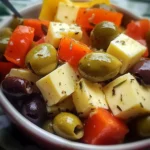
Marinated Cheese and Olives recipe
Ingredients
-
- 8 ounces Cheese, cut into bite-sized cubes or blocks: The cheese is the star of the show, and your choice will significantly impact the final flavor profile. Consider these excellent options:
- Feta Cheese: Classic and undeniably delicious in marinades. Feta’s salty, tangy, and slightly crumbly texture absorbs the marinade beautifully, becoming softer and even more flavorful. Opt for feta packed in brine, as it tends to be creamier and less dry than pre-crumbled feta. Greek feta, made from sheep’s milk, is considered the gold standard, offering a richer, more complex flavor than feta made from cow’s milk.
- Fresh Mozzarella Balls (Bocconcini or Ciliegine): These small, milky mozzarella balls offer a mild, creamy counterpoint to the briny olives and robust marinade. Their soft texture becomes even more luscious as they soak up the flavorful oil. Choose fresh mozzarella packed in water, and drain it well before marinating. Bocconcini are larger, while ciliegine are cherry-sized – both work wonderfully.
- Halloumi Cheese: For a firmer cheese that holds its shape beautifully in a marinade, halloumi is an excellent choice. Halloumi is a semi-hard, unripened cheese with a high melting point, which means it retains its texture and doesn’t become mushy when marinated. It has a salty, slightly tangy flavor that complements Mediterranean marinades perfectly. Cut halloumi into cubes or thick slices before marinating.
- Provolone Cheese: Provolone, especially a mild or slightly sharp variety, offers a smooth, semi-firm texture and a subtle nutty flavor that pairs well with olives and herbs. Cut provolone into cubes or strips. Look for provolone dolce (mild) or provolone piccante (sharp), depending on your preference.
- Monterey Jack Cheese: A mild, creamy cheese with a slightly tangy finish, Monterey Jack is a versatile option that absorbs flavors well. It provides a softer texture than provolone and complements the other Mediterranean ingredients. Cut Monterey Jack into cubes.
When selecting your cheese, consider the overall flavor profile you want to achieve. A combination of textures and flavors, such as feta and mozzarella, or feta and halloumi, can create a more complex and interesting marinated cheese and olive platter.
- 8 ounces Cheese, cut into bite-sized cubes or blocks: The cheese is the star of the show, and your choice will significantly impact the final flavor profile. Consider these excellent options:
For the Olive Medley:
-
- 1-2 cups Mixed Olives, pitted or unpitted: A variety of olives is key to creating a truly exciting marinated olive and cheese mix. Different olives offer a spectrum of flavors, textures, and colors. Aim for a mix of:
- Kalamata Olives: These Greek olives are known for their distinctive almond shape, deep purple color, and rich, fruity, and slightly winey flavor. Kalamata olives are a must-have for any Mediterranean-inspired olive mix.
- Castelvetrano Olives: These bright green, Sicilian olives are large, meaty, and have a buttery, mild flavor with a slightly sweet finish. Their vibrant color and mild taste provide a lovely contrast to the other, more intense olives.
- Cerignola Olives: Another large Italian olive, Cerignolas are typically green or black and have a firm, meaty texture and a mild, slightly briny flavor. They add substance and visual appeal to the mix.
- Niçoise Olives: Small, black French olives with a salty, slightly bitter, and nutty flavor. Niçoise olives are classic and add a touch of sophistication to the olive medley.
- Manzanilla Olives: These Spanish green olives are often stuffed with pimientos and have a mild, buttery flavor. They are readily available and provide a familiar olive taste.
Consider using a mix of both pitted and unpitted olives for visual interest and textural variety. Unpitted olives tend to be slightly more flavorful, but pitted olives are easier to eat. If using unpitted olives, be sure to warn your guests!
- 1-2 cups Mixed Olives, pitted or unpitted: A variety of olives is key to creating a truly exciting marinated olive and cheese mix. Different olives offer a spectrum of flavors, textures, and colors. Aim for a mix of:
For the Aromatic Marinade:
-
- 1 cup Extra Virgin Olive Oil: The base of your marinade, extra virgin olive oil, should be of good quality for the best flavor. A fruity, robust olive oil will infuse the cheese and olives with its rich aroma and taste. Avoid using overly processed or bland olive oils. Look for cold-pressed, extra virgin olive oil.
-
- 1/4 cup Red Wine Vinegar or Lemon Juice: Acidity is crucial to balance the richness of the olive oil and cheese and to brighten the overall flavor. Choose either:
-
- Red Wine Vinegar: Adds a tangy, slightly fruity, and complex acidity that complements Mediterranean flavors beautifully.
-
- Fresh Lemon Juice: Provides a bright, zesty, and refreshing acidity. Freshly squeezed lemon juice is always preferred over bottled juice.
-
- 1/4 cup Red Wine Vinegar or Lemon Juice: Acidity is crucial to balance the richness of the olive oil and cheese and to brighten the overall flavor. Choose either:
-
- 2–4 cloves Garlic, minced or thinly sliced: Garlic infuses the marinade with its pungent, aromatic flavor. Use fresh garlic for the best results. You can mince the garlic finely for a stronger garlic flavor throughout the marinade, or thinly slice it for a more subtle infusion.
-
- 2 tablespoons Fresh Herbs, chopped: Fresh herbs are essential for adding vibrancy and freshness to the marinade. Choose from:
- Fresh Rosemary: Provides a piney, woodsy, and aromatic flavor that is classic in Mediterranean cuisine. Use rosemary sparingly, as its flavor can be quite strong.
- Fresh Thyme: Offers a delicate, earthy, and slightly lemony flavor that complements cheese and olives beautifully.
- Fresh Oregano: Adds a pungent, slightly peppery, and warm flavor that is quintessential in Mediterranean cooking.
- Fresh Basil: Provides a sweet, peppery, and slightly anise-like flavor that adds a bright, fresh note to the marinade.
- Fresh Parsley (Italian Flat-Leaf Parsley): Offers a fresh, clean, and slightly peppery flavor that brightens the overall taste and adds visual appeal.
You can use a single herb or a combination of herbs, such as rosemary and thyme, or oregano and basil. Chop the herbs finely to release their aromas and flavors into the marinade.
- 2 tablespoons Fresh Herbs, chopped: Fresh herbs are essential for adding vibrancy and freshness to the marinade. Choose from:
-
- 1 teaspoon Dried Herbs (optional, for added depth): To enhance the herbal complexity, you can add a teaspoon of dried herbs, such as dried oregano, dried thyme, or Italian seasoning blend. Dried herbs provide a more concentrated flavor and can add depth to the marinade.
-
- 1/2 teaspoon Red Pepper Flakes (optional, for a touch of heat): If you like a subtle kick, a pinch of red pepper flakes adds a pleasant warmth to the marinade without being overpowering. Adjust the amount to your spice preference, or omit if you prefer a milder marinade.
-
- 1/2 teaspoon Black Peppercorns, lightly crushed: Freshly cracked or lightly crushed black peppercorns release their aromatic oils and add a subtle peppery bite to the marinade. You can use a mortar and pestle or the bottom of a heavy pan to lightly crush the peppercorns.
-
- Salt, to taste (be mindful of salty olives and cheese): Salt is essential for enhancing the flavors of all the ingredients. However, be mindful that both olives and some cheeses (like feta) are already salty. Taste the marinade before adding salt, and add it gradually, tasting as you go, until the flavors are balanced. You may not need to add much salt at all, especially if using feta and briny olives.
Instructions
Step 1: Prepare the Cheese and Olives
-
- Drain and Dry the Cheese: If using fresh mozzarella or feta packed in brine or water, drain them thoroughly. Gently pat the cheese dry with paper towels to remove excess moisture. This will help the marinade adhere better to the cheese.
-
- Cut Cheese into Bite-Sized Pieces: If using larger blocks of cheese, cut them into bite-sized cubes or blocks, approximately 1/2 to 1 inch in size. Smaller pieces will marinate more quickly and evenly. For mozzarella balls, you can leave ciliegine whole or halve bocconcini. Halloumi and provolone should be cubed or sliced into strips.
-
- Drain Olives (if necessary): If your olives are packed in brine or liquid, drain them well. Some olives, especially oil-cured olives, may not require draining.
-
- Pit Olives (optional): Decide whether you want to use pitted or unpitted olives. If using unpitted olives, inform your guests. Pitted olives are easier to eat, but unpitted olives tend to retain slightly more flavor.
Step 2: Prepare the Marinade
-
- Combine Olive Oil and Acidity: In a medium bowl, whisk together the extra virgin olive oil and your choice of red wine vinegar or lemon juice. Whisk until the mixture is slightly emulsified, though it will naturally separate over time.
-
- Add Aromatics and Seasonings: Add the minced garlic (or thinly sliced garlic), chopped fresh herbs, dried herbs (if using), crushed red pepper flakes (if using), and lightly crushed black peppercorns to the olive oil and vinegar mixture.
-
- Season with Salt (Carefully): Taste the marinade. Remember that the cheese and olives are already salty. Add salt gradually, tasting as you go, until the marinade is seasoned to your liking. You may need very little or no added salt.
Step 3: Marinate the Cheese and Olives
-
- Combine Cheese and Olives in a Jar or Container: Place the prepared cheese cubes and olives in a clean jar or airtight container. A jar with a lid works particularly well for easy shaking and storage. Ensure the container is large enough to hold all the ingredients comfortably with some room for shaking.
-
- Pour Marinade Over Cheese and Olives: Pour the prepared marinade over the cheese and olives, ensuring that they are mostly submerged in the liquid. If necessary, add a little more olive oil to fully cover the ingredients.
-
- Gently Stir or Shake to Combine: Gently stir or shake the jar or container to ensure the cheese and olives are evenly coated in the marinade and that the aromatics are distributed throughout.
-
- Marinate in the Refrigerator: Seal the jar or container tightly and refrigerate for at least 2 hours, or preferably overnight, to allow the flavors to meld and deepen. For the best flavor, marinating for 24-48 hours is ideal. The longer the marinating time, the more flavorful the cheese and olives will become.
-
- Shake or Stir Occasionally (Optional): If marinating for an extended period, you can gently shake or stir the jar or container a few times to redistribute the marinade and ensure even flavor infusion.
Step 4: Serve and Enjoy
-
- Bring to Room Temperature (Slightly): Before serving, remove the marinated cheese and olives from the refrigerator about 20-30 minutes beforehand to allow them to come to room temperature slightly. This will enhance their flavors and textures.
-
- Serve with Marinade: Serve the marinated cheese and olives directly from the marinade. The marinade itself is flavorful and adds to the overall experience. You can drizzle extra marinade over the platter when serving.
-
- Garnish (Optional): Garnish with fresh herbs, extra olives, or a sprinkle of red pepper flakes for visual appeal and added flavor.
-
- Serve with Accompaniments: Serve with crusty bread, crackers, pita chips, or vegetable sticks for dipping or scooping. (See “How to Serve” section for more detailed serving suggestions.)
Following these instructions will result in p
Nutrition
- Serving Size: one normal portion
- Calories: 180-250 kcal
- Sugar: 1g
- Sodium: 300-500mg
- Fat: 15-22g
- Saturated Fat: 5-8g
- Carbohydrates: 2-4g
- Fiber: 1-2g
- Protein: 5-8g
- Cholesterol: 20-40mg