
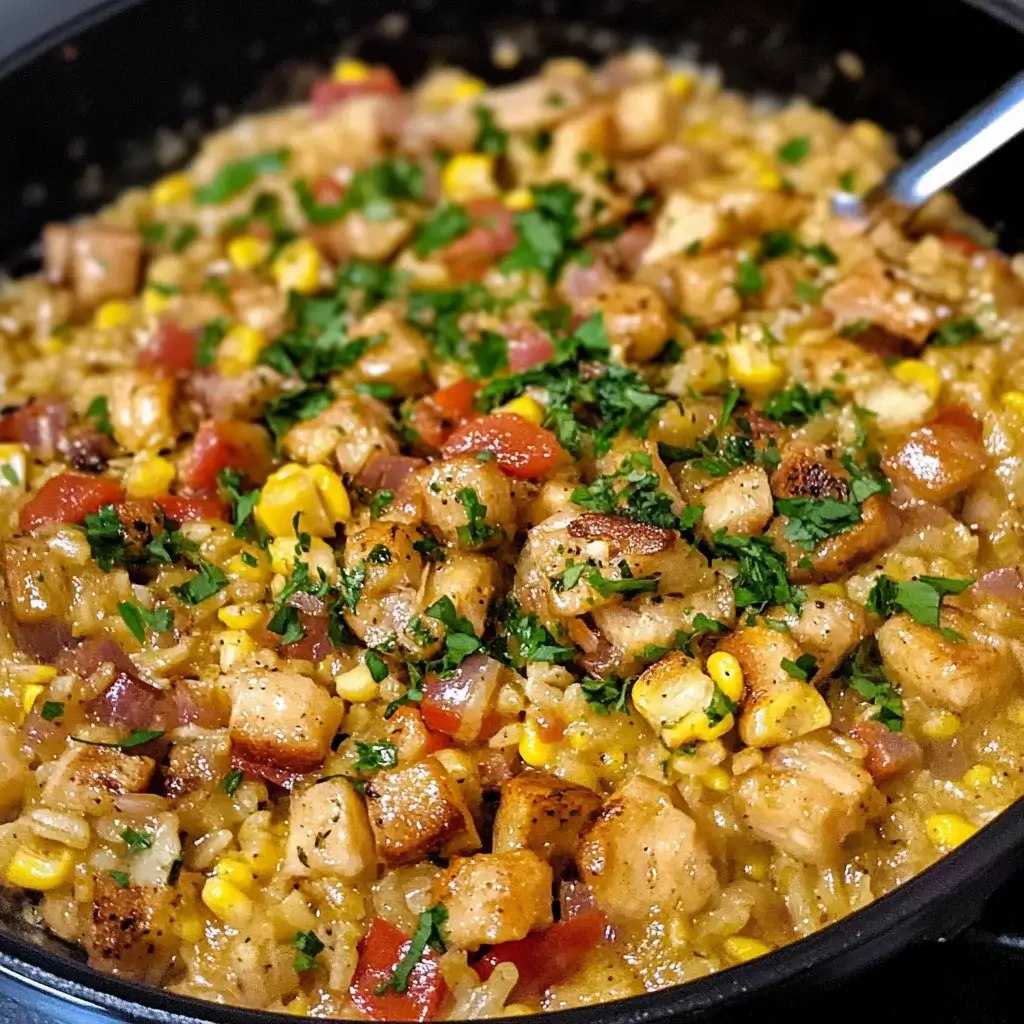
There are certain dishes that instantly transport you, and for me, Maque Choux is a one-way ticket straight to the heart of South Louisiana. The first time I truly savored it, not just ate it, was at a bustling roadside stand somewhere between Lafayette and New Orleans on a humid summer day. The air was thick with the scent of simmering vegetables, sweet corn, and a hint of smoky bacon. Served unpretentiously in a styrofoam cup, it was sunshine yellow, flecked with green and red. That first spoonful was revelatory – the pop of sweet corn kernels, the soft melt of the Trinity, the savory whisper of pork fat, all coming together in a creamy, comforting embrace. It wasn’t just corn; it was history, agriculture, and community simmered down into something utterly delicious. It’s a dish that embodies the spirit of Louisiana cooking: taking simple, beautiful ingredients and transforming them with time, technique, and a whole lot of soul. It’s become a staple in my own kitchen, a way to bring that warmth and vibrant flavour home, whether served as a humble side or dressed up for a special occasion.
What Exactly is Maque Choux? Unpacking the Layers of Flavour
At its most fundamental level, Maque Choux (often pronounced “mock shoe”) is a braised corn dish originating from Louisiana. However, reducing it to just “braised corn” barely scratches the surface of its character. Think of it as corn’s highest calling, a harmonious medley where sweet summer corn takes center stage, supported by the essential aromatic foundation of Louisiana cuisine: the “Holy Trinity” of diced onions, celery, and bell peppers.
What distinguishes Maque Choux from simpler corn preparations like creamed corn is its depth, texture, and the techniques used to achieve them. The magic often begins with fresh corn, cut directly from the cob. Crucially, many traditional recipes involve “milking” the cobs after the kernels are removed – scraping down the length of the denuded cob with the back of a knife. This simple action extracts the starchy, sweet liquid residue left on the cob, contributing a natural creaminess and body to the final dish that forms its signature texture. This inherent creaminess means that while some variations incorporate dairy like heavy cream or milk for extra richness, a well-made Maque Choux can achieve a luscious consistency all on its own.
The flavour profile is a delicate dance between multiple elements. The sweetness of the corn is paramount, especially when using fresh, in-season varieties. This sweetness is beautifully balanced by the savory, vegetal notes of the slowly sautéed Trinity vegetables. Often, a crucial layer of smoky, salty richness is introduced through rendered pork fat – typically from bacon, but sometimes salt pork or tasso (a flavourful Cajun smoked pork). A gentle warmth often comes from a pinch of cayenne pepper, adding that characteristic Louisiana kiss of heat without overwhelming the other flavours. Tomatoes might appear in Creole versions, lending acidity and colour, while additions like okra can add body and another vegetal note. It’s this interplay of sweet, savory, smoky, and sometimes spicy elements, combined with its uniquely creamy yet textured consistency, that defines Maque Choux.
The name itself is a subject of much discussion and reflects the dish’s blended heritage. While “Choux” is French for cabbage, the dish rarely contains it. One popular theory suggests “Maque” derives from a Native American term for corn, possibly from the languages of the Choctaw or other local tribes who cultivated maize extensively. The name, therefore, might loosely translate to something like “mixed corn” or signify a Native preparation method adapted by French settlers. Another less common theory links it phonetically to the French verb “macher,” meaning “to chew” or “to mash,” perhaps referring to the texture. Regardless of its precise linguistic origins, the name “Maque Choux” points directly to the cultural crossroads – Indigenous American, French Acadian (Cajun), and later African and Creole influences – that shaped this iconic Louisiana dish.
A Taste of History: Tracing the Roots of Maque Choux Through Louisiana’s Past
Maque Choux is more than just a recipe; it’s a culinary artifact, carrying the story of Louisiana’s people and landscape within its simple ingredients. Its origins are deeply intertwined with the agricultural practices of the region’s earliest inhabitants and the subsequent waves of settlement that created the unique cultural gumbo of South Louisiana.
Long before European sails appeared on the horizon, corn (maize) was a foundational crop for the Native American tribes inhabiting the fertile lands along the Mississippi River and the Gulf Coast, including the Choctaw, Chitimacha, Houma, and others. They developed sophisticated agricultural practices and countless ways to prepare corn – roasting it, grinding it into meal, incorporating it into stews and breads, often combining it with beans, squash (the “Three Sisters”), local game, and seafood. The basic concept of combining corn with other vegetables in a slow-cooked preparation likely existed in some form within these indigenous culinary traditions.
The arrival of French Acadian refugees, expelled from Nova Scotia by the British beginning in 1755, marked a pivotal moment. These resilient settlers, who became known as Cajuns, brought their French culinary heritage, including techniques like braising and the use of mirepoix (onion, celery, carrot) as a flavour base. Adapting to the subtropical climate and available ingredients of Louisiana, they ingeniously substituted the readily available bell pepper for the carrot in their mirepoix, thus creating the “Holy Trinity” – onion, celery, and bell pepper – that now defines both Cajun and Creole cooking. Resourcefulness was paramount for survival, and rendering pork fat (from bacon, salt pork, or lard derived from boucheries – traditional community hog butcherings) provided both cooking fat and essential flavour. Applying their French techniques to the abundant local corn and incorporating the Trinity and pork fat likely led to the genesis of what we now recognize as Cajun Maque Choux – rustic, deeply flavourful, and rooted in making the most of available resources.
Simultaneously, and particularly in the urban center of New Orleans and surrounding plantations, Creole cuisine was developing. Influenced by French, Spanish, African, Caribbean, and Italian traditions, Creole cooking often featured slightly more complex preparations and access to a wider array of ingredients, including butter, cream, and tomatoes. Creole Maque Choux variations emerged, sometimes incorporating these richer elements or adding local seafood like crawfish or shrimp, reflecting the cosmopolitan nature of New Orleans.
Throughout the 19th and 20th centuries, Maque Choux solidified its place as a beloved staple across Louisiana, appearing on family tables, at community gatherings, church suppers, and eventually, in restaurants celebrating regional cuisine. It remained intrinsically linked to the rhythm of the seasons, particularly the arrival of sweet summer corn. Each family often developed its own slight variations, passed down through generations, tweaking the amount of spice, the type of fat, or the inclusion of specific additions. Today, Maque Choux stands as a delicious symbol of Louisiana’s layered history – a dish born from Native American agriculture, adapted by French settlers, enriched by African techniques, and embraced by both Cajun and Creole traditions.
Key Ingredients: The Building Blocks of Authentic Maque Choux Flavour
While seemingly simple, the quality and handling of each core ingredient significantly impact the final dish. Understanding their roles is key to mastering Maque Choux.
- Corn: The Soul of the Dish
- Freshness is King: Without question, fresh, sweet corn harvested at its peak (typically late spring through summer) yields the best Maque Choux. Look for ears with bright green husks, moist silks, and plump, milky kernels. Varieties like Silver Queen (white) or Bodacious (yellow) are excellent choices. The natural sugars in fresh corn provide unparalleled sweetness, and the moisture contributes to the sauce’s body.
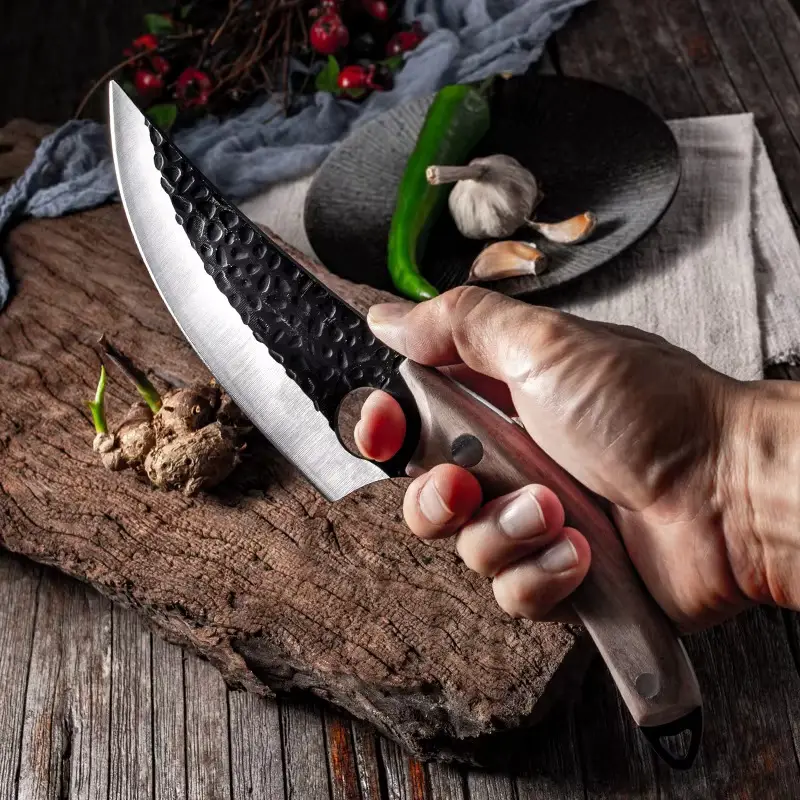
- Cutting and Milking: Technique matters here. Stand the ear of corn upright on its stem end inside a large bowl (to catch stray kernels). Using a sharp knife, cut downwards along the cob to remove the kernels in strips. Don’t cut too close to the cob initially. Once the kernels are removed, take the back side of your knife blade and firmly scrape down the length of the cob. This action ruptures the remaining kernel bases and releases the precious corn “milk” – a starchy, sweet liquid essential for achieving traditional creaminess and flavour depth. Add this milk directly to the bowl of cut kernels.
- Frozen Corn: If fresh corn isn’t available, high-quality frozen sweet corn (preferably petite white or yellow corn) is the next best option. It retains good flavour and texture. Thaw it slightly before using. You won’t be able to “milk” frozen corn, so you might need a touch more liquid (broth or cream) to compensate for the lost moisture and starch.
- Canned Corn: Canned corn is generally the least desirable option. Its texture is often softer, the flavour can be muted, and it’s typically packed in brine, which can make the dish salty if not rinsed well. If you must use canned corn, drain and rinse it thoroughly, and be prepared for a textural difference. You’ll likely need less added salt.
- The Holy Trinity: The Aromatic Foundation
- The Trio: Equal parts finely diced yellow onion, celery, and green bell pepper form this essential base. Yellow onion provides a mellow sweetness when cooked down. Celery adds a subtle vegetal bitterness and aroma. Green bell pepper offers a distinctive, slightly grassy note characteristic of Louisiana cooking.
- The Sauté: The key is to “sweat” the Trinity slowly over medium heat in the chosen fat. This means cooking until the vegetables soften, become translucent, and release their flavours without browning significantly. Browning introduces different, caramelized flavours that aren’t traditional for the base of Maque Choux. Proper sweating builds a complex, melded aromatic foundation.
- Variations: While green bell pepper is classic, some cooks use a mix of green and red bell peppers for added sweetness and colour. Finely minced garlic is often added during the last minute or two of sautéing the Trinity. The dicing size should be relatively small and uniform (around ¼-inch dice) so the vegetables melt into the background texture rather than remaining chunky.
- Fat: The Flavour Carrier
- Bacon Fat: The traditional choice for many Cajun cooks. Rendering diced bacon provides both crispy bits for garnish and deeply smoky, savory fat for sautéing the Trinity. It adds an unmistakable layer of flavour.
- Butter: Often used in Creole versions or alongside bacon fat, butter adds richness and a smoother flavour profile.
- Tasso or Andouille Fat: Using fat rendered from cooking tasso (a spicy smoked Cajun pork shoulder) or andouille sausage introduces intense smoky and spicy notes.
- Lard: Historically common, lard provides a clean flavour and excellent cooking properties.
- Vegetable Oil/Olive Oil: For a lighter or vegetarian version, a neutral vegetable oil (like canola) or even olive oil can be used, though the flavour profile will be significantly different, lacking the traditional porky depth.
- Liquid: Controlling Consistency and Richness
- Corn Milk: As mentioned, the natural liquid scraped from fresh cobs is ideal.
- Broth (Chicken or Vegetable): A small amount can be added to help braise the corn and prevent sticking, especially if using frozen corn or omitting dairy. It adds a subtle savory background note.
- Water: Can be used in place of broth if you prefer the pure corn and vegetable flavours to dominate.
- Heavy Cream or Milk: Added towards the end of cooking, dairy contributes significant richness and creaminess, leaning towards a more Creole style. Use full-fat versions for best results. Non-dairy milks (like unsweetened oat or cashew) could be experimented with for vegan versions, but may affect the flavour.
- Seasoning: Balancing the Elements
- Salt and Pepper: Essential for enhancing all the other flavours. Season gradually and taste frequently, especially considering the saltiness contributed by bacon or broth.
- Cayenne Pepper: Provides the characteristic Louisiana warmth. Start with a small pinch (⅛ teaspoon) and increase cautiously to your preferred heat level.
- Other Options: Some cooks might add a bay leaf during simmering, a pinch of smoked paprika for colour and smokiness, or a dash of Louisiana-style hot sauce (like Tabasco or Crystal) at the end for extra tang and heat. Fresh herbs like thyme can sometimes be included.
This recipe leans towards a traditional Cajun style, utilizing fresh corn and bacon fat for authentic flavour, but includes optional cream for those who prefer extra richness.
Ingredients:
- 6-8 ears fresh sweet corn (to yield about 4-5 cups kernels)
- 4 slices thick-cut bacon, cut into ½-inch dice
- 1 tablespoon unsalted butter or vegetable oil (if needed)
- 1 large yellow onion, finely diced (about 1.5 cups)
- 1 large green bell pepper, stemmed, seeded, and finely diced (about 1.5 cups)
- 2-3 celery stalks, finely diced (about 1.5 cups)
- 2 cloves garlic, minced (optional)
- ½ cup low-sodium chicken broth, vegetable broth, or water
- ¾ teaspoon kosher salt, or more to taste
- ¼ teaspoon freshly ground black pepper, or more to taste
- ⅛ – ¼ teaspoon cayenne pepper (adjust to your heat preference)
- 2-4 tablespoons heavy cream (optional)
- 2 tablespoons chopped fresh flat-leaf parsley, for garnish
- 2 tablespoons sliced green onions (scallions), green parts only, for garnish
Instructions:
- Prepare the Corn (The Crucial Step): Shuck the corn and remove the silks. Stand one ear of corn at a time, stem-end down, inside a large mixing bowl. Using a sharp knife, carefully cut downwards along the cob to remove the kernels. Rotate the cob and repeat until all kernels are removed. Once all ears are done, take the back (dull side) of your knife blade and scrape firmly down the length of each bare cob, collecting the milky liquid and pulp into the bowl with the kernels. Set the bowl aside.
- Render the Bacon: Place the diced bacon in a large, heavy-bottomed skillet (a 12-inch cast iron skillet or Dutch oven is ideal) over medium heat. Cook slowly, stirring occasionally, allowing the fat to render out and the bacon pieces to become crisp and golden brown, about 8-10 minutes. Be careful not to burn it. Using a slotted spoon, transfer the crispy bacon bits to a plate lined with paper towels, leaving the rendered fat (aim for 2-3 tablespoons) in the skillet. If the bacon didn’t yield enough fat, add the tablespoon of butter or oil.
- Sweat the Holy Trinity: Add the diced onion, bell pepper, and celery to the hot bacon fat in the skillet. Stir well to coat. Reduce the heat slightly to medium-low and cook, stirring frequently, until the vegetables are very soft, translucent, and have released their moisture, about 8-10 minutes. This slow sweating process is key to building flavour. Avoid significant browning. If using garlic, add it during the last minute of cooking the Trinity, stirring until fragrant.
- Combine and Braise: Add the reserved corn kernels and their milky liquid to the skillet with the softened vegetables. Stir everything together thoroughly. Pour in the ½ cup of chicken broth (or vegetable broth/water). Season with the ¾ teaspoon kosher salt, ¼ teaspoon black pepper, and the desired amount of cayenne pepper. Stir well to combine.
- Simmer Gently: Bring the mixture just to a simmer, then reduce the heat to low. Cover the skillet tightly and let the Maque Choux cook gently for 15-20 minutes. Stir occasionally to prevent sticking and ensure even cooking. The corn should become tender, and the mixture should thicken and become creamy as the corn releases its starches and melds with the liquids and vegetables. If it seems too dry during cooking, add another splash of broth or water.
- Finish with Optional Cream: If using heavy cream for extra richness, remove the lid and stir it in during the last 2-3 minutes of cooking. Allow it to heat through gently; do not boil rapidly after adding cream.
- Taste and Adjust Seasoning: This is critical. Taste the finished Maque Choux. Does it need more salt? More black pepper? A bit more cayenne heat? Adjust seasonings carefully until the flavours are balanced and vibrant.
- Garnish and Serve: Stir in about half of the reserved crispy bacon bits (optional). Transfer the Maque Choux to a serving bowl. Garnish generously with the remaining crispy bacon bits, chopped fresh parsley, and sliced green onions. Serve hot.
Step-by-Step Deep Dive: Perfecting the Maque Choux Process
Let’s break down the crucial stages of the recipe further to understand the technique:
- Mastering the Corn Prep: The effort spent here pays dividends. Cutting the kernels requires a steady hand. Scraping the cobs isn’t just about adding liquid; it extracts concentrated corn starch and flavour that factory processing leaves behind. Don’t rush this – it’s foundational to authentic texture.
- Rendering Bacon – Low and Slow: The goal isn’t just crispy bacon; it’s beautifully rendered, clear fat without burnt flavours. Medium heat allows the fat to melt out gradually before the meat itself burns. Stirring prevents sticking and promotes even cooking. Removing the crisp bits preserves their texture for garnish.
- Sweating the Trinity – Patience is Key: This isn’t a quick stir-fry. Cooking the onions, celery, and bell peppers gently over medium-low heat until they are truly soft and translucent (not browned) is called “sweating.” This process coaxes out their natural sweetness and aromatic compounds, creating a mellow, integrated flavour base rather than sharp, raw vegetable notes. It takes time – 8-10 minutes is typical.
- The Braise – Gentle Heat, Maximum Flavour: Once the corn and liquid are added, maintaining a gentle simmer (small bubbles, not a rolling boil) under a tight lid is crucial. This allows the corn to cook through evenly, release its starches to thicken the sauce naturally, and lets all the disparate flavours meld into a cohesive whole. Stirring prevents scorching on the bottom.
- Finishing Touches – Timing Matters: If adding cream, do it at the very end over low heat. Boiling cream can cause it to break or curdle. Stirring in bacon bits and fresh herbs right before serving preserves their texture and vibrant flavour. Parsley and green onions add essential freshness that cuts through the richness.
Delicious Variations and Additions: Customizing Your Maque Choux
Maque Choux is a canvas for creativity. Once you master the classic, explore these popular variations:
- Creole Tomato Maque Choux: A very common variation, especially in Creole kitchens. Add 1 cup of fresh, seeded, and diced Roma or Creole tomatoes OR one 14.5-ounce can of petite diced tomatoes (drained well) along with the corn kernels. The tomatoes add acidity, a touch of sweetness, moisture, and beautiful red flecks throughout the dish.
- Creamy Dreamy Maque Choux: For those who love extra richness, increase the heavy cream to ½ cup, or substitute with half-and-half. Add it during the last few minutes of simmering. This creates a decidedly more decadent, smoother version.
- Spicy Maque Choux: Embrace the heat! Add 1 finely minced jalapeño or serrano pepper (seeds removed for less heat, if desired) along with the Holy Trinity. Alternatively, increase the cayenne pepper significantly or add a few dashes of your favourite Louisiana hot sauce at the end of cooking.
- Garlicky Maque Choux: If you love garlic, increase the amount to 3-4 minced cloves and add them during the last minute of sautéing the Trinity.
- Maque Choux with Okra: A classic Southern pairing. Add 1 to 1.5 cups of fresh sliced okra (or frozen, thawed okra) during the last 10-12 minutes of the simmering time. Okra adds a distinct flavour and helps to thicken the dish further due to its natural mucilage.
- Smoky Sausage or Tasso Maque Choux: Replace the bacon with ¼ to ½ pound of diced andouille sausage (a spicy smoked Cajun sausage) or tasso (a heavily seasoned and smoked Cajun pork). Brown the sausage/tasso first, remove it from the pan, then sauté the Trinity in the rendered fat. Add the cooked sausage/tasso back in with the corn. This adds substantial smoky depth and spice.
- Seafood Maque Choux (Main Course): Elevate Maque Choux to a main dish by adding seafood. Stir in ½ to 1 pound of peeled Louisiana crawfish tails (use pre-cooked, thawed tails) or small to medium raw shrimp (peeled and deveined) during the last 3-5 minutes of cooking. Simmer just until the shrimp turn pink and opaque or the crawfish are heated through. Do not overcook seafood.
- Smothered Maque Choux: A variation where the dish is cooked longer over very low heat, sometimes with a bit more liquid or even a touch of roux (flour cooked in fat) added for thickening, resulting in intensely melded flavours and very soft vegetables.
- Maque Choux Casserole: Transfer the cooked Maque Choux to a baking dish, top with breadcrumbs (perhaps mixed with Parmesan cheese or more crispy bacon), and bake at 375°F (190°C) until bubbly and golden brown on top.
- Vegetarian/Vegan Maque Choux: Omit the bacon. Sauté the Trinity in olive oil or vegan butter. Use vegetable broth. For creaminess, rely on thoroughly milking the corn cobs, or add a splash of unsweetened cashew cream or oat milk at the end. Ensure all seasonings are balanced.
Serving Suggestions: Bringing Maque Choux to the Table
This versatile dish complements a wide array of meals and occasions:
- The Perfect Sidekick: Maque Choux shines alongside classic Southern and Louisiana mains. Pair it with:
- Grilled or Fried Meats: Chicken, pork chops, steak.
- Barbecue: Ribs, pulled pork, brisket. Its sweetness cuts through smoky richness.
- Seafood: Blackened redfish, grilled shrimp, fried catfish.
- Roast Meats: Cochon de Lait (roast pig), roast chicken or turkey.
- Star of the Plate Lunch: Feature it as a key component of a traditional Louisiana plate lunch, alongside red beans and rice, smothered greens (collards or mustard), potato salad, or black-eyed peas.
- Comforting Vegetarian Main: Serve a generous bowlful over creamy polenta, cheese grits, or fluffy white rice. Accompany with crusty French bread for mopping up every last bit of sauce.
- Creative Repurposing:
- Taco Filling: Use leftover Maque Choux (perhaps with added black beans) as a flavourful filling for vegetarian tacos.
- Grain Bowl Component: Add a scoop to quinoa or rice bowls with other roasted vegetables and protein.
- Stuffed Vegetable Filling: Use as a stuffing for baked bell peppers or zucchini boats.
- Omelet or Frittata Addition: Fold into omelets or mix into frittatas for a Southern brunch twist.
- Topping: Spoon over grilled fish or chicken breasts.
- Presentation: Garnish is key! The contrast of crispy bacon, fresh green parsley, and bright green onions against the yellow corn is visually appealing. Serve in a rustic earthenware bowl or cast iron skillet for extra charm.
Pro Tips for Maque Choux Success: Elevating Your Corn Game
Go from good to great Maque Choux with these insider tips:
- Prioritize Fresh Corn (and Milk it!): We can’t stress this enough. The flavour difference is noticeable, and the natural creaminess from milking the cobs is signature. If you must use frozen, choose a good quality brand.
- Uniform Fine Dice for the Trinity: Consistency in size ensures even cooking and a smoother final texture where the vegetables support, rather than dominate, the corn. Aim for ¼-inch dice.
- Don’t Rush the Sweat: Allow the Trinity the full 8-10 minutes over medium-low heat to soften completely and release their sweetness. This builds the crucial flavour foundation.
- Choose the Right Pan: A heavy-bottomed skillet, preferably cast iron or a Dutch oven, provides even heat distribution, preventing scorching and promoting gentle simmering.
- Control Your Heat: Avoid boiling the Maque Choux rapidly, especially after adding cream. Gentle simmering is key for melding flavours and achieving the right consistency without breaking the sauce or overcooking the corn.
- Taste, Taste, Taste (and Adjust): Seasoning levels depend on your ingredients (saltiness of bacon/broth, sweetness of corn). Taste at the end and adjust salt, pepper, and cayenne until the flavours pop and feel balanced.
- Don’t Overcrowd the Pan: Use a large enough skillet to allow the vegetables and corn to cook evenly without steaming excessively.
- Fresh Herbs Make a Difference: Don’t skip the final garnish of fresh parsley and green onions. They add vital freshness and visual appeal that brightens the rich dish.
Maque Choux and Louisiana Culinary Identity: More Than Just Corn
Maque Choux is a microcosm of Louisiana’s culinary identity. It tells a story of:
- Cultural Fusion: Its very existence is owed to the blending of Native American agricultural knowledge with French techniques and subsequent African and European influences.
- Resourcefulness: The use of rendered pork fat, milking the cobs, and utilizing the entire bounty of the garden reflects a tradition of making delicious food from humble, readily available ingredients.
- Importance of Seasonality: It’s intrinsically linked to the summer corn harvest, highlighting the connection between Louisiana cooking and the agricultural calendar.
- The Power of the Trinity: It showcases the foundational role of onion, celery, and bell pepper in creating the distinct flavour profile of the region’s cuisine.
- Communal Eating: Often prepared in large batches, it’s a dish meant for sharing at family gatherings, potlucks, and community events, embodying the social aspect of food in Louisiana.
Nutritional Considerations
While Maque Choux is undeniably delicious, its nutritional profile varies based on preparation:
- Base Ingredients: Corn provides carbohydrates, fiber, and some vitamins (like folate and Vitamin C). The Trinity vegetables add more fiber, vitamins (A, C, K), and minerals.
- Fat Content: The main variable is the fat used. Bacon fat adds significant saturated fat and sodium. Using butter also adds saturated fat. Opting for vegetable oil creates a lighter version.
- Richness Additions: Heavy cream significantly increases saturated fat and calorie content.
- Overall: A version made primarily with fresh vegetables, corn milk, broth, and minimal added fat can be a relatively healthy side dish, rich in fiber and nutrients. Versions heavy on bacon fat and cream are more decadent indulgences. Seasoning awareness is key for managing sodium.
Troubleshooting Common Maque Choux Issues
- Too Watery: The corn might not have released enough starch, or too much liquid was added. Solution: Remove the lid and simmer gently over medium-low heat, stirring occasionally, to allow excess liquid to evaporate and the sauce to thicken. A slurry of cornstarch and water (1 tsp cornstarch mixed with 1 tbsp cold water) can be stirred in as a last resort, but natural reduction is preferred.
- Too Dry: Not enough liquid was used, or it simmered too long/too high. Solution: Stir in a splash more broth, water, or cream until desired consistency is reached.
- Bland: Under-seasoning is the likely culprit. Solution: Taste carefully and add more salt, black pepper, or cayenne pepper gradually until the flavours brighten. A tiny squeeze of lemon juice or a dash of hot sauce can also sometimes lift dull flavours. Ensure the Trinity was sweated properly to develop its base flavour.
- Too Spicy: Too much cayenne or spicy sausage was added. Solution: Stir in a bit more heavy cream or a dollop of sour cream/plain yogurt (if compatible with your version) to mellow the heat. Serving with plenty of plain rice or grits also helps balance spiciness. Adding a touch more sweetness (a pinch of sugar) can sometimes counteract excessive heat.
Frequently Asked Questions (FAQ) About Maque Choux
- Q: Can I make Maque Choux ahead of time?
- A: Yes, Maque Choux reheats very well, and the flavours often meld and deepen overnight. Cool it completely, store it in an airtight container in the refrigerator for up to 3 days. Reheat gently on the stovetop over low heat, stirring occasionally, adding a splash of broth or water if needed to loosen it. You can also microwave it. Add fresh garnishes just before serving.
- Q: What’s the best substitute for fresh corn?
- A: Good quality frozen sweet corn (white or yellow) is the best substitute. You’ll miss the corn milk, so consider adding a touch more broth or a tablespoon of cream if needed for consistency. Canned corn works in a pinch but requires thorough draining/rinsing and will have a softer texture.
- Q: Is Maque Choux supposed to be spicy?
- A: Traditionally, it has a gentle warmth from cayenne, but it’s not usually fiery hot unless intentionally made that way (e.g., Spicy Maque Choux variation). The level of heat is easily adjustable to personal preference by varying the amount of cayenne or adding jalapeños.
- Q: Can I freeze Maque Choux?
- A: Yes, Maque Choux generally freezes well, especially versions without cream (dairy can sometimes separate upon thawing). Cool completely, transfer to freezer-safe airtight containers or bags, leaving some headspace. Freeze for up to 3 months. Thaw overnight in the refrigerator and reheat gently on the stovetop, stirring well. The texture might be slightly softer after freezing.
- Q: What is the difference between Cajun and Creole Maque Choux?
- A: While there’s much overlap, traditionally:
- Cajun versions tend to be more rustic, often relying heavily on bacon fat or lard, the Holy Trinity, corn milk for creaminess, and cayenne for heat. Tomatoes are less common.
- Creole versions, originating more from New Orleans kitchens, might be more likely to include butter, heavy cream, tomatoes, garlic, and sometimes seafood like shrimp or crawfish, reflecting broader European and urban influences.
- A: While there’s much overlap, traditionally:
Conclusion: Your Invitation to Louisiana Flavour
Maque Choux is far more than a simple side dish; it’s a celebration in a bowl. It’s the embodiment of Louisiana’s rich tapestry of cultures, a testament to the ingenuity of its cooks, and a delicious homage to the sweetness of summer corn. From its Native American roots and Acadian adaptations to its Creole refinements, Maque Choux tells a story of place and people.
Mastering the classic recipe, with its emphasis on fresh corn, the carefully sweated Holy Trinity, and the savory depth of bacon fat, provides a deeply satisfying culinary experience. Yet, its true beauty also lies in its versatility, inviting countless variations that cater to personal tastes and available ingredients. Whether served alongside smoky barbecue, rich grilled meats, or enjoyed simply on its own, Maque Choux brings a unique comfort and vibrancy to the table.
So, embrace the process – scrape those cobs, slowly sweat those vegetables, and patiently simmer your way to a pot of pure Louisiana sunshine. It’s a recipe that rewards care and promises a delicious journey, spoonful by spoonful, into the heart of one of America’s most cherished culinary traditions.
Print
Maque Choux recipe
Ingredients
- 6–8 ears fresh sweet corn (to yield about 4–5 cups kernels)
- 4 slices thick-cut bacon, cut into ½-inch dice
- 1 tablespoon unsalted butter or vegetable oil (if needed)
- 1 large yellow onion, finely diced (about 1.5 cups)
- 1 large green bell pepper, stemmed, seeded, and finely diced (about 1.5 cups)
- 2–3 celery stalks, finely diced (about 1.5 cups)
- 2 cloves garlic, minced (optional)
- ½ cup low-sodium chicken broth, vegetable broth, or water
- ¾ teaspoon kosher salt, or more to taste
- ¼ teaspoon freshly ground black pepper, or more to taste
- ⅛ – ¼ teaspoon cayenne pepper (adjust to your heat preference)
- 2–4 tablespoons heavy cream (optional)
- 2 tablespoons chopped fresh flat-leaf parsley, for garnish
- 2 tablespoons sliced green onions (scallions), green parts only, for garnish
Instructions
- Prepare the Corn (The Crucial Step): Shuck the corn and remove the silks. Stand one ear of corn at a time, stem-end down, inside a large mixing bowl. Using a sharp knife, carefully cut downwards along the cob to remove the kernels. Rotate the cob and repeat until all kernels are removed. Once all ears are done, take the back (dull side) of your knife blade and scrape firmly down the length of each bare cob, collecting the milky liquid and pulp into the bowl with the kernels. Set the bowl aside.
- Render the Bacon: Place the diced bacon in a large, heavy-bottomed skillet (a 12-inch cast iron skillet or Dutch oven is ideal) over medium heat. Cook slowly, stirring occasionally, allowing the fat to render out and the bacon pieces to become crisp and golden brown, about 8-10 minutes. Be careful not to burn it. Using a slotted spoon, transfer the crispy bacon bits to a plate lined with paper towels, leaving the rendered fat (aim for 2-3 tablespoons) in the skillet. If the bacon didn’t yield enough fat, add the tablespoon of butter or oil.
- Sweat the Holy Trinity: Add the diced onion, bell pepper, and celery to the hot bacon fat in the skillet. Stir well to coat. Reduce the heat slightly to medium-low and cook, stirring frequently, until the vegetables are very soft, translucent, and have released their moisture, about 8-10 minutes. This slow sweating process is key to building flavour. Avoid significant browning. If using garlic, add it during the last minute of cooking the Trinity, stirring until fragrant.
- Combine and Braise: Add the reserved corn kernels and their milky liquid to the skillet with the softened vegetables. Stir everything together thoroughly. Pour in the ½ cup of chicken broth (or vegetable broth/water). Season with the ¾ teaspoon kosher salt, ¼ teaspoon black pepper, and the desired amount of cayenne pepper. Stir well to combine.
- Simmer Gently: Bring the mixture just to a simmer, then reduce the heat to low. Cover the skillet tightly and let the Maque Choux cook gently for 15-20 minutes. Stir occasionally to prevent sticking and ensure even cooking. The corn should become tender, and the mixture should thicken and become creamy as the corn releases its starches and melds with the liquids and vegetables. If it seems too dry during cooking, add another splash of broth or water.
- Finish with Optional Cream: If using heavy cream for extra richness, remove the lid and stir it in during the last 2-3 minutes of cooking. Allow it to heat through gently; do not boil rapidly after adding cream.
- Taste and Adjust Seasoning: This is critical. Taste the finished Maque Choux. Does it need more salt? More black pepper? A bit more cayenne heat? Adjust seasonings carefully until the flavours are balanced and vibrant.
- Garnish and Serve: Stir in about half of the reserved crispy bacon bits (optional). Transfer the Maque Choux to a serving bowl. Garnish generously with the remaining crispy bacon bits, chopped fresh parsley, and sliced green onions. Serve hot.
Step-by-Step Deep Dive: Perfecting the Maque Choux Process
Let’s break down the crucial stages of the recipe further to understand the technique:
- Mastering the Corn Prep: The effort spent here pays dividends. Cutting the kernels requires a steady hand. Scraping the cobs isn’t just about adding liquid; it extracts concentrated corn starch and flavour that factory processing leaves behind. Don’t rush this – it’s foundational to authentic texture.
- Rendering Bacon – Low and Slow: The goal isn’t just crispy bacon; it’s beautifully rendered, clear fat without burnt flavours. Medium heat allows the fat to melt out gradually before the meat itself burns. Stirring prevents sticking and promotes even cooking. Removing the crisp bits preserves their texture for garnish.
- Sweating the Trinity – Patience is Key: This isn’t a quick stir-fry. Cooking the onions, celery, and bell peppers gently over medium-low heat until they are truly soft and translucent (not browned) is called “sweating.” This process coaxes out their natural sweetness and aromatic compounds, creating a mellow, integrated flavour base rather than sharp, raw vegetable notes. It takes time – 8-10 minutes is typical.
- The Braise – Gentle Heat, Maximum Flavour: Once the corn and liquid are added, maintaining a gentle simmer (small bubbles, not a rolling boil) under a tight lid is crucial. This allows the corn to cook through evenly, release its starches to thicken the sauce naturally, and lets all the disparate flavours meld into a cohesive whole. Stirring prevents scorching on the bottom.
- Finishing Touches – Timing Matters: If adding cream, do it at the very end over low heat. Boiling cream can cause it to break or curdle. Stirring in bacon bits and fresh herbs right before serving preserves their texture and vibrant flavour. Parsley and green onions add essential freshness that cuts through the richness.