
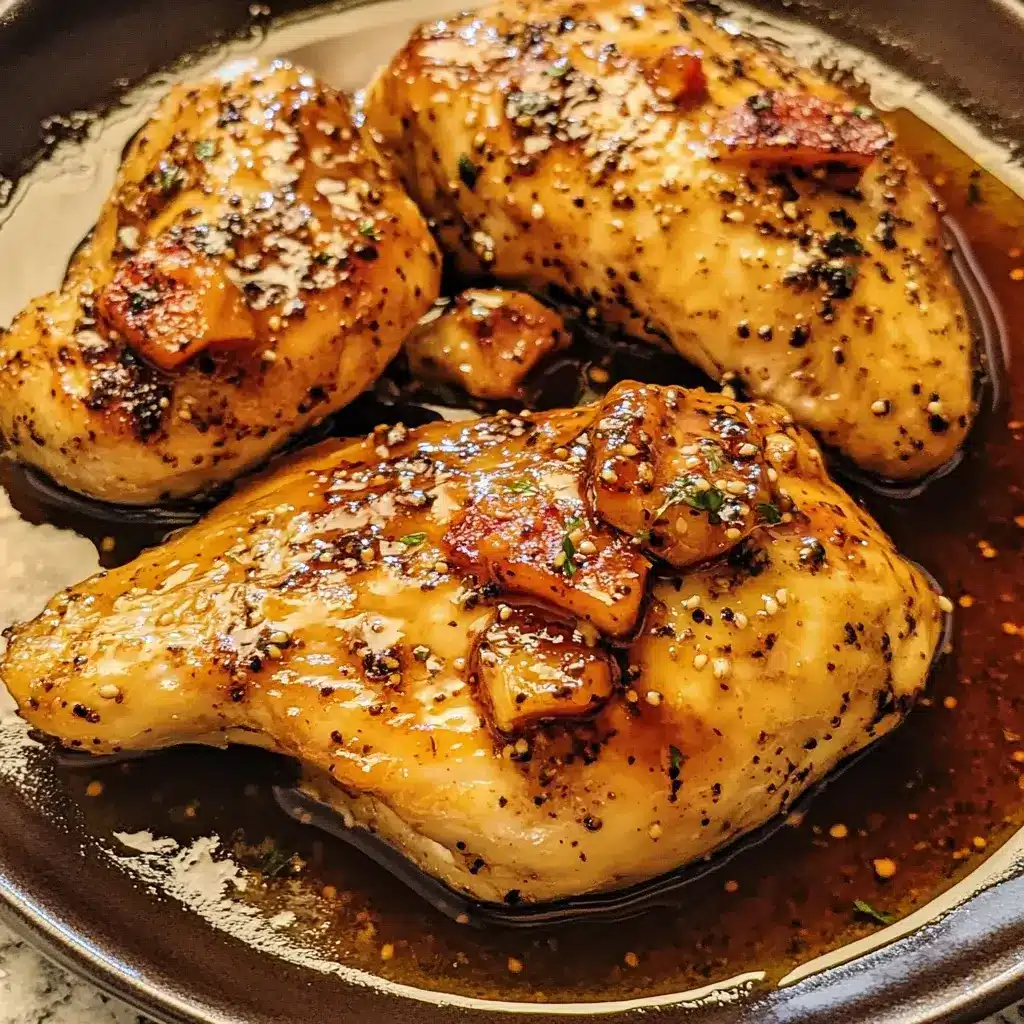
Maple Mustard Glazed Chicken has become a staple in our home, transforming weeknight dinners from ordinary to extraordinary with minimal effort. Initially, I stumbled upon this recipe while searching for something beyond our usual rotation of chicken dishes, something that offered a balance of sweet and savory. The promise of a sticky, flavorful glaze intrigued me, and the simplicity of the ingredients list was a definite bonus. The first time I made it, the aroma that filled my kitchen was intoxicating – the warm sweetness of maple syrup mingling with the tangy kick of mustard, all enveloping the savory chicken. My family, usually quite vocal with their dinner critiques, fell completely silent as they devoured their portions. The chicken was incredibly moist and tender, and the glaze was, as promised, utterly delicious – a perfect harmony of sweet, tangy, and slightly savory notes. Since then, Maple Mustard Glazed Chicken has become a requested favorite, perfect for busy weeknights or even a casual weekend gathering. It’s a dish that consistently delivers on flavor and satisfaction, and I’m excited to share this winning recipe with you.
Ingredients for Maple Mustard Glazed Chicken
The beauty of Maple Mustard Glazed Chicken lies in its simplicity and the harmonious blend of readily available ingredients. Each component plays a crucial role in building the depth of flavor and creating that signature sticky, irresistible glaze. Let’s delve into each ingredient, exploring why it’s essential and considering any potential substitutions you might consider.
For the Chicken:
- 2 lbs Chicken Pieces (Thighs, Drumsticks, or Breasts): Chicken is the star of the show, and you have flexibility in choosing your preferred cuts.
- Chicken Thighs (Bone-in, Skin-on or Boneless, Skinless): Thighs are known for their rich flavor and moistness due to their higher fat content. Bone-in, skin-on thighs offer the most flavor and tend to stay juiciest during cooking. Boneless, skinless thighs are a leaner option and cook slightly faster.
- Chicken Drumsticks (Bone-in, Skin-on): Drumsticks are another flavorful and budget-friendly option. They are similar to thighs in terms of flavor profile and also benefit from bone-in cooking for added moisture.
- Chicken Breasts (Boneless, Skinless): Chicken breasts are a leaner choice and cook quickly. However, they can be prone to drying out if overcooked. If using breasts, consider pounding them to an even thickness to ensure even cooking and shorter cooking time. You can also butterfly thicker breasts for quicker cooking and better glaze coverage.
- Whole Chicken, Spatchcocked (Optional): For a more impressive presentation and faster cooking time than a whole roasted chicken, consider spatchcocking a whole chicken (removing the backbone and flattening it). This method allows for even cooking and crispy skin.
- 1 tablespoon Olive Oil (or Vegetable Oil): Olive oil is used for searing the chicken (if pan-searing is part of your cooking method) and helps to promote browning and flavor development. Vegetable oil or canola oil are suitable alternatives if you don’t have olive oil.
For the Maple Mustard Glaze:
- ½ cup Pure Maple Syrup: Maple syrup is the heart of the glaze, providing its signature sweetness and a distinctive depth of flavor that is far superior to artificial syrups.
- Grade A Dark Color (formerly Grade B) or Grade A Amber Color (formerly Grade A Medium Amber): These grades of maple syrup offer a richer, more robust maple flavor that is ideal for glazes and savory applications. Lighter grades are milder and better suited for pancakes and desserts where a subtle maple flavor is desired.
- Ensure it’s Pure Maple Syrup: Avoid pancake syrups or syrups labeled as “maple-flavored syrup,” as these are typically made with corn syrup and artificial flavorings and lack the complex flavor of pure maple syrup.
- ¼ cup Dijon Mustard: Dijon mustard contributes a tangy, sharp flavor that balances the sweetness of the maple syrup and adds complexity to the glaze.
- Smooth Dijon Mustard: Classic smooth Dijon mustard works best in this recipe, providing a consistent texture to the glaze.
- Variations (with adjustments):
- Whole Grain Mustard: For a more rustic texture and slightly milder mustard flavor, you can use whole grain mustard. You might want to increase the Dijon slightly or add a touch of vinegar to maintain the tanginess.
- Spicy Brown Mustard: If you prefer a bolder mustard flavor, spicy brown mustard can be used. It will add a bit more heat and a different flavor profile compared to Dijon.
- 2 tablespoons Soy Sauce (Low Sodium Preferred): Soy sauce adds a savory, umami element to the glaze, enhancing the overall depth of flavor and contributing to a beautiful, glossy finish. Low sodium soy sauce is recommended to control the saltiness of the dish, especially if using bone-in chicken, which can naturally release some salt during cooking.
- Tamari (Gluten-Free Option): For a gluten-free version, use tamari, a type of soy sauce that is typically gluten-free. Ensure the tamari you choose is specifically labeled gluten-free if necessary.
- Coconut Aminos (Soy-Free Option): For a soy-free alternative, coconut aminos can be used. It has a slightly sweeter and less salty flavor than soy sauce, so you may need to adjust the salt and sweetness of the glaze accordingly.
- 2 cloves Garlic, minced: Fresh garlic adds a pungent, aromatic layer to the glaze, complementing both the sweetness of the maple and the tanginess of the mustard. Minced garlic releases its flavor effectively into the glaze.
- Garlic Powder (Substitution): In a pinch, you can substitute garlic powder, using about ½ to 1 teaspoon, but fresh garlic provides a more vibrant and robust flavor.
- 1 tablespoon Apple Cider Vinegar (or Rice Vinegar): Vinegar adds a touch of acidity that further balances the sweetness and enhances the overall flavor complexity of the glaze. Apple cider vinegar provides a slightly fruity tang, while rice vinegar offers a milder, sweeter acidity.
- Lemon Juice (Substitution): Fresh lemon juice can also be used as a substitute for vinegar, providing a bright, citrusy acidity.
- 1 teaspoon Smoked Paprika: Smoked paprika introduces a subtle smoky depth and warmth to the glaze, adding another layer of flavor complexity and complementing the savory chicken.
- Sweet Paprika (Substitution): If you don’t have smoked paprika, sweet paprika can be used for a milder, less smoky flavor. You could also add a pinch of chili powder for a hint of warmth.
- ½ teaspoon Black Pepper, freshly ground: Freshly ground black pepper provides a subtle spicy kick and enhances the overall flavor profile. Freshly ground pepper is always preferred for its brighter, more aromatic flavor compared to pre-ground pepper.
- Optional: Red Pepper Flakes (for a touch of heat): If you enjoy a bit of heat, adding a pinch of red pepper flakes to the glaze can provide a pleasant warmth that complements the sweet and savory flavors. Adjust the amount to your spice preference.
- Optional: Fresh Herbs for Garnish (Parsley, Thyme, Rosemary, or Green Onions): Fresh herbs add a vibrant pop of color and freshness to the finished dish, both visually and flavor-wise. Parsley, thyme, rosemary, or chopped green onions are excellent choices, complementing the glaze and the chicken.
Instructions for Making Maple Mustard Glazed Chicken
Creating Maple Mustard Glazed Chicken is a straightforward process, perfect for both novice and experienced cooks. Follow these step-by-step instructions to achieve perfectly cooked, flavor-packed chicken with a luscious, sticky glaze. We’ll cover oven-baking, grilling, and pan-frying methods, providing options to suit your preferences and equipment.
Method 1: Oven-Baked Maple Mustard Glazed Chicken (Classic and Easy)
- Preheat Oven and Prepare Chicken: Preheat your oven to 400°F (200°C). While the oven preheats, pat the chicken pieces dry with paper towels. This step is crucial for achieving good browning. If using bone-in, skin-on chicken, you can optionally trim any excess skin.
- Prepare the Maple Mustard Glaze: In a medium bowl, whisk together the maple syrup, Dijon mustard, soy sauce, minced garlic, apple cider vinegar (or rice vinegar), smoked paprika, and black pepper (and red pepper flakes, if using). Whisk until all ingredients are well combined and the glaze is smooth.
- Coat the Chicken with Glaze: Place the chicken pieces in a large bowl or a resealable plastic bag. Pour the maple mustard glaze over the chicken, ensuring all pieces are evenly coated. Massage the glaze into the chicken, making sure it gets into all crevices. For deeper flavor, you can marinate the chicken in the glaze for at least 30 minutes, or up to 2 hours in the refrigerator. If marinating, bring the chicken to room temperature for about 20-30 minutes before baking for more even cooking.
- Arrange Chicken on Baking Sheet: Line a baking sheet with parchment paper or aluminum foil for easier cleanup. Arrange the glazed chicken pieces in a single layer on the prepared baking sheet. Avoid overcrowding the pan, as this can steam the chicken instead of roasting it, hindering browning. If necessary, use two baking sheets.
- Bake the Chicken: Bake in the preheated oven for 35-45 minutes for thighs and drumsticks, or 25-35 minutes for boneless, skinless breasts (adjust time based on thickness). The chicken is done when its internal temperature reaches 165°F (74°C) when measured with a meat thermometer inserted into the thickest part of the chicken, avoiding the bone. Chicken thighs and drumsticks can be cooked to a slightly higher temperature (around 175-180°F/80-82°C) for even more tender, fall-off-the-bone results.
- Baste with Glaze (Optional, for Extra Glaze): For a stickier, more intensely glazed chicken, you can baste the chicken with pan juices or extra glaze (if you reserved some) during the last 10-15 minutes of baking. Be mindful that the sugars in the glaze can burn easily, so watch closely and reduce oven temperature slightly if needed.
- Broil for Caramelization (Optional, for Extra Color): For a more caramelized, deeply colored glaze, you can broil the chicken for the last 2-3 minutes of cooking. Keep a very close eye on the chicken while broiling, as the glaze can burn quickly under the broiler. Position the baking sheet in the upper rack of the oven and broil on low or medium broil setting.
- Rest Before Serving: Once cooked through, remove the chicken from the oven and let it rest for 5-10 minutes before serving. Resting allows the juices to redistribute throughout the chicken, resulting in more tender and flavorful meat.
Method 2: Grilled Maple Mustard Glazed Chicken (Smoky and Flavorful)
- Prepare Grill and Chicken: Preheat your grill to medium heat (around 350-400°F/175-200°C). Clean and lightly oil the grill grates to prevent sticking. Pat the chicken pieces dry with paper towels.
- Prepare Glaze and Marinate (Same as Oven Method Steps 2 & 3): Prepare the maple mustard glaze as described in the oven method instructions. Marinate the chicken in the glaze for at least 30 minutes, or up to 2 hours.
- Grill the Chicken: Place the marinated chicken pieces on the preheated grill. Grill for 6-8 minutes per side for thighs and drumsticks, or 5-7 minutes per side for boneless, skinless breasts, or until cooked through and internal temperature reaches 165°F (74°C). Grilling time will vary depending on the thickness of the chicken and the heat of your grill.
- Glaze While Grilling (Important for Grilled Flavor): Baste the chicken with the maple mustard glaze frequently during the last 10-15 minutes of grilling. This helps to build up a flavorful, sticky glaze and prevents the chicken from drying out. Be mindful of flare-ups, as the sugars in the glaze can drip and cause flames. Move the chicken to a cooler part of the grill if necessary or reduce heat.
- Rest and Serve (Same as Oven Method Step 8): Once cooked through, remove the chicken from the grill and let it rest for 5-10 minutes before serving.
Method 3: Pan-Fried Maple Mustard Glazed Chicken (Quick and Convenient)
- Prepare Chicken and Glaze (Same as Oven Method Steps 1 & 2): Pat the chicken pieces dry with paper towels. Prepare the maple mustard glaze as described in the oven method instructions.
- Sear Chicken (Optional, for Browning): Heat 1 tablespoon of olive oil in a large skillet (preferably cast iron or non-stick) over medium-high heat. Sear the chicken pieces in batches, skin-side down first if using skin-on chicken, for 2-3 minutes per side, until browned. Searing is optional but enhances flavor and appearance. Remove chicken from skillet and set aside.
- Cook Chicken in Glaze: Reduce heat to medium. Pour the maple mustard glaze into the skillet. Bring the glaze to a simmer. Return the chicken to the skillet, nestling it into the glaze.
- Simmer and Glaze: Cover the skillet and simmer for 15-20 minutes for thighs and drumsticks, or 10-15 minutes for boneless, skinless breasts, or until chicken is cooked through and internal temperature reaches 165°F (74°C). Uncover the skillet during the last 5-7 minutes of cooking to allow the glaze to thicken and reduce. Spoon the glaze over the chicken frequently as it simmers to ensure even coating.
- Rest and Serve (Same as Oven Method Step 8): Once cooked through, remove the chicken from the skillet and let it rest for 5-10 minutes before serving.
Nutrition Facts for Maple Mustard Glazed Chicken
Understanding the nutritional profile of your Maple Mustard Glazed Chicken can be helpful for meal planning and making informed dietary choices. Please note that these are estimated values and can vary based on the specific cuts of chicken used, portion sizes, and brands of ingredients. The following nutrition information is based on an estimated serving size of one chicken thigh (approximately 4-5 ounces cooked weight) and glaze.
Servings:
This recipe, using 2 lbs of chicken, typically yields 4-6 servings, depending on the size of the chicken pieces and desired portion size. The nutritional information below is calculated per serving, assuming 4 servings.
Calories per Serving (Estimated):
Approximately 350-450 calories per serving.
Detailed Nutritional Information (per serving, estimated):
- Calories: 350-450
- Total Fat: 15-25g (Varies depending on chicken cut and skin)
- Saturated Fat: 4-8g (Varies depending on chicken cut and skin)
- Trans Fat: 0g
- Unsaturated Fat: 8-15g (Predominantly monounsaturated and polyunsaturated fats from chicken and olive oil)
- Cholesterol: 120-150mg (Varies depending on chicken cut)
- Sodium: 400-600mg (Varies depending on soy sauce and chicken)
- Total Carbohydrates: 20-30g
- Dietary Fiber: 0-1g
- Sugars: 18-25g (Primarily from maple syrup)
- Protein: 30-40g (Varies depending on chicken cut)
Micronutrients (Estimated, significant amounts):
- Vitamin A: Moderate amounts (from paprika)
- Vitamin C: Minimal amounts
- Calcium: Minimal amounts
- Iron: Moderate amounts (from chicken)
- Potassium: Moderate amounts (from chicken)
Important Notes:
- These values are estimates and should be used as a general guideline. For more precise nutritional information, you can use online recipe analyzers or nutrition tracking apps, inputting the specific brands and quantities of ingredients used.
- The fat and calorie content can be significantly reduced by using boneless, skinless chicken breasts and trimming any visible fat.
- Using low-sodium soy sauce will help to lower the sodium content of the dish.
- While this dish contains sugar from maple syrup, it is balanced by protein and healthy fats from the chicken, making it a more balanced meal option compared to purely sugary dishes.
- Pairing Maple Mustard Glazed Chicken with fiber-rich sides like roasted vegetables or quinoa will further enhance its nutritional value and create a more complete and satisfying meal.
Preparation Time for Maple Mustard Glazed Chicken
Efficient time management is key to getting dinner on the table quickly, especially on busy weeknights. Maple Mustard Glazed Chicken is relatively quick to prepare and cook. Here’s a breakdown of the estimated preparation and cooking times for this recipe.
- Prep Time: 15-20 minutes
- This includes gathering ingredients, mincing garlic, measuring out glaze ingredients, and whisking together the glaze. Patting the chicken dry and coating it with the glaze is also included in prep time. If you choose to marinate, the active prep time remains similar, but you’ll need to factor in marinating time.
- Marinating Time (Optional): 30 minutes to 2 hours (refrigerated)
- Marinating is recommended for enhanced flavor and tenderness, but it’s optional for a quicker meal.
- Cook Time: 25-45 minutes (depending on cooking method and chicken cut)
- Oven Baking: 35-45 minutes for thighs and drumsticks, 25-35 minutes for breasts.
- Grilling: 12-16 minutes total (6-8 minutes per side for thighs/drumsticks, 5-7 minutes per side for breasts).
- Pan-Frying/Simmering: 25-30 minutes total (including searing and simmering time).
- Resting Time: 5-10 minutes
- Essential for juicy chicken, regardless of cooking method.
Total Estimated Time (Without Marinating): 45-65 minutes (depending on cooking method and chicken cut).
Total Estimated Time (With Marinating): 1 hour 15 minutes to 2 hours 45 minutes (including marinating time).
Tips for Time Management:
- Prepare the glaze in advance: You can make the maple mustard glaze up to a day ahead of time and store it in the refrigerator. This saves time on the day of cooking.
- Marinate the chicken in the morning or the night before: If you plan to marinate, do it ahead of time to maximize flavor and minimize prep time closer to dinner.
- Utilize pre-minced garlic: If you’re short on time, using pre-minced garlic from a jar can save a few minutes.
- Choose boneless, skinless chicken breasts: Chicken breasts cook faster than bone-in cuts, reducing overall cook time.
- Prepare side dishes while the chicken cooks: Start cooking your side dishes while the chicken is baking, grilling, or simmering to efficiently use your time.
- Quick cleanup: Line baking sheets with parchment paper or foil for easier cleanup, especially when oven-baking.
How to Serve Maple Mustard Glazed Chicken
Maple Mustard Glazed Chicken is incredibly versatile and pairs beautifully with a wide array of side dishes, making it suitable for casual weeknight dinners or more special occasions. Here are some delicious serving suggestions to create a complete and satisfying meal.
Side Dish Suggestions:
- Roasted Vegetables:
- Roasted Root Vegetables: Carrots, potatoes, parsnips, sweet potatoes, and beets roasted with olive oil, herbs (like thyme or rosemary), salt, and pepper. The sweetness of root vegetables complements the maple glaze on the chicken.
- Roasted Broccoli or Brussels Sprouts: Toss broccoli or Brussels sprouts with olive oil, garlic powder, salt, and pepper, and roast until tender and slightly charred. Adds a healthy and slightly bitter counterpoint to the sweet glaze.
- Roasted Asparagus or Green Beans: Simple and quick roasting of asparagus or green beans with olive oil and lemon juice. Provides a fresh and vibrant green element to the plate.
- Grain-Based Sides:
- Quinoa or Couscous: Fluffy quinoa or couscous, cooked according to package directions, can be seasoned with herbs, lemon zest, or a drizzle of olive oil. Offers a light and healthy grain option.
- Rice (White, Brown, or Wild Rice): Steamed white rice, nutty brown rice, or a flavorful wild rice blend. Rice absorbs the delicious glaze from the chicken and provides a comforting base.
- Creamy Polenta: Smooth and creamy polenta, made with cornmeal, broth, and Parmesan cheese (optional). Provides a rich and satisfying side that complements the glaze beautifully.
- Potato-Based Sides:
- Mashed Potatoes (Classic or Sweet Potato): Creamy mashed potatoes, either classic white potatoes or slightly sweeter sweet potato mash. A comforting and family-friendly side dish.
- Roasted Potatoes (Garlic or Herb Roasted): Crispy roasted potatoes, seasoned with garlic, herbs, or spices. Provides a hearty and flavorful potato option.
- Potato Wedges or Fries: Oven-baked or air-fried potato wedges or fries for a more casual and kid-friendly option.
- Salads:
- Green Salad with Vinaigrette: A simple green salad with mixed greens, a light vinaigrette dressing, and perhaps some cherry tomatoes, cucumbers, or red onion. Provides freshness and lightness to balance the richness of the chicken.
- Caesar Salad: A classic Caesar salad with romaine lettuce, croutons, Parmesan cheese, and Caesar dressing. Adds a creamy and savory salad option.
- Apple or Pear Salad: A salad with sliced apples or pears, mixed greens, walnuts or pecans, and a light vinaigrette. The fruit complements the maple glaze and adds a touch of sweetness and crunch.
Garnish and Presentation:
- Fresh Herbs: Sprinkle chopped fresh parsley, thyme, rosemary, or green onions over the cooked chicken for a pop of color and fresh flavor.
- Sesame Seeds: Toasted sesame seeds add a nutty flavor and visual appeal.
- Lemon Wedges: Serve with lemon wedges for those who like to add a squeeze of fresh lemon juice for brightness.
- Extra Glaze: Offer a small bowl of extra maple mustard glaze for drizzling over the chicken or side dishes for those who want an extra dose of flavor.
Serving Occasions:
- Weeknight Dinners: Quick and easy enough for a delicious weeknight meal.
- Family Gatherings: A crowd-pleasing dish that is sure to be a hit with family and friends.
- Casual Entertaining: Impressive enough for casual dinner parties or potlucks.
- Holiday Meals (Smaller Gatherings): A flavorful alternative to traditional holiday chicken or turkey dishes for smaller gatherings.
Additional Tips for Perfect Maple Mustard Glazed Chicken
To elevate your Maple Mustard Glazed Chicken from good to exceptional, here are five additional tips and tricks to ensure baking success and maximize flavor.
- Marinate for Deeper Flavor Penetration: While a quick coating of glaze is sufficient, marinating the chicken in the maple mustard mixture for at least 30 minutes, or ideally up to 2 hours in the refrigerator, significantly enhances flavor. Marinating allows the flavors to penetrate deep into the chicken, resulting in a more intensely flavored and tender final dish. If you have time, marinating is highly recommended. For overnight marinating, reduce the soy sauce slightly to prevent the chicken from becoming too salty.
- Don’t Overcrowd the Pan (Especially when Baking or Pan-Frying): Overcrowding the baking sheet or skillet will cause the chicken to steam rather than roast or sear properly. This hinders browning and can result in less crispy skin (if using skin-on chicken) and less caramelized glaze. Arrange the chicken pieces in a single layer with some space between them. If necessary, use two baking sheets or cook in batches when pan-frying. Proper spacing allows for better air circulation and heat distribution, promoting browning and even cooking.
- Adjust Glaze Sweetness and Tanginess to Your Preference: The provided glaze recipe is a balanced starting point, but you can easily adjust it to suit your personal taste preferences. If you prefer a sweeter glaze, increase the maple syrup slightly. If you prefer a tangier glaze, increase the Dijon mustard or apple cider vinegar. Taste the glaze before coating the chicken and adjust seasonings as needed. You can also add a touch of brown sugar for a richer sweetness or a squeeze of lemon juice for extra brightness.
- Use a Meat Thermometer for Accurate Doneness: The most reliable way to ensure your chicken is cooked to a safe and juicy internal temperature is to use a meat thermometer. Insert the thermometer into the thickest part of the chicken, avoiding the bone. Chicken is safely cooked when it reaches 165°F (74°C). For thighs and drumsticks, cooking to a slightly higher temperature (175-180°F/80-82°C) can result in even more tender and fall-off-the-bone texture. Overcooking can lead to dry chicken, so a thermometer is your best tool for achieving perfect results every time.
- Glaze Variations for Different Flavor Profiles: While the classic maple mustard combination is delicious, you can experiment with glaze variations to create different flavor profiles.
- Honey Mustard Glaze: Substitute honey for maple syrup for a slightly different sweetness and floral notes.
- Maple Dijon Herb Glaze: Add fresh chopped herbs like thyme, rosemary, or sage to the classic glaze for an herbaceous and aromatic twist.
- Spicy Maple Mustard Glaze: Increase the red pepper flakes or add a dash of hot sauce (like sriracha or chili garlic sauce) for a spicy kick.
- Ginger Garlic Maple Mustard Glaze: Add grated fresh ginger and extra garlic to the glaze for an Asian-inspired flavor profile.
- Bourbon Maple Mustard Glaze: Add a tablespoon or two of bourbon to the glaze for a richer, more complex flavor with a hint of warmth.
FAQ About Maple Mustard Glazed Chicken
Do you have questions about making Maple Mustard Glazed Chicken? Here are answers to five frequently asked questions to help you confidently prepare this delicious dish and address any potential baking concerns.
Q1: Can I use different cuts of chicken for this recipe?
A: Yes, absolutely! The recipe is versatile and works well with various cuts of chicken.
* Bone-in, Skin-on Chicken (Thighs, Drumsticks): These cuts are highly recommended for their flavor and moistness. Bone-in chicken tends to stay juicier during cooking, and skin-on crisps up beautifully, especially when oven-baked or grilled.
* Boneless, Skinless Chicken (Thighs, Breasts): These are leaner and quicker-cooking options. Boneless, skinless chicken breasts are very popular but can be prone to drying out if overcooked, so pay attention to cooking time and use a meat thermometer.
* Whole Chicken (Spatchcocked or Pieces): You can use a whole chicken, either spatchcocked for faster roasting or cut into pieces (wings, legs, breasts). Adjust cooking time accordingly, ensuring all parts reach a safe internal temperature.
* Chicken Wings: Maple Mustard Glaze is also fantastic on chicken wings, perfect for appetizers or game-day snacks. Adjust cooking time significantly, as wings cook much faster.
Q2: Can I make Maple Mustard Glazed Chicken ahead of time?
A: Yes, you can prepare components of this dish ahead of time to streamline your meal preparation.
* Glaze: The maple mustard glaze can be made up to 2-3 days in advance and stored in an airtight container in the refrigerator.
* Marinating: You can marinate the chicken overnight in the refrigerator for even deeper flavor.
* Cooked Chicken: Cooked Maple Mustard Glazed Chicken can be stored in an airtight container in the refrigerator for up to 3-4 days. Reheat gently in the oven, microwave, or skillet until heated through. Note that the skin may lose some crispness upon reheating. Adding a fresh drizzle of glaze when reheating can help revitalize the flavor.
* Assemble Ahead: You can prepare the chicken and glaze ahead of time and assemble them on a baking sheet or in a skillet, ready to cook when needed.
Q3: What are good substitutions for maple syrup if I don’t have any?
A: While maple syrup is key to the signature flavor, there are some substitutions you can use in a pinch, although the flavor profile will be slightly altered.
* Honey: Honey is a good substitute for sweetness and stickiness, although it has a different floral flavor profile than maple syrup.
* Brown Sugar: Brown sugar can be used to add sweetness and a molasses-like depth. Dissolve brown sugar in a little warm water before adding it to the glaze to ensure it incorporates smoothly.
* Molasses (with Honey or Brown Sugar): For a deeper, more robust flavor, you can use a combination of molasses (a small amount, as it’s very strong) with honey or brown sugar to mimic some of the complexity of maple syrup.
* Agave Nectar: Agave nectar is sweeter than maple syrup and has a neutral flavor, so it can be used, but you might need to reduce the amount slightly, and the flavor will be less complex.
Q4: My glaze burned in the oven/on the grill. How can I prevent this?
A: Burning glaze is a common issue with sugary glazes. Here’s how to prevent it:
* Lower Oven/Grill Temperature: Reduce the oven temperature to 375°F (190°C) or grill heat to medium-low. Lower temperatures allow the chicken to cook through without the glaze burning too quickly.
* Cook in Stages (Oven): Start by baking the chicken without glaze for the first half of the cooking time, then add the glaze for the last 15-20 minutes to minimize burning.
* Indirect Heat (Grill): Grill the chicken over indirect heat (away from direct flames) for most of the cooking time, and move it to direct heat for the last few minutes to caramelize the glaze, watching closely.
* Basting Frequency: Baste with glaze less frequently in the beginning, and increase frequency towards the end of cooking.
* Watch Closely: Keep a close eye on the chicken, especially during the last 10-15 minutes of cooking, as the glaze can go from caramelized to burned quickly.
* Avoid Broiling for Too Long: If broiling to caramelize, broil for only 1-2 minutes and watch constantly to prevent burning.
Q5: Can I make this recipe gluten-free or soy-free?
A: Yes, with a few substitutions, you can easily adapt this recipe for gluten-free or soy-free diets.
* Gluten-Free:
* Soy Sauce Substitution: Use tamari, which is typically gluten-free soy sauce. Ensure the tamari you choose is specifically labeled gluten-free if necessary for strict gluten-free diets.
* Check Mustard Ingredients: While most Dijon mustards are gluten-free, always check the ingredient label to be certain, especially if you have celiac disease or severe gluten sensitivity.
* Soy-Free:
* Soy Sauce Substitution: Use coconut aminos as a soy-free alternative to soy sauce. Coconut aminos have a slightly sweeter and less salty flavor, so you may need to adjust the salt and sweetness of the glaze accordingly.
* Check Mustard Ingredients: Some mustards may contain soy lecithin as an emulsifier. Check the ingredient label if you are strictly avoiding soy. Many Dijon mustards are soy-free, but it’s always best to double-check.
By following these tips and FAQs, you’re well-equipped to create a consistently delicious and crowd-pleasing Maple Mustard Glazed Chicken. Enjoy the process and the flavorful results!
Print
Maple Mustard Glazed Chicken recipe
Ingredients
For the Chicken:
- 2 lbs Chicken Pieces (Thighs, Drumsticks, or Breasts): Chicken is the star of the show, and you have flexibility in choosing your preferred cuts.
- Chicken Thighs (Bone-in, Skin-on or Boneless, Skinless): Thighs are known for their rich flavor and moistness due to their higher fat content. Bone-in, skin-on thighs offer the most flavor and tend to stay juiciest during cooking. Boneless, skinless thighs are a leaner option and cook slightly faster.
- Chicken Drumsticks (Bone-in, Skin-on): Drumsticks are another flavorful and budget-friendly option. They are similar to thighs in terms of flavor profile and also benefit from bone-in cooking for added moisture.
- Chicken Breasts (Boneless, Skinless): Chicken breasts are a leaner choice and cook quickly. However, they can be prone to drying out if overcooked. If using breasts, consider pounding them to an even thickness to ensure even cooking and shorter cooking time. You can also butterfly thicker breasts for quicker cooking and better glaze coverage.
- Whole Chicken, Spatchcocked (Optional): For a more impressive presentation and faster cooking time than a whole roasted chicken, consider spatchcocking a whole chicken (removing the backbone and flattening it). This method allows for even cooking and crispy skin.
- 1 tablespoon Olive Oil (or Vegetable Oil): Olive oil is used for searing the chicken (if pan-searing is part of your cooking method) and helps to promote browning and flavor development. Vegetable oil or canola oil are suitable alternatives if you don’t have olive oil.
For the Maple Mustard Glaze:
- ½ cup Pure Maple Syrup: Maple syrup is the heart of the glaze, providing its signature sweetness and a distinctive depth of flavor that is far superior to artificial syrups.
- Grade A Dark Color (formerly Grade B) or Grade A Amber Color (formerly Grade A Medium Amber): These grades of maple syrup offer a richer, more robust maple flavor that is ideal for glazes and savory applications. Lighter grades are milder and better suited for pancakes and desserts where a subtle maple flavor is desired.
- Ensure it’s Pure Maple Syrup: Avoid pancake syrups or syrups labeled as “maple-flavored syrup,” as these are typically made with corn syrup and artificial flavorings and lack the complex flavor of pure maple syrup.
- ¼ cup Dijon Mustard: Dijon mustard contributes a tangy, sharp flavor that balances the sweetness of the maple syrup and adds complexity to the glaze.
- Smooth Dijon Mustard: Classic smooth Dijon mustard works best in this recipe, providing a consistent texture to the glaze.
- Variations (with adjustments):
- Whole Grain Mustard: For a more rustic texture and slightly milder mustard flavor, you can use whole grain mustard. You might want to increase the Dijon slightly or add a touch of vinegar to maintain the tanginess.
- Spicy Brown Mustard: If you prefer a bolder mustard flavor, spicy brown mustard can be used. It will add a bit more heat and a different flavor profile compared to Dijon.
- 2 tablespoons Soy Sauce (Low Sodium Preferred): Soy sauce adds a savory, umami element to the glaze, enhancing the overall depth of flavor and contributing to a beautiful, glossy finish. Low sodium soy sauce is recommended to control the saltiness of the dish, especially if using bone-in chicken, which can naturally release some salt during cooking.
- Tamari (Gluten-Free Option): For a gluten-free version, use tamari, a type of soy sauce that is typically gluten-free. Ensure the tamari you choose is specifically labeled gluten-free if necessary.
- Coconut Aminos (Soy-Free Option): For a soy-free alternative, coconut aminos can be used. It has a slightly sweeter and less salty flavor than soy sauce, so you may need to adjust the salt and sweetness of the glaze accordingly.
- 2 cloves Garlic, minced: Fresh garlic adds a pungent, aromatic layer to the glaze, complementing both the sweetness of the maple and the tanginess of the mustard. Minced garlic releases its flavor effectively into the glaze.
- Garlic Powder (Substitution): In a pinch, you can substitute garlic powder, using about ½ to 1 teaspoon, but fresh garlic provides a more vibrant and robust flavor.
- 1 tablespoon Apple Cider Vinegar (or Rice Vinegar): Vinegar adds a touch of acidity that further balances the sweetness and enhances the overall flavor complexity of the glaze. Apple cider vinegar provides a slightly fruity tang, while rice vinegar offers a milder, sweeter acidity.
- Lemon Juice (Substitution): Fresh lemon juice can also be used as a substitute for vinegar, providing a bright, citrusy acidity.
- 1 teaspoon Smoked Paprika: Smoked paprika introduces a subtle smoky depth and warmth to the glaze, adding another layer of flavor complexity and complementing the savory chicken.
- Sweet Paprika (Substitution): If you don’t have smoked paprika, sweet paprika can be used for a milder, less smoky flavor. You could also add a pinch of chili powder for a hint of warmth.
- ½ teaspoon Black Pepper, freshly ground: Freshly ground black pepper provides a subtle spicy kick and enhances the overall flavor profile. Freshly ground pepper is always preferred for its brighter, more aromatic flavor compared to pre-ground pepper.
- Optional: Red Pepper Flakes (for a touch of heat): If you enjoy a bit of heat, adding a pinch of red pepper flakes to the glaze can provide a pleasant warmth that complements the sweet and savory flavors. Adjust the amount to your spice preference.
- Optional: Fresh Herbs for Garnish (Parsley, Thyme, Rosemary, or Green Onions): Fresh herbs add a vibrant pop of color and freshness to the finished dish, both visually and flavor-wise. Parsley, thyme, rosemary, or chopped green onions are excellent choices, complementing the glaze and the chicken.
Instructions
Method 1: Oven-Baked Maple Mustard Glazed Chicken (Classic and Easy)
- Preheat Oven and Prepare Chicken: Preheat your oven to 400°F (200°C). While the oven preheats, pat the chicken pieces dry with paper towels. This step is crucial for achieving good browning. If using bone-in, skin-on chicken, you can optionally trim any excess skin.
- Prepare the Maple Mustard Glaze: In a medium bowl, whisk together the maple syrup, Dijon mustard, soy sauce, minced garlic, apple cider vinegar (or rice vinegar), smoked paprika, and black pepper (and red pepper flakes, if using). Whisk until all ingredients are well combined and the glaze is smooth.
- Coat the Chicken with Glaze: Place the chicken pieces in a large bowl or a resealable plastic bag. Pour the maple mustard glaze over the chicken, ensuring all pieces are evenly coated. Massage the glaze into the chicken, making sure it gets into all crevices. For deeper flavor, you can marinate the chicken in the glaze for at least 30 minutes, or up to 2 hours in the refrigerator. If marinating, bring the chicken to room temperature for about 20-30 minutes before baking for more even cooking.
- Arrange Chicken on Baking Sheet: Line a baking sheet with parchment paper or aluminum foil for easier cleanup. Arrange the glazed chicken pieces in a single layer on the prepared baking sheet. Avoid overcrowding the pan, as this can steam the chicken instead of roasting it, hindering browning. If necessary, use two baking sheets.
- Bake the Chicken: Bake in the preheated oven for 35-45 minutes for thighs and drumsticks, or 25-35 minutes for boneless, skinless breasts (adjust time based on thickness). The chicken is done when its internal temperature reaches 165°F (74°C) when measured with a meat thermometer inserted into the thickest part of the chicken, avoiding the bone. Chicken thighs and drumsticks can be cooked to a slightly higher temperature (around 175-180°F/80-82°C) for even more tender, fall-off-the-bone results.
- Baste with Glaze (Optional, for Extra Glaze): For a stickier, more intensely glazed chicken, you can baste the chicken with pan juices or extra glaze (if you reserved some) during the last 10-15 minutes of baking. Be mindful that the sugars in the glaze can burn easily, so watch closely and reduce oven temperature slightly if needed.
- Broil for Caramelization (Optional, for Extra Color): For a more caramelized, deeply colored glaze, you can broil the chicken for the last 2-3 minutes of cooking. Keep a very close eye on the chicken while broiling, as the glaze can burn quickly under the broiler. Position the baking sheet in the upper rack of the oven and broil on low or medium broil setting.
- Rest Before Serving: Once cooked through, remove the chicken from the oven and let it rest for 5-10 minutes before serving. Resting allows the juices to redistribute throughout the chicken, resulting in more tender and flavorful meat.
Method 2: Grilled Maple Mustard Glazed Chicken (Smoky and Flavorful)
- Prepare Grill and Chicken: Preheat your grill to medium heat (around 350-400°F/175-200°C). Clean and lightly oil the grill grates to prevent sticking. Pat the chicken pieces dry with paper towels.
- Prepare Glaze and Marinate (Same as Oven Method Steps 2 & 3): Prepare the maple mustard glaze as described in the oven method instructions. Marinate the chicken in the glaze for at least 30 minutes, or up to 2 hours.
- Grill the Chicken: Place the marinated chicken pieces on the preheated grill. Grill for 6-8 minutes per side for thighs and drumsticks, or 5-7 minutes per side for boneless, skinless breasts, or until cooked through and internal temperature reaches 165°F (74°C). Grilling time will vary depending on the thickness of the chicken and the heat of your grill.
- Glaze While Grilling (Important for Grilled Flavor): Baste the chicken with the maple mustard glaze frequently during the last 10-15 minutes of grilling. This helps to build up a flavorful, sticky glaze and prevents the chicken from drying out. Be mindful of flare-ups, as the sugars in the glaze can drip and cause flames. Move the chicken to a cooler part of the grill if necessary or reduce heat.
- Rest and Serve (Same as Oven Method Step 8): Once cooked through, remove the chicken from the grill and let it rest for 5-10 minutes before serving.
Method 3: Pan-Fried Maple Mustard Glazed Chicken (Quick and Convenient)
- Prepare Chicken and Glaze (Same as Oven Method Steps 1 & 2): Pat the chicken pieces dry with paper towels. Prepare the maple mustard glaze as described in the oven method instructions.
- Sear Chicken (Optional, for Browning): Heat 1 tablespoon of olive oil in a large skillet (preferably cast iron or non-stick) over medium-high heat. Sear the chicken pieces in batches, skin-side down first if using skin-on chicken, for 2-3 minutes per side, until browned. Searing is optional but enhances flavor and appearance. Remove chicken from skillet and set aside.
- Cook Chicken in Glaze: Reduce heat to medium. Pour the maple mustard glaze into the skillet. Bring the glaze to a simmer. Return the chicken to the skillet, nestling it into the glaze.
- Simmer and Glaze: Cover the skillet and simmer for 15-20 minutes for thighs and drumsticks, or 10-15 minutes for boneless, skinless breasts, or until chicken is cooked through and internal temperature reaches 165°F (74°C). Uncover the skillet during the last 5-7 minutes of cooking to allow the glaze to thicken and reduce. Spoon the glaze over the chicken frequently as it simmers to ensure even coating.
- Rest and Serve (Same as Oven Method Step 8): Once cooked through, remove the chicken from the skillet and let it rest for 5-10 minutes before serving.
Nutrition
- Serving Size: one normal portion
- Calories: 350-450
- Sugar: 18-25g
- Sodium: 400-600mg
- Fat: 15-25g
- Saturated Fat: 4-8g
- Unsaturated Fat: 8-15g
- Carbohydrates: 20-30g
- Fiber: 0-1g
- Protein: 30-40g
- Cholesterol: 120-150mg