
In the hustle and bustle of modern life, finding a breakfast or snack that is both quick and genuinely good for you can feel like a constant quest. For years, I’ve been on the lookout for that perfect blend of taste and nutrition, something that not only fuels my body but also excites my taste buds. Enter the Mango Protein Smoothie – a vibrant, creamy, and utterly satisfying concoction that has become a staple in my daily routine. From the first sip, I was hooked. The tropical sweetness of mango, perfectly balanced with the creamy texture and a subtle hint of protein, is simply irresistible. It’s like sunshine in a glass! Whether I need a quick and energizing breakfast before a busy day, a refreshing post-workout recovery drink, or just a healthy afternoon pick-me-up, this Mango Protein Smoothie consistently delivers. It’s become a family favorite too; even my kids, who are notoriously picky eaters, eagerly ask for “mango sunshine smoothies.” If you’re searching for a delicious and effortless way to boost your protein intake, nourish your body with vitamins and minerals, and treat yourself to a tropical delight, look no further. This Mango Protein Smoothie recipe is your answer. Get ready to blend your way to a healthier and happier you!
Ingredients for the Ultimate Mango Protein Smoothie
Crafting the perfect Mango Protein Smoothie is all about selecting the right ingredients. Each component plays a crucial role in flavor, texture, and nutritional value. Let’s break down the ingredients you’ll need to create this tropical powerhouse:
- Frozen Mango Chunks: 1 cup (approximately 150-170g) of frozen mango chunks forms the heart of our smoothie, delivering that signature tropical sweetness and creamy texture. Frozen mango is key for achieving a thick, frosty smoothie without the need for ice, which can dilute the flavor. Using frozen fruit also means your smoothie stays colder for longer. When choosing mango, look for ripe mangoes that are fragrant and slightly soft to the touch. You can buy pre-frozen mango chunks for convenience, or freeze your own ripe mangoes. To freeze your own, peel and dice ripe mangoes, spread them in a single layer on a baking sheet lined with parchment paper, and freeze until solid, then transfer to a freezer-safe bag or container.
- Protein Powder: 1 scoop (approximately 25-30g) of your favorite protein powder is essential for boosting the protein content and making this smoothie a truly satisfying and muscle-supporting drink. The type of protein powder you choose can significantly impact the flavor and texture of your smoothie. Here are some popular options:
- Whey Protein: Whey protein is a fast-digesting protein derived from milk, known for its smooth texture and wide availability in various flavors. Whey protein isolate is a purer form of whey protein with lower fat and carbohydrate content. Whey protein concentrate is another common form, slightly less processed than isolate. Vanilla or unflavored whey protein works exceptionally well in a mango smoothie, complementing the fruit’s sweetness without overpowering it.
- Plant-Based Protein Powder: For vegan or dairy-free options, plant-based protein powders are excellent alternatives. Popular choices include:
- Pea Protein: Pea protein is derived from yellow peas and is known for its good amino acid profile and relatively neutral taste. It can sometimes have a slightly earthy flavor, so pairing it with flavorful ingredients like mango is ideal.
- Brown Rice Protein: Brown rice protein is another plant-based option, often with a slightly grainy texture. Look for finely milled brown rice protein for a smoother smoothie.
- Soy Protein: Soy protein is a complete protein and a good source of all essential amino acids. It can have a slightly beany flavor, so choose flavored soy protein or combine it with strong flavors.
- Blends: Many plant-based protein powders are blends of different protein sources (e.g., pea, brown rice, chia seed, pumpkin seed) to improve the amino acid profile and texture.
- Casein Protein: Casein protein is a slow-digesting protein, also derived from milk. It’s known for its thick texture and is often used in overnight protein oats or smoothies intended for satiety over a longer period. While less common in quick smoothies, it can add significant thickness.
- Collagen Protein: Collagen protein is known for its benefits for skin, hair, and joint health. It typically has a very mild flavor and dissolves easily, making it a good addition to smoothies without significantly altering the taste.
- Liquid Base: 1 cup (240ml) of liquid base is needed to blend the smoothie to the desired consistency. The choice of liquid base can influence the flavor and creaminess:
- Water: Water is the simplest and lowest-calorie option. It allows the mango flavor to shine through and keeps the smoothie light.
- Milk (Dairy or Non-Dairy): Milk adds creaminess and extra nutrients.
- Dairy Milk: Cow’s milk provides calcium, vitamin D, and additional protein. Whole milk will result in the creamiest smoothie, while skim milk will be lighter.
- Almond Milk: Almond milk is a popular non-dairy option, low in calories and with a slightly nutty flavor. Unsweetened almond milk is recommended to control sugar content.
- Coconut Milk (Canned or Carton): Coconut milk adds a rich, tropical flavor and extra creaminess. Canned full-fat coconut milk will make a very decadent smoothie, while carton coconut milk is lighter.
- Oat Milk: Oat milk is known for its creamy texture and slightly sweet flavor. It’s a good option for those who prefer a plant-based milk that is naturally sweeter than almond milk.
- Soy Milk: Soy milk is a nutritionally complete plant-based milk, offering protein and a creamy texture.
- Juice (Orange, Pineapple, Mango): Fruit juice can enhance the sweetness and flavor intensity of the smoothie. Orange juice complements mango well, while pineapple or mango juice will amplify the tropical notes. Be mindful of the added sugar content in juice.
- Yogurt (Dairy or Non-Dairy): Adding yogurt as part of the liquid base will make the smoothie extra creamy and add probiotics and protein. Greek yogurt is especially high in protein. Plain yogurt is preferred to control sweetness, but flavored yogurts can be used to add extra flavor.
- Banana (Optional, for extra creaminess and sweetness): ½ ripe banana (about 50-60g) is optional but highly recommended for adding natural sweetness, extra creaminess, and binding the smoothie together. Banana also provides potassium and fiber. For the best flavor and texture, use a ripe banana with brown spots. If you don’t have a banana or prefer to omit it, you can increase the amount of mango or add a touch of sweetener.
- Chia Seeds or Flaxseeds (Optional, for added fiber and omega-3s): 1 teaspoon (about 5g) of chia seeds or flaxseeds is optional but a great addition for boosting the fiber content, omega-3 fatty acids, and adding a slight thickening effect to the smoothie. Chia seeds will add a slightly pudding-like texture if allowed to sit for a few minutes after blending. Flaxseeds should be ground for optimal nutrient absorption.
- Ginger or Turmeric (Optional, for spice and anti-inflammatory benefits): A small piece of fresh ginger (about ½ inch) or ¼ teaspoon of ground turmeric (optional) can add a subtle spice and potent anti-inflammatory benefits to your smoothie. Ginger provides a zesty kick, while turmeric offers a warm, earthy flavor and vibrant color. Peel and roughly chop fresh ginger before adding to the blender.
- Lime or Lemon Juice (Optional, for brightness): A squeeze of lime or lemon juice (about ½ teaspoon) is optional but can brighten the flavors and balance the sweetness of the mango. It adds a refreshing tanginess that enhances the overall taste profile.
Ingredient Variations and Substitutions:
- Other Frozen Fruits: While mango is the star, you can add other frozen fruits like pineapple, peaches, or berries to create different flavor combinations.
- Leafy Greens: For a hidden boost of nutrients, add a handful of spinach or kale. The mango flavor will typically mask the taste of the greens.
- Nut Butter (Almond, Peanut, Cashew): A tablespoon of nut butter can add healthy fats, protein, and a richer, more decadent flavor. Almond butter and cashew butter pair particularly well with mango.
- Sweeteners (Honey, Maple Syrup, Dates, Stevia): If you prefer a sweeter smoothie, you can add a drizzle of honey, maple syrup, a pitted date, or a few drops of stevia to taste. Start with a small amount and adjust to your preference. Ripe banana often provides sufficient sweetness, so try the smoothie first before adding extra sweetener.
- Spices (Cinnamon, Cardamom): A pinch of cinnamon or cardamom can add warmth and complexity to the flavor profile, especially if you are using a vanilla protein powder.
By carefully selecting your ingredients and considering these variations, you can customize your Mango Protein Smoothie to perfectly match your taste preferences and nutritional needs.
Step-by-Step Instructions to Blend Your Perfect Mango Protein Smoothie
Now that you have all your ingredients ready, let’s walk through the simple steps to create your delicious and nutritious Mango Protein Smoothie. This recipe is incredibly easy and quick, perfect for busy mornings or post-workout recovery.
Step 1: Prepare Your Ingredients
- Gather all ingredients: Ensure you have all the measured ingredients ready to go: frozen mango chunks, protein powder, liquid base, banana (if using), and any optional additions like chia seeds, ginger, or lime juice.
- Prepare fresh ingredients: If using fresh ginger, peel and roughly chop a small piece. If using lime or lemon juice, have it ready to squeeze. If using a banana, peel it and break it into a few pieces for easier blending.
Step 2: Add Ingredients to the Blender
- Start with liquids: Pour your chosen liquid base (water, milk, juice, etc.) into the blender jar first. This helps to create a vortex when blending and ensures smoother blending of the frozen ingredients.
- Add frozen mango: Add the frozen mango chunks to the blender. Placing frozen ingredients closer to the blades helps with efficient blending.
- Add protein powder: Add your scoop of protein powder on top of the mango.
- Add optional ingredients: If using, add the banana pieces, chia seeds or flaxseeds, ginger or turmeric, and a squeeze of lime or lemon juice.
- Sweetener (if desired): If you prefer a sweeter smoothie, add your chosen sweetener (honey, maple syrup, dates, stevia) at this stage. Remember to start with a small amount and taste after blending to adjust.
Step 3: Blend Until Smooth
- Secure the lid: Make sure the blender lid is securely fastened to prevent any spills during blending.
- Start blending on low: Begin blending on a low speed to break down the frozen mango chunks and combine the ingredients.
- Increase speed gradually: Gradually increase the blender speed to medium-high or high, depending on your blender’s power.
- Blend until smooth and creamy: Blend for about 30-60 seconds, or until the smoothie is completely smooth and creamy, with no chunks of frozen mango remaining. You may need to stop the blender and use a tamper or spatula to push down ingredients towards the blades if needed, especially with thicker smoothies. Be cautious when using a spatula and ensure the blender is turned off.
- Check consistency: If the smoothie is too thick, add a little more liquid base (tablespoon by tablespoon) and blend again until you reach your desired consistency. If it’s too thin, you can add a few more frozen mango chunks or a few ice cubes (though ice can dilute the flavor slightly).
Step 4: Taste and Adjust (Optional)
- Taste your smoothie: Once blended, taste your Mango Protein Smoothie.
- Adjust sweetness or flavor: If you want it sweeter, add a little more sweetener. If you want more tanginess, add a bit more lime or lemon juice. If you want a stronger mango flavor, add a few more frozen mango chunks.
- Blend again (if needed): If you make any adjustments, blend for a few seconds more to incorporate the changes.
Step 5: Serve and Enjoy Immediately
- Pour into a glass: Pour your freshly blended Mango Protein Smoothie into a glass or shaker.
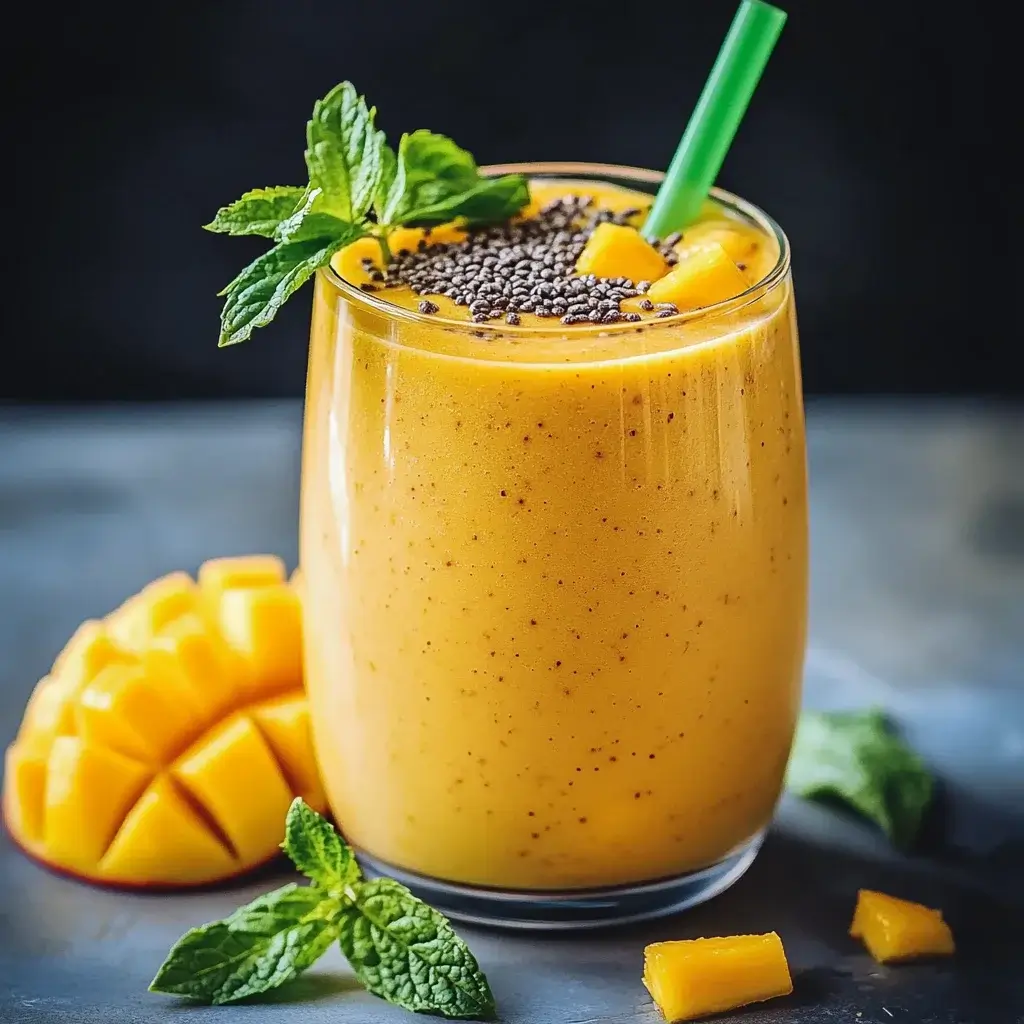
- Garnish (optional): You can garnish your smoothie with a slice of mango, a sprinkle of chia seeds, a mint sprig, or a lime wedge for visual appeal.
- Serve immediately: Mango Protein Smoothies are best enjoyed immediately after blending for the freshest flavor and optimal texture. If you need to store it briefly, keep it in an airtight container in the refrigerator for up to a couple of hours, but some separation may occur. Stir well before drinking if stored.
Tips for Perfect Smoothie Instructions:
- Use a High-Powered Blender: A high-powered blender will ensure a smoother smoothie, especially with frozen fruit and protein powder. If you have a less powerful blender, you may need to blend for longer and stop to scrape down the sides more frequently. You may also need to thaw the mango slightly for easier blending.
- Frozen Fruit is Key: Using frozen mango is crucial for a thick, cold, and creamy smoothie. Avoid using ice unless absolutely necessary, as it can dilute the flavor.
- Adjust Liquid for Consistency: The amount of liquid base can be adjusted to achieve your desired consistency. For a thicker smoothie, use less liquid. For a thinner smoothie, use more liquid.
- Taste as You Go: Taste your smoothie after blending and adjust ingredients as needed to achieve your perfect flavor profile.
- Ingredient Order Matters: Adding liquids first helps with smoother blending. Frozen ingredients should be closer to the blades.
- Clean Your Blender Quickly: Clean your blender immediately after making your smoothie to prevent ingredients from drying and sticking to the jar and blades.
By following these simple steps and tips, you’ll be able to consistently create delicious and nutritious Mango Protein Smoothies that are perfect for any time of day.
Nutritional Facts for Mango Protein Smoothie (Estimated)
Understanding the nutritional profile of your Mango Protein Smoothie can help you appreciate its health benefits and make informed choices about your diet. Please note that the following nutritional information is an estimate and can vary based on the specific ingredients and brands you use, particularly the type of protein powder and liquid base.
Serving Size: 1 smoothie (approximately 16-20 ounces or 470-590ml, depending on ingredients and liquid amount)
Approximate Nutritional Information Per Serving (using vanilla whey protein powder, water as liquid base, and ½ banana):
- Calories: 300-350 kcal
- Protein: 25-35g (depending on protein powder scoop size and type)
- Fat: 2-5g
- Saturated Fat: 0.5-2g
- Unsaturated Fat: 1.5-3g
- Cholesterol: 15-30mg (primarily from whey protein, negligible in plant-based versions)
- Sodium: 100-200mg (depending on protein powder and liquid base)
- Carbohydrates: 45-60g
- Fiber: 5-8g (from mango, banana, and chia/flax seeds)
- Sugar: 30-40g (naturally occurring sugars from mango and banana)
Key Vitamins and Minerals (Approximate and variable):
- Vitamin C: Excellent source (from mango)
- Vitamin A: Good source (from mango)
- Potassium: Good source (from banana and mango)
- Vitamin B6: Moderate source
- Folate: Moderate source
- Magnesium: Moderate source (depending on ingredients like banana and chia seeds)
- Omega-3 Fatty Acids: (If chia seeds or flaxseeds are added)
Health Benefits of Mango Protein Smoothie:
- High in Protein: Provides a significant amount of protein, crucial for muscle building and repair, satiety, and overall metabolic health. Protein smoothies are excellent for post-workout recovery and can help keep you feeling full and satisfied for longer, aiding in weight management.
- Rich in Vitamins and Antioxidants: Mango is packed with Vitamin C, Vitamin A, and antioxidants, which support immune function, eye health, and protect against cell damage.
- Good Source of Fiber: Fiber from mango, banana, and optional chia/flax seeds aids in digestion, promotes gut health, helps regulate blood sugar levels, and contributes to satiety.
- Hydrating: Contributes to your daily fluid intake, especially when made with water or milk as the base. Staying hydrated is essential for overall health and bodily functions.
- Energy Boosting: The combination of carbohydrates, protein, and vitamins provides sustained energy, making it a great breakfast or pre/post-workout fuel.
- Convenient and Quick: Easy and fast to prepare, making it a healthy option for busy individuals.
- Customizable: Easily adaptable to dietary preferences and needs, allowing for variations in protein source, liquid base, and added ingredients.
Tips for Optimizing Nutritional Value:
- Choose Unsweetened Liquid Bases: Opt for water, unsweetened almond milk, or unsweetened oat milk to minimize added sugars.
- Use Plain Yogurt: If using yogurt, choose plain, unsweetened Greek yogurt for higher protein and lower sugar.
- Add Leafy Greens: Incorporate spinach or kale for an extra boost of vitamins and minerals without significantly altering the taste.
- Limit Added Sweeteners: Rely on the natural sweetness of mango and banana. If needed, use natural sweeteners sparingly.
- Include Healthy Fats: Add a tablespoon of nut butter or avocado for healthy fats, which are beneficial for heart health and satiety.
- Vary Ingredients: Experiment with different fruits, vegetables, protein powders, and liquid bases to ensure a wide range of nutrients in your diet.
By understanding the nutritional benefits and making mindful ingredient choices, you can maximize the health advantages of your Mango Protein Smoothie and enjoy it as a truly nourishing part of your daily routine.
Preparation Time Breakdown for Mango Protein Smoothie
One of the greatest advantages of the Mango Protein Smoothie is its incredibly quick preparation time. Perfect for busy mornings, pre or post-workout fuel, or a speedy snack, you can have this smoothie ready in just minutes. Here’s a breakdown of the preparation time:
Prep Time: Approximately 5-7 minutes
- Gather Ingredients: 1-2 minutes – Collecting all the ingredients from your pantry and refrigerator.
- Measure Ingredients: 2-3 minutes – Measuring out frozen mango, protein powder, liquid base, and any optional additions.
- Prepare Fresh Ingredients (if using): 1-2 minutes – Peeling and chopping banana or ginger, squeezing lime juice (if using).
Blend Time: Approximately 1-2 minutes
- Blending: 1-2 minutes – Blending all ingredients in the blender until smooth and creamy.
Total Time: Approximately 6-9 minutes
From start to finish, you can have a delicious and nutritious Mango Protein Smoothie in under 10 minutes! This makes it an ideal choice for those times when you need a healthy and satisfying meal or snack in a hurry.
Time-Saving Tips for Even Faster Preparation:
- Pre-Portion Ingredients: For even faster morning smoothies, pre-portion your dry ingredients (protein powder, chia seeds, flaxseeds) into small containers or bags the night before. You can also measure out frozen mango into freezer bags. This allows you to simply grab and blend in the morning.
- Freeze Smoothie Packs: Create smoothie packs by combining frozen mango, banana slices, and leafy greens (if using) in freezer bags. In the morning, just empty the contents of the bag into the blender, add liquid and protein powder, and blend.
- Keep Protein Powder Handy: Store your protein powder scoop and container in an easily accessible location in your kitchen to save time searching for it.
- Use Pre-Frozen Mango: Buying pre-frozen mango chunks eliminates the step of freezing your own mangoes, saving time and effort.
- Minimalist Approach: For the quickest smoothie, stick to the basic ingredients: frozen mango, protein powder, and liquid base. Omit optional ingredients when time is of the essence.
With these time-saving tips, you can streamline your Mango Protein Smoothie preparation even further and enjoy a healthy and delicious drink in mere minutes, no matter how busy your schedule.
How to Serve Your Refreshing Mango Protein Smoothie
While a Mango Protein Smoothie is delicious and satisfying on its own, there are many ways to serve and enhance it to make it even more enjoyable, whether you’re looking for a quick breakfast, a post-workout recovery drink, or a more elaborate smoothie bowl.
Serving Styles:
- Classic Smoothie in a Glass: The simplest and most common way to serve is in a tall glass. This is perfect for on-the-go consumption or a quick and easy drink.
- Smoothie Bowl: For a more substantial and visually appealing option, pour your Mango Protein Smoothie into a bowl and top it with various ingredients to create a smoothie bowl. This transforms your smoothie into a more meal-like experience.
- Shaker Bottle for On-the-Go: If you’re taking your smoothie to the gym, work, or on errands, a shaker bottle is ideal for portability and easy drinking.
- Mason Jar with a Straw: For a rustic and stylish presentation, serve your smoothie in a mason jar with a straw. This is great for casual gatherings or enjoying at home.
Topping Ideas for Smoothie Bowls (and Glasses):
- Fresh Fruit: Sliced mango, banana slices, berries (strawberries, blueberries, raspberries), kiwi, pineapple chunks – add extra freshness, flavor, and visual appeal.
- Granola: Adds crunch and texture. Choose your favorite granola flavor, from classic oat granola to nut-based or fruit-infused varieties.
- Nuts and Seeds: Sliced almonds, chopped walnuts, pecans, cashews, pumpkin seeds, sunflower seeds – provide healthy fats, protein, and crunch.
- Shredded Coconut: Toasted or unsweetened shredded coconut enhances the tropical flavor and adds a delicate sweetness and texture.
- Chia Seeds or Flaxseeds: Sprinkle extra chia seeds or flaxseeds for an added boost of omega-3s, fiber, and a slightly nutty flavor.
- Nut Butter Drizzle: A drizzle of almond butter, peanut butter, or cashew butter adds richness, healthy fats, and a decadent touch.
- Honey or Maple Syrup Drizzle: If you want extra sweetness, a light drizzle of honey or maple syrup can enhance the flavor.
- Cacao Nibs or Dark Chocolate Shavings: For a touch of indulgence and antioxidants, sprinkle cacao nibs or dark chocolate shavings.
- Mint Sprig: A fresh mint sprig adds a refreshing aroma and a pop of green for visual appeal.
- Edible Flowers: For a truly elegant presentation, especially for smoothie bowls, add edible flowers like pansies or violets.
Serving Occasions:
- Breakfast: Start your day with a nutritious and energizing Mango Protein Smoothie.
- Post-Workout Recovery: Replenish glycogen stores and aid muscle recovery after exercise.
- Snack: A healthy and satisfying snack to keep you feeling full and energized between meals.
- Dessert: A healthier alternative to traditional desserts, especially when served as a smoothie bowl with toppings.
- Brunch or Casual Gatherings: Serve Mango Protein Smoothies as a refreshing and vibrant beverage option at brunch or casual get-togethers.
- Kids’ Snack or Treat: A delicious and nutritious way to get kids to eat more fruit and protein.
Tips for Serving:
- Chill Glasses or Bowls: For an extra refreshing experience, chill your glasses or bowls in the freezer for a few minutes before pouring in the smoothie.
- Prepare Toppings in Advance: If making smoothie bowls, have your toppings prepped and ready to go for quick assembly.
- Layer Smoothie Bowls: When making smoothie bowls, consider layering ingredients for visual appeal and textural variety. Start with the smoothie base, then add granola, fruit, nuts, seeds, and drizzles.
- Get Creative with Garnishes: Don’t be afraid to experiment with different toppings and garnishes to create visually stunning and flavorful smoothie bowls.
- Serve Immediately: Mango Protein Smoothies are best served immediately after blending for optimal texture and flavor. If making smoothie bowls, assemble and serve right away to prevent toppings from becoming soggy.
By exploring these serving styles and topping ideas, you can elevate your Mango Protein Smoothie from a simple drink to a delightful and customizable culinary experience, perfect for any occasion.
Additional Tips for Mango Protein Smoothie Perfection
To take your Mango Protein Smoothie to the next level and ensure consistently delicious results, here are five additional tips that can make a significant difference in flavor, texture, and overall enjoyment:
- Ripen Your Mangoes for the Best Flavor: If you’re using fresh mangoes and freezing them yourself, ensure they are fully ripe before freezing. Ripe mangoes are sweeter, more flavorful, and have a smoother texture. A ripe mango will be fragrant, slightly soft to the touch, and have a vibrant color. Unripe mangoes will be tart and less sweet, resulting in a less flavorful smoothie.
- Adjust Sweetness Naturally with Ripe Banana: Ripe bananas are a natural sweetener and add creaminess to smoothies. Use bananas with brown spots for the sweetest flavor. If you prefer a less sweet smoothie, use a less ripe banana or reduce the amount of banana. Conversely, for a sweeter smoothie, use a very ripe banana or consider adding a natural sweetener like a date or a touch of honey or maple syrup.
- Blend in Stages for a Smoother Texture: To ensure a perfectly smooth smoothie, especially with frozen fruit and protein powder, consider blending in stages. Start by blending the liquid base with the protein powder first to prevent the protein powder from clumping. Then, gradually add the frozen mango chunks while continuing to blend. This staged approach can help achieve a silkier, lump-free smoothie texture.
- Don’t Be Afraid to Experiment with Spices: Enhance the flavor profile of your Mango Protein Smoothie by experimenting with spices. A pinch of cinnamon, cardamom, nutmeg, or ginger can add warmth and complexity. Turmeric not only provides anti-inflammatory benefits but also a subtle earthy flavor and vibrant color. Start with a small amount of spice and adjust to your taste. Spices can complement both vanilla and unflavored protein powders beautifully.
- Consider Adding Healthy Fats for Satiety: To make your Mango Protein Smoothie even more satisfying and keep you feeling fuller for longer, consider adding a source of healthy fats. Options include:
- Avocado: A quarter or half of an avocado adds incredible creaminess and healthy monounsaturated fats without significantly altering the flavor.
- Nut Butter: A tablespoon of almond butter, peanut butter, cashew butter, or sunflower seed butter provides healthy fats, protein, and a richer flavor.
- Coconut Oil or MCT Oil: A teaspoon of coconut oil or MCT oil can add healthy fats and a slight energy boost.
- Flaxseed Oil: A teaspoon of flaxseed oil is a good source of omega-3 fatty acids and adds a subtle nutty flavor.
By incorporating these additional tips into your Mango Protein Smoothie routine, you’ll consistently create delicious, nutritious, and perfectly textured smoothies that you’ll look forward to every time.
Frequently Asked Questions About Mango Protein Smoothie (FAQ)
Have questions about making the perfect Mango Protein Smoothie? You’re not alone! Here are answers to some frequently asked questions to help you troubleshoot and customize your smoothie experience:
Q1: Can I make Mango Protein Smoothie without protein powder?
A: Yes, you can definitely make a Mango Smoothie without protein powder, but it will no longer be a “Protein Smoothie.” It will still be a delicious and healthy fruit smoothie. To increase the protein content without protein powder, you can:
- Add Greek Yogurt: Greek yogurt is naturally high in protein and adds creaminess. Use about ½ cup of plain Greek yogurt in place of some of the liquid base.
- Add Cottage Cheese: Cottage cheese is another good source of protein and can be blended into smoothies for a creamy texture. Use about ¼ – ½ cup of cottage cheese.
- Include Nut Butter: Adding a tablespoon or two of nut butter (almond, peanut, cashew) will boost the protein and healthy fats content.
- Use Seeds: Chia seeds, flaxseeds, and hemp seeds all contribute protein, fiber, and omega-3s to your smoothie.
While these options will increase the protein content, they may not reach the same level as using a scoop of protein powder. If your goal is a high-protein smoothie for muscle recovery or satiety, protein powder is the most efficient way to achieve that.
Q2: Can I use fresh mango instead of frozen mango?
A: Yes, you can use fresh mango, but you’ll need to make adjustments to get the desired smoothie consistency. Using fresh mango will result in a less thick and less cold smoothie. To compensate:
- Add Ice: Add about ½ – 1 cup of ice cubes along with the fresh mango to achieve a thicker, colder smoothie. However, ice can dilute the flavor slightly.
- Freeze Fresh Mango: If you have time, peel and dice fresh mango and freeze it for at least a few hours before making your smoothie. This will provide the best texture and flavor, similar to using pre-frozen mango.
- Use a Frozen Banana: If you are using banana in your smoothie, make sure it is frozen. This will help thicken the smoothie even if you use fresh mango.
Q3: My smoothie is too thick. How can I thin it out?
A: If your Mango Protein Smoothie is too thick, it’s easy to thin it out:
- Add More Liquid: Gradually add more of your chosen liquid base (water, milk, juice) one tablespoon at a time, blending after each addition, until you reach your desired consistency. Be careful not to add too much liquid at once, as it can quickly become too thin.
- Blend Again: After adding more liquid, blend for a few seconds to ensure it’s fully incorporated.
Q4: My smoothie is not sweet enough. How can I make it sweeter?
A: If your Mango Protein Smoothie isn’t sweet enough for your liking, here are natural ways to increase the sweetness:
- Add Riper Banana: A riper banana with brown spots will be naturally sweeter.
- Add a Date or Two: Medjool dates are naturally very sweet. Remove the pit and add 1-2 dates to your blender.
- Drizzle Honey or Maple Syrup: A small drizzle of honey or maple syrup can add sweetness. Start with a teaspoon and adjust to taste.
- Use Stevia or Monk Fruit: These are natural, calorie-free sweeteners that can be used in drops to adjust sweetness without adding sugar.
- Use Sweet Fruit Juice: If you are using juice as your liquid base, opt for sweeter juices like mango juice or pineapple juice (but be mindful of the added sugar content).
Q5: Can I make Mango Protein Smoothie ahead of time?
A: Mango Protein Smoothies are best enjoyed immediately after blending for optimal texture and flavor. However, if you need to make it ahead of time, you can:
- Refrigerate for Short Periods: You can refrigerate your smoothie in an airtight container for up to a couple of hours. Some separation may occur, so shake or stir well before drinking. The texture may also slightly change over time, becoming less frosty.
- Freeze as Smoothie Pops: If you want to store it for longer, consider pouring your smoothie into popsicle molds and freezing them to make Mango Protein Smoothie popsicles. These can be stored in the freezer for a few weeks and enjoyed as a frozen treat.
We hope these FAQs have answered your questions and helped you feel confident in making your own perfect Mango Protein Smoothie. Enjoy blending!
Print
Mango Protein Smoothie Recipe
Ingredients
- Frozen Mango Chunks: 1 cup (approximately 150-170g) of frozen mango chunks forms the heart of our smoothie, delivering that signature tropical sweetness and creamy texture. Frozen mango is key for achieving a thick, frosty smoothie without the need for ice, which can dilute the flavor. Using frozen fruit also means your smoothie stays colder for longer. When choosing mango, look for ripe mangoes that are fragrant and slightly soft to the touch. You can buy pre-frozen mango chunks for convenience, or freeze your own ripe mangoes. To freeze your own, peel and dice ripe mangoes, spread them in a single layer on a baking sheet lined with parchment paper, and freeze until solid, then transfer to a freezer-safe bag or container.
- Protein Powder: 1 scoop (approximately 25-30g) of your favorite protein powder is essential for boosting the protein content and making this smoothie a truly satisfying and muscle-supporting drink. The type of protein powder you choose can significantly impact the flavor and texture of your smoothie. Here are some popular options:
- Whey Protein: Whey protein is a fast-digesting protein derived from milk, known for its smooth texture and wide availability in various flavors. Whey protein isolate is a purer form of whey protein with lower fat and carbohydrate content. Whey protein concentrate is another common form, slightly less processed than isolate. Vanilla or unflavored whey protein works exceptionally well in a mango smoothie, complementing the fruit’s sweetness without overpowering it.
- Plant-Based Protein Powder: For vegan or dairy-free options, plant-based protein powders are excellent alternatives. Popular choices include:
- Pea Protein: Pea protein is derived from yellow peas and is known for its good amino acid profile and relatively neutral taste. It can sometimes have a slightly earthy flavor, so pairing it with flavorful ingredients like mango is ideal.
- Brown Rice Protein: Brown rice protein is another plant-based option, often with a slightly grainy texture. Look for finely milled brown rice protein for a smoother smoothie.
- Soy Protein: Soy protein is a complete protein and a good source of all essential amino acids. It can have a slightly beany flavor, so choose flavored soy protein or combine it with strong flavors.
- Blends: Many plant-based protein powders are blends of different protein sources (e.g., pea, brown rice, chia seed, pumpkin seed) to improve the amino acid profile and texture.
- Casein Protein: Casein protein is a slow-digesting protein, also derived from milk. It’s known for its thick texture and is often used in overnight protein oats or smoothies intended for satiety over a longer period. While less common in quick smoothies, it can add significant thickness.
- Collagen Protein: Collagen protein is known for its benefits for skin, hair, and joint health. It typically has a very mild flavor and dissolves easily, making it a good addition to smoothies without significantly altering the taste.
Choose a protein powder that aligns with your dietary preferences and goals. Unflavored or vanilla protein powder is generally the most versatile for fruit smoothies.
- Liquid Base: 1 cup (240ml) of liquid base is needed to blend the smoothie to the desired consistency. The choice of liquid base can influence the flavor and creaminess:
- Water: Water is the simplest and lowest-calorie option. It allows the mango flavor to shine through and keeps the smoothie light.
- Milk (Dairy or Non-Dairy): Milk adds creaminess and extra nutrients.
- Dairy Milk: Cow’s milk provides calcium, vitamin D, and additional protein. Whole milk will result in the creamiest smoothie, while skim milk will be lighter.
- Almond Milk: Almond milk is a popular non-dairy option, low in calories and with a slightly nutty flavor. Unsweetened almond milk is recommended to control sugar content.
- Coconut Milk (Canned or Carton): Coconut milk adds a rich, tropical flavor and extra creaminess. Canned full-fat coconut milk will make a very decadent smoothie, while carton coconut milk is lighter.
- Oat Milk: Oat milk is known for its creamy texture and slightly sweet flavor. It’s a good option for those who prefer a plant-based milk that is naturally sweeter than almond milk.
- Soy Milk: Soy milk is a nutritionally complete plant-based milk, offering protein and a creamy texture.
- Juice (Orange, Pineapple, Mango): Fruit juice can enhance the sweetness and flavor intensity of the smoothie. Orange juice complements mango well, while pineapple or mango juice will amplify the tropical notes. Be mindful of the added sugar content in juice.
- Yogurt (Dairy or Non-Dairy): Adding yogurt as part of the liquid base will make the smoothie extra creamy and add probiotics and protein. Greek yogurt is especially high in protein. Plain yogurt is preferred to control sweetness, but flavored yogurts can be used to add extra flavor.
Experiment with different liquid bases to find your preferred taste and consistency.
- Banana (Optional, for extra creaminess and sweetness): ½ ripe banana (about 50-60g) is optional but highly recommended for adding natural sweetness, extra creaminess, and binding the smoothie together. Banana also provides potassium and fiber. For the best flavor and texture, use a ripe banana with brown spots. If you don’t have a banana or prefer to omit it, you can increase the amount of mango or add a touch of sweetener.
- Chia Seeds or Flaxseeds (Optional, for added fiber and omega-3s): 1 teaspoon (about 5g) of chia seeds or flaxseeds is optional but a great addition for boosting the fiber content, omega-3 fatty acids, and adding a slight thickening effect to the smoothie. Chia seeds will add a slightly pudding-like texture if allowed to sit for a few minutes after blending. Flaxseeds should be ground for optimal nutrient absorption.
- Ginger or Turmeric (Optional, for spice and anti-inflammatory benefits): A small piece of fresh ginger (about ½ inch) or ¼ teaspoon of ground turmeric (optional) can add a subtle spice and potent anti-inflammatory benefits to your smoothie. Ginger provides a zesty kick, while turmeric offers a warm, earthy flavor and vibrant color. Peel and roughly chop fresh ginger before adding to the blender.
- Lime or Lemon Juice (Optional, for brightness): A squeeze of lime or lemon juice (about ½ teaspoon) is optional but can brighten the flavors and balance the sweetness of the mango. It adds a refreshing tanginess that enhances the overall taste profile.
Instructions
Step 1: Prepare Your Ingredients
- Gather all ingredients: Ensure you have all the measured ingredients ready to go: frozen mango chunks, protein powder, liquid base, banana (if using), and any optional additions like chia seeds, ginger, or lime juice.
- Prepare fresh ingredients: If using fresh ginger, peel and roughly chop a small piece. If using lime or lemon juice, have it ready to squeeze. If using a banana, peel it and break it into a few pieces for easier blending.
Step 2: Add Ingredients to the Blender
- Start with liquids: Pour your chosen liquid base (water, milk, juice, etc.) into the blender jar first. This helps to create a vortex when blending and ensures smoother blending of the frozen ingredients.
- Add frozen mango: Add the frozen mango chunks to the blender. Placing frozen ingredients closer to the blades helps with efficient blending.
- Add protein powder: Add your scoop of protein powder on top of the mango.
- Add optional ingredients: If using, add the banana pieces, chia seeds or flaxseeds, ginger or turmeric, and a squeeze of lime or lemon juice.
- Sweetener (if desired): If you prefer a sweeter smoothie, add your chosen sweetener (honey, maple syrup, dates, stevia) at this stage. Remember to start with a small amount and taste after blending to adjust.
Step 3: Blend Until Smooth
- Secure the lid: Make sure the blender lid is securely fastened to prevent any spills during blending.
- Start blending on low: Begin blending on a low speed to break down the frozen mango chunks and combine the ingredients.
- Increase speed gradually: Gradually increase the blender speed to medium-high or high, depending on your blender’s power.
- Blend until smooth and creamy: Blend for about 30-60 seconds, or until the smoothie is completely smooth and creamy, with no chunks of frozen mango remaining. You may need to stop the blender and use a tamper or spatula to push down ingredients towards the blades if needed, especially with thicker smoothies. Be cautious when using a spatula and ensure the blender is turned off.
- Check consistency: If the smoothie is too thick, add a little more liquid base (tablespoon by tablespoon) and blend again until you reach your desired consistency. If it’s too thin, you can add a few more frozen mango chunks or a few ice cubes (though ice can dilute the flavor slightly).
Step 4: Taste and Adjust (Optional)
- Taste your smoothie: Once blended, taste your Mango Protein Smoothie.
- Adjust sweetness or flavor: If you want it sweeter, add a little more sweetener. If you want more tanginess, add a bit more lime or lemon juice. If you want a stronger mango flavor, add a few more frozen mango chunks.
- Blend again (if needed): If you make any adjustments, blend for a few seconds more to incorporate the changes.
Step 5: Serve and Enjoy Immediately
- Pour into a glass: Pour your freshly blended Mango Protein Smoothie into a glass or shaker.
- Garnish (optional): You can garnish your smoothie with a slice of mango, a sprinkle of chia seeds, a mint sprig, or a lime wedge for visual appeal.
- Serve immediately: Mango Protein Smoothies are best enjoyed immediately after blending for the freshest flavor and optimal texture. If you need to store it briefly, keep it in an airtight container in the refrigerator for up to a couple of hours, but some separation may occur. Stir well before drinking if stored.
Nutrition
- Serving Size: one normal portion
- Calories: 300-350 kcal
- Sugar: 30-40g
- Sodium: 100-200mg
- Fat: 2-5g
- Saturated Fat: 0.5-2g
- Unsaturated Fat: 1.5-3g
- Carbohydrates: 45-60g
- Fiber: 5-8g
- Protein: 25-35g
- Cholesterol: 15-30mg