
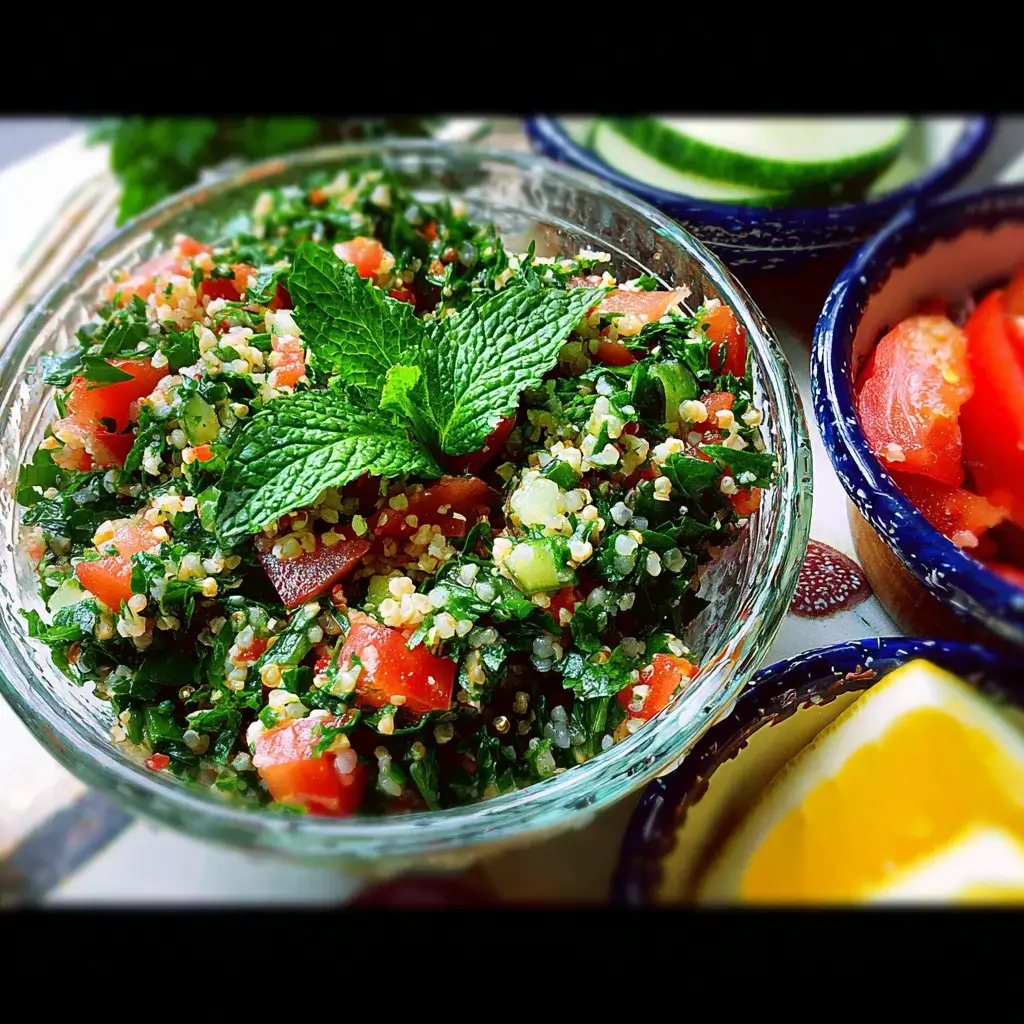

Tabbouleh has always been more than just a salad to me; it’s the taste of sunshine, of bustling family gatherings, and of pure, unadulterated freshness. I fell in love with its vibrant green color, the zesty punch of lemon, and the satisfying texture of bulgur wheat. However, when I transitioned to a lower-carb lifestyle, I thought my days of enjoying this Middle Eastern classic were over. The idea of giving it up felt like a genuine loss. That’s when I became determined to create a version that captured the soul of the original without the grains. My first attempt, using finely chopped cauliflower, was nothing short of a revelation. It was bright, herbaceous, and incredibly refreshing. The cauliflower provided the perfect neutral base and grain-like texture, soaking up the zesty lemon-oil dressing beautifully. I served it at a recent barbecue, and not a single person guessed it was low-carb. They just knew it was delicious. This Cauliflower Tabbouleh is now a staple in my home, proving that you never have to sacrifice flavor for your health goals.
Why This Low-Carb Tabbouleh is Your New Favorite Salad
Before we dive into the chopping and mixing, let’s explore what makes this specific recipe so special. It’s not just a substitute; it’s a standout dish in its own right, packed with flavor, nutrients, and versatility.
- The Perfect Bulgur Alternative: The star of this low-carb adaptation is cauliflower rice. When riced to the correct consistency—somewhere between couscous and quinoa—it masterfully mimics the texture of traditional bulgur wheat. It’s neutral in flavor, allowing the fresh herbs and zesty dressing to shine, and it does a fantastic job of absorbing all the delicious flavors as it marinates.
- Incredibly Fresh and Vibrant: This salad is the epitome of freshness. It’s a no-cook recipe that relies on the quality of its raw ingredients. The immense amount of fresh parsley and mint not only provides a brilliant green hue but also packs a powerful nutritional punch, loaded with vitamins K, C, and A. It’s the perfect light, cooling dish for a warm day.
- Keto, Gluten-Free, and Paleo-Friendly: This recipe is a dietary powerhouse, naturally fitting into several popular eating plans. With cauliflower replacing the wheat, it’s completely gluten-free. It’s also low in carbohydrates, making it ideal for a ketogenic or low-carb diet, and compliant with Paleo principles. It’s a dish you can serve at any gathering with confidence, knowing it caters to multiple dietary needs.
- A Meal-Prep Dream: Unlike many green salads that wilt within hours, this Low-Carb Tabbouleh actually gets better as it sits. The cauliflower and vegetables marinate in the dressing, becoming more flavorful over time. It holds up beautifully in the refrigerator for several days, making it the perfect make-ahead side dish for the week or a healthy grab-and-go lunch.
- Endlessly Versatile: While it shines as a side dish, this keto tabbouleh is a fantastic base for a light and healthy main course. You can easily bulk it up with protein like grilled chicken, shrimp, or crumbled feta cheese to create a complete and satisfying meal.
Complete Ingredients for Cauliflower Tabbouleh
The quality of your ingredients will directly impact the final flavor of the salad. Use the freshest herbs, vegetables, and lemon juice you can find for the most vibrant results.
For the Salad Base:
- 1 medium head of Cauliflower (about 2 lbs), or 4 cups of pre-made cauliflower rice: This will be our grain-free bulgur substitute.
- 2 large bunches of Flat-Leaf (Italian) Parsley, finely chopped: This is the heart of the salad. You should have about 3 cups of packed, chopped parsley.
- 1 large bunch of Fresh Mint, finely chopped: You’ll want about 1 cup of packed, chopped mint leaves.
- 1 large English or 3-4 Persian Cucumbers, finely diced: These varieties have fewer seeds and less water content.
- 2 medium Roma Tomatoes, finely diced: Roma tomatoes are meatier and less watery than other types, which helps prevent a soggy salad.
- 1/2 medium Red Onion, very finely chopped (or 4-5 green onions, white and green parts, finely sliced): Red onion provides a sharper bite, while green onions offer a milder flavor.
- 1 teaspoon Salt, for drawing out cauliflower moisture
For the Zesty Lemon Dressing:
- 1/2 cup Extra Virgin Olive Oil: Use a high-quality, flavorful olive oil as it’s a primary flavor component.
- 1/2 cup Freshly Squeezed Lemon Juice (from about 2-3 large lemons): Fresh juice is non-negotiable for the best taste.
- 1 clove Garlic, minced (optional, but recommended): Adds a subtle depth of flavor.
- 1 teaspoon Salt, or to taste
- 1/2 teaspoon Black Pepper, freshly ground
Step-by-Step Instructions for Making Low-Carb Tabbouleh
Follow these detailed steps carefully. The magic of a perfect tabbouleh lies in the preparation technique, especially in managing moisture and achieving the right texture.
Part 1: Preparing the Cauliflower “Bulgur”
This step is crucial for creating the perfect grain-like texture and preventing a watery salad.
- Rice the Cauliflower: Wash and thoroughly dry the head of cauliflower. Remove the leaves and tough core. Cut the cauliflower into large florets. Working in batches, add the florets to a food processor and pulse 5-10 times, until the cauliflower is broken down into small, couscous-sized pieces. Be careful not to over-process, or you will end up with cauliflower mush. If you don’t have a food processor, you can use the large holes on a standard box grater.
- Remove Excess Moisture (Essential Step!): Place the riced cauliflower in a large bowl and sprinkle it with 1 teaspoon of salt. Toss to combine and let it sit for 20-30 minutes. The salt will draw out a significant amount of excess water.
- Squeeze it Dry: Transfer the salted cauliflower to a clean kitchen towel, cheesecloth, or a nut milk bag. Gather the ends and twist tightly, squeezing out as much liquid as you possibly can over the sink. You will be surprised at how much water comes out. This step is the single most important secret to a crisp, not soggy, tabbouleh. Set the dry cauliflower rice aside.
Part 2: Prepping the Herbs and Vegetables
This is the most time-consuming part, but proper preparation is key to the salad’s signature texture and flavor.
- Wash and Dry the Herbs: Wash the parsley and mint bunches thoroughly. The most effective way to dry them is in a salad spinner. Spin them multiple times, pouring out the water in between, until they are completely dry to the touch. If you don’t have a salad spinner, gently pat them dry with paper towels, but be thorough. Wet herbs will result in a watery salad and will be difficult to chop finely.
- Finely Chop the Herbs: Remove the large, tough stems from the parsley. Bunch the herbs tightly together and use a very sharp knife to chop them finely. A sharp knife is important as it cuts the herbs cleanly without bruising them, which can release excess moisture and create a bitter taste.
- Dice the Vegetables: Finely dice the cucumber, tomatoes, and red onion into small, uniform pieces (about 1/4 inch). For the tomatoes, it’s helpful to scoop out the watery seeds before dicing to further control the moisture in the salad.
Part 3: Assembling the Salad
- Combine Ingredients: In a very large bowl, combine the dried cauliflower rice, finely chopped parsley, chopped mint, diced cucumber, diced tomatoes, and chopped onion. Gently toss everything together until the ingredients are well-distributed and the salad is a vibrant green.
- Whisk the Dressing: In a small bowl or a glass jar with a lid, combine the extra virgin olive oil, fresh lemon juice, minced garlic (if using), 1 teaspoon of salt, and black pepper. Whisk vigorously or shake the jar until the dressing is emulsified and well combined.
- Dress and Toss: Pour the dressing over the salad. Toss gently but thoroughly, ensuring everything is lightly coated.
- Chill and Marinate: Cover the bowl and refrigerate the tabbouleh for at least 30 minutes, but ideally for 1-2 hours, before serving. This chilling time is crucial. It allows the cauliflower to soften slightly and absorb the flavors of the dressing, and it gives all the ingredients time to meld into a cohesive, delicious salad.
- Final Taste and Adjustment: Before serving, give the tabbouleh one final toss. Taste it and adjust the seasoning if necessary, adding more salt, pepper, or lemon juice to your preference.
Nutrition Facts
Please note that these values are an approximation and can vary based on the exact size of your vegetables and the brands of ingredients used.
- Servings: This recipe makes approximately 8 side-dish servings.
- Calories Per Serving: Approximately 160-190 kcal.
This salad is incredibly nutrient-dense, packed with vitamins and fiber, while being very low in net carbohydrates (typically around 5-7g net carbs per serving), making it a perfect fit for a keto or low-carb diet.
Preparation Time
- Prep Time: 30 minutes (includes ricing cauliflower and chopping vegetables/herbs)
- Chilling Time: 30 minutes (minimum)
- Total Time: Approximately 1 hour
How to Serve Your Keto Tabbouleh
This vibrant salad is wonderfully versatile. Here are some fantastic ways to serve it to create a complete and delicious meal experience.
- As a Classic Mediterranean Side Dish:
- Serve it alongside grilled meats like Lamb Kebabs, Chicken Shawarma, or Grilled Steak.
- It’s the perfect fresh counterpoint to rich, savory proteins.
- It pairs beautifully with grilled fish, especially Salmon, Swordfish, or Halibut.
- Serve with grilled Halloumi Cheese for a delicious vegetarian option.
- As a Light and Healthy Main Course:
- Toss in a cup of shredded rotisserie chicken or leftover grilled chicken.
- Crumble a generous amount of Feta cheese on top for a salty, creamy addition.
- Top with grilled Shrimp or a scoop of high-quality canned tuna.
- In Crisp Lettuce Wraps:
- Spoon the cauliflower tabbouleh into crisp lettuce cups like butter lettuce, romaine hearts, or iceberg lettuce.
- This creates a perfect, portable, and ultra-low-carb lunch or light dinner.
- As Part of a Mezze Platter:
- Feature it as the star salad on a beautiful Mediterranean appetizer platter.
- Surround it with bowls of hummus (for non-keto guests), baba ghanoush, marinated olives, feta cheese cubes, and low-carb “dippers” like cucumber slices, celery sticks, and bell pepper strips.
5 Pro Tips for the Best Cauliflower Tabbouleh
Master these five tips to ensure your low-carb tabbouleh is crisp, fresh, and bursting with flavor every single time.
- Dry Your Greens Thoroughly: This point cannot be overstated. Wet parsley is the number one enemy of good tabbouleh. A salad spinner is your most valuable tool here. If your herbs are even slightly damp, your final salad will be watery and soggy. Take the extra five minutes to ensure they are bone dry.
- Don’t Over-Process the Cauliflower: Your goal is to create a texture that mimics bulgur wheat—small and granular, but with a distinct bite. When using a food processor, use short, sharp pulses. If you simply turn it on and let it run, you’ll quickly bypass the “rice” stage and end up with a wet, mushy puree.
- Salt the Cauliflower to Draw Out Water: Don’t skip the step of salting the cauliflower rice and letting it sit. This simple technique, often used for eggplant or zucchini, is a game-changer. It pulls out excess moisture before it ever enters your salad, ensuring a crisp texture and preventing the dressing from becoming diluted.
- Allow Time for Marination: The 30-minute minimum chilling time is not just for making the salad cold. This is when the magic happens. The acidic lemon juice and olive oil begin to “cook” and tenderize the raw cauliflower, while the flavors of the onion, garlic, and herbs all meld together. The taste difference between a just-mixed and a marinated tabbouleh is significant.
- Chop by Hand for the Best Texture: While it might be tempting to throw the herbs in a food processor, resist the urge. A food processor’s blade tends to bruise and tear the delicate leaves, which can create a bitter taste and a pasty texture. The clean, precise cuts from a sharp knife will give you the best flavor and the light, fluffy texture that is characteristic of authentic tabbouleh.
Frequently Asked Questions (FAQ)
Here are answers to some of the most common questions about making this delicious low-carb salad.
1. How long does low-carb tabbouleh last in the fridge?
This salad stores remarkably well. You can keep it in an airtight container in the refrigerator for up to 4 days. In fact, many people find that the flavor is even better on day two as the ingredients have had more time to marinate. The vegetables will soften slightly over time, but it will remain delicious.
2. Can I use frozen cauliflower rice for this recipe?
Yes, you can use frozen cauliflower rice to save time. However, it is absolutely crucial that you thaw it completely and then squeeze out every last drop of excess water using a cheesecloth or kitchen towel, just as you would with the salted fresh cauliflower. Frozen cauliflower holds a lot of water, and failing to remove it will guarantee a soggy salad.
3. Is there another low-carb substitute for bulgur besides cauliflower?
Absolutely! The second most popular choice is hemp hearts (also called hemp seeds). They have a slightly chewier, nuttier texture and are packed with protein and healthy fats. To substitute, you would use about 1 to 1.5 cups of hemp hearts in place of the cauliflower rice. Another, more vegetable-forward option is finely chopped broccoli stems, which offer a similar texture to cauliflower.
4. My tabbouleh seems watery. What did I do wrong?
A watery result almost always comes down to one of three things: 1) Your herbs were not completely dry before chopping. 2) You did not successfully remove the excess moisture from the cauliflower rice (or from your tomatoes). 3) You used a watery variety of tomatoes and cucumbers. To fix a slightly watery salad, you can try to drain it in a fine-mesh sieve, but the best solution is prevention by following the drying steps carefully next time.
5. Can I add other ingredients to this keto tabbouleh?
Of course! This recipe is a fantastic base for customization. Crumbled feta cheese is the most popular addition and adds a wonderful salty, creamy element. Other great additions include chopped Kalamata olives, diced bell peppers (red or yellow for a pop of color and sweetness), or even a handful of toasted pine nuts or slivered almonds for a bit of crunch. Feel free to experiment to make it your own.
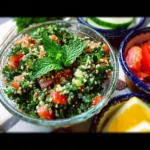
Low Carb Tabbouleh Salad recipe
Ingredients
For the Salad Base:
-
1 medium head of Cauliflower (about 2 lbs), or 4 cups of pre-made cauliflower rice: This will be our grain-free bulgur substitute.
-
2 large bunches of Flat-Leaf (Italian) Parsley, finely chopped: This is the heart of the salad. You should have about 3 cups of packed, chopped parsley.
-
1 large bunch of Fresh Mint, finely chopped: You’ll want about 1 cup of packed, chopped mint leaves.
-
1 large English or 3-4 Persian Cucumbers, finely diced: These varieties have fewer seeds and less water content.
-
2 medium Roma Tomatoes, finely diced: Roma tomatoes are meatier and less watery than other types, which helps prevent a soggy salad.
-
1/2 medium Red Onion, very finely chopped (or 4-5 green onions, white and green parts, finely sliced): Red onion provides a sharper bite, while green onions offer a milder flavor.
-
1 teaspoon Salt, for drawing out cauliflower moisture
For the Zesty Lemon Dressing:
-
1/2 cup Extra Virgin Olive Oil: Use a high-quality, flavorful olive oil as it’s a primary flavor component.
-
1/2 cup Freshly Squeezed Lemon Juice (from about 2-3 large lemons): Fresh juice is non-negotiable for the best taste.
-
1 clove Garlic, minced (optional, but recommended): Adds a subtle depth of flavor.
-
1 teaspoon Salt, or to taste
-
1/2 teaspoon Black Pepper, freshly ground
Instructions
Part 1: Preparing the Cauliflower “Bulgur”
This step is crucial for creating the perfect grain-like texture and preventing a watery salad.
-
Rice the Cauliflower: Wash and thoroughly dry the head of cauliflower. Remove the leaves and tough core. Cut the cauliflower into large florets. Working in batches, add the florets to a food processor and pulse 5-10 times, until the cauliflower is broken down into small, couscous-sized pieces. Be careful not to over-process, or you will end up with cauliflower mush. If you don’t have a food processor, you can use the large holes on a standard box grater.
-
Remove Excess Moisture (Essential Step!): Place the riced cauliflower in a large bowl and sprinkle it with 1 teaspoon of salt. Toss to combine and let it sit for 20-30 minutes. The salt will draw out a significant amount of excess water.
-
Squeeze it Dry: Transfer the salted cauliflower to a clean kitchen towel, cheesecloth, or a nut milk bag. Gather the ends and twist tightly, squeezing out as much liquid as you possibly can over the sink. You will be surprised at how much water comes out. This step is the single most important secret to a crisp, not soggy, tabbouleh. Set the dry cauliflower rice aside.
Part 2: Prepping the Herbs and Vegetables
This is the most time-consuming part, but proper preparation is key to the salad’s signature texture and flavor.
-
Wash and Dry the Herbs: Wash the parsley and mint bunches thoroughly. The most effective way to dry them is in a salad spinner. Spin them multiple times, pouring out the water in between, until they are completely dry to the touch. If you don’t have a salad spinner, gently pat them dry with paper towels, but be thorough. Wet herbs will result in a watery salad and will be difficult to chop finely.
-
Finely Chop the Herbs: Remove the large, tough stems from the parsley. Bunch the herbs tightly together and use a very sharp knife to chop them finely. A sharp knife is important as it cuts the herbs cleanly without bruising them, which can release excess moisture and create a bitter taste.
-
Dice the Vegetables: Finely dice the cucumber, tomatoes, and red onion into small, uniform pieces (about 1/4 inch). For the tomatoes, it’s helpful to scoop out the watery seeds before dicing to further control the moisture in the salad.
Part 3: Assembling the Salad
-
Combine Ingredients: In a very large bowl, combine the dried cauliflower rice, finely chopped parsley, chopped mint, diced cucumber, diced tomatoes, and chopped onion. Gently toss everything together until the ingredients are well-distributed and the salad is a vibrant green.
-
Whisk the Dressing: In a small bowl or a glass jar with a lid, combine the extra virgin olive oil, fresh lemon juice, minced garlic (if using), 1 teaspoon of salt, and black pepper. Whisk vigorously or shake the jar until the dressing is emulsified and well combined.
-
Dress and Toss: Pour the dressing over the salad. Toss gently but thoroughly, ensuring everything is lightly coated.
-
Chill and Marinate: Cover the bowl and refrigerate the tabbouleh for at least 30 minutes, but ideally for 1-2 hours, before serving. This chilling time is crucial. It allows the cauliflower to soften slightly and absorb the flavors of the dressing, and it gives all the ingredients time to meld into a cohesive, delicious salad.
-
Final Taste and Adjustment: Before serving, give the tabbouleh one final toss. Taste it and adjust the seasoning if necessary, adding more salt, pepper, or lemon juice to your preference.
Nutrition
- Serving Size: one normal portion
- Calories: 160-190 kcal