
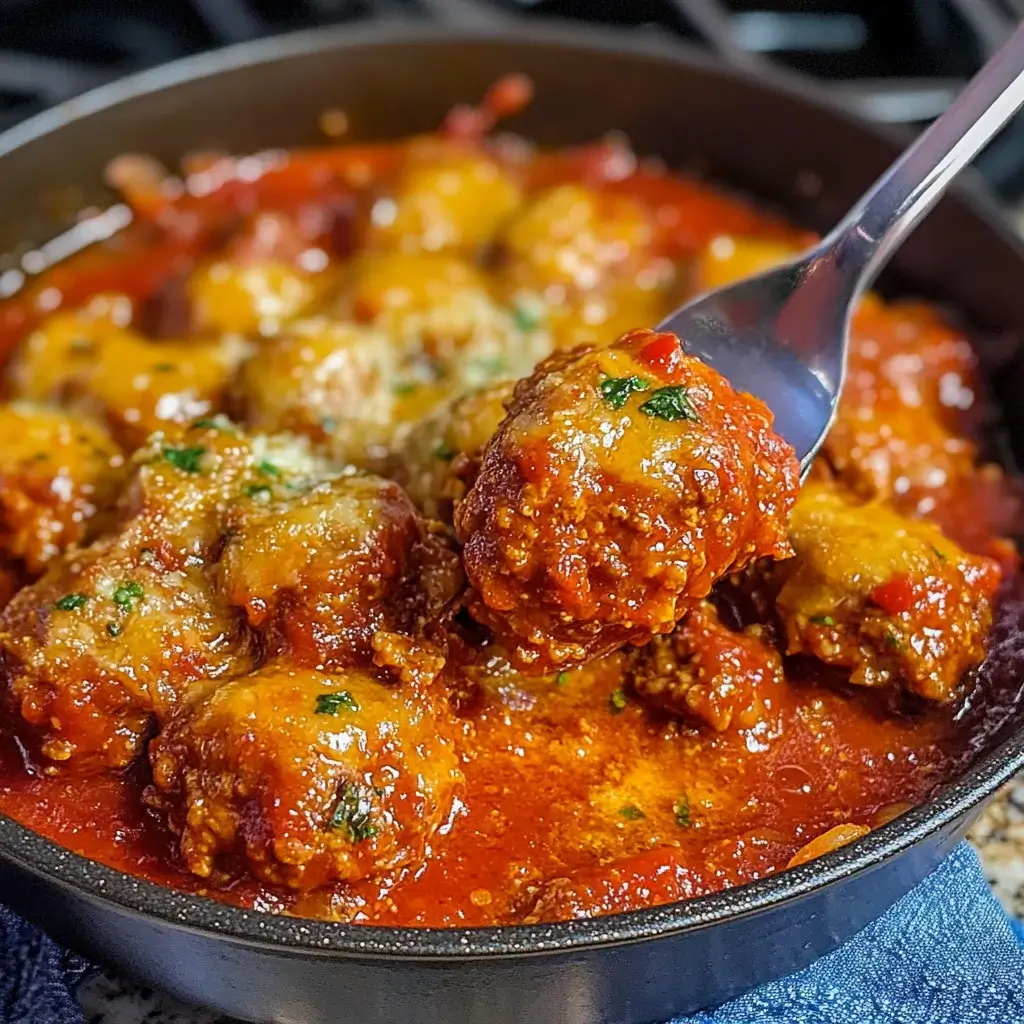

There’s something profoundly comforting about a bubbling pot of meatballs marinara. The aroma alone can transport you straight to a cozy Italian kitchen. For years, though, I thought this classic comfort food was off-limits on my low-carb journey. Traditional meatballs rely heavily on breadcrumbs for texture, and marinara sauce is often laden with hidden sugars. I missed that hearty, satisfying meal terribly. Then, I started experimenting. My first few attempts at low-carb meatballs were… well, let’s just say they were learning experiences. Some were dense, others fell apart. But finally, through trial and error, substituting breadcrumbs with almond flour and Parmesan, perfecting the seasoning blend, and crafting a rich, savory marinara without the sugar, I landed on this recipe. The first time I served these Low-Carb Meatballs Marinara, my family was astonished. Tender, juicy meatballs swimming in a robust, flavorful sauce – they couldn’t believe it was low-carb! It tasted just like the traditional version we all loved. Now, it’s a celebrated staple in our home, proof that you don’t have to sacrifice flavor or comfort when embracing a healthier lifestyle. It’s pure, guilt-free indulgence in a bowl.
Why Go Low-Carb with a Classic Like Meatballs Marinara?
Meatballs Marinara is a beloved dish, steeped in tradition and synonymous with comfort. So why venture into a low-carb version? The reasons are compelling and extend beyond just fitting into a specific diet plan.
Firstly, health management is a primary driver. Traditional recipes, with breadcrumb fillers and often sugar-sweetened sauces, can cause significant blood sugar spikes. For individuals managing diabetes, insulin resistance, or following ketogenic or low-carb diets for weight management, this classic becomes problematic. By removing the high-carb breadcrumbs and eliminating added sugars in the sauce, this low-carb version becomes a blood-sugar-friendly powerhouse, allowing enjoyment without the negative metabolic impact.
Secondly, it’s naturally gluten-free friendly. By swapping wheat-based breadcrumbs for alternatives like almond flour or crushed pork rinds, the recipe becomes accessible to those with celiac disease or gluten sensitivities, provided all other ingredients are certified gluten-free. This opens up a world of comforting Italian flavor previously off-limits to many.
Thirdly, increased nutrient density (potentially). Replacing empty-calorie breadcrumbs with nutrient-rich options like almond flour (providing Vitamin E, magnesium, and healthy fats) or Parmesan cheese (adding protein and calcium) can subtly boost the nutritional profile of the meatballs. Focusing on a sauce made from quality tomatoes and herbs further enhances the vitamin and antioxidant content compared to some commercially processed sauces.
Furthermore, surprisingly satisfying. Many worry that low-carb means less satisfying, but this recipe proves otherwise. The combination of protein and healthy fats from the meat and cheese, along with fiber from almond flour (if used) and the vegetables in the sauce, promotes satiety. You feel full and satisfied without the sluggishness that can follow a high-carb meal.
Finally, and perhaps most importantly, it tastes incredible! This isn’t about deprivation; it’s about smart substitution. The focus shifts to high-quality meat, flavorful seasonings, rich cheese, and a robust, savory tomato sauce. When done right, low-carb meatballs marinara doesn’t taste like a “diet” version; it tastes like a delicious, well-crafted dish in its own right, full of authentic Italian-American flavor. It allows you to enjoy timeless comfort food while aligning with your health goals.
The Secret to Perfect Low-Carb Meatballs: Texture & Flavor Without Breadcrumbs
Achieving that perfect meatball texture – tender, juicy, holding its shape without being tough or dense – is an art form, especially when traditional breadcrumbs are off the table. Breadcrumbs typically absorb moisture (like milk or broth in a panade) and create little pockets within the meat mixture, leading to tenderness. Replicating this effect requires clever low-carb substitutions and techniques:
Key Low-Carb Binders & Moisture Agents:
- Almond Flour (Super-Fine): This is a popular choice. It acts as a binder and absorbs some moisture, mimicking breadcrumbs to a degree. Use super-fine blanched almond flour for the best texture, as coarser meal can feel gritty. It adds a subtle nutty flavor and healthy fats.
- Crushed Pork Rinds (Panko Substitute): For those wanting an ultra-low-carb, almost zero-carb binder with a slightly lighter texture, finely crushed pork rinds (pork panko) are fantastic. They absorb fat and provide structure without adding carbs. Crush them thoroughly into a breadcrumb-like consistency using a food processor or by hand in a bag.
- Parmesan Cheese (Grated): Hard cheeses like Parmesan act as both a binder and a flavor powerhouse. As the meatballs cook, the cheese melts slightly, helping hold them together while imparting a savory, umami depth. It also contributes moisture and fat.
- Eggs: Essential in both traditional and low-carb meatballs, eggs act as the primary binder, holding the meat and other ingredients together.
- Psyllium Husk Powder (Use Sparingly): Known for its binding and moisture-absorbing properties in low-carb baking, a very small amount (e.g., 1-2 teaspoons per pound of meat) can help bind meatballs. Use cautiously, as too much can lead to a gummy texture.
Techniques for Tenderness:
- Don’t Overmix: This is the cardinal sin of meatball making! Overworking the meat mixture develops the proteins (myosin) too much, resulting in tough, rubbery meatballs. Mix the ingredients just until combined. Use your hands for a gentle touch.
- Fat Content Matters: Using meat with adequate fat content (like 80/20 or 85/15 ground beef, or a mix including pork) is crucial for moisture and flavor. Very lean meat can result in dry meatballs.
- Incorporate Moisture: Besides the egg and fat, adding grated onion (which releases moisture) or even a splash of heavy cream or unsweetened almond milk can enhance tenderness, mimicking the role of a traditional panade.
- Gentle Forming: Don’t compact the meatballs too tightly when rolling them. Form them gently into spheres. Tightly packed meatballs tend to be denser.
- Cooking Method: Simmering the meatballs directly in the marinara sauce allows them to cook gently and absorb flavor, often resulting in very tender meatballs. Browning them first (baking or pan-frying) adds flavor through the Maillard reaction but requires careful cooking not to dry them out before they finish cooking in the sauce.
By combining the right low-carb binders with careful mixing and cooking techniques, you can achieve meatballs that are juicy, tender, flavorful, and hold together perfectly – no breadcrumbs required.
Crafting a Flavorful Low-Sugar Marinara Sauce
A truly great marinara sauce is the heart and soul of this dish. While seemingly simple, achieving depth of flavor without relying on added sugar (a common shortcut in many commercial sauces) requires attention to detail and quality ingredients.
The Tomato Dilemma: Carbs and Choices
Tomatoes naturally contain sugar and carbohydrates, but they can absolutely fit into a low-carb or ketogenic diet in moderation. The key is choosing the right product and avoiding those with added sugars.
- Carb Count: Generally, crushed, diced, or whole peeled tomatoes have fewer carbs per serving than tomato paste or concentrated purées. Always check the nutrition label – look for sauces where the only sugar listed is naturally occurring from the tomatoes, and aim for brands with lower net carbs (Total Carbs minus Fiber).
- Quality Matters: Using high-quality canned tomatoes, like San Marzano DOP tomatoes, makes a noticeable difference. They tend to have a lower acidity and a richer, sweeter natural flavor, reducing the need for any added sweeteners.
- Avoid “Sauce” Labeled Products: Pre-made “pasta sauces” or generic “tomato sauces” are the most likely culprits for hidden sugars and unnecessary additives. Stick to basic crushed, diced, or whole peeled tomatoes, or passata (tomato puree) with minimal ingredients (tomatoes, salt, maybe citric acid).
Building Flavor Without Sugar:
- Foundation of Fat and Aromatics: Start by sautéing aromatics like finely chopped onion and minced garlic in good quality olive oil or avocado oil until softened and fragrant. This builds a crucial flavor base. Some even add finely chopped carrots or celery (in moderation for low-carb) for added depth (a classic soffritto).
- Quality Tomatoes: As mentioned, start with the best tomatoes you can find. Crushed tomatoes provide a good texture balance between sauce and chunks. Whole peeled tomatoes can be crushed by hand or pulsed briefly for a chunkier sauce.
- Herbs are Key: Generous amounts of classic Italian herbs are essential.
- Dried Herbs: Oregano, basil, thyme, and a bay leaf can be added early during simmering to allow their flavors to meld and deepen.
- Fresh Herbs: Fresh basil is iconic. Stir it in towards the end of cooking to preserve its bright, fresh flavor and aroma. Fresh parsley can also be added.
- Simmering for Depth: Allowing the sauce to simmer gently for at least 20-30 minutes (or longer for even richer flavor) lets the flavors meld, reduces acidity, and thickens the sauce naturally. A slow, low simmer is better than a rapid boil.
- Umami Boosters: A splash of dry red wine (cook off the alcohol), a parmesan rind added during simmering (remove before serving), or even a tiny pinch of anchovy paste (dissolves completely, adds savory depth, not fishiness) can enhance the umami complexity.
- Balancing Acidity: If the sauce tastes too acidic, instead of sugar, try adding a tiny pinch of baking soda (it neutralizes acid, use very sparingly) or a small amount of a low-carb sweetener like erythritol or monk fruit if absolutely necessary, but often a longer simmer time solves this. A swirl of butter or heavy cream at the end can also mellow the acidity.
- Seasoning: Salt and freshly ground black pepper are crucial. Season early, but taste and adjust again at the end of simmering. A pinch of red pepper flakes adds gentle warmth.
By focusing on quality ingredients and patient simmering, you can create a rich, deeply flavorful low-sugar marinara sauce that perfectly complements your tender low-carb meatballs.
Choosing Your Meat: The Flavor Foundation
The type and combination of ground meat used significantly impact the flavor and texture of your meatballs. While classic Italian-American meatballs often use a blend, various options work well for a low-carb approach:
- All Ground Beef: A popular and readily available choice.
- Fat Content: Aim for 80/20 or 85/15. The higher fat content ensures moisture and flavor, which is crucial in low-carb versions where breadcrumbs aren’t adding moisture. Leaner beef (90/10 or higher) can result in drier meatballs unless other moisture sources (like added fat or cheese) are sufficient.
- Flavor: Rich, savory, classic beefy taste.
- The Classic Trio (Beef, Pork, Veal): Often considered the gold standard for traditional meatballs, this blend offers complexity.
- Beef: Provides the savory foundation.
- Pork: Adds richness, moisture (due to higher fat content), and a slightly sweet flavor.
- Veal: Contributes a delicate flavor and exceptionally tender texture.
- Ratio: A common blend is equal parts, or sometimes slightly more beef/pork than veal. This combination yields incredibly tender and flavorful results.
- Beef and Pork Blend: A very common and delicious combination that balances beef’s savoriness with pork’s richness and moisture. A 50/50 mix or a 2:1 beef-to-pork ratio works well.
- Ground Pork Only: Results in very rich, moist, and flavorful meatballs due to the higher fat content. The flavor is distinctively pork-forward.
- Ground Turkey or Chicken: Leaner options for those looking to reduce red meat consumption or fat content further.
- Use Thigh Meat: Ground thigh meat is preferable to breast meat as it has more fat and flavor, preventing dryness.
- Season Generously: Poultry is milder than beef or pork, so be more generous with seasonings (garlic, onion powder, herbs, salt, pepper) to compensate.
- Add Fat: Consider adding extra Parmesan, a touch more olive oil, or even finely chopped bacon (cooked) to the mix for moisture and flavor.
- Italian Sausage: Using bulk Italian sausage (mild or hot, casings removed) is a fantastic shortcut. It comes pre-seasoned and has a good fat content. You can use it alone or blend it with ground beef or turkey. If using sausage, you may need to adjust the amount of added salt and Italian seasoning in the recipe.
Key Considerations:
- Quality: Regardless of the type, using good-quality, fresh ground meat will yield the best results.
- Fat is Flavor (and Moisture): Don’t shy away from fat in low-carb cooking. It’s essential for satiety, flavor, and preventing dry meatballs. Choose grinds like 80/20 or 85/15, or blend leaner meats with fattier ones like pork or sausage.
Experimenting with different meats and blends allows you to tailor the flavor profile of your Low-Carb Meatballs Marinara to your exact preference.
Ingredients You’ll Need: The Low-Carb Meatball & Marinara Checklist
This recipe yields approximately 20-24 medium-sized meatballs and ample sauce, serving about 4-6 people.
For the Low-Carb Meatballs:
- 1 lb Ground Meat Blend (e.g., 1/2 lb 85/15 Ground Beef + 1/2 lb Ground Pork, or use 1 lb Ground Beef)
- 1/2 cup Finely Grated Parmesan Cheese, plus more for garnish
- 1/3 cup Super-Fine Almond Flour (OR 1/3 cup finely crushed Pork Rinds / “Pork Panko”)
- 1 large Egg, lightly beaten
- 1/4 cup Finely Chopped Fresh Parsley
- 2 cloves Garlic, minced (or 1 tsp garlic powder)
- 1 teaspoon Dried Italian Seasoning
- 1/2 teaspoon Salt (adjust to taste, especially if using salty pork rinds or sausage)
- 1/4 teaspoon Black Pepper
- Optional: 1 tablespoon Heavy Cream or Unsweetened Almond Milk (for extra moisture), 1/4 tsp Red Pepper Flakes (for heat)
For the Low-Sugar Marinara Sauce:
- 2 tablespoons Olive Oil or Avocado Oil
- 1 medium Yellow Onion, finely chopped (about 1 cup)
- 3-4 cloves Garlic, minced (about 1 tablespoon)
- 1 (28 ounce / 794g) can Crushed Tomatoes (ensure no added sugar)
- 1/2 cup Water or Beef/Chicken Broth (low sodium)
- 1 teaspoon Dried Italian Seasoning (or 1/2 tsp each dried oregano and dried basil)
- 1 Bay Leaf (optional)
- Salt and Black Pepper to taste (start with 1/2 tsp salt, 1/4 tsp pepper)
- Optional: Pinch of Red Pepper Flakes, Parmesan Rind (for simmering), Fresh Basil Leaves (for finishing)
Equipment:
- Large mixing bowl
- Baking sheet (if baking meatballs) or Large Skillet (if pan-frying)
- Large pot or Dutch oven for the sauce
Step-by-Step Instructions: Creating Your Low-Carb Comfort Food
Follow these steps for tender meatballs and rich, savory marinara:
Part 1: Make the Low-Carb Meatballs
- Combine Ingredients: In a large mixing bowl, combine the ground meat(s), grated Parmesan cheese, almond flour (or pork rinds), beaten egg, chopped parsley, minced garlic (or garlic powder), Italian seasoning, salt, pepper, and optional heavy cream/almond milk or red pepper flakes.
- Mix Gently: Using your hands or a fork, mix the ingredients just until everything is evenly incorporated. Do NOT overmix, as this will make the meatballs tough.
- Form the Meatballs: Gently roll the mixture into meatballs approximately 1.5 inches in diameter (or your preferred size). Aim for consistency so they cook evenly. You should get about 20-24 meatballs. Place them on a plate or tray.
Part 2: Cook the Meatballs (Choose Method A, B, or C)
- Method A: Baking (Recommended for less mess & even cooking)
- Preheat oven to 400°F (200°C).
- Arrange meatballs in a single layer on a parchment-lined baking sheet.
- Bake for 15-20 minutes, or until lightly browned and mostly cooked through. They will finish cooking in the sauce.
- Method B: Pan-Frying (Adds flavor crust)
- Heat 1-2 tablespoons of olive oil in a large skillet over medium-high heat.
- Carefully place meatballs in the hot skillet (work in batches if needed to avoid crowding).
- Brown the meatballs on all sides, about 5-8 minutes total. They don’t need to be cooked through completely. Remove browned meatballs to a plate.
- Method C: Simmering Directly in Sauce (Most Tender)
- Skip the pre-cooking step. Make the sauce first (Part 3), then gently drop the raw meatballs directly into the simmering sauce to cook (see Part 4).
Part 3: Make the Low-Sugar Marinara Sauce
- Sauté Aromatics: Heat the 2 tablespoons of olive oil in a large pot or Dutch oven over medium heat. Add the chopped onion and cook until softened and translucent, about 5-7 minutes.
- Add Garlic: Stir in the minced garlic and cook for about 1 minute more, until fragrant. Be careful not to burn the garlic.
- Add Tomatoes and Seasonings: Pour in the crushed tomatoes and water/broth. Stir in the dried Italian seasoning, optional bay leaf, optional Parmesan rind, salt, pepper, and optional red pepper flakes.
- Simmer: Bring the sauce to a gentle simmer. Reduce heat to low, cover loosely (allowing some steam to escape), and let it simmer for at least 20-30 minutes for the flavors to meld. Stir occasionally. Remove the bay leaf and Parmesan rind (if used) before adding meatballs.
Part 4: Combine Meatballs and Sauce
- Add Meatballs to Sauce: Gently add the pre-cooked (baked or pan-fried) meatballs to the simmering marinara sauce. If using Method C (raw meatballs), carefully lower them into the sauce one by one. Ensure they are mostly submerged.
- Simmer Together: Cover the pot and let the meatballs simmer gently in the sauce for at least 15-20 minutes (if pre-cooked) or 25-35 minutes (if raw), or until the meatballs are cooked through and tender. Stir gently occasionally to prevent sticking. The sauce will thicken slightly.
- Final Touches: Taste the sauce and adjust salt, pepper, or seasonings if needed. Stir in chopped fresh basil leaves just before serving, if desired.
Serve: Serve the Low-Carb Meatballs Marinara hot, garnished with extra Parmesan cheese and fresh parsley or basil. See serving suggestions below.
Nutrition Facts (Approximate)
- Servings: 4-6 (depending on portion size, approx. 4-6 meatballs per serving)
- Calories per serving (approx. 1/5th of recipe): 450-600 calories
Disclaimer: This is an estimate. Actual nutrition will vary based on:
- Fat content of the meat used.
- Specific brand of almond flour/pork rinds.
- Specific brand of crushed tomatoes (carb/sugar content varies).
- Amount of cheese used.
- Serving size.
Use a nutritional calculator with your specific ingredients for precise information. Generally, this dish is high in protein and fat, and low in net carbohydrates, making it suitable for keto and low-carb diets.
Preparation and Cook Time
Efficient planning helps get this comforting meal on the table smoothly.
- Preparation Time:
- Mixing and forming meatballs: 10-15 minutes
- Chopping onion/garlic: 5 minutes
- Cook Time:
- If Baking Meatballs: 15-20 minutes (concurrent with starting sauce)
- If Pan-Frying Meatballs: 5-8 minutes per batch
- Making Marinara Sauce (Sauté + Simmer): 30-40 minutes
- Simmering Meatballs in Sauce: 15-35 minutes (depending on pre-cooking)
- Total Time (using baking method): Approximately 1 hour to 1 hour 15 minutes (some steps overlap)
While the sauce simmers, you can mix and bake the meatballs to save time.
How to Serve Your Low-Carb Masterpiece
Without traditional pasta, there are many delicious and creative ways to serve your Low-Carb Meatballs Marinara:
- Zucchini Noodles (“Zoodles”):
- Use a spiralizer to create noodles from fresh zucchini.
- Serve raw for a fresh crunch, or lightly sauté in olive oil with garlic for 2-3 minutes until tender-crisp. Avoid overcooking, as they become watery.
- Toss with a little sauce before topping with meatballs.
- Spaghetti Squash:
- Roast or microwave a spaghetti squash until tender.
- Use a fork to scrape out the spaghetti-like strands.
- Serve topped with the meatballs and marinara. It has a mild, slightly sweet flavor.
- Cauliflower Rice:
- Serve over steamed or lightly sautéed cauliflower rice. The neutral flavor absorbs the sauce well.
- Low-Carb Pasta Alternatives:
- Explore store-bought options like shirataki noodles (rinse very well), palmini (hearts of palm pasta), edamame pasta, or almond flour pasta. Prepare according to package directions.
- Steamed or Roasted Vegetables:
- Serve alongside steamed green beans, roasted broccoli or cauliflower florets, or sautéed spinach for a simple, veggie-packed meal.
- Simply in a Bowl:
- Enjoy the meatballs and sauce on their own in a bowl, perhaps with an extra sprinkle of Parmesan or a dollop of ricotta cheese. This is pure, simple comfort.
- Low-Carb “Sub” Sandwich:
- Use low-carb bread or rolls (store-bought or homemade) and load them up with meatballs, sauce, and melted provolone or mozzarella cheese (check cheese carb counts).
Garnishes:
- Generous Grated Parmesan Cheese: Essential for that salty, umami finish.
- Fresh Basil or Parsley: Chopped fresh herbs add brightness and color.
- Dollop of Ricotta: Adds a creamy, cool contrast.
- Red Pepper Flakes: For those who like extra heat.
Additional Tips for Meatball Marinara Success (5 Tips)
- The Gentle Mix is Crucial: Reiteration is necessary – do not overmix the meatball mixture. Combine ingredients until just incorporated. Overmixing develops the meat proteins, leading directly to tough, dense meatballs. Use your hands for the best control.
- Uniform Meatball Size: Roll your meatballs to a consistent size. This ensures they all cook evenly, whether you’re baking, frying, or simmering them raw. Uneven sizes lead to some being overcooked while others are still raw in the center.
- Brown for Flavor (Optional but Recommended): While simmering raw meatballs yields maximum tenderness, briefly baking or pan-frying them first develops a flavorful crust through the Maillard reaction. This adds another layer of complexity to the finished dish. Don’t cook them fully, just brown the exterior.
- Simmer, Don’t Boil: Once the meatballs are in the sauce, maintain a gentle simmer, not a rolling boil. Boiling can cause the meatballs to break apart, especially if they weren’t pre-cooked, and can make the sauce evaporate too quickly or scorch. Keep the heat low and cover partially.
- Taste and Adjust Sauce Before Serving: Always taste your marinara sauce after it has simmered with the meatballs. The meat releases juices that will season the sauce further. Adjust salt, pepper, or herbs as needed to achieve the perfect balance before ladling it up.
Frequently Asked Questions (FAQ)
Q1: Can I freeze Low-Carb Meatballs Marinara?
A1: Yes, this dish freezes beautifully! You can freeze cooked meatballs separately (before adding to sauce) or freeze the entire dish (meatballs in marinara sauce). Cool completely, then store in airtight freezer-safe containers or bags for up to 3 months. Thaw overnight in the refrigerator and reheat gently on the stovetop or in the microwave until heated through.
Q2: What other low-carb binders can I use besides almond flour or pork rinds?
A2: Besides almond flour, pork panko, and Parmesan cheese (which is already in the recipe), some people use a small amount of coconut flour (very absorbent, use less than almond flour), flaxseed meal, or psyllium husk powder. Each will affect the texture and flavor slightly, so you may need to experiment to find your preference. Nutritional yeast can also add cheesy flavor and some binding properties, especially for dairy-free versions.
Q3: How can I make this recipe dairy-free?
A3: To make it dairy-free, omit the Parmesan cheese from the meatball mixture. You can replace it with a dairy-free Parmesan alternative or add nutritional yeast for a cheesy flavor. Ensure any optional heavy cream is replaced with a dairy-free alternative like unsweetened coconut cream (full-fat) or omit it.
Q4: Can I use a store-bought low-carb marinara sauce?
A4: Absolutely! If you’re short on time, using a quality store-bought low-carb or keto-friendly marinara sauce is a great option. Carefully read the labels to ensure there is no added sugar and the net carbs are low. Brands like Rao’s Homemade Marinara are popular choices in the low-carb community for their simple ingredients and lack of added sugar.
Q5: How do I make the meatballs or sauce spicier?
A5: To increase the heat:
- Meatballs: Add 1/2 to 1 teaspoon of red pepper flakes to the meatball mixture. You could also incorporate finely minced hot peppers like jalapeño or serrano (seeds removed for less intense heat).
- Sauce: Add red pepper flakes to the sauce along with the other dried herbs during simmering. Start with 1/4 or 1/2 teaspoon and add more to taste. Sautéing a chopped chili pepper along with the onion and garlic also infuses heat.
Conclusion: Comfort Food Reimagined for a Healthier Lifestyle
This Low-Carb Meatballs Marinara recipe stands as delicious proof that embracing a low-carbohydrate lifestyle doesn’t mean saying goodbye to cherished comfort foods. By making intelligent swaps – replacing breadcrumbs with flavorful binders like almond flour and Parmesan, and crafting a rich marinara sauce free from added sugars – you can create a dish that is both deeply satisfying and aligned with your health goals.
The result is tender, juicy meatballs swimming in a robust, aromatic sauce that rivals any traditional version. It’s a versatile meal perfect for family dinners, meal prepping, or impressing guests, demonstrating that healthy eating can be indulgent and incredibly flavorful. Served over zucchini noodles, spaghetti squash, or simply enjoyed on its own, this recipe offers a guilt-free way to savor a timeless classic. Prepare to be amazed by how delicious low-carb comfort food can truly be!
Print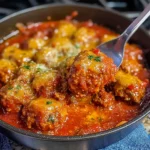
Low Carb Meatballs Marinara recipe
Ingredients
-
- All Ground Beef: A popular and readily available choice.
-
- Fat Content: Aim for 80/20 or 85/15. The higher fat content ensures moisture and flavor, which is crucial in low-carb versions where breadcrumbs aren’t adding moisture. Leaner beef (90/10 or higher) can result in drier meatballs unless other moisture sources (like added fat or cheese) are sufficient.
-
- Flavor: Rich, savory, classic beefy taste.
-
- All Ground Beef: A popular and readily available choice.
-
- The Classic Trio (Beef, Pork, Veal): Often considered the gold standard for traditional meatballs, this blend offers complexity.
-
- Beef: Provides the savory foundation.
-
- Pork: Adds richness, moisture (due to higher fat content), and a slightly sweet flavor.
-
- Veal: Contributes a delicate flavor and exceptionally tender texture.
-
- Ratio: A common blend is equal parts, or sometimes slightly more beef/pork than veal. This combination yields incredibly tender and flavorful results.
-
- The Classic Trio (Beef, Pork, Veal): Often considered the gold standard for traditional meatballs, this blend offers complexity.
-
- Beef and Pork Blend: A very common and delicious combination that balances beef’s savoriness with pork’s richness and moisture. A 50/50 mix or a 2:1 beef-to-pork ratio works well.
-
- Ground Pork Only: Results in very rich, moist, and flavorful meatballs due to the higher fat content. The flavor is distinctively pork-forward.
-
- Ground Turkey or Chicken: Leaner options for those looking to reduce red meat consumption or fat content further.
-
- Use Thigh Meat: Ground thigh meat is preferable to breast meat as it has more fat and flavor, preventing dryness.
-
- Season Generously: Poultry is milder than beef or pork, so be more generous with seasonings (garlic, onion powder, herbs, salt, pepper) to compensate.
-
- Add Fat: Consider adding extra Parmesan, a touch more olive oil, or even finely chopped bacon (cooked) to the mix for moisture and flavor.
-
- Ground Turkey or Chicken: Leaner options for those looking to reduce red meat consumption or fat content further.
-
- Italian Sausage: Using bulk Italian sausage (mild or hot, casings removed) is a fantastic shortcut. It comes pre-seasoned and has a good fat content. You can use it alone or blend it with ground beef or turkey. If using sausage, you may need to adjust the amount of added salt and Italian seasoning in the recipe.
Key Considerations:
-
-
- Quality: Regardless of the type, using good-quality, fresh ground meat will yield the best results.
- Fat is Flavor (and Moisture): Don’t shy away from fat in low-carb cooking. It’s essential for satiety, flavor, and preventing dry meatballs. Choose grinds like 80/20 or 85/15, or blend leaner meats with fattier ones like pork or sausage.
- 1 lb Ground Meat Blend (e.g., 1/2 lb 85/15 Ground Beef + 1/2 lb Ground Pork, or use 1 lb Ground Beef)
- 1/2 cup Finely Grated Parmesan Cheese, plus more for garnish
- 1/3 cup Super-Fine Almond Flour (OR 1/3 cup finely crushed Pork Rinds / “Pork Panko”)
- 1 large Egg, lightly beaten
- 1/4 cup Finely Chopped Fresh Parsley
- 2 cloves Garlic, minced (or 1 tsp garlic powder)
- 1 teaspoon Dried Italian Seasoning
- 1/2 teaspoon Salt (adjust to taste, especially if using salty pork rinds or sausage)
- 1/4 teaspoon Black Pepper
- Optional: 1 tablespoon Heavy Cream or Unsweetened Almond Milk (for extra moisture), 1/4 tsp Red Pepper Flakes (for heat)
-
For the Low-Sugar Marinara Sauce:
-
-
- 2 tablespoons Olive Oil or Avocado Oil
- 1 medium Yellow Onion, finely chopped (about 1 cup)
- 3–4 cloves Garlic, minced (about 1 tablespoon)
- 1 (28 ounce / 794g) can Crushed Tomatoes (ensure no added sugar)
- 1/2 cup Water or Beef/Chicken Broth (low sodium)
- 1 teaspoon Dried Italian Seasoning (or 1/2 tsp each dried oregano and dried basil)
- 1 Bay Leaf (optional)
- Salt and Black Pepper to taste (start with 1/2 tsp salt, 1/4 tsp pepper)
- Optional: Pinch of Red Pepper Flakes, Parmesan Rind (for simmering), Fresh Basil Leaves (for finishing)
-
Instructions
-
Part 1: Make the Low-Carb Meatballs
-
- Combine Ingredients: In a large mixing bowl, combine the ground meat(s), grated Parmesan cheese, almond flour (or pork rinds), beaten egg, chopped parsley, minced garlic (or garlic powder), Italian seasoning, salt, pepper, and optional heavy cream/almond milk or red pepper flakes.
-
- Mix Gently: Using your hands or a fork, mix the ingredients just until everything is evenly incorporated. Do NOT overmix, as this will make the meatballs tough.
-
- Form the Meatballs: Gently roll the mixture into meatballs approximately 1.5 inches in diameter (or your preferred size). Aim for consistency so they cook evenly. You should get about 20-24 meatballs. Place them on a plate or tray.
Part 2: Cook the Meatballs (Choose Method A, B, or C)
-
- Method A: Baking (Recommended for less mess & even cooking)
-
- Preheat oven to 400°F (200°C).
-
- Arrange meatballs in a single layer on a parchment-lined baking sheet.
-
- Bake for 15-20 minutes, or until lightly browned and mostly cooked through. They will finish cooking in the sauce.
-
- Method A: Baking (Recommended for less mess & even cooking)
-
- Method B: Pan-Frying (Adds flavor crust)
-
- Heat 1-2 tablespoons of olive oil in a large skillet over medium-high heat.
-
- Carefully place meatballs in the hot skillet (work in batches if needed to avoid crowding).
-
- Brown the meatballs on all sides, about 5-8 minutes total. They don’t need to be cooked through completely. Remove browned meatballs to a plate.
-
- Method B: Pan-Frying (Adds flavor crust)
-
- Method C: Simmering Directly in Sauce (Most Tender)
-
- Skip the pre-cooking step. Make the sauce first (Part 3), then gently drop the raw meatballs directly into the simmering sauce to cook (see Part 4).
-
- Method C: Simmering Directly in Sauce (Most Tender)
Part 3: Make the Low-Sugar Marinara Sauce
-
- Sauté Aromatics: Heat the 2 tablespoons of olive oil in a large pot or Dutch oven over medium heat. Add the chopped onion and cook until softened and translucent, about 5-7 minutes.
-
- Add Garlic: Stir in the minced garlic and cook for about 1 minute more, until fragrant. Be careful not to burn the garlic.
-
- Add Tomatoes and Seasonings: Pour in the crushed tomatoes and water/broth. Stir in the dried Italian seasoning, optional bay leaf, optional Parmesan rind, salt, pepper, and optional red pepper flakes.
-
- Simmer: Bring the sauce to a gentle simmer. Reduce heat to low, cover loosely (allowing some steam to escape), and let it simmer for at least 20-30 minutes for the flavors to meld. Stir occasionally. Remove the bay leaf and Parmesan rind (if used) before adding meatballs.
Part 4: Combine Meatballs and Sauce
-
- Add Meatballs to Sauce: Gently add the pre-cooked (baked or pan-fried) meatballs to the simmering marinara sauce. If using Method C (raw meatballs), carefully lower them into the sauce one by one. Ensure they are mostly submerged.
-
- Simmer Together: Cover the pot and let the meatballs simmer gently in the sauce for at least 15-20 minutes (if pre-cooked) or 25-35 minutes (if raw), or until the meatballs are cooked through and tender. Stir gently occasionally to prevent sticking. The sauce will thicken slightly.
-
- Final Touches: Taste the sauce and adjust salt, pepper, or seasonings if needed. Stir in chopped fresh basil leaves just before serving, if desired.
Serve: Serve the Low-Carb Meatballs Marinara hot, garnished with extra Parmesan cheese and fresh parsley or basil. See serving sug
-
Nutrition
- Serving Size: one normal portion
- Calories: 450-600