
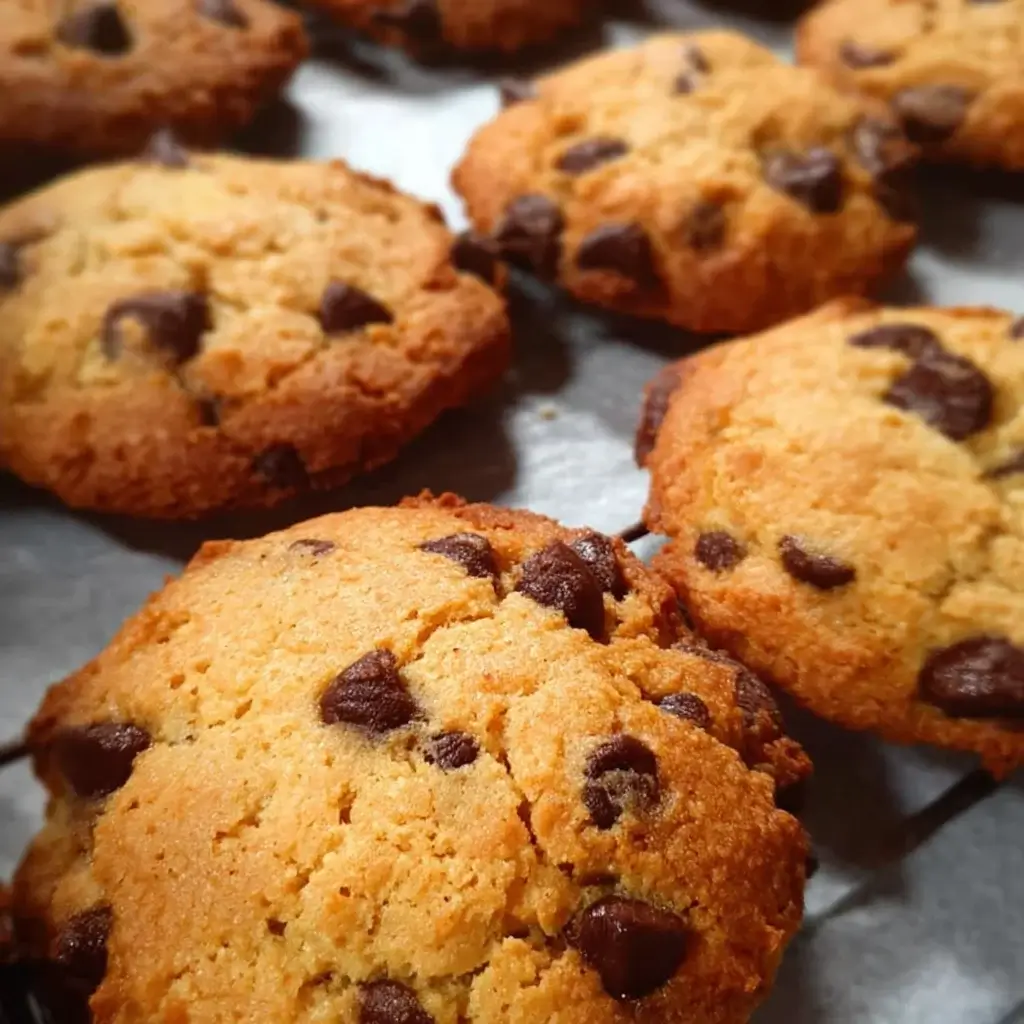

The journey into a low-carb lifestyle is often filled with discovery and delicious new possibilities, but let’s be honest: there’s a moment when the craving for a classic, warm, gooey chocolate chip cookie becomes almost unbearable. For years, I chased that perfect low-carb version. I tried recipes that were dry and crumbly, others that were eggy and cake-like, and many that had a strange, artificial aftertaste. I was on the verge of resigning myself to a cookie-less existence when I decided to take matters into my own hands. I approached it like a science experiment, obsessively tweaking ratios of almond flour to coconut flour, testing different sugar-free sweeteners, and discovering the absolute necessity of chilling the dough. The day I pulled the first truly successful batch from the oven, the aroma alone was a victory. They looked perfect—golden brown edges, soft centers, and pools of melted chocolate. I took a bite, and it was pure bliss. Chewy, buttery, with the perfect amount of sweetness and rich chocolate in every mouthful, without the sugar crash. This wasn’t just a “good for low-carb” cookie; it was a genuinely fantastic cookie, period. My family, who are my toughest critics, devoured them without ever guessing they were sugar-free. This recipe isn’t just a set of instructions; it’s the culmination of a quest, and I’m so excited to share the secret to guilt-free cookie perfection with you.
The Ultimate Chewy Low-Carb Chocolate Chip Cookies (Keto-Friendly!)
This recipe has been meticulously developed to replicate the texture and flavor of a traditional, high-carb chocolate chip cookie. We’re talking golden, slightly crisp edges that give way to a soft, chewy, and tender center, all loaded with rich, melted chocolate. The key lies in the precise blend of ingredients and a few crucial techniques that make all the difference in low-carb baking.
The Anatomy of a Perfect Low-Carb Cookie: Your Ingredient List
In low-carb and keto baking, every ingredient serves a specific purpose, working in harmony to replace the structure and texture that gluten and sugar normally provide. Using the right ingredients is not just a suggestion; it’s the foundation of your success.
- The Low-Carb Flour Foundation:
- Blanched Almond Flour: 1 ¾ cups (196g). This is the base of our cookie. Super-fine, blanched almond flour (made from almonds with their skins removed) provides a moist, tender crumb and a neutral, slightly buttery flavor. Do not substitute with almond meal, which is coarser and will result in a gritty texture.
- Coconut Flour: 3 tablespoons (21g). Coconut flour is highly absorbent and works with the almond flour to create structure and a chewy texture. Using too much will make the cookies dry and crumbly, so precision is key.
- The Perfect Sugar-Free Sweeteners:
- Granulated Erythritol-Based Sweetener: ¾ cup (144g), preferably a blend with monk fruit (like Lakanto Classic or Swerve). This provides the bulk and sweetness of sugar without the carbs or calories. Using a blend often minimizes the “cooling” sensation that pure erythritol can sometimes have.
- Brown Sugar Substitute: ¼ cup (48g), packed (like Lakanto Golden or Swerve Brown). This is crucial for that classic, deep molasses-like flavor and extra chewiness found in traditional chocolate chip cookies.
- The Fats for Flavor and Texture:
- Unsalted Butter: ½ cup (113g), softened to room temperature, but not melted. High-quality butter provides essential flavor and contributes to a tender texture.
- The Binders, Leaveners, and Flavor Enhancers:
- Large Egg: 1, at room temperature. The egg binds the ingredients together and adds richness. Having it at room temperature helps it emulsify properly with the butter.
- Vanilla Extract: 1 ½ teaspoons. Use pure vanilla extract for the best, most authentic flavor.
- Xanthan Gum: ½ teaspoon. This is a vital ingredient. In the absence of gluten, xanthan gum acts as a binder and emulsifier, preventing the cookies from becoming crumbly and giving them a desirable chew.
- Baking Soda: ½ teaspoon. This is our leavening agent, helping the cookies to spread just the right amount and creating a tender texture.
- Sea Salt: ½ teaspoon. Salt is a flavor enhancer; it balances the sweetness and brings out the richness of the butter and chocolate.
- The Star of the Show: Chocolate!
- Sugar-Free Chocolate Chips: 1 cup (168g). There are many excellent brands available today (like Lily’s, ChocZero, or Bake Believe). You can use semi-sweet, dark, or even milk chocolate style chips depending on your preference. You can also chop up a sugar-free chocolate bar for larger pools of melted chocolate.
Step-by-Step Instructions for Flawless Low-Carb Cookies
Follow these steps precisely for the best results. Low-carb baking is a science, and technique matters!
Step 1: Prepare Your Pans and Whisk the Dry Ingredients
Line two large baking sheets with parchment paper. This is essential to prevent sticking and ensures even baking. In a medium-sized bowl, whisk together the blanched almond flour, coconut flour, xanthan gum, baking soda, and sea salt. Whisking thoroughly ensures that the leavening and binder are evenly distributed, which is critical for a consistent cookie texture. Set this bowl aside.
Step 2: Cream the ‘Butter’ and ‘Sugar’
In a large bowl, using a hand mixer or a stand mixer fitted with the paddle attachment, beat the softened butter until it is smooth and creamy, about 1 minute. Add the granulated erythritol blend and the brown sugar substitute. Cream them together with the butter on medium-high speed for a full 2-3 minutes. The mixture should become light, pale, and fluffy. Do not skimp on this step! This process incorporates air into the dough, which is fundamental for a lighter, chewier cookie texture.
Step 3: Combine the Wet Ingredients
Add the room temperature egg and the vanilla extract to the creamed butter mixture. Beat on medium speed until everything is just combined and the mixture is smooth. Scrape down the sides of the bowl with a spatula to ensure everything is incorporated evenly.
Step 4: Marry the Wet and Dry
Add the dry ingredient mixture to the wet ingredients in the large bowl. Mix on low speed until the flour is just combined. Be careful not to overmix at this stage. Overmixing can lead to a tougher, denser cookie. Stop as soon as you no longer see dry streaks of flour.
Step 5: Fold in the Chocolate
Remove the bowl from the mixer. Pour in the 1 cup of sugar-free chocolate chips. Use a spatula to gently fold the chocolate chips into the dough until they are evenly distributed. The dough will be thick and slightly sticky.
Step 6: The Crucial Chilling Step (Do Not Skip!)
This is the most important step for achieving the perfect texture and preventing the cookies from spreading into thin, greasy crisps. Cover the bowl of dough with plastic wrap and refrigerate for a minimum of 1 hour, or up to 24 hours. Chilling the dough solidifies the fat (butter), which means the cookies will spread more slowly in the oven, resulting in a thicker, chewier final product. It also allows the flours to hydrate fully, improving the flavor and texture.
Step 7: Preheat and Scoop
When you are ready to bake, preheat your oven to 350°F (175°C). Position the racks in the upper and lower thirds of the oven. Remove the chilled dough from the refrigerator. Use a medium cookie scoop (about 1.5 tablespoons) to portion out the dough. Roll each portion into a smooth ball and place it on the parchment-lined baking sheets, about 2-3 inches apart to allow for some spread.
Step 8: Bake to Golden Perfection
Bake for 11-14 minutes. The exact time will depend on your oven. The cookies are done when the edges are firm and a light golden brown, and the centers still look slightly soft and underdone. They will continue to cook and set up on the hot pan after you remove them from the oven. For chewier cookies, err on the side of underbaking.
Step 9: Cool and Set (Patience is a Virtue!)
Remove the baking sheets from the oven. Let the cookies cool on the baking sheet for at least 10-15 minutes. Low-carb cookies are very delicate and fragile when hot and will fall apart if you try to move them too soon. This cooling period is essential for them to set up properly. After they have firmed up, carefully transfer them to a wire rack to cool completely.
Nutrition Facts
This recipe is designed to be low in net carbs, making it suitable for a ketogenic or low-carb diet.
- Servings: Approximately 24 cookies
- Calories Per Cookie: Approximately 115 kcal
- Net Carbs Per Cookie: Approximately 2g (Net Carbs = Total Carbs – Fiber – Sugar Alcohols)
Disclaimer: Nutritional information is an estimate and can vary depending on the specific brands of ingredients used.
Preparation and Cooking Time
Proper time management is key, especially with the required chilling time.
- Active Preparation Time: 15 minutes
- Chilling Time: 1 hour (minimum)
- Baking Time: 11-14 minutes per batch
- Cooling Time: 20 minutes
- Total Time: Approximately 1 hour and 50 minutes
How to Serve and Enjoy Your Low-Carb Cookies
These cookies are a delight on their own, but here are a few ways to elevate the experience:
- The Classic Way: Enjoy a warm cookie straight from the oven (after it’s had time to set!) with a tall glass of unsweetened almond milk or your favorite low-carb milk alternative.
- Low-Carb À la Mode: Top a slightly warm cookie with a scoop of keto-friendly vanilla ice cream (such as Enlightened or Rebel Creamery) for an indulgent dessert.
- The Ultimate Cookie Sandwich: Once cooled, spread a layer of sugar-free frosting or a keto-friendly nut butter between two cookies to create a decadent sandwich.
- Crumble as a Topping: Crumble a cooled cookie over a bowl of low-carb yogurt or a keto mousse for added texture and chocolatey goodness.
- Flaky Sea Salt Finish: For a gourmet touch, sprinkle a tiny pinch of flaky sea salt (like Maldon) on top of the cookies immediately after they come out of the oven. The salt enhances the chocolate flavor beautifully.
My Top 5 Additional Tips for Low-Carb Baking Success
- Room Temperature is a Rule, Not a Suggestion: Using room temperature butter and eggs is critical. Softened butter creams much more effectively, creating air pockets for a lighter texture. A room temperature egg emulsifies into the batter without causing the cold butter to seize up, leading to a smoother, more uniform dough.
- Weigh Your Ingredients: For the most consistent and reliable results in low-carb baking, use a kitchen scale. “Scooping” flours can lead to wildly different amounts depending on how packed the flour is. Weighing your ingredients, especially the almond and coconut flours, removes the guesswork and is the number one way to ensure your cookies turn out perfectly every time.
- Don’t Fear the Underbaked Center: The visual cue for a perfect low-carb cookie is golden edges and a very soft, puffy, and slightly underbaked-looking center. The cookies will firm up significantly as they cool. If they look fully baked and firm when you pull them out of the oven, they will likely be dry and hard once they cool.
- Sweetener Selection Matters: The type of erythritol-based sweetener you use can affect the final texture. Some pure erythritol brands can recrystallize as the cookies cool, leading to a slightly gritty texture. Using a blend that contains monk fruit or allulose often mitigates this and provides a smoother, more sugar-like taste.
- Press Them Down (Optional): If you prefer a slightly flatter, wider cookie, you can gently press the balls of dough down with the palm of your hand or the bottom of a glass before baking. If you do this, reduce the baking time by a minute or two as they will cook faster.
Frequently Asked Questions (FAQ)
1. Why did my cookies spread too much and become flat?
This is the most common issue in low-carb cookie making and it almost always comes down to one thing: not chilling the dough long enough. Chilling solidifies the fat, preventing it from melting too quickly in the oven. Other culprits could be using butter that was too soft or melted, or measuring your flours incorrectly (not enough flour to absorb the fat).
2. Can I make these cookies nut-free?
Unfortunately, this specific recipe relies heavily on almond flour for its structure and texture. You cannot substitute it 1:1 with a nut-free flour. For a nut-free version, you would need to find a recipe specifically developed with sunflower seed flour or a different nut-free base, as the liquid and fat ratios would need to be completely reformulated.
3. What is xanthan gum and can I leave it out?
Xanthan gum is a gluten substitute. It’s a powder that acts as a binder and thickener, providing the structure and chewiness that gluten would in a traditional cookie. If you leave it out, your cookies will be extremely fragile and crumbly, and they will not have a chewy texture. It is essential for this recipe.
4. How do I store these low-carb cookies?
Store the completely cooled cookies in an airtight container at room temperature for up to 5 days. Because they are so moist, you may want to place a paper towel in the container to absorb any excess moisture and keep them from getting too soft. They can also be frozen in a freezer-safe bag or container for up to 3 months.
5. My cookies taste “cool” or have a strange aftertaste. Why?
This “cooling” sensation is a known side effect of erythritol, a sugar alcohol. Some people are more sensitive to it than others. To minimize this, use a sweetener blend that contains monk fruit or allulose, as these tend to have a more neutral, sugar-like taste and counteract the cooling effect. Also, ensure you are using a quality brand of sugar-free chocolate chips, as some can have off-flavors.

Low Carb Chocolate Chip Cookies recipe
Ingredients
-
The Low-Carb Flour Foundation:
-
Blanched Almond Flour: 1 ¾ cups (196g). This is the base of our cookie. Super-fine, blanched almond flour (made from almonds with their skins removed) provides a moist, tender crumb and a neutral, slightly buttery flavor. Do not substitute with almond meal, which is coarser and will result in a gritty texture.
-
Coconut Flour: 3 tablespoons (21g). Coconut flour is highly absorbent and works with the almond flour to create structure and a chewy texture. Using too much will make the cookies dry and crumbly, so precision is key.
-
-
The Perfect Sugar-Free Sweeteners:
-
Granulated Erythritol-Based Sweetener: ¾ cup (144g), preferably a blend with monk fruit (like Lakanto Classic or Swerve). This provides the bulk and sweetness of sugar without the carbs or calories. Using a blend often minimizes the “cooling” sensation that pure erythritol can sometimes have.
-
Brown Sugar Substitute: ¼ cup (48g), packed (like Lakanto Golden or Swerve Brown). This is crucial for that classic, deep molasses-like flavor and extra chewiness found in traditional chocolate chip cookies.
-
-
The Fats for Flavor and Texture:
-
Unsalted Butter: ½ cup (113g), softened to room temperature, but not melted. High-quality butter provides essential flavor and contributes to a tender texture.
-
-
The Binders, Leaveners, and Flavor Enhancers:
-
Large Egg: 1, at room temperature. The egg binds the ingredients together and adds richness. Having it at room temperature helps it emulsify properly with the butter.
-
Vanilla Extract: 1 ½ teaspoons. Use pure vanilla extract for the best, most authentic flavor.
-
Xanthan Gum: ½ teaspoon. This is a vital ingredient. In the absence of gluten, xanthan gum acts as a binder and emulsifier, preventing the cookies from becoming crumbly and giving them a desirable chew.
-
Baking Soda: ½ teaspoon. This is our leavening agent, helping the cookies to spread just the right amount and creating a tender texture.
-
Sea Salt: ½ teaspoon. Salt is a flavor enhancer; it balances the sweetness and brings out the richness of the butter and chocolate.
-
-
The Star of the Show: Chocolate!
-
Sugar-Free Chocolate Chips: 1 cup (168g). There are many excellent brands available today (like Lily’s, ChocZero, or Bake Believe). You can use semi-sweet, dark, or even milk chocolate style chips depending on your preference. You can also chop up a sugar-free chocolate bar for larger pools of melted chocolate.
-
Instructions
Line two large baking sheets with parchment paper. This is essential to prevent sticking and ensures even baking. In a medium-sized bowl, whisk together the blanched almond flour, coconut flour, xanthan gum, baking soda, and sea salt. Whisking thoroughly ensures that the leavening and binder are evenly distributed, which is critical for a consistent cookie texture. Set this bowl aside.
In a large bowl, using a hand mixer or a stand mixer fitted with the paddle attachment, beat the softened butter until it is smooth and creamy, about 1 minute. Add the granulated erythritol blend and the brown sugar substitute. Cream them together with the butter on medium-high speed for a full 2-3 minutes. The mixture should become light, pale, and fluffy. Do not skimp on this step! This process incorporates air into the dough, which is fundamental for a lighter, chewier cookie texture.
Add the room temperature egg and the vanilla extract to the creamed butter mixture. Beat on medium speed until everything is just combined and the mixture is smooth. Scrape down the sides of the bowl with a spatula to ensure everything is incorporated evenly.
Add the dry ingredient mixture to the wet ingredients in the large bowl. Mix on low speed until the flour is just combined. Be careful not to overmix at this stage. Overmixing can lead to a tougher, denser cookie. Stop as soon as you no longer see dry streaks of flour.
Remove the bowl from the mixer. Pour in the 1 cup of sugar-free chocolate chips. Use a spatula to gently fold the chocolate chips into the dough until they are evenly distributed. The dough will be thick and slightly sticky.
This is the most important step for achieving the perfect texture and preventing the cookies from spreading into thin, greasy crisps. Cover the bowl of dough with plastic wrap and refrigerate for a minimum of 1 hour, or up to 24 hours. Chilling the dough solidifies the fat (butter), which means the cookies will spread more slowly in the oven, resulting in a thicker, chewier final product. It also allows the flours to hydrate fully, improving the flavor and texture.
When you are ready to bake, preheat your oven to 350°F (175°C). Position the racks in the upper and lower thirds of the oven. Remove the chilled dough from the refrigerator. Use a medium cookie scoop (about 1.5 tablespoons) to portion out the dough. Roll each portion into a smooth ball and place it on the parchment-lined baking sheets, about 2-3 inches apart to allow for some spread.
Bake for 11-14 minutes. The exact time will depend on your oven. The cookies are done when the edges are firm and a light golden brown, and the centers still look slightly soft and underdone. They will continue to cook and set up on the hot pan after you remove them from the oven. For chewier cookies, err on the side of underbaking.
Remove the baking sheets from the oven. Let the cookies cool on the baking sheet for at least 10-15 minutes. Low-carb cookies are very delicate and fragile when hot and will fall apart if you try to move them too soon. This cooling period is essential for them to set up properly. After they have firmed up, carefully transfer them to a wire rack to cool completely.
Nutrition
- Serving Size: one normal portion
- Calories: 115 kcal
- Carbohydrates: 2g