
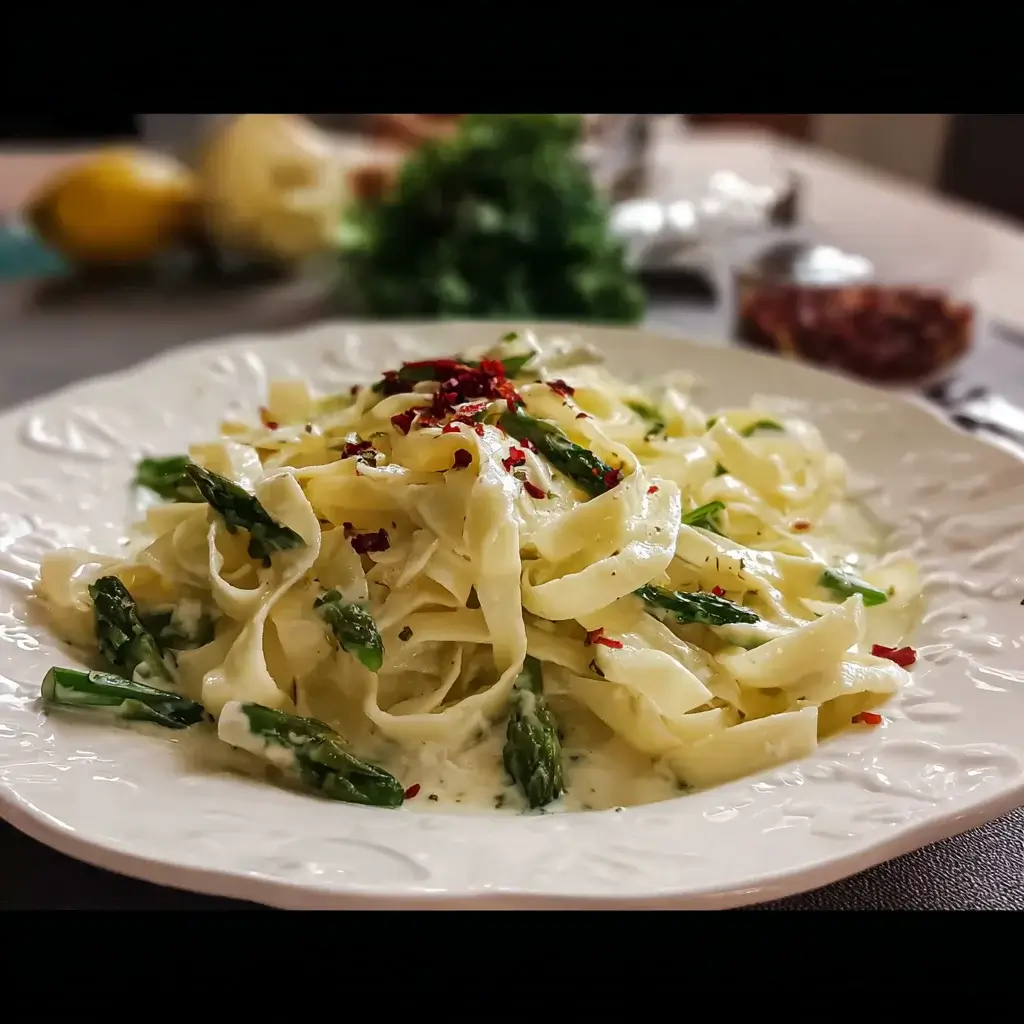

There are certain dishes that just taste like a season, and for me, this Low Carb Asparagus Pasta Tagliatelle is the quintessential flavor of spring. I remember the first time I made it, I was deep into my low-carb journey and experiencing a powerful wave of nostalgia for a big, comforting bowl of pasta. It was one of those first warm days of the year, the kind that makes you want to throw open the windows, and the farmers market was overflowing with beautiful, slender stalks of fresh asparagus. I knew I had to create something that captured that bright, hopeful feeling without derailing my health goals. I had a can of hearts of palm tagliatelle in my pantry—a low-carb pasta alternative I was still slightly skeptical of. I decided to take a leap of faith. As the creamy, lemon-garlic sauce came together and I tossed in the blanched, vibrant green asparagus, the aroma alone was intoxicating. When I finally took the first bite, I was stunned. The “pasta” was perfectly al dente, the sauce was luxuriously creamy yet bright with lemon, and the asparagus provided a fresh, tender-crisp snap. It wasn’t just a “good for low-carb” dish; it was a genuinely spectacular meal that I would have been thrilled to be served at a restaurant. My husband, who usually eyes my keto creations with caution, devoured his bowl and immediately asked when we could have it again. It has since become a cherished spring tradition in our home, a delicious reminder that eating healthy can be an act of pure joy and indulgence.
This recipe is a celebration of fresh ingredients and clever low-carb innovation. It delivers all the comforting satisfaction of a classic creamy pasta dish—the rich sauce, the satisfying chew of noodles, the interplay of fresh vegetables—without the carbs and gluten found in traditional pasta. It’s elegant enough for a special dinner party yet quick and easy enough for a busy weeknight. Whether you’re a seasoned keto pro or simply looking for a lighter, healthier way to enjoy your favorite pasta dishes, this recipe will open your eyes to a world of delicious possibilities. It’s proof that with the right ingredients and a little creativity, you don’t have to sacrifice flavor or comfort to feel your absolute best.
A Taste of Spring: The Ultimate Low Carb Asparagus Pasta Tagliatelle
This dish is all about balance: the richness of the cream is cut by the bright acidity of the lemon, the savory depth of Parmesan is lifted by fresh garlic, and the tender-crisp asparagus provides a perfect textural contrast to the al dente pasta. Below are the ingredients needed to bring this vibrant, restaurant-quality meal to life in your own kitchen.
Complete Ingredients List
- Low-Carb Pasta: 2 cans (14 oz / 400g each) of Hearts of Palm Tagliatelle or Linguine (such as Palmini)
- Asparagus: 1 lb (450g) fresh asparagus, woody ends trimmed
- Fat: 2 tablespoons unsalted butter and 1 tablespoon olive oil
- Aromatics: 4 cloves garlic, minced
- Sauce Base: 1 cup (240ml) heavy cream
- Cheese: ¾ cup (approx. 3 oz / 85g) freshly grated Parmesan cheese, plus more for serving
- Acidity: 1 large lemon (for both zest and juice)
- Seasoning:
- 1 teaspoon sea salt (or to taste)
- ½ teaspoon black pepper, freshly ground
- ¼ teaspoon red pepper flakes (optional, for a gentle heat)
- Garnish: 2 tablespoons fresh parsley, finely chopped
A Deeper Dive into the Star Ingredients
To truly appreciate the genius of this dish, it’s helpful to understand the crucial role each of the main components plays.
- The Low-Carb “Tagliatelle” (Hearts of Palm Pasta): This is the game-changing element that makes a true low-carb pasta dish possible.
- What is it? Hearts of palm are a vegetable harvested from the inner core of certain palm trees. When sliced into pasta shapes like linguine or tagliatelle, they have a remarkably neutral taste and a firm, al dente texture that mimics traditional pasta far better than most vegetable noodles.
- Why it Works: Unlike zucchini noodles which can be watery, or shirataki noodles which can have a rubbery texture, hearts of palm noodles are sturdy. They don’t fall apart and hold up beautifully to a creamy sauce. They are naturally very low in carbs and calories, and high in fiber.
- Preparation is Key: Hearts of palm pasta is packed in brine. It is absolutely essential to rinse it very well under cold water to remove any “canned” flavor. For the best, most neutral taste, some people like to soak the rinsed noodles in milk or water for 30 minutes before using, but a thorough rinse is usually sufficient.
- The Asparagus: The vegetable hero of the dish, embodying the freshness of spring.
- Selection: Look for asparagus stalks that are firm, straight, and have a vibrant green color. The tips should be closed and compact, not flowering or wilted. Thinner stalks tend to be more tender, while thicker ones are meatier. Either will work for this recipe.
- The Blanching Technique: We blanch the asparagus (briefly boiling it, then plunging it into an ice bath) for two important reasons. First, it cooks the asparagus to a perfect tender-crisp texture without making it mushy. Second, the ice bath “shocks” the asparagus, immediately stopping the cooking process and locking in its beautiful, vibrant green color.
- The Creamy Lemon-Garlic Sauce: This sauce is pure, low-carb luxury.
- Heavy Cream: This provides the rich, velvety base of the sauce. Do not substitute with milk or half-and-half, as they don’t have enough fat content and are more likely to curdle when the lemon juice is added.
- Freshly Grated Parmesan: This is non-negotiable for a smooth, flavorful sauce. Pre-shredded Parmesan cheese contains anti-caking agents like cellulose or potato starch, which will prevent it from melting smoothly and can result in a grainy, clumpy sauce. Buy a wedge of real Parmigiano-Reggiano and grate it yourself; the difference in flavor and texture is immense.
- Lemon: We use both the zest and the juice for maximum impact. The zest (the outer yellow part of the peel) contains the lemon’s essential oils and provides a deep, aromatic lemon flavor without a lot of sourness. The juice adds the bright, acidic kick that cuts through the richness of the cream and cheese, balancing the entire dish.
Step-by-Step Instructions for a Perfect Plate
Follow these simple steps to create a flawless, restaurant-worthy low-carb pasta dish.
Step 1: Prepare the Low-Carb Pasta
Open the cans of hearts of palm tagliatelle and pour them into a fine-mesh sieve or colander. Rinse them thoroughly under cold running water for at least a full minute, tossing them gently with your hands to ensure all the noodles are rinsed. Set aside to drain completely.
Step 2: Blanch the Asparagus
Bring a large pot of salted water to a rolling boil. While the water is heating, prepare a large bowl of ice water. Trim the tough, woody ends from the bottom of the asparagus stalks. Cut the remaining tender stalks on a diagonal into 1- to 2-inch pieces. Once the water is boiling, add the asparagus pieces and cook for just 2-3 minutes, until they are bright green and tender-crisp. Immediately use a slotted spoon to remove the asparagus from the boiling water and plunge it directly into the ice water bath. Let it sit for a minute to cool completely, then drain well and set aside.
Step 3: Sauté the Aromatics
In a large skillet or sauté pan, melt the butter and olive oil together over medium heat. Add the minced garlic and optional red pepper flakes. Sauté for about 60 seconds, stirring constantly, until the garlic is fragrant. Be careful not to let the garlic brown or burn, as it will become bitter.
Step 4: Build the Creamy Sauce
Pour the heavy cream into the skillet with the garlic. Bring the cream to a gentle simmer and let it cook for 2-3 minutes, allowing it to reduce and thicken slightly. Reduce the heat to low. Add the zest of one lemon and the juice of half the lemon (about 1-2 tablespoons). Stir to combine.
Step 5: Add the Cheese
Remove the skillet from the heat completely. This is a crucial step to prevent the cheese from clumping. Gradually add the freshly grated Parmesan cheese, stirring constantly with a whisk or spatula until the cheese is fully melted and the sauce is smooth and creamy.
Step 6: Combine and Finish
Return the skillet to low heat. Add the well-drained hearts of palm pasta and the blanched asparagus to the skillet with the sauce. Toss everything together gently until the pasta and asparagus are fully coated in the creamy sauce and heated through, about 2-3 minutes. Season with salt and pepper to taste. If the sauce seems too thick, you can add a tablespoon or two of water or more cream to reach your desired consistency.
Step 7: Garnish and Serve
Stir in the fresh, chopped parsley. Divide the pasta among serving bowls and top with an extra sprinkle of freshly grated Parmesan cheese and a bit more black pepper. Serve immediately.
Nutrition Facts and Health Benefits
Please note that these values are an estimate and can vary based on the specific brands of ingredients used.
- Servings: 4
- Calories per serving: Approximately 450-500 kcal
- Net Carbs: Approximately 10-12g
- Protein: Approximately 15g
- Fat: Approximately 40g
This dish is an excellent source of healthy fats and fiber, making it a very satisfying and satiating meal for anyone on a low-carb or ketogenic diet. Asparagus is a nutritional superstar, packed with vitamins A, C, E, K, and B6, as well as folate, iron, and fiber. It is also rich in antioxidants, which help protect your cells from damage.
Preparation and Cooking Time
This elegant dish comes together surprisingly quickly, making it a perfect choice for any night of the week.
- Preparation Time: 15 minutes
- Cooking Time: 15 minutes
- Total Time: 30 minutes
How to Serve Your Low Carb Asparagus Tagliatelle
While this dish is a stunning vegetarian main course on its own, it can also be used as a base for a variety of delicious and satisfying meals.
- With Pan-Seared Salmon: The richness of the salmon is a perfect match for the bright, lemony sauce. Simply season a salmon fillet with salt and pepper and pan-sear it until the skin is crispy. Flake the salmon over the top of the finished pasta.
- With Grilled Chicken: For a lean protein boost, serve the pasta topped with sliced, juicy grilled chicken breast. The smoky flavor from the grill adds a wonderful new dimension to the dish.
- With Sautéed Shrimp: A classic pairing. Sauté some shrimp in garlic and butter until pink and plump, then toss them into the pasta at the very end.
- Topped with a Poached Egg: For a luxurious brunch or light dinner, serve a smaller portion of the pasta in a bowl and top it with a perfectly poached egg. When the yolk breaks and runs into the creamy sauce, it’s pure magic.
- Alongside a Simple Salad: Pair the pasta with a simple arugula or mixed green salad tossed in a light vinaigrette. The peppery bite of the arugula is a fantastic contrast to the rich, creamy pasta.
- With Extra Toasted Nuts: For added texture and a nutty flavor, toast some pine nuts or slivered almonds in a dry skillet until fragrant and golden, then sprinkle them over the top just before serving.
5 Additional Tips for Pasta Perfection
Elevate your dish from great to unforgettable with these essential pro tips.
- Don’t Discard the Asparagus Tips: The tips of the asparagus are the most tender and flavorful part. When cutting your asparagus, you can choose to leave the top 2 inches of the tips whole and cut the remaining stalks into diagonal pieces. This creates a more interesting visual presentation and textural variety in the final dish.
- Control Your Sauce Consistency: The sauce will naturally thicken as the Parmesan melts. If it becomes thicker than you’d like, don’t be afraid to thin it out. While traditional pasta recipes use starchy pasta water, here you can use a splash of reserved heavy cream, a bit of water, or even some unsweetened almond milk to reach that perfect, luscious consistency. Do this at the very end, just before serving.
- Taste and Adjust Acidity at the End: Lemons can vary greatly in their size and tartness. Start by adding the juice of half a lemon as the recipe directs. After you’ve combined everything, taste the final dish. If you feel it needs more brightness to cut through the richness, add a little more fresh lemon juice, a teaspoon at a time, until it tastes perfectly balanced to you.
- Make it Your Own with Herbs: While parsley adds a clean, fresh finish, this recipe is a wonderful canvas for other herbs. Fresh dill would pair beautifully with the lemon and asparagus, especially if you’re adding salmon. A few leaves of fresh basil or a sprinkle of chives would also be delicious variations.
- Don’t Be Afraid of the Heat: The optional red pepper flakes add a subtle warmth that beautifully complements the creamy sauce without making it overtly spicy. If you enjoy a little kick, don’t skip them. If you’re sensitive to heat, you can leave them out entirely, or just add a tiny pinch. It’s all about tailoring the flavor profile to your personal preference.
Frequently Asked Questions (FAQ)
Here are answers to some common questions about making this low-carb pasta dish.
1. Can I use a different low-carb noodle?
Yes, you can, but you may need to adjust the method. Zucchini noodles (zoodles) are a popular choice, but they release a lot of water. To avoid a watery sauce, you should salt the zoodles, let them sit in a colander for 30 minutes, and then squeeze them dry with a paper towel before adding them to the sauce at the very end, just to heat through. Shirataki noodles would also work, but be sure to rinse them extremely well and dry-pan them in a hot skillet for a few minutes to improve their texture before adding them to the sauce.
2. Can I make this recipe dairy-free or vegan?
Yes, this recipe is adaptable. To make it dairy-free and vegan, you’ll need to make a few swaps. Use a high-quality vegan butter or more olive oil instead of the butter. For the heavy cream, substitute with full-fat canned coconut milk (the thick part from the top) or a homemade cashew cream. For the cheese, use a good quality nutritional yeast (start with 1/4 cup and add more to taste) or your favorite store-bought vegan Parmesan alternative.
3. My sauce broke or became grainy. What happened?
This usually happens for one of two reasons. First, the heat was too high when the cheese was added. The proteins in the cheese seize up and separate from the fat, causing a grainy or oily texture. This is why it’s crucial to remove the pan from the heat before stirring in the Parmesan. Second, you may have used pre-shredded cheese, which contains starches and additives that prevent smooth melting. Always use a block of real Parmesan cheese for the best results.
4. How do I store and reheat leftovers?
Store any leftovers in an airtight container in the refrigerator for up to 3 days. The sauce will thicken considerably when chilled. The best way to reheat it is in a skillet over low-medium heat. Add a splash of cream, water, or almond milk to the pan to help loosen the sauce and bring it back to its original creamy consistency as it heats up. Microwaving is possible but can sometimes make the pasta and asparagus softer.
5. Can I use frozen asparagus?
While fresh asparagus will always provide the best flavor and texture, you can use frozen asparagus in a pinch. There is no need to blanch it. Let the frozen asparagus thaw, pat it very dry with paper towels to remove excess moisture, and add it directly to the skillet to sauté for a few minutes before you build the sauce. Be aware that frozen asparagus will have a much softer texture than fresh, blanched asparagus.
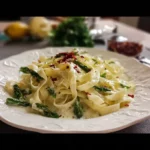
Low Carb Asparagus Pasta Tagliatelle recipe
Ingredients
Nutrition
- Serving Size: one normal portion
- Calories: 450-500 kcal
- Fat: 40g
- Carbohydrates: 10-12g
- Protein: 15g