
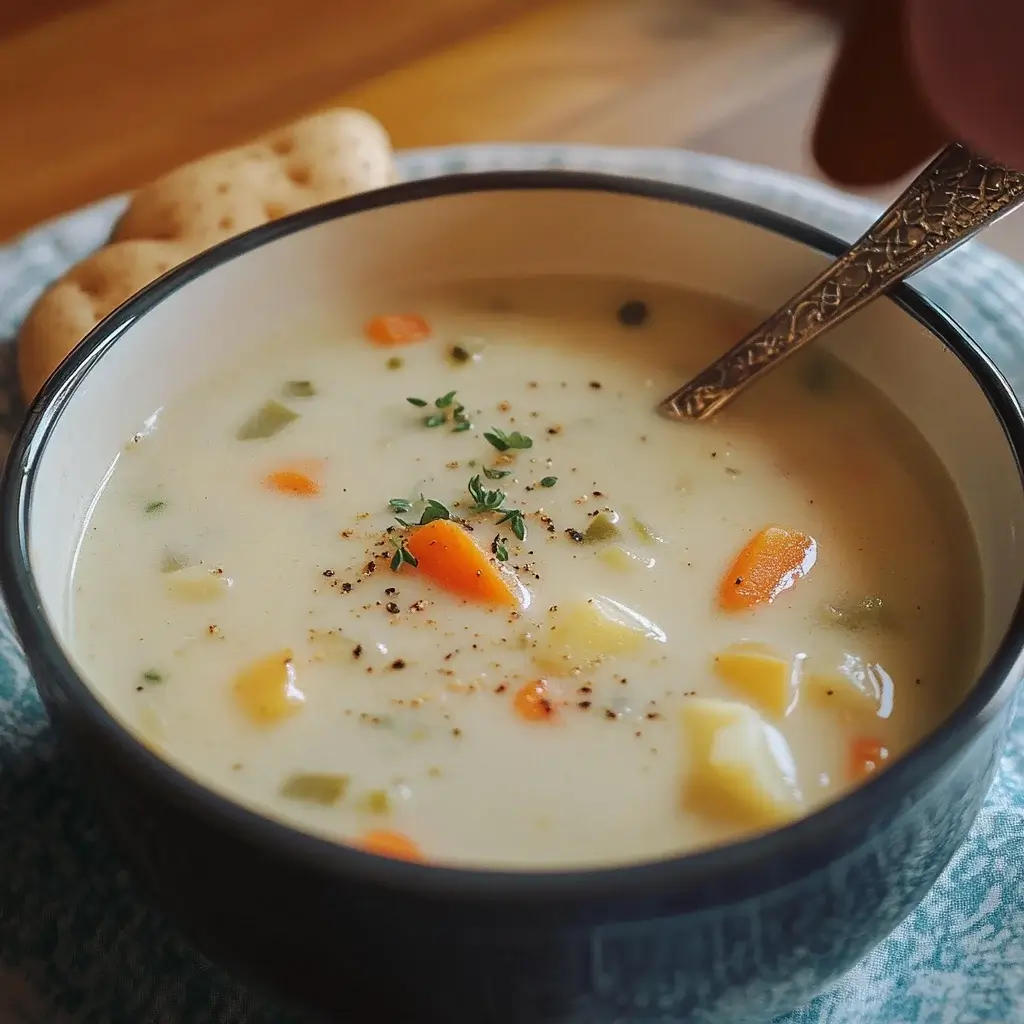

For years, potato soup was a staple in our household. It was the ultimate comfort food, especially during chilly evenings. However, as we became more mindful of our eating habits, the traditional creamy, heavy potato soup started to feel a bit… well, too much. That’s when the quest for a “lighter” version began. After countless experiments and tweaks, I finally landed on this recipe – my Light Potato Soup. And let me tell you, it’s a game-changer. It retains all the comforting flavors of classic potato soup – the earthy potatoes, savory broth, and subtle onion notes – but with a fraction of the heaviness. My family absolutely adores it. Even my picky eaters slurp down bowls of this soup without complaint, often asking for seconds. It’s become a regular on our weekly menu, perfect for a quick weeknight dinner or a cozy weekend lunch. If you’re looking for a soup that’s both satisfying and wholesome, you’ve come to the right place. This Light Potato Soup recipe is easy to make, packed with flavor, and won’t leave you feeling weighed down. Get ready to experience the comforting warmth of potato soup, reimagined for a healthier lifestyle.
Ingredients: The Building Blocks of Delicious Light Potato Soup
The beauty of this Light Potato Soup lies in its simplicity. We’re using everyday ingredients, but with a focus on maximizing flavor while keeping things light. Here’s what you’ll need to gather:
- Potatoes: 2 pounds, Yukon Gold or Russet potatoes are excellent choices. Yukon Golds offer a naturally creamy texture, while Russets become wonderfully fluffy when cooked. For a truly “light” soup, I recommend peeling them, although you can leave the skins on for added fiber and nutrients if you prefer a slightly rustic texture. Just be sure to scrub them thoroughly!
- Onion: 1 medium yellow onion, diced. Onions are the aromatic foundation of so many great soups, and this one is no exception. Yellow onions provide a mild, sweet flavor that builds depth in the soup.
- Garlic: 2-3 cloves, minced. Garlic adds a pungent, savory kick that complements the potatoes and onions beautifully. Freshly minced garlic is always best, but you can use pre-minced garlic from a jar in a pinch.
- Vegetable Broth: 6 cups, low sodium. Vegetable broth forms the liquid base of our soup. Using low-sodium broth allows you to control the saltiness of the final dish. You can also use chicken broth if you prefer, but for a vegetarian and lighter option, vegetable broth is ideal.
- Milk: 1 cup, 2% milk or unsweetened almond milk for a dairy-free option. This is where we create that creamy texture without relying on heavy cream. 2% milk provides a nice balance of creaminess and lightness. Unsweetened almond milk is a fantastic dairy-free alternative that is significantly lower in calories and fat. Other plant-based milks like oat milk or soy milk would also work well.
- Light Cream Cheese: 4 ounces, softened. This is the secret ingredient to achieving a creamy texture without the heaviness of traditional cream. Light cream cheese adds richness and body to the soup, but with fewer calories and fat than heavy cream or regular cream cheese. Make sure it’s softened for easy blending.
- Olive Oil: 2 tablespoons, extra virgin. Olive oil is our healthy cooking fat. Extra virgin olive oil is rich in antioxidants and adds a subtle fruity flavor. It’s used for sautéing the onions and garlic, building flavor from the very beginning.
- Bay Leaf: 1 bay leaf. Bay leaf is a subtle but essential aromatic that infuses the soup with a delicate, herbaceous flavor. Don’t skip it! Remember to remove it before blending.
- Dried Thyme: 1 teaspoon. Thyme adds a warm, earthy, and slightly lemony flavor that pairs perfectly with potatoes. Dried thyme is convenient, but fresh thyme (about 1 tablespoon, chopped) can also be used if you have it on hand.
- Salt: To taste. Salt is crucial for enhancing the flavors of all the ingredients. Start with a teaspoon and adjust to your preference at the end of cooking.
- Black Pepper: Freshly ground, to taste. Freshly ground black pepper adds a pungent, aromatic bite that complements the savory flavors of the soup.
- Optional Garnishes: Chopped fresh chives, green onions, parsley, a swirl of light sour cream or Greek yogurt, croutons, shredded cheese (cheddar, Monterey Jack), bacon bits (turkey bacon for a lighter option). Garnishes are a great way to customize your soup and add extra flavor and texture.
Ingredient Notes for Lightness and Flavor:
- Potato Choice: Yukon Golds and Russets are both great, but consider experimenting with other varieties like red potatoes or fingerling potatoes for slightly different textures and flavors.
- Broth is Key: Using a good quality vegetable broth makes a big difference in the overall flavor of the soup. If you have homemade broth, even better!
- Dairy Alternatives: Feel free to explore other dairy-free milk options beyond almond milk. Oat milk is particularly creamy and works well in soups. Cashew milk is another good choice.
- Cream Cheese Swaps: If you don’t have light cream cheese, you can use Neufchâtel cheese (which is similar to cream cheese but lower in fat) or even a small amount of silken tofu for added creaminess (blend it separately before adding to the soup).
- Fresh Herbs: While dried thyme is convenient, fresh herbs like thyme, rosemary, or parsley can add a brighter, more vibrant flavor. Add fresh herbs towards the end of cooking to preserve their flavor.
Instructions: Step-by-Step Guide to Light Potato Soup Perfection
Now that we have our ingredients ready, let’s get cooking! This recipe is straightforward and comes together relatively quickly. Follow these simple steps to create a delicious and light potato soup:
- Prepare the Potatoes and Onions: Begin by washing and peeling your potatoes (if desired). Dice them into roughly ½-inch cubes. This size ensures they cook evenly and quickly. Next, dice the yellow onion into small pieces. Mince the garlic cloves and set them aside. Having all your vegetables prepped beforehand will make the cooking process smoother.
- Sauté the Aromatics: In a large pot or Dutch oven, heat the olive oil over medium heat. Add the diced onion and sauté for about 5-7 minutes, or until softened and translucent. Stir occasionally to prevent browning. Once the onions are softened, add the minced garlic and cook for another minute, until fragrant. Be careful not to burn the garlic, as it can become bitter. Sautéing the onions and garlic in olive oil is crucial for building a flavorful base for the soup.
- Add Potatoes, Broth, and Seasonings: Pour the vegetable broth into the pot with the sautéed onions and garlic. Add the diced potatoes, bay leaf, and dried thyme. Season generously with salt and freshly ground black pepper. Start with about 1 teaspoon of salt and ½ teaspoon of black pepper, and adjust to taste later. The bay leaf and thyme will infuse the soup with aromatic depth as it simmers.
- Simmer Until Potatoes are Tender: Bring the soup to a boil, then reduce the heat to low, cover the pot, and simmer for about 15-20 minutes, or until the potatoes are fork-tender. To check for doneness, insert a fork into a potato cube; it should slide in easily without resistance. The simmering time may vary slightly depending on the size of your potato cubes and the type of potatoes you are using.
- Remove Bay Leaf and Blend (Carefully!): Once the potatoes are tender, remove the bay leaf from the soup and discard it. Now, it’s time to create that creamy texture. You have a few options for blending:
- Immersion Blender: The easiest method is to use an immersion blender (also known as a stick blender) directly in the pot. Carefully blend the soup until it reaches your desired consistency. You can blend it completely smooth for a velvety texture or leave it slightly chunky if you prefer some potato pieces.
- Regular Blender (in Batches): If you don’t have an immersion blender, you can use a regular blender. Important Safety Tip: Never fill a blender more than halfway full with hot soup, as the steam can cause pressure to build up and the lid to pop off. Work in batches, carefully ladle the hot soup into the blender, secure the lid tightly, and vent the lid slightly (remove the center cap or crack the lid open slightly with a towel placed over it) to allow steam to escape. Blend until smooth, and repeat with the remaining soup.
- Potato Masher (for Chunky Soup): For a chunkier soup with a creamier base, you can use a potato masher to partially mash some of the potatoes directly in the pot. This will release starch and thicken the soup without making it completely smooth.
- Stir in Milk and Cream Cheese: After blending the soup, return the pot to low heat (if using a regular blender, pour the blended soup back into the pot). Stir in the milk (or almond milk) and softened light cream cheese. Stir continuously until the cream cheese is fully melted and incorporated into the soup, creating a smooth and creamy texture. Heat through gently; do not boil after adding the dairy or dairy alternative.
- Season to Taste and Serve: Taste the soup and adjust the seasoning as needed. Add more salt and pepper if desired. You can also add a squeeze of lemon juice for brightness, or a pinch of red pepper flakes for a touch of heat. Once seasoned to your liking, ladle the Light Potato Soup into bowls and serve hot. Garnish with your favorite toppings (see “How to Serve” section below).
Tips for Perfect Instructions:
- Even Potato Dicing: Try to dice the potatoes into roughly equal sizes for even cooking.
- Don’t Overcook Potatoes: Overcooked potatoes can become mushy and less flavorful. Cook them just until fork-tender.
- Blend to Your Preference: Adjust the blending time to achieve your desired soup consistency. Some people prefer a completely smooth soup, while others like a bit of texture.
- Gentle Heating After Cream Cheese: Avoid boiling the soup after adding the cream cheese, as it can sometimes cause the texture to become grainy. Gentle heating is all that’s needed to melt and incorporate it.
- Taste and Adjust Seasoning: Seasoning is crucial! Taste the soup at the end and adjust the salt, pepper, and other seasonings to your liking.
Nutrition Facts: Light on Calories, Big on Flavor
One of the best things about this Light Potato Soup is that it’s both delicious and nutritious. Here’s a general idea of the nutrition facts per serving. Please note that these are estimates and can vary slightly depending on the specific brands and ingredients you use.
- Servings: This recipe typically yields about 6 servings.
- Calories per Serving: Approximately 200-250 calories. This is significantly lower than traditional creamy potato soups, which can easily exceed 400-500 calories per serving.
- Fat: Around 8-10 grams of fat per serving, primarily from olive oil and light cream cheese. This is much lower in saturated fat compared to soups made with heavy cream and butter.
- Protein: About 5-7 grams of protein per serving.
- Carbohydrates: Approximately 30-35 grams of carbohydrates per serving, mainly from potatoes.
- Fiber: 2-4 grams of fiber per serving, depending on whether you peeled the potatoes and the type of potatoes used.
- Sodium: Varies depending on the broth and salt added. Using low-sodium broth and controlling the salt amount helps keep sodium levels in check.
Nutritional Highlights:
- Lower in Calories and Fat: This recipe is designed to be lighter and healthier than traditional potato soup. It significantly reduces calories and fat by using milk and light cream cheese instead of heavy cream and butter.
- Good Source of Carbohydrates: Potatoes provide complex carbohydrates, which are a good source of energy.
- Contains Fiber: Potatoes (especially with skins) and vegetables contribute to dietary fiber, which is important for digestion and satiety.
- Vegetarian-Friendly: This recipe is naturally vegetarian and can easily be made vegan by using plant-based milk and ensuring your vegetable broth is vegan.
- Versatile and Customizable: You can further enhance the nutritional value by adding more vegetables like carrots, celery, or spinach to the soup.
Disclaimer: These nutrition facts are estimates. For precise nutritional information, you can use online recipe analyzers or nutrition tracking apps, inputting the specific brands and quantities of ingredients you use.
Preparation Time: Quick and Easy Soup for Any Day
This Light Potato Soup is wonderfully efficient to make, perfect for busy weeknights or when you want a comforting meal without spending hours in the kitchen.
- Prep Time: Approximately 15-20 minutes. This includes washing, peeling (if desired), and dicing the potatoes, dicing the onion, and mincing the garlic. Having your vegetables prepped ahead of time can further reduce the active cooking time.
- Cook Time: Approximately 20-25 minutes. This is the time it takes for the soup to simmer until the potatoes are tender.
- Total Time: Roughly 35-45 minutes from start to finish. In under an hour, you can have a warm, comforting, and healthy bowl of Light Potato Soup on the table.
Time-Saving Tips:
- Pre-chop Vegetables: If you’re really short on time, you can pre-chop the potatoes and onions ahead of time (up to a day in advance). Store them separately in airtight containers in the refrigerator.
- Use Pre-minced Garlic: Pre-minced garlic from a jar can save you a few minutes of prep time.
- Immersion Blender: Using an immersion blender for blending is faster and easier than transferring hot soup to a regular blender in batches.
- One-Pot Meal: This is essentially a one-pot meal, which minimizes cleanup time.
How to Serve: Elevate Your Light Potato Soup Experience
While this Light Potato Soup is delicious on its own, the right serving suggestions and garnishes can elevate it from simple to spectacular. Here are some ideas on how to serve and enhance your soup:
Serving Styles:
- Classic Bowl: The most straightforward and comforting way to serve potato soup is in a classic soup bowl. This is perfect for a casual weeknight meal.
- Bread Bowls: For a more fun and hearty presentation, serve the soup in bread bowls. Choose crusty sourdough or whole wheat bread bowls for added flavor and texture.
- Soup Shooters: For appetizers or a soup sampler, serve the Light Potato Soup in small soup shooters or shot glasses. Garnish with a dollop of sour cream and chives.
- Elegant Starter: Serve a smaller portion of the soup in elegant bowls as a starter course for a dinner party. A swirl of olive oil and fresh herbs can add a touch of sophistication.
Garnish Ideas (Mix and Match!):
- Fresh Herbs:
- Chopped Chives: Classic and adds a mild oniony flavor.
- Green Onions (Scallions): Similar to chives but with a slightly sharper flavor.
- Fresh Parsley: Adds a bright, fresh, and slightly peppery note.
- Dill: Pairs well with potatoes and adds a unique, slightly tangy flavor.
- Thyme Sprigs: Adds a visual appeal and reinforces the thyme flavor in the soup.
- Dairy/Dairy-Free Toppings:
- Light Sour Cream or Greek Yogurt: Adds a creamy tang and coolness.
- A Swirl of Milk or Almond Milk: For extra creaminess and visual appeal.
- Shredded Cheese: Cheddar, Monterey Jack, or a blend of cheeses for a cheesy touch.
- Vegan Sour Cream or Cashew Cream: For dairy-free creaminess.
- Crunchy Toppings:
- Croutons: Homemade or store-bought croutons add a satisfying crunch.
- Oyster Crackers or Saltines: Classic soup crackers for a simple crunch.
- Crispy Bacon Bits (or Turkey Bacon Bits): Adds smoky flavor and texture.
- Toasted Breadcrumbs: Adds a delicate crunch and nutty flavor.
- Fried Onions or Shallots: Adds a savory and crispy element.
- Vegetable Toppings:
- Sautéed Mushrooms: Adds earthy flavor and texture.
- Roasted Vegetables (e.g., broccoli, carrots): For added nutrients and flavor.
- Sautéed Spinach or Kale: Adds greens and nutrients.
- Other Garnishes:
- A Drizzle of Olive Oil: Adds richness and visual appeal.
- A Pinch of Red Pepper Flakes: For a touch of heat.
- Lemon Wedges: For squeezing fresh lemon juice for brightness.
- Hot Sauce: For those who like a spicy kick.
Serving Suggestions as a Meal:
- Lunch or Light Dinner: Serve a bowl of Light Potato Soup with a side salad and a piece of crusty bread or a grilled cheese sandwich for a satisfying lunch or light dinner.
- Hearty Dinner: Pair the soup with a larger salad, a grilled chicken breast or fish, or a veggie burger for a more substantial and balanced meal.
- Appetizer Course: Serve soup shooters or small bowls of Light Potato Soup as an appetizer before a main course.
- Potluck or Gathering: This soup is easy to transport and serve at potlucks, gatherings, or parties. Keep it warm in a slow cooker or chafing dish.
Presentation Matters: Even simple garnishes can make your soup look more appealing. Take a few extra seconds to sprinkle some chives or drizzle a bit of olive oil before serving.
Additional Tips for the Best Light Potato Soup
Want to take your Light Potato Soup to the next level? Here are five additional tips to ensure soup success every time:
- Don’t Skimp on Sautéing: Sautéing the onions and garlic in olive oil is a crucial step for building flavor. Don’t rush this process. Allow the onions to soften and become translucent before adding the garlic, and cook the garlic until fragrant but not browned. This foundational flavor will permeate the entire soup.
- Use Quality Broth: The vegetable broth is the liquid backbone of your soup, so using a good quality broth makes a noticeable difference. Opt for low-sodium broth to control the salt level. If you have homemade broth, even better! The richer the broth, the more flavorful your soup will be.
- Seasoning is Key, Taste as You Go: Seasoning is paramount in any soup, and potato soup is no exception. Start with a base level of salt and pepper, but taste the soup at various stages of cooking and adjust the seasoning as needed. Taste again after blending and adding the milk and cream cheese. Don’t be afraid to add more salt, pepper, or other seasonings to enhance the flavors to your liking.
- Control the Creaminess: The amount of cream cheese and milk you use will affect the soup’s creaminess. For a very light soup, you can use less cream cheese and more milk (or almond milk). For a slightly richer soup, you can increase the cream cheese slightly. Start with the recipe amounts and adjust to your preference in future batches. Remember, you can always add more liquid to thin the soup if it becomes too thick.
- Make it Ahead and Freeze for Later: Light Potato Soup is a fantastic make-ahead meal. It actually tastes even better the next day as the flavors meld together. You can make a big batch on the weekend and enjoy it throughout the week. This soup also freezes beautifully. Allow the soup to cool completely before transferring it to freezer-safe containers or bags. Freeze in portion sizes for easy thawing and reheating. When reheating frozen soup, thaw it in the refrigerator overnight or gently reheat it on the stovetop over low heat.
Bonus Tip: Experiment with Variations! Once you master this basic Light Potato Soup recipe, feel free to experiment with variations. Add different vegetables like carrots, celery, leeks, or spinach. Try different herbs and spices like rosemary, paprika, or nutmeg. Add a touch of heat with red pepper flakes or a dash of hot sauce. Get creative and make it your own!
FAQ: Your Light Potato Soup Questions Answered
Got questions about making the perfect Light Potato Soup? Here are answers to some frequently asked questions:
Q1: Can I make this soup vegan?
A1: Yes, absolutely! To make this soup vegan, simply substitute the milk with unsweetened almond milk (or another plant-based milk like oat milk or soy milk) and use a vegan cream cheese alternative. There are many delicious vegan cream cheese options available in most grocery stores. Ensure your vegetable broth is also vegan-friendly.
Q2: How do I make the soup thicker?
A2: If you prefer a thicker soup, you have a few options. You can blend a larger portion of the potatoes to create a smoother and thicker base. Alternatively, you can add a tablespoon or two of cornstarch or arrowroot starch slurry (mix cornstarch/arrowroot starch with cold water until smooth) to the soup during the last few minutes of cooking. Simmer until thickened. You can also add a small amount of mashed cooked potatoes to thicken the soup naturally.
Q3: Can I add meat to this soup?
A3: While this recipe is designed to be a light and vegetarian potato soup, you can certainly add meat if you wish. Cooked and diced chicken, shredded cooked ham, or crumbled cooked bacon (or turkey bacon for a lighter option) would all be delicious additions. Add the cooked meat towards the end of cooking, just before serving.
Q4: How long does Light Potato Soup last in the refrigerator?
A4: Properly stored in an airtight container in the refrigerator, Light Potato Soup will last for 3-4 days. Make sure to let the soup cool completely before refrigerating it. Reheat gently on the stovetop or in the microwave until heated through.
Q5: Can I freeze Light Potato Soup?
A5: Yes, Light Potato Soup freezes very well! Allow the soup to cool completely before transferring it to freezer-safe containers or bags. Leave a little headspace in the containers as liquids expand when frozen. Freeze for up to 2-3 months. Thaw overnight in the refrigerator or gently reheat from frozen on the stovetop over low heat. The texture might be slightly different after freezing and thawing, but the flavor will remain delicious.
Print
Light Potato Soup recipe
Ingredients
- Potatoes: 2 pounds, Yukon Gold or Russet potatoes are excellent choices. Yukon Golds offer a naturally creamy texture, while Russets become wonderfully fluffy when cooked. For a truly “light” soup, I recommend peeling them, although you can leave the skins on for added fiber and nutrients if you prefer a slightly rustic texture. Just be sure to scrub them thoroughly!
- Onion: 1 medium yellow onion, diced. Onions are the aromatic foundation of so many great soups, and this one is no exception. Yellow onions provide a mild, sweet flavor that builds depth in the soup.
- Garlic: 2-3 cloves, minced. Garlic adds a pungent, savory kick that complements the potatoes and onions beautifully. Freshly minced garlic is always best, but you can use pre-minced garlic from a jar in a pinch.
- Vegetable Broth: 6 cups, low sodium. Vegetable broth forms the liquid base of our soup. Using low-sodium broth allows you to control the saltiness of the final dish. You can also use chicken broth if you prefer, but for a vegetarian and lighter option, vegetable broth is ideal.
- Milk: 1 cup, 2% milk or unsweetened almond milk for a dairy-free option. This is where we create that creamy texture without relying on heavy cream. 2% milk provides a nice balance of creaminess and lightness. Unsweetened almond milk is a fantastic dairy-free alternative that is significantly lower in calories and fat. Other plant-based milks like oat milk or soy milk would also work well.
- Light Cream Cheese: 4 ounces, softened. This is the secret ingredient to achieving a creamy texture without the heaviness of traditional cream. Light cream cheese adds richness and body to the soup, but with fewer calories and fat than heavy cream or regular cream cheese. Make sure it’s softened for easy blending.
- Olive Oil: 2 tablespoons, extra virgin. Olive oil is our healthy cooking fat. Extra virgin olive oil is rich in antioxidants and adds a subtle fruity flavor. It’s used for sautéing the onions and garlic, building flavor from the very beginning.
- Bay Leaf: 1 bay leaf. Bay leaf is a subtle but essential aromatic that infuses the soup with a delicate, herbaceous flavor. Don’t skip it! Remember to remove it before blending.
- Dried Thyme: 1 teaspoon. Thyme adds a warm, earthy, and slightly lemony flavor that pairs perfectly with potatoes. Dried thyme is convenient, but fresh thyme (about 1 tablespoon, chopped) can also be used if you have it on hand.
- Salt: To taste. Salt is crucial for enhancing the flavors of all the ingredients. Start with a teaspoon and adjust to your preference at the end of cooking.
- Black Pepper: Freshly ground, to taste. Freshly ground black pepper adds a pungent, aromatic bite that complements the savory flavors of the soup.
- Optional Garnishes: Chopped fresh chives, green onions, parsley, a swirl of light sour cream or Greek yogurt, croutons, shredded cheese (cheddar, Monterey Jack), bacon bits (turkey bacon for a lighter option). Garnishes are a great way to customize your soup and add extra flavor and texture.
Instructions
- Prepare the Potatoes and Onions: Begin by washing and peeling your potatoes (if desired). Dice them into roughly ½-inch cubes. This size ensures they cook evenly and quickly. Next, dice the yellow onion into small pieces. Mince the garlic cloves and set them aside. Having all your vegetables prepped beforehand will make the cooking process smoother.
- Sauté the Aromatics: In a large pot or Dutch oven, heat the olive oil over medium heat. Add the diced onion and sauté for about 5-7 minutes, or until softened and translucent. Stir occasionally to prevent browning. Once the onions are softened, add the minced garlic and cook for another minute, until fragrant. Be careful not to burn the garlic, as it can become bitter. Sautéing the onions and garlic in olive oil is crucial for building a flavorful base for the soup.
- Add Potatoes, Broth, and Seasonings: Pour the vegetable broth into the pot with the sautéed onions and garlic. Add the diced potatoes, bay leaf, and dried thyme. Season generously with salt and freshly ground black pepper. Start with about 1 teaspoon of salt and ½ teaspoon of black pepper, and adjust to taste later. The bay leaf and thyme will infuse the soup with aromatic depth as it simmers.
- Simmer Until Potatoes are Tender: Bring the soup to a boil, then reduce the heat to low, cover the pot, and simmer for about 15-20 minutes, or until the potatoes are fork-tender. To check for doneness, insert a fork into a potato cube; it should slide in easily without resistance. The simmering time may vary slightly depending on the size of your potato cubes and the type of potatoes you are using.
- Remove Bay Leaf and Blend (Carefully!): Once the potatoes are tender, remove the bay leaf from the soup and discard it. Now, it’s time to create that creamy texture. You have a few options for blending:
- Immersion Blender: The easiest method is to use an immersion blender (also known as a stick blender) directly in the pot. Carefully blend the soup until it reaches your desired consistency. You can blend it completely smooth for a velvety texture or leave it slightly chunky if you prefer some potato pieces.
- Regular Blender (in Batches): If you don’t have an immersion blender, you can use a regular blender. Important Safety Tip: Never fill a blender more than halfway full with hot soup, as the steam can cause pressure to build up and the lid to pop off. Work in batches, carefully ladle the hot soup into the blender, secure the lid tightly, and vent the lid slightly (remove the center cap or crack the lid open slightly with a towel placed over it) to allow steam to escape. Blend until smooth, and repeat with the remaining soup.
- Potato Masher (for Chunky Soup): For a chunkier soup with a creamier base, you can use a potato masher to partially mash some of the potatoes directly in the pot. This will release starch and thicken the soup without making it completely smooth.
- Stir in Milk and Cream Cheese: After blending the soup, return the pot to low heat (if using a regular blender, pour the blended soup back into the pot). Stir in the milk (or almond milk) and softened light cream cheese. Stir continuously until the cream cheese is fully melted and incorporated into the soup, creating a smooth and creamy texture. Heat through gently; do not boil after adding the dairy or dairy alternative.
- Season to Taste and Serve: Taste the soup and adjust the seasoning as needed. Add more salt and pepper if desired. You can also add a squeeze of lemon juice for brightness, or a pinch of red pepper flakes for a touch of heat. Once seasoned to your liking, ladle the Light Potato Soup into bowls and serve hot. Garnish with your favorite toppings (see “How to Serve” section below).
Nutrition
- Serving Size: one normal portion
- Calories: 200-250
- Fat: 8-10 grams
- Carbohydrates: 30-35 grams
- Fiber: 2-4 grams
- Protein: 5-7 grams