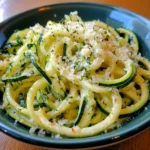



Okay, crafting a delicious and hearty meal that everyone in the family loves, especially when dietary preferences or health goals are involved, can sometimes feel like a culinary tightrope walk. For years, Bolognese sauce was a staple in our home, a rich, meaty comfort food that we all enjoyed. However, as we started exploring more plant-based options, I wanted to find a way to recreate that same satisfying depth of flavor and texture, but without the meat. Enter Lentil Bolognese. Honestly, I was a little skeptical at first. Could lentils truly replace ground beef and deliver that same robust, savory experience? The answer, as it turned out, was a resounding yes! The first time I simmered a pot of lentil Bolognese, the kitchen filled with that familiar, comforting aroma, but with a slightly earthier, sweeter note. The taste? Incredible. Rich, deeply flavorful, with a satisfyingly meaty texture thanks to the lentils. My family, initially hesitant about a “meatless” Bolognese, were completely won over. It’s now a regular dish in our rotation, loved by meat-eaters and vegetarians alike. It’s become my go-to for a healthy, hearty, and utterly delicious meal that’s both easy to make and incredibly versatile. If you are looking for a plant-based alternative to traditional Bolognese that doesn’t compromise on flavor or satisfaction, you absolutely must try this Lentil Bolognese recipe. Let’s explore everything you need to know to make the perfect lentil Bolognese at home.
Ingredients for a Rich and Flavorful Lentil Bolognese
Creating a truly exceptional Lentil Bolognese hinges on the quality and balance of its ingredients. While it’s a plant-based dish, don’t mistake simplicity for lack of depth. Each component plays a vital role in building the rich, savory, and satisfying character of this meatless marvel. Here’s a detailed look at the ingredients you’ll need:
- Lentils: 1 cup, dried, green or brown lentils. Lentils are the star of the show, providing the “meaty” texture and heartiness of this Bolognese. Green or brown lentils are ideal as they hold their shape well during cooking, mimicking the texture of ground meat. Red lentils, while quicker cooking, tend to become mushier and are less suitable for this recipe as they won’t provide the desired bite. Ensure you are using dried lentils, not canned. Rinse the lentils thoroughly under cold water before cooking to remove any debris or dust. The type of lentil you choose will subtly affect the final flavor profile; green lentils have a slightly peppery taste, while brown lentils are milder and earthier. Experiment to find your preference.
- Olive Oil: 2 tablespoons, extra virgin olive oil. Olive oil is essential for sautéing the vegetables and building the flavor base of the Bolognese. Extra virgin olive oil adds a fruity and slightly peppery note that enhances the overall taste. Use good quality olive oil for the best results. It also helps to create a richer mouthfeel in the sauce. You can substitute with other vegetable oils if needed, but olive oil is the traditional and preferred choice for Italian-inspired sauces.
- Onion: 1 large, diced. Onion is a foundational aromatic vegetable, providing sweetness and depth to the sauce. Yellow or white onions are both suitable. Dicing the onion into small, uniform pieces ensures it cooks evenly and blends seamlessly into the sauce. Sautéing the onion at the beginning is crucial for releasing its flavor and creating a flavorful foundation for the rest of the ingredients. Shallots can be used for a milder, more delicate onion flavor if preferred.
- Carrots: 2 medium, diced. Carrots contribute sweetness, color, and subtle earthy notes, adding complexity to the Bolognese. Medium-sized carrots, diced into pieces similar in size to the onion, will cook evenly and add a pleasant texture. Diced carrots also add a touch of visual appeal to the sauce. Baby carrots, roughly chopped, can be used for convenience. Carrots are a classic addition to Bolognese sauce, balancing the acidity of the tomatoes and the earthiness of the lentils.
- Celery: 2 stalks, diced. Celery, alongside onions and carrots, forms the classic “soffritto” or “mirepoix,” the aromatic base of many Italian sauces. Celery adds a subtle savory and slightly peppery flavor, contributing to the overall depth and complexity of the Bolognese. Dicing the celery stalks ensures they cook down and become tender, adding flavor without overpowering the other ingredients. Celery also provides a touch of freshness and lightness to the rich sauce.
- Garlic: 4-5 cloves, minced. Garlic is a flavor powerhouse, adding pungent and aromatic notes that enhance the overall taste of the Bolognese. Freshly minced garlic is always preferred for the best flavor. Adding the garlic towards the end of sautéing the vegetables prevents it from burning and ensures its flavor remains vibrant and present in the final sauce. Adjust the amount of garlic to your preference; some may prefer even more garlic for a bolder flavor. Roasted garlic can also be used for a sweeter, mellower garlic note.
- Dried Oregano: 1 teaspoon. Dried oregano is a classic Italian herb that provides a warm, slightly pungent, and aromatic flavor essential to Bolognese sauce. Oregano complements the tomatoes and lentils beautifully, adding a characteristic Italian herb note. You can also use fresh oregano (about 1 tablespoon, chopped) if preferred, adding it towards the end of cooking to preserve its fresh flavor.
- Dried Basil: 1 teaspoon. Dried basil is another staple Italian herb, adding a sweet, slightly peppery, and aromatic flavor that is essential to the classic Bolognese profile. Basil enhances the tomato and lentil flavors, creating a well-rounded and familiar Bolognese taste. Fresh basil (about 1 tablespoon, chopped) can also be used, added towards the end of cooking.
- Bay Leaf: 1-2 leaves. Bay leaves are crucial for adding depth and complexity to sauces and stews. They impart a subtle tea-like flavor that enhances the overall savory profile of the Bolognese. Remember to remove the bay leaves before serving the sauce as they are not meant to be eaten. Bay leaves work subtly in the background, adding a layer of flavor you might miss if they were absent.
- Red Wine: ½ cup, dry red wine. Red wine adds acidity, depth, and complexity to the Bolognese sauce. A dry red wine like Chianti, Cabernet Sauvignon, or Merlot works best. The alcohol cooks off during simmering, leaving behind the rich flavor of the wine. If you prefer to omit alcohol, you can substitute with an equal amount of vegetable broth or balsamic vinegar for a touch of acidity, though red wine contributes a unique depth that’s hard to replicate exactly.
- Crushed Tomatoes: 28 ounces, canned crushed tomatoes. Canned crushed tomatoes form the base of the tomato sauce, providing the essential tomato flavor and texture. Choose good quality crushed tomatoes for the best flavor. Fire-roasted crushed tomatoes can add a smoky depth to the sauce, while crushed tomatoes with basil and oregano can simplify seasoning if you prefer a more streamlined approach. Ensure you include the juice from the can, as it adds to the liquid volume and tomato flavor of the sauce.
- Vegetable Broth: 1-2 cups, low sodium vegetable broth. Vegetable broth provides the necessary liquid for simmering the Bolognese and helps to create the desired sauce consistency. Use low-sodium vegetable broth to control the salt level in the sauce. You can adjust the amount of broth depending on your desired sauce thickness – use less for a thicker sauce and more for a thinner, more sauce-like consistency. Homemade vegetable broth or a high-quality store-bought broth will enhance the overall flavor.
- Tomato Paste: 2 tablespoons, tomato paste. Tomato paste adds concentrated tomato flavor and richness to the sauce. It deepens the tomato taste and contributes to a richer, more complex flavor profile. Sautéing the tomato paste briefly with the vegetables helps to caramelize it slightly, enhancing its flavor even further.
- Balsamic Vinegar: 1 tablespoon, balsamic vinegar. Balsamic vinegar adds a touch of acidity and sweetness, balancing the richness of the sauce and enhancing the overall flavor complexity. It provides a subtle tang that brightens the other flavors. Use good quality balsamic vinegar for the best results.
- Salt and Black Pepper: To taste. Salt and black pepper are essential for seasoning and enhancing the flavors of all the other ingredients. Season generously with salt and pepper to taste, adjusting as needed throughout the cooking process. Start with a teaspoon of salt and ½ teaspoon of black pepper and adjust from there. Taste the sauce at various stages of cooking and season accordingly.
- Optional Garnishes: Fresh basil leaves, grated Parmesan cheese (or vegan Parmesan), red pepper flakes. Garnishes add a final touch of freshness, flavor, and visual appeal to the Bolognese. Fresh basil leaves add brightness and herbaceousness. Grated Parmesan cheese (or vegan Parmesan for a vegan option) adds a salty, umami-rich finish. Red pepper flakes add a touch of heat for those who prefer a spicier sauce. These garnishes are optional but highly recommended for enhancing the overall serving experience.
By carefully selecting these ingredients and using them in the right proportions, you’ll be well on your way to creating a deeply flavorful and satisfying Lentil Bolognese that rivals its meat-based counterpart.
Instructions: Crafting Your Perfect Pot of Lentil Bolognese
Creating a rich and flavorful pot of Lentil Bolognese is a rewarding culinary experience. Follow these detailed, step-by-step instructions to guide you through the process and achieve Bolognese perfection:
- Sauté Aromatics: In a large, heavy-bottomed pot or Dutch oven, heat the olive oil over medium heat. Add the diced onion, carrots, and celery. Cook, stirring occasionally, until the vegetables begin to soften, about 8-10 minutes. Sautéing these vegetables (soffritto) is the foundation of a flavorful Bolognese. Cook until the onions become translucent and the carrots and celery are slightly tender. Stir frequently to prevent burning and ensure even cooking.
- Add Garlic and Spices: Add the minced garlic, dried oregano, and dried basil to the pot. Cook for another minute until the garlic is fragrant. Cooking the garlic briefly with the herbs releases their aromas and enhances their flavors. Be careful not to burn the garlic; cook just until you can smell its fragrance.
- Stir in Tomato Paste: Add the tomato paste to the pot and cook for 2-3 minutes, stirring constantly. Cooking the tomato paste, or “pincage,” deepens its flavor and adds richness to the Bolognese. Stir continuously to prevent sticking and burning, and cook until the tomato paste darkens slightly and becomes fragrant.
- Deglaze with Red Wine: Pour in the red wine and scrape the bottom of the pot to deglaze, loosening any browned bits that have stuck to the bottom (fond). Cook until the wine has reduced by about half, about 5-7 minutes. Deglazing with red wine adds depth and complexity to the sauce and incorporates those flavorful browned bits. Simmer until the wine has mostly evaporated and the alcohol has cooked off.
- Add Lentils, Tomatoes, and Broth: Add the rinsed lentils, crushed tomatoes (with their juices), vegetable broth, and bay leaves to the pot. Stir well to combine all ingredients. Ensure the lentils are submerged in the liquid.
- Simmer the Bolognese: Bring the mixture to a simmer, then reduce the heat to low, cover the pot partially, and simmer gently for 45-60 minutes, or until the lentils are tender but still slightly firm and the sauce has thickened. Simmering allows the flavors to meld and deepen, and the lentils to cook through. The longer the Bolognese simmers, the richer and more flavorful it will become. Stir occasionally during simmering to prevent sticking and ensure even cooking. If the sauce becomes too thick during simmering, add a little more vegetable broth to reach your desired consistency.
- Stir in Balsamic Vinegar and Season: Stir in the balsamic vinegar. Remove the bay leaves. Taste the Bolognese and season with salt and black pepper to taste. Adjust seasoning as needed. Balsamic vinegar adds a final touch of brightness and acidity. Seasoning at the end is crucial to balance the flavors perfectly.
- Serve Hot: Serve the Lentil Bolognese hot over your favorite pasta, polenta, or zucchini noodles. Garnish with fresh basil leaves, grated Parmesan cheese (or vegan Parmesan), and red pepper flakes, if desired. Serving the Bolognese hot ensures optimal flavor and warmth. Garnishes add a finishing touch of freshness, flavor, and visual appeal.
Following these instructions methodically will lead you to create a pot of incredibly flavorful and satisfying Lentil Bolognese that is sure to become a new favorite. Enjoy the process and the delicious results!
Nutrition Facts: A Healthy and Protein-Packed Plant-Based Meal
Lentil Bolognese is not only a delicious and satisfying plant-based alternative to traditional Bolognese but also a nutritionally rich and healthy meal choice. It’s packed with protein, fiber, and essential vitamins and minerals, making it a wholesome and guilt-free indulgence.
(Nutritional Information is approximate and can vary based on specific ingredients and serving size. Values are generally per 1-cup serving):
- Serving Size: Approximately 1 cup of Lentil Bolognese
- Servings per Recipe: Approximately 6-8 servings (recipe yields a generous pot of sauce)
- Calories: Approximately 280-350 calories
- Protein: 15-20 grams
- Fat: 8-12 grams
- Saturated Fat: 1-2 grams
- Trans Fat: 0 grams
- Cholesterol: 0 mg
- Sodium: 400-600 mg (can vary based on broth and added salt)
- Carbohydrates: 40-50 grams
- Fiber: 15-20 grams
- Sugar: 8-12 grams (naturally occurring from vegetables and tomatoes)
Key Nutritional Highlights:
- Excellent Source of Plant-Based Protein: Lentils are a nutritional powerhouse, providing a significant amount of plant-based protein. Protein is essential for muscle building, repair, and overall satiety. Lentil Bolognese is a fantastic way for vegetarians and vegans to get a substantial dose of protein in their diet.
- High in Fiber: Lentils are also incredibly high in dietary fiber. Fiber is crucial for digestive health, helping to regulate bowel movements, prevent constipation, and promote a healthy gut microbiome. The high fiber content also contributes to feelings of fullness and satiety, aiding in weight management and preventing overeating.
- Rich in Vitamins and Minerals: Lentil Bolognese is packed with essential vitamins and minerals, including iron, folate, potassium, and magnesium. Iron is vital for energy production and oxygen transport. Folate is important for cell growth and development. Potassium helps regulate blood pressure. Magnesium is involved in numerous bodily functions.
- Low in Fat and Saturated Fat: Compared to traditional meat-based Bolognese, Lentil Bolognese is significantly lower in fat, especially saturated fat and cholesterol. This makes it a heart-healthy option, reducing the risk of heart disease and promoting cardiovascular health.
- Good Source of Complex Carbohydrates: Lentils provide complex carbohydrates, which are digested slowly and provide sustained energy release, preventing blood sugar spikes and crashes. Complex carbohydrates are a healthier source of energy compared to simple carbohydrates found in processed foods.
- Vegan and Vegetarian Friendly: Lentil Bolognese is naturally vegan and vegetarian, making it a suitable choice for individuals following plant-based diets or those looking to reduce their meat consumption.
Tips to Further Enhance Nutritional Value:
- Use Whole Wheat Pasta or Vegetable Noodles: Serve Lentil Bolognese over whole wheat pasta, zucchini noodles, spaghetti squash, or other vegetable noodles to further increase the fiber content and nutrient density of the meal.
- Add More Vegetables: Incorporate additional vegetables into the Bolognese, such as mushrooms, bell peppers, or spinach, to boost the vitamin and mineral content.
- Control Sodium: Use low-sodium vegetable broth and be mindful of added salt. Taste and season carefully to avoid over-salting.
- Limit Added Oil: While olive oil is healthy in moderation, you can reduce the overall fat content by using a minimal amount of olive oil for sautéing or by using water or vegetable broth for sautéing instead.
Lentil Bolognese is a nutritional powerhouse, offering a delicious and satisfying way to enjoy a plant-based meal that is both healthy and flavorful. It’s a smart choice for anyone looking to increase their intake of protein, fiber, and essential nutrients while reducing their consumption of meat and unhealthy fats.
Preparation Time: From Pantry to Plate in Under an Hour
One of the wonderful things about Lentil Bolognese is that it’s not only incredibly delicious and healthy but also relatively quick and easy to prepare, making it a perfect weeknight meal option.
- Active Preparation Time: Approximately 20-25 minutes. This includes the time spent chopping vegetables, sautéing aromatics, and measuring out ingredients. The chopping is the most time-consuming part of the active prep.
- Inactive Cooking Time (Simmering): Approximately 45-60 minutes. This is the time the Bolognese simmers on the stove, allowing the flavors to develop and the lentils to become tender. During this time, you are free to do other things while the sauce gently cooks.
- Total Preparation Time: Approximately 1 hour 5 minutes to 1 hour 25 minutes. From start to finish, you can have a pot of flavorful and hearty Lentil Bolognese ready in just over an hour, and often closer to an hour depending on your chopping speed and desired simmering time.
Time-Saving Tips:
- Pre-chop Vegetables: To speed up the active prep time, you can chop the onions, carrots, and celery ahead of time, even a day or two in advance. Store them in airtight containers in the refrigerator.
- Use Pre-minced Garlic: Using pre-minced garlic from a jar can save a few minutes of prep time, although freshly minced garlic will always have the best flavor.
- One-Pot Meal: Because everything cooks in one pot, cleanup is minimal, saving you time after cooking.
Perfect for Weeknights and Meal Prep:
The relatively short preparation time of Lentil Bolognese, combined with its make-ahead and freezer-friendly nature, makes it ideal for busy weeknights and meal prepping. You can easily prepare a large batch on the weekend and enjoy delicious and healthy meals throughout the week. It’s a flavorful and satisfying meal that doesn’t require a huge time commitment, making it a go-to for quick and healthy dinners.
How to Serve Lentil Bolognese: Versatile and Delicious Serving Ideas
Lentil Bolognese is incredibly versatile and can be served in numerous delicious ways beyond the classic pasta pairing. Its rich flavor and hearty texture make it a wonderful base for a variety of meals. Here are some creative and classic serving suggestions:
Classic Serving Ideas:
- Over Pasta: The most traditional and beloved way to serve Bolognese is over pasta. Classic choices include spaghetti, tagliatelle, pappardelle, or penne. Choose your favorite pasta shape and cook it according to package directions. Toss the cooked pasta with a generous ladle of Lentil Bolognese.
- With Polenta: Creamy polenta provides a wonderful, comforting base for Lentil Bolognese. The smooth texture of the polenta complements the hearty sauce beautifully. Spoon the Bolognese over cooked polenta for a satisfying and gluten-free option.
- Over Mashed Potatoes or Cauliflower Mash: For a cozy and comforting meal, serve Lentil Bolognese over mashed potatoes or cauliflower mash. This is a particularly great option during colder months.
- Stuffed Shells or Manicotti: Use Lentil Bolognese as a filling for stuffed shells or manicotti. Combine the Bolognese with ricotta cheese and herbs, stuff into pasta shells, top with more sauce and cheese, and bake until bubbly and golden.
- Lasagna Filling: Substitute Lentil Bolognese for the meat sauce in lasagna for a vegetarian or vegan lasagna. Layer the Bolognese with pasta sheets, ricotta (or vegan ricotta), and vegetables for a hearty and satisfying lasagna.
Creative Serving Ideas:
- Bolognese Stuffed Baked Potatoes: Bake potatoes until tender, then split them open and top with a generous spoonful of Lentil Bolognese and your favorite toppings like vegan sour cream or chives.
- Bolognese Sloppy Joes: Use Lentil Bolognese as a vegetarian filling for sloppy joes. Serve it on toasted buns with your favorite sloppy joe toppings.
- Bolognese Chili: Add beans (kidney beans, black beans) and corn to Lentil Bolognese and simmer for a hearty and flavorful chili. Top with vegan cheese, avocado, and cilantro.
- Bolognese Pizza Topping: Use Lentil Bolognese as a flavorful and hearty pizza topping. Spread it over pizza dough, top with vegetables and vegan cheese, and bake until crust is golden and cheese is melted.
- Bolognese Shepherd’s Pie Topping: Use Lentil Bolognese as the base for a vegetarian shepherd’s pie. Top it with mashed potatoes or sweet potato mash and bake until golden brown.
- Bolognese Bruschetta: Toast slices of crusty bread, and top with a spoonful of warm Lentil Bolognese for a delicious appetizer or light meal.
Garnishing Ideas:
- Fresh Basil Leaves: Fresh basil leaves are a classic garnish for Bolognese, adding a pop of fresh flavor and vibrant green color.
- Grated Parmesan Cheese (or Vegan Parmesan): Grated Parmesan cheese (or vegan Parmesan for a vegan option) adds a salty, umami-rich finish.
- Red Pepper Flakes: Red pepper flakes add a touch of heat for those who prefer a spicier sauce.
- Dollop of Vegan Sour Cream or Cashew Cream: A dollop of vegan sour cream or cashew cream adds creaminess and a slightly tangy counterpoint to the rich sauce.
- Chopped Parsley: Chopped parsley adds a fresh, herbaceous touch.
By exploring these diverse serving suggestions, you can enjoy Lentil Bolognese in countless delicious ways and incorporate it into a variety of meals beyond just pasta night.
Additional Tips for Perfect Lentil Bolognese
To consistently create exceptional Lentil Bolognese that is packed with flavor and perfectly textured, keep these helpful tips in mind:
- Don’t Overcook the Lentils: The key to a great Lentil Bolognese is to cook the lentils until they are tender but still slightly firm, not mushy. Overcooked lentils will lose their texture and become too soft, resulting in a less appealing sauce. Check for doneness around the 45-minute mark and continue simmering until they reach the desired texture.
- Sauté Tomato Paste Properly: Cooking the tomato paste (pincage) is crucial for deepening its flavor and adding richness to the Bolognese. Don’t skip this step. Sauté the tomato paste for 2-3 minutes, stirring constantly, until it darkens slightly and becomes fragrant. This step intensifies the tomato flavor and eliminates any raw tomato taste.
- Simmer Low and Slow for Flavor Development: Simmering the Bolognese gently over low heat for at least 45 minutes to an hour is essential for allowing the flavors to meld and deepen. Patience is key here. The longer it simmers, the richer and more complex the sauce will become. Low and slow simmering is the secret to a truly exceptional Bolognese.
- Taste and Adjust Seasoning Throughout: Seasoning is paramount for a flavorful Bolognese. Taste the sauce at various stages of cooking, especially after simmering, and adjust the salt, pepper, herbs, and balsamic vinegar as needed. Don’t be afraid to season generously, but start with a reasonable amount and add more gradually, tasting as you go.
- Make it Ahead of Time (Flavors Deepen!): Lentil Bolognese is even more delicious the next day. Making it ahead of time allows the flavors to meld and deepen even further in the refrigerator. This makes it a perfect dish for meal prepping or for making ahead for gatherings. The flavors will continue to develop and harmonize overnight, resulting in an even richer and more complex sauce.
By following these additional tips, you’ll be well on your way to consistently making a truly outstanding pot of Lentil Bolognese that’s bursting with flavor and sure to impress even the most discerning palates.
Frequently Asked Questions (FAQ) About Lentil Bolognese
Here are some common questions people have about making and enjoying Lentil Bolognese:
Q1: Can I use red lentils in this recipe?
A: While you can use red lentils, it’s generally not recommended for Lentil Bolognese. Red lentils cook much faster and tend to become mushy when simmered for an extended period, which is necessary for Bolognese. Green or brown lentils are preferred as they hold their shape better and provide a more desirable, slightly firm texture that mimics ground meat. If you do use red lentils, reduce the simmering time significantly and be aware that the texture will be softer and less “meaty.”
Q2: Is Lentil Bolognese vegan?
A: Yes, this Lentil Bolognese recipe as written is vegan, assuming you use vegetable broth and omit any non-vegan garnishes like Parmesan cheese. It relies entirely on plant-based ingredients and contains no animal products. It’s a naturally vegan and vegetarian-friendly dish.
Q3: Can I freeze Lentil Bolognese?
A: Yes, Lentil Bolognese freezes exceptionally well, making it a fantastic option for meal prepping or storing leftovers for future meals. Allow the Bolognese to cool completely before transferring it to freezer-safe containers or freezer bags. Frozen Bolognese can be stored in the freezer for up to 2-3 months. Thaw overnight in the refrigerator before reheating on the stovetop or in the microwave. Freezing does not significantly impact the flavor or texture of the sauce.
Q4: I don’t have red wine, can I substitute something else?
A: If you don’t have red wine, you can substitute it with an equal amount of vegetable broth or balsamic vinegar. Vegetable broth will add liquid but won’t provide the same depth of flavor as red wine. Balsamic vinegar will add acidity and a touch of sweetness, which can mimic some of the complexity of red wine, but red wine contributes a unique depth that’s hard to replicate perfectly. For a non-alcoholic substitution that offers more depth, consider using dealcoholized red wine if available.
Q5: Can I make Lentil Bolognese in a slow cooker or Instant Pot?
A: Yes, you can adapt this recipe for a slow cooker or Instant Pot.
- Slow Cooker: Sauté the onions, carrots, celery, garlic, and tomato paste in a skillet on the stovetop as instructed in steps 1-3 of the recipe. Then, transfer the sautéed vegetables to a slow cooker along with the remaining ingredients (lentils, red wine, crushed tomatoes, vegetable broth, bay leaves, oregano, basil, salt, pepper). Cook on low for 6-8 hours or on high for 3-4 hours, or until lentils are tender. Stir in balsamic vinegar before serving.
- Instant Pot: Use the sauté function to sauté the onions, carrots, celery, garlic, and tomato paste as instructed in steps 1-3. Deglaze with red wine using the sauté function. Add the remaining ingredients (lentils, crushed tomatoes, vegetable broth, bay leaves, oregano, basil, salt, pepper). Secure the lid and cook on manual high pressure for 15 minutes, followed by a natural pressure release for 10 minutes, then quick release any remaining pressure. Stir in balsamic vinegar before serving.
Both methods offer convenient ways to make Lentil Bolognese with minimal hands-on time.
Print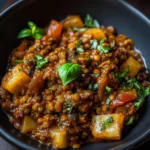
Lentil Bolognese recipe
Ingredients
- Lentils: 1 cup, dried, green or brown lentils. Lentils are the star of the show, providing the “meaty” texture and heartiness of this Bolognese. Green or brown lentils are ideal as they hold their shape well during cooking, mimicking the texture of ground meat. Red lentils, while quicker cooking, tend to become mushier and are less suitable for this recipe as they won’t provide the desired bite. Ensure you are using dried lentils, not canned. Rinse the lentils thoroughly under cold water before cooking to remove any debris or dust. The type of lentil you choose will subtly affect the final flavor profile; green lentils have a slightly peppery taste, while brown lentils are milder and earthier. Experiment to find your preference.
- Olive Oil: 2 tablespoons, extra virgin olive oil. Olive oil is essential for sautéing the vegetables and building the flavor base of the Bolognese. Extra virgin olive oil adds a fruity and slightly peppery note that enhances the overall taste. Use good quality olive oil for the best results. It also helps to create a richer mouthfeel in the sauce. You can substitute with other vegetable oils if needed, but olive oil is the traditional and preferred choice for Italian-inspired sauces.
- Onion: 1 large, diced. Onion is a foundational aromatic vegetable, providing sweetness and depth to the sauce. Yellow or white onions are both suitable. Dicing the onion into small, uniform pieces ensures it cooks evenly and blends seamlessly into the sauce. Sautéing the onion at the beginning is crucial for releasing its flavor and creating a flavorful foundation for the rest of the ingredients. Shallots can be used for a milder, more delicate onion flavor if preferred.
- Carrots: 2 medium, diced. Carrots contribute sweetness, color, and subtle earthy notes, adding complexity to the Bolognese. Medium-sized carrots, diced into pieces similar in size to the onion, will cook evenly and add a pleasant texture. Diced carrots also add a touch of visual appeal to the sauce. Baby carrots, roughly chopped, can be used for convenience. Carrots are a classic addition to Bolognese sauce, balancing the acidity of the tomatoes and the earthiness of the lentils.
- Celery: 2 stalks, diced. Celery, alongside onions and carrots, forms the classic “soffritto” or “mirepoix,” the aromatic base of many Italian sauces. Celery adds a subtle savory and slightly peppery flavor, contributing to the overall depth and complexity of the Bolognese. Dicing the celery stalks ensures they cook down and become tender, adding flavor without overpowering the other ingredients. Celery also provides a touch of freshness and lightness to the rich sauce.
- Garlic: 4-5 cloves, minced. Garlic is a flavor powerhouse, adding pungent and aromatic notes that enhance the overall taste of the Bolognese. Freshly minced garlic is always preferred for the best flavor. Adding the garlic towards the end of sautéing the vegetables prevents it from burning and ensures its flavor remains vibrant and present in the final sauce. Adjust the amount of garlic to your preference; some may prefer even more garlic for a bolder flavor. Roasted garlic can also be used for a sweeter, mellower garlic note.
- Dried Oregano: 1 teaspoon. Dried oregano is a classic Italian herb that provides a warm, slightly pungent, and aromatic flavor essential to Bolognese sauce. Oregano complements the tomatoes and lentils beautifully, adding a characteristic Italian herb note. You can also use fresh oregano (about 1 tablespoon, chopped) if preferred, adding it towards the end of cooking to preserve its fresh flavor.
- Dried Basil: 1 teaspoon. Dried basil is another staple Italian herb, adding a sweet, slightly peppery, and aromatic flavor that is essential to the classic Bolognese profile. Basil enhances the tomato and lentil flavors, creating a well-rounded and familiar Bolognese taste. Fresh basil (about 1 tablespoon, chopped) can also be used, added towards the end of cooking.
- Bay Leaf: 1-2 leaves. Bay leaves are crucial for adding depth and complexity to sauces and stews. They impart a subtle tea-like flavor that enhances the overall savory profile of the Bolognese. Remember to remove the bay leaves before serving the sauce as they are not meant to be eaten. Bay leaves work subtly in the background, adding a layer of flavor you might miss if they were absent.
- Red Wine: ½ cup, dry red wine. Red wine adds acidity, depth, and complexity to the Bolognese sauce. A dry red wine like Chianti, Cabernet Sauvignon, or Merlot works best. The alcohol cooks off during simmering, leaving behind the rich flavor of the wine. If you prefer to omit alcohol, you can substitute with an equal amount of vegetable broth or balsamic vinegar for a touch of acidity, though red wine contributes a unique depth that’s hard to replicate exactly.
- Crushed Tomatoes: 28 ounces, canned crushed tomatoes. Canned crushed tomatoes form the base of the tomato sauce, providing the essential tomato flavor and texture. Choose good quality crushed tomatoes for the best flavor. Fire-roasted crushed tomatoes can add a smoky depth to the sauce, while crushed tomatoes with basil and oregano can simplify seasoning if you prefer a more streamlined approach. Ensure you include the juice from the can, as it adds to the liquid volume and tomato flavor of the sauce.
- Vegetable Broth: 1-2 cups, low sodium vegetable broth. Vegetable broth provides the necessary liquid for simmering the Bolognese and helps to create the desired sauce consistency. Use low-sodium vegetable broth to control the salt level in the sauce. You can adjust the amount of broth depending on your desired sauce thickness – use less for a thicker sauce and more for a thinner, more sauce-like consistency. Homemade vegetable broth or a high-quality store-bought broth will enhance the overall flavor.
- Tomato Paste: 2 tablespoons, tomato paste. Tomato paste adds concentrated tomato flavor and richness to the sauce. It deepens the tomato taste and contributes to a richer, more complex flavor profile. Sautéing the tomato paste briefly with the vegetables helps to caramelize it slightly, enhancing its flavor even further.
- Balsamic Vinegar: 1 tablespoon, balsamic vinegar. Balsamic vinegar adds a touch of acidity and sweetness, balancing the richness of the sauce and enhancing the overall flavor complexity. It provides a subtle tang that brightens the other flavors. Use good quality balsamic vinegar for the best results.
- Salt and Black Pepper: To taste. Salt and black pepper are essential for seasoning and enhancing the flavors of all the other ingredients. Season generously with salt and pepper to taste, adjusting as needed throughout the cooking process. Start with a teaspoon of salt and ½ teaspoon of black pepper and adjust from there. Taste the sauce at various stages of cooking and season accordingly.
- Optional Garnishes: Fresh basil leaves, grated Parmesan cheese (or vegan Parmesan), red pepper flakes. Garnishes add a final touch of freshness, flavor, and visual appeal to the Bolognese. Fresh basil leaves add brightness and herbaceousness. Grated Parmesan cheese (or vegan Parmesan for a vegan option) adds a salty, umami-rich finish. Red pepper flakes add a touch of heat for those who prefer a spicier sauce. These garnishes are optional but highly recommended for enhancing the overall serving experience.
Instructions
- Sauté Aromatics: In a large, heavy-bottomed pot or Dutch oven, heat the olive oil over medium heat. Add the diced onion, carrots, and celery. Cook, stirring occasionally, until the vegetables begin to soften, about 8-10 minutes. Sautéing these vegetables (soffritto) is the foundation of a flavorful Bolognese. Cook until the onions become translucent and the carrots and celery are slightly tender. Stir frequently to prevent burning and ensure even cooking.
- Add Garlic and Spices: Add the minced garlic, dried oregano, and dried basil to the pot. Cook for another minute until the garlic is fragrant. Cooking the garlic briefly with the herbs releases their aromas and enhances their flavors. Be careful not to burn the garlic; cook just until you can smell its fragrance.
- Stir in Tomato Paste: Add the tomato paste to the pot and cook for 2-3 minutes, stirring constantly. Cooking the tomato paste, or “pincage,” deepens its flavor and adds richness to the Bolognese. Stir continuously to prevent sticking and burning, and cook until the tomato paste darkens slightly and becomes fragrant.
- Deglaze with Red Wine: Pour in the red wine and scrape the bottom of the pot to deglaze, loosening any browned bits that have stuck to the bottom (fond). Cook until the wine has reduced by about half, about 5-7 minutes. Deglazing with red wine adds depth and complexity to the sauce and incorporates those flavorful browned bits. Simmer until the wine has mostly evaporated and the alcohol has cooked off.
- Add Lentils, Tomatoes, and Broth: Add the rinsed lentils, crushed tomatoes (with their juices), vegetable broth, and bay leaves to the pot. Stir well to combine all ingredients. Ensure the lentils are submerged in the liquid.
- Simmer the Bolognese: Bring the mixture to a simmer, then reduce the heat to low, cover the pot partially, and simmer gently for 45-60 minutes, or until the lentils are tender but still slightly firm and the sauce has thickened. Simmering allows the flavors to meld and deepen, and the lentils to cook through. The longer the Bolognese simmers, the richer and more flavorful it will become. Stir occasionally during simmering to prevent sticking and ensure even cooking. If the sauce becomes too thick during simmering, add a little more vegetable broth to reach your desired consistency.
- Stir in Balsamic Vinegar and Season: Stir in the balsamic vinegar. Remove the bay leaves. Taste the Bolognese and season with salt and black pepper to taste. Adjust seasoning as needed. Balsamic vinegar adds a final touch of brightness and acidity. Seasoning at the end is crucial to balance the flavors perfectly.
- Serve Hot: Serve the Lentil Bolognese hot over your favorite pasta, polenta, or zucchini noodles. Garnish with fresh basil leaves, grated Parmesan cheese (or vegan Parmesan), and red pepper flakes, if desired. Serving the Bolognese hot ensures optimal flavor and warmth. Garnishes add a finishing touch of freshness, flavor, and visual appeal.
Nutrition
- Serving Size: one normal portion
- Calories: 280-350
- Sugar: 8-12 grams
- Sodium: 400-600 mg
- Fat: 8-12 grams
- Saturated Fat: 1-2 grams
- Carbohydrates: 40-50 grams
- Fiber: 15-20 grams
- Protein: 15-20 grams