
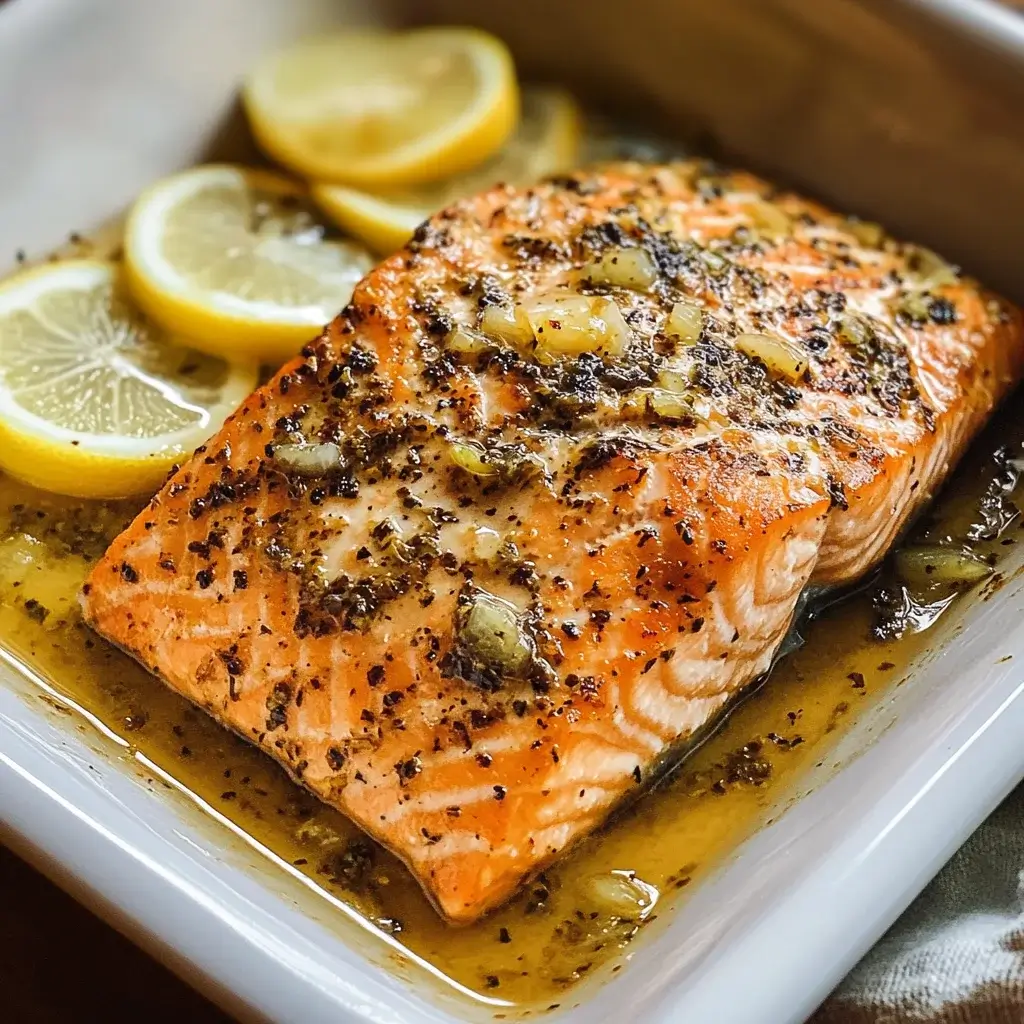
Weeknights can be hectic, and sometimes the last thing you want to do is spend hours in the kitchen. But that doesn’t mean you have to sacrifice delicious, healthy meals. Enter my absolute weeknight savior: Lemon-Pepper Salmon.
Honestly, for years, I was intimidated by cooking fish, especially salmon. I always thought it was too delicate, too easy to overcook, and frankly, just a bit too “fancy” for my everyday cooking repertoire. Boy, was I wrong!
The first time I tried Lemon-Pepper Salmon, it was a revelation. The simplicity of the recipe blew me away. Just a handful of ingredients, minimal prep time, and bam – you have this incredibly flavorful, flaky, and healthy dish that tastes like it came straight out of a restaurant.
What I love most about this recipe is its versatility. Whether you bake it, pan-sear it, or even grill it, the lemon-pepper seasoning infuses the salmon with this bright, zesty, and slightly spicy flavor that is just irresistible. The lemon juice keeps the salmon moist and tender, while the pepper adds a lovely warmth that isn’t overpowering.
My family has completely embraced Lemon-Pepper Salmon night. Even my kids, who can sometimes be picky eaters, devour it. It’s become a regular feature on our dinner table, and I’m constantly experimenting with different sides and variations to keep things interesting.
If you’re looking for a foolproof, flavorful, and healthy salmon recipe that’s perfect for weeknights but impressive enough for guests, look no further. This Lemon-Pepper Salmon is a guaranteed winner. Get ready to fall in love with the simplicity and deliciousness of this kitchen staple!
Ingredients: The Zesty Symphony for Your Lemon-Pepper Salmon
Creating the perfect Lemon-Pepper Salmon is all about highlighting the natural flavors of the fish with a vibrant and aromatic seasoning blend. Here’s a detailed list of the ingredients you’ll need to achieve that restaurant-quality taste at home:
- Salmon Fillets:
- 1.5 – 2 pounds salmon fillets, skin on or off: Salmon is the star of this dish, and choosing good quality fillets is key. You can use either skin-on or skin-off fillets depending on your preference. Skin-on salmon tends to be slightly more forgiving when cooked, as the skin protects the flesh from drying out. Skin-off salmon cooks a bit quicker and is preferred by some for easier serving. Look for salmon fillets that are firm, vibrant in color, and have a fresh, clean smell. Sockeye, Coho, or Atlantic salmon all work wonderfully.
- Lemon:
- 2 lemons: Lemons are essential for this recipe, providing both juice and zest. You’ll need one lemon for juicing and zesting, and the other for slicing and serving. Choose lemons that are firm, heavy for their size, and have a bright yellow color.
- Lemon-Pepper Seasoning:
- 2 tablespoons lemon-pepper seasoning: This is the flavor powerhouse of the recipe, providing the signature zesty and peppery notes. You can find lemon-pepper seasoning in most grocery stores. For the best flavor, choose a high-quality lemon-pepper seasoning that is not overly salty. If you prefer, you can also make your own lemon-pepper seasoning blend (recipe below).
- Olive Oil:
- 2 tablespoons olive oil: Olive oil adds moisture, helps the seasoning adhere to the salmon, and contributes to a beautiful sear when pan-searing or baking. Extra virgin olive oil is a great choice for its flavor and health benefits.
- Garlic Powder (Optional, for extra depth):
- 1 teaspoon garlic powder (optional): Garlic powder is an optional ingredient, but it adds a subtle savory depth that complements the lemon and pepper flavors beautifully. If you love garlic, a touch of garlic powder will enhance the overall taste.
- Fresh Parsley (Optional, for garnish):
- Fresh parsley, chopped (optional, for garnish): Fresh parsley adds a pop of color and a fresh, herbaceous note that brightens up the dish. It’s primarily for garnish but adds a lovely finishing touch.
- Salt (to taste):
- Salt (to taste): Salt enhances the flavors of all the ingredients. Taste the salmon after seasoning and add salt as needed. Remember that lemon-pepper seasoning often contains salt, so taste before adding more. Sea salt or kosher salt are good choices.
- Black Pepper (to taste, optional):
- Black pepper (to taste, optional): While lemon-pepper seasoning contains pepper, you can add a pinch of freshly ground black pepper for extra peppery kick, if desired.
Ingredient Notes and Potential Substitutions:
- Salmon: You can use fresh or frozen salmon fillets. If using frozen salmon, thaw it completely in the refrigerator overnight before cooking.
- Lemon-Pepper Seasoning: If you can’t find lemon-pepper seasoning, you can make your own! Combine 1 tablespoon black peppercorns (coarsely cracked), 1 tablespoon dried lemon zest, 1 teaspoon granulated garlic, and ½ teaspoon salt. Adjust ratios to your preference. Alternatively, you can use freshly ground black pepper and lemon zest separately, but pre-made lemon-pepper seasoning offers a convenient and balanced blend.
- Olive Oil: You can substitute olive oil with avocado oil, grapeseed oil, or melted butter.
- Garlic Powder: Freshly minced garlic can be used instead of garlic powder. Sauté minced garlic briefly in olive oil before adding salmon for pan-searing or baking.
- Fresh Herbs: Instead of parsley, you can garnish with fresh dill, chives, or thyme, all of which pair well with salmon and lemon.
Having high-quality ingredients and understanding their role in the recipe will set you up for success in creating a truly delicious Lemon-Pepper Salmon dish. Now, let’s move on to the step-by-step instructions for cooking your salmon to perfection.
Instructions: Mastering Lemon-Pepper Salmon – Three Delicious Ways
Lemon-Pepper Salmon is incredibly versatile and can be cooked using various methods. Here, we’ll explore three popular and foolproof techniques: baking, pan-searing, and grilling. Choose the method that best suits your preference and equipment.
Method 1: Baking Lemon-Pepper Salmon (Oven-Baked)
Baking is a hands-off and healthy method that results in moist and tender salmon.
- Preheat your oven to 400°F (200°C). Preheating ensures the oven is at the correct temperature for even cooking.
- Prepare a baking sheet: Line a baking sheet with parchment paper or foil for easy cleanup. Parchment paper prevents sticking and foil makes cleanup quicker.
- Prepare the salmon: Pat the salmon fillets dry with paper towels. This helps the seasoning adhere and promotes better browning, especially if baking skin-on salmon.
- Season the salmon: Place the salmon fillets on the prepared baking sheet. Drizzle olive oil evenly over the salmon. In a small bowl, combine lemon-pepper seasoning and garlic powder (if using). Sprinkle the lemon-pepper seasoning mixture evenly over both sides of the salmon fillets, pressing lightly to adhere. Squeeze fresh lemon juice over the salmon fillets.
- Bake the salmon: Bake in the preheated oven for 12-15 minutes, or until the salmon is cooked through and flakes easily with a fork. Cooking time will vary depending on the thickness of the fillets. Start checking for doneness around 12 minutes. The internal temperature should reach 145°F (63°C).
- Broil for extra browning (optional): For a more browned and slightly crispy top, you can broil the salmon for the last 1-2 minutes of cooking. Watch carefully to prevent burning.
- Garnish and serve: Remove the salmon from the oven and let it rest for a minute or two. Garnish with fresh parsley and lemon slices. Serve immediately.
Method 2: Pan-Searing Lemon-Pepper Salmon (Stovetop)
Pan-searing creates a beautiful crispy skin (if using skin-on salmon) and a flavorful, slightly caramelized exterior.
- Prepare the salmon: Pat the salmon fillets dry with paper towels. Season both sides of the salmon fillets with lemon-pepper seasoning, garlic powder (if using), and salt to taste.
- Heat olive oil in a skillet: Heat olive oil in a large skillet over medium-high heat. Use a skillet that is large enough to comfortably fit the salmon fillets without overcrowding. Cast iron or stainless steel skillets work well.
- Sear the salmon: Once the oil is hot and shimmering, carefully place the salmon fillets skin-side down (if using skin-on salmon) in the hot skillet. Sear for 4-5 minutes, or until the skin is crispy and golden brown, and the sides of the salmon are cooked about halfway up. Avoid moving the salmon around too much during the initial searing to allow for proper browning.
- Flip and cook through: Flip the salmon fillets and cook for another 3-5 minutes, or until the salmon is cooked through and flakes easily with a fork. The cooking time will depend on the thickness of the fillets. Squeeze fresh lemon juice over the salmon during the last minute of cooking.
- Rest and serve: Remove the salmon from the skillet and let it rest for a minute or two. Garnish with fresh parsley and lemon slices. Serve immediately.
Method 3: Grilling Lemon-Pepper Salmon (Outdoor Grill)
Grilling imparts a smoky flavor and creates beautiful grill marks on the salmon.
- Preheat your grill: Preheat your grill to medium-high heat. Clean and oil the grill grates to prevent sticking.
- Prepare the salmon: Pat the salmon fillets dry with paper towels. Season both sides of the salmon fillets with olive oil, lemon-pepper seasoning, and garlic powder (if using).
- Grill the salmon: Place the salmon fillets skin-side down (if using skin-on salmon) directly on the hot grill grates. Grill for 4-6 minutes per side, or until the salmon is cooked through and flakes easily with a fork. Grilling time will vary depending on the thickness of the fillets and the heat of your grill. Avoid flipping the salmon too often.
- Lemon juice and serve: Squeeze fresh lemon juice over the grilled salmon just before removing from the grill.
- Rest and serve: Remove the salmon from the grill and let it rest for a minute or two. Garnish with fresh parsley and lemon slices. Serve immediately.
Tips for Perfectly Cooked Salmon (All Methods):
- Don’t overcook: Salmon is best cooked to medium or medium-well. Overcooked salmon will be dry and tough. It should be opaque and flake easily when gently pressed with a fork.
- Use a thermometer (optional but recommended): For guaranteed doneness, use a meat thermometer to check the internal temperature of the thickest part of the salmon. It should reach 145°F (63°C).
- Rest the salmon: Letting the salmon rest for a minute or two after cooking allows the juices to redistribute, resulting in more moist and flavorful fish.
- Start with a hot cooking surface: Whether baking, searing, or grilling, ensure your oven, skillet, or grill is properly preheated before adding the salmon. This helps to create a nice sear and cook the salmon evenly.
With these detailed instructions for baking, pan-searing, and grilling, you can confidently cook Lemon-Pepper Salmon using your preferred method and achieve delicious results every time. Now let’s explore the nutritional benefits of this healthy and flavorful dish.
Nutrition Facts: A Healthy and Delicious Choice
Lemon-Pepper Salmon is not only incredibly flavorful but also packed with nutrients, making it a healthy and wholesome meal option. Here’s a general nutritional breakdown for a serving of Lemon-Pepper Salmon (approximately 4-6 ounces cooked salmon):
Serving Size: Approximately 4-6 ounces (113-170 grams) cooked salmon
Approximate Nutritional Values Per Serving:
- Calories: 250-350 kcal (depending on salmon type and fat content)
- Protein: 30-40 grams
- Fat: 12-20 grams
- Saturated Fat: 2-4 grams
- Unsaturated Fat: 8-16 grams (primarily healthy omega-3 fatty acids)
- Cholesterol: 80-100 mg
- Sodium: 200-400 mg (depending on seasoning and added salt)
- Carbohydrates: 1-2 grams (negligible, mostly from lemon)
- Fiber: 0 grams
- Sugar: 0-1 gram
- Vitamins and Minerals:
- Omega-3 Fatty Acids: Excellent source (EPA and DHA) – crucial for heart health, brain function, and reducing inflammation.
- Vitamin D: Excellent source – important for bone health, immune function, and mood regulation.
- Vitamin B12: Excellent source – essential for nerve function, red blood cell formation, and DNA synthesis.
- Selenium: Excellent source – a powerful antioxidant that supports thyroid function and immune health.
- Potassium: Good source – important for blood pressure regulation and muscle function.
- Niacin (Vitamin B3): Good source – involved in energy metabolism and nervous system function.
- Phosphorus: Good source – essential for bone health and energy production.
Health Benefits of Lemon-Pepper Salmon:
- Heart Health: Salmon is rich in omega-3 fatty acids, which are known to lower triglycerides, reduce blood pressure, and decrease the risk of heart disease and stroke.
- Brain Health: Omega-3 fatty acids are also crucial for brain function, memory, and cognitive health. Regular salmon consumption may help improve mood and reduce the risk of age-related cognitive decline.
- Anti-Inflammatory Properties: Omega-3 fatty acids have potent anti-inflammatory effects, which can help reduce chronic inflammation associated with various diseases like arthritis, heart disease, and certain cancers.
- High in Protein: Salmon is an excellent source of high-quality protein, essential for building and repairing tissues, supporting muscle mass, and promoting satiety.
- Rich in Vitamins and Minerals: Salmon is packed with essential vitamins and minerals like Vitamin D, Vitamin B12, selenium, and potassium, contributing to overall health and well-being.
- Relatively Low in Calories and Carbohydrates: Salmon is a relatively low-calorie and low-carbohydrate protein source, making it a great choice for weight management and balanced diets.
- Lemon and Pepper Benefits: Lemon provides Vitamin C and antioxidants, while pepper adds flavor and may have some antioxidant properties.
Making it Even Healthier:
- Choose Wild-Caught Salmon: Wild-caught salmon is often leaner and may have a higher omega-3 content compared to farmed salmon.
- Use Minimal Oil: Use a minimal amount of olive oil for cooking to reduce added fat, especially when baking or grilling.
- Pair with Healthy Sides: Serve Lemon-Pepper Salmon with non-starchy vegetables like steamed broccoli, roasted asparagus, or a green salad to create a balanced and nutritious meal.
- Limit Added Salt: Be mindful of the salt content in lemon-pepper seasoning and added salt. Use salt sparingly and rely on herbs and spices for flavor enhancement.
Incorporating Lemon-Pepper Salmon into your diet regularly is a delicious and effective way to boost your intake of essential nutrients and enjoy the numerous health benefits of this amazing fish.
Preparation Time: From Prep to Plate in Minutes
One of the biggest advantages of Lemon-Pepper Salmon is its incredibly quick preparation and cooking time, making it perfect for busy weeknights. Here’s a breakdown of the estimated time involved:
Total Time: Approximately 20-30 minutes
Breakdown:
- Prep Time: 5-10 minutes
- Patting Salmon Dry: 1-2 minutes
- Seasoning Salmon: 2-3 minutes
- Slicing Lemon (optional): 2-3 minutes
- Chopping Parsley (optional): 1-2 minutes
- Cook Time: 12-15 minutes (baking), 7-10 minutes (pan-searing), 8-12 minutes (grilling)
- Baking: 12-15 minutes
- Pan-Searing: 7-10 minutes
- Grilling: 8-12 minutes
- Resting Time: 1-2 minutes
Time-Saving Tips:
- Use Skin-Off Salmon (if preferred): Skin-off salmon cooks slightly faster.
- Pre-chop Parsley and Slice Lemon (if preparing ahead): You can prep these garnishes in advance and store them in the refrigerator.
- Choose Pan-Searing or Grilling for Fastest Cooking: Pan-searing and grilling generally cook salmon faster than baking.
- Minimal Prep, Maximum Flavor: The beauty of this recipe is its simplicity. With just a few ingredients and minimal prep, you can have a flavorful and healthy meal on the table quickly.
Make-Ahead Tips:
- Season Salmon Ahead: You can season the salmon fillets up to 30 minutes ahead of time and keep them refrigerated until ready to cook. This allows the flavors to meld slightly.
- Prepare Side Dishes in Advance: While the salmon cooks quickly, you can prepare your side dishes ahead of time. Roasted vegetables can be prepped and ready to go into the oven or grill alongside the salmon. Salads can be assembled ahead of time and dressed just before serving.
With such a short preparation and cooking time, Lemon-Pepper Salmon is a lifesaver for busy weeknights. You can have a healthy, delicious, and impressive meal on the table in under 30 minutes, making it a perfect choice for quick and easy dinners.
How to Serve: Perfect Pairings for Lemon-Pepper Salmon
Lemon-Pepper Salmon is a versatile dish that pairs beautifully with a wide variety of side dishes. Here are some delicious serving suggestions to create a complete and satisfying meal:
Vegetable Side Dishes:
- Roasted Asparagus:
- Why it works: Asparagus is a classic pairing with salmon. Roasting brings out its natural sweetness and tender-crisp texture. A drizzle of lemon juice and olive oil complements the salmon perfectly.
- Steamed Broccoli:
- Why it works: Broccoli is a healthy and simple side that provides a nice contrast in texture and color to the salmon. Steaming keeps it tender-crisp and retains its nutrients.
- Garlic Green Beans:
- Why it works: Green beans sautéed with garlic offer a flavorful and vibrant green side dish. The garlic notes complement the lemon and pepper in the salmon.
- Roasted Brussels Sprouts:
- Why it works: Roasted Brussels sprouts become caramelized and slightly sweet, offering a delicious earthy counterpoint to the bright salmon.
- Lemon Herb Roasted Potatoes:
- Why it works: Roasted potatoes, especially with lemon and herbs like rosemary or thyme, create a hearty and flavorful side that complements the salmon beautifully.
Grain and Starch Side Dishes:
- Quinoa:
- Why it works: Quinoa is a healthy and protein-rich grain that provides a light and fluffy base for the salmon. Its mild flavor allows the lemon-pepper salmon to shine.
- Brown Rice:
- Why it works: Brown rice is a whole grain option that adds fiber and a nutty flavor. It’s a hearty and satisfying side dish.
- Couscous:
- Why it works: Couscous is a light and fluffy pasta alternative that cooks quickly. It can be flavored with herbs and lemon zest to complement the salmon.
- Garlic Parmesan Risotto:
- Why it works: For a more indulgent meal, creamy garlic Parmesan risotto is a luxurious side dish that pairs wonderfully with the lemon-pepper salmon.
Salad Side Dishes:
- Simple Green Salad with Lemon Vinaigrette:
- Why it works: A light and refreshing green salad with a lemon vinaigrette provides a bright and acidic counterpoint to the richness of the salmon.
- Cucumber Tomato Salad:
- Why it works: A cool and crisp cucumber tomato salad with a light vinaigrette is a refreshing and hydrating side, especially during warmer months.
- Caprese Salad:
- Why it works: The fresh mozzarella, tomatoes, and basil in a Caprese salad offer a classic Italian flavor combination that pairs well with salmon.
Serving Presentation Tips:
- Lemon Wedges: Always serve Lemon-Pepper Salmon with extra lemon wedges for squeezing over the fish at the table.
- Fresh Herb Garnish: Garnish with chopped fresh parsley, dill, or chives for a pop of color and freshness.
- Elegant Plating: Arrange the salmon fillet on a plate with your chosen side dishes. Consider adding a drizzle of olive oil or a sprinkle of flaky sea salt for a restaurant-style presentation.
- Family Style: For a casual family meal, serve the salmon and side dishes family-style in serving dishes and let everyone help themselves.
By choosing complementary side dishes and paying attention to presentation, you can create a complete and satisfying meal centered around your delicious Lemon-Pepper Salmon.
Additional Tips: Supercharge Your Lemon-Pepper Salmon
Want to elevate your Lemon-Pepper Salmon from delicious to extraordinary? Here are five additional tips and tricks to enhance the flavor, texture, and overall experience:
Tip 1: Marinate for Deeper Flavor (Optional)
While Lemon-Pepper Salmon is flavorful with just a quick seasoning, a short marinade can infuse even more depth of flavor.
- How to do it: Combine olive oil, lemon juice, lemon zest, lemon-pepper seasoning, garlic powder (if using), and a pinch of salt in a shallow dish or zip-top bag. Add the salmon fillets and marinate in the refrigerator for 30 minutes to 1 hour.
- Why it works: Marinating allows the flavors to penetrate the salmon flesh, resulting in a more intensely flavored and moist fish. The lemon juice also helps to tenderize the salmon slightly.
Tip 2: Use Fresh Lemon Zest and Juice for Brightness
While bottled lemon juice is convenient, fresh lemon zest and juice offer a brighter and more vibrant lemon flavor.
- How to do it: Use a microplane or fine grater to zest the lemon, ensuring you only get the yellow part of the peel (avoiding the bitter white pith). Squeeze fresh lemon juice from the zested lemon.
- Why it works: Fresh lemon zest contains concentrated lemon oils that are incredibly aromatic and flavorful. Fresh lemon juice is also brighter and more acidic than bottled juice.
Tip 3: Don’t Overcrowd the Pan (for Pan-Searing)
When pan-searing, avoid overcrowding the skillet. Overcrowding lowers the skillet temperature and steams the salmon instead of searing it properly.
- How to do it: Cook the salmon fillets in batches if necessary to ensure they have enough space in the skillet. Leave some space between each fillet for proper searing.
- Why it works: Proper spacing allows for better heat circulation and crispier skin (if using skin-on salmon) and a more evenly seared exterior.
Tip 4: Enhance Crispiness with a Flour or Cornstarch Dusting (for Pan-Searing)
For extra crispy skin when pan-searing skin-on salmon, try a light dusting of flour or cornstarch.
- How to do it: Before seasoning, lightly dust the skin side of the salmon fillets with a thin layer of all-purpose flour or cornstarch. Pat it gently to adhere. Then, season as usual and pan-sear skin-side down.
- Why it works: Flour or cornstarch absorbs moisture on the skin surface, creating an even crispier crust when seared in hot oil.
Tip 5: Add a Touch of Heat with Red Pepper Flakes (Optional)
If you like a little heat, add a pinch of red pepper flakes to the lemon-pepper seasoning blend.
- How to do it: Add ¼ – ½ teaspoon red pepper flakes (or more, to taste) to the lemon-pepper seasoning mixture.
- Why it works: Red pepper flakes add a subtle warmth and spice that complements the lemon and pepper flavors without overpowering them. It provides a nice flavor dimension for those who enjoy a little kick.
By incorporating these additional tips, you can further customize and perfect your Lemon-Pepper Salmon, creating a truly exceptional and flavorful dish that is sure to impress.
FAQ: Your Lemon-Pepper Salmon Questions Answered
Still have questions about making perfect Lemon-Pepper Salmon? Here are answers to some frequently asked questions to help you troubleshoot and master this delicious recipe:
Q1: Can I use frozen salmon fillets for this recipe?
A: Yes, you can use frozen salmon fillets. Ensure they are completely thawed before cooking. The best way to thaw salmon is in the refrigerator overnight. You can also thaw it quickly by placing the sealed frozen fillets in a bowl of cold water for about 30-60 minutes, changing the water every 15-20 minutes. Pat thawed salmon fillets dry with paper towels before seasoning and cooking.
Q2: How do I know when my salmon is cooked through?
A: Salmon is cooked through when it is opaque throughout and flakes easily when gently pressed with a fork. The internal temperature should reach 145°F (63°C) when measured with a meat thermometer inserted into the thickest part of the fillet. Avoid overcooking, as overcooked salmon will be dry and tough.
Q3: My lemon-pepper seasoning is very salty. How can I adjust the recipe?
A: Lemon-pepper seasoning can vary in salt content. If yours is very salty, reduce or omit any additional salt called for in the recipe. Taste the seasoned salmon before cooking and adjust salt to your preference. You can also use a low-sodium lemon-pepper seasoning if available, or make your own homemade blend to control the salt level.
Q4: Can I grill Lemon-Pepper Salmon in foil packets?
A: Yes, you can grill Lemon-Pepper Salmon in foil packets for a mess-free and moist cooking method. Place each seasoned salmon fillet on a piece of foil, add a slice of lemon and a drizzle of olive oil (optional), and seal the foil packet tightly. Grill over medium heat for 12-15 minutes, or until cooked through. Foil packets steam the salmon, resulting in very tender and moist fish.
Q5: What are some other ways to customize the flavor of Lemon-Pepper Salmon?
A: There are many ways to customize the flavor of Lemon-Pepper Salmon to your liking:
- Add Herbs: Experiment with different fresh herbs like dill, thyme, rosemary, or oregano, either in the seasoning blend or as a garnish.
- Spice it Up: Add a pinch of cayenne pepper or a dash of hot sauce for extra heat.
- Garlic Lover’s Version: Increase the amount of garlic powder or use freshly minced garlic.
- Sweet and Tangy: Add a drizzle of honey or maple syrup to the marinade or seasoning for a touch of sweetness.
- Citrus Variety: Use lime or orange zest and juice instead of lemon for a different citrus twist.
We hope these FAQs answer your questions and empower you to create perfect Lemon-Pepper Salmon every time. Enjoy your delicious and healthy meal!
Print
Lemon-Pepper Salmon recipe
Ingredients
-
- Salmon Fillets:
-
- 1.5 – 2 pounds salmon fillets, skin on or off: Salmon is the star of this dish, and choosing good quality fillets is key. You can use either skin-on or skin-off fillets depending on your preference. Skin-on salmon tends to be slightly more forgiving when cooked, as the skin protects the flesh from drying out. Skin-off salmon cooks a bit quicker and is preferred by some for easier serving. Look for salmon fillets that are firm, vibrant in color, and have a fresh, clean smell. Sockeye, Coho, or Atlantic salmon all work wonderfully.
-
- Salmon Fillets:
-
- Lemon:
-
- 2 lemons: Lemons are essential for this recipe, providing both juice and zest. You’ll need one lemon for juicing and zesting, and the other for slicing and serving. Choose lemons that are firm, heavy for their size, and have a bright yellow color.
-
- Lemon:
-
- Lemon-Pepper Seasoning:
-
- 2 tablespoons lemon-pepper seasoning: This is the flavor powerhouse of the recipe, providing the signature zesty and peppery notes. You can find lemon-pepper seasoning in most grocery stores. For the best flavor, choose a high-quality lemon-pepper seasoning that is not overly salty. If you prefer, you can also make your own lemon-pepper seasoning blend (recipe below).
-
- Lemon-Pepper Seasoning:
-
- Olive Oil:
-
- 2 tablespoons olive oil: Olive oil adds moisture, helps the seasoning adhere to the salmon, and contributes to a beautiful sear when pan-searing or baking. Extra virgin olive oil is a great choice for its flavor and health benefits.
-
- Olive Oil:
-
- Garlic Powder (Optional, for extra depth):
-
- 1 teaspoon garlic powder (optional): Garlic powder is an optional ingredient, but it adds a subtle savory depth that complements the lemon and pepper flavors beautifully. If you love garlic, a touch of garlic powder will enhance the overall taste.
-
- Garlic Powder (Optional, for extra depth):
-
- Fresh Parsley (Optional, for garnish):
-
- Fresh parsley, chopped (optional, for garnish): Fresh parsley adds a pop of color and a fresh, herbaceous note that brightens up the dish. It’s primarily for garnish but adds a lovely finishing touch.
-
- Fresh Parsley (Optional, for garnish):
-
- Salt (to taste):
-
- Salt (to taste): Salt enhances the flavors of all the ingredients. Taste the salmon after seasoning and add salt as needed. Remember that lemon-pepper seasoning often contains salt, so taste before adding more. Sea salt or kosher salt are good choices.
-
- Salt (to taste):
-
- Black Pepper (to taste, optional):
-
- Black pepper (to taste, optional): While lemon-pepper seasoning contains pepper, you can add a pinch of freshly ground black pepper for extra peppery kick, if desired.
-
- Black Pepper (to taste, optional):
Instructions
-
- Preheat your oven to 400°F (200°C). Preheating ensures the oven is at the correct temperature for even cooking.
-
- Prepare a baking sheet: Line a baking sheet with parchment paper or foil for easy cleanup. Parchment paper prevents sticking and foil makes cleanup quicker.
-
- Prepare the salmon: Pat the salmon fillets dry with paper towels. This helps the seasoning adhere and promotes better browning, especially if baking skin-on salmon.
-
- Season the salmon: Place the salmon fillets on the prepared baking sheet. Drizzle olive oil evenly over the salmon. In a small bowl, combine lemon-pepper seasoning and garlic powder (if using). Sprinkle the lemon-pepper seasoning mixture evenly over both sides of the salmon fillets, pressing lightly to adhere. Squeeze fresh lemon juice over the salmon fillets.
-
- Bake the salmon: Bake in the preheated oven for 12-15 minutes, or until the salmon is cooked through and flakes easily with a fork. Cooking time will vary depending on the thickness of the fillets. Start checking for doneness around 12 minutes. The internal temperature should reach 145°F (63°C).
-
- Broil for extra browning (optional): For a more browned and slightly crispy top, you can broil the salmon for the last 1-2 minutes of cooking. Watch carefully to prevent burning.
-
- Garnish and serve: Remove the salmon from the oven and let it rest for a minute or two. Garnish with fresh parsley and lemon slices. Serve immediately.
Method 2: Pan-Searing Lemon-Pepper Salmon (Stovetop)
Pan-searing creates a beautiful crispy skin (if using skin-on salmon) and a flavorful, slightly caramelized exterior.
-
- Prepare the salmon: Pat the salmon fillets dry with paper towels. Season both sides of the salmon fillets with lemon-pepper seasoning, garlic powder (if using), and salt to taste.
-
- Heat olive oil in a skillet: Heat olive oil in a large skillet over medium-high heat. Use a skillet that is large enough to comfortably fit the salmon fillets without overcrowding. Cast iron or stainless steel skillets work well.
-
- Sear the salmon: Once the oil is hot and shimmering, carefully place the salmon fillets skin-side down (if using skin-on salmon) in the hot skillet. Sear for 4-5 minutes, or until the skin is crispy and golden brown, and the sides of the salmon are cooked about halfway up. Avoid moving the salmon around too much during the initial searing to allow for proper browning.
-
- Flip and cook through: Flip the salmon fillets and cook for another 3-5 minutes, or until the salmon is cooked through and flakes easily with a fork. The cooking time will depend on the thickness of the fillets. Squeeze fresh lemon juice over the salmon during the last minute of cooking.
-
- Rest and serve: Remove the salmon from the skillet and let it rest for a minute or two. Garnish with fresh parsley and lemon slices. Serve immediately.
Method 3: Grilling Lemon-Pepper Salmon (Outdoor Grill)
Grilling imparts a smoky flavor and creates beautiful grill marks on the salmon.
-
- Preheat your grill: Preheat your grill to medium-high heat. Clean and oil the grill grates to prevent sticking.
-
- Prepare the salmon: Pat the salmon fillets dry with paper towels. Season both sides of the salmon fillets with olive oil, lemon-pepper seasoning, and garlic powder (if using).
-
- Grill the salmon: Place the salmon fillets skin-side down (if using skin-on salmon) directly on the hot grill grates. Grill for 4-6 minutes per side, or until the salmon is cooked through and flakes easily with a fork. Grilling time will vary depending on the thickness of the fillets and the heat of your grill. Avoid flipping the salmon too often.
-
- Lemon juice and serve: Squeeze fresh lemon juice over the grilled salmon just before removing from the grill.
-
- Rest and serve: Remove the salmon from the grill and let it rest for a minute or two. Garnish with fresh parsley and lemon slices. Serve immediately.
Nutrition
- Serving Size: one normal portion
- Calories: 250-350
- Sugar: 0-1 gram
- Sodium: 200-400 mg
- Fat: 12-20 grams
- Saturated Fat: 2-4 grams
- Unsaturated Fat: 8-16 grams
- Carbohydrates: 1-2 grams
- Protein: 30-40 grams
- Cholesterol: 80-100 mg