
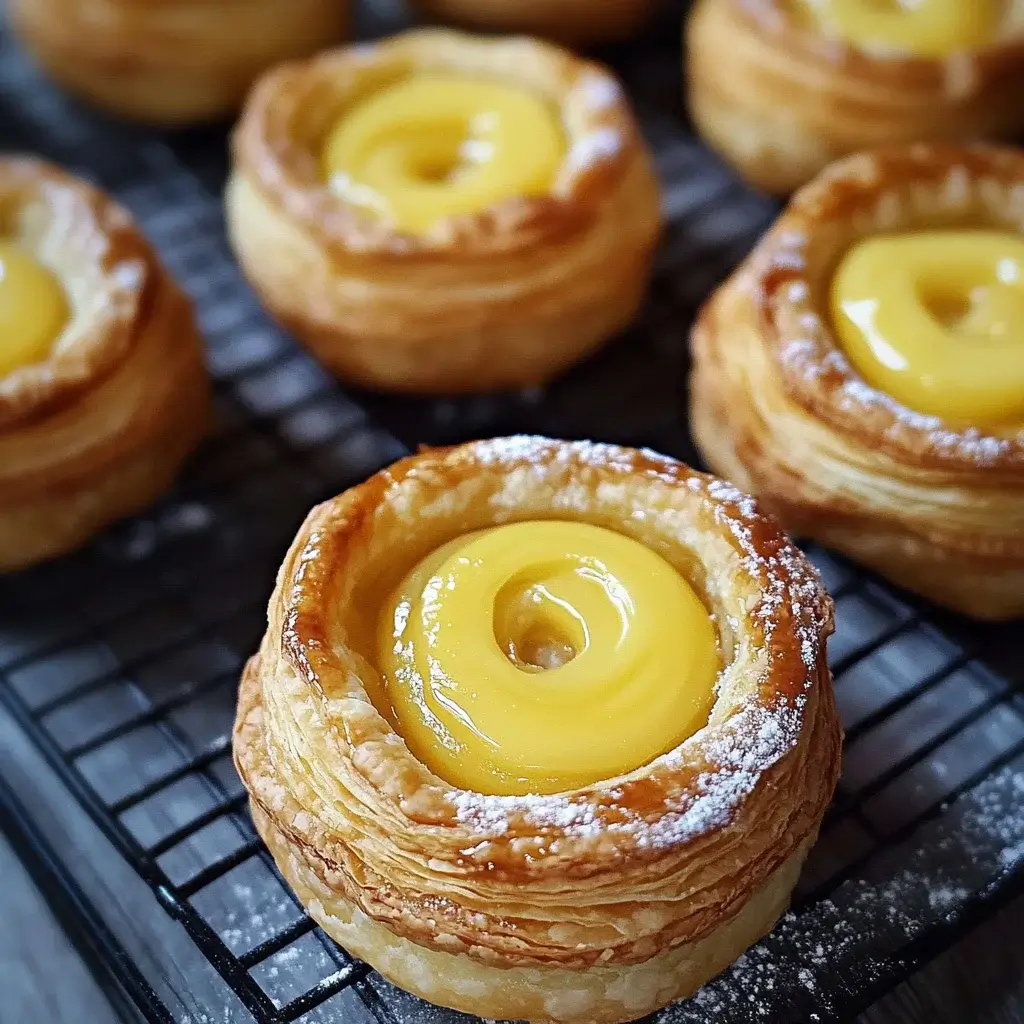
There are certain desserts that just scream “happiness,” and for me, Lemon Curd Puff Pastry Tarts are right at the top of that list. They’re like little bites of sunshine, bursting with bright, tangy lemon flavor encased in a flaky, buttery crust. My first encounter with these delightful tarts was at a spring brunch party. Amidst a table laden with quiches, salads, and fruit platters, these miniature golden tarts stood out, beckoning with their vibrant yellow filling and delicate pastry edges. One bite, and I was smitten. The combination of the rich, velvety lemon curd and the crisp, airy puff pastry was simply divine. They were light yet satisfying, sophisticated yet utterly approachable. I immediately knew I had to recreate them at home. Since then, Lemon Curd Puff Pastry Tarts have become a go-to dessert in our house, especially when we need a little pick-me-up or want to impress guests without spending hours in the kitchen. They are surprisingly easy to make, especially using store-bought puff pastry (my secret weapon for busy days!). The homemade lemon curd is the star, of course – it’s incredibly simple to whip up and tastes a million times better than store-bought versions. The aroma that fills the kitchen as these tarts bake is pure citrus bliss, and the look on people’s faces when they take their first bite is priceless. Whether it’s a sunny afternoon tea, a celebratory brunch, or a simple weeknight dessert, Lemon Curd Puff Pastry Tarts always bring a touch of elegance and joy to any occasion. Trust me, once you try these, you’ll understand why they’ve become a beloved treat in our home – a testament to the magic of simple ingredients and bright, cheerful flavors.
Ingredients: The Building Blocks of Brightness
To create truly exquisite Lemon Curd Puff Pastry Tarts, quality ingredients are essential. Here’s a detailed list of what you’ll need to gather, focusing on the best choices for flavor and texture:
- Puff Pastry: 1 sheet (about 14 ounces), store-bought, all-butter puff pastry, thawed. High-quality, all-butter puff pastry is the key to those incredibly flaky and buttery tart shells. While homemade puff pastry is a labor of love, store-bought all-butter puff pastry is a fantastic shortcut that delivers excellent results. Make sure it’s fully thawed according to package directions but still cold when you begin working with it. Brands like Dufour or Pepperidge Farm (all-butter version if available) are good choices. Avoid using puff pastry that is not all-butter, as it will lack the rich flavor and delicate texture.
- For the Lemon Curd:
- Fresh Lemon Juice: ½ cup (from about 3-4 large lemons). Freshly squeezed lemon juice is absolutely crucial for the vibrant, tangy flavor of lemon curd. Bottled lemon juice lacks the brightness and complexity of fresh juice. Choose lemons that are heavy for their size and have thin skins, as these tend to be juicier. Meyer lemons, if available, will provide a slightly sweeter and less acidic curd, while regular lemons will give you a classic tangy flavor.
- Granulated Sugar: ¾ cup. Sugar not only sweetens the curd but also helps to thicken it and balance the acidity of the lemon juice. Regular granulated sugar works perfectly. The amount of sugar can be slightly adjusted to your preference – reduce it by a tablespoon or two if you prefer a tangier curd, or increase it slightly if you like it sweeter.
- Lemon Zest: 2 tablespoons (from about 2-3 lemons). Lemon zest is the finely grated outer rind of the lemon (avoid the white pith, which is bitter). It’s packed with lemon oil and provides a concentrated burst of lemon flavor that is essential for a truly flavorful curd. Use a microplane or fine grater to zest the lemons, ensuring you only get the yellow part of the peel. Zest the lemons before juicing them, as it’s much easier to zest a whole lemon.
- Eggs: 3 large, plus 2 large egg yolks. Whole eggs and extra yolks contribute richness, body, and a beautiful golden color to the lemon curd. Use large, fresh eggs. The egg yolks are particularly important for creating that smooth, velvety texture and rich flavor.
- Unsalted Butter: 8 tablespoons (1 stick), cold, cut into small cubes. Cold unsalted butter is incorporated at the end of the curd-making process to add richness, shine, and a smooth, luxurious texture. Using unsalted butter allows you to control the saltiness of the curd. Cut the butter into small cubes so it melts quickly and evenly into the hot curd.
- Egg Wash (Optional, for puff pastry): 1 large egg yolk + 1 tablespoon milk or water. An egg wash brushed over the puff pastry before baking gives it a beautiful golden-brown color and a glossy finish. It’s optional, but recommended for enhancing the visual appeal of the tarts.
- Powdered Sugar (Optional, for dusting): For garnish. A light dusting of powdered sugar adds a touch of sweetness and elegance to the finished tarts. It also provides a nice visual contrast to the golden pastry and yellow curd.
- Fresh Berries (Optional, for garnish): Raspberries, blueberries, or strawberries, for garnish. Fresh berries add a pop of color, freshness, and a contrasting flavor that complements the lemon curd beautifully. They also elevate the presentation of the tarts.
Ingredient Notes for Success:
- Lemon Quality: Invest in good quality, fresh lemons. Organic lemons are a great choice, especially since you are using the zest. Look for lemons that are firm, heavy for their size, and have a bright yellow color.
- Butter Choice: Use high-quality unsalted butter for the best flavor in both the puff pastry and the lemon curd. European-style butter with a higher fat content will result in an even richer and more flavorful curd and pastry.
- Egg Freshness: Use fresh eggs for the best flavor and texture.
- Puff Pastry Handling: Keep the puff pastry cold throughout the process. Work quickly and return it to the refrigerator if it becomes too soft. Cold puff pastry is essential for achieving maximum flakiness.
- Zesting Technique: When zesting lemons, be careful to only zest the yellow part of the peel and avoid the white pith underneath, which is bitter. Use a microplane or fine grater for the best results.
Instructions: Crafting Miniature Masterpieces
Now that you have your ingredients prepped, let’s embark on the step-by-step journey of creating these delightful Lemon Curd Puff Pastry Tarts:
Part 1: Making the Lemon Curd
- Combine Ingredients (except butter): In a medium, heavy-bottomed saucepan, whisk together the fresh lemon juice, granulated sugar, lemon zest, whole eggs, and egg yolks. Whisk until the mixture is smooth and well combined.
- Cook Over Medium-Low Heat: Place the saucepan over medium-low heat. Cook, stirring constantly with a whisk or a heatproof spatula, until the curd thickens enough to coat the back of a spoon and reaches a temperature of 170-175°F (77-80°C). This usually takes about 8-12 minutes. It’s crucial to stir constantly to prevent the eggs from scrambling and to ensure even cooking. Keep the heat medium-low; high heat can cause the eggs to curdle. The curd will initially be thin and liquidy, but it will gradually thicken as it heats.
- Incorporate Cold Butter: Once the curd has thickened, remove the saucepan from the heat. Immediately add the cold, cubed butter to the hot curd. Whisk continuously until the butter is completely melted and incorporated into the curd, creating a smooth and glossy mixture. The cold butter helps to cool down the curd slightly and adds richness and shine.
- Strain the Curd (Optional but Recommended): For an extra smooth and silky curd, strain it through a fine-mesh sieve into a clean bowl. This will remove any tiny bits of cooked egg or zest, resulting in a perfectly smooth texture. Press the curd gently through the sieve with a spatula; discard any solids left in the sieve.
- Cool the Curd: Cover the surface of the lemon curd directly with plastic wrap to prevent a skin from forming. Refrigerate for at least 2 hours, or preferably overnight, to allow the curd to fully chill and thicken to its final consistency. Chilling is essential for the curd to set properly and become thick enough to fill the tart shells.
Part 2: Preparing and Baking the Puff Pastry Tarts
- Preheat Oven and Prepare Baking Sheet: Preheat oven to 400°F (200°C). Line a baking sheet with parchment paper.
- Roll Out Puff Pastry (Slightly): Lightly dust a clean work surface with flour. Gently unfold the thawed puff pastry sheet. If it’s very thick, you can lightly roll it out to slightly thin it, but be careful not to overwork it. You want to maintain its layers for flakiness.
- Cut Out Tart Rounds: Using a 3-inch round cookie cutter or a knife, cut out rounds from the puff pastry sheet. You should get about 12-16 rounds, depending on the size of your cutter and how efficiently you cut. Reroll scraps once to get a few more rounds, but avoid overworking the dough.
- Shape Tart Shells (Two Options):
- Option 1: Tart Rings/Muffin Tin: If using tart rings or a muffin tin, gently press each puff pastry round into the tart rings or muffin cups, pressing it against the bottom and sides to create a shell. Prick the bottom of each shell a few times with a fork to prevent puffing up too much during baking.
- Option 2: Freeform Tarts (Rustic): For a more rustic, freeform look, leave the rounds as they are on the parchment-lined baking sheet. You can gently score a smaller circle inside each round with a knife, leaving a border around the edge that will puff up. Prick the center area inside the scored circle with a fork.
- Egg Wash (Optional): In a small bowl, whisk together the egg yolk and milk or water to make an egg wash. Brush the edges of the puff pastry tart shells (or the entire surface of the freeform rounds) with the egg wash for a golden-brown finish.
- Bake Blind (Optional, for crispier base – recommended for deeper tart shells): For extra crispy tart shells, you can “bake blind” for a few minutes. Place parchment paper inside each tart shell and fill with pie weights or dried beans. Bake for 8 minutes. Remove parchment and weights and bake for another 2-3 minutes until lightly golden. This step is more crucial for deeper tart shells to ensure the bottom is fully cooked and crisp. For shallower freeform tarts, it may not be necessary.
- Bake Until Golden Brown: Bake the puff pastry tart shells (with or without blind baking) for 12-15 minutes, or until they are puffed up and golden brown. Keep a close eye on them, as puff pastry can brown quickly.
- Cool Completely: Remove the baked tart shells from the oven and let them cool completely on the baking sheet or a wire rack. They need to be fully cooled before filling with lemon curd.
Part 3: Filling and Garnishing the Tarts
- Fill with Lemon Curd: Once the puff pastry tart shells are completely cooled and the lemon curd is chilled and thickened, spoon the lemon curd into each tart shell. Fill them generously, but not overflowing.
- Garnish (Optional): Dust the filled tarts lightly with powdered sugar, if desired. Arrange fresh berries (raspberries, blueberries, or sliced strawberries) on top of the lemon curd for garnish and added flavor.
- Serve and Enjoy: Lemon Curd Puff Pastry Tarts are best served soon after filling, but can be made ahead and stored (see FAQ for storage instructions). Enjoy these sunshine-filled treats!
Tips for Perfect Lemon Curd Puff Pastry Tarts:
- Cold Puff Pastry is Key: Keep puff pastry cold at all times. If it gets too soft, return it to the refrigerator to firm up.
- Constant Stirring for Curd: Stir the lemon curd constantly while cooking to prevent scorching and ensure a smooth texture.
- Don’t Overcook Curd: Cook the curd until it thickens and reaches 170-175°F (77-80°C). Overcooking can make it grainy.
- Chill Curd Thoroughly: Allow the lemon curd to chill completely in the refrigerator for at least 2 hours for it to set properly.
- Cool Tart Shells Before Filling: Ensure the puff pastry tart shells are completely cooled before filling them with lemon curd to prevent the curd from melting or softening the pastry.
Nutrition Facts: A Sweet Treat in Moderation
Lemon Curd Puff Pastry Tarts are a delightful indulgence, but it’s helpful to be aware of their nutritional profile. Here’s a general estimate of the nutrition facts per tart (assuming this recipe makes about 12-14 tarts and using standard serving sizes):
- Servings: 12-14 tarts (recipe yield)
- Serving Size: 1 tart
- Calories per Serving (estimated, per tart): Approximately 200-250 calories (This can vary depending on the size of the tarts, amount of lemon curd filling, and specific puff pastry used).
Approximate Nutritional Breakdown per Serving (estimated, per tart):
- Protein: 3-4 grams (Primarily from eggs and dairy)
- Fat: 12-15 grams (From butter in puff pastry and lemon curd. Higher in fat, contributing to flavor and texture.)
- Saturated Fat: 7-9 grams (From butter and egg yolks. Consume in moderation as part of a balanced diet.)
- Cholesterol: 80-100 mg (From egg yolks and butter.)
- Carbohydrates: 20-25 grams (From sugar in lemon curd and carbohydrates in puff pastry.)
- Sugar: 15-20 grams (From granulated sugar in lemon curd and naturally occurring sugars in lemon juice and puff pastry.)
- Fiber: <1 gram (Minimal fiber content).
- Sodium: 100-150 mg (From salt in puff pastry and butter.)
- Vitamins and Minerals: Contains some Vitamin A and Vitamin C (from lemons and eggs), and small amounts of calcium and iron. Not a significant source of most vitamins and minerals; primarily provides energy from carbohydrates and fats.
Important Notes:
- These are estimates. Exact nutritional values will vary based on specific ingredients, brands, and tart size. Use online nutrition calculators for more precise information if needed.
- Indulgent Treat: Lemon Curd Puff Pastry Tarts are a dessert and should be enjoyed in moderation as part of a balanced diet.
- Consider Modifications: To slightly reduce calories, you could use a lower-fat puff pastry (though it will affect flavor and texture), or reduce the amount of sugar in the lemon curd slightly (but this will impact sweetness and thickening). Portion control is key when enjoying rich desserts.
Preparation Time: A Balance of Effort and Deliciousness
Lemon Curd Puff Pastry Tarts involve a few steps, but they are manageable and well worth the effort for the delightful result.
- Prep Time (Lemon Curd): 15-20 minutes (includes juicing lemons, zesting, and measuring ingredients).
- Cook Time (Lemon Curd): 8-12 minutes (cooking curd on stovetop).
- Chill Time (Lemon Curd): Minimum 2 hours (preferably overnight) for curd to set. This is passive chilling time.
- Prep Time (Puff Pastry Tarts): 20-25 minutes (includes rolling pastry, cutting rounds, shaping tarts, egg wash – if using).
- Bake Time (Puff Pastry Tarts): 12-15 minutes.
- Cool Time (Tart Shells): 15-20 minutes (for tart shells to cool completely before filling).
- Total Time (Active): Approximately 1 hour 10 minutes – 1 hour 30 minutes (active hands-on time, excluding curd chilling).
- Total Time (Overall, including chilling): Minimum 4 hours 10 minutes (including chilling), but realistically best planned over 2 days (make curd day before, assemble and bake tarts day of serving).
Timeline Breakdown (Over Two Days – Recommended):
Day 1:
- 30-40 minutes: Prepare lemon curd (prep and cook time).
- 2+ hours (or overnight): Chill lemon curd in refrigerator.
Day 2 (or Serving Day):
- 20-25 minutes: Prepare puff pastry tart shells (prep and shape).
- 12-15 minutes: Bake tart shells.
- 15-20 minutes: Cool tart shells.
- 10-15 minutes: Fill tart shells with lemon curd and garnish.
- Serve and Enjoy!
While the overall time includes chilling, the active hands-on time is manageable, especially if you break it down into stages. Making the lemon curd a day ahead is highly recommended for convenience and allows the flavors to meld beautifully.
How to Serve Lemon Curd Puff Pastry Tarts: Elegant Presentation for Any Occasion
Lemon Curd Puff Pastry Tarts are versatile and can be served in a variety of settings, from casual afternoon tea to elegant dessert buffets. Here are some serving suggestions to make them shine:
Occasions and Settings:
- Afternoon Tea: Perfect for a classic afternoon tea spread. Serve alongside scones, finger sandwiches, and other delicate pastries.
- Brunch: A delightful addition to a brunch menu, adding a touch of sweetness and brightness.
- Dessert Buffet: Elegant and visually appealing on a dessert buffet, especially for parties and special occasions.
- Spring or Summer Gatherings: Their bright, citrusy flavor makes them ideal for spring and summer events, picnics, and garden parties.
- Holidays: Lovely for Easter, Mother’s Day, or any holiday celebration where a light and refreshing dessert is desired.
- Weeknight Treat: While elegant, they are also manageable enough for a special weeknight dessert to brighten up any day.
Presentation Ideas:
- Individual Plates: Serve each tart on a small dessert plate for individual elegance.
- Tiered Stand: Display them on a tiered cake stand for a visually stunning presentation, especially for afternoon tea or dessert buffets.
- Platter: Arrange them artfully on a platter for a more casual, family-style serving.
- Mini Tarts: For smaller portions and more servings, make mini tarts using smaller cookie cutters and muffin tins.
- Garnish Variations:
- Fresh Berries: Raspberries, blueberries, strawberries, blackberries – arrange a single berry or a cluster on top of each tart.
- Whipped Cream or Crème Fraîche: A dollop of lightly sweetened whipped cream or crème fraîche adds richness and complements the tartness of the lemon curd.
- Mint Sprigs: A small sprig of fresh mint adds a touch of green and freshness.
- Candied Lemon Peel: A few strands of candied lemon peel provide a sophisticated and elegant garnish that echoes the lemon flavor.
- Chocolate Shavings: For a slightly richer flavor profile, a few dark chocolate shavings can be a surprising and delicious contrast to the lemon.
Drink Pairings:
- Tea (Black, Green, Herbal): Pairs beautifully with a variety of teas, especially Earl Grey, English Breakfast, or herbal citrus or floral teas.
- Coffee (Light Roast): A light roast coffee complements the bright flavors without overpowering them.
- Sparkling Wine (Prosecco, Champagne): For a celebratory occasion, sparkling wine adds a touch of elegance and pairs well with the citrus notes.
- Dessert Wine (Moscato d’Asti): A light and sweet dessert wine like Moscato d’Asti complements the lemon curd without being too heavy.
- Lemonade or Iced Tea: For a non-alcoholic option, chilled lemonade or iced tea are refreshing pairings, especially in warmer weather.
- Limoncello: A small glass of chilled limoncello liqueur can be a lovely after-dessert digestif that enhances the lemon flavor.
Additional Tips for Lemon Curd Puff Pastry Tart Success
Here are five extra tips to ensure your Lemon Curd Puff Pastry Tarts are a resounding success:
- Use a Thermometer for Lemon Curd: While you can judge curd thickness by how it coats a spoon, using a kitchen thermometer to ensure the curd reaches 170-175°F (77-80°C) is the most accurate way to prevent undercooking or overcooking. This temperature range is ideal for safe egg cooking and achieving the perfect texture.
- Don’t Overwork Puff Pastry: Handle puff pastry gently and as little as possible. Overworking it can develop the gluten and make it tough rather than flaky. Keep it cold and work quickly.
- Bake Puff Pastry at High Heat: Baking puff pastry at a high temperature (400°F/200°C) is crucial for creating steam quickly, which is what makes it puff up and become flaky. Ensure your oven is properly preheated.
- Cool Tart Shells Completely Before Filling: Filling warm tart shells with lemon curd can cause the curd to melt slightly and make the pastry soggy. Allow the tart shells to cool completely to room temperature before filling for the best texture and presentation.
- Make Lemon Curd Ahead of Time: Lemon curd can be made up to 3-4 days in advance and stored in the refrigerator. This breaks up the preparation process and makes assembling the tarts much quicker on the day you plan to serve them. Making the curd ahead also allows the flavors to meld and deepen.
FAQ: Your Lemon Curd Puff Pastry Tart Questions Answered
Here are five frequently asked questions about Lemon Curd Puff Pastry Tarts to help you bake with confidence:
Q1: Can I use store-bought lemon curd instead of homemade?
A: While homemade lemon curd is highly recommended for superior flavor and texture, you can use store-bought lemon curd in a pinch. Choose a high-quality brand of store-bought lemon curd for the best taste. Keep in mind that store-bought curd often has a different texture and may be sweeter or less tangy than homemade. If using store-bought curd, you can skip Part 1 of the instructions and proceed directly to preparing and baking the puff pastry tart shells.
Q2: How do I store Lemon Curd Puff Pastry Tarts?
A: Lemon Curd Puff Pastry Tarts are best enjoyed within a day or two of assembly for optimal pastry crispness. Store unfilled baked puff pastry shells in an airtight container at room temperature for up to 2 days. Store lemon curd separately in an airtight container in the refrigerator for up to 4 days. Assemble the tarts just before serving. If you have already assembled tarts, store them in an airtight container in the refrigerator, but be aware that the puff pastry may soften slightly over time due to the moisture from the curd.
Q3: Can I make these tarts gluten-free?
A: Yes, you can make gluten-free Lemon Curd Puff Pastry Tarts with some substitutions:
* Puff Pastry: Use gluten-free puff pastry. There are some brands of gluten-free puff pastry available in specialty stores or online. Be aware that gluten-free puff pastry can sometimes be more delicate and may require careful handling.
* Lemon Curd: Lemon curd is naturally gluten-free as it is made with lemon juice, sugar, eggs, and butter (none of which contain gluten). However, always double-check ingredient labels if you are using any pre-made components to ensure they are certified gluten-free if necessary.
Q4: Can I make these tarts ahead and freeze them?
A: It is not recommended to freeze assembled Lemon Curd Puff Pastry Tarts, as the texture of both the puff pastry and the lemon curd can degrade upon thawing. However, you can freeze components separately:
* Baked Puff Pastry Shells: Bake the puff pastry tart shells, let them cool completely, and then freeze them in an airtight container for up to 1 month. Thaw at room temperature before filling.
* Lemon Curd: Lemon curd can be frozen in an airtight container for up to 2 months. Thaw overnight in the refrigerator and whisk well before using.
Q5: Can I use Meyer lemons instead of regular lemons?
A: Yes, Meyer lemons can be used for a slightly different flavor profile. Meyer lemons are less acidic and have a sweeter, more floral flavor than regular lemons. Using Meyer lemons will result in a lemon curd that is less tangy and more subtly sweet. If using Meyer lemons, you might want to reduce the amount of sugar in the curd slightly to balance the sweetness. Both regular lemons and Meyer lemons work beautifully in this recipe; it’s a matter of personal preference.
Enjoy creating your own batch of these radiant and delicious Lemon Curd Puff Pastry Tarts! They are guaranteed to bring a burst of sunshine to your day and delight anyone lucky enough to taste them.
Print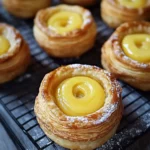
Lemon Curd Puff Pastry Tarts recipe
Ingredients
- Puff Pastry: 1 sheet (about 14 ounces), store-bought, all-butter puff pastry, thawed. High-quality, all-butter puff pastry is the key to those incredibly flaky and buttery tart shells. While homemade puff pastry is a labor of love, store-bought all-butter puff pastry is a fantastic shortcut that delivers excellent results. Make sure it’s fully thawed according to package directions but still cold when you begin working with it. Brands like Dufour or Pepperidge Farm (all-butter version if available) are good choices. Avoid using puff pastry that is not all-butter, as it will lack the rich flavor and delicate texture.
- For the Lemon Curd:
- Fresh Lemon Juice: ½ cup (from about 3-4 large lemons). Freshly squeezed lemon juice is absolutely crucial for the vibrant, tangy flavor of lemon curd. Bottled lemon juice lacks the brightness and complexity of fresh juice. Choose lemons that are heavy for their size and have thin skins, as these tend to be juicier. Meyer lemons, if available, will provide a slightly sweeter and less acidic curd, while regular lemons will give you a classic tangy flavor.
- Granulated Sugar: ¾ cup. Sugar not only sweetens the curd but also helps to thicken it and balance the acidity of the lemon juice. Regular granulated sugar works perfectly. The amount of sugar can be slightly adjusted to your preference – reduce it by a tablespoon or two if you prefer a tangier curd, or increase it slightly if you like it sweeter.
- Lemon Zest: 2 tablespoons (from about 2-3 lemons). Lemon zest is the finely grated outer rind of the lemon (avoid the white pith, which is bitter). It’s packed with lemon oil and provides a concentrated burst of lemon flavor that is essential for a truly flavorful curd. Use a microplane or fine grater to zest the lemons, ensuring you only get the yellow part of the peel. Zest the lemons before juicing them, as it’s much easier to zest a whole lemon.
- Eggs: 3 large, plus 2 large egg yolks. Whole eggs and extra yolks contribute richness, body, and a beautiful golden color to the lemon curd. Use large, fresh eggs. The egg yolks are particularly important for creating that smooth, velvety texture and rich flavor.
- Unsalted Butter: 8 tablespoons (1 stick), cold, cut into small cubes. Cold unsalted butter is incorporated at the end of the curd-making process to add richness, shine, and a smooth, luxurious texture. Using unsalted butter allows you to control the saltiness of the curd. Cut the butter into small cubes so it melts quickly and evenly into the hot curd.
- Egg Wash (Optional, for puff pastry): 1 large egg yolk + 1 tablespoon milk or water. An egg wash brushed over the puff pastry before baking gives it a beautiful golden-brown color and a glossy finish. It’s optional, but recommended for enhancing the visual appeal of the tarts.
- Powdered Sugar (Optional, for dusting): For garnish. A light dusting of powdered sugar adds a touch of sweetness and elegance to the finished tarts. It also provides a nice visual contrast to the golden pastry and yellow curd.
- Fresh Berries (Optional, for garnish): Raspberries, blueberries, or strawberries, for garnish. Fresh berries add a pop of color, freshness, and a contrasting flavor that complements the lemon curd beautifully. They also elevate the presentation of the tarts.
Instructions
Part 1: Making the Lemon Curd
- Combine Ingredients (except butter): In a medium, heavy-bottomed saucepan, whisk together the fresh lemon juice, granulated sugar, lemon zest, whole eggs, and egg yolks. Whisk until the mixture is smooth and well combined.
- Cook Over Medium-Low Heat: Place the saucepan over medium-low heat. Cook, stirring constantly with a whisk or a heatproof spatula, until the curd thickens enough to coat the back of a spoon and reaches a temperature of 170-175°F (77-80°C). This usually takes about 8-12 minutes. It’s crucial to stir constantly to prevent the eggs from scrambling and to ensure even cooking. Keep the heat medium-low; high heat can cause the eggs to curdle. The curd will initially be thin and liquidy, but it will gradually thicken as it heats.
- Incorporate Cold Butter: Once the curd has thickened, remove the saucepan from the heat. Immediately add the cold, cubed butter to the hot curd. Whisk continuously until the butter is completely melted and incorporated into the curd, creating a smooth and glossy mixture. The cold butter helps to cool down the curd slightly and adds richness and shine.
- Strain the Curd (Optional but Recommended): For an extra smooth and silky curd, strain it through a fine-mesh sieve into a clean bowl. This will remove any tiny bits of cooked egg or zest, resulting in a perfectly smooth texture. Press the curd gently through the sieve with a spatula; discard any solids left in the sieve.
- Cool the Curd: Cover the surface of the lemon curd directly with plastic wrap to prevent a skin from forming. Refrigerate for at least 2 hours, or preferably overnight, to allow the curd to fully chill and thicken to its final consistency. Chilling is essential for the curd to set properly and become thick enough to fill the tart shells.
Part 2: Preparing and Baking the Puff Pastry Tarts
- Preheat Oven and Prepare Baking Sheet: Preheat oven to 400°F (200°C). Line a baking sheet with parchment paper.
- Roll Out Puff Pastry (Slightly): Lightly dust a clean work surface with flour. Gently unfold the thawed puff pastry sheet. If it’s very thick, you can lightly roll it out to slightly thin it, but be careful not to overwork it. You want to maintain its layers for flakiness.
- Cut Out Tart Rounds: Using a 3-inch round cookie cutter or a knife, cut out rounds from the puff pastry sheet. You should get about 12-16 rounds, depending on the size of your cutter and how efficiently you cut. Reroll scraps once to get a few more rounds, but avoid overworking the dough.
- Shape Tart Shells (Two Options):
- Option 1: Tart Rings/Muffin Tin: If using tart rings or a muffin tin, gently press each puff pastry round into the tart rings or muffin cups, pressing it against the bottom and sides to create a shell. Prick the bottom of each shell a few times with a fork to prevent puffing up too much during baking.
- Option 2: Freeform Tarts (Rustic): For a more rustic, freeform look, leave the rounds as they are on the parchment-lined baking sheet. You can gently score a smaller circle inside each round with a knife, leaving a border around the edge that will puff up. Prick the center area inside the scored circle with a fork.
- Egg Wash (Optional): In a small bowl, whisk together the egg yolk and milk or water to make an egg wash. Brush the edges of the puff pastry tart shells (or the entire surface of the freeform rounds) with the egg wash for a golden-brown finish.
- Bake Blind (Optional, for crispier base – recommended for deeper tart shells): For extra crispy tart shells, you can “bake blind” for a few minutes. Place parchment paper inside each tart shell and fill with pie weights or dried beans. Bake for 8 minutes. Remove parchment and weights and bake for another 2-3 minutes until lightly golden. This step is more crucial for deeper tart shells to ensure the bottom is fully cooked and crisp. For shallower freeform tarts, it may not be necessary.
- Bake Until Golden Brown: Bake the puff pastry tart shells (with or without blind baking) for 12-15 minutes, or until they are puffed up and golden brown. Keep a close eye on them, as puff pastry can brown quickly.
- Cool Completely: Remove the baked tart shells from the oven and let them cool completely on the baking sheet or a wire rack. They need to be fully cooled before filling with lemon curd.
Part 3: Filling and Garnishing the Tarts
- Fill with Lemon Curd: Once the puff pastry tart shells are completely cooled and the lemon curd is chilled and thickened, spoon the lemon curd into each tart shell. Fill them generously, but not overflowing.
- Garnish (Optional): Dust the filled tarts lightly with powdered sugar, if desired. Arrange fresh berries (raspberries, blueberries, or sliced strawberries) on top of the lemon curd for garnish and added flavor.
- Serve and Enjoy: Lemon Curd Puff Pastry Tarts are best served soon after filling, but can be made ahead and stored (see FAQ for storage instructions). Enjoy these sunshine-filled treats!
Nutrition
- Serving Size: one normal portion
- Calories: 200-250
- Sugar: 15-20 grams
- Sodium: 100-150 mg
- Fat: 12-15 grams
- Saturated Fat: 7-9 grams
- Carbohydrates: 20-25 grams
- Fiber: 1 gram
- Protein: 3-4 grams
- Cholesterol: 80-100 mg