
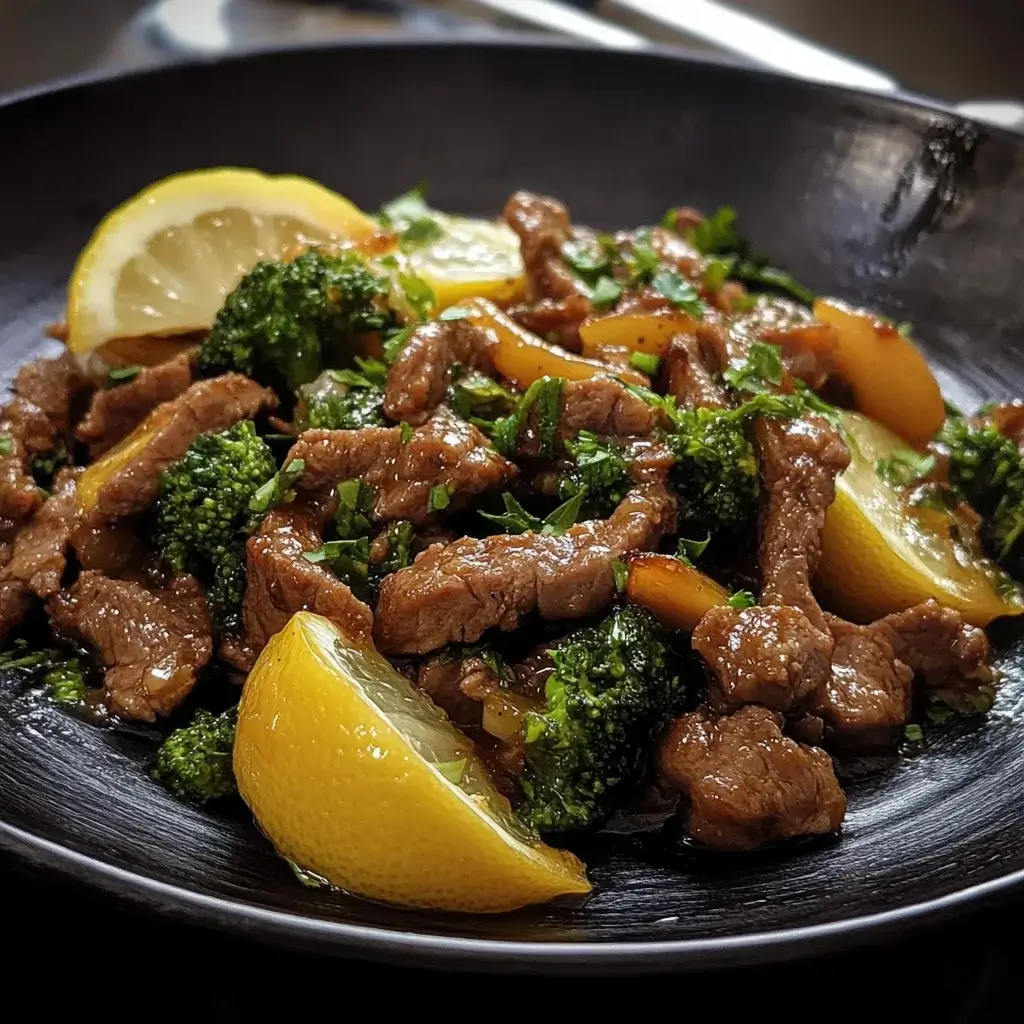

The vibrant zest of lemon, the savory tenderness of beef, the colorful medley of crisp-tender vegetables – this is the magic of Lemon Beef Stir Fry, a dish that has become a weeknight dinner revelation in my household. For years, stir-fries were a staple, but often felt predictable. Then I discovered the bright, citrusy lift of lemon in a savory stir-fry sauce, and everything changed. This isn’t just another stir-fry; it’s an experience. The first time I made this Lemon Beef Stir Fry, the aroma alone was enough to draw everyone to the kitchen. The combination of tangy lemon, savory soy sauce, and fragrant ginger was simply irresistible. And the taste? Even better. The beef was perfectly tender, the vegetables were crisp and colorful, and the sauce was… well, let’s just say there were no leftovers. My family, usually split between “meat and potatoes” and “veggie lovers,” found common ground with this dish. It’s quick, it’s healthy-ish (packed with veggies!), and it’s bursting with flavor. If you’re searching for a stir-fry recipe that’s both exciting and easy, look no further. This Lemon Beef Stir Fry is a guaranteed weeknight winner, a dish that brings a ray of sunshine to your dinner table, no matter the weather.
Ingredients: The Key to a Zesty and Savory Stir Fry
Crafting a truly exceptional Lemon Beef Stir Fry hinges on the precise selection and preparation of its ingredients. Each element contributes to the final dish’s harmonious balance of flavors and textures. Let’s break down each ingredient and understand its role in creating this vibrant and satisfying stir-fry:
- 1 pound Beef Sirloin or Flank Steak, thinly sliced against the grain: Beef is the star protein of this stir-fry, providing a savory richness and satisfying texture. Sirloin or flank steak are recommended cuts as they are relatively lean and tender, and they slice well for stir-frying. Thinly slicing against the grain is absolutely crucial for tender stir-fry beef. Slicing against the grain (perpendicular to the muscle fibers) shortens the muscle fibers, making the beef significantly more tender and less chewy when cooked quickly at high heat. If you slice with the grain, the beef will be tougher. Aim for slices about ¼ inch thick. Flank steak is known for its intense beefy flavor, while sirloin is leaner and more tender overall. You can also use ribeye steak, but it is fattier and more expensive. For a budget-friendly option, consider skirt steak, but it requires extra attention to slicing thinly against the grain and marinating for tenderness.
- Marinade: The marinade is essential for tenderizing the beef and infusing it with flavor before stir-frying. A well-balanced marinade is key to achieving that melt-in-your-mouth texture and savory taste.
- ¼ cup Soy Sauce (low sodium recommended): Soy sauce forms the base of the marinade, providing a savory, umami-rich flavor and saltiness. Low sodium soy sauce is recommended to control the overall salt level in the dish. Soy sauce also helps to tenderize the beef proteins.
- 2 tablespoons Lemon Juice (freshly squeezed): Fresh lemon juice is the signature ingredient, adding a bright, zesty, and acidic element that tenderizes the beef and provides the defining lemon flavor of the stir-fry. Use freshly squeezed lemon juice for the best flavor; avoid bottled lemon juice if possible. The acidity of the lemon juice also helps to balance the richness of the soy sauce and oil.
- 1 tablespoon Cornstarch: Cornstarch is a crucial tenderizing agent in the marinade. It coats the beef slices, creating a barrier that helps to retain moisture during stir-frying and results in incredibly tender beef. Cornstarch also contributes to a slightly glossy texture in the sauce.
- 1 tablespoon Sesame Oil: Sesame oil adds a nutty, aromatic depth and authentic Asian flavor to the marinade and overall stir-fry. Use toasted sesame oil for the most pronounced flavor. A little sesame oil goes a long way; it’s potent and adds a distinctive character.
- 1 teaspoon Ground Ginger: Ground ginger provides a warm, slightly spicy, and aromatic note that complements the lemon and soy sauce and adds complexity to the marinade. Ground ginger is convenient and readily available. Freshly grated ginger can also be used for a more intense ginger flavor (use about 1 tablespoon grated fresh ginger).
- 2 cloves Garlic, minced: Garlic is another essential aromatic in the marinade, adding pungent, savory notes that enhance the overall flavor profile and complement the beef and other ingredients. Freshly minced garlic is preferred for its vibrant flavor. Mince the garlic finely to ensure it disperses its flavor evenly throughout the marinade.
- Stir Fry Vegetables: A colorful and diverse mix of vegetables is essential for a nutritious and visually appealing stir-fry. Choose vegetables that cook quickly and retain some crispness.
- 1 large Red Bell Pepper, thinly sliced: Red bell pepper adds sweetness, color, and a slightly crisp-tender texture to the stir-fry. Thinly sliced red bell pepper cooks quickly and evenly in the stir-fry. You can substitute with other colors of bell peppers (yellow, orange, green) or use a mix for visual variety.
- 1 medium Yellow Onion, thinly sliced: Yellow onion adds a savory base note and a slightly sweet flavor when stir-fried. Thinly sliced yellow onion cooks quickly and caramelizes slightly in the stir-fry. You can substitute with white or Vidalia onions for a milder flavor.
- 1 cup Broccoli Florets: Broccoli florets add a cruciferous vegetable element, providing texture, color, and nutritional value. Choose small, bite-sized florets for even cooking. Broccoli florets should be cooked until crisp-tender, retaining some bite and vibrant green color.
- 1 cup Snow Peas or Snap Peas: Snow peas or snap peas add a delicate sweetness, crispness, and vibrant green color. Snow peas are flat and thin, while snap peas are plumper and have edible pods. Both work well. Add snow peas or snap peas towards the end of the stir-fry to maintain their crispness and prevent overcooking.
- Stir Fry Sauce: The sauce is the heart of the Lemon Beef Stir Fry, bringing all the elements together and creating that signature tangy, savory, and slightly sweet glaze.
- ½ cup Chicken Broth (or Vegetable Broth for vegetarian): Chicken broth provides the liquid base for the sauce, adding depth of flavor beyond just water. Low sodium chicken broth is recommended to control the salt level in the sauce. For a vegetarian version, substitute with vegetable broth.
- ¼ cup Soy Sauce (low sodium recommended): Soy sauce contributes to the savory, umami-rich flavor and saltiness of the sauce. Low sodium soy sauce is recommended to control salt content.
- ¼ cup Brown Sugar (packed): Brown sugar adds sweetness to balance the savory and acidic elements of the sauce and provides a slightly molasses-like depth of flavor. Packed brown sugar is used for accurate measurement. You can substitute with honey or maple syrup for a more natural sweetener, but the flavor profile will be slightly different.
- 2 tablespoons Lemon Juice (freshly squeezed): Fresh lemon juice is again a key flavor component in the sauce, amplifying the lemon notes and adding brightness and acidity to balance the sweetness and savory elements. Use freshly squeezed lemon juice for the best flavor.
- 1 tablespoon Cornstarch: Cornstarch acts as a thickening agent in the sauce, creating a glossy glaze that coats the beef and vegetables beautifully. Cornstarch is essential for achieving that classic stir-fry sauce consistency.
- 1 tablespoon Sesame Oil: Sesame oil adds another layer of nutty, aromatic flavor to the sauce, enhancing its complexity and authenticity.
- Vegetable Oil (for stir-frying): Vegetable oil, canola oil, or peanut oil are recommended for stir-frying as they have a high smoke point and neutral flavor, allowing the flavors of the other ingredients to shine through. Use a high-heat oil suitable for stir-frying at high temperatures.
- Cooked Rice, for serving: Cooked rice, such as white rice, brown rice, or jasmine rice, is the classic accompaniment to stir-fries, providing a neutral base to absorb the flavorful sauce and complement the beef and vegetables. Prepare rice according to package directions.
- Sesame Seeds and Green Onions, thinly sliced (for garnish): Sesame seeds (toasted or untoasted) and thinly sliced green onions add visual appeal, textural contrast, and a fresh, aromatic finish as garnishes. Toasted sesame seeds offer a more pronounced nutty flavor. Green onions add a mild oniony bite and a pop of color.
Ingredient Variations and Substitutions:
- Protein Alternatives: Chicken breast or thighs (cubed), pork tenderloin (thinly sliced), tofu (firm or extra-firm, pressed and cubed), or shrimp can be substituted for beef. Adjust cooking times accordingly for different proteins.
- Vegetable Variations: Mushrooms (sliced), carrots (thinly sliced or julienned), baby corn, water chestnuts, gai lan (Chinese broccoli), bok choy, or zucchini (sliced) can be added or substituted for the suggested vegetables. Choose vegetables that cook quickly and retain some crispness in a stir-fry.
- Spice Level Adjustment: Add red pepper flakes or a pinch of cayenne pepper to the marinade or stir-fry sauce for a touch of heat. You can also use a chili garlic sauce or sriracha for a spicier version.
- Sweetener Alternatives: Honey or maple syrup can be substituted for brown sugar in the stir-fry sauce, but the flavor profile will be slightly different.
- Gluten-Free Version: Use tamari or coconut aminos instead of soy sauce for a gluten-free option. Ensure all other ingredients are also gluten-free.
- Herb Variations: A sprinkle of fresh cilantro or chopped fresh ginger can be added as a garnish for different flavor nuances.
By understanding the role of each ingredient and exploring these variations, you can tailor this Lemon Beef Stir Fry recipe to your personal preferences and dietary needs, creating a truly customized and delicious meal.
Instructions: Mastering the Stir Fry Technique
Creating a perfect Lemon Beef Stir Fry is all about technique and timing. Stir-frying is a fast-paced cooking method that requires preparation and attention. Follow these detailed step-by-step instructions to ensure success and achieve a restaurant-quality stir-fry at home:
- Marinate the Beef: In a medium bowl, combine the thinly sliced beef sirloin or flank steak with soy sauce, lemon juice, cornstarch, sesame oil, ground ginger, and minced garlic. Toss to coat the beef evenly with the marinade. Marinate in the refrigerator for at least 30 minutes, or up to 2 hours. Marinating tenderizes the beef and infuses it with flavor. Longer marinating time (up to 2 hours) will result in more tender and flavorful beef.
- Prepare Vegetables and Sauce: While the beef is marinating, prepare your vegetables. Thinly slice the red bell pepper and yellow onion. Cut the broccoli into small florets. Trim the snow peas or snap peas. In a small bowl, whisk together the chicken broth (or vegetable broth), soy sauce, brown sugar, lemon juice, cornstarch, and sesame oil for the stir-fry sauce. Set aside. Having all vegetables prepped and sauce mixed before you start stir-frying is crucial for efficient and fast-paced stir-fry cooking.
- Heat Wok or Large Skillet: Heat a wok or large skillet over high heat until it is very hot. Add vegetable oil and swirl to coat the bottom and sides of the wok or skillet. The wok or skillet should be screaming hot before adding ingredients for proper stir-frying. High heat is essential for stir-frying to achieve proper searing and crisp-tender vegetables.
- Stir-Fry Beef in Batches: Add half of the marinated beef to the hot wok or skillet in a single layer (avoid overcrowding). Stir-fry for 2-3 minutes, or until browned on all sides and cooked through. Remove the beef from the wok or skillet and set aside. Repeat with the remaining beef. Stir-frying beef in batches prevents overcrowding the pan, which can lower the temperature and cause steaming instead of searing. Searing the beef quickly at high heat locks in juices and creates flavorful browning. Set aside cooked beef to prevent overcooking while stir-frying vegetables.
- Stir-Fry Vegetables: Add the sliced red bell pepper and yellow onion to the wok or skillet. Stir-fry for 2-3 minutes, or until slightly softened and crisp-tender. Add the broccoli florets and stir-fry for another 2-3 minutes, or until bright green and crisp-tender. Stir-fry vegetables in order of their cooking time, starting with denser vegetables like onions and peppers, and adding quicker-cooking vegetables later. Aim for crisp-tender vegetables that retain some bite and vibrant color.
- Add Sauce and Simmer: Pour the prepared stir-fry sauce into the wok or skillet with the vegetables. Bring to a simmer, stirring constantly, and cook for 1-2 minutes, or until the sauce thickens slightly and becomes glossy. Cornstarch in the sauce will thicken it quickly when heated. Stirring constantly prevents the sauce from sticking or scorching and ensures even thickening.
- Return Beef to Wok and Add Snow Peas: Return the cooked beef to the wok or skillet with the sauce and vegetables. Add the snow peas or snap peas and stir-fry for another 1-2 minutes, or until the snow peas or snap peas are bright green and crisp-tender and everything is heated through. Add snow peas or snap peas last, as they cook very quickly. Stir-fry just until heated through and crisp-tender to maintain their texture and color. Ensure everything is heated through before serving.
- Serve Immediately: Serve the Lemon Beef Stir Fry hot over cooked rice. Garnish with sesame seeds and thinly sliced green onions. Enjoy your flavorful and healthy stir-fry immediately! Stir-fries are best enjoyed hot and fresh. Serve over cooked rice for a complete meal. Garnish with sesame seeds and green onions adds visual appeal, textural contrast, and fresh flavor.
Tips for Perfect Stir Fry:
- High Heat is Key: Stir-frying requires high heat for proper searing and quick cooking. Ensure your wok or skillet is screaming hot before adding ingredients.
- Prep Ingredients Ahead: Prepare all ingredients (slice beef, chop vegetables, mix sauce) before you start cooking. Stir-frying is fast-paced, so having everything ready is crucial.
- Stir-Fry in Batches (Don’t Overcrowd Pan): Stir-fry beef and vegetables in batches to avoid overcrowding the pan, which can lower the temperature and cause steaming instead of searing.
- Keep Ingredients Moving: Stir constantly and toss ingredients frequently while stir-frying to ensure even cooking and prevent sticking or burning.
- Cook Vegetables Crisp-Tender: Aim for crisp-tender vegetables that retain some bite and vibrant color. Avoid overcooking vegetables, which can make them mushy.
- Taste and Adjust Seasoning: Taste the stir-fry sauce and finished dish and adjust seasoning with soy sauce, lemon juice, or black pepper to your preference.
- Serve Immediately: Stir-fries are best enjoyed hot and fresh, right after cooking.
Following these instructions and tips will guide you in creating a delicious and authentic Lemon Beef Stir Fry that is bursting with flavor and perfectly cooked textures!
Nutrition Facts for Lemon Beef Stir Fry
(Per Serving, estimated for 1.5 cups of stir-fry (beef and vegetables) without rice. Nutritional values are estimates and can vary based on specific ingredients, portion sizes, and rice serving.)
- Servings: Approximately 4-6 servings per recipe (depending on serving size).
- Serving Size: Approximately 1.5 cups of stir-fry (beef and vegetables).
- Calories per Serving (Estimated, without rice): 300-400 calories (depending on beef cut and oil used).
Approximate Nutritional Breakdown per Serving (Estimated, without rice):
- Calories: 300-400 kcal
- Total Fat: 15-20g
- Saturated Fat: 5-7g
- Unsaturated Fat: 10-13g (primarily healthy monounsaturated and polyunsaturated fats from olive oil and sesame oil)
- Cholesterol: 80-100mg (from beef)
- Sodium: 600-800mg (can vary based on soy sauce and broth used)
- Total Carbohydrates: 15-20g
- Dietary Fiber: 3-4g (Good source of fiber from vegetables)
- Sugars: 8-10g (from brown sugar and naturally occurring sugars in vegetables)
- Protein: 25-30g (Excellent source of lean protein from beef)
- Vitamin A: Excellent source of Vitamin A (from bell peppers and carrots, primarily beta-carotene)
- Vitamin C: Excellent source of Vitamin C (from bell peppers and broccoli)
- Iron: Good source of Iron (from beef and spinach)
- Potassium: Moderate source of Potassium (from potatoes and spinach)
Key Nutritional Highlights:
- Excellent Source of Lean Protein: Beef sirloin or flank steak provides an excellent source of lean protein, essential for muscle building, satiety, and overall health.
- Rich in Vitamins and Minerals: Vegetables (bell peppers, onions, broccoli, snow peas) contribute a wide range of vitamins and minerals, particularly Vitamin A, Vitamin C, and Vitamin K.
- Good Source of Fiber: Vegetables provide a good amount of dietary fiber, beneficial for digestive health, blood sugar control, and satiety.
- Healthy Fats: Olive oil and sesame oil provide healthy unsaturated fats, including monounsaturated and polyunsaturated fats, which are beneficial for heart health.
- Relatively Moderate in Calories (without rice): When served without rice, the stir-fry itself is relatively moderate in calories and fat, making it a lighter and healthier option compared to some other stir-fry dishes.
- Customizable with Vegetables: You can easily increase the vegetable content to further boost the nutritional value and fiber content.
Important Notes:
- These are estimated nutritional values and can vary significantly based on the specific brands and types of ingredients used (e.g., beef cut, oil type, broth type), portion sizes, and variations.
- Homemade stir-fries generally offer more control over ingredients compared to restaurant or take-out versions, allowing you to use leaner meats, more vegetables, and control added sodium and sugar.
- To make this stir-fry even healthier, consider using leaner cuts of beef (like extra-lean sirloin), using less oil, increasing the vegetable content, and using brown rice instead of white rice for added fiber (when serving with rice).
- While Lemon Beef Stir Fry is a healthy option, portion control is still important, especially when serving with rice, as rice adds significant calories and carbohydrates.
For more precise nutritional information, you can use online nutrition calculators and input the specific brands and quantities of ingredients you used. However, this general nutritional overview highlights the numerous health benefits of enjoying Lemon Beef Stir Fry as part of a balanced diet.
Preparation Time for Lemon Beef Stir Fry
Lemon Beef Stir Fry is designed to be a relatively quick and efficient meal, perfect for busy weeknights. Here’s a breakdown of the approximate preparation time:
- Prep Time: 25-30 minutes (This includes slicing beef, preparing marinade, chopping vegetables, mixing sauce, and cooking rice (if serving rice)).
- Cook Time: 10-15 minutes (Marinating beef (inactive), stir-frying beef and vegetables, simmering sauce, and combining everything).
- Total Time (Approximate): 35-45 minutes (From start to finish).
Time-Saving Tips:
- Pre-Sliced Beef (if available): If you can find pre-sliced stir-fry beef in your grocery store, it can save you a few minutes of prep time.
- Pre-Chopped Vegetables (if available): Use pre-chopped vegetables from the grocery store (like pre-sliced bell peppers, onions, or broccoli florets) to save prep time.
- Minute Rice or Quick-Cooking Rice: Use minute rice or quick-cooking rice varieties to significantly reduce rice cooking time.
- Prepare Sauce Ahead: You can mix the stir-fry sauce ingredients together ahead of time (up to a day in advance) and store it in the refrigerator. This makes stir-frying even faster at dinner time.
- Marinate Beef Quickly (30 minutes minimum): While longer marinating times are ideal for tenderness, even a 30-minute marinade will provide noticeable benefits.
Planning Ahead:
- Weeknight Meal: The short prep and cook time make Lemon Beef Stir Fry ideal for busy weeknights when you need a quick, healthy, and satisfying dinner.
- Meal Prep Component (Marinated Beef): You can marinate the beef ahead of time in the morning or the day before and store it in the refrigerator. This makes dinner preparation even faster.
- One-Pan Meal (Stir-fry only): Lemon Beef Stir Fry is essentially a one-pan meal (if serving without rice), which minimizes cleanup time after dinner.
Lemon Beef Stir Fry truly lives up to its reputation as a fast and easy weeknight meal. With minimal active time and a short cooking time, you can have a hot, delicious, and family-pleasing dinner on the table in under an hour!
How to Serve Lemon Beef Stir Fry
Lemon Beef Stir Fry is a versatile and satisfying dish that can be served in a variety of ways, making it suitable for both casual weeknight meals and more elegant occasions. Here are some delicious serving suggestions to help you enjoy your stir-fry to the fullest:
Classic Serving Style:
- Over Cooked Rice (White, Brown, or Jasmine): The most classic and traditional way to serve Lemon Beef Stir Fry is over a bed of cooked rice. White rice is the most common choice, but brown rice (for added fiber and nuttiness) or jasmine rice (for its fragrant aroma) are also excellent options. Serve a generous portion of stir-fry over a scoop of hot rice.
- Garnished Simply: Garnish each serving with a sprinkle of sesame seeds and thinly sliced green onions. These simple garnishes enhance the visual appeal and add a touch of flavor and texture.
- Bowls or Plates: Serve the stir-fry in bowls or on plates, allowing the flavorful sauce to pool slightly around the rice.
Side Dishes to Complement Lemon Beef Stir Fry:
- Vegetable Spring Rolls or Egg Rolls: Crispy vegetable spring rolls or egg rolls provide a contrasting textural element and a delicious appetizer or side dish.
- Potstickers or Gyoza (Steamed or Pan-Fried): Steamed or pan-fried potstickers or gyoza (dumplings) offer another savory and satisfying side dish.
- Edamame (Steamed or Roasted): Steamed or roasted edamame pods, sprinkled with salt, are a healthy and easy side dish or appetizer.
- Miso Soup or Egg Drop Soup: A light and warm bowl of miso soup or egg drop soup makes a comforting and traditional starter or side.
- Asian-Style Salad (Sesame Ginger Dressing): A fresh Asian-style salad with mixed greens, shredded carrots, cucumbers, and a sesame ginger dressing provides a refreshing and light counterpoint to the rich stir-fry.
- Kimchi or Pickled Vegetables: A small side of kimchi or pickled vegetables adds a spicy, tangy, and fermented element that can complement the stir-fry.
Serving Styles for Different Occasions:
- Weeknight Dinner: Serve simply over rice with minimal garnishes for a quick and easy weeknight meal.
- Dinner Party or Casual Gathering: Serve family-style in a large serving bowl with rice served separately in a rice cooker or serving dish. Offer a variety of side dishes and appetizers for a more elaborate meal.
- Buffet or Potluck: Lemon Beef Stir Fry can be a great dish to bring to potlucks or buffet-style gatherings. Keep the stir-fry warm in a chafing dish or slow cooker and serve rice separately.
- Lunch Bowls or Meal Prep: Portion stir-fry and rice into containers for healthy and convenient lunch bowls or meal-prep for the week.
Drink Pairings:
- Green Tea or Jasmine Tea: Hot green tea or jasmine tea are classic and refreshing non-alcoholic pairings.
- Iced Tea or Lemonade: Iced tea or lemonade are refreshing non-alcoholic choices, especially for warmer weather.
- Light Beer (Asian Lagers or Pilsners): Light Asian lagers or pilsners are a casual and refreshing alcoholic pairing.
- Dry White Wine (Riesling or Pinot Grigio): Dry white wines with a touch of sweetness, like Riesling or Pinot Grigio, can complement the savory and slightly sweet flavors of the stir-fry.
By offering a simple side salad or appetizer and considering drink pairings, you can create a well-rounded and enjoyable meal around your Lemon Beef Stir Fry, making it suitable for any occasion.
Additional Tips for Stir Fry Mastery
To truly master the art of stir-frying and create an exceptional Lemon Beef Stir Fry every time, here are five additional tips gleaned from stir-fry expertise and culinary experience:
- Velvet the Beef for Extra Tenderness (Optional, but Recommended): “Velveting” is a Chinese cooking technique that results in incredibly tender and melt-in-your-mouth stir-fry beef. While the marinade in this recipe helps tenderize the beef, velveting takes it to another level. Here’s how to velvet beef:
- Baking Soda Slurry: In a small bowl, combine ½ teaspoon baking soda with 1 tablespoon water to create a slurry.
- Combine with Marinade: Add the baking soda slurry to the marinade ingredients (soy sauce, lemon juice, sesame oil, ginger, garlic) and mix well.
- Marinate Beef with Baking Soda: Marinate the thinly sliced beef with the baking soda marinade for at least 30 minutes, or up to 2 hours, in the refrigerator.
- Rinse Beef Before Stir-Frying: Before stir-frying, rinse the marinated beef briefly under cold water to remove excess baking soda marinade and pat it very dry with paper towels.
- Use a Wok or Large Skillet (Cast Iron or Carbon Steel Preferred): While you can technically stir-fry in any large skillet, using a wok or a large skillet made of cast iron or carbon steel is highly recommended for authentic stir-fry results. Woks and carbon steel skillets heat up quickly and retain high heat efficiently, which is essential for proper stir-frying. Their sloped sides also make it easier to toss and move ingredients around during cooking. Cast iron skillets also retain heat well, although they heat up more slowly than carbon steel. If you stir-fry frequently, investing in a wok or carbon steel skillet is worthwhile.
- “Wok Hei” – The Breath of the Wok (Achieving Smoky Flavor): “Wok Hei” is a Cantonese term that translates to “wok breath” or “wok aroma.” It refers to the slightly smoky, charred flavor that is characteristic of authentic stir-fries cooked in a wok over high heat. Achieving Wok Hei at home can be challenging, but here are tips to get closer:
- High Heat and Powerful Burner: Use the highest heat setting on your stovetop burner. Gas stoves generally produce higher heat than electric stoves. If possible, use a high-BTU wok burner for maximum heat output.
- Carbon Steel Wok: Carbon steel woks are better at achieving Wok Hei than non-stick woks due to their ability to reach and retain very high temperatures.
- Small Batches and Don’t Overcrowd: Stir-fry ingredients in small batches to maintain high heat in the wok. Overcrowding lowers the temperature and hinders Wok Hei development.
- Proper Stir-Frying Technique: Use proper stir-frying techniques, such as tossing ingredients quickly and frequently, using a wok spatula to scrape ingredients up the sides of the wok, and allowing brief moments of direct contact with the hot wok surface to promote charring.
- Oil with High Smoke Point: Use oils with a high smoke point like peanut oil or canola oil, which can withstand high heat without burning.
- Don’t Add Snow Peas/Snap Peas Too Early – Maintain Crispness: Snow peas and snap peas cook very quickly and can become mushy if overcooked. Add them towards the very end of the stir-frying process, during the last 1-2 minutes, just before serving. Stir-fry them only until they are bright green and crisp-tender, retaining their snap and delicate sweetness. Overcooked snow peas or snap peas will lose their appealing texture and flavor.
- Serve Stir Fry Immediately for Best Texture and Flavor: Stir-fries are best enjoyed immediately after cooking, while they are hot, the beef is tender, and the vegetables are crisp-tender. Stir-fries are not ideal make-ahead dishes, as the texture of the vegetables can soften and the sauce may lose some of its glossiness upon reheating. For optimal quality, serve your Lemon Beef Stir Fry as soon as it is cooked and assembled. If you must hold it briefly, keep it warm in a low oven or warming drawer, but serve as soon as possible for the best results.
By incorporating these additional tips into your Lemon Beef Stir Fry preparation, you’ll be well on your way to creating a truly masterful and authentic stir-fry dish that is bursting with flavor, texture, and that desirable restaurant-quality Wok Hei!
Frequently Asked Questions (FAQ) about Lemon Beef Stir Fry
Here are five frequently asked questions about making Lemon Beef Stir Fry, along with detailed and helpful answers to guide you through the recipe and address common queries:
Q1: Can I use frozen vegetables in this stir fry recipe?
A: Yes, you can use frozen vegetables in Lemon Beef Stir Fry as a convenient time-saving option. However, be aware that frozen vegetables may have a slightly softer texture compared to fresh vegetables in a stir-fry, and they may release more moisture during cooking. Here’s how to use frozen vegetables effectively:
- Choose Frozen Stir-Fry Mixes or Individual Vegetables: Look for frozen stir-fry vegetable mixes or individual frozen vegetables like broccoli florets, bell peppers, snap peas, or snow peas. Frozen stir-fry mixes often contain a good variety of vegetables and are pre-cut for convenience.
- Thaw Vegetables (Partially): Thaw frozen vegetables partially before stir-frying. You don’t need to thaw them completely, but thawing them slightly will help them cook more evenly and prevent them from releasing too much water and lowering the wok temperature too drastically. You can thaw them in the refrigerator overnight, or quickly thaw them in the microwave using the defrost setting.
- Adjust Stir-Fry Time (Slightly Longer): Frozen vegetables may require slightly longer stir-frying time compared to fresh vegetables, as they are colder and may release more moisture. Stir-fry frozen vegetables until they are heated through, tender-crisp, and any excess moisture has evaporated.
- Add Vegetables in Batches (Don’t Overcrowd): As with fresh vegetables, avoid overcrowding the wok or skillet when stir-frying frozen vegetables. Stir-fry them in batches if necessary to maintain high heat and prevent steaming instead of searing.
- Consider Roasting Frozen Vegetables First (Optional, for Better Texture): For improved texture and flavor with frozen vegetables, you can consider roasting them briefly before stir-frying. Toss frozen vegetables with a little olive oil and seasonings and roast in a preheated oven at 400°F (200°C) for about 10-15 minutes, or until slightly tender-crisp. Then add the roasted vegetables to the stir-fry in step 5 of the recipe. Roasting can help to remove excess moisture and enhance the flavor and texture of frozen vegetables for stir-frying.
While fresh vegetables are generally preferred for stir-fries for their optimal texture and flavor, frozen vegetables are a convenient and acceptable substitute, especially for weeknight meals. By following these tips, you can use frozen vegetables successfully in Lemon Beef Stir Fry and still create a delicious and satisfying dish.
Q2: Can I make this stir fry vegetarian or vegan?
A: Yes, you can easily adapt Lemon Beef Stir Fry to be vegetarian or vegan! Here are several plant-based protein substitutions and adaptations:
- Tofu (Firm or Extra-Firm, Pressed and Cubed): Tofu is an excellent vegetarian and vegan protein option for stir-fries. Press firm or extra-firm tofu to remove excess water, cube it, and marinate it in the same marinade as the beef (soy sauce, lemon juice, cornstarch, sesame oil, ginger, garlic). Pan-fry, bake, or air-fry the tofu until golden brown and slightly crispy before adding it to the stir-fry in step 4 of the recipe.
- Tempeh (Crumbled or Cubed): Tempeh, a fermented soybean cake, is another great plant-based protein. Crumble or cube tempeh and marinate it similarly to tofu. Sauté or stir-fry tempeh until browned and slightly crispy before adding it to the stir-fry.
- Seitan (Wheat Gluten): Seitan, also known as wheat gluten or “wheat meat,” has a meaty texture and is high in protein. Use pre-made seitan strips or chunks and marinate them similarly to tofu. Stir-fry seitan until heated through and slightly browned.
- Mushrooms (Hearty Varieties): Hearty mushrooms like portobello mushrooms (sliced), shiitake mushrooms (sliced), or king oyster mushrooms (sliced or diced) can be used as a vegetable-based protein source. Sauté mushrooms along with the onions and bell peppers in step 5 of the recipe.
- Edamame (Shelled): Shelled edamame (soybeans) add plant-based protein and a slightly sweet and nutty flavor. Add edamame to the stir-fry along with the snow peas or snap peas in step 7 of the recipe.
- Vegetarian “Beef” Strips or Crumbles (Plant-Based Meat Substitutes): Many brands offer vegetarian or vegan “beef” strips or crumbles made from soy protein or other plant-based proteins. Use these as a direct substitute for beef, marinating and stir-frying them according to package directions or following the beef stir-fry instructions.
For vegetarian or vegan versions, always use vegetable broth instead of chicken broth in the stir-fry sauce. Ensure all other ingredients, including soy sauce and sesame oil, are also vegan-friendly if making a vegan version. Adjust seasoning as needed when using plant-based protein substitutes, as they may have different flavor profiles than beef.
Q3: Can I make the stir fry sauce ahead of time?
A: Yes, you can definitely make the stir fry sauce for Lemon Beef Stir Fry ahead of time, which is a great time-saving strategy for weeknight meals. The stir fry sauce can be prepared up to several days in advance and stored in the refrigerator. Here’s how to do it:
- Prepare Sauce as Directed: Follow the recipe instructions to whisk together the stir fry sauce ingredients (chicken broth or vegetable broth, soy sauce, brown sugar, lemon juice, cornstarch, sesame oil) in a small bowl.
- Store in Airtight Container: Transfer the prepared stir fry sauce to an airtight container or jar.
- Refrigerate: Store the sauce in the refrigerator for up to 3-4 days.
- Whisk Before Using: Before using the sauce in your stir fry, whisk it again briefly to ensure the cornstarch is evenly distributed and the sauce is smooth. Cornstarch can sometimes settle at the bottom during storage, so whisking ensures proper thickening when you cook the sauce.
Making the stir fry sauce ahead of time streamlines the cooking process significantly, especially on busy weeknights. When you are ready to make the stir fry, simply marinate the beef, prep your vegetables, and then quickly stir-fry everything, using your pre-made sauce. This make-ahead tip can cut down the active cooking time considerably.
Q4: My stir fry is watery or not thick enough. How can I thicken the sauce?
A: If your Lemon Beef Stir Fry sauce is too watery or not thick enough, there are several easy ways to thicken it:
- Cornstarch Slurry (Most Common Method): The most common and effective method is to add a cornstarch slurry. In a small bowl, whisk together 1 tablespoon of cornstarch with 2 tablespoons of cold water until smooth. Gradually whisk this cornstarch slurry into the simmering stir fry sauce, stirring constantly. Simmer for another 1-2 minutes, or until the sauce thickens to your desired consistency. Cornstarch is a very effective thickener for stir-fry sauces and creates a glossy, thickened sauce quickly.
- Simmer Sauce Longer (Reduce Liquid): You can also thicken the sauce by simply simmering it for a longer period without adding cornstarch. Continue to simmer the sauce over medium heat, uncovered, stirring occasionally, until some of the liquid evaporates and the sauce reduces and thickens to your desired consistency. This method takes longer than using cornstarch but can be a good option if you prefer to avoid using cornstarch.
- Arrowroot Starch (Alternative to Cornstarch): Arrowroot starch can be used as a substitute for cornstarch for thickening. Use arrowroot starch in the same way as cornstarch, making a slurry with cold water and whisking it into the simmering sauce. Arrowroot starch is gluten-free and provides a similar thickening effect to cornstarch.
- Reduce Broth/Liquid in Sauce (Next Time): For future batches, if you consistently find your sauce too watery, you can slightly reduce the amount of chicken broth or vegetable broth in the stir fry sauce recipe. Start by reducing the broth by ¼ cup and see if that achieves your desired consistency.
When thickening the sauce, add the thickening agent (cornstarch slurry or simmer time) gradually and check the consistency frequently to avoid over-thickening the sauce, which can make it gluey or pasty. Aim for a sauce that is thick enough to coat the beef and vegetables beautifully but still flows slightly and has a glossy, appealing texture.
Q5: Can I add noodles instead of serving this stir fry with rice?
A: Yes, you can definitely serve Lemon Beef Stir Fry with noodles instead of rice for a different and equally delicious meal. Stir-fries with noodles are a very common and popular way to enjoy stir-fry dishes. Here are some noodle options that pair well with Lemon Beef Stir Fry:
- Lo Mein Noodles: Lo mein noodles are thick, round, egg noodles that are commonly used in stir-fries. They have a chewy texture and absorb stir-fry sauces well.
- Chow Mein Noodles: Chow mein noodles are thin, crispy egg noodles that are often stir-fried or pan-fried until slightly crispy. They offer a different textural contrast to the stir-fry compared to soft lo mein noodles.
- Udon Noodles: Udon noodles are thick, chewy, wheat flour noodles that are popular in Japanese cuisine but also work well in stir-fries. They have a滑らかな texture and hold up well in sauces.
- Rice Noodles (Various Widths): Rice noodles, such as wide rice noodles (ho fun) or thin rice vermicelli noodles, are gluten-free options made from rice flour. Wide rice noodles are chewy and substantial, while thin rice vermicelli noodles are delicate and absorb sauces readily.
- Spaghetti or Linguine (Non-Traditional, but Acceptable): While not traditionally Asian noodles, spaghetti or linguine pasta can be used in a pinch if you don’t have Asian noodles on hand. Cook them al dente and toss them with the stir-fry.
To serve with noodles, simply cook your chosen noodles according to package directions. After completing the Lemon Beef Stir Fry (step 8 in the recipe), toss the cooked and drained noodles directly into the wok or skillet with the stir-fry and sauce. Toss everything together to combine and coat the noodles evenly with the sauce. Serve immediately, garnished with sesame seeds and green onions.
Serving Lemon Beef Stir Fry with noodles instead of rice creates a satisfying and flavorful noodle stir-fry variation that is equally delicious and versatile. Choose your favorite noodle type based on your preference for texture and flavor.thumb_upthumb_down
Print
Lemon Beef Stir Fry recipe
Ingredients
- 1 pound Beef Sirloin or Flank Steak, thinly sliced against the grain: Beef is the star protein of this stir-fry, providing a savory richness and satisfying texture. Sirloin or flank steak are recommended cuts as they are relatively lean and tender, and they slice well for stir-frying. Thinly slicing against the grain is absolutely crucial for tender stir-fry beef. Slicing against the grain (perpendicular to the muscle fibers) shortens the muscle fibers, making the beef significantly more tender and less chewy when cooked quickly at high heat. If you slice with the grain, the beef will be tougher. Aim for slices about ¼ inch thick. Flank steak is known for its intense beefy flavor, while sirloin is leaner and more tender overall. You can also use ribeye steak, but it is fattier and more expensive. For a budget-friendly option, consider skirt steak, but it requires extra attention to slicing thinly against the grain and marinating for tenderness.
- Marinade: The marinade is essential for tenderizing the beef and infusing it with flavor before stir-frying. A well-balanced marinade is key to achieving that melt-in-your-mouth texture and savory taste.
- ¼ cup Soy Sauce (low sodium recommended): Soy sauce forms the base of the marinade, providing a savory, umami-rich flavor and saltiness. Low sodium soy sauce is recommended to control the overall salt level in the dish. Soy sauce also helps to tenderize the beef proteins.
- 2 tablespoons Lemon Juice (freshly squeezed): Fresh lemon juice is the signature ingredient, adding a bright, zesty, and acidic element that tenderizes the beef and provides the defining lemon flavor of the stir-fry. Use freshly squeezed lemon juice for the best flavor; avoid bottled lemon juice if possible. The acidity of the lemon juice also helps to balance the richness of the soy sauce and oil.
- 1 tablespoon Cornstarch: Cornstarch is a crucial tenderizing agent in the marinade. It coats the beef slices, creating a barrier that helps to retain moisture during stir-frying and results in incredibly tender beef. Cornstarch also contributes to a slightly glossy texture in the sauce.
- 1 tablespoon Sesame Oil: Sesame oil adds a nutty, aromatic depth and authentic Asian flavor to the marinade and overall stir-fry. Use toasted sesame oil for the most pronounced flavor. A little sesame oil goes a long way; it’s potent and adds a distinctive character.
- 1 teaspoon Ground Ginger: Ground ginger provides a warm, slightly spicy, and aromatic note that complements the lemon and soy sauce and adds complexity to the marinade. Ground ginger is convenient and readily available. Freshly grated ginger can also be used for a more intense ginger flavor (use about 1 tablespoon grated fresh ginger).
- 2 cloves Garlic, minced: Garlic is another essential aromatic in the marinade, adding pungent, savory notes that enhance the overall flavor profile and complement the beef and other ingredients. Freshly minced garlic is preferred for its vibrant flavor. Mince the garlic finely to ensure it disperses its flavor evenly throughout the marinade.
- Stir Fry Vegetables: A colorful and diverse mix of vegetables is essential for a nutritious and visually appealing stir-fry. Choose vegetables that cook quickly and retain some crispness.
- 1 large Red Bell Pepper, thinly sliced: Red bell pepper adds sweetness, color, and a slightly crisp-tender texture to the stir-fry. Thinly sliced red bell pepper cooks quickly and evenly in the stir-fry. You can substitute with other colors of bell peppers (yellow, orange, green) or use a mix for visual variety.
- 1 medium Yellow Onion, thinly sliced: Yellow onion adds a savory base note and a slightly sweet flavor when stir-fried. Thinly sliced yellow onion cooks quickly and caramelizes slightly in the stir-fry. You can substitute with white or Vidalia onions for a milder flavor.
- 1 cup Broccoli Florets: Broccoli florets add a cruciferous vegetable element, providing texture, color, and nutritional value. Choose small, bite-sized florets for even cooking. Broccoli florets should be cooked until crisp-tender, retaining some bite and vibrant green color.
- 1 cup Snow Peas or Snap Peas: Snow peas or snap peas add a delicate sweetness, crispness, and vibrant green color. Snow peas are flat and thin, while snap peas are plumper and have edible pods. Both work well. Add snow peas or snap peas towards the end of the stir-fry to maintain their crispness and prevent overcooking.
- Stir Fry Sauce: The sauce is the heart of the Lemon Beef Stir Fry, bringing all the elements together and creating that signature tangy, savory, and slightly sweet glaze.
- ½ cup Chicken Broth (or Vegetable Broth for vegetarian): Chicken broth provides the liquid base for the sauce, adding depth of flavor beyond just water. Low sodium chicken broth is recommended to control the salt level in the sauce. For a vegetarian version, substitute with vegetable broth.
- ¼ cup Soy Sauce (low sodium recommended): Soy sauce contributes to the savory, umami-rich flavor and saltiness of the sauce. Low sodium soy sauce is recommended to control salt content.
- ¼ cup Brown Sugar (packed): Brown sugar adds sweetness to balance the savory and acidic elements of the sauce and provides a slightly molasses-like depth of flavor. Packed brown sugar is used for accurate measurement. You can substitute with honey or maple syrup for a more natural sweetener, but the flavor profile will be slightly different.
- 2 tablespoons Lemon Juice (freshly squeezed): Fresh lemon juice is again a key flavor component in the sauce, amplifying the lemon notes and adding brightness and acidity to balance the sweetness and savory elements. Use freshly squeezed lemon juice for the best flavor.
- 1 tablespoon Cornstarch: Cornstarch acts as a thickening agent in the sauce, creating a glossy glaze that coats the beef and vegetables beautifully. Cornstarch is essential for achieving that classic stir-fry sauce consistency.
- 1 tablespoon Sesame Oil: Sesame oil adds another layer of nutty, aromatic flavor to the sauce, enhancing its complexity and authenticity.
- Vegetable Oil (for stir-frying): Vegetable oil, canola oil, or peanut oil are recommended for stir-frying as they have a high smoke point and neutral flavor, allowing the flavors of the other ingredients to shine through. Use a high-heat oil suitable for stir-frying at high temperatures.
- Cooked Rice, for serving: Cooked rice, such as white rice, brown rice, or jasmine rice, is the classic accompaniment to stir-fries, providing a neutral base to absorb the flavorful sauce and complement the beef and vegetables. Prepare rice according to package directions.
- Sesame Seeds and Green Onions, thinly sliced (for garnish): Sesame seeds (toasted or untoasted) and thinly sliced green onions add visual appeal, textural contrast, and a fresh, aromatic finish as garnishes. Toasted sesame seeds offer a more pronounced nutty flavor. Green onions add a mild oniony bite and a pop of color.
Instructions
- Marinate the Beef: In a medium bowl, combine the thinly sliced beef sirloin or flank steak with soy sauce, lemon juice, cornstarch, sesame oil, ground ginger, and minced garlic. Toss to coat the beef evenly with the marinade. Marinate in the refrigerator for at least 30 minutes, or up to 2 hours. Marinating tenderizes the beef and infuses it with flavor. Longer marinating time (up to 2 hours) will result in more tender and flavorful beef.
- Prepare Vegetables and Sauce: While the beef is marinating, prepare your vegetables. Thinly slice the red bell pepper and yellow onion. Cut the broccoli into small florets. Trim the snow peas or snap peas. In a small bowl, whisk together the chicken broth (or vegetable broth), soy sauce, brown sugar, lemon juice, cornstarch, and sesame oil for the stir-fry sauce. Set aside. Having all vegetables prepped and sauce mixed before you start stir-frying is crucial for efficient and fast-paced stir-fry cooking.
- Heat Wok or Large Skillet: Heat a wok or large skillet over high heat until it is very hot. Add vegetable oil and swirl to coat the bottom and sides of the wok or skillet. The wok or skillet should be screaming hot before adding ingredients for proper stir-frying. High heat is essential for stir-frying to achieve proper searing and crisp-tender vegetables.
- Stir-Fry Beef in Batches: Add half of the marinated beef to the hot wok or skillet in a single layer (avoid overcrowding). Stir-fry for 2-3 minutes, or until browned on all sides and cooked through. Remove the beef from the wok or skillet and set aside. Repeat with the remaining beef. Stir-frying beef in batches prevents overcrowding the pan, which can lower the temperature and cause steaming instead of searing. Searing the beef quickly at high heat locks in juices and creates flavorful browning. Set aside cooked beef to prevent overcooking while stir-frying vegetables.
- Stir-Fry Vegetables: Add the sliced red bell pepper and yellow onion to the wok or skillet. Stir-fry for 2-3 minutes, or until slightly softened and crisp-tender. Add the broccoli florets and stir-fry for another 2-3 minutes, or until bright green and crisp-tender. Stir-fry vegetables in order of their cooking time, starting with denser vegetables like onions and peppers, and adding quicker-cooking vegetables later. Aim for crisp-tender vegetables that retain some bite and vibrant color.
- Add Sauce and Simmer: Pour the prepared stir-fry sauce into the wok or skillet with the vegetables. Bring to a simmer, stirring constantly, and cook for 1-2 minutes, or until the sauce thickens slightly and becomes glossy. Cornstarch in the sauce will thicken it quickly when heated. Stirring constantly prevents the sauce from sticking or scorching and ensures even thickening.
- Return Beef to Wok and Add Snow Peas: Return the cooked beef to the wok or skillet with the sauce and vegetables. Add the snow peas or snap peas and stir-fry for another 1-2 minutes, or until the snow peas or snap peas are bright green and crisp-tender and everything is heated through. Add snow peas or snap peas last, as they cook very quickly. Stir-fry just until heated through and crisp-tender to maintain their texture and color. Ensure everything is heated through before serving.
- Serve Immediately: Serve the Lemon Beef Stir Fry hot over cooked rice. Garnish with sesame seeds and thinly sliced green onions. Enjoy your flavorful and healthy stir-fry immediately! Stir-fries are best enjoyed hot and fresh. Serve over cooked rice for a complete meal. Garnish with sesame seeds and green onions adds visual appeal, textural contrast, and fresh flavor.
Nutrition
- Serving Size: one normal portion
- Calories: 300-400 kcal
- Sugar: 8-10g
- Sodium: 600-800mg
- Fat: 15-20g
- Saturated Fat: 5-7g
- Unsaturated Fat: 10-13g
- Carbohydrates: 15-20g
- Fiber: 3-4g
- Protein: 25-30g
- Cholesterol: 80-100mg