
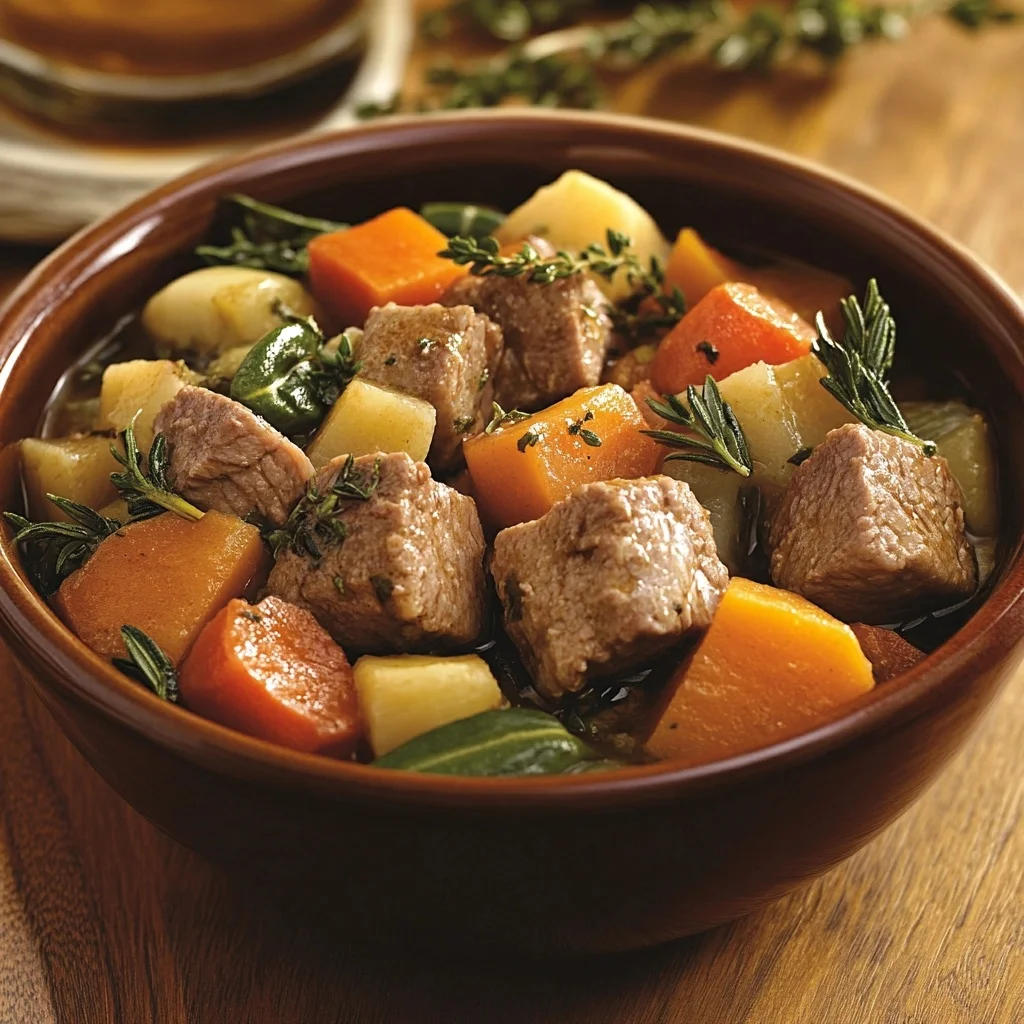
There’s something inherently comforting about a bowl of lamb stew, especially when it’s brimming with the rich flavors of root vegetables. This particular recipe has become a cherished staple in our household, often requested during family gatherings and cozy evenings at home. The first time I made it, the aroma wafting through the kitchen was enough to gather everyone around the table, eagerly waiting with bowls in hand. The tender chunks of lamb coupled with the earthy undertones of root vegetables create a harmonious blend that not only satisfies the palate but warms the soul. It’s a dish that speaks to the heart, embodying both tradition and nourishment.
Ingredients
The key to a successful lamb stew lies in the quality of ingredients. Fresh, seasonal produce and high-grade lamb make all the difference. Here’s what you’ll need:
- 2 pounds of lamb shoulder, cut into 1-inch cubes
- 2 tablespoons of olive oil
- 1 large onion, chopped
- 2 cloves of garlic, minced
- 3 carrots, peeled and sliced
- 2 parsnips, peeled and sliced
- 3 medium potatoes, peeled and chopped
- 1 turnip, peeled and diced
- 2 cups of beef broth
- 1 cup of red wine (optional)
- 1 tablespoon of tomato paste
- 1 teaspoon of dried thyme
- Salt and pepper to taste
- Fresh parsley for garnish
Instructions
Cooking lamb stew is as much about patience as it is about technique. Follow these steps to achieve a flavorful and hearty meal:
- Begin by heating the olive oil in a large pot over medium-high heat. Add the lamb cubes, searing them until browned on all sides. This should take about 5-7 minutes. Remove the lamb and set aside.
- In the same pot, add the chopped onion and minced garlic. Sauté for about 3-4 minutes until the onion becomes translucent.
- Add the carrots, parsnips, potatoes, and turnip to the pot. Stir the vegetables for about 5 minutes, allowing them to coat in the flavors of the onion and garlic.
- Return the lamb to the pot. Stir in the tomato paste, ensuring it evenly coats the meat and vegetables.
- Pour in the beef broth and red wine, if using. Bring the mixture to a simmer.
- Add the dried thyme, salt, and pepper. Cover the pot and reduce the heat to low. Allow the stew to simmer gently for 1.5 to 2 hours, or until the lamb is tender and the flavors have melded beautifully.
- Before serving, taste and adjust seasoning if necessary. Garnish with fresh parsley to add a burst of color and freshness.
Nutrition Facts
This lamb stew recipe yields approximately 6 servings. Each serving contains roughly 350 calories. It’s a balanced meal that provides protein, carbohydrates, and essential vitamins from the root vegetables.
Preparation Time
Preparation for this lamb stew recipe requires about 20 minutes of active work, with an additional 1.5 to 2 hours of cooking time. This makes it an ideal meal to prepare on a lazy weekend afternoon, allowing the flavors to develop while you unwind.
How to Serve
When it comes to serving lamb stew, the goal is to enhance its rich flavors and textures while creating a satisfying dining experience. Here are some delightful pairings and presentation ideas that will elevate your lamb stew to new heights:
With Crusty Bread
One of the most classic accompaniments for lamb stew is a slice of crusty bread. The robust texture of a freshly baked baguette or artisan sourdough not only adds a delightful crunch but also serves a practical purpose: soaking up the rich, flavorful broth. As you spoon the stew into bowls, consider placing a slice of warm bread on the side, or even toasting it lightly to add an extra layer of flavor. For an added touch, you can serve the bread with a pat of herb-infused butter or a drizzle of olive oil, making it a perfect vehicle for capturing every drop of the savory sauce.
Over Mashed Potatoes
For an extra comforting meal, spooning the lamb stew over a generous helping of creamy mashed potatoes can create a truly indulgent dish. The velvety texture of the potatoes complements the hearty chunks of lamb and vegetables, while the creamy flavor balances the stew’s seasoning. To elevate this combination, consider adding roasted garlic or a hint of cream to your mashed potatoes for added richness. Garnish with fresh herbs, such as chives or parsley, to bring a pop of color and freshness to the dish, creating a beautiful contrast with the deep, earthy tones of the stew.
With a Green Salad
A side of fresh greens can provide a refreshing counterpoint to the hearty lamb stew. Opt for a simple green salad featuring crisp lettuce, arugula, or spinach, tossed with a light vinaigrette. The acidity from the dressing will cut through the richness of the stew, cleansing the palate between bites. To enhance the salad, consider adding ingredients like sliced cucumbers, cherry tomatoes, or thinly sliced red onion for texture and flavor. A sprinkle of feta cheese or toasted nuts can also add depth and interest to the dish, making it a well-rounded meal.
With Rice
Serving lamb stew over a bed of rice is another excellent option that adds substance to your meal. The light, fluffy grains of rice absorb the stew’s flavorful juices, creating a comforting and satisfying dish. You can choose from various types of rice, such as jasmine, basmati, or even wild rice, each contributing its unique texture and aroma. For an added twist, consider cooking the rice in broth or adding herbs and spices during cooking to infuse it with flavor. A sprinkle of fresh herbs or a squeeze of lemon juice over the top can brighten the dish and enhance the overall presentation.
With Roasted Vegetables
A side of roasted vegetables beautifully complements the flavors of lamb stew while adding color and nutrition to your meal. Seasonal vegetables such as carrots, parsnips, Brussels sprouts, or root vegetables can be tossed in olive oil, seasoned with herbs, and roasted until caramelized and tender. The natural sweetness of the roasted vegetables contrasts nicely with the savory lamb stew, creating a delightful balance on the plate. For an elegant presentation, arrange the roasted vegetables artfully alongside the stew, and garnish with fresh herbs for a touch of sophistication.
Presentation Ideas
When serving lamb stew, consider not just the side dishes but also the presentation. Use rustic bowls or deep plates to showcase the stew’s hearty nature, and layer the accompaniments artistically. A sprinkle of fresh herbs, a dollop of sour cream or Greek yogurt, or a dash of paprika can add visual appeal and an extra layer of flavor. For a cozy, home-cooked feel, serve the stew directly from a Dutch oven or casserole dish, allowing guests to help themselves. This communal style of serving encourages sharing and conversation, making your lamb stew not just a meal but an experience to savor.
By thoughtfully considering these pairings and presentation ideas, you can create a memorable lamb stew experience that delights the senses and warms the heart.
Additional Tips
Creating a delicious lamb stew is an art that benefits from thoughtful preparation and attention to detail. To take your lamb stew to the next level, consider the following comprehensive tips:
Choosing the Right Cut
When it comes to lamb, the cut you choose can significantly influence the texture and flavor of your stew. Lamb shoulder is an excellent choice because it contains a higher fat content and connective tissue, which breaks down beautifully during slow cooking, resulting in tender, succulent meat. Similarly, lamb leg is another great option, particularly if you prefer leaner meat. Both cuts absorb flavors well, ensuring that each bite is rich and satisfying. For an even more complex flavor profile, consider using a combination of cuts, such as adding some lamb shanks to the shoulder or leg, which provide an additional depth of flavor and texture.
Use Fresh Herbs
Incorporating fresh herbs is one of the simplest yet most effective ways to elevate the flavor of your lamb stew. Thyme and rosemary are classic choices that complement lamb exceptionally well. Their earthy, aromatic qualities enhance the overall taste and aroma of the stew. For optimal results, add herbs early in the cooking process to allow their flavors to infuse into the broth. For a vibrant finish, consider adding a sprinkle of freshly chopped herbs just before serving. This not only enhances the visual appeal but also provides a burst of fresh flavor that can brighten the dish.
Let It Rest
After you finish cooking your lamb stew, resist the temptation to serve it immediately. Allowing the stew to rest for a few minutes before serving can significantly enhance the flavors. During this resting period, the ingredients have a chance to settle, and the flavors meld together more harmoniously. This resting phase also allows the stew to thicken slightly, improving its overall consistency. If you have time, consider letting it rest even longer—up to an hour or more—covered with a lid to keep it warm. This is especially beneficial if you’re making the stew a day in advance.
Make Ahead
Lamb stew is a dish that often tastes better the next day. The reason behind this is simple: as the stew sits, the flavors have more time to develop and deepen, resulting in a richer taste. Making your stew a day in advance allows you to enjoy a hassle-free meal on the day you plan to serve it. After cooking, let the stew cool to room temperature before transferring it to an airtight container and refrigerating. When you’re ready to serve, gently reheat it on the stovetop, adding a splash of broth or water if necessary to achieve your desired consistency. This method not only enhances flavor but also saves you time on busy days.
Adjust Consistency
The consistency of your lamb stew can significantly affect the overall experience. If you prefer a thicker stew, consider removing the lid during the last 30 minutes of cooking. This allows some of the liquid to evaporate, concentrating the flavors and thickening the stew. Alternatively, for a creamier texture, you can use a technique called slurry, where you mix a tablespoon of cornstarch or flour with a small amount of cold water and stir it into the stew during the final stages of cooking. This will help thicken the stew without compromising its flavor. Always taste and adjust the seasoning as needed before serving, as the concentration of flavors can change with adjustments to the liquid.
Final Touches
To complete your lamb stew experience, consider serving it with complementary sides such as crusty bread for dipping, creamy mashed potatoes, or fluffy couscous to soak up the rich broth. A fresh green salad can also add a refreshing contrast to the hearty stew. Additionally, pairing your lamb stew with a robust red wine, such as a Cabernet Sauvignon or Malbec, can enhance the meal’s overall enjoyment, bringing out the flavors of the lamb and herbs.
By following these tips, you can create a memorable lamb stew that delights the palate and warms the soul, ensuring that each serving is a celebration of flavor and comfort.
FAQ Section
Here are some commonly asked questions about making lamb stew:
Q1: Can I use a different type of meat?
A1: Absolutely! While lamb provides a unique flavor, you can substitute beef or chicken, adjusting cooking times as needed.
Q2: Is it necessary to include the red wine?
A2: The red wine adds depth to the stew, but it’s optional. You can replace it with additional beef broth or omit it if preferred.
Q3: How can I make this stew gluten-free?
A3: Ensure that the beef broth you use is gluten-free, and serve the stew with gluten-free bread or sides if desired.
Q4: Can I freeze the leftovers?
A4: Yes, lamb stew freezes well. Store it in airtight containers for up to three months. Thaw overnight in the refrigerator before reheating.
Q5: What if I don’t have all the root vegetables listed?
A5: Feel free to customize the stew with whatever root vegetables you have on hand. Sweet potatoes or rutabaga can be excellent substitutes.