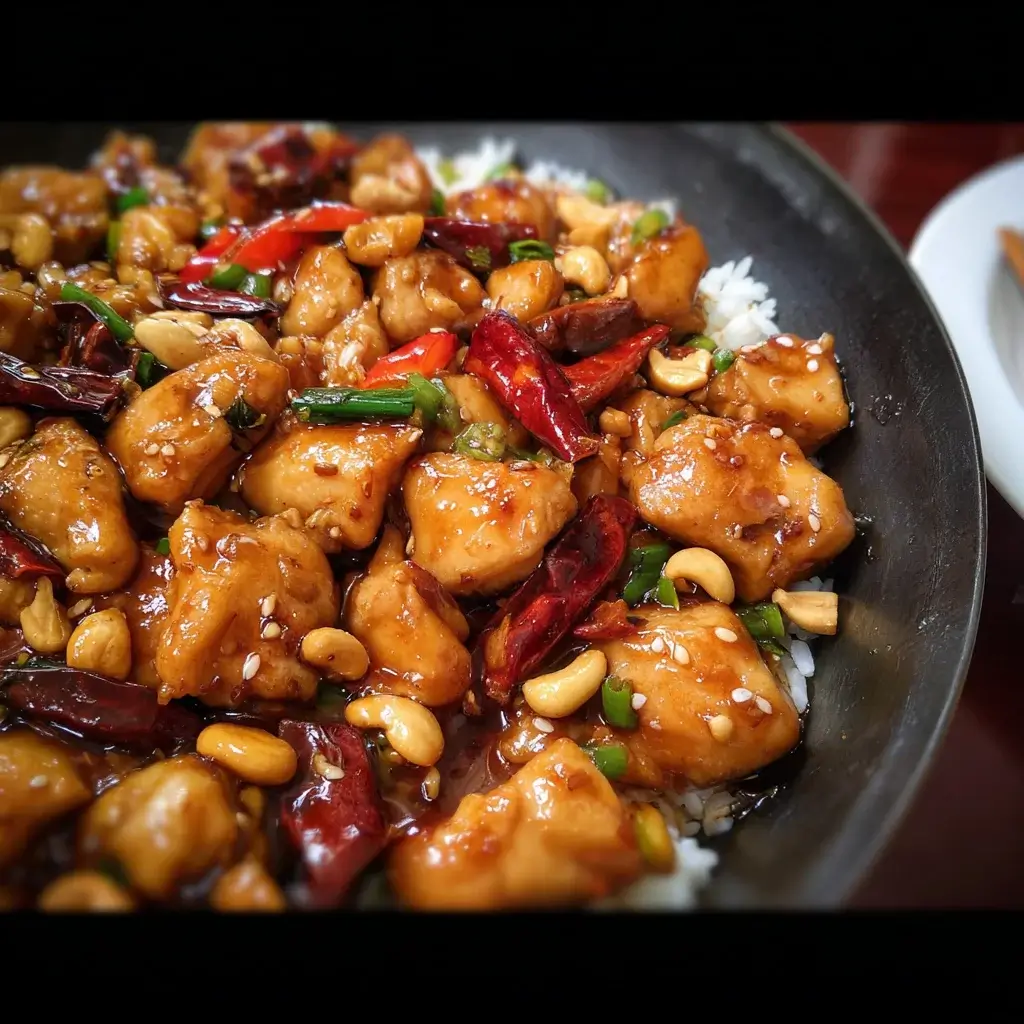
There are some dishes that are more than just a meal; they’re an event. Kung Pao Chicken, for me, is one of those dishes. I’ll never forget the first time I made it from scratch, determined to replicate the electrifying, complex flavor I’d experienced at a true Sichuan restaurant, not the sweet, gloopy version so common in takeaways. My kitchen transformed. The air filled with a symphony of aromas—the floral, citrusy tingle of Sichuan peppercorns blooming in the hot oil, the smoky perfume of dried chilies, the sharp fragrance of ginger and garlic. As I tossed the velvety chicken and crunchy peanuts in that iconic, glossy sauce, I knew this was different. The first bite was a revelation: first, a savory-sweet-tangy punch from the sauce, followed by the tender, juicy chicken, and then, the star of the show—that creeping, tingling numbness on the lips from the peppercorns, the ma la, that makes authentic Kung Pao so addictive. My family, initially wary of the “numbing” sensation I’d described, were instant converts. It’s a dish that wakes up your palate and makes you pay attention, a thrilling rollercoaster of flavor and texture that has become a celebrated fixture in our home cooking rotation.
Understanding the Soul of Kung Pao Chicken
Before we light the stove, it’s essential to understand what makes Kung Pao Chicken (宫保鸡丁, Gōngbǎo Jīdīng) a titan of Sichuan cuisine. This isn’t just another sweet and sour chicken. Authentic Kung Pao is a masterful balance of distinct flavors, primarily the famous Sichuan ma la (麻辣) profile.
- Ma (麻): This refers to the unique, tingling, numbing sensation produced by Sichuan peppercorns. It’s not “spicy” in the way a chili is; it’s a citrusy, floral buzz that vibrates on your tongue and lips, preparing your palate for the next flavor.
- La (辣): This is the fiery heat you know and love, delivered by whole dried red chilies that are toasted in the oil to release their smoky, fragrant spice.
Beyond ma la, the sauce itself is a complex harmony of salty soy sauce, rich and slightly sweet Shaoxing wine, and the signature tang from Chinkiang black vinegar. A touch of sugar rounds it all out, creating a sauce that is savory, tangy, and subtly sweet, designed to perfectly coat every single ingredient. The final dish is a textural masterpiece: tender velveteen chicken, crunchy roasted peanuts, and fragrant aromatics all brought together in that unforgettable sauce. This recipe is your guide to creating that authentic, restaurant-quality experience right in your own kitchen.
The Complete Ingredient List for Authentic Kung Pao Chicken
Success in stir-frying is built on preparation. This is a fast-cooking dish, so have every single ingredient measured, chopped, and ready in small bowls before you begin. This practice, known as mise en place, is non-negotiable.
For the Chicken & Marinade (The “Velveting” Process):
- 1 lb (450g) Boneless, skinless chicken breasts or thighs, cut into ¾-inch cubes
- 1 tbsp Shaoxing wine (or dry sherry)
- 1 tbsp Low-sodium soy sauce (or tamari for gluten-free)
- 2 tsp Cornstarch
- 1 tsp Toasted sesame oil
For the Kung Pao Sauce:
- 3 tbsp Low-sodium soy sauce
- 2 tbsp Chinkiang black vinegar (or a good quality balsamic vinegar as a substitute)
- 1 tbsp Shaoxing wine (or dry sherry)
- 1 tbsp Chinese chili bean paste (Doubanjiang) – optional, for a deeper savory spice
- 1 tbsp Granulated sugar
- 1 tsp Cornstarch
- 1 tsp Toasted sesame oil
For the Stir-Fry:
- 3 tbsp High-heat cooking oil (like avocado, canola, or peanut oil)
- 1 tbsp Whole Sichuan peppercorns
- 8-15 Whole dried red chilies (like chiles de árbol), snipped in half (deseed for less heat)
- 4-5 cloves Garlic, thinly sliced
- 1-inch piece Ginger, peeled and thinly sliced
- 4-5 Scallions, white and light green parts separated from dark green parts, sliced
- ¾ cup Unsalted roasted peanuts
Step-by-Step Instructions for a Flawless Kung Pao
Follow these instructions carefully. The final stir-fry process is very quick, so organization is key.
Part 1: The Preparation (Mise en Place)
- Velvet the Chicken: In a medium bowl, combine the cubed chicken with all the marinade ingredients: Shaoxing wine, soy sauce, cornstarch, and sesame oil. Mix thoroughly until every piece of chicken is coated. The cornstarch mixture creates a “velvet” coating that protects the chicken from the high heat, keeping it incredibly moist and tender. Set aside to marinate for at least 15-30 minutes.
- Mix the Sauce: In a separate small bowl, whisk together all the sauce ingredients: soy sauce, Chinkiang vinegar, Shaoxing wine, optional chili bean paste, sugar, cornstarch, and sesame oil. Stir until the sugar and cornstarch are fully dissolved. Set this bowl right next to your stove.
- Prepare the Aromatics:
- Separate your sliced scallions: place the white and light green parts in one small bowl and the dark green tops in another for garnish.
- Have your sliced garlic, ginger, dried chilies, Sichuan peppercorns, and roasted peanuts in their own small bowls, ready to go.
Part 2: The Cooking Process (High Heat & Fast Action)
- Heat Your Wok/Skillet: Place a large wok or a heavy-bottomed skillet over high heat. Let it get smoking hot. A properly heated pan is the key to achieving “wok hei,” the signature smoky aroma of a great stir-fry.
- Bloom the Aromatics: Add the 3 tablespoons of cooking oil to the hot wok. Swirl to coat. Immediately add the Sichuan peppercorns and the dried red chilies. Stir-fry for just 30-45 seconds until they are intensely fragrant. Be very careful not to burn them, which will make them bitter. You are infusing the oil with their ma la flavor.
- Sear the Chicken: Add the marinated chicken to the infused oil in a single layer. Spread it out and let it sear without moving for about 1-2 minutes to get a nice golden-brown crust. Then, begin to stir-fry, tossing the chicken until it is cooked through and opaque. This should take about 3-4 minutes in total.
- Add the Next Layer of Aromatics: Push the chicken to the side of the wok. Add the sliced garlic, ginger, and the white/light green parts of the scallions to the cleared space in the wok. Stir-fry for about 30 seconds until they are fragrant.
- Combine and Sauce: Toss the aromatics together with the cooked chicken. Give your prepared sauce a quick final stir (the cornstarch will have settled) and pour it all over the chicken in the wok.
- Thicken and Finish: Stir-fry continuously. The sauce will bubble and thicken into a beautiful glossy glaze in about 30-60 seconds. Once the sauce has thickened and is clinging to the chicken, turn off the heat.
- Add Peanuts and Garnish: Add the roasted peanuts and the dark green scallion tops to the wok. Give it one final toss to combine everything.
- Serve Immediately: Transfer the Kung Pao Chicken to a serving platter and serve immediately while it’s hot and the textures are at their peak.
Nutrition and Timing Breakdown
Preparation and Cooking Time
- Preparation & Marinating Time: 30 minutes
- Cooking Time: 10-12 minutes
- Total Time: Approximately 45 minutes
Nutrition Facts
- Servings: 4 main course servings
- Calories Per Serving (approximate): 500-550 kcal (served without rice)
Disclaimer: The nutritional information is an estimate and will vary based on specific ingredients, such as the cut of chicken and type of oil used.
How to Serve and Enjoy Your Kung Pao Chicken
The classic and best way to serve Kung Pao Chicken is simply, allowing its complex flavors to shine.
- Steamed Jasmine Rice: The absolute classic pairing. Fluffy, fragrant jasmine rice is the perfect neutral canvas to soak up the incredible sauce and cool the palate between spicy bites.
- Brown Rice or Quinoa: For a healthier, nuttier alternative, serve it over a bed of steamed brown rice or quinoa.
- As a Shared Main: In a traditional Chinese meal setting, serve the Kung Pao Chicken on a central platter alongside other dishes like stir-fried greens (e.g., bok choy with garlic), a milder soup, and plenty of steamed rice for everyone to share.
- With Plain Noodles: Toss the finished dish with some freshly boiled, plain wheat or egg noodles for a satisfying one-bowl meal.
- With a Cooling Side: A simple, cooling cucumber salad dressed with a little rice vinegar and sesame oil is a fantastic side dish that provides a refreshing contrast to the ma la heat.
Additional Tips for a Truly Masterful Dish
- Source the Key Ingredients: While you can make substitutions, the soul of this dish comes from three key ingredients: Shaoxing wine, Chinkiang black vinegar, and Sichuan peppercorns. You can find these at most Asian markets or online. They are worth seeking out and will elevate your dish from good to extraordinary.
- Control Your Heat Levels: The spiciness is customizable. The number of dried chilies you use dictates the la (fiery) heat. For a milder dish, use fewer chilies and make sure to discard their seeds. The ma (numbing) heat from the Sichuan peppercorns is a different sensation; start with a teaspoon if you’re new to it and work your way up.
- The Art of Velveting: Do not skip the marinating/velveting step for the chicken. This simple technique is the secret behind why chicken in Chinese restaurants is always so much more tender and moist than what is often made at home. It creates a protective layer that locks in moisture during the high-heat cooking.
- Don’t Burn the Aromatics: The very first cooking step—blooming the peppercorns and chilies—is critical. The oil should be hot, but not so hot that it instantly scorches them. They should sizzle and release their fragrance within 30-45 seconds. If you see them turning dark brown or black, your oil is too hot. It’s better to start over than to have a bitter, acrid flavor in your final dish.
- Peanut Preparation: For the best crunch, use unsalted, raw peanuts and roast them yourself. Simply toss them in a dry skillet over medium heat for 5-7 minutes, shaking frequently, until they are golden brown and fragrant. Let them cool completely before adding them to the stir-fry at the very end to maintain their crunch.
Frequently Asked Questions (FAQ)
1. What if I can’t find Sichuan peppercorns? Is there a substitute?
There is no perfect substitute for the unique numbing quality of Sichuan peppercorns. However, if you absolutely cannot find them, you can try a combination of freshly ground black pepper and a pinch of coriander seed to mimic some of the citrusy notes. The dish will still be delicious, but it will lack its signature ma la tingle.
2. Can I use chicken thighs instead of breasts?
Yes, absolutely! Many chefs and home cooks prefer using boneless, skinless chicken thighs for Kung Pao. Thigh meat is naturally more flavorful and forgiving, and it stays incredibly moist even with the high heat of the stir-fry. The cooking time will be roughly the same.
3. Can I add vegetables to this dish?
Authentic Kung Pao Chicken is very minimalist and doesn’t typically contain a lot of vegetables. However, this is your kitchen! If you want to add vegetables, good choices would be diced red bell peppers, celery, or zucchini. Add them to the wok after the chicken is cooked and stir-fry for a couple of minutes until crisp-tender before adding the sauce.
4. My sauce didn’t thicken properly. What went wrong?
This is usually due to one of two reasons. First, ensure you give the sauce a good whisk right before adding it to the wok, as the cornstarch settles at the bottom. Second, the wok needs to be hot enough for the sauce to bubble and activate the cornstarch. If it’s still thin, simply let it simmer for an extra 30 seconds while stirring, and it should thicken up nicely.
5. How can I make this dish vegetarian or vegan?
This dish is easily adapted. For a vegetarian/vegan version, substitute the chicken with firm or extra-firm tofu that has been pressed and cubed. You can also use seitan or a mix of hearty mushrooms like shiitake and cremini. Ensure your chili bean paste (if using) is vegan, as some brands contain shrimp paste. The rest of the sauce ingredients are typically vegan-friendly.
Kung Pao Chicken recipe
Ingredients
For the Chicken & Marinade (The “Velveting” Process):
-
1 lb (450g) Boneless, skinless chicken breasts or thighs, cut into ¾-inch cubes
-
1 tbsp Shaoxing wine (or dry sherry)
-
1 tbsp Low-sodium soy sauce (or tamari for gluten-free)
-
2 tsp Cornstarch
-
1 tsp Toasted sesame oil
For the Kung Pao Sauce:
-
3 tbsp Low-sodium soy sauce
-
2 tbsp Chinkiang black vinegar (or a good quality balsamic vinegar as a substitute)
-
1 tbsp Shaoxing wine (or dry sherry)
-
1 tbsp Chinese chili bean paste (Doubanjiang) – optional, for a deeper savory spice
-
1 tbsp Granulated sugar
-
1 tsp Cornstarch
-
1 tsp Toasted sesame oil
For the Stir-Fry:
-
3 tbsp High-heat cooking oil (like avocado, canola, or peanut oil)
-
1 tbsp Whole Sichuan peppercorns
-
8-15 Whole dried red chilies (like chiles de árbol), snipped in half (deseed for less heat)
-
4-5 cloves Garlic, thinly sliced
-
1-inch piece Ginger, peeled and thinly sliced
-
4-5 Scallions, white and light green parts separated from dark green parts, sliced
-
¾ cup Unsalted roasted peanuts
Instructions
Part 1: The Preparation (Mise en Place)
-
Velvet the Chicken: In a medium bowl, combine the cubed chicken with all the marinade ingredients: Shaoxing wine, soy sauce, cornstarch, and sesame oil. Mix thoroughly until every piece of chicken is coated. The cornstarch mixture creates a “velvet” coating that protects the chicken from the high heat, keeping it incredibly moist and tender. Set aside to marinate for at least 15-30 minutes.
-
Mix the Sauce: In a separate small bowl, whisk together all the sauce ingredients: soy sauce, Chinkiang vinegar, Shaoxing wine, optional chili bean paste, sugar, cornstarch, and sesame oil. Stir until the sugar and cornstarch are fully dissolved. Set this bowl right next to your stove.
-
Prepare the Aromatics:
-
Separate your sliced scallions: place the white and light green parts in one small bowl and the dark green tops in another for garnish.
-
Have your sliced garlic, ginger, dried chilies, Sichuan peppercorns, and roasted peanuts in their own small bowls, ready to go.
-
Part 2: The Cooking Process (High Heat & Fast Action)
-
Heat Your Wok/Skillet: Place a large wok or a heavy-bottomed skillet over high heat. Let it get smoking hot. A properly heated pan is the key to achieving “wok hei,” the signature smoky aroma of a great stir-fry.
-
Bloom the Aromatics: Add the 3 tablespoons of cooking oil to the hot wok. Swirl to coat. Immediately add the Sichuan peppercorns and the dried red chilies. Stir-fry for just 30-45 seconds until they are intensely fragrant. Be very careful not to burn them, which will make them bitter. You are infusing the oil with their ma la flavor.
-
Sear the Chicken: Add the marinated chicken to the infused oil in a single layer. Spread it out and let it sear without moving for about 1-2 minutes to get a nice golden-brown crust. Then, begin to stir-fry, tossing the chicken until it is cooked through and opaque. This should take about 3-4 minutes in total.
-
Add the Next Layer of Aromatics: Push the chicken to the side of the wok. Add the sliced garlic, ginger, and the white/light green parts of the scallions to the cleared space in the wok. Stir-fry for about 30 seconds until they are fragrant.
-
Combine and Sauce: Toss the aromatics together with the cooked chicken. Give your prepared sauce a quick final stir (the cornstarch will have settled) and pour it all over the chicken in the wok.
-
Thicken and Finish: Stir-fry continuously. The sauce will bubble and thicken into a beautiful glossy glaze in about 30-60 seconds. Once the sauce has thickened and is clinging to the chicken, turn off the heat.
-
Add Peanuts and Garnish: Add the roasted peanuts and the dark green scallion tops to the wok. Give it one final toss to combine everything.
-
Serve Immediately: Transfer the Kung Pao Chicken to a serving platter and serve immediately while it’s hot and the textures are at their peak.
Nutrition
- Serving Size: one normal portion
- Calories: 500-550