
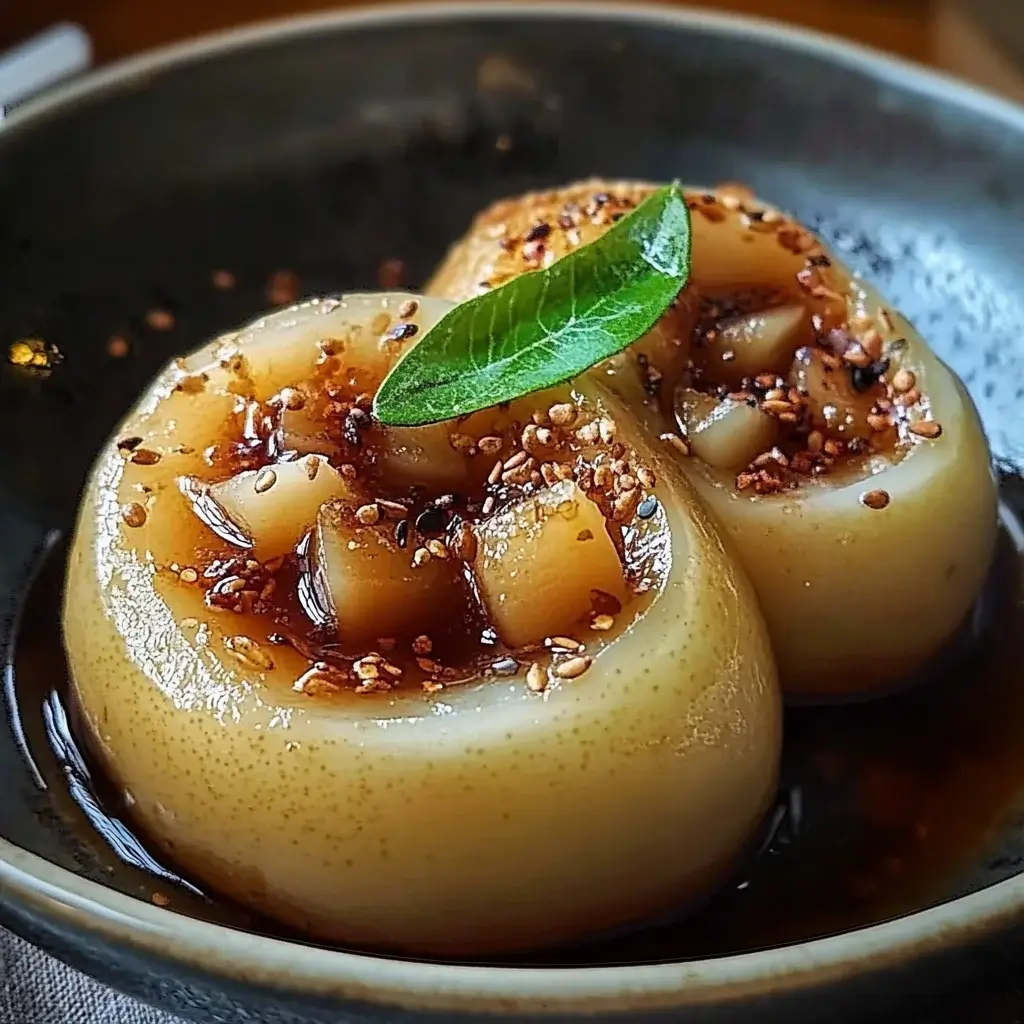

The first time I encountered Korean Steamed Pear (Baesuk, 배숙), it was during a particularly harsh winter cold. My Korean friend’s grandmother insisted I try this traditional remedy, and honestly, I was a bit skeptical. Steamed pear? It didn’t sound particularly appetizing. But one spoonful of the warm, delicately sweet, and soothing broth, infused with ginger and honey, completely changed my mind. Not only did it ease my sore throat instantly, but it also warmed me from the inside out. Since then, Baesuk has become a cherished staple in my household, not just for its medicinal properties but also for its subtle, comforting flavor and ease of preparation. My family now requests it even when we are not under the weather, enjoying it as a light dessert or a soothing evening treat. It’s a testament to the wisdom of traditional remedies – a simple, natural, and incredibly effective way to soothe ailments and delight the palate. If you’re looking for a gentle, healthy, and delicious way to boost your well-being and experience a taste of Korean culinary tradition, look no further than this exquisite Korean Steamed Pear recipe. Prepare to be charmed by its simplicity and captivated by its therapeutic warmth.
Ingredients for Authentic Korean Steamed Pear (Baesuk)
The magic of Baesuk lies in its short and simple ingredient list, where each component plays a vital role in creating its unique flavor and therapeutic benefits. Quality and freshness are key to unlocking the full potential of this traditional remedy. Here’s what you’ll need to prepare authentic Korean Steamed Pear:
- Korean Pear ( 배, Bae ) or Asian Pear (1 large or 2 medium): The heart of the recipe, Korean or Asian pears are essential for their unique texture and flavor. These pears are known for their crisp, juicy flesh, and subtle sweetness, which becomes even more delicate and soothing when steamed. While you can technically use other types of pears in a pinch (like Bosc or Anjou), Korean or Asian pears provide the most authentic taste and texture. Look for firm, unblemished pears that feel heavy for their size.
- Fresh Ginger ( 생강, Saenggang ) (2-3 thin slices): Ginger is the powerhouse ingredient that provides Baesuk’s therapeutic properties and adds a warming, spicy counterpoint to the pear’s sweetness. Fresh ginger is crucial; ground ginger will not provide the same nuanced flavor or health benefits. Choose a firm, plump ginger root with smooth skin. Thin slices are preferred to allow the ginger flavor to infuse gently without overpowering the pear.
- Honey ( 꿀, Kkul ) (2-3 tablespoons, or to taste): Honey acts as a natural sweetener and further enhances the soothing qualities of Baesuk. It also contributes to the syrup-like consistency of the broth. Use good quality honey, preferably raw or local honey, for its superior flavor and potential health benefits. The amount of honey can be adjusted to your preference, depending on the sweetness of your pear and your taste. For vegan options, maple syrup or agave nectar can be used as substitutes, though honey is traditional and considered most beneficial in Korean traditional medicine.
- Water ( 물, Mul ) (½ cup): Water is the base liquid for steaming the pear and creating the broth. Use filtered water for the purest taste.
- Optional: Jujubes ( 대추, Daechu ) or Pine Nuts ( 잣, Jat ) (for garnish): These are traditional garnishes that add visual appeal and subtle flavor nuances. Jujubes (Korean dates) contribute a chewy texture and slight sweetness, while pine nuts offer a delicate nutty crunch. These are optional but add a touch of authenticity and elegance to your Baesuk.
Ingredient Notes & Substitutions:
- Pear Variety: While Korean/Asian pears are ideal, if unavailable, Bosc pears are the next best option for their firm texture. Anjou pears can also work, but they are softer and may become mushier when steamed. Avoid Bartlett pears as they are too soft for this recipe.
- Ginger Intensity: Adjust the number of ginger slices based on your preference for ginger flavor. For a milder ginger taste, use 1-2 slices. For a stronger ginger flavor, use 3-4 slices.
- Sweetener Alternatives: If you prefer less sweetness or want to use alternative sweeteners, you can use maple syrup, agave nectar, or even a sugar substitute like stevia, though honey is traditional and contributes to the medicinal properties.
- Garnish Variations: Other garnishes you can consider include cinnamon sticks (steamed with the pear for added warmth), goji berries (for color and antioxidants), or a sprinkle of ground cinnamon or nutmeg after steaming.
Instructions: How to Make Soothing Korean Steamed Pear (Baesuk)
Creating this comforting and therapeutic Korean Steamed Pear is remarkably simple and requires minimal effort. Follow these step-by-step instructions to prepare your own Baesuk:
- Prepare the Pear: Gently wash the Korean or Asian pear under cool running water. Pat it dry with a clean towel.
- Core the Pear: Using a sharp knife or a melon baller, carefully core the pear from the top, creating a well in the center. Remove the core and seeds, creating a cavity large enough to hold the ginger and honey. Be careful not to cut through the bottom of the pear. You want to create a bowl shape inside the pear.
- Fill the Pear: Place the thin slices of fresh ginger inside the cored cavity of the pear. Drizzle honey into the cavity, filling it generously but leaving a little space at the top as the pear will release juices during steaming.
- Steam the Pear: There are a few methods for steaming the pear:
- Steamer Basket: Place the filled pear in a heatproof bowl or small ramekin that fits inside a steamer basket. Pour water into a pot, about 1-2 inches deep, and bring it to a boil. Place the steamer basket with the pear over the boiling water, ensuring the water does not touch the bottom of the bowl. Cover the pot tightly with a lid and steam for 25-30 minutes, or until the pear is softened but still holds its shape and is easily pierced with a fork.
- Double Boiler: If you have a double boiler, you can use it. Place water in the bottom pot and bring it to a simmer. Place the filled pear in the top pot of the double boiler. Cover and steam for 25-30 minutes, or until the pear is tender.
- Microwave (Less Traditional, Quicker Option): For a faster but less traditional method, you can microwave the pear. Place the filled pear in a microwave-safe bowl with about ¼ cup of water at the bottom of the bowl. Cover the bowl with microwave-safe plastic wrap or a microwave-safe lid, leaving a small vent for steam to escape. Microwave on high for 5-8 minutes, checking for tenderness after 5 minutes. Microwave times may vary depending on your microwave’s wattage and the size of the pear. Be cautious when removing from the microwave as the steam will be hot.
- Check for Doneness: The pear is done when it is tender and easily pierced with a fork, but still holds its shape and is not mushy. The flesh should be translucent and softened. The honey and pear juices will have created a light syrup in the bottom of the bowl.
- Serve Warm: Carefully remove the steamed pear from the steamer or microwave. If using jujubes or pine nuts, garnish the steamed pear with these optional toppings. Serve immediately while warm, spooning the warm broth over the pear as you eat it. The warm broth is just as beneficial and delicious as the pear itself.
- Enjoy the Broth and Pear: Enjoy both the warm, soothing broth and the tender, infused pear flesh. Sip the broth slowly and eat the pear with a spoon. Baesuk is traditionally consumed warm to maximize its soothing and therapeutic effects, especially for coughs and colds.
Nutrition Facts for Korean Steamed Pear (Baesuk) (Estimated)
Korean Steamed Pear is not only a comforting and therapeutic remedy but also a relatively healthy and low-calorie treat. Here’s an estimated nutritional breakdown per serving. Please note that these values are approximate and can vary based on the size of the pear, the amount of honey used, and specific ingredient variations.
- Serving Size: 1 Steamed Pear (including broth)
- Servings per Recipe: 1-2 servings (depending on pear size, recipe is usually for one pear per person)
Approximate Nutritional Values per Serving (1 Steamed Pear, estimated):
- Calories: 150-250 kcal (depending on honey amount and pear size)
- Fat: <1g
- Saturated Fat: <0.1g
- Unsaturated Fat: <1g
- Cholesterol: 0mg
- Sodium: <10mg (negligible)
- Carbohydrates: 35-50g
- Fiber: 5-7g (from pear)
- Sugar: 25-35g (naturally occurring sugars in pear and honey)
- Protein: <1g
Key Nutritional Highlights:
- Low in Fat and Protein: Baesuk is very low in fat and protein, making it a light and easily digestible dessert or snack.
- Source of Fiber: Pears are a good source of dietary fiber, which aids in digestion and promotes gut health.
- Vitamins and Minerals: Pears contain some vitamins and minerals, including Vitamin C, Vitamin K, and copper, though in moderate amounts.
- Antioxidants: Pears and ginger contain antioxidants, which can help protect cells from damage.
- Soothing Properties: Ginger and honey are known for their anti-inflammatory and soothing properties, making Baesuk beneficial for sore throats and coughs.
Important Considerations:
- Sugar Content: While the sugars are primarily from natural sources (pear and honey), the sugar content can be moderate, especially if using a larger amount of honey. Individuals watching their sugar intake should consume Baesuk in moderation.
- Honey for Infants: Honey should not be given to infants under one year old due to the risk of botulism. Maple syrup or agave nectar can be used as alternatives for young children, though consult with a pediatrician.
Disclaimer: These nutritional values are estimates. For precise nutritional information, use a nutrition calculator and input the specific brands and quantities of ingredients used. Baesuk should be enjoyed as part of a balanced diet.
Preparation Time for Korean Steamed Pear (Baesuk)
Korean Steamed Pear is incredibly quick and easy to prepare, making it a perfect remedy when you’re feeling under the weather or need a simple, healthy dessert.
- Prep Time: This includes washing, coring, and filling the pear with ginger and honey. Prep time is approximately 10-15 minutes.
- Cook Time (Steaming): Steaming time is approximately 25-30 minutes using a steamer basket or double boiler. Microwave steaming is faster, around 5-8 minutes.
- Total Time: From start to finish, Korean Steamed Pear takes about 35-45 minutes using traditional steaming methods, and significantly less time with microwaving.
This quick preparation time makes Baesuk an ideal choice for:
- Quick Relief for Colds and Coughs: When you need a fast-acting natural remedy.
- Easy Weeknight Dessert: A healthy and light dessert option that doesn’t require much effort.
- Soothing Evening Snack: A warm and comforting snack before bedtime, especially during colder months.
- Gentle Digestive Treat: Easy on the stomach and soothing for digestion.
How to Serve Korean Steamed Pear (Baesuk): Warmth and Presentation
Baesuk is best enjoyed warm to maximize its soothing and therapeutic benefits. Presentation is simple but can enhance the comforting appeal of this traditional remedy. Here are serving suggestions:
- Serve Warm in a Bowl: Serve the steamed pear immediately while it’s still warm in a small bowl or ramekin.
- Include the Broth: Be sure to serve the pear with the warm broth that has accumulated in the bowl during steaming. The broth is flavorful and contains the infused goodness of pear, ginger, and honey.
- Garnish (Optional but Recommended):
- Jujubes (Daechu): If using jujubes, arrange a few jujubes on top of the steamed pear as a traditional garnish.
- Pine Nuts (Jat): Sprinkle a few pine nuts over the pear for a delicate nutty crunch and visual appeal.
- Cinnamon Stick (Steamed with Pear): If you steamed a cinnamon stick with the pear, you can leave it in the bowl as a garnish or remove it before serving.
- Fresh Mint Sprig: A small sprig of fresh mint can add a touch of freshness and visual contrast.
- Individual Servings: Baesuk is typically served in individual portions, with one steamed pear per person.
- Accompany with Tea (Optional): You can serve Baesuk with a cup of warm herbal tea, like ginger tea or chamomile tea, to further enhance its soothing and warming effects.
- Eat with a Spoon: Baesuk is eaten with a spoon, allowing you to enjoy both the warm broth and the tender pear flesh in each spoonful.
- Simple and Natural Presentation: The beauty of Baesuk lies in its simplicity. Avoid overly elaborate garnishes and focus on presenting it in a natural and comforting way.
Additional Tips for Delicious and Effective Korean Steamed Pear
To ensure your Korean Steamed Pear is not only delicious but also maximizes its soothing and therapeutic properties, consider these helpful tips:
- Use Ripe but Firm Pears: Choose Korean or Asian pears that are ripe but still firm to the touch. Overripe pears may become too mushy during steaming. Firm pears will hold their shape better and have a more pleasant texture after steaming.
- Don’t Overfill the Cavity: When filling the cored pear cavity with honey, don’t overfill it to the brim. Leave a little space at the top to allow for expansion as the pear releases juices during steaming. Overfilling can cause honey to overflow during cooking.
- Steam Gently: Steam the pear gently over simmering water, not vigorously boiling water. Gentle steaming ensures that the pear cooks evenly and doesn’t become tough or rubbery. Maintain a consistent simmer throughout the steaming process.
- Adjust Sweetness and Ginger to Taste: Adjust the amount of honey and ginger to your personal preference. If you prefer a less sweet Baesuk, use less honey. For a stronger ginger flavor, use more ginger slices or slightly thicker slices. Taste and adjust in future batches to find your perfect balance.
- Serve Warm Immediately: Baesuk is most effective and comforting when served warm immediately after steaming. The warmth enhances its soothing properties and flavor. If you can’t serve it right away, keep it warm in the steamer basket or gently reheat it before serving.
Frequently Asked Questions (FAQ) about Korean Steamed Pear (Baesuk)
Got questions about making Korean Steamed Pear? Here are answers to some common queries:
Q1: Can I make Baesuk ahead of time?
A: While Baesuk is best enjoyed fresh and warm, you can prepare it ahead of time and reheat it gently. Steamed pear can be stored in the refrigerator for up to 24 hours. Reheat it gently in a steamer basket or microwave until warmed through before serving. The texture might soften slightly upon reheating.
Q2: Can I use other types of pears if Korean pears are not available?
A: Yes, if Korean or Asian pears are not available, you can use Bosc pears as the best substitute for their firm texture. Anjou pears can also work, but they are softer. Avoid Bartlett pears as they are too soft and will become mushy.
Q3: Is Baesuk only for colds and coughs?
A: While Baesuk is traditionally used as a remedy for colds, coughs, and sore throats due to the soothing properties of pear, ginger, and honey, it can also be enjoyed as a healthy and light dessert or a comforting snack at any time. Its gentle flavor and warmth make it a pleasant treat even when you are not ill.
Q4: Can I make Baesuk without honey for vegans or those avoiding honey?
A: Yes, you can substitute honey with maple syrup, agave nectar, or brown sugar for a vegan version or if you are avoiding honey. However, honey is traditionally used and is believed to contribute to the therapeutic benefits, especially for soothing coughs and sore throats.
Q5: Can I add other ingredients to Baesuk?
A: While the classic Baesuk recipe is simple with pear, ginger, and honey, you can add other ingredients for variations. Some additions include:
* Cinnamon Stick: Steaming a cinnamon stick with the pear adds warmth and spice.
* Jujubes (Daechu): Steaming jujubes with the pear adds a chewy texture and subtle sweetness.
* Goji Berries: Adding a few goji berries can increase the antioxidant content and add a pop of color.
* Lemon Juice: A squeeze of lemon juice can add a touch of brightness.
* Herbal Teas: Steaming the pear in herbal tea instead of water can infuse additional flavors and benefits.
Enjoy the process of making and savoring this traditional and comforting Korean Steamed Pear recipe. It’s a simple yet profound way to care for yourself and experience a taste of Korean culinary wisdom.
Print
Korean Steamed Pear Recipe
Ingredients
-
- Korean Pear ( 배, Bae ) or Asian Pear (1 large or 2 medium): The heart of the recipe, Korean or Asian pears are essential for their unique texture and flavor. These pears are known for their crisp, juicy flesh, and subtle sweetness, which becomes even more delicate and soothing when steamed. While you can technically use other types of pears in a pinch (like Bosc or Anjou), Korean or Asian pears provide the most authentic taste and texture. Look for firm, unblemished pears that feel heavy for their size.
-
- Fresh Ginger ( 생강, Saenggang ) (2-3 thin slices): Ginger is the powerhouse ingredient that provides Baesuk’s therapeutic properties and adds a warming, spicy counterpoint to the pear’s sweetness. Fresh ginger is crucial; ground ginger will not provide the same nuanced flavor or health benefits. Choose a firm, plump ginger root with smooth skin. Thin slices are preferred to allow the ginger flavor to infuse gently without overpowering the pear.
-
- Honey ( 꿀, Kkul ) (2-3 tablespoons, or to taste): Honey acts as a natural sweetener and further enhances the soothing qualities of Baesuk. It also contributes to the syrup-like consistency of the broth. Use good quality honey, preferably raw or local honey, for its superior flavor and potential health benefits. The amount of honey can be adjusted to your preference, depending on the sweetness of your pear and your taste. For vegan options, maple syrup or agave nectar can be used as substitutes, though honey is traditional and considered most beneficial in Korean traditional medicine.
-
- Water ( 물, Mul ) (½ cup): Water is the base liquid for steaming the pear and creating the broth. Use filtered water for the purest taste.
-
- Optional: Jujubes ( 대추, Daechu ) or Pine Nuts ( 잣, Jat ) (for garnish): These are traditional garnishes that add visual appeal and subtle flavor nuances. Jujubes (Korean dates) contribute a chewy texture and slight sweetness, while pine nuts offer a delicate nutty crunch. These are optional but add a touch of authenticity and elegance to your Baesuk.
Instructions
-
- Prepare the Pear: Gently wash the Korean or Asian pear under cool running water. Pat it dry with a clean towel.
-
- Core the Pear: Using a sharp knife or a melon baller, carefully core the pear from the top, creating a well in the center. Remove the core and seeds, creating a cavity large enough to hold the ginger and honey. Be careful not to cut through the bottom of the pear. You want to create a bowl shape inside the pear.
-
- Fill the Pear: Place the thin slices of fresh ginger inside the cored cavity of the pear. Drizzle honey into the cavity, filling it generously but leaving a little space at the top as the pear will release juices during steaming.
-
- Steam the Pear: There are a few methods for steaming the pear:
-
- Steamer Basket: Place the filled pear in a heatproof bowl or small ramekin that fits inside a steamer basket. Pour water into a pot, about 1-2 inches deep, and bring it to a boil. Place the steamer basket with the pear over the boiling water, ensuring the water does not touch the bottom of the bowl. Cover the pot tightly with a lid and steam for 25-30 minutes, or until the pear is softened but still holds its shape and is easily pierced with a fork.
-
- Double Boiler: If you have a double boiler, you can use it. Place water in the bottom pot and bring it to a simmer. Place the filled pear in the top pot of the double boiler. Cover and steam for 25-30 minutes, or until the pear is tender.
-
- Microwave (Less Traditional, Quicker Option): For a faster but less traditional method, you can microwave the pear. Place the filled pear in a microwave-safe bowl with about ¼ cup of water at the bottom of the bowl. Cover the bowl with microwave-safe plastic wrap or a microwave-safe lid, leaving a small vent for steam to escape. Microwave on high for 5-8 minutes, checking for tenderness after 5 minutes. Microwave times may vary depending on your microwave’s wattage and the size of the pear. Be cautious when removing from the microwave as the steam will be hot.
-
- Steam the Pear: There are a few methods for steaming the pear:
-
- Check for Doneness: The pear is done when it is tender and easily pierced with a fork, but still holds its shape and is not mushy. The flesh should be translucent and softened. The honey and pear juices will have created a light syrup in the bottom of the bowl.
-
- Serve Warm: Carefully remove the steamed pear from the steamer or microwave. If using jujubes or pine nuts, garnish the steamed pear with these optional toppings. Serve immediately while warm, spooning the warm broth over the pear as you eat it. The warm broth is just as beneficial and delicious as the pear itself.
-
- Enjoy the Broth and Pear: Enjoy both the warm, soothing broth and the tender, infused pear flesh. Sip the broth slowly and eat the pear with a spoon. Baesuk is traditionally consumed warm to maximize its soothing and therapeutic effects, especially for coughs and colds.
Nutrition
- Serving Size: one normal portion
- Calories: 150-250
- Sugar: 25-35g
- Sodium: 10mg
- Fat: 1g
- Saturated Fat: 0.1g
- Unsaturated Fat: 1g
- Carbohydrates: 35-50g
- Fiber: 5-7g
- Protein: 1g