
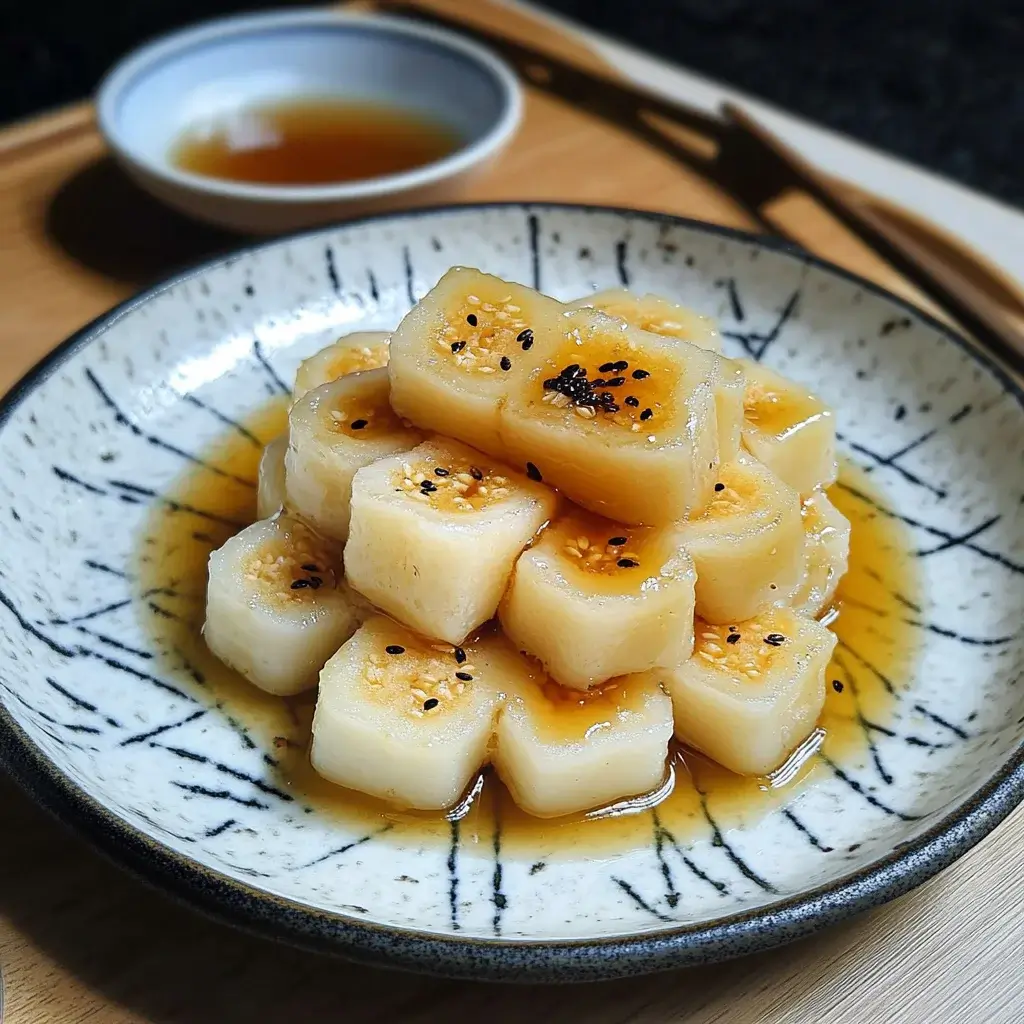

The first time I encountered Ggul Tteok, those glistening, jewel-toned Korean rice cakes slicked with honey, was at a bustling market in Seoul. The air was thick with the tempting aromas of street food, but the simple, sweet allure of these chewy little morsels stood out. I bought a small cup, and from the first bite, I was hooked. The delightful chewiness, known as “jjolgit jjolgit” (쫄깃쫄깃) in Korean, combined with the pure, unadulterated sweetness of honey was pure comfort. Back home, I was determined to recreate that magic. My initial attempts were okay, but it took a few tries to perfect the dough’s texture and the syrup’s consistency. Now, this Ggul Tteok recipe is a firm family favourite. My kids adore rolling the little rice cake balls (often sneaking a few tastes of the dough!), and their eyes light up when they see the finished product, shimmering under the honey glaze. It’s become our go-to treat for celebrations, a comforting snack on rainy afternoons, and a wonderful way to introduce friends to the simple joys of Korean desserts. It’s surprisingly easy to make, incredibly satisfying to eat, and brings a little piece of that vibrant Seoul market right into our kitchen. The gentle sweetness and unique texture make it universally appealing, proving that sometimes the simplest recipes are truly the most memorable.
Discover the Sweet Delight: Korean Rice Cakes with Honey (Ggul Tteok) Recipe
Ggul Tteok (꿀떡), literally translating to “honey rice cake,” is a beloved traditional Korean dessert or snack known for its wonderfully chewy texture and sweet, simple flavour. Unlike some more complex tteok varieties, Ggul Tteok doesn’t typically have a filling; its charm lies in the texture of the rice cake itself, bathed in a luscious honey or honey-infused syrup. Often tinted with natural colours like pink (from strawberries or beets) or green (from mugwort or spinach), these small, bite-sized balls are as visually appealing as they are delicious. This recipe focuses on the classic, simple version, perfect for beginners and guaranteed to satisfy your craving for something uniquely sweet and chewy.
- For the Rice Cakes (Tteok):
- 2 cups (approx. 320g) Sweet Rice Flour (Glutinous Rice Flour) – Crucially, use flour labelled “sweet rice flour” or “glutinous rice flour” (chapssal garu 찹쌀가루 in Korean, often found as Mochiko brand). Regular rice flour will NOT work; it won’t produce the necessary chewy texture.
- ½ teaspoon Salt – Enhances flavour and balances the sweetness.
- ¾ to 1 cup (approx. 180-240ml) Hot Water – Use water that has just boiled or is very hot to the touch. The exact amount may vary slightly depending on the humidity and the specific brand of flour. Start with ¾ cup and add more tablespoon by tablespoon only if needed.
- Optional: Natural Food Colouring – A few drops of pink (beet juice/powder, strawberry powder) or green (matcha powder, spinach juice/powder, mugwort powder – ssuk garu 쑥가루) if desired. Divide the dough before adding colouring.
- For the Honey Syrup:
- ½ cup (approx. 170g) Honey – Use good quality honey for the best flavour. Clover, wildflower, or acacia honey work well.
- ¼ cup (approx. 60ml) Water – To create a smooth, pourable syrup consistency.
- Optional Pinch of Salt – Just a tiny pinch can enhance the honey flavour.
- For Garnish (Optional but Recommended):
- 2 tablespoons Toasted Sesame Seeds – Adds a nutty flavour and visual appeal.
Equipment:
- Large mixing bowl
- Measuring cups and spoons
- Whisk or fork
- Spatula or wooden spoon
- Medium saucepan (for boiling tteok)
- Slotted spoon
- Bowl filled with ice water (ice bath)
- Small saucepan (for syrup)
- Serving dish
Step-by-Step Guide: Crafting Your Homemade Ggul Tteok
Making Ggul Tteok is a rewarding process that involves transforming simple ingredients into delightful chewy treats. Follow these steps carefully for the best results:
- Prepare the Dry Ingredients: In a large mixing bowl, combine the 2 cups of sweet rice flour and ½ teaspoon of salt. Whisk them together thoroughly to ensure the salt is evenly distributed. This prevents pockets of saltiness in the final rice cakes.
- Make the Dough: Gradually pour the hot water (start with ¾ cup) over the flour mixture while mixing with a sturdy spatula or wooden spoon. The hot water helps to partially cook the flour, which is essential for achieving the characteristic chewy texture of tteok. Continue mixing until the ingredients start coming together and form a shaggy dough. Be cautious as the water is hot.
- Knead the Dough: Once the dough is cool enough to handle (it should still be quite warm), turn it out onto a clean work surface (lightly dusting with sweet rice flour only if absolutely necessary – too much extra flour can make it tough). Knead the dough for about 3-5 minutes. The goal is a smooth, pliable, soft dough, similar in consistency to play-dough or soft earlobes. It should not be sticky, nor should it be dry or crumbly. If the dough feels too dry, add hot water one teaspoon at a time, kneading well after each addition. If it feels too sticky, add sweet rice flour one teaspoon at a time. Kneading develops the gluten-like structure in the glutinous rice flour, contributing to its chewiness.
- (Optional) Colour the Dough: If you wish to make coloured rice cakes, divide the dough into portions now. For example, divide into three: leave one white, knead a few drops of pink colouring (or a teaspoon of beet/strawberry powder mixed with a tiny bit of water) into the second, and green colouring (or matcha/mugwort powder mixed similarly) into the third. Knead each portion until the colour is uniform.
- Shape the Rice Cakes: Pinch off small pieces of dough (about 1-1.5 cm or ½ inch in diameter – roughly the size of a large marble). Roll each piece between the palms of your hands to form smooth, round balls. Aim for uniformity in size so they cook evenly. Place the shaped balls on a plate or baking sheet lined with parchment paper to prevent sticking while you shape the rest. You should get approximately 40-50 small rice cakes, depending on the exact size. Some traditional Ggul Tteok have a slight indentation made with a thumb, but simple balls are most common and easiest.
- Prepare for Boiling: Fill a medium saucepan about two-thirds full with water and bring it to a rolling boil over medium-high heat. While the water is heating, prepare the ice bath: fill a medium bowl with cold water and add plenty of ice cubes. Set it near the stove.
- Boil the Rice Cakes: Carefully drop the shaped rice cake balls into the boiling water. Don’t overcrowd the pot; boil them in batches if necessary. Stir gently once right after adding them to prevent them from sticking to the bottom. Let them cook. You’ll know they are ready when they float to the surface. Once they float, let them cook for another 1-2 minutes to ensure the centre is fully cooked and chewy. The total boiling time per batch should be around 3-5 minutes.
- Shock in Ice Bath: Using a slotted spoon, immediately transfer the cooked rice cakes from the boiling water directly into the prepared ice bath. This step is crucial! The cold water shocks the tteok, stopping the cooking process instantly and firming them up, which enhances their signature chewy (“jjolgit jjolgit”) texture. Let them sit in the ice bath for a couple of minutes until completely cooled.
- Make the Honey Syrup: While the rice cakes are cooling (or just before serving), prepare the syrup. In a small saucepan, combine the ½ cup of honey and ¼ cup of water (and the optional pinch of salt). Gently heat over low heat, stirring constantly, just until the honey has thinned, the mixture is well combined, and it’s slightly warm. Do not boil the syrup, as overheating can alter the honey’s flavour and nutritional properties. You just want a smooth, warm, pourable consistency.
- Coat the Rice Cakes: Drain the cooled rice cakes thoroughly from the ice bath. Pat them gently with a paper towel if they seem excessively wet, but some residual moisture is fine. Place the drained rice cakes in a serving bowl. Pour the warm honey syrup over the rice cakes. Gently toss them using a spoon or spatula to ensure each piece is evenly coated in the glistening syrup. Be gentle to avoid breaking the delicate rice cakes.
- Garnish and Serve: Sprinkle the toasted sesame seeds over the honey-coated rice cakes just before serving. The nutty aroma and slight crunch of the sesame seeds provide a lovely contrast to the sweet, chewy tteok. Serve immediately while the tteok is at its textural peak.
Nutritional Snapshot: Understanding Your Ggul Tteok Serving
It’s important to remember that Ggul Tteok is a dessert or treat, primarily composed of carbohydrates (from the rice flour) and sugars (from the honey). While delicious, it should be enjoyed in moderation as part of a balanced diet. The nutritional information provided below is an estimate and can vary based on the specific ingredients used (e.g., type of honey, exact flour brand) and the final serving size.
- Servings Per Recipe: Approximately 3-4 servings.
- Estimated Calories Per Serving (assuming 4 servings): Roughly 300-350 kcal.
Breakdown Considerations:
- Sweet Rice Flour: The primary source of carbohydrates and calories. It’s naturally gluten-free.
- Honey: Contributes significant sugar content and calories, but also offers trace minerals and antioxidants not found in refined sugar.
- Fat: This recipe is very low in fat, unless significant amounts of sesame seeds are added.
- Protein: Contains a small amount of protein from the rice flour.
- Gluten-Free: Yes, Ggul Tteok made with pure sweet rice flour and honey is naturally gluten-free. Always double-check ingredient labels if you have severe allergies or celiac disease.
This estimate provides a general guideline. For precise nutritional information, you would need to use a nutritional calculator app or website and input the exact quantities and brands of your ingredients. Enjoy these sweet treats mindfully!
Time Commitment: Preparing Your Honey Rice Cakes
One of the appealing aspects of Ggul Tteok is that it’s relatively quick to prepare compared to some other elaborate desserts. Here’s a breakdown of the time involved:
- Active Preparation Time: Approximately 20 minutes. This includes measuring ingredients, mixing and kneading the dough, and shaping the individual rice cake balls. If you are colouring the dough, add an extra 5 minutes.
- Cooking Time: Approximately 10-15 minutes. This covers the time it takes for the water to boil, boiling the rice cakes in batches (usually 3-5 minutes per batch), and gently heating the honey syrup (about 2-3 minutes).
- Cooling Time (Ice Bath): Approximately 5 minutes.
- Total Estimated Time: From start to finish, you can expect to have your delicious homemade Ggul Tteok ready in about 35-45 minutes.
This makes it a feasible recipe for a weekday treat or a quick dessert when entertaining. The process is straightforward and doesn’t require any lengthy resting or rising times.
Serving Suggestions: Elevating Your Ggul Tteok Experience
Ggul Tteok is delightful on its own, but here are several ways to serve and enjoy these sweet, chewy rice cakes:
- Serve Immediately: Ggul Tteok is undeniably best when served fresh, ideally slightly warm or at room temperature shortly after being coated in the honey syrup. This is when the texture is perfectly chewy and soft.
- As a Standalone Dessert: Present the Ggul Tteok in a small, attractive bowl or on a plate as a light dessert after a Korean meal (like Bibimbap, Bulgogi, or Kimchi Jjigae) or any Asian-inspired dinner.
- With Tea: Pair Ggul Tteok with a cup of traditional Korean tea like:
- Boricha (보리차 – Roasted Barley Tea): Its nutty, comforting flavour complements the sweetness.
- Nokcha (녹차 – Green Tea): The slightly bitter notes balance the honey.
- Oksusu Cha (옥수수차 – Roasted Corn Tea): Another popular choice with a mild, slightly sweet taste.
- A simple cup of black tea or herbal tea also works well.
- For Special Occasions: Ggul Tteok, especially if made with multiple colours, makes a festive addition to celebratory spreads for birthdays, holidays (like Chuseok or Lunar New Year, though specific tteok like Songpyeon are more traditional for Chuseok), or potlucks.
- Afternoon Snack: Serve a small portion as a delightful pick-me-up snack between meals. Its chewy texture is very satisfying.
- Alongside Fresh Fruit: Offer a small bowl of Ggul Tteok alongside a platter of fresh, seasonal fruit (like sliced pears, strawberries, orange segments, or melon). The freshness of the fruit contrasts nicely with the chewy sweetness of the rice cakes.
- Kid-Friendly Treat: Its mild sweetness, fun chewy texture, and small size make it very appealing to children. Serve it as a special after-school snack or party food.
- Visual Appeal: Arrange the rice cakes attractively in the bowl. If using different colours, mix them for a vibrant look. Ensure the honey syrup coats them nicely for a beautiful sheen, and don’t skip the sesame seed garnish for that final touch.
Remember, the key is freshness. Ggul Tteok tends to harden as it sits, so plan to serve it within a few hours of making it for the optimal experience.
Pro Tips for Perfect Ggul Tteok Every Time
Achieving the ideal Ggul Tteok texture and flavour is easy with these helpful tips:
- Use the Right Flour – No Substitutions! This cannot be stressed enough. You MUST use sweet rice flour (also called glutinous rice flour or Mochiko). In Korean, it’s Chapssal Garu (찹쌀가루). Regular rice flour (Mepssal Garu 멥쌀가루) or other types of flour (like all-purpose or bread flour) will not work. They lack the high amylopectin content necessary to create the characteristic sticky, chewy “jjolgit jjolgit” texture. Using the wrong flour will result in hard, crumbly, or non-chewy cakes.
- Master the Hot Water Technique: Using hot (just boiled or very warm) water is critical for the dough’s texture. It gelatinizes the starch in the flour partially, creating a smoother, more pliable dough that cooks up perfectly chewy. Adding the water gradually is key. Start with the minimum amount suggested (e.g., ¾ cup for 2 cups flour) and add more only if needed, one tablespoon at a time, until the dough just comes together. The final dough should be soft and smooth, not sticky or dry.
- Don’t Overcook the Tteok: Overcooking is the enemy of good tteok texture. Boil the rice cake balls just until they float to the surface, then give them another 1-2 minutes. Cooking them for too long will make them overly soft, mushy, and lose their pleasant chewiness. Keep a close eye on them during the boiling process.
- Embrace the Ice Bath: Do not skip the ice bath step! Transferring the cooked tteok immediately from boiling water to ice water does two important things: it stops the cooking process instantly, preventing them from becoming mushy, and it rapidly cools and firms up the exterior, enhancing their desirable chewy texture. A quick dunk isn’t enough; let them sit in the ice bath for a few minutes until fully cooled.
- Serve Fresh for Best Texture: Ggul Tteok, like most tteok varieties, is best enjoyed on the day it’s made, preferably within a few hours. The rice cakes tend to harden and lose their delightful chewiness as they cool down completely and sit over time, especially if refrigerated. If you must store leftovers, keep them in an airtight container at room temperature for up to one day. To revive slightly hardened tteok, you can try briefly microwaving them for 10-15 seconds or lightly pan-frying them with a tiny bit of oil, then re-tossing in syrup. However, the texture will not be quite the same as when freshly made. Avoid refrigerating unless absolutely necessary, as it accelerates the hardening process (starch retrogradation).
Frequently Asked Questions About Korean Honey Rice Cakes (Ggul Tteok)
Here are answers to some common questions about making and enjoying Ggul Tteok:
- Q: What exactly is Ggul Tteok?
- A: Ggul Tteok (꿀떡) is a type of Korean rice cake (tteok) made from sweet glutinous rice flour. It consists of small, bite-sized balls of chewy rice cake that are boiled and then coated in honey or a simple honey syrup. “Ggul” (꿀) means honey, and “tteok” (떡) refers to rice cake. It’s known for its simple sweetness, delightful chewy texture, and often features natural colours like white, pink, or green. It’s enjoyed as a dessert or snack in Korea.
- Q: Can I use regular rice flour instead of sweet/glutinous rice flour?
- A: No, you absolutely cannot substitute regular rice flour (Mepssal Garu) for sweet rice flour (Chapssal Garu / glutinous rice flour) in this recipe. Sweet rice flour has a much higher content of amylopectin starch, which gives tteok its characteristic sticky, chewy, and soft texture when cooked. Regular rice flour has more amylose, resulting in a firmer, less sticky, and often crumbly texture that is not suitable for Ggul Tteok. Always look for flour labelled “sweet rice flour,” “glutinous rice flour,” or the brand name “Mochiko.”
- Q: How long does Ggul Tteok stay fresh? Can I make it ahead of time?
- A: Ggul Tteok is best enjoyed fresh, ideally within a few hours of making it, for the optimal soft and chewy texture. Like many rice cakes, it tends to harden as it cools and sits. It’s not ideal for making far in advance. If you have leftovers, store them in an airtight container at room temperature and consume them within 24 hours. Refrigeration accelerates hardening, so avoid it if possible. You can try gently reheating slightly hardened tteok (brief microwave or pan-fry) to soften it, but the original texture is hard to replicate perfectly. For parties, it’s best to make it just before serving.
- Q: Is Ggul Tteok gluten-free?
- A: Yes, traditional Ggul Tteok is naturally gluten-free, provided you use 100% pure sweet rice flour (glutinous rice flour). Despite the name “glutinous,” this flour does not contain gluten; the term refers to its sticky, glue-like quality when cooked. The other main ingredients (water, salt, honey, sesame seeds) are also naturally gluten-free. However, always double-check the packaging of your ingredients, especially the flour, to ensure there’s no cross-contamination if you have celiac disease or severe gluten sensitivity.
- Q: Can I customize the flavour or sweetness of Ggul Tteok?
- A: Yes, you can customize it to some extent!
- Sweetness: Adjust the amount of honey in the syrup to your preference. You can use slightly less for a milder sweetness or a bit more if you like it very sweet. You could also explore using other liquid sweeteners like agave nectar or maple syrup for different flavour profiles, though honey is traditional.
- Syrup Flavour: Add a tiny pinch of cinnamon or a drop of vanilla extract to the honey syrup for a subtle flavour variation. A small amount of ginger juice infused into the syrup can also add a nice warmth.
- Colour/Flavour in Dough: As mentioned in the recipe, you can incorporate natural powders like matcha (green tea), ssuk (mugwort), strawberry powder, or beet powder into the dough itself for colour and a hint of flavour.
- Garnish: While toasted sesame seeds are classic, you could experiment with chopped nuts (like pine nuts or walnuts) or even edible flower petals for a different look and texture.
- A: Yes, you can customize it to some extent!
Korean Rice Cakes with Honey recipe
Ingredients
-
- For the Rice Cakes (Tteok):
-
- 2 cups (approx. 320g) Sweet Rice Flour (Glutinous Rice Flour) – Crucially, use flour labelled “sweet rice flour” or “glutinous rice flour” (chapssal garu 찹쌀가루 in Korean, often found as Mochiko brand). Regular rice flour will NOT work; it won’t produce the necessary chewy texture.
-
- ½ teaspoon Salt – Enhances flavour and balances the sweetness.
-
- ¾ to 1 cup (approx. 180-240ml) Hot Water – Use water that has just boiled or is very hot to the touch. The exact amount may vary slightly depending on the humidity and the specific brand of flour. Start with ¾ cup and add more tablespoon by tablespoon only if needed.
-
- Optional: Natural Food Colouring – A few drops of pink (beet juice/powder, strawberry powder) or green (matcha powder, spinach juice/powder, mugwort powder – ssuk garu 쑥가루) if desired. Divide the dough before adding colouring.
-
- For the Rice Cakes (Tteok):
-
- For the Honey Syrup:
-
- ½ cup (approx. 170g) Honey – Use good quality honey for the best flavour. Clover, wildflower, or acacia honey work well.
-
- ¼ cup (approx. 60ml) Water – To create a smooth, pourable syrup consistency.
-
- Optional Pinch of Salt – Just a tiny pinch can enhance the honey flavour.
-
- For the Honey Syrup:
-
- For Garnish (Optional but Recommended):
-
- 2 tablespoons Toasted Sesame Seeds – Adds a nutty flavour and visual appeal.
-
- For Garnish (Optional but Recommended):
Equipment:
-
- Large mixing bowl
-
- Measuring cups and spoons
-
- Whisk or fork
-
- Spatula or wooden spoon
-
- Medium saucepan (for boiling tteok)
-
- Slotted spoon
-
- Bowl filled with ice water (ice bath)
-
- Small saucepan (for syrup)
-
- Serving dish
Instructions
-
- Prepare the Dry Ingredients: In a large mixing bowl, combine the 2 cups of sweet rice flour and ½ teaspoon of salt. Whisk them together thoroughly to ensure the salt is evenly distributed. This prevents pockets of saltiness in the final rice cakes.
-
- Make the Dough: Gradually pour the hot water (start with ¾ cup) over the flour mixture while mixing with a sturdy spatula or wooden spoon. The hot water helps to partially cook the flour, which is essential for achieving the characteristic chewy texture of tteok. Continue mixing until the ingredients start coming together and form a shaggy dough. Be cautious as the water is hot.
-
- Knead the Dough: Once the dough is cool enough to handle (it should still be quite warm), turn it out onto a clean work surface (lightly dusting with sweet rice flour only if absolutely necessary – too much extra flour can make it tough). Knead the dough for about 3-5 minutes. The goal is a smooth, pliable, soft dough, similar in consistency to play-dough or soft earlobes. It should not be sticky, nor should it be dry or crumbly. If the dough feels too dry, add hot water one teaspoon at a time, kneading well after each addition. If it feels too sticky, add sweet rice flour one teaspoon at a time. Kneading develops the gluten-like structure in the glutinous rice flour, contributing to its chewiness.
-
- (Optional) Colour the Dough: If you wish to make coloured rice cakes, divide the dough into portions now. For example, divide into three: leave one white, knead a few drops of pink colouring (or a teaspoon of beet/strawberry powder mixed with a tiny bit of water) into the second, and green colouring (or matcha/mugwort powder mixed similarly) into the third. Knead each portion until the colour is uniform.
-
- Shape the Rice Cakes: Pinch off small pieces of dough (about 1-1.5 cm or ½ inch in diameter – roughly the size of a large marble). Roll each piece between the palms of your hands to form smooth, round balls. Aim for uniformity in size so they cook evenly. Place the shaped balls on a plate or baking sheet lined with parchment paper to prevent sticking while you shape the rest. You should get approximately 40-50 small rice cakes, depending on the exact size. Some traditional Ggul Tteok have a slight indentation made with a thumb, but simple balls are most common and easiest.
-
- Prepare for Boiling: Fill a medium saucepan about two-thirds full with water and bring it to a rolling boil over medium-high heat. While the water is heating, prepare the ice bath: fill a medium bowl with cold water and add plenty of ice cubes. Set it near the stove.
-
- Boil the Rice Cakes: Carefully drop the shaped rice cake balls into the boiling water. Don’t overcrowd the pot; boil them in batches if necessary. Stir gently once right after adding them to prevent them from sticking to the bottom. Let them cook. You’ll know they are ready when they float to the surface. Once they float, let them cook for another 1-2 minutes to ensure the centre is fully cooked and chewy. The total boiling time per batch should be around 3-5 minutes.
-
- Shock in Ice Bath: Using a slotted spoon, immediately transfer the cooked rice cakes from the boiling water directly into the prepared ice bath. This step is crucial! The cold water shocks the tteok, stopping the cooking process instantly and firming them up, which enhances their signature chewy (“jjolgit jjolgit”) texture. Let them sit in the ice bath for a couple of minutes until completely cooled.
-
- Make the Honey Syrup: While the rice cakes are cooling (or just before serving), prepare the syrup. In a small saucepan, combine the ½ cup of honey and ¼ cup of water (and the optional pinch of salt). Gently heat over low heat, stirring constantly, just until the honey has thinned, the mixture is well combined, and it’s slightly warm. Do not boil the syrup, as overheating can alter the honey’s flavour and nutritional properties. You just want a smooth, warm, pourable consistency.
-
- Coat the Rice Cakes: Drain the cooled rice cakes thoroughly from the ice bath. Pat them gently with a paper towel if they seem excessively wet, but some residual moisture is fine. Place the drained rice cakes in a serving bowl. Pour the warm honey syrup over the rice cakes. Gently toss them using a spoon or spatula to ensure each piece is evenly coated in the glistening syrup. Be gentle to avoid breaking the delicate rice cakes.
-
- Garnish and Serve: Sprinkle the toasted sesame seeds over the honey-coated rice cakes just before serving. The nutty aroma and slight crunch of the sesame seeds provide a lovely contrast to the sweet, chewy tteok. Serve immediately while the tteok is at its textural peak.
Nutrition
- Serving Size: one normal portion
- Calories: 300-350 kcal.