
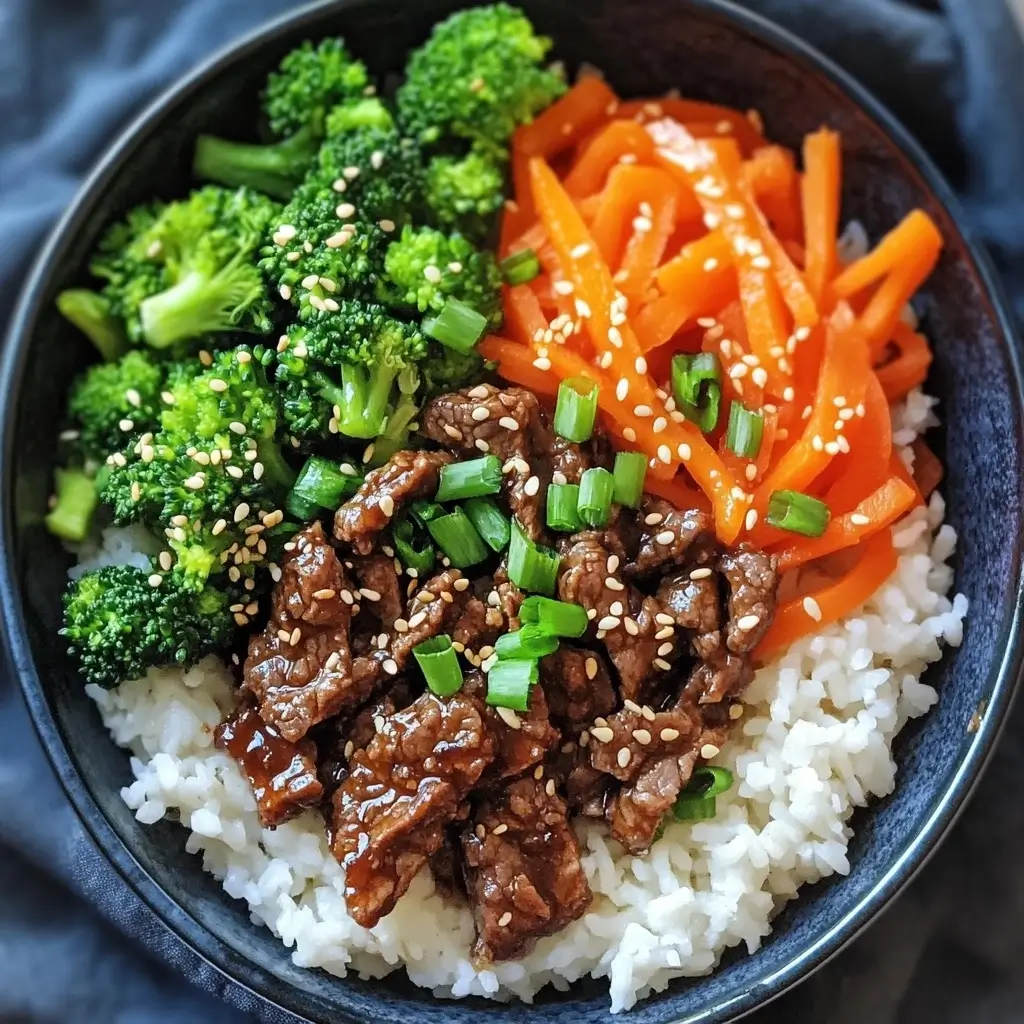

Korean cuisine is renowned for its bold flavors, vibrant colors, and wholesome ingredients. Among the countless mouth-watering dishes, Korean Beef Bowls have gained immense popularity worldwide. Perfectly marinated beef, crisp vegetables, and fluffy rice come together to create a meal that is both satisfying and nutritious. This article will guide you through making this delightful dish, providing you with all the information you need, from ingredients to serving tips. Let’s embark on this culinary adventure!
Ingredients
To make a delicious Korean Beef Bowl, gather the following ingredients:
- 500g Marinated Beef (such as bulgogi)
- 2 Cups Cooked White or Brown Rice
- 1 Cup Broccoli Florets
- 1 Cup Sliced Carrots
- 1 Bell Pepper, Sliced
- 1 tbsp Olive Oil
- 1 tbsp Tamari Sauce or soy sauce
- Chopped Green Onions for garnish
- Sesame Seeds for garnish
These ingredients are not only easy to find but also packed with nutrients, ensuring a healthy and flavorsome meal.
Instructions
Creating a Korean Beef Bowl is a straightforward process. Follow these step-by-step instructions to bring the taste of Korea to your table:
- Cook the Rice:
- Prepare rice according to the package instructions. Whether you prefer white or brown rice, ensure it is cooked to perfection, providing a soft and fluffy base for your beef bowl.
- Prepare the Beef:
- Heat the olive oil in a skillet over medium heat.
- Add the marinated beef to the skillet and cook for 5-7 minutes until browned. The beef should be tender and infused with the rich flavors of the marinade.
- Add the Vegetables:
- Introduce broccoli florets, sliced carrots, and bell pepper to the skillet.
- Stir the mixture for 3-5 minutes until the vegetables are tender but still crisp, ensuring they retain their vibrant colors and nutritional value.
- Incorporate the Sauce:
- Pour in the tamari sauce and stir to combine all the ingredients. The sauce will add a savory depth to the dish, enhancing the overall flavor profile.
- Assemble the Bowls:
- Place the cooked rice in bowls.
- Top with the beef and vegetable mixture, distributing it evenly.
- Garnish and Serve:
- Garnish with chopped green onions and sesame seeds. This not only adds a touch of freshness but also a subtle crunch to the dish.
Nutrition Facts
Understanding the nutritional value of your meals is crucial for maintaining a balanced diet. Here’s the nutritional breakdown per serving of the Korean Beef Bowl:
- Calories: 450
- Protein: 30g
- Carbs: 55g
- Fat: 15g
This meal provides a balanced mix of macronutrients, making it an excellent option for those seeking a nutritious yet indulgent dining experience.
How to Serve
Korean Beef Bowls are incredibly versatile and can be served in a variety of ways to suit your preferences and the occasion. Here are several serving methods that can enhance your dining experience:
1. Family Style
One of the most enjoyable ways to serve Korean Beef Bowls is family style. This approach not only fosters a sense of togetherness but also allows each guest to customize their meal according to their individual tastes.
- Component Separation: Present all the components separately on a large table or buffet-style setup. This typically includes bowls of steamed rice, marinated and cooked beef, sautéed or fresh vegetables, and any additional toppings such as sesame seeds, sliced green onions, or fried eggs.
- Interactive Dining: Encourage your guests to build their own bowls by allowing them to select their preferred ratio of rice to beef and assortment of vegetables. Provide an array of sauces, such as gochujang (Korean chili paste) or soy sauce, so that everyone can adjust the flavor to their liking.
- Cultural Element: This method not only makes for a fun and interactive dining experience but also reflects the communal dining culture prevalent in Korean cuisine, where sharing and customizing meals is commonplace.
2. Individual Bowls
For a more formal presentation, consider assembling individual bowls for your guests. This method is ideal for special occasions or dinner parties where you want to impress your guests with a visually appealing and neatly arranged dish.
- Portion Control: Carefully measure equal portions of rice, beef, and vegetables for each bowl. This ensures that each guest receives a balanced meal, allowing them to enjoy the harmonious blend of flavors and textures that Korean Beef Bowls offer.
- Garnishing: Take the time to garnish each bowl creatively. A sprinkle of sesame seeds, a few slices of fresh cucumber or radish, and a perfectly fried egg on top can elevate the dish’s presentation. Consider using colorful dishes to enhance the visual appeal.
- Flavor Pairing: When serving individual bowls, consider pairing each bowl with a small dish of dipping sauce or a side of kimchi to complement the flavors. This approach allows for a more refined dining experience and encourages guests to savor each bite.
3. With Sides
To fully embrace the authentic Korean dining experience, consider serving your Korean Beef Bowls with traditional Korean side dishes, known as banchan. These small plates not only add variety to the meal but also introduce different flavors and textures that enhance the main dish.
- Kimchi: No Korean meal is complete without kimchi. This fermented side dish, made from seasoned napa cabbage or radishes, provides a spicy and tangy contrast to the savory beef. Its probiotics also add a healthful element to the meal.
- Pickled Vegetables: Include a selection of pickled vegetables, such as pickled radishes (mu) or cucumber, to add a refreshing crunch. These side dishes can cleanse the palate between bites and provide a delightful balance to the richness of the beef.
- Other Banchan Options: Consider adding other popular banchan, like seasoned spinach (sigeumchi namul), stir-fried zucchini, or sweet potato noodles (japchae). These dishes not only enhance the meal but also showcase the diversity of flavors in Korean cuisine.
Conclusion
No matter how you choose to serve your Korean Beef Bowls, the key is to focus on a presentation that encourages enjoyment and interaction. Whether opting for a casual family style, a sophisticated individual presentation, or a combination with traditional sides, these bowls are sure to impress and satisfy. The versatility of Korean Beef Bowls allows you to tailor the dining experience to your audience, making every meal a memorable occasion.
Additional Tips
To truly elevate your Korean Beef Bowls and tailor them to your tastes, consider the following comprehensive tips that will enhance both flavor and presentation:
Marinade
One of the key components in achieving a deeply flavorful Korean Beef Bowl is the marinade. If you have the luxury of time, marinating the beef overnight is highly recommended. This allows the flavors to penetrate the meat more thoroughly. Use a mixture of soy sauce, sesame oil, minced garlic, grated ginger, and a touch of sugar. The sugar helps to caramelize the meat during cooking, adding a beautiful glaze. For best results, slice the beef thinly against the grain before marinating; this not only enhances flavor absorption but also ensures tenderness. If you’re short on time, even a one-hour marinade can make a significant difference.
Vegetable Variety
Korean Beef Bowls are incredibly versatile when it comes to vegetables. While traditional recipes may call for specific vegetables, feel free to substitute or add whatever you have on hand or prefer. Snow peas add a delightful crunch, while zucchini can absorb the flavors of the sauce beautifully. Mushrooms, particularly shiitake or oyster mushrooms, impart a rich umami flavor. Carrots, bell peppers, and bok choy also work wonderfully. To incorporate more nutrition and color, consider adding leafy greens like spinach or kale at the end of cooking for a vibrant touch. Aim for a mix of colors and textures to make your dish visually appealing and nutritionally balanced.
Spice Level
If you enjoy a bit of heat, consider adding a teaspoon of gochujang (Korean chili paste) to your sauce. Gochujang is not only spicy but also adds a complex sweetness and depth to the dish. You can adjust the amount based on your personal spice tolerance. Alternatively, if you prefer a different heat profile, try incorporating sliced fresh chili peppers or a sprinkle of crushed red pepper flakes. For those who enjoy experimenting, consider adding other Korean condiments like kimchi on the side to introduce more spice and tang.
Rice Variety
While traditional Korean Beef Bowls are often served over white rice, don’t hesitate to experiment with different types of rice to create unique flavor profiles. Jasmine rice offers a fragrant, slightly sweet base that complements the savory beef beautifully. Sushi rice, which is stickier, can provide a satisfying texture that clings to the sauce. For a healthier option, consider brown rice or quinoa, both of which add nuttiness and extra fiber. If you’re feeling adventurous, try serving your beef over cauliflower rice for a lower-carb alternative that still delivers on flavor.
Garnishing
Garnishing your Korean Beef Bowl can make a significant difference in presentation and flavor. Top your dish with sliced green onions for a fresh crunch, and sprinkle sesame seeds for added texture and a nutty flavor. A drizzle of sesame oil just before serving can also enhance the aroma and richness of the dish. For a pop of color and additional flavor, consider adding a few cilantro leaves or a wedge of lime on the side. These simple garnishes not only make the dish more visually appealing but also introduce layers of flavor that elevate the overall dining experience.
Serving Suggestions
When serving your Korean Beef Bowls, consider accompanying them with side dishes known as banchan, such as pickled vegetables, kimchi, or a simple cucumber salad. These side dishes can provide a refreshing contrast to the savory beef and rice, and they add complexity to the meal. Additionally, providing a variety of sauces, such as extra soy sauce or a spicy dipping sauce, allows guests to customize their bowls even further.
With these additional tips, you can customize your Korean Beef Bowls to suit your preferences and elevate your culinary experience. Whether it’s through marinating the beef for enhanced flavor, experimenting with different vegetables and rice varieties, or adding a touch of spice, the possibilities are endless. Enjoy the process of creating this delicious dish, and savor the rich, comforting flavors of Korean cuisine! ensuring it becomes a regular favorite in your meal rotation.
FAQs
Q1: Can I use chicken instead of beef?
Yes, you can substitute chicken for beef. Use the same marinade and cooking instructions for a delicious Korean Chicken Bowl.
Q2: Is there a vegetarian version of this dish?
Absolutely! Replace beef with tofu or tempeh and use the same marinade. Ensure to adjust cooking times as needed.
Q3: Can I prepare this dish in advance?
Yes, you can prepare the components in advance. Store the cooked beef and vegetables separately in airtight containers in the refrigerator for up to three days. Reheat before serving.
Q4: What is the best way to reheat leftovers?
Reheat the beef and vegetable mixture in a skillet over medium heat, adding a splash of water or broth to prevent drying out. The rice can be microwaved or steamed until warm.
Q5: Can I freeze Korean Beef Bowls?
While the beef and vegetable mixture can be frozen, it is best to cook fresh rice when serving, as rice tends to lose its texture when frozen.
Conclusion
Korean Beef Bowls are not just a meal; they are a culinary experience that encapsulates the vibrant flavors and rich textures of Korean cuisine. This dish beautifully marries tender, marinated beef with an array of colorful vegetables, all served over a bed of fluffy rice or noodles, creating a feast for both the eyes and the palate. The balance of sweet, savory, and spicy elements in the marinade elevates the dish, making each bite a delightful journey through the taste profiles of Korea.
One of the standout features of Korean Beef Bowls is their nutritional value. The use of lean cuts of beef provides a good source of protein, essential for muscle repair and overall health. Meanwhile, the addition of fresh vegetables not only contributes essential vitamins and minerals but also adds a satisfying crunch and vibrancy to the dish. Options like broccoli, bell peppers, and carrots are not just visually appealing; they also enhance the meal’s nutritional profile, making it a balanced choice for any dinner table.
Preparing Korean Beef Bowls is a breeze, even for those with a busy lifestyle. The simplicity of the ingredients—often just a handful of staples like soy sauce, sugar, garlic, and sesame oil—means that you can whip up this dish without needing advanced culinary skills or spending hours in the kitchen. The straightforward instructions allow for quick preparation, making it an ideal option for busy weeknights when time is of the essence. Additionally, the dish’s versatility means it can easily be scaled up for casual gatherings or meal prep for the week ahead.
Customizing your Korean Beef Bowls to suit different taste preferences is another reason why they are perfect for any occasion. Whether you prefer a milder flavor profile or a spicier kick, you can easily adjust the ingredients to cater to your family’s tastes. For those who enjoy heat, adding gochujang (Korean chili paste) or fresh chili peppers can bring an exciting dimension to the dish. Alternatively, if you’re looking to accommodate dietary restrictions, swapping out the beef for tofu or chicken can yield equally delicious results. The use of gluten-free soy sauce also makes this dish accessible for those with gluten sensitivities.
Moreover, the toppings you choose can further enhance the flavor and texture of your Korean Beef Bowl. Consider garnishing with sesame seeds for a nutty crunch, scallions for a fresh bite, or a fried egg for added richness. Each topping not only adds a new layer of taste but also contributes to the overall aesthetic, making your dish as visually appealing as it is delicious.
Finally, serving Korean Beef Bowls is an opportunity to bring friends and family together. The communal aspect of sharing a bowl encourages conversation and connection, turning a simple meal into a memorable gathering. As you serve this dish, you’ll likely find your loved ones marveling at its deliciousness, and the compliments will flow as freely as the flavors.
In summary, Korean Beef Bowls are a delightful addition to any home cook’s repertoire. With their ease of preparation, nutritional benefits, and incredible versatility, they are sure to become a family favorite. So, gather your ingredients, unleash your creativity, and enjoy the vibrant taste of Korea in the comfort of your home. Your culinary journey awaits, and with every bite, you’ll be reminded of the joy that comes from sharing good food with those you cherish.
Print
Korean Beef Bowls recipe
Ingredients
- 500g Marinated Beef (such as bulgogi)
- 2 Cups Cooked White or Brown Rice
- 1 Cup Broccoli Florets
- 1 Cup Sliced Carrots
- 1 Bell Pepper, Sliced
- 1 tbsp Olive Oil
- 1 tbsp Tamari Sauce or soy sauce
- Chopped Green Onions for garnish
- Sesame Seeds for garnish
Instructions
- Cook the Rice:
- Prepare rice according to the package instructions. Whether you prefer white or brown rice, ensure it is cooked to perfection, providing a soft and fluffy base for your beef bowl.
- Prepare the Beef:
- Heat the olive oil in a skillet over medium heat.
- Add the marinated beef to the skillet and cook for 5-7 minutes until browned. The beef should be tender and infused with the rich flavors of the marinade.
- Add the Vegetables:
- Introduce broccoli florets, sliced carrots, and bell pepper to the skillet.
- Stir the mixture for 3-5 minutes until the vegetables are tender but still crisp, ensuring they retain their vibrant colors and nutritional value.
- Incorporate the Sauce:
- Pour in the tamari sauce and stir to combine all the ingredients. The sauce will add a savory depth to the dish, enhancing the overall flavor profile.
- Assemble the Bowls:
- Place the cooked rice in bowls.
- Top with the beef and vegetable mixture, distributing it evenly.
- Garnish and Serve:
- Garnish with chopped green onions and sesame seeds. This not only adds a touch of freshness but also a subtle crunch to the dish.
Nutrition
- Serving Size: one normal portion
- Calories: 450
- Fat: 15g
- Carbohydrates: 55g
- Protein: 30g