
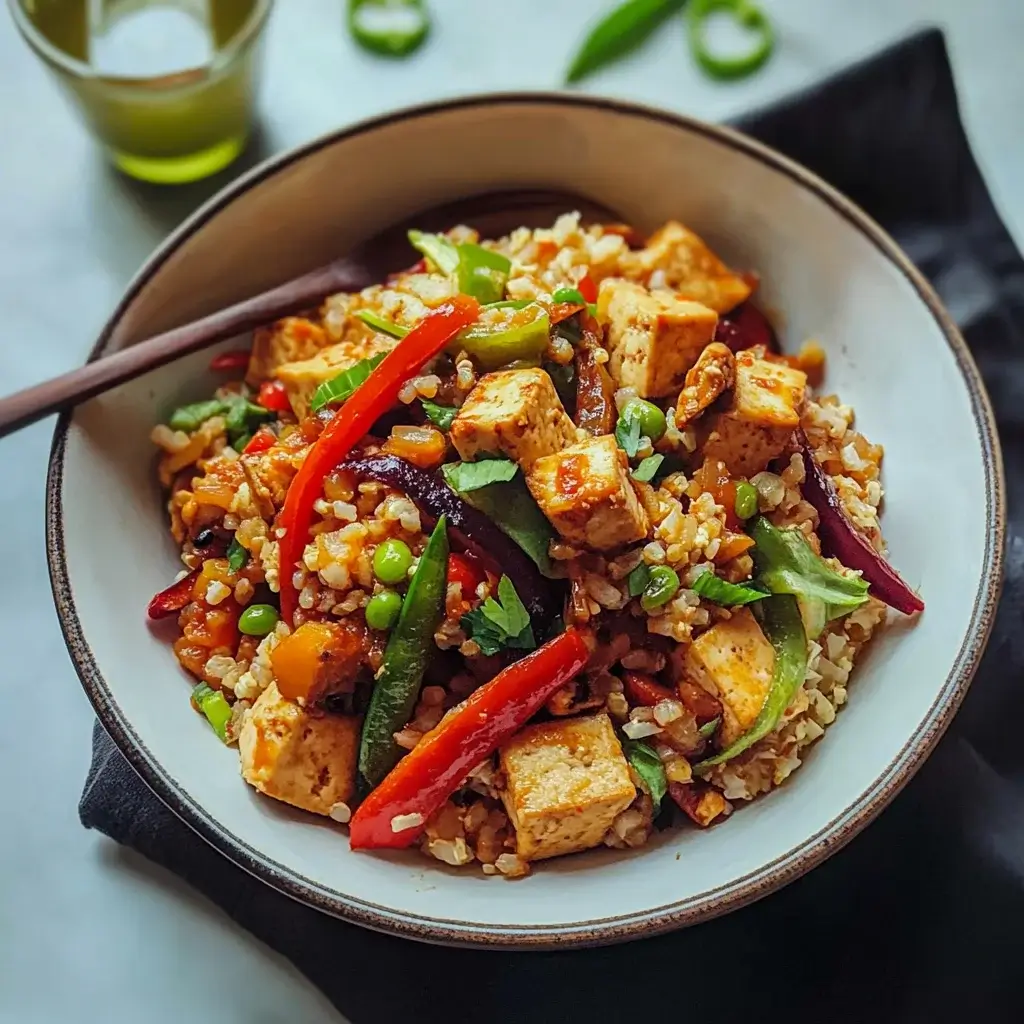

Let me tell you, finding delicious and satisfying keto-friendly vegetarian meals can sometimes feel like searching for a unicorn in a haystack. But this Keto Tofu & Cauliflower Rice Stir-Fry? It’s pure magic. As someone who loves vibrant flavors and healthy eating, but also follows a ketogenic lifestyle, this recipe has become an absolute weeknight staple in my kitchen. The first time I made it, I was blown away by how quickly it came together and how incredibly flavorful it was. The crispy tofu, the slightly nutty cauliflower rice, and the savory, slightly sweet stir-fry sauce create a symphony of textures and tastes that’s both comforting and exciting. My family, even the non-keto members, raved about it! It’s packed with protein, loaded with veggies, and incredibly versatile – you can easily customize it with your favorite keto-friendly vegetables and spices. If you’re looking for a quick, healthy, and utterly delicious keto vegetarian meal that will satisfy your cravings and keep you on track, look no further. This Keto Tofu & Cauliflower Rice Stir-Fry is about to become your new favorite too!
Ingredients
This recipe relies on fresh, wholesome ingredients to deliver a flavorful and satisfying keto stir-fry. Here’s what you’ll need to bring this dish to life:
- 1 block (14-16 ounces) Extra-Firm Tofu: Tofu is the protein powerhouse of this dish and a fantastic vegetarian keto option. Extra-firm tofu is preferred as it holds its shape well during stir-frying and crisps up nicely. Make sure to press your tofu to remove excess water for optimal texture. Choosing high-quality, non-GMO tofu can also enhance the overall flavor and nutritional benefits.
- 1 large head of Cauliflower, or 2 bags (10-12 ounces each) Cauliflower Rice: Cauliflower rice is the low-carb star of this stir-fry, replacing traditional rice for a keto-friendly base. You can make your own cauliflower rice by grating a head of cauliflower using a box grater or food processor, or opt for the convenience of pre-riced cauliflower from the grocery store. Fresh or frozen cauliflower rice both work well, but if using frozen, ensure it’s thawed and excess moisture is squeezed out before stir-frying to prevent a soggy dish.
- 2 tablespoons Avocado Oil (or Coconut Oil): Avocado oil or coconut oil are excellent keto-friendly cooking oils with a high smoke point, making them ideal for stir-frying. Avocado oil has a neutral flavor, while coconut oil adds a subtle coconut aroma that can complement Asian-inspired dishes. You can also use other high-heat oils like olive oil or sesame oil (in combination with a high-heat oil due to sesame oil’s lower smoke point for flavor) if preferred.
- 1 cup Broccoli Florets: Broccoli florets add a boost of nutrients and a satisfying crunch to the stir-fry. Choose fresh broccoli florets for the best texture and flavor. You can also use frozen broccoli florets, ensuring they are thawed and drained well before adding to the stir-fry. Broccoli is a keto-friendly vegetable that is low in carbs and high in fiber and vitamins.
- 1/2 cup Bell Pepper, sliced (any color): Bell peppers contribute sweetness, color, and a good dose of Vitamin C to the dish. Any color bell pepper will work – red, yellow, orange, or green, or a mix for visual appeal and varied flavor. Slicing them into strips ensures they cook quickly and evenly in the stir-fry.
- 1/2 cup Onion, sliced: Onion adds a savory base flavor to the stir-fry. Yellow or white onions are commonly used, but red onions can also be used for a slightly sharper flavor. Slicing the onion thinly allows it to soften and caramelize slightly during stir-frying, adding depth of flavor to the dish.
- 2 cloves Garlic, minced: Garlic is a flavor essential in stir-fries, adding a pungent and aromatic element. Freshly minced garlic is recommended for the best flavor. You can adjust the amount of garlic to your preference – add more if you love garlic, or less if you prefer a milder flavor.
- 1 inch Ginger, grated: Fresh ginger adds a warm, zesty, and slightly spicy flavor that is characteristic of Asian-inspired stir-fries. Grating fresh ginger releases its flavor effectively. You can adjust the amount of ginger to your spice preference.
- Stir-Fry Sauce:
- 3 tablespoons Coconut Aminos (or Tamari for soy-free option): Coconut aminos and tamari are keto-friendly and gluten-free alternatives to soy sauce. They provide a savory, umami flavor without the added sugars and higher carb count of traditional soy sauce. Coconut aminos are slightly sweeter and milder than tamari, while tamari is closer in flavor to soy sauce but is typically gluten-free and lower in sodium than many soy sauces.
- 2 tablespoons Rice Vinegar (or Apple Cider Vinegar): Rice vinegar (or apple cider vinegar) adds acidity and balances the savory and sweet notes in the sauce. Rice vinegar is milder and slightly sweeter than apple cider vinegar.
- 1 tablespoon Sesame Oil: Sesame oil adds a distinctive nutty aroma and flavor that is essential for authentic stir-fry flavor. Use toasted sesame oil for a richer flavor. A little goes a long way, so use it sparingly to avoid overpowering the other flavors.
- 1 tablespoon Erythritol or Monk Fruit Sweetener (or to taste): A keto-friendly sweetener like erythritol or monk fruit sweetener balances the savory and acidic flavors in the sauce and adds a touch of sweetness. Adjust the amount of sweetener to your preference – you can omit it altogether for a less sweet stir-fry if desired.
- 1 teaspoon Xanthan Gum (optional, for thickening): Xanthan gum is a keto-friendly thickening agent that can be used to thicken the stir-fry sauce to a desired consistency. It’s optional but helps create a sauce that coats the vegetables and tofu nicely. If you prefer a thinner sauce, you can omit xanthan gum.
- 1/2 teaspoon Red Pepper Flakes (optional, for spice): Red pepper flakes add a touch of heat to the stir-fry. Adjust the amount to your spice preference, or omit if you prefer a milder dish.
- Optional Garnishes:
- Sesame Seeds: Toasted sesame seeds add visual appeal, nutty flavor, and a slight crunch as a garnish.
- Chopped Green Onions: Freshly chopped green onions add a fresh, mild onion flavor and vibrant green color as a garnish.
- Chopped Cilantro: Fresh cilantro adds a bright, citrusy flavor and fresh aroma as a garnish, if you enjoy cilantro.
Instructions
Follow these step-by-step instructions to create your delicious and keto-friendly Tofu & Cauliflower Rice Stir-Fry:
- Press the Tofu: Remove the tofu from its packaging and drain off any excess water. Wrap the tofu block in several layers of paper towels or a clean kitchen towel. Place a heavy object, such as a cast-iron skillet or a few cans, on top of the tofu and press for at least 20-30 minutes to remove excess water. Pressing tofu is crucial for achieving a crispy texture when stir-frying. The drier the tofu, the better it will brown and crisp up.
- Prepare the Tofu: Once pressed, cut the tofu into bite-sized cubes (about ½ – 1 inch cubes). In a bowl, toss the tofu cubes with 1 tablespoon of avocado oil and a pinch of salt and pepper. This helps to season the tofu and promotes even browning during stir-frying.
- Prepare the Stir-Fry Sauce: In a small bowl, whisk together the coconut aminos (or tamari), rice vinegar (or apple cider vinegar), sesame oil, erythritol or monk fruit sweetener (if using), xanthan gum (if using), and red pepper flakes (if using). Whisk until all ingredients are well combined and the xanthan gum (if using) is fully dissolved and the sauce is smooth. Taste and adjust seasonings to your preference, adding more sweetener for sweetness, vinegar for tanginess, or red pepper flakes for heat.
- Stir-Fry the Tofu: Heat 1 tablespoon of avocado oil in a large wok or skillet over medium-high heat. Once the oil is hot, add the tofu cubes in a single layer (work in batches if necessary to avoid overcrowding the pan). Stir-fry the tofu for about 5-7 minutes, or until golden brown and crispy on all sides. Remove the crispy tofu from the wok and set aside.
- Stir-Fry the Vegetables: Add the remaining 1 tablespoon of avocado oil to the wok. Add the sliced onion and stir-fry for 2-3 minutes, until softened and slightly translucent. Add the minced garlic and grated ginger and stir-fry for another minute, until fragrant. Be careful not to burn the garlic and ginger. Add the broccoli florets and sliced bell pepper to the wok and stir-fry for 3-5 minutes, until the vegetables are tender-crisp and slightly softened but still retain some crunch.
- Add Cauliflower Rice and Sauce: Add the cauliflower rice to the wok with the vegetables. Stir-fry for 2-3 minutes, until the cauliflower rice is heated through and slightly softened. Pour the prepared stir-fry sauce over the vegetables and cauliflower rice. Stir-fry for 2-3 minutes, until the sauce has thickened slightly and evenly coats all the ingredients.
- Combine Tofu and Serve: Return the crispy stir-fried tofu to the wok and toss to combine with the vegetables, cauliflower rice, and sauce. Stir-fry for another minute to ensure everything is heated through and well combined.
- Garnish and Serve: Remove the Keto Tofu & Cauliflower Rice Stir-Fry from the heat and serve immediately. Garnish with sesame seeds, chopped green onions, and/or chopped cilantro, if desired. Enjoy your flavorful and healthy keto meal!
Nutrition Facts
This Keto Tofu & Cauliflower Rice Stir-Fry is not only delicious but also packed with nutrients while being low in carbohydrates. Here’s an approximate nutritional breakdown per serving (based on 4 servings, and may vary slightly depending on specific ingredients and portion sizes):
- Servings: Approximately 4 servings
- This recipe is designed to serve around 4 people as a main course. Serving sizes can be adjusted based on individual needs and appetites.
- Calories per serving: Approximately 350-450 calories
- The calorie count is an estimate and can vary depending on the specific ingredients used (e.g., type of oil, amount of sweetener) and portion sizes.
Key Nutrients (per serving, approximate):
- Net Carbohydrates: 8-12 grams
- This recipe is designed to be low in net carbs, making it suitable for a ketogenic diet. Net carbs are calculated by subtracting fiber from total carbohydrates. Cauliflower rice is a very low-carb alternative to traditional rice, and tofu is also relatively low in carbohydrates.
- Total Carbohydrates: 15-20 grams
- Includes both net carbs and fiber.
- Fiber: 7-8 grams
- Cauliflower, broccoli, and other vegetables in this stir-fry contribute to a good amount of dietary fiber, which is beneficial for digestion and satiety.
- Protein: 25-30 grams
- Tofu is an excellent source of plant-based protein, making this stir-fry a protein-rich vegetarian keto meal. Protein is crucial for satiety, muscle building, and overall health.
- Fat: 25-35 grams
- Healthy fats come from avocado oil, sesame oil, and tofu itself. Fats are a primary energy source on a ketogenic diet and are essential for hormone production and nutrient absorption.
- Vitamins and Minerals:
- Vitamin C: Bell peppers and broccoli are excellent sources of Vitamin C, an antioxidant that supports immune function.
- Vitamin K: Broccoli and cauliflower are good sources of Vitamin K, important for blood clotting and bone health.
- Folate: Broccoli and cauliflower provide folate, a B vitamin essential for cell growth and development.
- Potassium: Cauliflower, broccoli, and tofu contribute potassium, an electrolyte important for blood pressure regulation and muscle function.
- Iron: Tofu is a good source of plant-based iron, crucial for carrying oxygen in the blood.
- Calcium: Tofu (especially if prepared with calcium sulfate) can be a source of calcium, important for bone health.
Important Note: These nutrition facts are estimates and should be used as a general guideline. For precise nutritional information, it’s recommended to use a nutrition calculator app or website and input the specific ingredients and quantities you use. This recipe is a nutritious and delicious way to enjoy a keto-friendly vegetarian meal.
Preparation Time
This Keto Tofu & Cauliflower Rice Stir-Fry is designed to be quick and efficient to prepare, making it perfect for weeknight meals. Here’s a breakdown of the preparation time:
- Prep Time: 20-25 minutes
- This includes pressing the tofu (active time is minimal, mostly waiting time), chopping vegetables, preparing the stir-fry sauce, and cubing the tofu. If using pre-riced cauliflower, prep time will be even shorter.
- Cook Time: 15-20 minutes
- This is the time spent stir-frying the tofu and vegetables in the wok or skillet. Stir-frying is a quick cooking method, ensuring the dish comes together rapidly.
- Total Time: 35-45 minutes
- From start to finish, including tofu pressing time, you can have this flavorful Keto Tofu & Cauliflower Rice Stir-Fry on the table in under 45 minutes. This makes it a convenient and fast option for a healthy keto meal.
This recipe is a great choice when you’re short on time but still want a nutritious and satisfying keto-friendly vegetarian dinner. The quick stir-frying method ensures that the vegetables retain their crispness and nutrients, while the flavorful sauce and crispy tofu make it a truly enjoyable meal.
How to Serve Keto Tofu & Cauliflower Rice Stir-Fry
This Keto Tofu & Cauliflower Rice Stir-Fry is delicious and versatile, allowing for various serving options and accompaniments. Here are some ideas on how to serve it:
- As a Complete Meal:
- Serve it as is: This stir-fry is a complete and balanced meal on its own, providing protein, healthy fats, and plenty of vegetables. It’s satisfying and flavorful enough to be enjoyed as a standalone dish for lunch or dinner.
- Add a side of Edamame: For an extra protein boost and added fiber, serve a side of steamed or pan-fried edamame (soybeans). Edamame is keto-friendly and complements the Asian flavors of the stir-fry.
- Customize with Toppings and Garnishes:
- Sesame Seeds: Toasted sesame seeds add a nutty crunch and visual appeal when sprinkled over the stir-fry.
- Chopped Green Onions: Freshly chopped green onions provide a mild onion flavor and vibrant green color as a garnish.
- Chopped Cilantro: If you enjoy cilantro, a sprinkle of fresh cilantro adds a bright, citrusy note.
- Sriracha or Chili Garlic Sauce: For those who like extra heat, offer sriracha or chili garlic sauce on the side for drizzling over the stir-fry.
- Avocado Slices: Slices of creamy avocado add healthy fats and a smooth texture that contrasts nicely with the stir-fry.
- Serve as Part of a Keto Asian-Inspired Feast:
- Pair with Keto Spring Rolls: Serve the stir-fry alongside keto-friendly spring rolls made with lettuce wraps or coconut wraps and filled with vegetables and protein.
- Combine with Keto Miso Soup: A warm bowl of keto miso soup makes a comforting and light starter to complement the stir-fry.
- Add a side of Seaweed Salad: Seaweed salad is a refreshing and low-carb side dish that pairs well with Asian-inspired flavors.
- Serving Variations:
- Lettuce Wraps: For an even lower-carb option and a fun presentation, serve the stir-fry in lettuce wraps. Spoon the stir-fry mixture into large lettuce leaves (like butter lettuce or romaine) and enjoy as flavorful and healthy wraps.
- Over Shirataki Noodles: If you prefer noodles, serve the stir-fry over shirataki noodles (also known as konjac noodles or miracle noodles). Shirataki noodles are very low in carbs and calories, making them a keto-friendly noodle alternative. Rinse and prepare shirataki noodles according to package directions before topping with the stir-fry.
No matter how you choose to serve it, this Keto Tofu & Cauliflower Rice Stir-Fry is a delicious and satisfying meal that fits perfectly into a ketogenic lifestyle. Its versatility and flavorful profile make it a welcome addition to any keto meal plan.
Additional Tips for the Best Keto Tofu & Cauliflower Rice Stir-Fry
To ensure your Keto Tofu & Cauliflower Rice Stir-Fry turns out perfectly every time, here are five helpful tips:
- Press Tofu Thoroughly: Don’t skip the tofu pressing step! Thoroughly pressing the tofu is crucial for achieving a crispy texture. The more water you remove, the better the tofu will brown and crisp up in the stir-fry. If you have time, you can even press the tofu for longer than 30 minutes for even drier and crispier results. A tofu press can make this process even easier and more efficient.
- Don’t Overcrowd the Wok: When stir-frying the tofu and vegetables, avoid overcrowding the wok or skillet. Overcrowding will lower the temperature of the pan and cause the ingredients to steam instead of stir-fry, resulting in soggy tofu and vegetables. Work in batches if necessary to ensure everything cooks properly and browns nicely. A large wok or skillet is recommended to provide ample surface area for stir-frying.
- High Heat is Key: Stir-frying is a high-heat cooking method. Ensure your wok or skillet is properly heated before adding the oil and ingredients. Medium-high to high heat is ideal for stir-frying vegetables and tofu to achieve tender-crisp vegetables and crispy tofu with a slightly caramelized flavor. Keep the heat consistent throughout the cooking process for optimal results.
- Taste and Adjust Sauce Seasonings: The stir-fry sauce is the flavor base of the dish, so it’s important to taste and adjust the seasonings to your preference. Before adding the sauce to the stir-fry, taste it and adjust the sweetness, acidity, and spiciness as needed. You can add more sweetener for sweetness, vinegar for tanginess, coconut aminos/tamari for saltiness and umami, or red pepper flakes for heat. Personalizing the sauce to your taste will elevate the overall flavor of the stir-fry.
- Add Vegetables in Order of Cooking Time: To ensure all vegetables are cooked perfectly, add them to the wok in order of their cooking time. Start with vegetables that take longer to cook, like onions and broccoli, and then add faster-cooking vegetables like bell peppers and cauliflower rice later. This ensures that all vegetables are tender-crisp and not overcooked or mushy. Cauliflower rice cooks relatively quickly, so add it towards the end of the stir-frying process to prevent it from becoming too soft.
By following these tips, you’ll be able to create a fantastic Keto Tofu & Cauliflower Rice Stir-Fry that is not only healthy and keto-friendly but also incredibly flavorful and satisfying, just like your favorite takeout, but healthier and homemade!
Frequently Asked Questions (FAQ)
Here are some common questions people have about making Keto Tofu & Cauliflower Rice Stir-Fry:
Q1: Can I use different vegetables in this stir-fry?
A: Yes, absolutely! This recipe is very versatile and you can easily customize it with your favorite keto-friendly vegetables. Some other great options include:
- Asparagus: Adds a tender-crisp texture and delicate flavor.
- Mushrooms: Button mushrooms, cremini mushrooms, or shiitake mushrooms add an earthy and umami flavor.
- Zucchini or Yellow Squash: Adds a mild flavor and soft texture.
- Spinach or Kale: Add leafy greens towards the end of cooking for a boost of nutrients.
- Green Beans: Adds a crisp-tender texture and fresh flavor.
When substituting vegetables, consider their cooking time and add them to the wok in order of how long they take to cook, similar to the broccoli and bell peppers in the original recipe.
Q2: Can I make this stir-fry soy-free?
A: Yes, you can easily make this stir-fry soy-free. To make it soy-free:
- Use Tamari or Coconut Aminos: Choose tamari or coconut aminos instead of soy sauce in the stir-fry sauce. Tamari is typically gluten-free and often soy-free (check the label to be sure). Coconut aminos is naturally soy-free and gluten-free.
- Choose Soy-Free Tofu: Look for tofu that is specifically labeled as soy-free. Some brands make tofu from other legumes like chickpeas or fava beans. Alternatively, you can substitute the tofu with another protein source like pan-fried halloumi cheese (keto-friendly and vegetarian), or add some cooked chicken or shrimp if you are not strictly vegetarian.
Q3: Can I prepare this stir-fry ahead of time?
A: While stir-fries are generally best enjoyed fresh, you can prepare some components of this recipe ahead of time to save time during meal prep:
- Press Tofu Ahead: You can press the tofu a day or two in advance and store it in the refrigerator until ready to use.
- Chop Vegetables Ahead: Chop the vegetables and store them in separate airtight containers in the refrigerator for up to a day in advance.
- Make Stir-Fry Sauce Ahead: Prepare the stir-fry sauce and store it in an airtight container in the refrigerator for up to a week.
However, it is recommended to stir-fry the tofu and vegetables and assemble the dish just before serving for the best texture and flavor. Reheating stir-fries can sometimes make the vegetables softer and less crisp.
Q4: How can I make this stir-fry spicier?
A: If you like a spicier stir-fry, there are several ways to add heat:
- Increase Red Pepper Flakes: Add more red pepper flakes to the stir-fry sauce.
- Add Fresh Chili Peppers: Finely chop fresh chili peppers like Thai chilies or Serrano peppers and add them to the wok along with the garlic and ginger.
- Use Chili Garlic Sauce: Add a teaspoon or two of chili garlic sauce to the stir-fry sauce or drizzle it over the finished dish.
- Add Sriracha or Gochujang: Offer sriracha or gochujang (Korean chili paste – check labels for keto-friendliness as some contain added sugars) on the side for those who want to add extra heat to their individual servings.
Q5: Is this stir-fry suitable for vegans?
A: Yes, this Keto Tofu & Cauliflower Rice Stir-Fry is suitable for vegans as it does not contain any animal products. Tofu is a plant-based protein source, and all other ingredients are plant-derived. Ensure you are using vegan-friendly options for any optional garnishes or side dishes you choose to serve with it. This recipe is a great way to enjoy a flavorful and satisfying vegan keto meal.
Print
Keto Tofu & Cauliflower Rice Stir fry recipe
Ingredients
-
- 1 block (14-16 ounces) Extra-Firm Tofu: Tofu is the protein powerhouse of this dish and a fantastic vegetarian keto option. Extra-firm tofu is preferred as it holds its shape well during stir-frying and crisps up nicely. Make sure to press your tofu to remove excess water for optimal texture. Choosing high-quality, non-GMO tofu can also enhance the overall flavor and nutritional benefits.
-
- 1 large head of Cauliflower, or 2 bags (10–12 ounces each) Cauliflower Rice: Cauliflower rice is the low-carb star of this stir-fry, replacing traditional rice for a keto-friendly base. You can make your own cauliflower rice by grating a head of cauliflower using a box grater or food processor, or opt for the convenience of pre-riced cauliflower from the grocery store. Fresh or frozen cauliflower rice both work well, but if using frozen, ensure it’s thawed and excess moisture is squeezed out before stir-frying to prevent a soggy dish.
-
- 2 tablespoons Avocado Oil (or Coconut Oil): Avocado oil or coconut oil are excellent keto-friendly cooking oils with a high smoke point, making them ideal for stir-frying. Avocado oil has a neutral flavor, while coconut oil adds a subtle coconut aroma that can complement Asian-inspired dishes. You can also use other high-heat oils like olive oil or sesame oil (in combination with a high-heat oil due to sesame oil’s lower smoke point for flavor) if preferred.
-
- 1 cup Broccoli Florets: Broccoli florets add a boost of nutrients and a satisfying crunch to the stir-fry. Choose fresh broccoli florets for the best texture and flavor. You can also use frozen broccoli florets, ensuring they are thawed and drained well before adding to the stir-fry. Broccoli is a keto-friendly vegetable that is low in carbs and high in fiber and vitamins.
-
- 1/2 cup Bell Pepper, sliced (any color): Bell peppers contribute sweetness, color, and a good dose of Vitamin C to the dish. Any color bell pepper will work – red, yellow, orange, or green, or a mix for visual appeal and varied flavor. Slicing them into strips ensures they cook quickly and evenly in the stir-fry.
-
- 1/2 cup Onion, sliced: Onion adds a savory base flavor to the stir-fry. Yellow or white onions are commonly used, but red onions can also be used for a slightly sharper flavor. Slicing the onion thinly allows it to soften and caramelize slightly during stir-frying, adding depth of flavor to the dish.
-
- 2 cloves Garlic, minced: Garlic is a flavor essential in stir-fries, adding a pungent and aromatic element. Freshly minced garlic is recommended for the best flavor. You can adjust the amount of garlic to your preference – add more if you love garlic, or less if you prefer a milder flavor.
-
- 1 inch Ginger, grated: Fresh ginger adds a warm, zesty, and slightly spicy flavor that is characteristic of Asian-inspired stir-fries. Grating fresh ginger releases its flavor effectively. You can adjust the amount of ginger to your spice preference.
-
- Stir-Fry Sauce:
-
- 3 tablespoons Coconut Aminos (or Tamari for soy-free option): Coconut aminos and tamari are keto-friendly and gluten-free alternatives to soy sauce. They provide a savory, umami flavor without the added sugars and higher carb count of traditional soy sauce. Coconut aminos are slightly sweeter and milder than tamari, while tamari is closer in flavor to soy sauce but is typically gluten-free and lower in sodium than many soy sauces.
-
- 2 tablespoons Rice Vinegar (or Apple Cider Vinegar): Rice vinegar (or apple cider vinegar) adds acidity and balances the savory and sweet notes in the sauce. Rice vinegar is milder and slightly sweeter than apple cider vinegar.
-
- 1 tablespoon Sesame Oil: Sesame oil adds a distinctive nutty aroma and flavor that is essential for authentic stir-fry flavor. Use toasted sesame oil for a richer flavor. A little goes a long way, so use it sparingly to avoid overpowering the other flavors.
-
- 1 tablespoon Erythritol or Monk Fruit Sweetener (or to taste): A keto-friendly sweetener like erythritol or monk fruit sweetener balances the savory and acidic flavors in the sauce and adds a touch of sweetness. Adjust the amount of sweetener to your preference – you can omit it altogether for a less sweet stir-fry if desired.
-
- 1 teaspoon Xanthan Gum (optional, for thickening): Xanthan gum is a keto-friendly thickening agent that can be used to thicken the stir-fry sauce to a desired consistency. It’s optional but helps create a sauce that coats the vegetables and tofu nicely. If you prefer a thinner sauce, you can omit xanthan gum.
-
- 1/2 teaspoon Red Pepper Flakes (optional, for spice): Red pepper flakes add a touch of heat to the stir-fry. Adjust the amount to your spice preference, or omit if you prefer a milder dish.
-
- Stir-Fry Sauce:
-
- Optional Garnishes:
-
- Sesame Seeds: Toasted sesame seeds add visual appeal, nutty flavor, and a slight crunch as a garnish.
-
- Chopped Green Onions: Freshly chopped green onions add a fresh, mild onion flavor and vibrant green color as a garnish.
-
- Chopped Cilantro: Fresh cilantro adds a bright, citrusy flavor and fresh aroma as a garnish, if you enjoy cilantro.
-
- Optional Garnishes:
Instructions
-
- Press the Tofu: Remove the tofu from its packaging and drain off any excess water. Wrap the tofu block in several layers of paper towels or a clean kitchen towel. Place a heavy object, such as a cast-iron skillet or a few cans, on top of the tofu and press for at least 20-30 minutes to remove excess water. Pressing tofu is crucial for achieving a crispy texture when stir-frying. The drier the tofu, the better it will brown and crisp up.
-
- Prepare the Tofu: Once pressed, cut the tofu into bite-sized cubes (about ½ – 1 inch cubes). In a bowl, toss the tofu cubes with 1 tablespoon of avocado oil and a pinch of salt and pepper. This helps to season the tofu and promotes even browning during stir-frying.
-
- Prepare the Stir-Fry Sauce: In a small bowl, whisk together the coconut aminos (or tamari), rice vinegar (or apple cider vinegar), sesame oil, erythritol or monk fruit sweetener (if using), xanthan gum (if using), and red pepper flakes (if using). Whisk until all ingredients are well combined and the xanthan gum (if using) is fully dissolved and the sauce is smooth. Taste and adjust seasonings to your preference, adding more sweetener for sweetness, vinegar for tanginess, or red pepper flakes for heat.
-
- Stir-Fry the Tofu: Heat 1 tablespoon of avocado oil in a large wok or skillet over medium-high heat. Once the oil is hot, add the tofu cubes in a single layer (work in batches if necessary to avoid overcrowding the pan). Stir-fry the tofu for about 5-7 minutes, or until golden brown and crispy on all sides. Remove the crispy tofu from the wok and set aside.
-
- Stir-Fry the Vegetables: Add the remaining 1 tablespoon of avocado oil to the wok. Add the sliced onion and stir-fry for 2-3 minutes, until softened and slightly translucent. Add the minced garlic and grated ginger and stir-fry for another minute, until fragrant. Be careful not to burn the garlic and ginger. Add the broccoli florets and sliced bell pepper to the wok and stir-fry for 3-5 minutes, until the vegetables are tender-crisp and slightly softened but still retain some crunch.
-
- Add Cauliflower Rice and Sauce: Add the cauliflower rice to the wok with the vegetables. Stir-fry for 2-3 minutes, until the cauliflower rice is heated through and slightly softened. Pour the prepared stir-fry sauce over the vegetables and cauliflower rice. Stir-fry for 2-3 minutes, until the sauce has thickened slightly and evenly coats all the ingredients.
-
- Combine Tofu and Serve: Return the crispy stir-fried tofu to the wok and toss to combine with the vegetables, cauliflower rice, and sauce. Stir-fry for another minute to ensure everything is heated through and well combined.
-
- Garnish and Serve: Remove the Keto Tofu & Cauliflower Rice Stir-Fry from the heat and serve immediately. Garnish with sesame seeds, chopped green onions, and/or chopped cilantro, if desired. Enjoy your flavorful and healthy keto meal!
Nutrition
- Serving Size: one normal portion
- Calories: 350-450
- Fat: 25-35 grams
- Carbohydrates: 15-20 grams
- Fiber: 7-8 grams
- Protein: 25-30 grams