
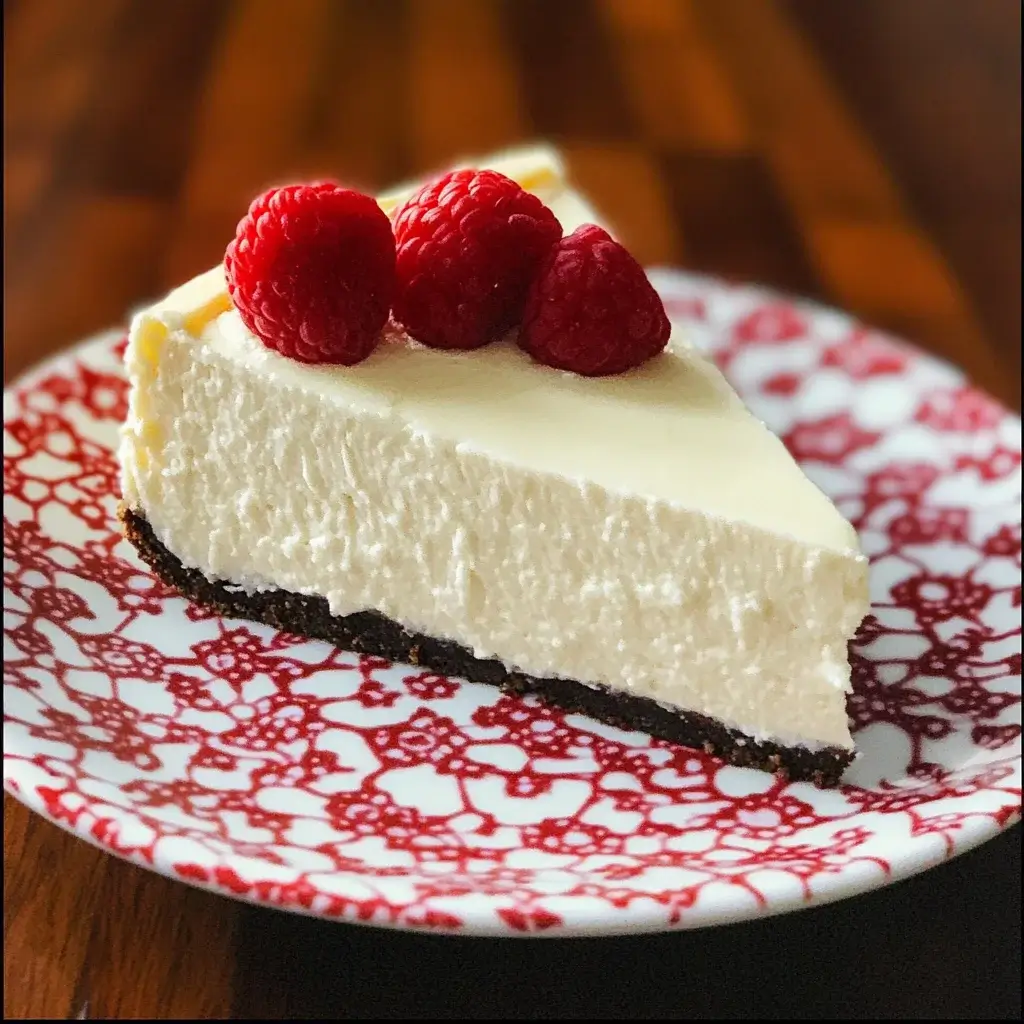
Let’s be honest, starting a keto diet can feel like saying goodbye to all your favorite desserts. Cheesecake, with its rich, creamy texture and sweet, tangy flavor, was definitely high on my “things I’d miss” list. But then I discovered the magic of keto cheesecake, and it was a game-changer! The first bite was pure bliss – that familiar creamy decadence, the perfect balance of sweetness and tang, all without the sugar rush and guilt. My family, who aren’t even strictly keto, were blown away. They couldn’t believe it was sugar-free and low-carb! This keto cheesecake has become my secret weapon for satisfying sweet cravings without derailing my dietary goals. It’s surprisingly easy to make, incredibly versatile, and tastes just as good, if not better, than traditional cheesecake. If you’re on a keto journey and missing dessert, or simply looking for a healthier cheesecake option, prepare to be amazed. This recipe will prove that you can have your cheesecake and eat it too – completely guilt-free!
Ingredients: The Keto-Friendly Keys to Cheesecake Bliss
Creating a truly decadent keto cheesecake relies on carefully selected ingredients that mimic the texture and flavor of traditional cheesecake while staying within keto guidelines. Here’s a breakdown of what you’ll need to bake this low-carb masterpiece:
- For the Crust:
- 1 ½ cups Almond Flour, finely ground: Almond flour forms the base of our keto-friendly crust, providing a nutty flavor and satisfying texture. It’s low in carbs and gluten-free, making it perfect for keto baking. Ensure it’s finely ground for a smoother crust. Almond meal can be used as a substitute, but it will result in a slightly coarser texture.
- ¼ cup Keto-Friendly Sweetener, granulated (like Erythritol or Monk Fruit): A keto-friendly sweetener replaces traditional sugar, providing sweetness without spiking blood sugar levels. Erythritol and monk fruit are excellent choices as they have minimal aftertaste and measure similarly to sugar. Xylitol can also be used, but be cautious if you have pets as it is toxic to dogs. Avoid using liquid sweeteners in the crust as they can alter the texture.
- 6 tablespoons Unsalted Butter, melted: Melted butter binds the almond flour and sweetener together, creating a crumbly yet cohesive crust. Unsalted butter allows you to control the saltiness of the crust. Coconut oil (melted) can be used as a dairy-free alternative, but it will impart a subtle coconut flavor.
- Optional: ½ teaspoon Cinnamon: Cinnamon adds warmth and a subtle spice to the crust, enhancing the overall flavor profile. It’s optional but highly recommended for a more complex and delicious crust.
- For the Cheesecake Filling:
- 3 packages (8 ounces each) Cream Cheese, full-fat, softened: Cream cheese is the star of the show, providing the signature creamy texture and tangy flavor of cheesecake. Full-fat cream cheese is essential for richness and keto compliance. Ensure it is fully softened to room temperature for a smooth, lump-free filling.
- 1 ¼ cups Keto-Friendly Sweetener, granulated (like Erythritol or Monk Fruit): Just like in the crust, a keto-friendly sweetener provides sweetness to the filling without the carbs. Powdered erythritol or monk fruit can be used for an even smoother texture, but granulated works well too. Adjust the amount of sweetener to your personal preference.
- 4 Large Eggs, room temperature: Eggs bind the filling ingredients together and contribute to the cheesecake’s structure and richness. Room temperature eggs emulsify better, resulting in a smoother filling.
- 1 cup Sour Cream, full-fat: Sour cream adds tanginess and moisture to the filling, balancing the sweetness and richness. Full-fat sour cream is recommended for keto. Full-fat Greek yogurt can be used as a substitute for a slightly tangier flavor and slightly thicker texture.
- ¼ cup Heavy Cream: Heavy cream enhances the creaminess and richness of the filling. It contributes to a smoother, more luxurious texture.
- 2 teaspoons Vanilla Extract, pure: Pure vanilla extract adds a classic and essential flavor to cheesecake. Use high-quality vanilla extract for the best flavor. Vanilla bean paste can be used for an even more intense vanilla flavor and visual appeal (vanilla bean specks).
- Optional: 1 tablespoon Lemon Juice, fresh: Fresh lemon juice adds a touch of brightness and acidity that balances the richness and sweetness of the cheesecake. It enhances the tangy cheesecake flavor. Lemon zest can also be added for a more pronounced lemon flavor.
- Optional: Pinch of Salt: A pinch of salt enhances the sweetness and balances all the flavors in the filling.
- Optional Toppings (Keto-Friendly):
- Sugar-Free Whipped Cream: A classic cheesecake topping that remains keto-friendly when made with keto-friendly sweetener.
- Fresh Berries (like strawberries, raspberries, blueberries): Berries are relatively low in carbs and add freshness and color.
- Sugar-Free Chocolate Shavings or Sauce: Dark chocolate (70% cacao or higher) or sugar-free chocolate sauce can add a decadent touch.
- Toasted Nuts (like almonds, pecans, macadamia nuts): Toasted nuts provide crunch and healthy fats.
- Keto Caramel Sauce: Homemade or store-bought keto caramel sauce for extra indulgence.
Ingredient Variations and Substitutions:
- Almond Flour: Coconut flour can be used as a substitute for almond flour in the crust, but it is much more absorbent. You’ll need to reduce the amount to about ½ cup and may need to adjust the liquid (butter) accordingly. The texture will be slightly drier and the flavor will be coconutty.
- Keto-Friendly Sweeteners: Stevia or allulose can also be used as keto-friendly sweeteners. Adjust the amount according to the sweetener’s sweetness level compared to sugar and your personal preference. Liquid stevia should be used sparingly and may require adjustments to dry ingredients to maintain texture.
- Butter (Crust): Coconut oil (melted) or avocado oil (melted) can be used as dairy-free alternatives to butter in the crust.
- Cream Cheese: There is no direct keto-friendly substitute for cream cheese in cheesecake. Using Neufchatel cheese (lower-fat cream cheese) will slightly reduce the fat content but may alter the richness and texture. Full-fat cream cheese is highly recommended for keto cheesecake.
- Sour Cream: Full-fat Greek yogurt or crème fraîche can be used as substitutes for sour cream in the filling. Greek yogurt will result in a tangier and slightly thicker cheesecake.
- Heavy Cream: Coconut cream (the thick part from a can of refrigerated full-fat coconut milk) can be used as a dairy-free alternative to heavy cream. Whipping cream (full-fat) can also be used, but heavy cream provides a richer texture.
- Vanilla Extract: Almond extract, lemon extract, or other flavor extracts can be used to create different flavor profiles in the cheesecake.
- Lemon Juice: Lime juice can be used as a substitute for lemon juice.
Instructions: Baking Your Perfect Keto Cheesecake
Follow these step-by-step instructions to bake a flawless and delicious Keto Cheesecake:
- Prepare the Crust: Preheat your oven to 350°F (175°C). In a medium bowl, combine the almond flour, keto-friendly sweetener (for crust), and cinnamon (if using). Stir to combine well. Pour in the melted butter and mix until the mixture resembles moist crumbs.
- Press Crust into Pan: Press the almond flour mixture evenly into the bottom of a 9-inch springform pan. Use the back of a spoon or your fingers to firmly press the crust and create a smooth, even base. You can also bring the crust slightly up the sides of the pan if desired, but a bottom crust is sufficient for keto cheesecake.
- Pre-bake the Crust (Optional but Recommended): Pre-baking the crust helps it set and prevents it from becoming soggy. Bake the crust in the preheated oven for 8-10 minutes, or until lightly golden brown around the edges and fragrant. Remove from the oven and let it cool slightly while you prepare the filling. If you skip pre-baking, the crust may be slightly softer.
- Prepare the Cheesecake Filling: In a large mixing bowl, beat the softened cream cheese with an electric mixer until smooth and creamy. Ensure there are no lumps of cream cheese. This step is crucial for a smooth cheesecake. Gradually add the keto-friendly sweetener (for filling) while continuing to beat until well combined and fluffy.
- Incorporate Eggs and Wet Ingredients: Beat in the eggs one at a time, mixing well after each addition. Make sure each egg is fully incorporated before adding the next. Scrape down the sides of the bowl as needed to ensure even mixing. Beat in the sour cream, heavy cream, vanilla extract, lemon juice (if using), and salt (if using) until just combined. Do not overmix the batter at this stage, as overmixing can incorporate too much air and lead to cracks during baking.
- Pour Filling into Crust: Pour the cheesecake filling evenly over the prepared crust in the springform pan. Gently smooth the top of the filling with a spatula.
- Bake the Cheesecake: Bake in the preheated oven for 50-60 minutes, or until the edges of the cheesecake are set and the center is just slightly jiggly. The cheesecake should be mostly set but still have a slight wobble in the very center. Do not overbake, as this can make the cheesecake dry and prone to cracking.
- Cool in Oven with Door Ajar (Crucial for Crack Prevention): Turn off the oven and slightly open the oven door (prop it open with a wooden spoon or oven mitt). Leave the cheesecake in the oven to cool slowly for 1 hour. This gradual cooling process helps prevent cracks from forming on the surface of the cheesecake.
- Chill in Refrigerator: After cooling in the oven, remove the cheesecake and let it cool completely at room temperature. Once cooled to room temperature, cover the springform pan with plastic wrap and refrigerate for at least 4 hours, or preferably overnight. Chilling is essential for the cheesecake to fully set and develop its signature texture and flavor.
- Release from Springform Pan and Serve: Before serving, gently run a thin knife or spatula around the edge of the cheesecake to loosen it from the springform pan sides. Release the springform pan sides and carefully remove the cheesecake. Slice and serve chilled. Add your favorite keto-friendly toppings just before serving.
Tips for a Perfect Keto Cheesecake:
- Softened Cream Cheese is Key: Ensure your cream cheese is fully softened to room temperature. This is crucial for a smooth, lump-free filling.
- Don’t Overmix the Batter: Overmixing can incorporate too much air, leading to cracks during baking. Mix the batter until just combined after adding eggs and wet ingredients.
- Bake at the Right Temperature: Baking at 350°F (175°C) is ideal for keto cheesecake. Avoid baking at higher temperatures, which can cause the cheesecake to cook too quickly and crack.
- Cool Slowly in the Oven: The slow cooling process in the oven with the door ajar is essential for preventing cracks. Don’t skip this step.
- Chill Thoroughly: Chilling for at least 4 hours, or preferably overnight, is necessary for the cheesecake to fully set and develop its best texture and flavor.
Nutrition Facts: Keto-Friendly Indulgence
Keto Cheesecake is designed to be a delicious and satisfying dessert option within a ketogenic lifestyle. Here’s an estimated nutritional breakdown per serving. Please note that these are estimates and can vary based on specific ingredients, sweetener types, portion sizes, and toppings.
Serving Size: 1 slice (assuming the cheesecake is cut into 12 slices from a 9-inch pan).
Approximate Nutritional Values per Serving:
- Calories: 300-400 kcal (This can vary based on sweetener type and fat content of ingredients)
- Net Carbs: 3-5 grams (This is the most important metric for keto. Calculated as Total Carbs – Fiber – Sugar Alcohols. Erythritol, a common keto sweetener, is a sugar alcohol and is often subtracted from total carbs.)
- Total Carbs: 10-15 grams (Estimate, depends on ingredients and sweetener)
- Fiber: 2-3 grams (Estimate, primarily from almond flour)
- Sugar Alcohols (if using Erythritol): 5-7 grams (Estimate, may vary based on sweetener used)
- Fat: 25-35 grams (High in fat, as expected for keto, primarily from cream cheese, butter, sour cream, and heavy cream)
- Saturated Fat: 15-20 grams (Estimate)
- Unsaturated Fat: 8-15 grams (Estimate, from almond flour and dairy fats)
- Protein: 8-10 grams
- Cholesterol: 150-200 mg (Estimate)
- Sodium: 200-300 mg (Estimate)
Important Considerations:
- Net Carbs: The key focus for keto is net carbs. This recipe is designed to be low in net carbs, making it suitable for a ketogenic diet. Always calculate net carbs based on the specific ingredients you use.
- Fat Content: Keto Cheesecake is high in fat, which is desirable on a ketogenic diet. The fats come primarily from healthy sources like dairy and almond flour.
- Calorie Density: While keto-friendly, cheesecake is still calorie-dense. Portion control is important, even on keto, for weight management.
- Sweetener Type: The type of keto-friendly sweetener used will impact the net carb count and potentially the calorie count. Erythritol is a popular choice as it is largely non-digestible and contributes minimal calories and net carbs.
- Toppings Impact: Toppings will add to the nutritional values. Choose keto-friendly toppings like sugar-free whipped cream and berries to keep the dessert low-carb.
Disclaimer: These nutrition facts are estimates only and are based on general assumptions about ingredient quantities and nutritional values. Actual nutritional content may vary. For precise nutritional information, use a nutrition calculator and input the exact ingredients and quantities used in your recipe, including the specific brand and type of sweetener.
Preparation Time: Baking Schedule for Keto Cheesecake
Planning your baking time is essential for a successful Keto Cheesecake, considering the chilling requirement. Here’s a breakdown of the estimated preparation, baking, and chilling times:
- Prep Time (Crust and Filling Preparation): 20-30 minutes
- This includes measuring ingredients, mixing the crust, pressing the crust into the pan, softening cream cheese, and mixing the filling.
- Baking Time: 50-60 minutes
- This is the active oven baking time.
- Cooling Time in Oven (with door ajar): 1 hour
- Passive cooling time in the oven to prevent cracks.
- Cooling Time at Room Temperature: 1-2 hours
- Passive cooling time at room temperature before refrigeration.
- Chilling Time in Refrigerator: Minimum 4 hours, ideally overnight (8+ hours)
- Passive chilling time for the cheesecake to fully set.
Total Active Time: Approximately 1 hour 10 minutes to 1 hour 30 minutes
Total Passive Time (Cooling and Chilling): Minimum 6 hours to overnight (12+ hours)
Total Time (Start to Finish, Including Minimum Chilling): Approximately 7 hours 10 minutes to 13 hours 30 minutes
Tips for Time Management:
- Bake the Day Before: The best approach is to bake the keto cheesecake the day before you plan to serve it. This allows for ample chilling time overnight, ensuring perfect texture and flavor development.
- Prepare Crust and Filling in Stages: You can prepare the crust in advance and store it at room temperature for a few hours before making the filling. Similarly, you can prepare the filling and refrigerate it for a short period before pouring it into the crust and baking.
- Utilize Passive Time: Most of the total time is passive cooling and chilling time. Use this time to do other tasks or relax while the cheesecake sets.
- Quick Prep, Longer Bake & Chill: The active prep time is relatively short compared to the total time. Focus on efficient preparation, and then let the oven and refrigerator do their work.
How to Serve: Elevate Your Keto Cheesecake Experience
Keto Cheesecake is delicious on its own, but the right serving suggestions can elevate it to a truly special dessert. Here are some ideas for serving and enhancing your keto cheesecake:
Serving Suggestions:
- Classic Chilled Slices: The most straightforward and satisfying way to serve keto cheesecake is chilled, sliced into wedges.
- Individual Mini Cheesecakes: For portion control and elegant presentation, bake the cheesecake in muffin tins to create individual mini keto cheesecakes. Adjust baking time accordingly (reduce to approximately 20-25 minutes).
- Deconstructed Cheesecake Bowls: For a casual and fun presentation, crumble the cheesecake into bowls and layer with keto-friendly toppings.
- Frozen Keto Cheesecake Bites: For a refreshing treat, freeze individual slices or mini cheesecakes for a keto cheesecake ice cream or frozen dessert.
Keto-Friendly Topping Ideas:
- Sugar-Free Whipped Cream: A classic and light topping that complements the richness of the cheesecake. Make your own using heavy cream and keto-friendly sweetener or use a store-bought sugar-free version.
- Fresh Berries: Strawberries, raspberries, blueberries, and blackberries are all relatively low in carbs and add freshness, color, and antioxidants.
- Sugar-Free Chocolate Sauce or Shavings: Use dark chocolate (70% cacao or higher) or sugar-free chocolate sauce for a decadent chocolate touch.
- Toasted Nuts: Almonds, pecans, walnuts, macadamia nuts, or hazelnuts, toasted and chopped, add crunch and healthy fats.
- Keto Caramel Sauce: Drizzle homemade or store-bought keto caramel sauce for extra sweetness and indulgence.
- Cinnamon or Cocoa Powder: A light dusting of cinnamon or unsweetened cocoa powder adds a touch of spice and visual appeal.
- Lemon Zest or Lime Zest: For a citrusy boost, grate fresh lemon or lime zest over the cheesecake.
- Keto Fruit Compote: Make a simple compote with berries and a keto-friendly sweetener, simmered until slightly thickened.
- Unsweetened Coconut Flakes: Toasted unsweetened coconut flakes add texture and a subtle tropical flavor.
Serving Pairings:
- Coffee or Tea: A classic pairing. The richness of the cheesecake is balanced by the warmth and slight bitterness of coffee or tea.
- Sugar-Free Hot Chocolate: For a truly indulgent dessert experience, pair with sugar-free hot chocolate.
- Sparkling Water or Unsweetened Iced Tea: For a lighter and refreshing beverage pairing.
- Keto Wine (Dry Red or White): For an adult dessert pairing, a dry red or white wine can complement the cheesecake.
Plating Ideas:
- Simple and Elegant: Serve slices on dessert plates, garnished with a dollop of sugar-free whipped cream and a few fresh berries.
- Layered Presentation: Layer deconstructed cheesecake crumbles with toppings in clear dessert glasses or bowls for a visually appealing parfait-style dessert.
- Festive Decorations: For special occasions, decorate with themed keto-friendly toppings, such as sugar-free chocolate shavings for holidays or toasted nuts for fall.
- Dusting of Sweetener: A light dusting of powdered keto-friendly sweetener (like powdered erythritol) over the cheesecake slice can add a touch of elegance.
Additional Tips for Keto Cheesecake Success
Mastering keto cheesecake is easier than you might think with these helpful tips:
- Use Quality Ingredients: Start with high-quality, full-fat cream cheese, heavy cream, and sour cream for the best flavor and texture. The quality of your ingredients directly impacts the final result.
- Room Temperature Ingredients: Ensure your cream cheese and eggs are at room temperature. This is crucial for smooth mixing and prevents lumps in the filling. Softened cream cheese blends seamlessly, and room temperature eggs emulsify better.
- Don’t Overbake: Overbaking is a common mistake that leads to dry and cracked cheesecake. Bake until the edges are set and the center is just slightly jiggly. The cheesecake will continue to set as it cools.
- Water Bath (Optional but Helpful for Crack Prevention): For extra insurance against cracks and even baking, you can use a water bath. Wrap the springform pan tightly in foil to prevent water from seeping in. Place the wrapped pan in a larger roasting pan and add hot water to the roasting pan, coming about halfway up the sides of the springform pan. Bake as directed.
- Sweetener Adjustment: Keto-friendly sweeteners vary in sweetness. Start with the recommended amount and adjust to your personal preference. If you prefer a less sweet cheesecake, reduce the sweetener slightly. If you like it sweeter, add a bit more. Taste the filling before baking to ensure it’s to your liking.
FAQ: Your Keto Cheesecake Questions Answered
Here are some frequently asked questions about Keto Cheesecake to help you bake with confidence:
Q1: What is the best keto-friendly sweetener to use in cheesecake?
A: Erythritol and monk fruit are excellent keto-friendly sweetener choices for cheesecake. They have minimal aftertaste, measure similarly to sugar, and don’t significantly impact blood sugar levels. Powdered versions (powdered erythritol or monk fruit) can create an even smoother texture in the filling, but granulated versions work well too. Stevia and allulose are also options, but you may need to adjust the amount based on their sweetness intensity and your preference.
Q2: How do I prevent my keto cheesecake from cracking?
A: Cracking is a common cheesecake concern, but easily managed:
* Don’t Overmix: Avoid overmixing the batter, especially after adding eggs.
* Don’t Overbake: Bake until just set, with a slight jiggle in the center.
* Cool Slowly: The slow cooling in the oven with the door ajar is crucial.
* Water Bath (Optional but Helpful): A water bath helps regulate oven temperature and promotes even baking, reducing crack risk.
* Room Temperature Ingredients: Using room temperature ingredients helps create a smoother batter that is less prone to cracking.
Q3: Can I make keto cheesecake without almond flour for the crust?
A: Yes, you can make a keto cheesecake with a nut-free crust. Options include:
* Coconut Flour Crust: Use coconut flour, but you’ll need to adjust the recipe significantly as coconut flour is very absorbent.
* Pecan or Walnut Crust: Substitute almond flour with finely ground pecans or walnuts.
* No-Crust Keto Cheesecake: Simply omit the crust entirely for a crustless keto cheesecake. Baking time may be slightly reduced.
Q4: How long does keto cheesecake last in the refrigerator?
A: Keto cheesecake will last in the refrigerator for 5-7 days when stored properly in an airtight container. In fact, the flavor often improves after a day or two in the refrigerator as the flavors meld together.
Q5: Can I freeze keto cheesecake?
A: Yes, keto cheesecake freezes well. To freeze:
* Cool Completely: Ensure the cheesecake is fully cooled and chilled.
* Slice (Optional): You can freeze the whole cheesecake or slice it into individual portions for easier thawing.
* Wrap Tightly: Wrap the cheesecake (whole or slices) tightly in plastic wrap, then in aluminum foil, or place in a freezer-safe container.
* Freeze: Freeze for up to 2-3 months.
* Thaw: Thaw the cheesecake in the refrigerator overnight before serving. Frozen cheesecake may have a slightly denser texture after thawing, but it will still be delicious.
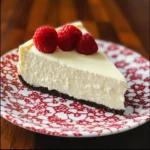
Keto Cheesecake recipe
Ingredients
- For the Crust:
- 1 ½ cups Almond Flour, finely ground: Almond flour forms the base of our keto-friendly crust, providing a nutty flavor and satisfying texture. It’s low in carbs and gluten-free, making it perfect for keto baking. Ensure it’s finely ground for a smoother crust. Almond meal can be used as a substitute, but it will result in a slightly coarser texture.
- ¼ cup Keto-Friendly Sweetener, granulated (like Erythritol or Monk Fruit): A keto-friendly sweetener replaces traditional sugar, providing sweetness without spiking blood sugar levels. Erythritol and monk fruit are excellent choices as they have minimal aftertaste and measure similarly to sugar. Xylitol can also be used, but be cautious if you have pets as it is toxic to dogs. Avoid using liquid sweeteners in the crust as they can alter the texture.
- 6 tablespoons Unsalted Butter, melted: Melted butter binds the almond flour and sweetener together, creating a crumbly yet cohesive crust. Unsalted butter allows you to control the saltiness of the crust. Coconut oil (melted) can be used as a dairy-free alternative, but it will impart a subtle coconut flavor.
- Optional: ½ teaspoon Cinnamon: Cinnamon adds warmth and a subtle spice to the crust, enhancing the overall flavor profile. It’s optional but highly recommended for a more complex and delicious crust.
- For the Cheesecake Filling:
- 3 packages (8 ounces each) Cream Cheese, full-fat, softened: Cream cheese is the star of the show, providing the signature creamy texture and tangy flavor of cheesecake. Full-fat cream cheese is essential for richness and keto compliance. Ensure it is fully softened to room temperature for a smooth, lump-free filling.
- 1 ¼ cups Keto-Friendly Sweetener, granulated (like Erythritol or Monk Fruit): Just like in the crust, a keto-friendly sweetener provides sweetness to the filling without the carbs. Powdered erythritol or monk fruit can be used for an even smoother texture, but granulated works well too. Adjust the amount of sweetener to your personal preference.
- 4 Large Eggs, room temperature: Eggs bind the filling ingredients together and contribute to the cheesecake’s structure and richness. Room temperature eggs emulsify better, resulting in a smoother filling.
- 1 cup Sour Cream, full-fat: Sour cream adds tanginess and moisture to the filling, balancing the sweetness and richness. Full-fat sour cream is recommended for keto. Full-fat Greek yogurt can be used as a substitute for a slightly tangier flavor and slightly thicker texture.
- ¼ cup Heavy Cream: Heavy cream enhances the creaminess and richness of the filling. It contributes to a smoother, more luxurious texture.
- 2 teaspoons Vanilla Extract, pure: Pure vanilla extract adds a classic and essential flavor to cheesecake. Use high-quality vanilla extract for the best flavor. Vanilla bean paste can be used for an even more intense vanilla flavor and visual appeal (vanilla bean specks).
- Optional: 1 tablespoon Lemon Juice, fresh: Fresh lemon juice adds a touch of brightness and acidity that balances the richness and sweetness of the cheesecake. It enhances the tangy cheesecake flavor. Lemon zest can also be added for a more pronounced lemon flavor.
- Optional: Pinch of Salt: A pinch of salt enhances the sweetness and balances all the flavors in the filling.
- Optional Toppings (Keto-Friendly):
- Sugar-Free Whipped Cream: A classic cheesecake topping that remains keto-friendly when made with keto-friendly sweetener.
- Fresh Berries (like strawberries, raspberries, blueberries): Berries are relatively low in carbs and add freshness and color.
- Sugar-Free Chocolate Shavings or Sauce: Dark chocolate (70% cacao or higher) or sugar-free chocolate sauce can add a decadent touch.
- Toasted Nuts (like almonds, pecans, macadamia nuts): Toasted nuts provide crunch and healthy fats.
- Keto Caramel Sauce: Homemade or store-bought keto caramel sauce for extra indulgence.
Instructions
- Prepare the Crust: Preheat your oven to 350°F (175°C). In a medium bowl, combine the almond flour, keto-friendly sweetener (for crust), and cinnamon (if using). Stir to combine well. Pour in the melted butter and mix until the mixture resembles moist crumbs.
- Press Crust into Pan: Press the almond flour mixture evenly into the bottom of a 9-inch springform pan. Use the back of a spoon or your fingers to firmly press the crust and create a smooth, even base. You can also bring the crust slightly up the sides of the pan if desired, but a bottom crust is sufficient for keto cheesecake.
- Pre-bake the Crust (Optional but Recommended): Pre-baking the crust helps it set and prevents it from becoming soggy. Bake the crust in the preheated oven for 8-10 minutes, or until lightly golden brown around the edges and fragrant. Remove from the oven and let it cool slightly while you prepare the filling. If you skip pre-baking, the crust may be slightly softer.
- Prepare the Cheesecake Filling: In a large mixing bowl, beat the softened cream cheese with an electric mixer until smooth and creamy. Ensure there are no lumps of cream cheese. This step is crucial for a smooth cheesecake. Gradually add the keto-friendly sweetener (for filling) while continuing to beat until well combined and fluffy.
- Incorporate Eggs and Wet Ingredients: Beat in the eggs one at a time, mixing well after each addition. Make sure each egg is fully incorporated before adding the next. Scrape down the sides of the bowl as needed to ensure even mixing. Beat in the sour cream, heavy cream, vanilla extract, lemon juice (if using), and salt (if using) until just combined. Do not overmix the batter at this stage, as overmixing can incorporate too much air and lead to cracks during baking.
- Pour Filling into Crust: Pour the cheesecake filling evenly over the prepared crust in the springform pan. Gently smooth the top of the filling with a spatula.
- Bake the Cheesecake: Bake in the preheated oven for 50-60 minutes, or until the edges of the cheesecake are set and the center is just slightly jiggly. The cheesecake should be mostly set but still have a slight wobble in the very center. Do not overbake, as this can make the cheesecake dry and prone to cracking.
- Cool in Oven with Door Ajar (Crucial for Crack Prevention): Turn off the oven and slightly open the oven door (prop it open with a wooden spoon or oven mitt). Leave the cheesecake in the oven to cool slowly for 1 hour. This gradual cooling process helps prevent cracks from forming on the surface of the cheesecake.
- Chill in Refrigerator: After cooling in the oven, remove the cheesecake and let it cool completely at room temperature. Once cooled to room temperature, cover the springform pan with plastic wrap and refrigerate for at least 4 hours, or preferably overnight. Chilling is essential for the cheesecake to fully set and develop its signature texture and flavor.
- Release from Springform Pan and Serve: Before serving, gently run a thin knife or spatula around the edge of the cheesecake to loosen it from the springform pan sides. Release the springform pan sides and carefully remove the cheesecake. Slice and serve chilled. Add your favorite keto-friendly toppings just before serving.
Nutrition
- Serving Size: one normal portion
- Calories: 300-400 kcal
- Sugar: 5-7 grams
- Sodium: 200-300 mg
- Fat: 25-35 grams
- Saturated Fat: 15-20 grams
- Unsaturated Fat: 8-15 grams
- Carbohydrates: 3-5 grams
- Fiber: 2-3 grams
- Protein: 8-10 grams
- Cholesterol: 150-200 mg