
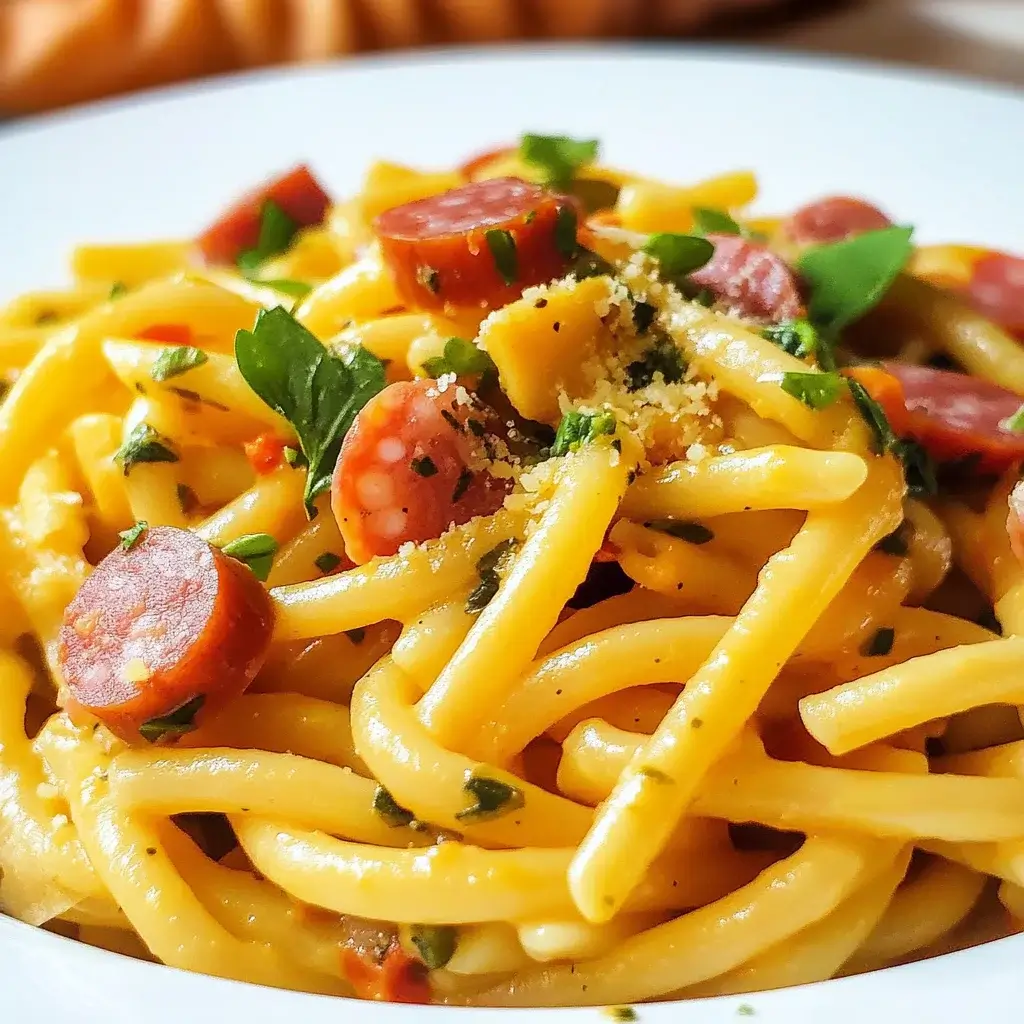
It’s funny how some of the most satisfying meals are also the simplest to make. For me, Italian Pasta with Salami is a perfect example. It’s the kind of dish that comes together in minutes, yet tastes like you’ve been slaving away in the kitchen for hours. I first stumbled upon this recipe years ago when I was looking for a quick and flavorful weeknight dinner. I had some salami in the fridge, pasta in the pantry, and a few basic pantry staples – and voila, dinner was born! What surprised me most was the depth of flavor that erupted from such humble ingredients. The salty, savory salami, the perfectly cooked pasta, the bright tomatoes, and the subtle hint of garlic and herbs – it was a symphony of Italian flavors in every bite. My family instantly fell in love with it. It’s become a regular in our rotation, especially on those busy evenings when time is short but we crave something comforting and delicious. The beauty of this dish lies in its versatility too. You can easily adapt it to your liking, using different types of salami, pasta shapes, or adding extra vegetables. It’s a recipe that’s forgiving, adaptable, and consistently delivers on flavor. If you are searching for a fuss-free, incredibly flavorful Italian pasta dish that will impress your family and friends, look no further. This Italian Pasta with Salami is a guaranteed crowd-pleaser and a testament to the magic of simple, quality ingredients.
Ingredients for Authentic Italian Pasta with Salami
Crafting a truly delicious Italian Pasta with Salami hinges on selecting high-quality ingredients that complement each other beautifully. Let’s break down each component and explore why they are essential for this flavorful dish.
For the Pasta:
- 1 lb Pasta (Penne, Rigatoni, or Spaghetti recommended): The pasta is the foundation of this dish, and choosing the right shape can significantly enhance the overall experience. Penne and rigatoni are excellent choices because their tubular shapes and ridges are perfect for capturing the flavorful sauce and bits of salami. Spaghetti, while a different shape, offers a classic and satisfying bite when coated in the sauce. The key is to choose a good quality pasta, preferably durum wheat pasta for its firm texture and ability to hold its shape when cooked al dente. You can use dried pasta, which is convenient and readily available, or fresh pasta for a more luxurious and tender texture. If using fresh pasta, remember that it cooks much faster than dried pasta, so adjust your cooking time accordingly.
For the Salami:
- 6-8 oz Italian Salami (Genoa, Calabrese, or Sopressata recommended): Salami is the star ingredient, bringing a salty, savory, and slightly spicy depth of flavor to the pasta. Italian salami varieties like Genoa, Calabrese, and Sopressata are particularly well-suited for this dish due to their robust flavors and varying levels of spice.
- Genoa Salami: This is a milder, finely ground salami made with pork and beef, seasoned with garlic, salt, black peppercorns, and white wine. It offers a balanced flavor profile that is not too overpowering.
- Calabrese Salami: For those who enjoy a bit of heat, Calabrese salami is an excellent choice. Originating from Calabria in southern Italy, this salami is typically made with pork and seasoned with spicy Calabrian chili peppers, giving it a fiery kick.
- Sopressata Salami: Sopressata is a coarser, drier salami with a more intense flavor. It is often seasoned with black peppercorns, garlic, and sometimes red pepper flakes. Its robust flavor stands up well to the other ingredients in the pasta dish.
For the Sauce:
- 1 (28 oz) can Crushed Tomatoes: Crushed tomatoes form the base of the sauce, providing a rich, tangy, and slightly sweet foundation. Choose good quality crushed tomatoes for the best flavor. San Marzano tomatoes are often considered superior for their sweetness and lower acidity, but any good quality crushed tomatoes will work well. You can also use diced tomatoes or tomato puree if you prefer a different texture, but crushed tomatoes create a smoother and more cohesive sauce.
- 2 cloves Garlic, minced: Garlic is an essential aromatic that adds pungent, savory notes to the sauce. Freshly minced garlic is always preferred for the best flavor. It infuses the sauce with its characteristic aroma and enhances the overall complexity of the dish. Mince the garlic finely so that it distributes evenly throughout the sauce and cooks quickly without burning.
- 1/2 cup Dry Red Wine (optional, but highly recommended): Red wine adds depth, complexity, and acidity to the sauce, enhancing the savory flavors of the salami and tomatoes. A dry red wine like Chianti, Sangiovese, or Cabernet Sauvignon works beautifully. The alcohol cooks off during cooking, leaving behind a rich, nuanced flavor. If you prefer to omit the wine, you can substitute it with an additional 1/2 cup of vegetable broth or water. However, the red wine truly elevates the flavor profile of the sauce.
- 1/4 cup Olive Oil: Olive oil is the foundation of Italian cooking and is essential for sautéing the garlic and creating a flavorful sauce. Extra virgin olive oil is preferred for its richer flavor and aroma, but regular olive oil will also work. The olive oil helps to create a smooth and emulsified sauce and adds a fruity note to the dish.
- 1 teaspoon Dried Oregano: Dried oregano is a classic Italian herb that adds a warm, slightly peppery, and aromatic flavor to the sauce. It complements the tomatoes and salami perfectly and adds an authentic Italian touch. Dried oregano is convenient and readily available, but fresh oregano can also be used. If using fresh oregano, use about 1 tablespoon, finely chopped.
- 1/2 teaspoon Red Pepper Flakes (optional, for a touch of heat): Red pepper flakes add a subtle kick of heat to the sauce, complementing the savory salami and balancing the sweetness of the tomatoes. Adjust the amount of red pepper flakes to your spice preference. If you are using Calabrese salami, which is already spicy, you may want to reduce or omit the red pepper flakes.
- Salt and Freshly Ground Black Pepper, to taste: Salt and pepper are fundamental seasonings that enhance all the other flavors in the dish. Season generously at each stage of the cooking process – when sautéing the garlic, adding the tomatoes, and tasting the sauce towards the end. Freshly ground black pepper offers a more robust and aromatic flavor compared to pre-ground pepper.
For Garnish and Finishing:
- 1/4 cup Fresh Parsley, chopped (for garnish): Fresh parsley adds a bright, herbaceous note and a pop of color to the finished dish. Chopped parsley is typically used as a garnish, sprinkled over the pasta just before serving. Italian flat-leaf parsley is preferred for its robust flavor, but curly parsley will also work.
- Grated Parmesan Cheese (for serving): Grated Parmesan cheese is a classic Italian topping for pasta dishes. It adds a salty, savory, and nutty flavor that complements the sauce and salami beautifully. Freshly grated Parmesan cheese is always preferred for the best flavor and texture. Pecorino Romano cheese, another hard Italian cheese, can also be used for a sharper and saltier flavor.
By carefully selecting each of these ingredients, you are setting the stage for a truly authentic and delicious Italian Pasta with Salami. The quality of your ingredients directly impacts the final taste of your dish, so choosing well is key.
Step-by-Step Instructions for Making Italian Pasta with Salami
Now that we have all our ingredients prepped and ready, let’s walk through the simple steps to create a flavorful and satisfying Italian Pasta with Salami. This recipe is quick enough for a weeknight dinner and impressive enough for company.
Step 1: Cook the Pasta
- Bring a Large Pot of Salted Water to a Boil: Fill a large pot with water and add a generous amount of salt (about 1-2 tablespoons per gallon of water). Bring the water to a rolling boil over high heat. Salting the pasta water seasons the pasta from the inside out and is crucial for flavorful pasta.
- Add Pasta and Cook According to Package Directions: Once the water is boiling, add the pasta and cook according to package directions for al dente, usually around 8-12 minutes for dried pasta, or less for fresh pasta. Al dente pasta should be firm to the bite, not mushy.
- Reserve Pasta Water Before Draining: Before draining the pasta, reserve about 1 cup of the starchy pasta water. This starchy water is essential for creating a creamy and emulsified sauce that clings beautifully to the pasta.
- Drain Pasta: Drain the cooked pasta in a colander and set aside. Do not rinse the pasta after draining, as rinsing removes the starch that helps the sauce adhere to the pasta.
Step 2: Prepare the Salami and Garlic
- Slice the Salami: While the pasta is cooking, slice the salami into bite-sized pieces or small strips. The size and shape are a matter of personal preference.
- Mince the Garlic: Mince the garlic cloves finely. Having the garlic prepped and ready will make the cooking process smoother.
Step 3: Sauté Garlic and Salami
- Heat Olive Oil in a Large Skillet or Dutch Oven: Place a large skillet or Dutch oven over medium heat. Add the olive oil and let it heat until it shimmers.
- Add Garlic and Sauté Until Fragrant: Add the minced garlic to the hot olive oil and sauté for about 30 seconds to 1 minute, until fragrant but not browned. Be careful not to burn the garlic, as burnt garlic can taste bitter. Sautéing the garlic in olive oil releases its aroma and infuses the oil with its flavor.
- Add Salami and Cook Briefly: Add the sliced salami to the skillet and cook for about 2-3 minutes, stirring occasionally, until it is lightly browned and has rendered some of its fat. Cooking the salami briefly enhances its flavor and releases its savory oils into the olive oil.
Step 4: Build the Sauce
- Add Crushed Tomatoes, Red Wine (if using), Oregano, and Red Pepper Flakes (if using): Pour the crushed tomatoes and red wine (if using) into the skillet with the garlic and salami. Stir in the dried oregano and red pepper flakes (if using).
- Season with Salt and Pepper: Season the sauce with salt and freshly ground black pepper to taste. Start with a teaspoon of salt and a half teaspoon of pepper, and adjust to your liking. Remember that salami is already salty, so taste before adding too much salt.
- Simmer the Sauce: Bring the sauce to a simmer over medium-low heat. Reduce the heat to low and simmer, uncovered, for about 15-20 minutes, stirring occasionally, to allow the flavors to meld and the sauce to thicken slightly. Simmering the sauce allows the flavors to deepen and the tomatoes to break down and become richer.
Step 5: Combine Pasta and Sauce
- Add Cooked Pasta to the Sauce: Add the drained cooked pasta directly to the skillet with the simmering sauce.
- Toss to Combine: Toss the pasta and sauce together until the pasta is evenly coated with the sauce.
- Add Reserved Pasta Water (if needed): If the sauce is too thick or dry, add a little of the reserved pasta water, one tablespoon at a time, tossing to combine, until the sauce reaches your desired consistency. The starchy pasta water helps to emulsify the sauce and create a silky, clinging texture.
Step 6: Finish and Serve
- Stir in Fresh Parsley: Stir in the chopped fresh parsley into the pasta and sauce.
- Serve Hot: Serve the Italian Pasta with Salami immediately, garnished with freshly grated Parmesan cheese on top. Offer extra Parmesan cheese and red pepper flakes at the table for those who want to add more.
Following these step-by-step instructions will lead you to a delicious and authentic Italian Pasta with Salami dish. The combination of simple, quality ingredients and straightforward cooking techniques results in a meal that is both satisfying and full of flavor.
Nutrition Facts for Italian Pasta with Salami
Understanding the nutritional content of your meals can be helpful for making balanced dietary choices. Here’s an approximate nutritional breakdown for a serving of Italian Pasta with Salami. Please note that these values are estimates and can vary based on specific ingredients, portion sizes, and preparation methods.
Servings: This recipe typically yields approximately 4-6 servings, depending on portion sizes.
Approximate Nutrition Facts Per Serving (Estimated, based on 6 servings):
- Calories: 500-650 calories (This can vary depending on the type of pasta, salami, and amount of olive oil used.)
- Protein: 25-35 grams
- Fat: 20-30 grams (This will vary based on the fat content of the salami and olive oil. Salami is a significant source of fat in this dish.)
- Saturated Fat: 8-12 grams (Saturated fat content is primarily from the salami and Parmesan cheese.)
- Cholesterol: 60-90 mg
- Carbohydrates: 50-70 grams
- Dietary Fiber: 5-8 grams
- Sugars: 10-15 grams (Natural sugars from tomatoes and wine)
- Sodium: 800-1200 mg (This can be adjusted by using low-sodium tomatoes and controlling salt additions. Salami is naturally high in sodium.)
Key Nutritional Highlights:
- Good Source of Protein: Salami and pasta contribute to the protein content of this dish. Protein is essential for building and repairing tissues, supporting muscle growth, and providing satiety.
- Provides Dietary Fiber: Pasta and tomatoes contribute dietary fiber, which is important for digestive health, blood sugar control, and promoting feelings of fullness. Whole wheat pasta will significantly increase the fiber content.
- Source of Vitamins and Minerals: Tomatoes are a good source of Vitamin C and antioxidants. Olive oil provides healthy monounsaturated fats and Vitamin E.
Tips for Making it Healthier:
- Choose Whole Wheat Pasta: Opt for whole wheat pasta to increase fiber content and provide a more sustained energy release.
- Use Leaner Salami: Select a leaner variety of salami or use less salami per serving to reduce fat and calorie content. You can also consider using turkey or chicken salami as a lower-fat alternative.
- Control Olive Oil: While olive oil is healthy fat, it is calorie-dense. Use olive oil in moderation. You can also experiment with cooking spray for sautéing garlic and salami to reduce added fat.
- Increase Vegetable Content: Add extra vegetables to the sauce, such as diced bell peppers, zucchini, or spinach, to increase nutrient content and fiber while slightly reducing the calorie density per serving. Add vegetables when simmering the sauce.
- Use Low-Sodium Tomatoes: Using low-sodium crushed tomatoes helps control sodium intake, especially important as salami is already high in sodium.
- Limit Parmesan Cheese: Parmesan cheese adds flavor but also calories and saturated fat. Use Parmesan cheese in moderation or opt for a lighter sprinkle.
- Serve with a Side Salad: Pairing Italian Pasta with Salami with a fresh green salad with a light vinaigrette dressing can add extra fiber, vitamins, and minerals to your meal, creating a more balanced nutritional profile.
Disclaimer: These nutritional facts are estimates based on standard ingredients and portion sizes. Actual values may vary. For precise nutritional information, you can use online nutrition calculators and input the specific ingredients and quantities you use in your recipe. If you have specific dietary concerns or requirements, it’s always best to consult with a registered dietitian or nutritionist.
Preparation Time for Italian Pasta with Salami
One of the great advantages of Italian Pasta with Salami is its speed and simplicity. Here’s a breakdown of the preparation and cooking times involved in making this recipe:
Prep Time:
- Pasta Water Preparation (Filling pot, salting): 5 minutes
- Salami Slicing: 5 minutes
- Garlic Mincing: 3 minutes
- Parsley Chopping: 3 minutes
Total Prep Time: Approximately 15-20 minutes
Cook Time:
- Pasta Cooking: 8-12 minutes (Depending on pasta type and desired doneness)
- Garlic and Salami Sautéing: 5 minutes
- Sauce Simmering: 15-20 minutes
- Combining Pasta and Sauce: 2-3 minutes
Total Cook Time: Approximately 30-40 minutes
Total Time (Prep + Cook): Approximately 45-60 minutes
Key Time Considerations:
- Quick Weeknight Meal: Italian Pasta with Salami is an ideal weeknight dinner option due to its relatively short preparation and cook times. You can have a flavorful and satisfying meal on the table in under an hour.
- Simultaneous Cooking: While the pasta is cooking, you can prepare the salami and garlic and start building the sauce. This efficient use of time minimizes the overall cooking duration.
- Minimal Hands-On Time: Once the sauce is simmering, it requires minimal hands-on attention, allowing you to focus on other tasks or relax while dinner cooks.
- Flexibility in Simmering Time: The sauce simmering time is flexible. Simmering for longer (up to 30 minutes) will deepen the flavors and thicken the sauce further. If you are short on time, you can reduce the simmering time to 10-15 minutes, and it will still be delicious.
- Make-Ahead Components: You can save even more time by prepping some components in advance. You can slice the salami and mince the garlic a day ahead and store them in airtight containers in the refrigerator.
Tips for Time Management:
- Start Water Early: Begin heating the pasta water as soon as you start prepping ingredients. This ensures the water is boiling and ready when you are ready to cook the pasta.
- Efficient Chopping: Practice efficient chopping techniques to speed up vegetable preparation.
- Read Recipe Through: Read through the entire recipe before starting to get a clear understanding of the steps and timing.
By understanding the preparation and cooking time, you can easily fit Italian Pasta with Salami into your busy schedule. Its speed, simplicity, and delicious flavor make it a go-to recipe for quick and satisfying meals.
How to Serve Italian Pasta with Salami
Italian Pasta with Salami is a delicious and satisfying meal on its own, but there are many ways to serve it to enhance the dining experience and create a complete Italian feast. Here are some serving suggestions:
Classic and Simple Serving:
- In Bowls: The most common and comforting way to serve pasta is in bowls. Ladle generous portions of the Italian Pasta with Salami into bowls, ensuring each serving has a good amount of sauce, pasta, and salami. Garnish with freshly grated Parmesan cheese and a sprinkle of fresh parsley.
- On Plates: For a slightly more formal presentation, portion the pasta onto plates, creating a neat and attractive mound. Spoon extra sauce over the pasta and garnish with Parmesan cheese and parsley.
Elevated Serving Suggestions:
- Family Style Platter: For a casual gathering or family dinner, serve the pasta on a large platter in the center of the table. Let everyone serve themselves. This encourages sharing and creates a relaxed, convivial atmosphere. Place bowls of Parmesan cheese and red pepper flakes on the table for guests to customize their servings.
- Individual Pasta Bakes: For a special occasion or a more elaborate presentation, you can turn Italian Pasta with Salami into individual pasta bakes. Portion the cooked pasta and sauce into oven-safe ramekins or small dishes. Top with extra Parmesan cheese and a sprinkle of breadcrumbs. Bake in a preheated oven at 375°F (190°C) for 15-20 minutes, or until the cheese is melted and bubbly and the breadcrumbs are golden brown.
- Alongside Bruschetta or Garlic Bread: Serve Italian Pasta with Salami with a side of bruschetta (toasted bread topped with tomatoes, basil, and garlic) or garlic bread. These appetizers complement the pasta beautifully and add extra texture and flavor to the meal.
Garnishing Ideas:
- Fresh Parsley: Chopped fresh parsley is a must-have garnish for Italian Pasta with Salami. It adds freshness, color, and a subtle herbaceous note.
- Freshly Grated Parmesan Cheese: Freshly grated Parmesan cheese is essential for serving. It adds a salty, savory, and nutty flavor that enhances the entire dish.
- Red Pepper Flakes: Offer red pepper flakes on the side for those who like extra heat.
- Fresh Basil: In addition to parsley, you can also garnish with fresh basil leaves for a more aromatic and summery touch.
- A Drizzle of Olive Oil: A drizzle of high-quality extra virgin olive oil over the finished pasta just before serving can add richness and enhance the flavors.
Side Dish Suggestions (To Create a Complete Meal):
While Italian Pasta with Salami is satisfying on its own, consider adding a side dish to create a more balanced and complete meal:
- Green Salad: A simple green salad with a light Italian vinaigrette dressing is a classic and refreshing side dish that complements the richness of the pasta.
- Caesar Salad: A Caesar salad with crisp romaine lettuce, creamy dressing, croutons, and Parmesan cheese is another popular and satisfying salad option.
- Roasted Vegetables: Roasted vegetables like broccoli, asparagus, bell peppers, or zucchini are healthy and flavorful side dishes that pair well with Italian pasta.
- Caprese Salad: A Caprese salad with fresh mozzarella, tomatoes, and basil, drizzled with olive oil and balsamic glaze, is a light and refreshing Italian salad that complements the pasta.
- Italian Bread: Serve warm Italian bread or crusty bread alongside the pasta for soaking up the delicious sauce.
Wine Pairing Suggestions:
To complete the Italian dining experience, consider pairing Italian Pasta with Salami with a complementary wine:
- Chianti: A classic Italian red wine from Tuscany, Chianti, with its bright acidity and cherry notes, is a traditional pairing for tomato-based pasta dishes.
- Sangiovese: Similar to Chianti, Sangiovese wines offer earthy and fruity notes that pair well with savory pasta dishes.
- Montepulciano d’Abruzzo: This medium-bodied Italian red wine from the Abruzzo region offers dark fruit flavors and a smooth finish, making it a versatile pairing for pasta with salami.
- Pinot Grigio: For a white wine option, a crisp and dry Pinot Grigio from Italy can be a refreshing contrast to the richness of the pasta.
No matter how you choose to serve it, Italian Pasta with Salami is a versatile and crowd-pleasing dish that is perfect for any occasion, from a quick weeknight dinner to a casual gathering with friends and family.
Additional Tips for the Best Italian Pasta with Salami
To take your Italian Pasta with Salami from delicious to truly exceptional, here are five additional tips to keep in mind:
Tip 1: Cook Pasta Al Dente and Reserve Pasta Water
Cooking pasta al dente and reserving pasta water are two crucial techniques for achieving perfect Italian pasta dishes. Al dente pasta has a slightly firm bite, which provides a more pleasant texture and prevents the pasta from becoming mushy when combined with the sauce. Reserving pasta water is essential for creating a creamy, emulsified sauce that clings beautifully to the pasta.
- Follow Package Directions for Al Dente: Cook pasta according to package directions, but check for doneness a minute or two before the suggested time. Al dente pasta should be firm to the bite, with a slightly white core visible when broken.
- Don’t Overcook Pasta: Overcooked pasta becomes mushy and less flavorful. It’s better to slightly undercook pasta, as it will continue to cook a bit when added to the hot sauce.
- Reserve at Least 1 Cup of Pasta Water: Before draining the pasta, use a measuring cup to scoop out at least 1 cup of the starchy pasta water. This water is rich in starch released from the pasta during cooking, and it acts as a natural emulsifier and thickening agent for the sauce.
- Use Pasta Water to Adjust Sauce Consistency: If the sauce becomes too thick or dry when combined with the pasta, add a little reserved pasta water, one tablespoon at a time, tossing to combine, until the sauce reaches your desired creamy consistency.
Tip 2: Don’t Brown the Garlic, Sauté Gently
Garlic is a foundational aromatic in Italian cooking, but it’s important to sauté it gently and avoid browning or burning it. Burnt garlic can become bitter and ruin the flavor of the entire dish. Sautéing garlic gently in olive oil releases its aroma and infuses the oil with its flavor without making it bitter.
- Use Medium-Low Heat: Sauté garlic over medium-low heat to prevent it from browning too quickly.
- Sauté Until Fragrant, Not Brown: Sauté minced garlic for about 30 seconds to 1 minute, until it becomes fragrant and translucent, but not browned. It should still be pale in color.
- Add Garlic to Warm Oil, Not Hot: Add the minced garlic to the skillet when the olive oil is warm, not smoking hot. This helps to prevent the garlic from scorching immediately.
- Stir Frequently: Stir the garlic frequently while sautéing to ensure even cooking and prevent it from sticking to the bottom of the skillet and burning.
Tip 3: Use Good Quality Crushed Tomatoes
The quality of your crushed tomatoes significantly impacts the flavor of the sauce. Good quality crushed tomatoes are sweet, slightly tangy, and have a rich tomato flavor. Using inferior quality tomatoes can result in a bland or acidic sauce.
- Choose San Marzano Tomatoes (if possible): San Marzano tomatoes, grown in the volcanic plains south of Naples, are often considered the gold standard for Italian cooking. They are known for their sweetness, low acidity, and meaty texture. Look for canned San Marzano tomatoes, either whole peeled or crushed.
- Read Labels and Look for Simple Ingredients: When choosing canned crushed tomatoes, read the ingredient label and look for simple ingredients: tomatoes, tomato puree, and possibly salt. Avoid cans with added sugar, citric acid, or other unnecessary additives.
- Taste the Tomatoes Before Adding to Sauce: Taste the crushed tomatoes straight from the can before adding them to the sauce. This will give you an idea of their flavor and acidity level. If they taste bland, you may need to adjust the seasoning more carefully.
Tip 4: Simmer the Sauce to Develop Flavor
Simmering the sauce for a sufficient amount of time is crucial for developing deep, complex flavors. Simmering allows the tomatoes to break down, the flavors to meld together, and the sauce to thicken slightly. Rushing the sauce by not simmering it long enough can result in a sauce that is thin and lacks depth of flavor.
- Simmer for at Least 15-20 Minutes: Simmer the sauce over low heat for at least 15-20 minutes, stirring occasionally. This allows the flavors to meld and the sauce to thicken slightly.
- Simmer Longer for Deeper Flavor (Optional): For a richer and more intense flavor, you can simmer the sauce for up to 30-45 minutes. The longer simmering time allows the flavors to deepen and concentrate further.
- Simmer Gently: Simmer the sauce over low heat to prevent it from splattering and scorching. The sauce should bubble gently, not boil vigorously.
- Taste and Adjust Seasoning After Simmering: After simmering the sauce, taste it and adjust seasoning with salt, pepper, or red pepper flakes as needed. Simmering can concentrate saltiness, so taste before adding more salt.
Tip 5: Finish with Fresh Parsley and Parmesan Cheese
Fresh parsley and freshly grated Parmesan cheese are essential finishing touches that elevate Italian Pasta with Salami. Fresh parsley adds brightness, herbaceousness, and a pop of color, while Parmesan cheese adds a salty, savory, and nutty flavor that complements the sauce and salami perfectly.
- Use Fresh Parsley: Use fresh parsley, finely chopped, for the best flavor and aroma. Dried parsley is not a suitable substitute for fresh parsley in this dish.
- Add Parsley at the End: Stir in the chopped fresh parsley at the very end of cooking, just before serving. This preserves its fresh flavor and vibrant green color.
- Use Freshly Grated Parmesan Cheese: Use freshly grated Parmesan cheese, not pre-grated, for the best flavor and texture. Freshly grated Parmesan has a more complex flavor and melts beautifully over hot pasta.
- Garnish Generously: Garnish each serving generously with freshly grated Parmesan cheese and a sprinkle of fresh parsley. Offer extra Parmesan cheese at the table for guests to add more to their liking.
By following these additional tips, you can create a truly outstanding Italian Pasta with Salami that is bursting with flavor, perfectly textured, and guaranteed to impress. These details, while seemingly small, make a significant difference in the overall quality and enjoyment of the dish.
Frequently Asked Questions (FAQ) about Italian Pasta with Salami
Here are five frequently asked questions about making Italian Pasta with Salami, along with detailed answers to help you perfect your recipe and address common queries:
Q1: Can I use different types of salami in this recipe?
A: Yes, absolutely! One of the great things about Italian Pasta with Salami is its versatility, and you can definitely experiment with different types of salami to customize the flavor profile to your liking. The recipe recommends Genoa, Calabrese, or Sopressata salami, but many other Italian salami varieties would work well.
Here are some other salami options you can consider:
- Pepperoni: While technically American-Italian, pepperoni is a type of spicy salami that would add a familiar and flavorful kick to this pasta dish. Use good quality pepperoni for the best results.
- Prosciutto Crudo (Italian Dry-Cured Ham): While not technically salami, prosciutto crudo, thinly sliced, can be used in a similar way to add a salty and savory element. Add prosciutto towards the end of cooking or as a garnish to preserve its delicate texture.
- Mortadella: Mortadella, a large Italian sausage similar to salami but softer in texture, can be diced and added to the pasta sauce. It offers a milder and slightly sweeter flavor compared to salami.
- Finocchiona: Finocchiona is a Tuscan salami flavored with fennel seeds. It would add a unique anise-like flavor to the pasta dish.
- Spicy Chorizo (Spanish): For a spicier and smokier flavor profile, you can use Spanish chorizo (cured chorizo, not fresh). Spanish chorizo adds a robust and flavorful element.
When choosing salami, consider your spice preference and desired flavor intensity. Experiment with different combinations to discover your favorite variation of Italian Pasta with Salami. You can even combine different types of salami for a more complex flavor.
Q2: Can I make this pasta dish vegetarian?
A: Yes, you can easily adapt Italian Pasta with Salami to be vegetarian while still maintaining a flavorful and satisfying dish. The key is to replace the salami with vegetarian ingredients that provide a similar savory and umami depth.
Here are some vegetarian substitutes for salami:
- Sun-dried Tomatoes: Sun-dried tomatoes, especially oil-packed ones, offer a concentrated tomato flavor, chewy texture, and umami notes that can mimic some of the savory qualities of salami. Sauté them with garlic and proceed with the recipe.
- Roasted Vegetables: Roasted vegetables like bell peppers, eggplant, zucchini, and mushrooms can add a meaty texture and savory flavor to the pasta. Roast the vegetables separately until tender and slightly caramelized, then add them to the tomato sauce along with the pasta.
- Olives (Kalamata or Castelvetrano): Kalamata or Castelvetrano olives add a salty, briny, and slightly bitter flavor that can complement the tomato sauce and provide a savory element. Add them to the sauce during the last 10 minutes of simmering.
- Artichoke Hearts (Canned or Marinated): Artichoke hearts, canned or marinated, offer a slightly tangy and savory flavor and a meaty texture. Add them to the sauce during the last 10 minutes of simmering.
- Plant-Based Sausage or Salami Alternatives: There are many plant-based sausage and salami alternatives available in supermarkets. Look for Italian-style or spicy plant-based sausages or salami and use them as a direct substitute for salami in the recipe.
When making a vegetarian version, consider adding a pinch of smoked paprika to the sauce to enhance the smoky and savory notes, which can help compensate for the absence of salami.
Q3: Can I add vegetables to Italian Pasta with Salami?
A: Yes, adding vegetables is a great way to boost the nutritional value, flavor, and texture of Italian Pasta with Salami. Many vegetables pair wonderfully with tomatoes and salami.
Here are some vegetables you can add and when to add them:
- Onions: Diced onions can be sautéed with the garlic at the beginning of the recipe to build a flavorful base for the sauce.
- Bell Peppers: Diced bell peppers (any color) can be sautéed with the garlic and onions or added to the sauce to simmer along with the tomatoes. They add sweetness and a slightly crunchy texture.
- Zucchini or Summer Squash: Sliced or diced zucchini or summer squash can be added to the sauce during the last 10-15 minutes of simmering. They cook quickly and add a mild, slightly sweet flavor.
- Mushrooms: Sliced mushrooms (cremini, button, or portobello) can be sautéed with the garlic and salami or added to the sauce to simmer along with the tomatoes. They add an earthy, umami flavor.
- Spinach or Kale: Fresh spinach or kale can be stirred into the pasta and sauce during the last few minutes of cooking until wilted. They add a boost of nutrients and a slightly bitter, green flavor.
- Cherry Tomatoes: Halved cherry tomatoes can be added to the sauce to simmer along with the crushed tomatoes or tossed with the finished pasta for a burst of fresh tomato flavor and sweetness.
When adding vegetables, consider their cooking times and adjust accordingly. Heartier vegetables like onions and bell peppers can be added earlier, while quicker-cooking vegetables like zucchini, mushrooms, and leafy greens should be added later in the cooking process to prevent them from becoming overcooked and mushy.
Q4: How do I store and reheat leftover pasta with salami?
A: Leftover Italian Pasta with Salami stores well in the refrigerator and can be reheated easily for a quick meal later. Here’s how to store and reheat it properly:
- Cool Completely: Allow the leftover pasta and sauce to cool completely to room temperature before storing. This prevents condensation and helps maintain food safety.
- Store in Airtight Containers: Transfer the cooled pasta and sauce to airtight containers or resealable plastic bags. Store in the refrigerator for up to 3-4 days.
- Reheat on Stovetop or Microwave:
- Stovetop: Reheat leftover pasta in a skillet or saucepan over medium-low heat. Add a tablespoon or two of water or beef broth to the pan to prevent the pasta from drying out during reheating and to help loosen the sauce. Stir occasionally and heat until heated through, about 5-10 minutes.
- Microwave: Reheat individual portions of leftover pasta in a microwave-safe dish, covered loosely with a microwave-safe lid or plastic wrap (vented). Microwave on medium power in 1-2 minute intervals, stirring in between, until heated through. Add a tablespoon of water or broth to the dish before microwaving to prevent drying.
- Check for Doneness and Seasoning: Ensure the pasta is heated through before serving. Taste and adjust seasoning with salt, pepper, and Parmesan cheese if needed after reheating.
Reheated Italian Pasta with Salami is a convenient and delicious way to enjoy leftovers. The flavors often meld together even more overnight, making it even tastier the next day.
Q5: Can I make Italian Pasta with Salami ahead of time?
A: While Italian Pasta with Salami is best served fresh, you can prepare components of the dish ahead of time to streamline the cooking process on a busy day.
Here are some make-ahead tips:
- Prepare the Sauce Ahead: You can make the tomato sauce with salami and garlic ahead of time, up to 1-2 days in advance. Store the sauce in an airtight container in the refrigerator. Reheat the sauce on the stovetop before cooking the pasta and combining them.
- Slice Salami and Mince Garlic: You can slice the salami and mince the garlic a day ahead and store them in separate airtight containers in the refrigerator. This saves prep time on the day of cooking.
- Cook Pasta Just Before Serving: It’s best to cook the pasta just before serving to ensure it is al dente and doesn’t become mushy. However, if you are very short on time, you can cook the pasta a little ahead, toss it with a bit of olive oil to prevent sticking, and set it aside at room temperature for up to an hour. Reheat the pasta briefly in boiling water before adding it to the sauce.
While making the entire dish completely ahead of time and reheating it is possible, the pasta texture may not be as perfect as freshly cooked pasta. For the best results, prepare the sauce and other components in advance and cook the pasta just before serving. This allows you to enjoy the dish at its peak of flavor and texture while still saving time on busy days.
Print
Italian Pasta with Salami recipe
Ingredients
For the Pasta:
- 1 lb Pasta (Penne, Rigatoni, or Spaghetti recommended): The pasta is the foundation of this dish, and choosing the right shape can significantly enhance the overall experience. Penne and rigatoni are excellent choices because their tubular shapes and ridges are perfect for capturing the flavorful sauce and bits of salami. Spaghetti, while a different shape, offers a classic and satisfying bite when coated in the sauce. The key is to choose a good quality pasta, preferably durum wheat pasta for its firm texture and ability to hold its shape when cooked al dente. You can use dried pasta, which is convenient and readily available, or fresh pasta for a more luxurious and tender texture. If using fresh pasta, remember that it cooks much faster than dried pasta, so adjust your cooking time accordingly.
For the Salami:
- 6-8 oz Italian Salami (Genoa, Calabrese, or Sopressata recommended): Salami is the star ingredient, bringing a salty, savory, and slightly spicy depth of flavor to the pasta. Italian salami varieties like Genoa, Calabrese, and Sopressata are particularly well-suited for this dish due to their robust flavors and varying levels of spice.
- Genoa Salami: This is a milder, finely ground salami made with pork and beef, seasoned with garlic, salt, black peppercorns, and white wine. It offers a balanced flavor profile that is not too overpowering.
- Calabrese Salami: For those who enjoy a bit of heat, Calabrese salami is an excellent choice. Originating from Calabria in southern Italy, this salami is typically made with pork and seasoned with spicy Calabrian chili peppers, giving it a fiery kick.
- Sopressata Salami: Sopressata is a coarser, drier salami with a more intense flavor. It is often seasoned with black peppercorns, garlic, and sometimes red pepper flakes. Its robust flavor stands up well to the other ingredients in the pasta dish.
Choose your salami based on your spice preference and desired flavor intensity. Slice the salami into bite-sized pieces or small strips. If you prefer a vegetarian option, you can substitute the salami with sun-dried tomatoes or roasted vegetables for a similar depth of flavor and texture.
For the Sauce:
- 1 (28 oz) can Crushed Tomatoes: Crushed tomatoes form the base of the sauce, providing a rich, tangy, and slightly sweet foundation. Choose good quality crushed tomatoes for the best flavor. San Marzano tomatoes are often considered superior for their sweetness and lower acidity, but any good quality crushed tomatoes will work well. You can also use diced tomatoes or tomato puree if you prefer a different texture, but crushed tomatoes create a smoother and more cohesive sauce.
- 2 cloves Garlic, minced: Garlic is an essential aromatic that adds pungent, savory notes to the sauce. Freshly minced garlic is always preferred for the best flavor. It infuses the sauce with its characteristic aroma and enhances the overall complexity of the dish. Mince the garlic finely so that it distributes evenly throughout the sauce and cooks quickly without burning.
- 1/2 cup Dry Red Wine (optional, but highly recommended): Red wine adds depth, complexity, and acidity to the sauce, enhancing the savory flavors of the salami and tomatoes. A dry red wine like Chianti, Sangiovese, or Cabernet Sauvignon works beautifully. The alcohol cooks off during cooking, leaving behind a rich, nuanced flavor. If you prefer to omit the wine, you can substitute it with an additional 1/2 cup of vegetable broth or water. However, the red wine truly elevates the flavor profile of the sauce.
- 1/4 cup Olive Oil: Olive oil is the foundation of Italian cooking and is essential for sautéing the garlic and creating a flavorful sauce. Extra virgin olive oil is preferred for its richer flavor and aroma, but regular olive oil will also work. The olive oil helps to create a smooth and emulsified sauce and adds a fruity note to the dish.
- 1 teaspoon Dried Oregano: Dried oregano is a classic Italian herb that adds a warm, slightly peppery, and aromatic flavor to the sauce. It complements the tomatoes and salami perfectly and adds an authentic Italian touch. Dried oregano is convenient and readily available, but fresh oregano can also be used. If using fresh oregano, use about 1 tablespoon, finely chopped.
- 1/2 teaspoon Red Pepper Flakes (optional, for a touch of heat): Red pepper flakes add a subtle kick of heat to the sauce, complementing the savory salami and balancing the sweetness of the tomatoes. Adjust the amount of red pepper flakes to your spice preference. If you are using Calabrese salami, which is already spicy, you may want to reduce or omit the red pepper flakes.
- Salt and Freshly Ground Black Pepper, to taste: Salt and pepper are fundamental seasonings that enhance all the other flavors in the dish. Season generously at each stage of the cooking process – when sautéing the garlic, adding the tomatoes, and tasting the sauce towards the end. Freshly ground black pepper offers a more robust and aromatic flavor compared to pre-ground pepper.
For Garnish and Finishing:
- 1/4 cup Fresh Parsley, chopped (for garnish): Fresh parsley adds a bright, herbaceous note and a pop of color to the finished dish. Chopped parsley is typically used as a garnish, sprinkled over the pasta just before serving. Italian flat-leaf parsley is preferred for its robust flavor, but curly parsley will also work.
- Grated Parmesan Cheese (for serving): Grated Parmesan cheese is a classic Italian topping for pasta dishes. It adds a salty, savory, and nutty flavor that complements the sauce and salami beautifully. Freshly grated Parmesan cheese is always preferred for the best flavor and texture. Pecorino Romano cheese, another hard Italian cheese, can also be used for a sharper and saltier flavor.
Instructions
Step 1: Cook the Pasta
- Bring a Large Pot of Salted Water to a Boil: Fill a large pot with water and add a generous amount of salt (about 1-2 tablespoons per gallon of water). Bring the water to a rolling boil over high heat. Salting the pasta water seasons the pasta from the inside out and is crucial for flavorful pasta.
- Add Pasta and Cook According to Package Directions: Once the water is boiling, add the pasta and cook according to package directions for al dente, usually around 8-12 minutes for dried pasta, or less for fresh pasta. Al dente pasta should be firm to the bite, not mushy.
- Reserve Pasta Water Before Draining: Before draining the pasta, reserve about 1 cup of the starchy pasta water. This starchy water is essential for creating a creamy and emulsified sauce that clings beautifully to the pasta.
- Drain Pasta: Drain the cooked pasta in a colander and set aside. Do not rinse the pasta after draining, as rinsing removes the starch that helps the sauce adhere to the pasta.
Step 2: Prepare the Salami and Garlic
- Slice the Salami: While the pasta is cooking, slice the salami into bite-sized pieces or small strips. The size and shape are a matter of personal preference.
- Mince the Garlic: Mince the garlic cloves finely. Having the garlic prepped and ready will make the cooking process smoother.
Step 3: Sauté Garlic and Salami
- Heat Olive Oil in a Large Skillet or Dutch Oven: Place a large skillet or Dutch oven over medium heat. Add the olive oil and let it heat until it shimmers.
- Add Garlic and Sauté Until Fragrant: Add the minced garlic to the hot olive oil and sauté for about 30 seconds to 1 minute, until fragrant but not browned. Be careful not to burn the garlic, as burnt garlic can taste bitter. Sautéing the garlic in olive oil releases its aroma and infuses the oil with its flavor.
- Add Salami and Cook Briefly: Add the sliced salami to the skillet and cook for about 2-3 minutes, stirring occasionally, until it is lightly browned and has rendered some of its fat. Cooking the salami briefly enhances its flavor and releases its savory oils into the olive oil.
Step 4: Build the Sauce
- Add Crushed Tomatoes, Red Wine (if using), Oregano, and Red Pepper Flakes (if using): Pour the crushed tomatoes and red wine (if using) into the skillet with the garlic and salami. Stir in the dried oregano and red pepper flakes (if using).
- Season with Salt and Pepper: Season the sauce with salt and freshly ground black pepper to taste. Start with a teaspoon of salt and a half teaspoon of pepper, and adjust to your liking. Remember that salami is already salty, so taste before adding too much salt.
- Simmer the Sauce: Bring the sauce to a simmer over medium-low heat. Reduce the heat to low and simmer, uncovered, for about 15-20 minutes, stirring occasionally, to allow the flavors to meld and the sauce to thicken slightly. Simmering the sauce allows the flavors to deepen and the tomatoes to break down and become richer.
Step 5: Combine Pasta and Sauce
- Add Cooked Pasta to the Sauce: Add the drained cooked pasta directly to the skillet with the simmering sauce.
- Toss to Combine: Toss the pasta and sauce together until the pasta is evenly coated with the sauce.
- Add Reserved Pasta Water (if needed): If the sauce is too thick or dry, add a little of the reserved pasta water, one tablespoon at a time, tossing to combine, until the sauce reaches your desired consistency. The starchy pasta water helps to emulsify the sauce and create a silky, clinging texture.
Step 6: Finish and Serve
- Stir in Fresh Parsley: Stir in the chopped fresh parsley into the pasta and sauce.
- Serve Hot: Serve the Italian Pasta with Salami immediately, garnished with freshly grated Parmesan cheese on top. Offer extra Parmesan cheese and red pepper flakes at the table for those who want to add more.
Nutrition
- Serving Size: one normal portion
- Calories: 500-650
- Sugar: 10-15 grams
- Sodium: 800-1200 mg
- Fat: 20-30 grams
- Saturated Fat: 8-12 grams
- Carbohydrates: 50-70 grams
- Fiber: 5-8 grams
- Protein: 25-35 grams
- Cholesterol: 60-90 mg