
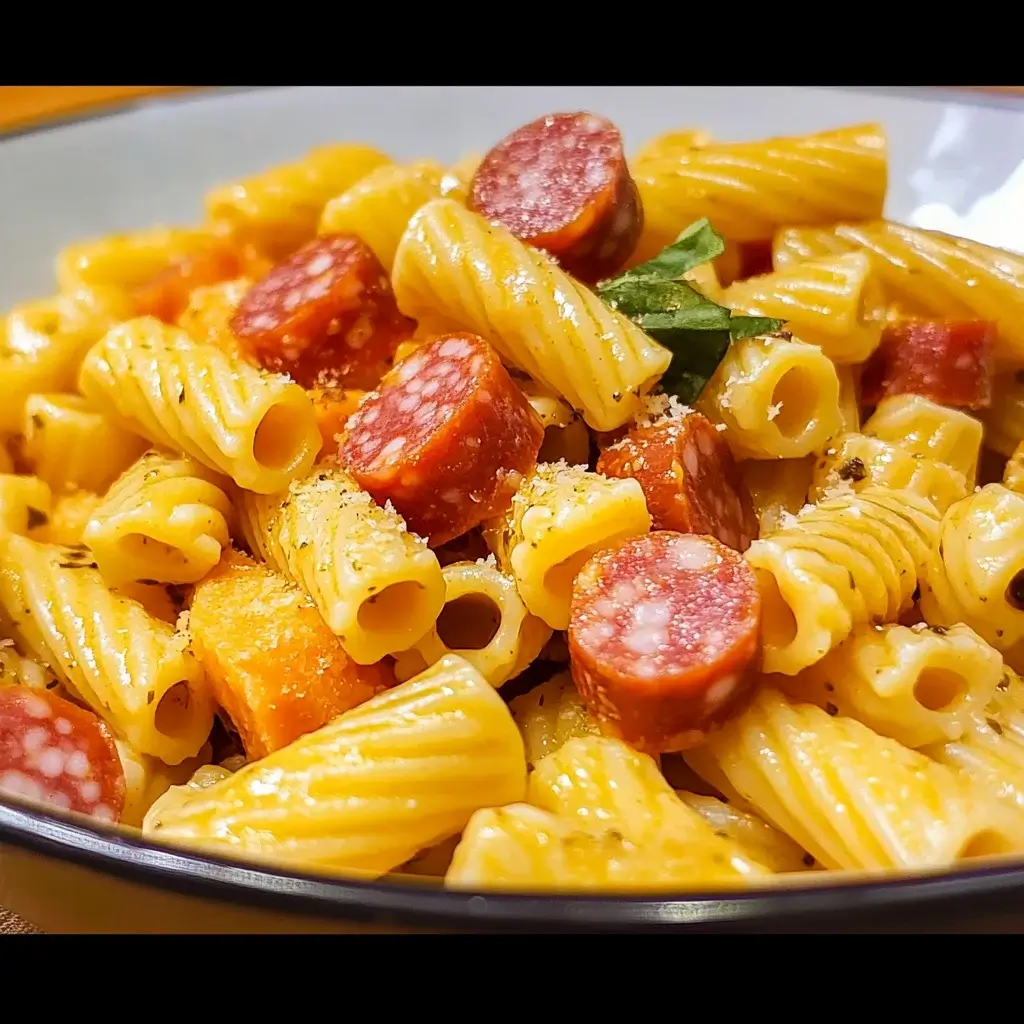
There are certain dishes that just scream comfort, tradition, and a little bit of rustic charm. For me, Italian Pasta with Salami is exactly that. It wasn’t a dish I grew up with in a traditional Italian-American household, but rather one I discovered through my own culinary explorations, trying to recreate the robust, satisfying flavors I’d experienced in little trattorias on trips abroad or read about in well-loved cookbooks. The first time I truly perfected this recipe, the aroma was intoxicating: the savory, slightly spicy scent of good quality salami rendering its fat, mingling with sweet onions, pungent garlic, and the bright tang of tomatoes. I remember my family being drawn to the kitchen, their curiosity piqued. The verdict? An overwhelming success! The salty, chewy bites of salami, the perfectly al dente pasta coated in a rich, flavorful sauce – it was simple, yet so profoundly delicious. It’s become one of
those back-pocket recipes for me, perfect for a hearty weeknight dinner when I want something that feels a little special without requiring hours in the kitchen. It’s a dish that’s both unpretentious and deeply satisfying, a true taste of Italian-inspired home cooking.
Complete Ingredients for Italian Pasta with Salami
This recipe relies on quality ingredients to truly shine. The synergy between the salami, aromatics, tomatoes, and pasta creates a symphony of Italian flavors.
For the Pasta:
- Dried Pasta: 1 lb (450g).
- Recommended Shapes: Penne rigate (grooves catch the sauce beautifully), rigatoni, fusilli, rotini, or even spaghetti or linguine. Choose a shape you enjoy that has good texture for sauce adherence.
- Salt: For pasta water (approximately 1-2 tablespoons).
For the Salami & Sauce Base:
- Good Quality Italian Salami: 6-8 oz (170-225g), casing removed, and diced into 1/4 to 1/2-inch pieces.
- Types of Salami: Genoa salami is a great all-around choice. Soppressata (either sweet or hot) adds a wonderful depth. For a spicy kick, consider Calabrese salami or add a pinch of smoked paprika along with regular salami. The key is to choose a firm, flavorful salami that will render well.
- Extra Virgin Olive Oil: 2 tablespoons, plus more if needed. Use a good quality oil for flavor.
- Yellow Onion: 1 medium, finely chopped. Provides a sweet aromatic base.
- Garlic: 3-4 cloves, minced or thinly sliced. Adjust to your preference for garlic intensity.
- Tomato Paste: 2 tablespoons. Adds concentrated tomato flavor and umami depth.
- Dry Red Wine (Optional but Recommended): 1/2 cup. Chianti, Merlot, or Cabernet Sauvignon work well to deglaze the pan and add complexity. If omitting, use an equal amount of extra chicken or vegetable broth.
- Crushed Tomatoes: 1 can (28 oz / 794g). Good quality crushed tomatoes (like San Marzano style, if available) provide the best texture and flavor for the sauce.
- Dried Oregano: 1 teaspoon. Or use 1.5 teaspoons of a good Italian seasoning blend.
- Red Pepper Flakes: 1/4 – 1/2 teaspoon (or to taste). Adjust based on your spice preference and the spiciness of your salami.
- Salt: To taste (be mindful as salami and Parmesan are salty).
- Freshly Ground Black Pepper: To taste.
For Finishing & Garnish:
- Fresh Basil Leaves: 1/4 cup, chiffonade (thinly sliced) or roughly chopped, plus extra for garnish. Adds essential fresh, aromatic notes.
- Fresh Parsley (Italian Flat-Leaf): 2 tablespoons, chopped (optional, for extra freshness and color).
- Parmesan Cheese (Parmigiano-Reggiano) or Pecorino Romano: 1/2 cup freshly grated, plus more for serving. The salty, nutty flavor is crucial. Always grate your own for the best taste and melt.
- Reserved Pasta Water: About 1 cup (essential for emulsifying the sauce).
Having these ingredients prepped and ready (“mise en place”) will make the cooking process smooth and enjoyable, allowing the dish to come together relatively quickly.
Step-by-Step Instructions for Authentic Italian Pasta with Salami
Follow these detailed steps to create a robust and flavorful Italian Pasta with Salami that will transport you to a rustic Italian kitchen.
Phase 1: Prepare Ingredients & Cook Pasta
- Prep Aromatics and Salami:
- Finely chop the onion. Mince or thinly slice the garlic.
- Remove the casing from the salami (if it has one) and dice it into 1/4 to 1/2-inch pieces.
- Chop fresh basil and parsley (if using). Grate the Parmesan or Pecorino cheese.
- Have all other ingredients measured and ready.
- Boil Water for Pasta: Fill a large pot with water, add 1-2 tablespoons of salt, and bring it to a rolling boil over high heat. The water should taste pleasantly salty.
- Cook Pasta: Once the water is boiling vigorously, add your chosen pasta. Stir immediately to prevent sticking. Cook according to package directions until al dente – tender but still firm to the bite. It’s better to slightly undercook it at this stage, as it will finish cooking in the sauce.
- Timing Tip: Start making the sauce (Phase 2) once the pasta is in the water or a few minutes before.
Phase 2: Building the Rich Salami Sauce
- Render Salami: While the pasta water is heating or the pasta is cooking, heat 1 tablespoon of the olive oil in a large, heavy-bottomed skillet, Dutch oven, or braiser over medium heat. Add the diced salami to the pan. Cook, stirring occasionally, for 5-7 minutes, or until the salami is nicely browned, slightly crisped, and has rendered a good amount of its fat.
- Remove Salami, Reserve Fat: Using a slotted spoon, remove the cooked salami from the skillet and set it aside on a plate. Leave the rendered salami fat in the skillet – this is packed with flavor! If there isn’t much fat (at least 1-2 tablespoons), add the remaining tablespoon of olive oil.
- Sauté Aromatics: Add the chopped onion to the skillet with the rendered fat. Sauté over medium heat for 4-5 minutes, until softened and translucent, stirring occasionally.
- Add Garlic and Tomato Paste: Stir in the minced garlic and red pepper flakes. Cook for another 1-2 minutes until the garlic is fragrant – be careful not to burn it. Add the tomato paste and cook, stirring constantly, for 1-2 minutes. This “toasting” of the tomato paste deepens its flavor and removes any raw taste.
- Deglaze (If Using Wine): Pour in the dry red wine (if using). Increase the heat slightly and bring to a simmer, scraping up any browned bits (fond) from the bottom of the pan with a wooden spoon. Let the wine reduce by about half, about 2-3 minutes. This adds a wonderful depth of flavor. If not using wine, you can use a bit of broth or even some of the pasta water to deglaze.
- Add Tomatoes and Seasonings: Pour in the crushed tomatoes and stir in the dried oregano (or Italian seasoning). Bring the sauce to a gentle simmer. Reduce the heat to low, cover partially, and let it simmer for at least 10-15 minutes to allow the flavors to meld. A longer simmer (20-30 minutes) will result in an even deeper flavor if you have the time. Stir occasionally.
- Return Salami to Sauce: Stir the reserved cooked salami back into the simmering tomato sauce. Let it simmer with the sauce for another 5 minutes.
Phase 3: Combining Pasta and Sauce – The Italian Way
- Reserve Pasta Water: Just before the pasta is perfectly al dente, reserve about 1 to 1.5 cups of the starchy pasta water. This water is crucial for creating a silky, emulsified sauce that clings perfectly to the pasta.
- Drain Pasta (Loosely): Drain the pasta, but don’t rinse it. A little residual water clinging to it is fine.
- Combine Pasta and Sauce: Add the drained pasta directly to the skillet with the salami sauce. Increase the heat to medium.
- Emulsify with Pasta Water: Add about 1/2 cup of the reserved pasta water to the skillet. Toss and stir the pasta vigorously with the sauce for 1-2 minutes. The starch in the pasta water will help the sauce emulsify, thicken slightly, and coat every strand or piece of pasta beautifully. If the sauce looks too thick, add more pasta water, a tablespoon or two at a time, until it reaches your desired consistency – it should be luscious and flowing, not watery or dry.
- Stir in Fresh Herbs and Cheese (Off Heat): Turn off the heat. Stir in most of the chopped fresh basil (reserving some for garnish) and about half of the grated Parmesan or Pecorino Romano cheese. Toss well to combine until the cheese is melted and incorporated.
- Taste and Adjust: Taste the pasta and adjust seasonings if necessary. You might need a pinch more salt (though salami and cheese are salty), black pepper, or red pepper flakes.
Phase 4: Serve
- Serve Immediately: Divide the Italian Pasta with Salami among warm serving bowls.
- Garnish: Garnish generously with the remaining fresh basil, chopped parsley (if using), and an extra grating of Parmesan or Pecorino Romano cheese. A drizzle of good quality extra virgin olive oil over the top before serving is also a nice touch.
Enjoy this hearty and flavorful taste of Italy!
Nutritional Information (Approximate)
The nutritional content of this Italian Pasta with Salami can vary based on the exact type and amount of salami, the specific pasta used, cheese quantity, and portion sizes. The following is an estimation.
- Servings: This recipe typically yields 4 hearty servings or 6 moderate servings. The estimates below are for one of 4 larger servings.
- Calories per Serving (Approximate): 600-750 calories.
General Nutritional Breakdown Considerations:
- Protein: Good source of protein from the salami and Parmesan/Pecorino cheese, as well as some from the pasta itself.
- Fat: Contains saturated and unsaturated fats, primarily from the salami, olive oil, and cheese. Salami’s fat content can vary significantly by type.
- Carbohydrates: Mainly from the pasta. Tomatoes also contribute some carbohydrates. Choosing whole wheat pasta can increase fiber.
- Fiber: Tomatoes provide some dietary fiber. Whole wheat pasta would significantly increase this.
- Sodium: This dish can be relatively high in sodium due to the salami, cheese, and salt added during cooking. To manage sodium, choose lower-sodium salami if available, use unsalted canned tomatoes, and be judicious with added salt, tasting before seasoning.
- Vitamins and Minerals:
- Lycopene: From the cooked tomatoes, a powerful antioxidant.
- B Vitamins: Salami and pasta contribute various B vitamins.
- Selenium: Salami can be a source of selenium.
- Calcium: From the Parmesan/Pecorino cheese.
To Make it Potentially Lighter:
- Salami Choice: Opt for a leaner variety of salami, if available, or use slightly less.
- Blot Salami: After rendering the salami, you can blot it on paper towels to remove some excess fat before adding it back to the sauce (though you’ll lose some flavor).
- Portion Control: Enjoy a smaller serving alongside a large, fresh green salad.
- Whole Wheat Pasta: Increases fiber and can be more filling, potentially leading to smaller portions.
This Italian Pasta with Salami is designed as a satisfying, robust meal. It’s a comforting dish that brings big flavors and can certainly be part of a balanced diet when enjoyed mindfully.
Preparation and Cook Time
Understanding the time commitment helps in planning, especially for weeknight meals. This dish comes together relatively quickly for the depth of flavor it offers.
- Preparation Time (Mise en Place): Approximately 15-20 minutes.
- This includes:
- Chopping onion and mincing/slicing garlic (5-7 minutes).
- Dicing salami (3-5 minutes).
- Chopping fresh herbs (2-3 minutes).
- Grating cheese (if not pre-grated, though fresh is highly recommended) (3-5 minutes).
- Measuring out other ingredients (2-3 minutes).
- Getting the pasta water on to boil (this can happen concurrently with some prep).
- Efficiency Tip: Start heating your pasta water as your first step, then work on chopping vegetables and salami while it comes to a boil.
- This includes:
- Cook Time: Approximately 30-40 minutes.
- This includes:
- Cooking the pasta (8-12 minutes, depending on shape).
- Rendering salami (5-7 minutes).
- Sautéing aromatics and tomato paste (5-7 minutes).
- Deglazing and simmering the sauce (15-20 minutes, or longer for deeper flavor).
- Combining pasta with sauce and finishing (3-5 minutes).
- This includes:
- Total Time: Approximately 45-60 minutes.
Factors That Can Influence Time:
- Your Knife Skills: Faster chopping will naturally reduce prep time.
- Stove Efficiency: How quickly your water boils and your skillet heats.
- Salami Type: Some salami might render fat more quickly than others.
- Desired Sauce Simmer Time: A quicker 10-15 minute simmer is fine for weeknights, but a 25-30 minute simmer develops more flavor if you have the time, slightly extending the cook time.
- Multitasking: If you’re comfortable making the sauce while the pasta cooks, you can optimize the total time.
For a dish with such rich, developed flavors, an hour or less from start to finish is quite efficient, making it very achievable for a satisfying weeknight dinner or a relaxed weekend meal.
How to Serve Your Italian Pasta with Salami
Serving this hearty Italian Pasta with Salami is all about enhancing its rustic charm and robust flavors. Here are some suggestions:
Classic Presentation:
- Warm Pasta Bowls: Serve generous portions in wide, shallow pasta bowls. This is the traditional and most appealing way to present pasta dishes.
- Family Style: For a more casual gathering, transfer the finished pasta to a large, warmed serving platter or bowl, allowing everyone to serve themselves.
Essential Garnishes (Don’t Skip!):
- Freshly Grated Parmesan or Pecorino Romano: A generous flurry of cheese over each serving is a must. Offer extra at the table.
- Fresh Basil: A sprinkle of chiffonade or roughly torn fresh basil leaves adds a burst of color and fresh, aromatic flavor that cuts through the richness.
- Fresh Italian Parsley: Chopped flat-leaf parsley adds another layer of freshness.
- Drizzle of Extra Virgin Olive Oil: A light drizzle of high-quality EVOO just before serving can enhance the aroma and add a touch of fruity richness.
- A Crack of Black Pepper: Freshly ground black pepper to finish.
Complementary Sides:
- Crusty Italian Bread:
- Absolutely essential for “fare la scarpetta” – using the bread to mop up every last bit of the delicious sauce from the bowl. Garlic bread or a simple baguette also works wonderfully.
- Simple Green Salad:
- A light, crisp salad with a tangy vinaigrette (lemon-based or a simple red wine vinaigrette) provides a refreshing contrast to the richness of the pasta.
- Consider arugula for its peppery notes, or a mix of romaine and radicchio for crunch and slight bitterness.
- Steamed or Roasted Vegetables:
- If you want to add more greens, simple steamed asparagus, green beans, or roasted broccoli rabe (rapini) would pair well.
Wine Pairing Suggestions:
- Red Wine: This dish calls for a food-friendly Italian red.
- Chianti Classico: The acidity and cherry notes cut through the richness and complement the tomato and salami.
- Sangiovese (from other regions): Similar profile to Chianti.
- Montepulciano d’Abruzzo: A soft, fruity, and very approachable red.
- Nero d’Avola: A Sicilian red with good fruit and spice notes.
- Barbera: Known for its bright acidity and juicy dark fruit flavors.
- If you prefer white: A robust, dry Italian white like a Vermentino or a Fiano could work, but red is generally the preferred pairing.
Setting the Mood:
- Play some Italian music, light a candle – even a simple weeknight meal can feel like a special occasion with a few small touches.
This Italian Pasta with Salami is a dish that’s meant to be enjoyed with gusto. Serve it hot, with plenty of cheese, fresh herbs, and good company!
Additional Tips for Perfect Italian Pasta with Salami
To ensure your Italian Pasta with Salami is consistently delicious and authentic-tasting, keep these five pro tips in mind:
- Invest in Quality Salami – It’s a Star Ingredient:
- Why it matters: The type and quality of salami you choose will profoundly impact the final flavor of your dish. Look for a good Italian-style dry-cured salami. Genoa is a classic all-arounder. Soppressata (sweet or hot) offers a more robust, rustic flavor. Calabrese will bring significant heat. Avoid overly processed or very soft salamis that might not render well or could become mushy. The fat rendered from a quality salami is liquid gold for your sauce base.
- Don’t Overcrowd the Pan When Rendering Salami:
- Why it matters: If you add too much salami to the pan at once, it will steam rather than brown and render its fat properly. This results in less flavor development and a less appealing texture for the salami itself. If necessary, render the salami in two batches to ensure each piece has good contact with the hot pan surface, allowing it to crisp up slightly and release its flavorful fat effectively.
- Master the “Al Dente” Pasta and Pasta Water Technique:
- Why it matters: Pasta should always be cooked al dente – tender but with a slight chew or firmness in the center. It will continue to cook slightly when tossed with the hot sauce. Critically, always reserve at least a cup of the starchy pasta cooking water before draining. This starchy water is the secret to a perfectly emulsified, glossy sauce that clings beautifully to the pasta, rather than a sauce that’s too watery or too dry and separate. Add it gradually to the pasta and sauce until you achieve the perfect consistency.
- “Toast” Your Tomato Paste for Deeper Flavor:
- Why it matters: Cooking the tomato paste in the pan with the aromatics (after the garlic, before adding liquid tomatoes) for a minute or two until it darkens slightly (from bright red to a rustier hue) caramelizes its sugars and intensifies its umami flavor. This small step significantly boosts the overall depth and complexity of your tomato sauce, moving it from tasting simply of tomatoes to something much richer.
- Fresh Herbs Make a Huge Difference – Especially Basil:
- Why it matters: While dried oregano is great in the simmering sauce, the addition of fresh herbs, particularly basil, towards the end of cooking and as a garnish, elevates the dish immensely. Fresh basil provides a sweet, peppery, and aromatic lift that cuts through the richness of the salami and tomato sauce, adding a vibrant freshness that dried herbs simply can’t replicate. Don’t skimp on it!
By incorporating these tips, you’ll transform a simple pasta dish into an exceptionally flavorful and satisfying Italian-inspired meal that tastes like it came from a seasoned nonna’s kitchen.
Frequently Asked Questions (FAQ) about Italian Pasta with Salami
Here are answers to some common questions you might have when preparing this delicious Italian Pasta with Salami:
- Q: What kind of salami is best for this recipe? Can I use pepperoni?
- A: The best salami is a good quality, firm, dry-cured Italian-style salami. Genoa, Soppressata (sweet or hot), Finocchiona (fennel salami), or even a spicy Calabrese salami work wonderfully. The key is a salami that will render its fat well and offer a robust flavor. While pepperoni is a type of salami, its flavor profile is very distinct (smoky, often quite spicy) and more associated with American pizza. You could use it, but it will give the dish a different character than traditional Italian salami. If using pepperoni, you might want to adjust other seasonings accordingly.
- Q: Can I make this dish spicier?
- A: Absolutely! There are several ways to increase the heat:
- Red Pepper Flakes: Simply increase the amount of red pepper flakes added with the garlic and tomato paste.
- Spicy Salami: Use a hot variety of salami, such as Calabrese or a spicy Soppressata.
- Fresh Chili: Add a finely minced fresh red chili (like a Fresno or a pinch of Scotch bonnet, if you dare) along with the garlic.
- Hot Sauce: A dash of your favorite Italian-style hot sauce or chili oil can be stirred in at the end.
Start with a little and add more to taste, as spice levels can intensify as the dish cooks.
- A: Absolutely! There are several ways to increase the heat:
- Q: Can I add vegetables to this pasta dish?
- A: Yes, this recipe is quite adaptable to include vegetables. Good additions would be:
- Mushrooms: Sliced cremini or button mushrooms can be sautéed with the onions.
- Bell Peppers: Diced red or yellow bell peppers can also be added with the onions.
- Spinach or Kale: Stir in a few handfuls of fresh spinach or chopped kale during the last few minutes of sauce simmering, until wilted.
- Zucchini: Diced zucchini can be added with the onions, but be mindful it releases water.
- Roasted Vegetables: Leftover roasted vegetables like eggplant or bell peppers can be stirred in with the salami.
Remember that adding vegetables might require slight adjustments to seasoning or sauce consistency.
- A: Yes, this recipe is quite adaptable to include vegetables. Good additions would be:
- Q: Can I make this recipe gluten-free?
- A: Yes, making this recipe gluten-free is straightforward. Simply substitute the regular pasta with your favorite brand of gluten-free pasta. Cook the gluten-free pasta according to its specific package directions, as cooking times and textures can vary. Ensure your salami and other processed ingredients (like canned tomatoes) are also certified gluten-free if cross-contamination is a concern. The rest of the sauce ingredients are naturally gluten-free.
- Q: How do I store and reheat leftovers?
- A: Store leftover Italian Pasta with Salami in an airtight container in the refrigerator for up to 3-4 days. To reheat:
- Stovetop (Recommended): Place the pasta in a skillet over medium-low heat. Add a tablespoon or two of water or broth to help loosen the sauce and prevent sticking. Stir gently and frequently until heated through. You might want to add a fresh sprinkle of Parmesan and basil after reheating.
- Microwave: Place in a microwave-safe dish, cover loosely to prevent splatters, and heat in 1-minute intervals, stirring in between, until hot. Pasta reheated in the microwave can sometimes become a bit dry or the texture can change slightly.
- The pasta will absorb more of the sauce as it sits, so it might seem less “saucy” when reheated, but it will still be flavorful.
- A: Store leftover Italian Pasta with Salami in an airtight container in the refrigerator for up to 3-4 days. To reheat:
These FAQs should help you customize and confidently prepare your Italian Pasta with Salami. Buon Appetito!
Print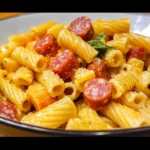
Italian Pasta with Salami recipe
Ingredients
For the Pasta:
-
- Dried Pasta: 1 lb (450g).
-
- Recommended Shapes: Penne rigate (grooves catch the sauce beautifully), rigatoni, fusilli, rotini, or even spaghetti or linguine. Choose a shape you enjoy that has good texture for sauce adherence.
-
- Dried Pasta: 1 lb (450g).
-
- Salt: For pasta water (approximately 1-2 tablespoons).
For the Salami & Sauce Base:
-
- Good Quality Italian Salami: 6-8 oz (170-225g), casing removed, and diced into 1/4 to 1/2-inch pieces.
-
- Types of Salami: Genoa salami is a great all-around choice. Soppressata (either sweet or hot) adds a wonderful depth. For a spicy kick, consider Calabrese salami or add a pinch of smoked paprika along with regular salami. The key is to choose a firm, flavorful salami that will render well.
-
- Good Quality Italian Salami: 6-8 oz (170-225g), casing removed, and diced into 1/4 to 1/2-inch pieces.
-
- Extra Virgin Olive Oil: 2 tablespoons, plus more if needed. Use a good quality oil for flavor.
-
- Yellow Onion: 1 medium, finely chopped. Provides a sweet aromatic base.
-
- Garlic: 3-4 cloves, minced or thinly sliced. Adjust to your preference for garlic intensity.
-
- Tomato Paste: 2 tablespoons. Adds concentrated tomato flavor and umami depth.
-
- Dry Red Wine (Optional but Recommended): 1/2 cup. Chianti, Merlot, or Cabernet Sauvignon work well to deglaze the pan and add complexity. If omitting, use an equal amount of extra chicken or vegetable broth.
-
- Crushed Tomatoes: 1 can (28 oz / 794g). Good quality crushed tomatoes (like San Marzano style, if available) provide the best texture and flavor for the sauce.
-
- Dried Oregano: 1 teaspoon. Or use 1.5 teaspoons of a good Italian seasoning blend.
-
- Red Pepper Flakes: 1/4 – 1/2 teaspoon (or to taste). Adjust based on your spice preference and the spiciness of your salami.
-
- Salt: To taste (be mindful as salami and Parmesan are salty).
-
- Freshly Ground Black Pepper: To taste.
For Finishing & Garnish:
-
- Fresh Basil Leaves: 1/4 cup, chiffonade (thinly sliced) or roughly chopped, plus extra for garnish. Adds essential fresh, aromatic notes.
-
- Fresh Parsley (Italian Flat-Leaf): 2 tablespoons, chopped (optional, for extra freshness and color).
-
- Parmesan Cheese (Parmigiano-Reggiano) or Pecorino Romano: 1/2 cup freshly grated, plus more for serving. The salty, nutty flavor is crucial. Always grate your own for the best taste and melt.
-
- Reserved Pasta Water: About 1 cup (essential for emulsifying the sauce).
Instructions
Phase 1: Prepare Ingredients & Cook Pasta
-
- Prep Aromatics and Salami:
-
- Finely chop the onion. Mince or thinly slice the garlic.
-
- Remove the casing from the salami (if it has one) and dice it into 1/4 to 1/2-inch pieces.
-
- Chop fresh basil and parsley (if using). Grate the Parmesan or Pecorino cheese.
-
- Have all other ingredients measured and ready.
-
- Prep Aromatics and Salami:
-
- Boil Water for Pasta: Fill a large pot with water, add 1-2 tablespoons of salt, and bring it to a rolling boil over high heat. The water should taste pleasantly salty.
-
- Cook Pasta: Once the water is boiling vigorously, add your chosen pasta. Stir immediately to prevent sticking. Cook according to package directions until al dente – tender but still firm to the bite. It’s better to slightly undercook it at this stage, as it will finish cooking in the sauce.
-
- Timing Tip: Start making the sauce (Phase 2) once the pasta is in the water or a few minutes before.
-
- Cook Pasta: Once the water is boiling vigorously, add your chosen pasta. Stir immediately to prevent sticking. Cook according to package directions until al dente – tender but still firm to the bite. It’s better to slightly undercook it at this stage, as it will finish cooking in the sauce.
Phase 2: Building the Rich Salami Sauce
-
- Render Salami: While the pasta water is heating or the pasta is cooking, heat 1 tablespoon of the olive oil in a large, heavy-bottomed skillet, Dutch oven, or braiser over medium heat. Add the diced salami to the pan. Cook, stirring occasionally, for 5-7 minutes, or until the salami is nicely browned, slightly crisped, and has rendered a good amount of its fat.
-
- Remove Salami, Reserve Fat: Using a slotted spoon, remove the cooked salami from the skillet and set it aside on a plate. Leave the rendered salami fat in the skillet – this is packed with flavor! If there isn’t much fat (at least 1-2 tablespoons), add the remaining tablespoon of olive oil.
-
- Sauté Aromatics: Add the chopped onion to the skillet with the rendered fat. Sauté over medium heat for 4-5 minutes, until softened and translucent, stirring occasionally.
-
- Add Garlic and Tomato Paste: Stir in the minced garlic and red pepper flakes. Cook for another 1-2 minutes until the garlic is fragrant – be careful not to burn it. Add the tomato paste and cook, stirring constantly, for 1-2 minutes. This “toasting” of the tomato paste deepens its flavor and removes any raw taste.
-
- Deglaze (If Using Wine): Pour in the dry red wine (if using). Increase the heat slightly and bring to a simmer, scraping up any browned bits (fond) from the bottom of the pan with a wooden spoon. Let the wine reduce by about half, about 2-3 minutes. This adds a wonderful depth of flavor. If not using wine, you can use a bit of broth or even some of the pasta water to deglaze.
-
- Add Tomatoes and Seasonings: Pour in the crushed tomatoes and stir in the dried oregano (or Italian seasoning). Bring the sauce to a gentle simmer. Reduce the heat to low, cover partially, and let it simmer for at least 10-15 minutes to allow the flavors to meld. A longer simmer (20-30 minutes) will result in an even deeper flavor if you have the time. Stir occasionally.
-
- Return Salami to Sauce: Stir the reserved cooked salami back into the simmering tomato sauce. Let it simmer with the sauce for another 5 minutes.
Phase 3: Combining Pasta and Sauce – The Italian Way
-
- Reserve Pasta Water: Just before the pasta is perfectly al dente, reserve about 1 to 1.5 cups of the starchy pasta water. This water is crucial for creating a silky, emulsified sauce that clings perfectly to the pasta.
-
- Drain Pasta (Loosely): Drain the pasta, but don’t rinse it. A little residual water clinging to it is fine.
-
- Combine Pasta and Sauce: Add the drained pasta directly to the skillet with the salami sauce. Increase the heat to medium.
-
- Emulsify with Pasta Water: Add about 1/2 cup of the reserved pasta water to the skillet. Toss and stir the pasta vigorously with the sauce for 1-2 minutes. The starch in the pasta water will help the sauce emulsify, thicken slightly, and coat every strand or piece of pasta beautifully. If the sauce looks too thick, add more pasta water, a tablespoon or two at a time, until it reaches your desired consistency – it should be luscious and flowing, not watery or dry.
-
- Stir in Fresh Herbs and Cheese (Off Heat): Turn off the heat. Stir in most of the chopped fresh basil (reserving some for garnish) and about half of the grated Parmesan or Pecorino Romano cheese. Toss well to combine until the cheese is melted and incorporated.
-
- Taste and Adjust: Taste the pasta and adjust seasonings if necessary. You might need a pinch more salt (though salami and cheese are salty), black pepper, or red pepper flakes.
Phase 4: Serve
-
- Serve Immediately: Divide the Italian Pasta with Salami among warm serving bowls.
-
- Garnish: Garnish generously with the remaining fresh basil, chopped parsley (if using), and an extra grating of Parmesan or Pecorino Romano cheese. A drizzle of good quality extra virgin olive oil over the top before serving is also a nice touch.
Nutrition
- Serving Size: one normal portion
- Calories: 600-750