
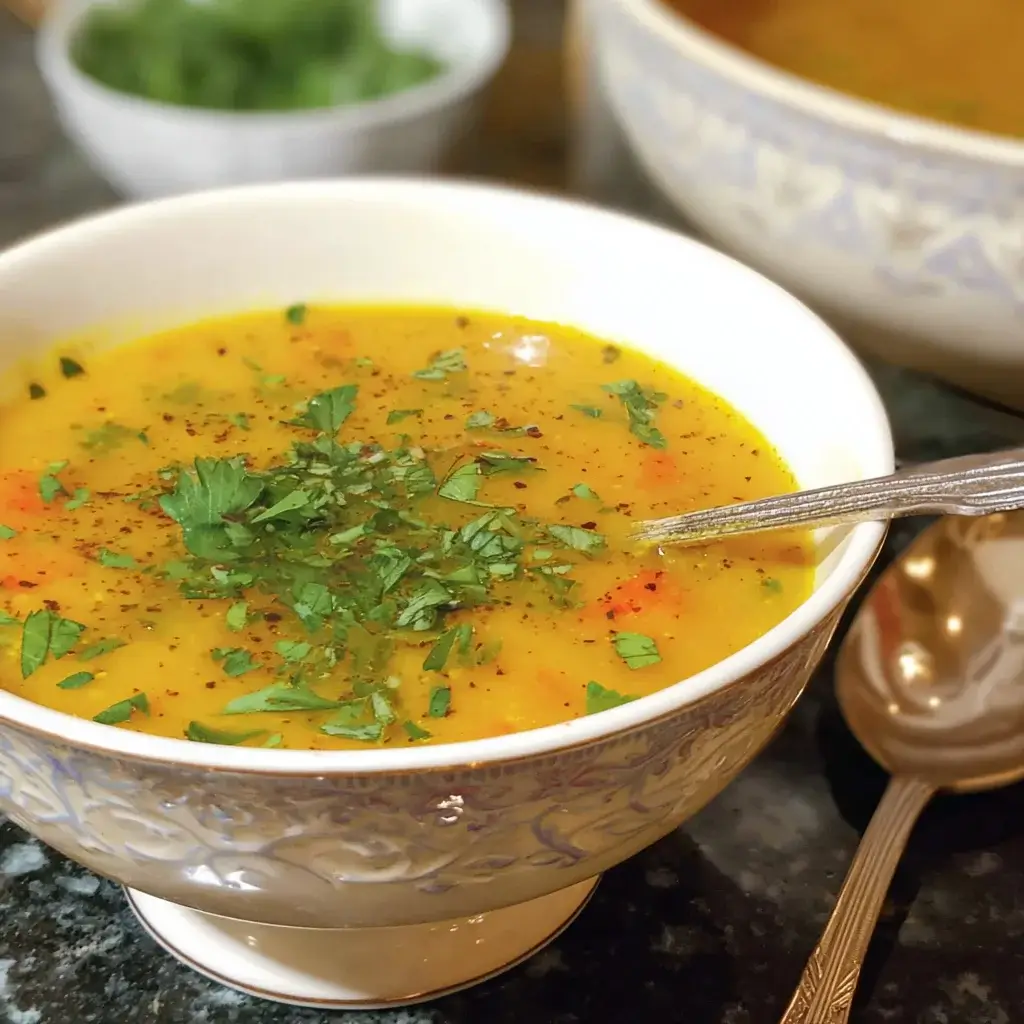

The first time I made this Indian Mulligatawny Soup, it was a chilly, rain-soaked autumn evening. The house felt a bit gloomy, and I was craving something that felt like a hug in a bowl—something deeply warming, fragrant, and utterly satisfying. I’d heard of Mulligatawny, a soup with a fascinating history straddling India and Britain, but I had never attempted it myself. As the onions, garlic, and ginger began to sizzle in the pot, releasing their intoxicating aroma, the kitchen began to transform. Then came the spices—a golden wave of curry, turmeric, and cumin that promised something truly special. By the time the soup was simmering, a rich, complex fragrance had filled the entire house, drawing my family to the kitchen like a magnet. When we finally sat down to eat, ladling the creamy, golden-hued liquid over mounds of fluffy basmati rice, the silence was telling. It was a silence of pure comfort and delight. The soup was everything I had hoped for and more: subtly sweet from the apple and coconut milk, earthy from the lentils, tangy from a final squeeze of lime, and layered with a gentle, warming heat. It has since become our official “bad weather” comfort food, a recipe that never fails to lift our spirits and warm us from the inside out.
What is Mulligatawny Soup? A Journey in a Bowl
Before we dive into the recipe, it’s worth taking a moment to appreciate the incredible history of this soup. The name “Mulligatawny” is an Anglicized version of the Tamil words milagu (pepper) and tanni (water), which literally translates to “pepper-water.” Its origins lie in the soupy rasams of South India, which were thin, spicy broths.
During the time of the British Raj, British colonists became enamored with this flavorful concoction. However, they adapted the simple “pepper-water” to suit their own palates, which were more accustomed to the hearty, substantial soups of Europe. They began adding ingredients like chicken or lamb, vegetables, apples for sweetness, and coconut milk or cream for a richer, smoother consistency. Over time, Mulligatawny evolved from a thin broth into the robust, complex, and comforting soup we know and love today. It is a perfect example of Anglo-Indian culinary fusion, a delicious testament to the blending of two distinct food cultures. This recipe honors that tradition, balancing the fragrant spices of India with the creamy, hearty texture that has made it a global favorite.
Why This Is The Best Indian Mulligatawny Soup Recipe
You’ll find countless variations of this soup online, but this particular recipe stands out for several reasons:
- Perfect Balance of Flavors: It strikes the ideal chord between spicy, sweet, savory, and tangy. The Madras curry powder provides warmth, the apple lends a subtle sweetness, the coconut milk offers creamy richness, and a final squeeze of lime juice brightens everything up.
- Wonderful Texture: The combination of puréed lentils and vegetables with the option of adding shredded chicken creates a soup that is both silky smooth and satisfyingly substantial.
- Incredibly Aromatic: This is a soup that engages all your senses. From the moment you start cooking, your kitchen will be filled with the most incredible, mouth-watering aroma of toasted spices and simmering goodness.
- Completely Customizable: This recipe is a fantastic blueprint. You can easily make it vegetarian or vegan, adjust the spice level to your liking, or add different vegetables you have on hand.
Complete Ingredients for Indian Mulligatawny Soup
This recipe relies on a beautiful symphony of spices and wholesome ingredients. Don’t be intimidated by the list; each component plays a crucial role in building the deep, layered flavor that makes Mulligatawny so special.
For the Soup Base (The Aromatics and Vegetables):
- Olive Oil or Ghee: 2 tablespoons (Ghee adds a wonderful nutty flavor)
- Yellow Onion: 1 large, finely chopped
- Carrots: 2 medium, peeled and chopped
- Celery Stalks: 2 medium, chopped
- Garlic: 4 cloves, minced
- Fresh Ginger: 1-inch piece, peeled and finely grated
- Apple: 1 large Granny Smith or Honeycrisp, peeled, cored, and chopped (A tart apple is key for balance)
The Spice Blend (The Heart of the Flavor):
- Madras Curry Powder: 2 tablespoons (Use a high-quality brand for the best flavor)
- Turmeric Powder: 1 teaspoon
- Ground Cumin: 1 teaspoon
- Ground Coriander: 1 teaspoon
- Cayenne Pepper or Red Chili Flakes: ¼ to ½ teaspoon (optional, adjust to your preferred heat level)
- Black Pepper: ½ teaspoon, freshly ground
The Body and Liquid:
- All-Purpose Flour: 2 tablespoons (This helps to thicken the soup slightly)
- Chicken or Vegetable Broth: 6 cups (8 cups if you prefer a thinner soup)
- Red Lentils: ¾ cup, rinsed well
- Boneless, Skinless Chicken Breasts or Thighs: 1 lb (about 2 large breasts or 4 thighs), optional for a non-vegetarian version
- Full-Fat Coconut Milk: 1 can (13.5 oz or 400ml), shaken well
- Bay Leaf: 1
For Finishing and Garnish:
- Fresh Lime or Lemon Juice: 2 tablespoons, or to taste
- Salt: To taste (start with 1 teaspoon)
- Fresh Cilantro: ¼ cup, chopped, for garnish
- Cooked Basmati Rice: For serving
- Plain Yogurt or a dollop of Coconut Cream: For garnish
Step-by-Step Instructions to Make The Perfect Mulligatawny
Follow these detailed steps carefully to build layers of flavor, resulting in a truly restaurant-quality soup. The process is straightforward and deeply rewarding.
Step 1: Sauté the Aromatic Foundation
- Place a large Dutch oven or heavy-bottomed pot over medium heat. Add the olive oil or ghee.
- Once the oil is shimmering, add the chopped onion, carrots, and celery. Sauté for 8-10 minutes, stirring occasionally, until the vegetables have softened and the onion is translucent. This slow sauté builds the first crucial layer of sweet, savory flavor.
- Add the minced garlic and grated ginger to the pot. Cook for another 1-2 minutes until they become very fragrant. Be careful not to let the garlic burn.
- Stir in the chopped apple and cook for 3-4 minutes, allowing it to soften slightly and release its juices.
Step 2: Bloom the Spices
- Add the Madras curry powder, turmeric, cumin, coriander, cayenne pepper (if using), and black pepper directly to the pot with the vegetables.
- Stir constantly for 60 seconds. This step, known as “blooming,” toasts the spices in the hot oil, which awakens their essential oils and unlocks their deepest, most complex flavors. Your kitchen will smell absolutely divine at this point.
- Sprinkle the all-purpose flour over the vegetables and spices. Stir continuously for another minute to cook out the raw flour taste. This will create a light roux that helps to give the soup its body.
Step 3: Simmer to Perfection
- Gradually pour in the chicken or vegetable broth, stirring constantly to prevent any lumps from forming. Use a wooden spoon to scrape up any browned bits (the “fond”) from the bottom of the pot—this is packed with flavor.
- Stir in the rinsed red lentils and add the bay leaf.
- If you are using chicken, nestle the whole chicken breasts or thighs into the liquid.
- Bring the soup to a boil, then immediately reduce the heat to low, cover the pot, and let it simmer for 25-30 minutes. The lentils should be very soft and starting to break down, and the chicken (if using) should be cooked through.
Step 4: Create the Creamy Base
- Carefully remove the cooked chicken from the pot and set it aside on a cutting board to cool slightly. Remove and discard the bay leaf.
- Use an immersion blender to blend the soup directly in the pot until it is smooth and creamy. If you want a more rustic texture, you can blend it halfway, leaving some chunks of vegetables.
- Alternative Blending Method: If you don’t have an immersion blender, carefully ladle the soup in batches into a regular blender. Important: Do not fill the blender more than halfway. Remove the small plastic cap from the lid and cover the opening with a folded kitchen towel. This allows steam to escape and prevents a dangerous pressure buildup. Blend each batch until smooth and return it to the pot.
- Once the chicken is cool enough to handle, shred it using two forks.
Step 5: The Finishing Touches
- Return the pot to low heat. Stir in the full-fat coconut milk and the shredded chicken (if using).
- Let the soup gently warm through for 5-10 minutes. Do not let it come to a rolling boil after adding the coconut milk, as this can cause it to separate.
- Turn off the heat. Stir in the fresh lime or lemon juice. This final hit of acid is essential—it cuts through the richness and makes all the other flavors pop.
- Taste the soup and season generously with salt and more black pepper as needed.
Nutrition Facts
- Servings: 6-8
- Calories per serving: Approximately 380-450 kcal (This can vary based on the use of chicken and the specific brand of coconut milk).
Please note that these are estimates. The exact nutritional information will depend on the specific ingredients and quantities used.
Preparation and Cooking Time
- Preparation Time: 20 minutes (for chopping vegetables and measuring ingredients)
- Cooking Time: 50 minutes
- Total Time: 1 hour and 10 minutes
How to Serve Indian Mulligatawny Soup
Serving Mulligatawny is an experience in itself. The garnishes and accompaniments are not just for show; they add contrasting textures and flavors that elevate the soup to a complete and satisfying meal.
- The Classic Way:
- Ladle the hot soup into warm bowls.
- Add a scoop of fluffy, steaming Basmati rice to the center of each bowl. The rice soaks up the flavorful broth beautifully.
- Sprinkle generously with fresh, chopped cilantro.
- Add a dollop of cool, plain yogurt or coconut cream to provide a creamy contrast to the soup’s warmth.
- Serve with extra lime or lemon wedges on the side for those who like an extra bit of tang.
- Breads for Dipping:
- Naan Bread: Warm, soft, pillowy naan (garlic or plain) is the perfect vessel for soaking up every last drop of the soup.
- Crusty Bread: A simple slice of crusty baguette or sourdough also works wonderfully.
- As a Complete Meal:
- While the soup is hearty enough on its own with rice, you can serve it with a simple side salad with a light vinaigrette to add a fresh, crisp element to the meal.
- A side of simple vegetable samosas or onion bhajis can turn this into a fantastic Indian-inspired feast.
Additional Tips for Success (5 Pro-Tips)
- Use High-Quality Madras Curry Powder: The curry powder is the backbone of this soup’s flavor. A generic or old curry powder won’t deliver the same depth. Seek out a good quality Madras curry powder, which typically has a bit more heat and a richer, more complex flavor profile.
- Don’t Skip the Apple: It might seem like an odd ingredient, but the tartness and subtle sweetness of a Granny Smith apple are crucial for balancing the earthy spices and the richness of the coconut milk. It dissolves into the soup, adding a layer of flavor you’ll miss if you leave it out.
- Control the Creaminess and Thickness: For an even richer, more decadent soup, use only the thick cream from the top of the coconut milk can. If your soup gets too thick after blending (lentils are very absorbent), simply thin it out with a little more broth or hot water until it reaches your desired consistency.
- Make it Ahead for Even Better Flavor: Like many stews and spiced dishes, Mulligatawny soup tastes even better the next day. The flavors have more time to meld and deepen. It’s a perfect recipe for meal prep or for making a day before you plan to serve it.
- The Final Squeeze of Lime is Non-Negotiable: I can’t stress this enough. The soup can taste a little “flat” or heavy before the acid is added. A generous squeeze of fresh lime or lemon juice at the very end completely transforms it, brightening all the individual flavors and making the entire dish taste more vibrant and balanced.
Frequently Asked Questions (FAQ)
1. Can I make this Mulligatawny soup vegetarian or vegan?
Absolutely! This recipe is incredibly easy to adapt. To make it vegetarian, simply use a high-quality vegetable broth instead of chicken broth and omit the chicken. The lentils already provide plenty of protein and substance. To make it vegan, follow the vegetarian instructions and be sure to use olive oil instead of ghee.
2. Is Mulligatawny soup very spicy?
This recipe has a gentle, warming heat rather than a fiery one. The level of spiciness is easily controlled. The main source of heat is the Madras curry powder and the optional cayenne pepper. If you are sensitive to spice, use a mild curry powder and omit the cayenne entirely. If you love heat, you can increase the cayenne or even add a finely chopped fresh chili with the garlic and ginger.
3. What can I do with leftovers? How do I store them?
Leftover Mulligatawny soup is fantastic! Store it in an airtight container in the refrigerator for up to 4 days. The soup will thicken considerably as it cools due to the lentils. When reheating, you may need to add a splash of broth or water to thin it back to its original consistency. You can also freeze this soup for up to 3 months. Thaw it overnight in the refrigerator before reheating gently on the stovetop.
4. I don’t have red lentils. Can I use a different kind?
Red lentils are ideal for this recipe because they cook quickly and break down completely, which helps to thicken the soup and give it a creamy texture. You could substitute with yellow lentils (moong dal) as they behave similarly. Brown or green lentils will also work, but they hold their shape more and will take longer to cook (40-45 minutes). If you use them, you will likely need to blend the soup for longer to achieve a smooth consistency.
5. What is the difference between regular curry powder and Madras curry powder?
While both are blends of spices, Madras curry powder originates from the city of Madras (now Chennai) in South India. It is typically spicier and has a deeper, more reddish-orange color due to a higher proportion of chili peppers. It often features a more complex and pungent flavor profile than standard yellow curry powder, making it exceptionally well-suited for the bold flavors in Mulligatawny. If you only have regular curry powder, it will still be delicious, but you may want to add a bit more cayenne for heat.
Indian Mulligatawny Soup recipe
Ingredients
For the Soup Base (The Aromatics and Vegetables):
-
Olive Oil or Ghee: 2 tablespoons (Ghee adds a wonderful nutty flavor)
-
Yellow Onion: 1 large, finely chopped
-
Carrots: 2 medium, peeled and chopped
-
Celery Stalks: 2 medium, chopped
-
Garlic: 4 cloves, minced
-
Fresh Ginger: 1-inch piece, peeled and finely grated
-
Apple: 1 large Granny Smith or Honeycrisp, peeled, cored, and chopped (A tart apple is key for balance)
The Spice Blend (The Heart of the Flavor):
-
Madras Curry Powder: 2 tablespoons (Use a high-quality brand for the best flavor)
-
Turmeric Powder: 1 teaspoon
-
Ground Cumin: 1 teaspoon
-
Ground Coriander: 1 teaspoon
-
Cayenne Pepper or Red Chili Flakes: ¼ to ½ teaspoon (optional, adjust to your preferred heat level)
-
Black Pepper: ½ teaspoon, freshly ground
The Body and Liquid:
-
All-Purpose Flour: 2 tablespoons (This helps to thicken the soup slightly)
-
Chicken or Vegetable Broth: 6 cups (8 cups if you prefer a thinner soup)
-
Red Lentils: ¾ cup, rinsed well
-
Boneless, Skinless Chicken Breasts or Thighs: 1 lb (about 2 large breasts or 4 thighs), optional for a non-vegetarian version
-
Full-Fat Coconut Milk: 1 can (13.5 oz or 400ml), shaken well
-
Bay Leaf: 1
For Finishing and Garnish:
-
Fresh Lime or Lemon Juice: 2 tablespoons, or to taste
-
Salt: To taste (start with 1 teaspoon)
-
Fresh Cilantro: ¼ cup, chopped, for garnish
-
Cooked Basmati Rice: For serving
-
Plain Yogurt or a dollop of Coconut Cream: For garnish
Instructions
Step 1: Sauté the Aromatic Foundation
-
Place a large Dutch oven or heavy-bottomed pot over medium heat. Add the olive oil or ghee.
-
Once the oil is shimmering, add the chopped onion, carrots, and celery. Sauté for 8-10 minutes, stirring occasionally, until the vegetables have softened and the onion is translucent. This slow sauté builds the first crucial layer of sweet, savory flavor.
-
Add the minced garlic and grated ginger to the pot. Cook for another 1-2 minutes until they become very fragrant. Be careful not to let the garlic burn.
-
Stir in the chopped apple and cook for 3-4 minutes, allowing it to soften slightly and release its juices.
Step 2: Bloom the Spices
-
Add the Madras curry powder, turmeric, cumin, coriander, cayenne pepper (if using), and black pepper directly to the pot with the vegetables.
-
Stir constantly for 60 seconds. This step, known as “blooming,” toasts the spices in the hot oil, which awakens their essential oils and unlocks their deepest, most complex flavors. Your kitchen will smell absolutely divine at this point.
-
Sprinkle the all-purpose flour over the vegetables and spices. Stir continuously for another minute to cook out the raw flour taste. This will create a light roux that helps to give the soup its body.
Step 3: Simmer to Perfection
-
Gradually pour in the chicken or vegetable broth, stirring constantly to prevent any lumps from forming. Use a wooden spoon to scrape up any browned bits (the “fond”) from the bottom of the pot—this is packed with flavor.
-
Stir in the rinsed red lentils and add the bay leaf.
-
If you are using chicken, nestle the whole chicken breasts or thighs into the liquid.
-
Bring the soup to a boil, then immediately reduce the heat to low, cover the pot, and let it simmer for 25-30 minutes. The lentils should be very soft and starting to break down, and the chicken (if using) should be cooked through.
Step 4: Create the Creamy Base
-
Carefully remove the cooked chicken from the pot and set it aside on a cutting board to cool slightly. Remove and discard the bay leaf.
-
Use an immersion blender to blend the soup directly in the pot until it is smooth and creamy. If you want a more rustic texture, you can blend it halfway, leaving some chunks of vegetables.
-
Alternative Blending Method: If you don’t have an immersion blender, carefully ladle the soup in batches into a regular blender. Important: Do not fill the blender more than halfway. Remove the small plastic cap from the lid and cover the opening with a folded kitchen towel. This allows steam to escape and prevents a dangerous pressure buildup. Blend each batch until smooth and return it to the pot.
-
Once the chicken is cool enough to handle, shred it using two forks.
Step 5: The Finishing Touches
-
Return the pot to low heat. Stir in the full-fat coconut milk and the shredded chicken (if using).
-
Let the soup gently warm through for 5-10 minutes. Do not let it come to a rolling boil after adding the coconut milk, as this can cause it to separate.
-
Turn off the heat. Stir in the fresh lime or lemon juice. This final hit of acid is essential—it cuts through the richness and makes all the other flavors pop.
-
Taste the soup and season generously with salt and more black pepper as needed.
Nutrition
- Serving Size: one normal portion
- Calories: 380-450