
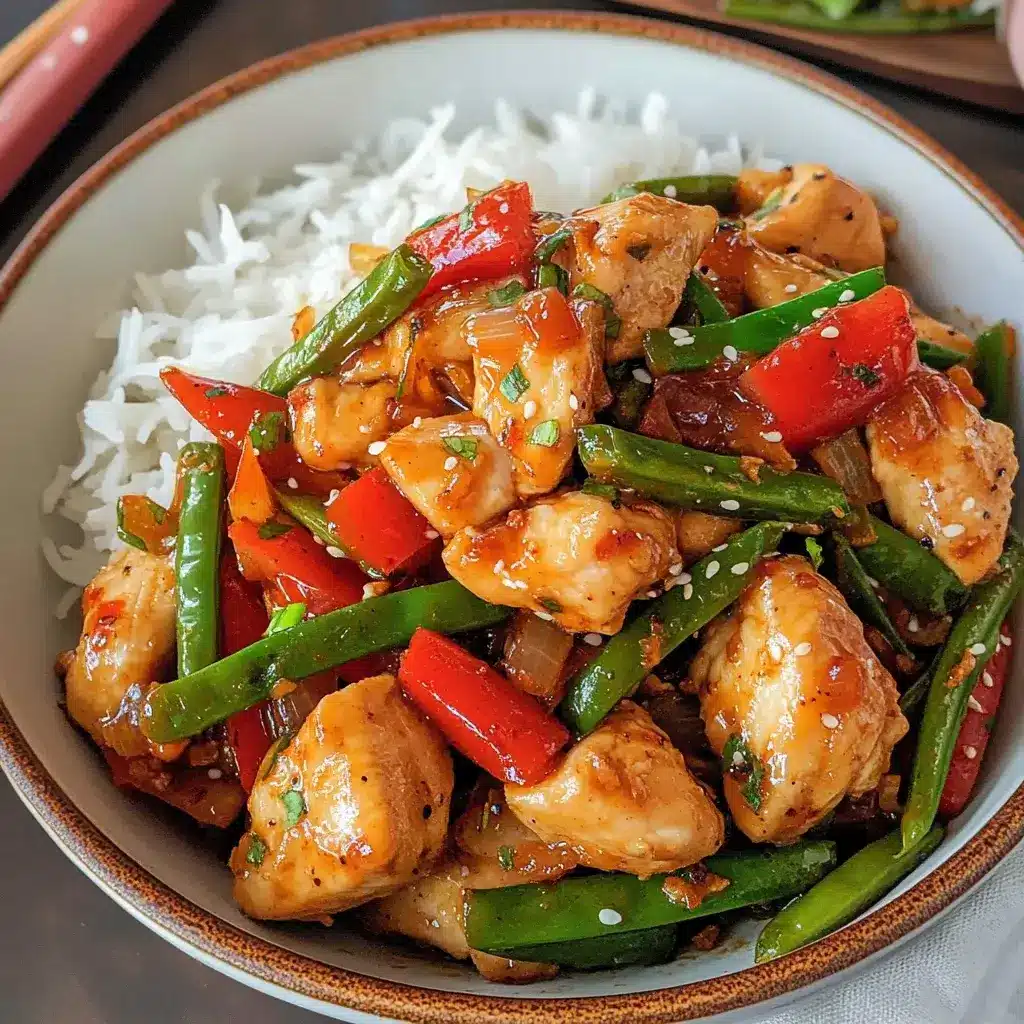

The first time I made hot and spicy chicken at home, it was a game-changer for our weeknight dinners. My family loves bold flavors, and this recipe delivered in spades. The chicken was incredibly juicy and tender, infused with a fiery kick that was balanced by savory spices and a hint of sweetness. We served it with fluffy rice and steamed broccoli, and the entire meal was devoured in minutes. What impressed me most was how surprisingly easy it was to make. It’s become a regular in our rotation, perfect for satisfying those cravings for something flavorful and exciting. If you are looking to add some serious zest to your dinner table, this hot and spicy chicken recipe is an absolute must-try.
Unleash the Fire: The Ultimate Guide to Hot and Spicy Chicken Recipes
Hot and spicy chicken is more than just a dish; it’s a culinary adventure. It’s an exploration of bold flavors, a dance of heat and savory notes, and a guaranteed way to awaken your taste buds. From fiery wings dripping with sauce to succulent chicken breasts marinated in a chili-infused blend, hot and spicy chicken offers an incredibly versatile and satisfying dining experience. Whether you’re a seasoned spice enthusiast or just starting to explore the world of heat, there’s a hot and spicy chicken recipe out there for you.
The appeal of hot and spicy chicken lies in its ability to deliver both intense flavor and a thrilling sensation. The heat from chili peppers, whether fresh or dried, triggers endorphins, creating a pleasurable, almost addictive sensation. But true hot and spicy chicken is not just about the burn; it’s about layering flavors. The best recipes balance the heat with savory spices, aromatic herbs, and often a touch of sweetness or acidity to create a complex and nuanced taste profile.
This guide will take you on a comprehensive journey into the world of hot and spicy chicken. We’ll explore the essential ingredients, step-by-step instructions for creating mouthwatering dishes, nutritional information, serving suggestions, expert tips, and answer all your frequently asked questions. Prepare to ignite your kitchen and your palate with the incredible flavors of hot and spicy chicken – a dish that’s perfect for weeknight meals, weekend gatherings, or any time you crave a fiery and flavorful culinary experience.
What You’ll Need: Essential Ingredients for Fiery Chicken Dishes
Creating truly exceptional hot and spicy chicken requires a thoughtful selection of ingredients, focusing on both the quality of the chicken and the potency and complexity of the spices. Here’s a detailed breakdown of the key components you’ll need to master this culinary art:
- The Chicken:
- Chicken Pieces (Variety of Cuts): The beauty of hot and spicy chicken is its versatility with different cuts.
- Chicken Wings: Classic for hot and spicy preparations, wings offer a perfect ratio of crispy skin to juicy meat.
- Chicken Drumsticks and Thighs: Dark meat pieces are incredibly flavorful and remain moist even when cooked at higher temperatures, ideal for braising, roasting, or frying.
- Chicken Breasts (Boneless, Skinless or Bone-in, Skin-on): Chicken breasts are leaner and cook quickly. Boneless, skinless breasts are convenient, while bone-in, skin-on breasts offer more flavor and juiciness, especially when skin is crisped.
- Whole Chicken, cut into pieces: For a family-style meal, a whole chicken cut into pieces provides a variety of textures and flavors.
- Freshness and Quality: Always prioritize fresh, high-quality chicken. Whether you choose organic, free-range, or conventional, ensure it looks and smells fresh. Frozen chicken, thawed completely, can also be used effectively.
- Chicken Pieces (Variety of Cuts): The beauty of hot and spicy chicken is its versatility with different cuts.
- The Spice Arsenal: Building the Heat and Flavor Profile
- Chili Peppers (Fresh and Dried): The heart of the heat.
- Fresh Chili Peppers:
- Jalapeños: Mild to medium heat, adds a fresh, grassy flavor.
- Serrano Peppers: Medium to hot heat, brighter and fruitier than jalapeños.
- Thai Bird’s Eye Chilies: Very hot, intense heat with a fruity note.
- Habanero Peppers: Extremely hot, fruity and floral flavor, use sparingly.
- Scotch Bonnet Peppers: Similar heat to habanero, fruity and slightly sweeter.
- Dried Chili Peppers:
- Chili Flakes (Red Pepper Flakes): Adds general heat and a touch of flavor.
- Chipotle Peppers in Adobo Sauce: Smoky, medium heat with a rich, tangy adobo flavor.
- Ancho Chilies: Mild, fruity, and slightly smoky flavor, often used for depth rather than intense heat.
- Guajillo Chilies: Medium heat, fruity and slightly smoky, adds complexity.
- Arbol Chilies: Hot and bright heat, adds a clean, fiery kick.
- Fresh Chili Peppers:
- Spice Powders and Ground Spices: Building layers of savory flavor.
- Chili Powder: A blend of dried chilies and other spices, provides a foundational chili flavor.
- Cayenne Pepper: Pure ground chili pepper, adds intense, direct heat.
- Paprika (Smoked, Sweet, Hot): Adds color, depth, and depending on the variety, varying levels of smokiness and heat.
- Cumin: Earthy and warm, a staple in many chili-based dishes.
- Coriander: Citrusy and slightly sweet, complements chili flavors.
- Garlic Powder and Onion Powder: Essential flavor enhancers.
- Ginger Powder or Fresh Ginger: Adds warmth and aromatic complexity.
- Black Pepper and White Pepper: Base seasonings, white pepper can add a subtle heat and earthy note.
- Liquids and Flavor Enhancers:
- Vinegar (White, Apple Cider, Rice Wine): Adds acidity to balance heat and brighten flavors.
- Soy Sauce or Tamari: Umami depth and saltiness.
- Worcestershire Sauce: Complex umami and savory notes.
- Hot Sauce (Variety of Types): Adds pre-made heat and specific flavor profiles (vinegar-based, fermented, etc.).
- Honey, Maple Syrup, Brown Sugar: Sweetness to balance heat and create glaze-like finishes.
- Citrus Juice (Lemon, Lime, Orange): Brightness and acidity.
- Chicken Broth or Stock: Moisture for braising or sauces.
- Oils (Vegetable, Canola, Peanut, Sesame): For frying, searing, or marinades. Sesame oil adds nutty aroma.
- Aromatics and Fresh Herbs:
- Garlic (Fresh): Essential aromatic base.
- Onion (Fresh): Base flavor and sweetness when cooked.
- Ginger (Fresh): Warm, spicy, and aromatic.
- Cilantro, Parsley, Green Onions: Fresh herbs for garnish and brightness.
- Chili Peppers (Fresh and Dried): The heart of the heat.
Step-by-Step Guide: Mastering Hot and Spicy Chicken Techniques
Creating mouthwatering hot and spicy chicken involves various cooking methods and techniques. Here’s a detailed step-by-step guide covering different approaches:
Method 1: Spicy Fried Chicken (Classic Crispy Heat)
- Marinate the Chicken (Optional but Recommended): For extra flavor and tenderness, marinate chicken pieces (wings, drumsticks, thighs) for at least 2-4 hours or overnight. A simple marinade can include buttermilk, hot sauce, salt, pepper, garlic powder, and onion powder.
- Prepare the Spice Blend for Dredging: In a bowl, combine flour, cornstarch (for extra crispness), chili powder, cayenne pepper, paprika, garlic powder, onion powder, salt, and black pepper. Adjust spice levels to your preference.
- Dredge the Chicken: Remove chicken from marinade (if using), letting excess drip off. Dredge each piece thoroughly in the spice blend, ensuring it’s fully coated. Double dredging (dredge, egg wash, dredge again) creates an extra crispy crust.
- Fry the Chicken: Heat oil (vegetable, canola, or peanut) in a deep fryer or large pot to 350°F (175°C). Carefully add chicken pieces in batches, being careful not to overcrowd the pot. Fry for 12-18 minutes, depending on the size of the pieces, until golden brown, crispy, and cooked through (internal temperature reaches 165°F/74°C).
- Drain and Sauce (Optional): Remove fried chicken and drain on paper towels. For extra saucy wings, toss them in a hot sauce mixture (buffalo sauce, chili garlic sauce, etc.) while still hot.
Method 2: Spicy Baked Chicken (Healthier and Flavorful)
- Prepare a Spicy Marinade or Rub: Create a marinade or dry rub using olive oil, lemon juice, garlic, ginger, chili powder, cayenne pepper, paprika, cumin, coriander, salt, and pepper. Adjust spice levels to your liking.
- Marinate or Rub Chicken: Marinate chicken pieces (breasts, thighs, drumsticks) for at least 30 minutes or up to several hours for deeper flavor penetration. Alternatively, thoroughly rub the dry spice blend all over the chicken.
- Bake the Chicken: Preheat oven to 400°F (200°C). Arrange chicken pieces in a baking dish or on a baking sheet lined with parchment paper. Bake for 25-40 minutes, depending on the cut and size, until cooked through (internal temperature reaches 165°F/74°C) and juices run clear when pierced. For crispy skin, broil for the last few minutes, watching carefully to prevent burning.
- Serve with Sauce (Optional): Serve baked chicken as is, or with a side of your favorite hot sauce or a yogurt-based cooling dip.
Method 3: Spicy Grilled Chicken (Smoky Char and Heat)
- Prepare a Spicy Marinade: Combine olive oil, lime juice, soy sauce, brown sugar or honey, garlic, ginger, chili flakes, cayenne pepper, smoked paprika, salt, and pepper. Adjust spice levels.
- Marinate Chicken: Marinate chicken breasts, thighs, or drumsticks for at least 1 hour, or preferably 4 hours or overnight.
- Grill the Chicken: Preheat grill to medium-high heat. Grill chicken for 5-7 minutes per side for breasts, and longer for thighs and drumsticks, until cooked through (internal temperature 165°F/74°C) and nicely charred. Baste with extra marinade during grilling for added flavor and moisture.
- Serve with Toppings (Optional): Garnish grilled chicken with fresh cilantro, lime wedges, or a drizzle of hot sauce.
Method 4: Spicy Braised Chicken (Tender and Sauce-Infused)
- Sear the Chicken: Season chicken thighs or drumsticks with salt and pepper. Heat oil in a Dutch oven or large pot over medium-high heat. Sear chicken pieces in batches until browned on all sides. Remove and set aside.
- Sauté Aromatics and Spices: In the same pot, sauté chopped onions, garlic, and ginger until softened. Add chili powder, cumin, coriander, turmeric, and cayenne pepper. Cook for 1 minute, until fragrant.
- Add Liquids and Braising Ingredients: Pour in chicken broth or stock, diced tomatoes, and hot sauce (or chopped chili peppers). Stir to combine.
- Braise the Chicken: Return chicken to the pot. Bring to a simmer, then reduce heat to low, cover, and braise for 45-60 minutes, or until chicken is very tender and easily pulls apart.
- Shred and Serve: Shred chicken with two forks. Serve braised chicken over rice, mashed potatoes, or in tacos, spooning the flavorful braising sauce over top. Garnish with cilantro or green onions.
Nutritional Information: Understanding the Heat and Health Aspects
The nutritional profile of hot and spicy chicken varies greatly depending on the cooking method and ingredients used, especially the amount of sauce and type of chicken cut. Here’s a general overview:
- Serving Size: Typically 1 chicken breast (baked or grilled) or 2-3 chicken wings (fried), excluding sides.
- Calories (approximate range): 300-600+ kcal per serving (Highly variable depending on cooking method and ingredients).
Factors Influencing Nutritional Content:
- Cooking Method:
- Fried Chicken: Highest in calories, fat (especially saturated and trans fats if deep-fried in less healthy oils), and sodium due to breading and frying oil.
- Baked or Grilled Chicken: Lower in calories and fat compared to fried, especially if skinless, boneless chicken breasts are used.
- Braised Chicken: Moderate calorie and fat content, depending on the richness of the braising liquid and chicken cut.
- Chicken Cut:
- Chicken Breast (Skinless, Boneless): Leanest option, lower in fat and calories, high in protein.
- Chicken Thighs and Drumsticks (Dark Meat): Higher in fat and calories than breast, but also richer in flavor and some nutrients.
- Chicken Wings: Highest in fat and calories due to skin and bone ratio, but a popular choice for flavor and texture.
- Sauces and Marinades:
- Sugar Content: Sweet sauces and marinades (honey-based, BBQ) can add significant calories and sugar.
- Sodium Content: Soy sauce, hot sauces, and some spice blends can contribute to high sodium levels.
- Fat Content: Creamy sauces or oil-based marinades will increase fat content.
Example Nutritional Breakdown (Approximate, for Baked Spicy Chicken Breast, per serving):
- Calories: 350-450 kcal
- Protein: 40-50g
- Fat: 15-25g (depending on skin, marinade)
- Saturated Fat: 3-7g
- Cholesterol: 120-150mg
- Sodium: 400-800mg (depending on seasonings and marinades)
- Carbohydrates: 5-10g (primarily from marinades or sauces)
- Fiber: 1-2g
- Sugar: 2-5g
Potential Health Benefits (from spices and chicken):
- Capsaicin (from chili peppers): May have anti-inflammatory, pain-relieving, and metabolism-boosting properties.
- Lean Protein (from chicken breast): Essential for muscle building, satiety, and overall health.
- Vitamins and Minerals: Chicken provides B vitamins, selenium, and phosphorus. Spices can offer antioxidants and trace minerals.
Health Considerations:
- Sodium Content: Be mindful of sodium levels, especially if using pre-made spice blends, soy sauce, or hot sauces. Opt for lower-sodium options or control salt usage.
- Fat Content (Fried Chicken): Limit consumption of fried hot and spicy chicken due to higher fat and calorie content. Choose baked, grilled, or braised methods more frequently.
- Spice Sensitivity: Adjust spice levels to your tolerance. Start with milder chilies and gradually increase heat if desired.
Note: These are estimated values. For accurate nutritional information, use a nutrition calculator with the specific ingredients and quantities used in your hot and spicy chicken recipe.
Preparation Time: From Quick Weeknight Meals to Weekend Projects
The preparation time for hot and spicy chicken varies depending on the recipe complexity and cooking method. Here’s a general timeframe breakdown:
- Prep Time (Simple Recipes – Marinades/Rubs): 15-30 minutes (This includes preparing marinades or spice rubs, chopping vegetables, and prepping chicken.)
- Marinating Time (Optional but Recommended): 30 minutes to overnight (Longer marinating times enhance flavor and tenderness.)
- Cook Time (Varies by Method):
- Fried Chicken: 15-20 minutes (per batch)
- Baked Chicken: 25-40 minutes
- Grilled Chicken: 10-20 minutes
- Braised Chicken: 1-1.5 hours
- Total Time (Quickest – Baked/Grilled, Minimal Marinating): 40 minutes – 1 hour
- Total Time (More Elaborate – Fried, Braised, Overnight Marinating): 2 hours – Several hours (including marinating time)
Time-Saving Tips:
- Pre-Cut Chicken: Use pre-cut chicken pieces (wings, drumsticks, breasts) to save prep time.
- Pre-Made Spice Blends: Utilize pre-made chili powder, curry powder, or other spice blends to simplify seasoning.
- Quick Marinades: Opt for shorter marinating times (30 minutes) if short on time, or use a dry rub for immediate flavor infusion.
- Sheet Pan Baking: Bake chicken and vegetables together on a sheet pan for a complete meal with less cleanup.
How to Serve: Complements and Creative Pairings for Hot Chicken
Hot and spicy chicken is incredibly versatile and pairs well with a wide range of sides and accompaniments. Here are some serving suggestions to create a balanced and satisfying meal:
- Classic Sides for Fried Chicken:
- Coleslaw: Creamy coleslaw provides a cool and refreshing contrast to the spicy chicken.
- Mashed Potatoes and Gravy: Comforting and classic, mashed potatoes and gravy balance the heat.
- Corn on the Cob: Sweet corn on the cob is a summertime favorite that complements fried chicken.
- Biscuits or Cornbread: Buttery biscuits or cornbread are perfect for soaking up sauces and juices.
- Mac and Cheese: Creamy mac and cheese offers cheesy comfort alongside spicy chicken.
- Sides for Baked, Grilled, or Braised Chicken:
- Rice (White, Brown, Cilantro Lime): Fluffy rice is a staple side that absorbs flavorful sauces. Cilantro lime rice adds freshness.
- Roasted Vegetables (Broccoli, Asparagus, Brussels Sprouts, Sweet Potatoes): Healthy and flavorful roasted vegetables provide balance.
- Quinoa or Couscous: Lighter grain options that pair well with spicy dishes.
- Salads (Green Salad, Potato Salad, Pasta Salad): Fresh salads offer a refreshing counterpoint.
- Beans (Black Beans, Pinto Beans, Refried Beans): Hearty beans, especially seasoned or refried, complement braised or grilled spicy chicken.
- Sauces and Dips for Extra Flavor and Cooling:
- Ranch Dressing or Blue Cheese Dressing: Classic cooling dips for fried chicken wings.
- Yogurt Dip (Cucumber Yogurt, Raita): Cooling yogurt-based dips with herbs like cucumber or mint are excellent for balancing heat.
- Hot Sauce (Variety of Types): Offer a selection of hot sauces with different heat levels and flavor profiles for dipping or drizzling.
- Honey Mustard or BBQ Sauce: Sweet and tangy sauces provide a contrasting flavor profile.
- Sriracha Mayo or Chipotle Mayo: Spicy mayo variations for extra creamy heat.
- Creative Serving Ideas:
- Chicken Tacos or Burritos: Shred braised or grilled spicy chicken and use it as filling for tacos or burritos.
- Chicken Sandwiches or Sliders: Use fried or grilled chicken breasts or thighs to make spicy chicken sandwiches or sliders on buns or brioche.
- Chicken Bowls: Create grain bowls with rice, quinoa, or couscous as a base, topped with spicy chicken, roasted vegetables, and your choice of sauce.
- Chicken Salads: Shred or dice cooked spicy chicken and add it to salads for a flavorful protein boost.
Expert Tips for Hot and Spicy Chicken Mastery
To elevate your hot and spicy chicken from good to extraordinary, consider these expert tips:
- Control the Heat: Start with milder chilies and gradually increase the heat to your preference. Taste and adjust spice levels throughout the cooking process. Remove seeds and membranes from chili peppers to reduce heat.
- Balance Flavors: Don’t just focus on heat. Balance the spiciness with savory, sweet, acidic, and aromatic elements. Use a combination of spices, herbs, and flavor enhancers.
- Marinate for Deeper Flavor: Marinating chicken, even for a short time, significantly enhances flavor and tenderness. Marinades penetrate the meat and create a more complex taste profile.
- Crispy Skin Techniques: For crispy fried or baked chicken skin, ensure chicken is dry before dredging or baking. Use cornstarch in dredging mixtures for extra crispness. Broil at the end of baking for extra browning and crisping.
- Don’t Overcrowd the Pan: When frying or searing chicken, work in batches to avoid overcrowding the pan. Overcrowding lowers the oil temperature and results in steamed, not crispy, chicken.
Frequently Asked Questions: Your Hot and Spicy Chicken Queries Answered
Here are answers to common questions you might have about making hot and spicy chicken:
Q1: How can I make my chicken spicier without adding more chili peppers?
A: To increase spiciness without more chilies, use cayenne pepper, hot paprika, or white pepper. These concentrated spices add heat without significantly altering the flavor profile. Hot sauce can also be added to marinades or sauces for an extra kick.
Q2: How do I reduce the heat if my chicken is too spicy?
A: To reduce heat, add dairy or creamy elements like yogurt, sour cream, or coconut milk. Sweetness from honey or sugar can also help balance spiciness. Acidity from lemon or lime juice can also cut through the heat. Serve with cooling sides like coleslaw or yogurt dip.
Q3: Can I make hot and spicy chicken ahead of time?
A: Baked, grilled, or braised hot and spicy chicken can be made ahead and reheated. Fried chicken is best served fresh and crispy, but can be reheated in an oven or air fryer to regain some crispness, though it will never be as crispy as freshly fried.
Q4: What are some good vegetarian substitutes for chicken in spicy dishes?
A: Excellent vegetarian substitutes include firm tofu (pressed and cubed), cauliflower florets, portobello mushrooms, or chickpeas. These can be marinated and cooked using similar methods to chicken (baked, grilled, braised) to absorb spicy flavors.
Q5: How do I store leftover hot and spicy chicken?
A: Store leftover cooked hot and spicy chicken in an airtight container in the refrigerator for up to 3-4 days. Reheat thoroughly in the oven, microwave, or skillet until heated through (internal temperature 165°F/74°C). Fried chicken may lose some crispness upon reheating.
Conclusion: Ignite Your Palate with Hot and Spicy Chicken
Hot and spicy chicken is a culinary adventure that promises to tantalize your taste buds and ignite your senses. Whether you prefer the classic crispy crunch of fried chicken, the smoky char of grilled chicken, the tender succulence of braised chicken, or the healthier option of baked chicken, there’s a hot and spicy chicken recipe to suit every preference and occasion.
By understanding the essential ingredients, mastering the cooking techniques, and embracing the expert tips provided in this guide, you are now equipped to create your own signature hot and spicy chicken dishes. Don’t be afraid to experiment with different spice combinations, heat levels, and serving suggestions to discover your ultimate fiery chicken masterpiece. So, embrace the heat, unleash the flavor, and enjoy the exhilarating culinary journey that hot and spicy chicken offers! Bon appétit!
Print
Hot and Spicy Chicken recipe
Ingredients
-
- The Chicken:
-
- Chicken Pieces (Variety of Cuts): The beauty of hot and spicy chicken is its versatility with different cuts.
-
- Chicken Wings: Classic for hot and spicy preparations, wings offer a perfect ratio of crispy skin to juicy meat.
-
- Chicken Drumsticks and Thighs: Dark meat pieces are incredibly flavorful and remain moist even when cooked at higher temperatures, ideal for braising, roasting, or frying.
-
- Chicken Breasts (Boneless, Skinless or Bone-in, Skin-on): Chicken breasts are leaner and cook quickly. Boneless, skinless breasts are convenient, while bone-in, skin-on breasts offer more flavor and juiciness, especially when skin is crisped.
-
- Whole Chicken, cut into pieces: For a family-style meal, a whole chicken cut into pieces provides a variety of textures and flavors.
-
- Chicken Pieces (Variety of Cuts): The beauty of hot and spicy chicken is its versatility with different cuts.
-
- Freshness and Quality: Always prioritize fresh, high-quality chicken. Whether you choose organic, free-range, or conventional, ensure it looks and smells fresh. Frozen chicken, thawed completely, can also be used effectively.
-
- The Chicken:
-
- The Spice Arsenal: Building the Heat and Flavor Profile
-
- Chili Peppers (Fresh and Dried): The heart of the heat.
-
- Fresh Chili Peppers:
-
- Jalapeños: Mild to medium heat, adds a fresh, grassy flavor.
-
- Serrano Peppers: Medium to hot heat, brighter and fruitier than jalapeños.
-
- Thai Bird’s Eye Chilies: Very hot, intense heat with a fruity note.
-
- Habanero Peppers: Extremely hot, fruity and floral flavor, use sparingly.
-
- Scotch Bonnet Peppers: Similar heat to habanero, fruity and slightly sweeter.
-
- Fresh Chili Peppers:
-
- Dried Chili Peppers:
-
- Chili Flakes (Red Pepper Flakes): Adds general heat and a touch of flavor.
-
- Chipotle Peppers in Adobo Sauce: Smoky, medium heat with a rich, tangy adobo flavor.
-
- Ancho Chilies: Mild, fruity, and slightly smoky flavor, often used for depth rather than intense heat.
-
- Guajillo Chilies: Medium heat, fruity and slightly smoky, adds complexity.
-
- Arbol Chilies: Hot and bright heat, adds a clean, fiery kick.
-
- Dried Chili Peppers:
-
- Chili Peppers (Fresh and Dried): The heart of the heat.
-
- Spice Powders and Ground Spices: Building layers of savory flavor.
-
- Chili Powder: A blend of dried chilies and other spices, provides a foundational chili flavor.
-
- Cayenne Pepper: Pure ground chili pepper, adds intense, direct heat.
-
- Paprika (Smoked, Sweet, Hot): Adds color, depth, and depending on the variety, varying levels of smokiness and heat.
-
- Cumin: Earthy and warm, a staple in many chili-based dishes.
-
- Coriander: Citrusy and slightly sweet, complements chili flavors.
-
- Garlic Powder and Onion Powder: Essential flavor enhancers.
-
- Ginger Powder or Fresh Ginger: Adds warmth and aromatic complexity.
-
- Black Pepper and White Pepper: Base seasonings, white pepper can add a subtle heat and earthy note.
-
- Spice Powders and Ground Spices: Building layers of savory flavor.
-
- Liquids and Flavor Enhancers:
-
- Vinegar (White, Apple Cider, Rice Wine): Adds acidity to balance heat and brighten flavors.
-
- Soy Sauce or Tamari: Umami depth and saltiness.
-
- Worcestershire Sauce: Complex umami and savory notes.
-
- Hot Sauce (Variety of Types): Adds pre-made heat and specific flavor profiles (vinegar-based, fermented, etc.).
-
- Honey, Maple Syrup, Brown Sugar: Sweetness to balance heat and create glaze-like finishes.
-
- Citrus Juice (Lemon, Lime, Orange): Brightness and acidity.
-
- Chicken Broth or Stock: Moisture for braising or sauces.
-
- Oils (Vegetable, Canola, Peanut, Sesame): For frying, searing, or marinades. Sesame oil adds nutty aroma.
-
- Liquids and Flavor Enhancers:
-
- Aromatics and Fresh Herbs:
-
- Garlic (Fresh): Essential aromatic base.
-
- Onion (Fresh): Base flavor and sweetness when cooked.
-
- Ginger (Fresh): Warm, spicy, and aromatic.
-
- Cilantro, Parsley, Green Onions: Fresh herbs for garnish and brightness.
-
- Aromatics and Fresh Herbs:
-
- The Spice Arsenal: Building the Heat and Flavor Profile
Instructions
Method 1: Spicy Fried Chicken (Classic Crispy Heat)
-
- Marinate the Chicken (Optional but Recommended): For extra flavor and tenderness, marinate chicken pieces (wings, drumsticks, thighs) for at least 2-4 hours or overnight. A simple marinade can include buttermilk, hot sauce, salt, pepper, garlic powder, and onion powder.
-
- Prepare the Spice Blend for Dredging: In a bowl, combine flour, cornstarch (for extra crispness), chili powder, cayenne pepper, paprika, garlic powder, onion powder, salt, and black pepper. Adjust spice levels to your preference.
-
- Dredge the Chicken: Remove chicken from marinade (if using), letting excess drip off. Dredge each piece thoroughly in the spice blend, ensuring it’s fully coated. Double dredging (dredge, egg wash, dredge again) creates an extra crispy crust.
-
- Fry the Chicken: Heat oil (vegetable, canola, or peanut) in a deep fryer or large pot to 350°F (175°C). Carefully add chicken pieces in batches, being careful not to overcrowd the pot. Fry for 12-18 minutes, depending on the size of the pieces, until golden brown, crispy, and cooked through (internal temperature reaches 165°F/74°C).
-
- Drain and Sauce (Optional): Remove fried chicken and drain on paper towels. For extra saucy wings, toss them in a hot sauce mixture (buffalo sauce, chili garlic sauce, etc.) while still hot.
Method 2: Spicy Baked Chicken (Healthier and Flavorful)
-
- Prepare a Spicy Marinade or Rub: Create a marinade or dry rub using olive oil, lemon juice, garlic, ginger, chili powder, cayenne pepper, paprika, cumin, coriander, salt, and pepper. Adjust spice levels to your liking.
-
- Marinate or Rub Chicken: Marinate chicken pieces (breasts, thighs, drumsticks) for at least 30 minutes or up to several hours for deeper flavor penetration. Alternatively, thoroughly rub the dry spice blend all over the chicken.
-
- Bake the Chicken: Preheat oven to 400°F (200°C). Arrange chicken pieces in a baking dish or on a baking sheet lined with parchment paper. Bake for 25-40 minutes, depending on the cut and size, until cooked through (internal temperature reaches 165°F/74°C) and juices run clear when pierced. For crispy skin, broil for the last few minutes, watching carefully to prevent burning.
-
- Serve with Sauce (Optional): Serve baked chicken as is, or with a side of your favorite hot sauce or a yogurt-based cooling dip.
Method 3: Spicy Grilled Chicken (Smoky Char and Heat)
-
- Prepare a Spicy Marinade: Combine olive oil, lime juice, soy sauce, brown sugar or honey, garlic, ginger, chili flakes, cayenne pepper, smoked paprika, salt, and pepper. Adjust spice levels.
-
- Marinate Chicken: Marinate chicken breasts, thighs, or drumsticks for at least 1 hour, or preferably 4 hours or overnight.
-
- Grill the Chicken: Preheat grill to medium-high heat. Grill chicken for 5-7 minutes per side for breasts, and longer for thighs and drumsticks, until cooked through (internal temperature 165°F/74°C) and nicely charred. Baste with extra marinade during grilling for added flavor and moisture.
-
- Serve with Toppings (Optional): Garnish grilled chicken with fresh cilantro, lime wedges, or a drizzle of hot sauce.
Method 4: Spicy Braised Chicken (Tender and Sauce-Infused)
-
- Sear the Chicken: Season chicken thighs or drumsticks with salt and pepper. Heat oil in a Dutch oven or large pot over medium-high heat. Sear chicken pieces in batches until browned on all sides. Remove and set aside.
-
- Sauté Aromatics and Spices: In the same pot, sauté chopped onions, garlic, and ginger until softened. Add chili powder, cumin, coriander, turmeric, and cayenne pepper. Cook for 1 minute, until fragrant.
-
- Add Liquids and Braising Ingredients: Pour in chicken broth or stock, diced tomatoes, and hot sauce (or chopped chili peppers). Stir to combine.
-
- Braise the Chicken: Return chicken to the pot. Bring to a simmer, then reduce heat to low, cover, and braise for 45-60 minutes, or until chicken is very tender and easily pulls apart.
-
- Shred and Serve: Shred chicken with two forks. Serve braised chicken over rice, mashed potatoes, or in tacos, spooning the flavorful braising sauce over top. Garnish with cilantro or green onions.
Nutrition
- Serving Size: one normal portion
- Calories: 350-450
- Sugar: 2-5g
- Sodium: 400-800mg
- Fat: 15-25g
- Saturated Fat: 3-7g
- Carbohydrates: 5-10g
- Fiber: 1-2g
- Protein: 40-50g
- Cholesterol: 120-150mg