
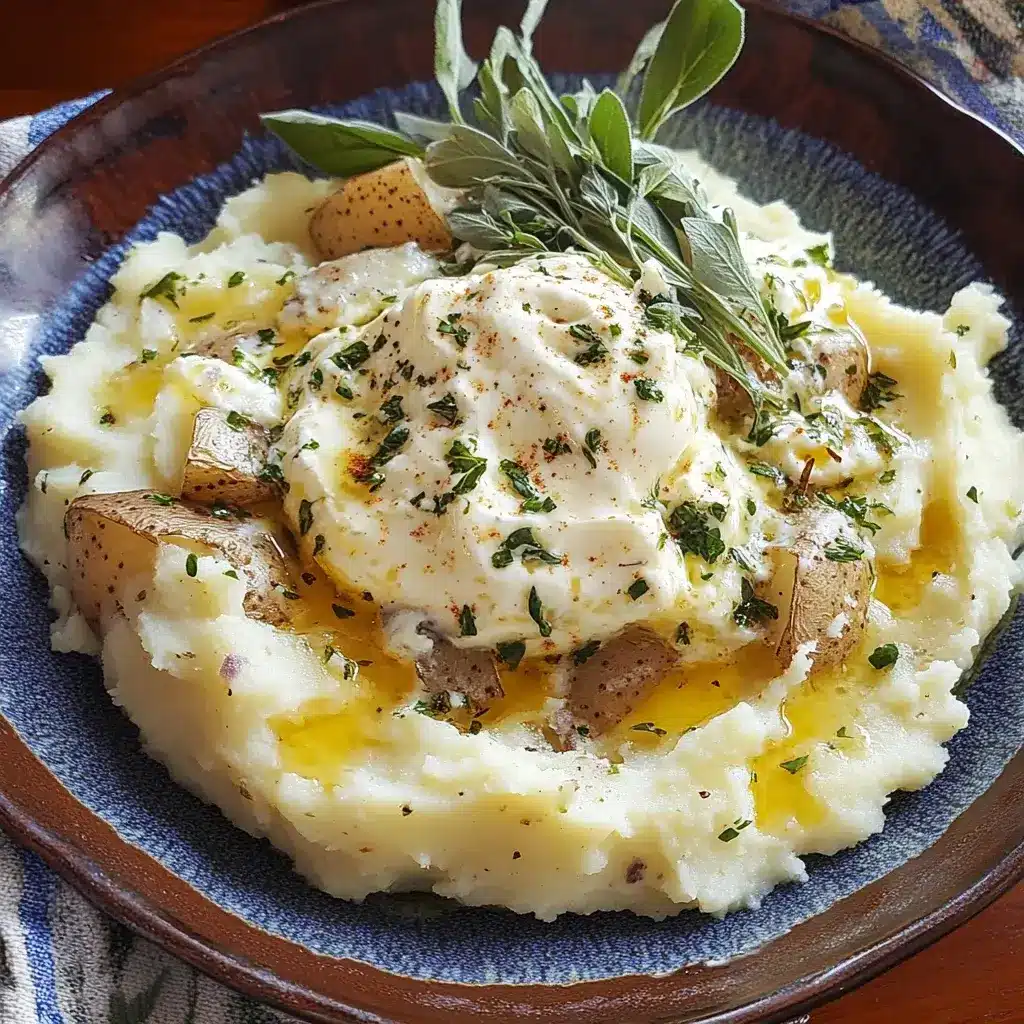

Mashed potatoes. Just the words conjure up images of cozy dinners, holiday feasts, and pure, unadulterated comfort. In our family, mashed potatoes are practically a love language. But sometimes, even comfort food can benefit from a little excitement. That’s where this Horseradish–Sour Cream Mashed Potatoes recipe comes in. It’s not just mashed potatoes; it’s mashed potatoes amplified. The creamy, dreamy base we all adore is there, but it’s taken to a new level with the subtle tang of sour cream and the surprising, yet delightful, zing of horseradish. The first time I made these, my family was instantly hooked. My husband, a self-proclaimed mashed potato purist, declared them “the best mashed potatoes he’d ever had.” My kids, usually indifferent to anything beyond butter and salt on their potatoes, actually asked for seconds. This recipe isn’t just a side dish; it’s a conversation starter, a flavor adventure, and a guaranteed way to elevate any meal from ordinary to extraordinary. Prepare to fall in love with mashed potatoes all over again.
Ingredients
The beauty of Horseradish–Sour Cream Mashed Potatoes lies in its simplicity. While the flavor profile is sophisticated, the ingredient list remains approachable and uses pantry staples with a few key additions. Here’s what you’ll need to create this creamy, zesty masterpiece:
- Potatoes: 3 pounds (approximately 1.36 kg) – Choosing the right potato is crucial for achieving that perfect mashed potato texture. Yukon Gold potatoes are highly recommended for this recipe. They strike the perfect balance of creamy and fluffy, holding their shape while boiling and mashing beautifully. Their naturally buttery flavor also complements the horseradish and sour cream. Alternatively, Russet potatoes can be used if you prefer a fluffier, less dense mash. However, Russets can become dry if over-mashed, so handle them gently. Avoid waxy potatoes like red potatoes or fingerling potatoes, as they don’t mash as well and will result in a gluey texture.
- Sour Cream: 1 cup (approximately 240ml) – Full-fat sour cream is essential for richness and flavor. The tanginess of the sour cream is a key component that balances the richness of the potatoes and butter and complements the horseradish. Reduced-fat sour cream can be used, but it will result in a less creamy and flavorful end product. For the best results, ensure your sour cream is cold when you add it to the mashed potatoes.
- Prepared Horseradish: 2-4 tablespoons (or to taste) – Prepared horseradish (not horseradish sauce or creamed horseradish) is the star of the show, providing that distinctive zesty kick. Start with 2 tablespoons and taste, adding more to reach your desired level of horseradish intensity. Different brands and types of prepared horseradish can vary in potency. Freshly grated horseradish is an even more potent and flavorful option if you’re feeling adventurous, but prepared horseradish is readily available and convenient. For a milder flavor, use 2 tablespoons. For a more pronounced horseradish flavor, go up to 4 tablespoons or even slightly more, adjusting to your personal preference.
- Butter: 8 tablespoons (1 stick or 113g) – Unsalted butter is recommended so you can control the overall saltiness of the dish. Butter adds richness, flavor, and that melt-in-your-mouth texture we all love in mashed potatoes. For a richer flavor, consider using European-style butter, which has a higher butterfat content.
- Milk or Cream: ½ – ¾ cup (approximately 120-180ml) – Whole milk or heavy cream can be used to achieve the desired consistency. Milk will result in lighter mashed potatoes, while cream will create a richer and more decadent texture. Start with ½ cup and add more gradually until you reach your preferred creaminess. You can also use half-and-half for a balance of richness and lightness. For a dairy-free option, unsweetened plant-based milk like oat milk or almond milk can be substituted, though it will alter the flavor and richness slightly.
- Fresh Chives (Optional for Garnish): 2 tablespoons, chopped – Fresh chives add a pop of color and a mild oniony flavor that complements the mashed potatoes beautifully. They are an optional but highly recommended garnish. Other fresh herbs like parsley or dill can also be used.
- Salt: To taste – Kosher salt or sea salt are preferred for their clean flavor. Salt is essential for bringing out the flavors of all the ingredients.
- Black Pepper: Freshly ground, to taste – Freshly ground black pepper adds a touch of warmth and spice.
Ingredient Notes for Optimal Flavor:
- Potato Quality: Choose firm, unblemished potatoes. Avoid potatoes with green spots or sprouts, as these can be bitter.
- Sour Cream Temperature: Ensure your sour cream is cold before adding it to the hot potatoes. This helps prevent it from curdling and keeps the mashed potatoes cool enough to handle.
- Horseradish Freshness: Check the expiration date of your prepared horseradish. Fresh horseradish has a more pungent flavor. If your horseradish has been in the refrigerator for a while, it may have lost some of its potency, and you may need to use more.
- Butter and Milk/Cream Warmth: Warming the butter and milk or cream before adding them to the potatoes helps them incorporate smoothly and creates a creamier texture. You can gently melt the butter and warm the milk/cream together in a saucepan or microwave.
- Salt Judiciously: Salt is crucial for flavor, but be careful not to over-salt. Start with a teaspoon of salt when boiling the potatoes and then season to taste after mashing. Remember that sour cream also has a slightly salty tang.
Instructions
Creating these Horseradish–Sour Cream Mashed Potatoes is a straightforward process, perfect for both beginner and experienced cooks. Follow these step-by-step instructions for mashed potato perfection:
- Prepare the Potatoes: Wash and scrub the potatoes thoroughly under cold running water. You can peel the potatoes if you prefer a smoother mash, but leaving the skins on adds nutrients, texture, and a slightly rustic flavor. If peeling, use a vegetable peeler to remove the skins. Cut the potatoes into roughly even-sized chunks, about 1-2 inches in size. This ensures they cook evenly.
- Boil the Potatoes: Place the potato chunks in a large pot and cover them with cold water. The water should be about an inch above the potatoes. Add about 1 teaspoon of salt to the water. Bring the pot to a boil over high heat. Once boiling, reduce the heat to medium-low and simmer gently until the potatoes are fork-tender. This usually takes about 15-20 minutes, depending on the size of the potato chunks and the type of potato. You’ll know they’re done when a fork easily pierces through the center of a potato chunk with no resistance.
- Drain and Dry the Potatoes: Once the potatoes are tender, carefully drain them in a colander. Return the drained potatoes to the empty pot. Place the pot back over low heat and let the potatoes steam dry for about 1-2 minutes, stirring occasionally. This step is crucial for removing excess moisture and preventing watery mashed potatoes. The residual heat will evaporate the remaining water.
- Mash the Potatoes: Remove the pot from the heat. Add the butter to the hot potatoes and let it melt. You can use a potato masher, a ricer, or an electric hand mixer (use with caution to avoid over-mixing). If using a potato masher, mash the potatoes until they are mostly smooth, leaving some lumps for a rustic texture if desired. For a smoother mash, use a ricer or pass the potatoes through a food mill. If using an electric hand mixer, beat the potatoes on low speed until smooth and creamy, being careful not to over-mix, which can make them gluey.
- Incorporate Sour Cream and Horseradish: Add the cold sour cream and prepared horseradish to the mashed potatoes. Gently fold them in with a spatula or spoon until just combined. Avoid over-mixing at this stage, as it can also lead to gluey mashed potatoes.
- Add Milk or Cream and Season: Gradually add the warm milk or cream, starting with ½ cup, and stir until the mashed potatoes reach your desired consistency. You may need more or less milk/cream depending on your preference and the type of potato used. Season generously with salt and freshly ground black pepper to taste. Taste and adjust seasonings as needed, adding more horseradish for a stronger flavor or more sour cream for extra tang.
- Serve and Garnish: Transfer the Horseradish–Sour Cream Mashed Potatoes to a serving bowl. Garnish with chopped fresh chives, if desired. Serve immediately while hot.
Tips for Perfect Mashed Potatoes:
- Start with Cold Water: Always start boiling potatoes in cold water. This allows them to cook evenly from the inside out.
- Don’t Overcook: Overcooked potatoes can become waterlogged and less flavorful. Cook them until just fork-tender.
- Steam Dry Thoroughly: The steaming step is essential for removing excess moisture and preventing watery mashed potatoes. Don’t skip it!
- Warm Milk/Cream and Butter: Using warm milk/cream and melted butter helps them incorporate smoothly into the hot potatoes and keeps the potatoes warm.
- Don’t Over-mix: Over-mixing mashed potatoes, especially with an electric mixer, releases too much starch and can result in a gluey, unpleasant texture. Mix just until combined and creamy.
- Taste and Season: Seasoning is key to flavorful mashed potatoes. Don’t be afraid to taste and adjust the salt, pepper, and horseradish to your liking.
Nutrition Facts
(Approximate values per serving, assuming 6 servings per batch. Nutritional values can vary based on specific ingredients and serving size.)
- Serving Size: Approximately 1 cup (240ml)
- Calories: Approximately 250-300 kcal
- Total Fat: 15-20g
- Saturated Fat: 9-12g (primarily from butter and sour cream)
- Cholesterol: 50-70mg
- Sodium: 200-300mg (depending on salt added and ingredients)
- Total Carbohydrates: 25-35g
- Dietary Fiber: 3-4g
- Sugars: 2-3g (naturally occurring sugars in potatoes and dairy)
- Protein: 4-5g
- Vitamin C: Moderate (Potatoes contain Vitamin C)
- Potassium: High (Potatoes are a good source of potassium)
- Calcium: Moderate (from sour cream and milk/cream)
- Other Micronutrients: Contains trace amounts of other vitamins and minerals found in potatoes, dairy, and horseradish.
Important Notes:
- Calorie Variation: The calorie count can vary depending on the amount of butter, sour cream, and milk/cream used, as well as the serving size. Using less butter or reduced-fat sour cream/milk will reduce the calorie and fat content.
- Fat Content: This recipe is relatively high in fat due to the butter and sour cream, which contribute to its creamy texture and rich flavor. If you are watching your fat intake, you can reduce the amount of butter and use reduced-fat sour cream and milk, but the texture and flavor will be slightly altered.
- Carbohydrate Content: Mashed potatoes are a carbohydrate-rich food due to their potato base. Individuals monitoring their carbohydrate intake should be mindful of portion sizes.
- Nutrient Density: While mashed potatoes are not a low-calorie food, they do provide some nutritional value, particularly potassium, Vitamin C, and fiber (especially if skins are left on). Sour cream and milk/cream contribute calcium and protein.
- Horseradish Benefits: Horseradish is known for its potential health benefits, including being a source of antioxidants and glucosinolates, which may have anti-inflammatory properties.
Preparation Time
This recipe is relatively quick to prepare, making it a great side dish for weeknight meals or holiday gatherings.
- Prep Time: 15-20 minutes (including washing, peeling/chopping potatoes, measuring ingredients)
- Cook Time: 20-25 minutes (boiling potatoes)
- Total Time: 35-45 minutes
Time-Saving Tips:
- Peel Potatoes Ahead (Optional): You can peel the potatoes up to a day in advance and store them submerged in cold water in the refrigerator to prevent browning. Drain and chop them just before cooking.
- Warm Milk/Cream and Butter Simultaneously: While the potatoes are boiling, you can warm the milk/cream and melt the butter in a separate saucepan or microwave to save time.
- Use Pre-Chopped Potatoes (Convenience): If you are extremely short on time, you can purchase pre-chopped potatoes from the grocery store, but they may be more expensive and may not be as fresh as whole potatoes.
How to Serve
Horseradish–Sour Cream Mashed Potatoes are a versatile side dish that pairs beautifully with a wide variety of main courses and can be served for various occasions. Here are some serving suggestions to elevate your mashed potato experience:
Serving Suggestions:
- Classic Meat Pairings:
- Roasted Beef: Perfect with roast beef, prime rib, or steak. The creamy, zesty potatoes complement the richness of the beef.
- Roast Chicken or Turkey: An excellent side for roasted poultry, especially for holiday meals like Thanksgiving and Christmas.
- Pork Tenderloin or Chops: The horseradish adds a nice contrast to the sweetness of pork.
- Meatloaf: A classic comfort food pairing. The mashed potatoes provide a creamy base alongside savory meatloaf.
- Sausages: Serve with grilled or pan-fried sausages for a hearty and satisfying meal.
- Fish and Seafood Pairings:
- Baked Salmon: The creamy potatoes and zesty horseradish provide a delicious counterpoint to flaky baked salmon.
- Pan-Seared White Fish: Pairs well with cod, halibut, or sea bass.
- Shrimp Scampi: Serve alongside shrimp scampi for a comforting and flavorful meal.
- Vegetarian Pairings:
- Lentil Loaf or Vegetarian Meatloaf: A hearty vegetarian main course complemented by creamy mashed potatoes.
- Mushroom Wellington: The richness of mushroom wellington is balanced by the zesty mashed potatoes.
- Roasted Vegetables: Serve alongside roasted root vegetables like carrots, parsnips, and beets for a colorful and balanced meal.
Serving Occasions:
- Holiday Dinners: Ideal for Thanksgiving, Christmas, Easter, and other holiday feasts.
- Sunday Suppers: Perfect for cozy Sunday dinners with family and friends.
- Weeknight Meals: Quick enough to prepare for weeknight dinners and elevates simple meals.
- Potlucks and Gatherings: A crowd-pleasing side dish to bring to potlucks, barbecues, and other gatherings.
- Special Occasions: Suitable for birthdays, anniversaries, and other special celebrations.
Garnishing Ideas:
- Fresh Chives: As mentioned, chopped fresh chives add a pop of color and mild oniony flavor.
- Fresh Parsley or Dill: Other fresh herbs that complement the flavors well.
- Paprika: A sprinkle of paprika adds a touch of color and subtle smoky flavor.
- Extra Butter: A pat of butter melting on top adds extra richness and visual appeal.
- Crispy Fried Onions: For added texture and flavor, top with crispy fried onions.
- Bacon Bits: If serving with meat, bacon bits can add a savory and salty crunch.
- A Drizzle of Olive Oil: A drizzle of high-quality olive oil adds richness and flavor, especially if using a more rustic mash.
Serving Temperature:
- Serve Hot: Mashed potatoes are best served hot and freshly made.
- Keep Warm (If Necessary): If you need to keep them warm for a short period, you can place them in a heatproof bowl set over a pot of simmering water (double boiler) or in a slow cooker on the “warm” setting. Avoid keeping them warm for too long, as they can dry out.
Additional Tips for the Best Horseradish–Sour Cream Mashed Potatoes
- Choose the Right Potato for Your Texture Preference: As mentioned earlier, Yukon Golds are ideal for a creamy and slightly dense mash, while Russets will yield a fluffier mash. Experiment with both to find your favorite texture. You can also use a blend of both Yukon Gold and Russet potatoes for a balanced texture.
- Control the Horseradish Heat: Start with 2 tablespoons of prepared horseradish and taste. Horseradish intensity can vary. Add more gradually, ½ tablespoon at a time, until you reach your desired level of zing. For a milder flavor, you can also rinse the prepared horseradish briefly under cold water before adding it to the potatoes to reduce some of its heat.
- Make it Ahead (Partially): You can boil and mash the potatoes ahead of time (up to a few hours) and keep them warm in a slow cooker or double boiler. However, it’s best to add the sour cream, horseradish, milk/cream, and seasonings just before serving to maintain the best texture and flavor. If making completely ahead, reheat gently over low heat, adding a little extra milk or cream if needed to restore creaminess.
- Infuse Your Milk or Cream for Extra Flavor: For an even more nuanced flavor, infuse your milk or cream with garlic or herbs. Simmer milk or cream with a few cloves of garlic or sprigs of thyme or rosemary for about 15-20 minutes, then strain before adding to the mashed potatoes. This will impart a subtle aromatic flavor.
- Add Roasted Garlic for Depth: Roasted garlic adds a mellow, sweet, and deeply savory flavor to mashed potatoes. Roast a head of garlic until soft and caramelized, then squeeze the roasted garlic cloves into the mashed potatoes along with the other ingredients. This will elevate the flavor profile and complement the horseradish and sour cream beautifully.
FAQ Section
Q1: Can I use low-fat sour cream or milk to make this recipe healthier?
A: Yes, you can use low-fat or reduced-fat sour cream and milk to reduce the fat and calorie content. However, be aware that using lower-fat dairy products will result in a less creamy and rich texture. The flavor will also be slightly less intense. For a healthier option without sacrificing too much creaminess, consider using half full-fat sour cream and half nonfat Greek yogurt, or using evaporated milk instead of cream.
Q2: I don’t have prepared horseradish, can I use horseradish sauce instead?
A: No, do not use horseradish sauce or creamed horseradish as a direct substitute for prepared horseradish. Horseradish sauce and creamed horseradish typically contain mayonnaise or other creamy ingredients and are much milder in flavor. They will not provide the same zesty kick as prepared horseradish. If you cannot find prepared horseradish, you can try using freshly grated horseradish, which is even more potent.
Q3: Can I freeze Horseradish–Sour Cream Mashed Potatoes?
A: While mashed potatoes can be frozen, their texture may change slightly upon thawing and reheating. Dairy-based mashed potatoes can sometimes become grainy after freezing. If you need to freeze them, allow the mashed potatoes to cool completely, then transfer them to freezer-safe containers or bags. To reheat, thaw in the refrigerator overnight and then reheat gently in a saucepan over low heat, adding a little milk or cream to restore creaminess. It’s generally best to make mashed potatoes fresh for optimal texture.
Q4: How can I make these mashed potatoes smoother?
A: For ultra-smooth mashed potatoes, use a ricer or food mill to mash the cooked potatoes instead of a potato masher. Ricing or milling creates a very fine and lump-free texture. Also, be careful not to over-mix the potatoes, especially with an electric mixer, as over-mixing can lead to gluey mashed potatoes. Pass the potatoes through the ricer or food mill while they are still hot for the best results.
Q5: Can I add other flavors to these mashed potatoes besides horseradish and sour cream?
A: Absolutely! Horseradish–Sour Cream Mashed Potatoes are a great base for adding other flavors. Consider adding:
* Cheese: Shredded cheddar cheese, Gruyere, or Parmesan cheese can be stirred in for cheesy mashed potatoes.
* Garlic: Roasted garlic or sautéed garlic cloves add a savory depth.
* Herbs: Fresh herbs like thyme, rosemary, dill, or parsley can be added for different flavor profiles.
* Bacon: Crispy bacon bits stirred in or sprinkled on top add smoky and salty flavor.
* Caramelized Onions: Sweet and savory caramelized onions create a delicious flavor combination.
Feel free to experiment and customize the recipe to your liking!

Horseradish Sour Cream Mashed Potatoes
Ingredients
- Potatoes: 3 pounds (approximately 1.36 kg) – Choosing the right potato is crucial for achieving that perfect mashed potato texture. Yukon Gold potatoes are highly recommended for this recipe. They strike the perfect balance of creamy and fluffy, holding their shape while boiling and mashing beautifully. Their naturally buttery flavor also complements the horseradish and sour cream. Alternatively, Russet potatoes can be used if you prefer a fluffier, less dense mash. However, Russets can become dry if over-mashed, so handle them gently. Avoid waxy potatoes like red potatoes or fingerling potatoes, as they don’t mash as well and will result in a gluey texture.
- Sour Cream: 1 cup (approximately 240ml) – Full-fat sour cream is essential for richness and flavor. The tanginess of the sour cream is a key component that balances the richness of the potatoes and butter and complements the horseradish. Reduced-fat sour cream can be used, but it will result in a less creamy and flavorful end product. For the best results, ensure your sour cream is cold when you add it to the mashed potatoes.
- Prepared Horseradish: 2-4 tablespoons (or to taste) – Prepared horseradish (not horseradish sauce or creamed horseradish) is the star of the show, providing that distinctive zesty kick. Start with 2 tablespoons and taste, adding more to reach your desired level of horseradish intensity. Different brands and types of prepared horseradish can vary in potency. Freshly grated horseradish is an even more potent and flavorful option if you’re feeling adventurous, but prepared horseradish is readily available and convenient. For a milder flavor, use 2 tablespoons. For a more pronounced horseradish flavor, go up to 4 tablespoons or even slightly more, adjusting to your personal preference.
- Butter: 8 tablespoons (1 stick or 113g) – Unsalted butter is recommended so you can control the overall saltiness of the dish. Butter adds richness, flavor, and that melt-in-your-mouth texture we all love in mashed potatoes. For a richer flavor, consider using European-style butter, which has a higher butterfat content.
- Milk or Cream: ½ – ¾ cup (approximately 120-180ml) – Whole milk or heavy cream can be used to achieve the desired consistency. Milk will result in lighter mashed potatoes, while cream will create a richer and more decadent texture. Start with ½ cup and add more gradually until you reach your preferred creaminess. You can also use half-and-half for a balance of richness and lightness. For a dairy-free option, unsweetened plant-based milk like oat milk or almond milk can be substituted, though it will alter the flavor and richness slightly.
- Fresh Chives (Optional for Garnish): 2 tablespoons, chopped – Fresh chives add a pop of color and a mild oniony flavor that complements the mashed potatoes beautifully. They are an optional but highly recommended garnish. Other fresh herbs like parsley or dill can also be used.
- Salt: To taste – Kosher salt or sea salt are preferred for their clean flavor. Salt is essential for bringing out the flavors of all the ingredients.
- Black Pepper: Freshly ground, to taste – Freshly ground black pepper adds a touch of warmth and spice.
Ingredient Notes for Optimal Flavor:
- Potato Quality: Choose firm, unblemished potatoes. Avoid potatoes with green spots or sprouts, as these can be bitter.
- Sour Cream Temperature: Ensure your sour cream is cold before adding it to the hot potatoes. This helps prevent it from curdling and keeps the mashed potatoes cool enough to handle.
- Horseradish Freshness: Check the expiration date of your prepared horseradish. Fresh horseradish has a more pungent flavor. If your horseradish has been in the refrigerator for a while, it may have lost some of its potency, and you may need to use more.
- Butter and Milk/Cream Warmth: Warming the butter and milk or cream before adding them to the potatoes helps them incorporate smoothly and creates a creamier texture. You can gently melt the butter and warm the milk/cream together in a saucepan or microwave.
- Salt Judiciously: Salt is crucial for flavor, but be careful not to over-salt. Start with a teaspoon of salt when boiling the potatoes and then season to taste after mashing. Remember that sour cream also has a slightly salty tang.
Instructions
- Prepare the Potatoes: Wash and scrub the potatoes thoroughly under cold running water. You can peel the potatoes if you prefer a smoother mash, but leaving the skins on adds nutrients, texture, and a slightly rustic flavor. If peeling, use a vegetable peeler to remove the skins. Cut the potatoes into roughly even-sized chunks, about 1-2 inches in size. This ensures they cook evenly.
- Boil the Potatoes: Place the potato chunks in a large pot and cover them with cold water. The water should be about an inch above the potatoes. Add about 1 teaspoon of salt to the water. Bring the pot to a boil over high heat. Once boiling, reduce the heat to medium-low and simmer gently until the potatoes are fork-tender. This usually takes about 15-20 minutes, depending on the size of the potato chunks and the type of potato. You’ll know they’re done when a fork easily pierces through the center of a potato chunk with no resistance.
- Drain and Dry the Potatoes: Once the potatoes are tender, carefully drain them in a colander. Return the drained potatoes to the empty pot. Place the pot back over low heat and let the potatoes steam dry for about 1-2 minutes, stirring occasionally. This step is crucial for removing excess moisture and preventing watery mashed potatoes. The residual heat will evaporate the remaining water.
- Mash the Potatoes: Remove the pot from the heat. Add the butter to the hot potatoes and let it melt. You can use a potato masher, a ricer, or an electric hand mixer (use with caution to avoid over-mixing). If using a potato masher, mash the potatoes until they are mostly smooth, leaving some lumps for a rustic texture if desired. For a smoother mash, use a ricer or pass the potatoes through a food mill. If using an electric hand mixer, beat the potatoes on low speed until smooth and creamy, being careful not to over-mix, which can make them gluey.
- Incorporate Sour Cream and Horseradish: Add the cold sour cream and prepared horseradish to the mashed potatoes. Gently fold them in with a spatula or spoon until just combined. Avoid over-mixing at this stage, as it can also lead to gluey mashed potatoes.
- Add Milk or Cream and Season: Gradually add the warm milk or cream, starting with ½ cup, and stir until the mashed potatoes reach your desired consistency. You may need more or less milk/cream depending on your preference and the type of potato used. Season generously with salt and freshly ground black pepper to taste. Taste and adjust seasonings as needed, adding more horseradish for a stronger flavor or more sour cream for extra tang.
- Serve and Garnish: Transfer the Horseradish–Sour Cream Mashed Potatoes to a serving bowl. Garnish with chopped fresh chives, if desired. Serve immediately while hot.
Tips for Perfect Mashed Potatoes:
- Start with Cold Water: Always start boiling potatoes in cold water. This allows them to cook evenly from the inside out.
- Don’t Overcook: Overcooked potatoes can become waterlogged and less flavorful. Cook them until just fork-tender.
- Steam Dry Thoroughly: The steaming step is essential for removing excess moisture and preventing watery mashed potatoes. Don’t skip it!
- Warm Milk/Cream and Butter: Using warm milk/cream and melted butter helps them incorporate smoothly into the hot potatoes and keeps the potatoes warm.
- Don’t Over-mix: Over-mixing mashed potatoes, especially with an electric mixer, releases too much starch and can result in a gluey, unpleasant texture. Mix just until combined and creamy.
- Taste and Season: Seasoning is key to flavorful mashed potatoes. Don’t be afraid to taste and adjust the salt, pepper, and horseradish to your liking.
Nutrition
- Serving Size: one normal portion
- Calories: 250-300 kcal
- Sugar: 2-3g
- Sodium: 200-300mg
- Fat: 15-20g
- Saturated Fat: 9-12g
- Carbohydrates: 25-35g
- Fiber: 3-4g
- Protein: 4-5g
- Cholesterol: 50-70mg