

Let’s be honest, vegetables sometimes get a bad rap. They’re relegated to the side, often steamed to oblivion, and rarely the star of the show. That was, until I stumbled upon the magic of Honey-Glazed Carrots and Parsnips. What started as a simple attempt to jazz up our Sunday roast vegetables quickly transformed into a family obsession. The moment those vibrant orange carrots and creamy white parsnips emerged from the oven, glistening with a rich honey glaze, I knew we were onto something special. The aroma alone – sweet, savory, and subtly spiced – was enough to draw everyone to the kitchen. And the taste? Oh, the taste! The natural sweetness of the carrots and parsnips is amplified and caramelized by the honey, creating a symphony of flavors that’s both comforting and sophisticated. Even my vegetable-averse child devoured them, proclaiming them “candy vegetables!” This Honey-Glazed Carrots and Parsnips recipe is a game-changer. It’s easy enough for a weeknight meal, elegant enough for a holiday feast, and utterly delicious every single time. Prepare to fall in love with vegetables all over again!
The Harmony of Sweet and Savory: Ingredients for Honey-Glazed Carrots and Parsnips
The beauty of this Honey-Glazed Carrots and Parsnips recipe lies in its simplicity. A handful of fresh, high-quality ingredients, when combined with the right technique, create a side dish that is far greater than the sum of its parts. Here’s what you’ll need to gather to create this vegetable masterpiece:
- 1 lb Carrots, peeled and cut into 1-inch pieces: Carrots are the vibrant workhorse of this dish. Choose firm, brightly colored carrots for the best flavor and visual appeal. Peeling is recommended for a smoother texture, but you can scrub them well and leave the skin on for added nutrients and a slightly more rustic look. Cutting them into uniform 1-inch pieces ensures even cooking. Baby carrots can be used for convenience, but whole carrots, when cut, tend to have a more intense carrot flavor.
- 1 lb Parsnips, peeled and cut into 1-inch pieces: Parsnips bring a unique sweetness and subtle peppery note that perfectly complements the carrots and honey glaze. Similar to carrots, choose firm parsnips. Peeling is essential as parsnip skin can be slightly bitter. Cut them into 1-inch pieces, roughly the same size as the carrots, for even roasting. Parsnips can sometimes be thicker at the top than the bottom; try to cut them in a way that ensures relatively uniform thickness for even cooking.
- 3 Tablespoons Olive Oil: Olive oil is the foundation for roasting, helping the vegetables caramelize and develop flavor. Extra virgin olive oil is recommended for its superior flavor and health benefits, but regular olive oil will also work. The oil coats the vegetables, preventing them from drying out and promoting browning.
- 2 Tablespoons Honey: Honey is the star of the glaze, lending its natural sweetness, floral notes, and beautiful shine. Use a good quality honey for the best flavor. Different types of honey (clover, wildflower, buckwheat, etc.) will impart slightly different flavor nuances. Experiment with your favorites! For a vegan option, maple syrup or agave nectar can be substituted, though the flavor profile will be slightly different.
- 2 Tablespoons Butter (or Vegan Butter Alternative): Butter adds richness, flavor, and a beautiful velvety texture to the glaze. It also helps the glaze cling to the vegetables. Unsalted butter is recommended to control the saltiness of the dish. For a vegan version, use a high-quality vegan butter alternative that melts and browns well. Coconut oil can also be used, though it will impart a slight coconut flavor.
- 2 Cloves Garlic, minced: Garlic provides a savory counterpoint to the sweetness of the honey, adding depth and complexity to the glaze. Freshly minced garlic is crucial for the best flavor. Don’t be afraid to add an extra clove if you love garlic!
- 1 Teaspoon Dried Thyme (or 2 Teaspoons Fresh Thyme Leaves): Thyme adds a warm, earthy, and slightly lemony herbaceous note that complements both carrots and parsnips beautifully. Dried thyme is convenient, but fresh thyme leaves will offer a brighter, more pronounced flavor. You can also experiment with other herbs like rosemary, sage, or oregano.
- 1/2 Teaspoon Salt: Salt enhances the natural sweetness of the vegetables and balances the flavors of the glaze. Use sea salt or kosher salt for the best taste.
- 1/4 Teaspoon Black Pepper: Freshly ground black pepper adds a touch of warmth and spice, complementing the sweetness and savory notes.
Roasting to Perfection: Step-by-Step Instructions for Honey-Glazed Carrots and Parsnips
Creating these delectable Honey-Glazed Carrots and Parsnips is surprisingly straightforward. Follow these simple steps to transform humble root vegetables into a gourmet side dish:
Step 1: Prepare the Vegetables (10 minutes)
- Preheat Oven: Preheat your oven to 400°F (200°C). Ensure your oven is properly preheated for even roasting.
- Prepare Carrots and Parsnips: Peel the carrots and parsnips. Cut both vegetables into roughly 1-inch thick pieces. Try to cut them into similar sizes for even cooking. If parsnips are very thick at the top, you might need to halve or quarter the thicker pieces lengthwise to match the carrot size.
- Toss with Olive Oil, Salt, and Pepper: In a large bowl, toss the prepared carrots and parsnips with olive oil, salt, and black pepper. Ensure the vegetables are evenly coated with oil and seasoning. This step is crucial for flavor development and preventing sticking during roasting.
Step 2: Roast the Vegetables (25-30 minutes)
- Spread Vegetables on Baking Sheet: Spread the oiled and seasoned carrots and parsnips in a single layer on a large baking sheet. Avoid overcrowding the pan, as this will steam the vegetables instead of roasting them, hindering caramelization and crisping. If necessary, use two baking sheets.
- Roast: Roast in the preheated oven for 25-30 minutes, or until the vegetables are tender-crisp and slightly caramelized. Roasting time can vary depending on the size of the vegetable pieces and your oven. Check for doneness by piercing a carrot and parsnip piece with a fork – they should be easily pierced but still have a slight bite.
- Flip Halfway Through (Optional but Recommended): For more even browning, flip the vegetables halfway through the roasting time (around 15 minutes). This ensures all sides get nicely caramelized.
Step 3: Make the Honey-Garlic Glaze (5 minutes)
- Melt Butter in Skillet: While the vegetables are roasting, prepare the honey-garlic glaze. In a small skillet or saucepan, melt the butter (or vegan butter alternative) over medium heat.
- Sauté Garlic: Add the minced garlic to the melted butter and sauté for about 1-2 minutes, until fragrant. Be careful not to burn the garlic, as it will become bitter. Sautéing the garlic in butter infuses the butter with garlic flavor and mellows the garlic’s pungency.
- Add Honey and Thyme: Stir in the honey and dried thyme (or fresh thyme leaves) to the skillet. Heat through and simmer gently for about 1-2 minutes, allowing the flavors to meld together and the glaze to slightly thicken. Simmering helps the honey slightly reduce and become more syrupy.
Step 4: Glaze and Finish Roasting (5-10 minutes)
- Pour Glaze Over Vegetables: Once the carrots and parsnips are tender-crisp, remove the baking sheet from the oven. Pour the honey-garlic glaze evenly over the roasted vegetables.
- Toss to Coat: Gently toss the vegetables to ensure they are evenly coated with the honey glaze.
- Return to Oven and Roast: Return the baking sheet to the oven and roast for another 5-10 minutes, or until the glaze is beautifully caramelized and the vegetables are tender and glossy. Keep a close eye on the vegetables during this final roasting stage, as the honey glaze can burn easily if roasted for too long or at too high a temperature. The goal is a lovely caramelized glaze, not burnt edges.
- Optional Broil for Extra Caramelization (1-2 minutes – Watch Carefully): For an even deeper caramelized glaze and slightly crispier edges, you can broil the vegetables for the last 1-2 minutes of roasting. Watch them very closely under the broiler, as the glaze can burn quickly. Broiling is optional but can enhance the visual appeal and flavor.
Step 5: Serve and Enjoy!
- Serve Hot: Remove the Honey-Glazed Carrots and Parsnips from the oven and serve immediately while they are hot, glossy, and flavorful.
- Garnish (Optional): Garnish with fresh thyme sprigs or chopped fresh parsley for added visual appeal and a touch of freshness.
Nutritional Value in Every Bite: Honey-Glazed Carrots and Parsnips Nutrition Facts
Beyond their delightful taste, Honey-Glazed Carrots and Parsnips offer a wealth of nutritional benefits. This side dish is not only delicious but also contributes to a healthy and balanced meal. Here’s a general overview of the nutritional information for one serving of Honey-Glazed Carrots and Parsnips (estimated and may vary based on specific ingredients and portion sizes):
- Servings: Approximately 6 servings
- Calories per Serving: Approximately 150-200 calories (This is an estimate and can vary based on portion size and specific amounts of honey, butter, and olive oil used).
Key Nutrients (per serving, approximate):
- Vitamins:
- Vitamin A: Carrots and parsnips are both excellent sources of Vitamin A (primarily as beta-carotene), crucial for vision, immune function, skin health, and cell growth. Carrots are particularly renowned for their high beta-carotene content.
- Vitamin K: Parsnips are a good source of Vitamin K, important for blood clotting and bone health.
- Vitamin C: Carrots and parsnips contain Vitamin C, an antioxidant that supports immune function and collagen production.
- B Vitamins: Both vegetables provide various B vitamins, essential for energy metabolism and nerve function.
- Minerals:
- Potassium: Carrots and parsnips are good sources of potassium, an electrolyte important for maintaining healthy blood pressure and muscle function.
- Fiber: Both vegetables are good sources of dietary fiber, aiding digestion, promoting satiety, and regulating blood sugar levels. Fiber is beneficial for gut health and overall well-being.
- Antioxidants: Carrots and parsnips are rich in antioxidants, including carotenoids and other phytonutrients, which help protect cells from damage caused by free radicals.
- Carbohydrates: Provides natural carbohydrates from the vegetables themselves, along with a small amount of added sugar from the honey. These are primarily complex carbohydrates and fiber, offering sustained energy.
Important Note: While honey adds some sugar and calories, it also contributes to the flavor and appeal of this dish, making it a more enjoyable way to consume nutrient-rich vegetables. Using olive oil and butter in moderation provides healthy fats that are essential for nutrient absorption and overall health. This is a naturally vegetarian and easily adaptable vegan dish, making it suitable for various dietary needs.
Preparation Timeline: From Pantry to Plate in Under 45 Minutes
Honey-Glazed Carrots and Parsnips are a wonderfully efficient side dish, perfect for busy weeknights or when you need a flavorful and impressive vegetable offering without spending hours in the kitchen.
- Prep Time: 15 minutes (includes peeling and cutting vegetables, mincing garlic, and preparing glaze ingredients)
- Cook Time: 30-40 minutes (includes roasting vegetables and glazing time)
- Total Time: Approximately 45-55 minutes
This timeframe makes Honey-Glazed Carrots and Parsnips an ideal choice for a quick yet satisfying side dish. The roasting process is mostly hands-off, allowing you to focus on other elements of your meal while the vegetables are transforming in the oven.
Serving Suggestions: Elevating Your Honey-Glazed Carrots and Parsnips Experience
Honey-Glazed Carrots and Parsnips are incredibly versatile and can complement a wide range of main courses and cuisines. Here are some serving suggestions to enhance your dining experience:
Main Course Pairings:
- Roasted Chicken or Turkey: A classic pairing! Honey-Glazed Carrots and Parsnips are a natural partner for roasted poultry, especially for Sunday roasts or holiday meals like Thanksgiving or Christmas.
- Roast Beef or Pork: The sweetness of the glaze complements the savory richness of roast beef or pork beautifully.
- Grilled Salmon or White Fish: For a lighter meal, serve alongside grilled salmon or other white fish. The sweet and savory vegetables provide a lovely contrast to the delicate fish.
- Vegetarian Mains: Pair with vegetarian main courses like lentil loaf, nut roast, or vegetarian Wellington for a complete and satisfying vegetarian meal.
- Holiday Feasts: An essential side dish for Thanksgiving, Christmas, Easter, or any holiday gathering. They add color, flavor, and nutritional value to the festive table.
Serving Styles and Garnishes:
- Classic Side Dish: Serve simply as a side dish alongside your chosen main course.
- Family Style Platter: Arrange the Honey-Glazed Carrots and Parsnips on a serving platter for family-style dining.
- Elegant Individual Portions: For a more formal setting, arrange individual portions on plates as an elegant side.
- Garnish with Fresh Herbs: Garnish with fresh thyme sprigs, chopped fresh parsley, or chives for added visual appeal and a touch of freshness.
- Sprinkle with Toasted Nuts: For added texture and flavor, sprinkle with toasted chopped nuts like pecans, walnuts, or almonds.
- Drizzle with Balsamic Glaze: A drizzle of balsamic glaze can add a tangy and slightly sweet counterpoint to the honey glaze.
Expert Tips for Honey-Glazed Carrots and Parsnips Perfection
To ensure your Honey-Glazed Carrots and Parsnips are consistently delicious and impressive, keep these expert tips in mind:
- Uniform Vegetable Size is Key: Cut the carrots and parsnips into roughly uniform 1-inch pieces. This ensures even cooking and prevents some pieces from being undercooked while others are overcooked.
- Don’t Overcrowd the Baking Sheet: Spread the vegetables in a single layer on the baking sheet, leaving space between them. Overcrowding will steam the vegetables instead of roasting them, resulting in less caramelization and a less desirable texture. Use two baking sheets if necessary.
- Roast at the Right Temperature: Roasting at 400°F (200°C) is ideal for caramelizing the vegetables while ensuring they cook through without burning. Adjust oven temperature slightly if needed based on your oven’s performance.
- Watch the Glaze During Final Roasting: The honey glaze can burn easily if roasted for too long or at too high a temperature in the final glazing stage. Keep a close eye on the vegetables and reduce oven temperature slightly or shorten roasting time if you notice the glaze browning too quickly.
- Taste and Adjust Seasoning: Taste the roasted vegetables before serving and adjust seasoning as needed. You might want to add a pinch more salt, pepper, or even a squeeze of lemon juice for brightness, depending on your preference.
Frequently Asked Questions (FAQ) About Honey-Glazed Carrots and Parsnips
Q1: Can I make Honey-Glazed Carrots and Parsnips ahead of time?
A: While best served fresh, you can prepare the vegetables and glaze components ahead of time. You can peel and cut the carrots and parsnips up to a day in advance and store them in an airtight container in the refrigerator. You can also make the honey-garlic glaze ahead of time and store it at room temperature. When ready to serve, roast the vegetables and then glaze them as per the recipe instructions. Reheating fully glazed vegetables is not recommended as the glaze can become sticky or lose its shine.
Q2: Can I use other vegetables in this recipe?
A: Yes, you can definitely adapt this recipe with other root vegetables. Consider adding sweet potatoes, butternut squash, or rutabaga. Adjust roasting time as needed depending on the density of the vegetables. Root vegetables with similar cooking times to carrots and parsnips work best.
Q3: Can I make this recipe vegan?
A: Absolutely! To make Honey-Glazed Carrots and Parsnips vegan, simply substitute the butter with a high-quality vegan butter alternative or coconut oil. Maple syrup or agave nectar can also be used as a honey substitute, though the flavor profile will be slightly different. The rest of the ingredients are naturally vegan-friendly.
Q4: Can I add other spices or herbs?
A: Yes, feel free to experiment with other spices and herbs to customize the flavor profile. Good additions include:
* Spices: Cinnamon, ginger, nutmeg, cloves (especially for holiday versions). A pinch of warming spices can enhance the sweetness and autumnal notes.
* Herbs: Rosemary, sage, oregano, fresh parsley, chives. Choose herbs that complement the other flavors and your main course.
* Citrus Zest: Lemon or orange zest can add a bright and zesty note to the glaze.
Q5: How do I store leftover Honey-Glazed Carrots and Parsnips?
A: Store leftover Honey-Glazed Carrots and Parsnips in an airtight container in the refrigerator for up to 3-4 days. Reheat them gently in the oven or microwave until warmed through. Note that the glaze may soften slightly upon reheating, but they will still be delicious. They are best enjoyed fresh for optimal texture and glaze appearance.
Print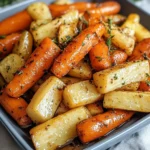
Honey-Glazed Carrots and Parsnips recipe
Ingredients
-
- 1 lb Carrots, peeled and cut into 1-inch pieces: Carrots are the vibrant workhorse of this dish. Choose firm, brightly colored carrots for the best flavor and visual appeal. Peeling is recommended for a smoother texture, but you can scrub them well and leave the skin on for added nutrients and a slightly more rustic look. Cutting them into uniform 1-inch pieces ensures even cooking. Baby carrots can be used for convenience, but whole carrots, when cut, tend to have a more intense carrot flavor.
-
- 1 lb Parsnips, peeled and cut into 1-inch pieces: Parsnips bring a unique sweetness and subtle peppery note that perfectly complements the carrots and honey glaze. Similar to carrots, choose firm parsnips. Peeling is essential as parsnip skin can be slightly bitter. Cut them into 1-inch pieces, roughly the same size as the carrots, for even roasting. Parsnips can sometimes be thicker at the top than the bottom; try to cut them in a way that ensures relatively uniform thickness for even cooking.
-
- 3 Tablespoons Olive Oil: Olive oil is the foundation for roasting, helping the vegetables caramelize and develop flavor. Extra virgin olive oil is recommended for its superior flavor and health benefits, but regular olive oil will also work. The oil coats the vegetables, preventing them from drying out and promoting browning.
-
- 2 Tablespoons Honey: Honey is the star of the glaze, lending its natural sweetness, floral notes, and beautiful shine. Use a good quality honey for the best flavor. Different types of honey (clover, wildflower, buckwheat, etc.) will impart slightly different flavor nuances. Experiment with your favorites! For a vegan option, maple syrup or agave nectar can be substituted, though the flavor profile will be slightly different.
-
- 2 Tablespoons Butter (or Vegan Butter Alternative): Butter adds richness, flavor, and a beautiful velvety texture to the glaze. It also helps the glaze cling to the vegetables. Unsalted butter is recommended to control the saltiness of the dish. For a vegan version, use a high-quality vegan butter alternative that melts and browns well. Coconut oil can also be used, though it will impart a slight coconut flavor.
-
- 2 Cloves Garlic, minced: Garlic provides a savory counterpoint to the sweetness of the honey, adding depth and complexity to the glaze. Freshly minced garlic is crucial for the best flavor. Don’t be afraid to add an extra clove if you love garlic!
-
- 1 Teaspoon Dried Thyme (or 2 Teaspoons Fresh Thyme Leaves): Thyme adds a warm, earthy, and slightly lemony herbaceous note that complements both carrots and parsnips beautifully. Dried thyme is convenient, but fresh thyme leaves will offer a brighter, more pronounced flavor. You can also experiment with other herbs like rosemary, sage, or oregano.
-
- 1/2 Teaspoon Salt: Salt enhances the natural sweetness of the vegetables and balances the flavors of the glaze. Use sea salt or kosher salt for the best taste.
-
- 1/4 Teaspoon Black Pepper: Freshly ground black pepper adds a touch of warmth and spice, complementing the sweetness and savory notes.
Instructions
Step 1: Prepare the Vegetables (10 minutes)
-
- Preheat Oven: Preheat your oven to 400°F (200°C). Ensure your oven is properly preheated for even roasting.
-
- Prepare Carrots and Parsnips: Peel the carrots and parsnips. Cut both vegetables into roughly 1-inch thick pieces. Try to cut them into similar sizes for even cooking. If parsnips are very thick at the top, you might need to halve or quarter the thicker pieces lengthwise to match the carrot size.
-
- Toss with Olive Oil, Salt, and Pepper: In a large bowl, toss the prepared carrots and parsnips with olive oil, salt, and black pepper. Ensure the vegetables are evenly coated with oil and seasoning. This step is crucial for flavor development and preventing sticking during roasting.
Step 2: Roast the Vegetables (25-30 minutes)
-
- Spread Vegetables on Baking Sheet: Spread the oiled and seasoned carrots and parsnips in a single layer on a large baking sheet. Avoid overcrowding the pan, as this will steam the vegetables instead of roasting them, hindering caramelization and crisping. If necessary, use two baking sheets.
-
- Roast: Roast in the preheated oven for 25-30 minutes, or until the vegetables are tender-crisp and slightly caramelized. Roasting time can vary depending on the size of the vegetable pieces and your oven. Check for doneness by piercing a carrot and parsnip piece with a fork – they should be easily pierced but still have a slight bite.
-
- Flip Halfway Through (Optional but Recommended): For more even browning, flip the vegetables halfway through the roasting time (around 15 minutes). This ensures all sides get nicely caramelized.
Step 3: Make the Honey-Garlic Glaze (5 minutes)
-
- Melt Butter in Skillet: While the vegetables are roasting, prepare the honey-garlic glaze. In a small skillet or saucepan, melt the butter (or vegan butter alternative) over medium heat.
-
- Sauté Garlic: Add the minced garlic to the melted butter and sauté for about 1-2 minutes, until fragrant. Be careful not to burn the garlic, as it will become bitter. Sautéing the garlic in butter infuses the butter with garlic flavor and mellows the garlic’s pungency.
-
- Add Honey and Thyme: Stir in the honey and dried thyme (or fresh thyme leaves) to the skillet. Heat through and simmer gently for about 1-2 minutes, allowing the flavors to meld together and the glaze to slightly thicken. Simmering helps the honey slightly reduce and become more syrupy.
Step 4: Glaze and Finish Roasting (5-10 minutes)
-
- Pour Glaze Over Vegetables: Once the carrots and parsnips are tender-crisp, remove the baking sheet from the oven. Pour the honey-garlic glaze evenly over the roasted vegetables.
-
- Toss to Coat: Gently toss the vegetables to ensure they are evenly coated with the honey glaze.
-
- Return to Oven and Roast: Return the baking sheet to the oven and roast for another 5-10 minutes, or until the glaze is beautifully caramelized and the vegetables are tender and glossy. Keep a close eye on the vegetables during this final roasting stage, as the honey glaze can burn easily if roasted for too long or at too high a temperature. The goal is a lovely caramelized glaze, not burnt edges.
-
- Optional Broil for Extra Caramelization (1-2 minutes – Watch Carefully): For an even deeper caramelized glaze and slightly crispier edges, you can broil the vegetables for the last 1-2 minutes of roasting. Watch them very closely under the broiler, as the glaze can burn quickly. Broiling is optional but can enhance the visual appeal and flavor.
Step 5: Serve and Enjoy!
-
- Serve Hot: Remove the Honey-Glazed Carrots and Parsnips from the oven and serve immediately while they are hot, glossy, and flavorful.
-
- Garnish (Optional): Garnish with fresh thyme sprigs or chopped fresh parsley for added visual appeal and a touch of freshness.
Nutrition
- Serving Size: one normal portion
- Calories: 150-200