
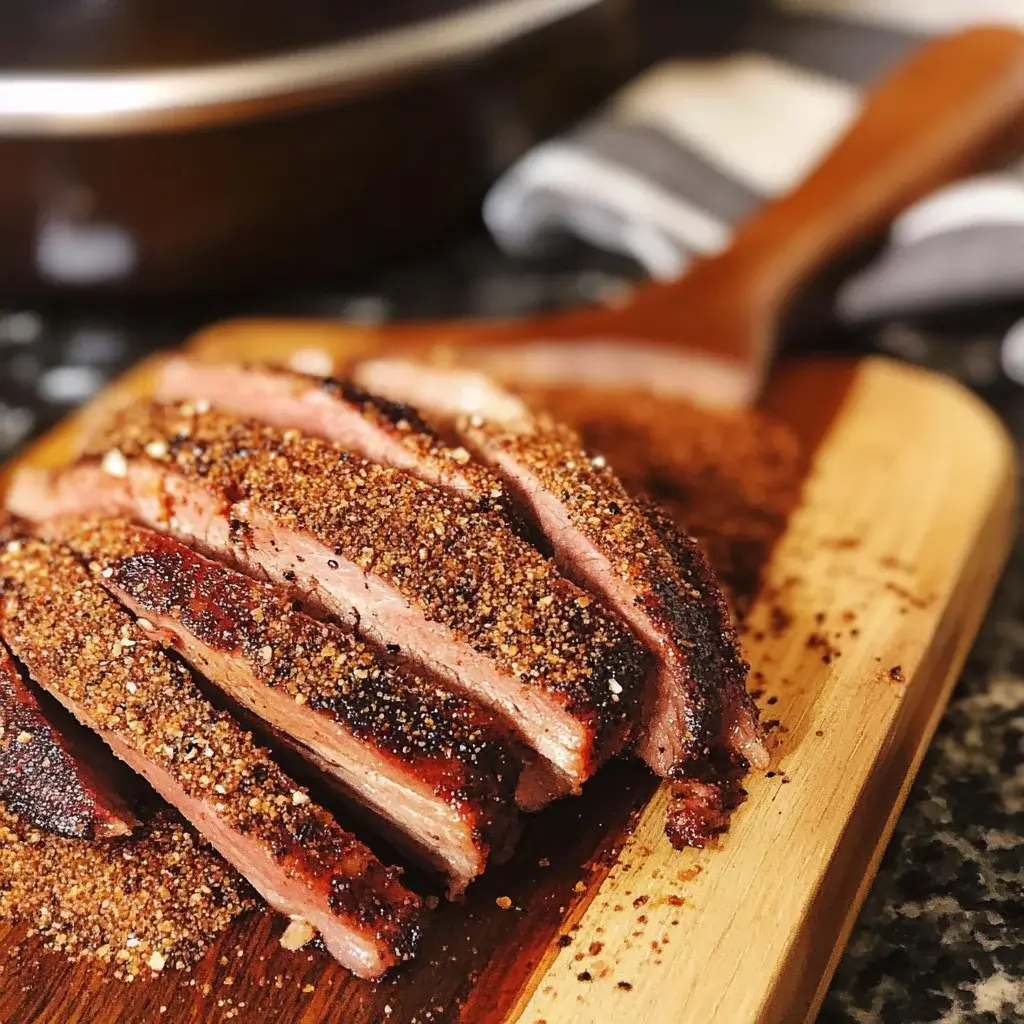

My journey into the world of barbecue started, like many, with store-bought rubs and sauces. They were fine, convenient even. But then I had my first taste of authentic Texas brisket, slow-smoked to perfection, with a bark so flavorful it was almost a religious experience. I asked the pitmaster, a kind, weathered gentleman with smoke ingrained in his smile, what his secret was. He just winked and said, “Salt, pepper, patience, and a little bit of love, son.” While “love” is hard to quantify, I knew the “salt and pepper” part was deceptively simple. Over the years, I’ve experimented relentlessly, starting with that purist S&P base and gradually adding layers of flavor that complement, rather than overpower, the beautiful meat. This Homemade Texas BBQ Rub is the culmination of that journey. It’s what I use on everything from brisket to ribs to chicken, and my family RAVES about it. My kids call it “Dad’s magic dust,” and frankly, watching them devour a rack of ribs coated in this rub is one of my greatest joys. It’s robust, savory, with just a hint of smokiness and a subtle kick, creating that quintessential dark, crispy bark we all crave.
The Ultimate Homemade Texas BBQ Rub: Unlock Authentic Flavor
When it comes to American barbecue, Texas holds a legendary status, particularly for its beef-centric traditions and its emphasis on bold, straightforward flavors. At the heart of much Texas BBQ, especially Central Texas style, is a rub that lets the quality of the meat shine. While some purists stick to just salt and coarse black pepper, this recipe builds upon that classic foundation to create a versatile, deeply flavorful Homemade Texas BBQ Rub that will elevate your briskets, ribs, chicken, and more. Forget the store-bought stuff filled with unpronounceable ingredients; this rub is easy to make, uses common pantry spices, and puts you in control of the flavor.
Ingredients: The Quintessential Texas Blend
This blend focuses on savory, smoky, and peppery notes, with just enough complexity to create an incredible bark and enhance the natural taste of the meat.
- Coarse Kosher Salt (1/2 cup / 120g): The backbone of any good rub. Kosher salt (like Diamond Crystal or Morton Coarse Kosher Salt) has larger crystals that adhere well to meat and dissolve slowly, seasoning deeply. Avoid fine table salt, as it’s much saltier by volume and can lead to over-salting.
- Coarse Ground Black Pepper (1/2 cup / 60g): Freshly ground 16-mesh “butcher grind” pepper is ideal for authentic Texas flavor, providing a robust, peppery bite and texture. If you can’t find 16-mesh, use the coarsest ground black pepper you can find.
- Smoked Paprika (1/4 cup / 30g): Adds a deep red color to the bark and a wonderful smoky flavor, even if you’re not using a smoker. Sweet or hot smoked paprika can be used depending on your preference.
- Garlic Powder (2 tablespoons / 18g): Provides a savory, aromatic depth. Ensure it’s garlic powder, not garlic salt.
- Onion Powder (2 tablespoons / 18g): Complements the garlic powder with a subtle, sweetish onion flavor that rounds out the savory profile.
- Chili Powder (American) (2 tablespoons / 16g): Adds a mild warmth, complexity, and characteristic reddish-brown hue. American chili powder is a blend of spices, not pure ground chilies.
- Cayenne Pepper (1 teaspoon to 1 tablespoon / 2-6g, adjust to taste): For a touch of heat. Start with less if you’re sensitive to spice; you can always add more. For a truly mild rub, you can omit it.
- Brown Sugar (2 tablespoons / 25g, optional but recommended for pork/chicken): While not always traditional in pure Texas beef rubs, a little brown sugar aids in caramelization and bark formation, especially for pork ribs or chicken. For beef brisket, many purists omit sugar. Use light or dark brown sugar.
- Ground Cumin (1 teaspoon / 2g, optional): Adds a subtle earthy, warm note that complements the other spices well, though not strictly traditional in all Texas styles.
Step-by-Step Instructions: Crafting Your Rub
Making your own BBQ rub couldn’t be simpler. It’s a matter of measuring and mixing.
- Gather Your Spices: Measure out all your ingredients accurately. Using fresh, good-quality spices will make a noticeable difference in the final flavor of your rub.
- Combine Ingredients: In a medium-sized bowl, combine the coarse kosher salt, coarse ground black pepper, smoked paprika, garlic powder, onion powder, chili powder, and cayenne pepper. If you’re using the optional brown sugar and/or ground cumin, add them now.
- Mix Thoroughly: Whisk all the ingredients together until they are very well combined and the color is uniform. If using brown sugar, make sure to break up any clumps so it distributes evenly throughout the mixture.
- Check for Clumps (Optional Sift): If your spices (especially brown sugar, garlic powder, or onion powder) are prone to clumping, you can sift the mixture through a coarse sieve to ensure a fine, even consistency. This isn’t always necessary but can improve the texture.
- Store for Later Use: Transfer the finished rub into an airtight container. A glass jar with a tight-fitting lid works best. Label it with the name and date it was made.
Nutritional Snapshot (Approximate)
The nutritional information for a dry rub is primarily influenced by the salt and any sugar content. Spices themselves contribute negligible calories.
- Serving Size: 1 tablespoon (approx. 10-15g, depending on density)
- Servings per Batch: This recipe yields approximately 1 3/4 to 2 cups of rub, which is roughly 28-32 tablespoons.
- Calories per serving (1 tablespoon): Approximately 10-20 calories (mostly from optional brown sugar if used).
- Note: The primary nutritional consideration for a rub is its sodium content. This rub is designed for generous application, and much of it forms the bark rather than being fully absorbed into the meat.
Time Investment: Quick and Easy Flavor Boost
One of the best things about making your own rub is how little time it takes.
- Preparation Time: 5-10 minutes
- Cook Time: N/A (The rub is used in the cooking process of your meat)
- Total Time: 5-10 minutes to make a batch that will last you for several BBQ sessions.
How to Use Your Texas BBQ Rub: Beyond Brisket
This Homemade Texas BBQ Rub is incredibly versatile. While it’s a dream on beef brisket, don’t limit its potential! Here’s how to use it to maximize flavor on various cuts:
- Beef:
- Brisket: The king of Texas BBQ. Apply a very generous, even coat to the entire brisket (fat cap and meat side) at least an hour before smoking, or ideally, 8-12 hours (or overnight) wrapped in plastic wrap in the refrigerator. This allows the salt to penetrate and flavor the meat deeply.
- Beef Ribs (Plate Ribs/Dino Ribs): Treat them like mini briskets. Apply a liberal coating of the rub and let them sit for a few hours or overnight before smoking.
- Steaks (Ribeye, Sirloin, Tri-Tip): Use as a seasoning before grilling or pan-searing. Apply about 30-60 minutes before cooking.
- Beef Roasts (Chuck Roast for pulled beef): Rub generously before slow cooking, smoking, or braising.
- Pork:
- Pork Ribs (Spare Ribs, Baby Backs): Apply a good, even coat. You can apply it just before they go on the smoker, or a few hours ahead. If using the optional brown sugar, it will help create a beautiful mahogany bark.
- Pork Shoulder/Butt (for Pulled Pork): This rub is fantastic for pulled pork. Apply generously all over the pork butt, working it into any crevices. Let it sit, wrapped, in the fridge for several hours or overnight before smoking or slow cooking.
- Pork Chops: Season pork chops 30-60 minutes before grilling or pan-frying.
- Pork Tenderloin: A lighter application works well for more delicate pork tenderloin.
- Poultry:
- Whole Chicken/Turkey (Smoked or Roasted): Pat the bird dry, then apply the rub generously all over the skin and inside the cavity. For best results, try to get some rub under the skin of the breast and thighs.
- Chicken Wings: Toss wings with a bit of oil, then generously coat with the rub before baking, grilling, or smoking.
- Chicken Thighs/Breasts: Excellent for grilling or baking.
- Other Delicious Applications:
- Grilled or Roasted Vegetables: Toss vegetables like potatoes, corn on the cob, bell peppers, zucchini, or asparagus with a little olive oil and a sprinkle of this rub before cooking.
- Homemade Beef Jerky: Use as a key flavoring component in your jerky marinade or dry cure.
- Seasoning for Ground Meat: Mix into ground beef for burgers or meatloaf for an extra flavor kick.
- Popcorn Seasoning: For a savory, smoky snack.
- Bloody Mary Rim: Add a Texas twist to your favorite brunch cocktail.
Application Tip: For larger cuts like brisket or pork shoulder, don’t be shy! You want a good, even coating that will help form that desirable “bark” during the smoking process. Pat the rub onto the meat rather than actually “rubbing” it in, which can cause it to clump.
Pro Tips for Rub Perfection
Take your homemade rub game to the next level with these expert tips:
- Freshness is Paramount: Use the freshest spices you can find. Ground spices lose their potency over time. If your paprika has been sitting in the cupboard for three years, it’s time for a new jar. Consider grinding whole spices like peppercorns yourself for maximum flavor.
- Kosher Salt is Non-Negotiable (Almost): As mentioned, the crystal size and composition of kosher salt make it ideal for rubs. It adheres better and dissolves more slowly than table salt. If you must use table salt, significantly reduce the quantity (start with about half) as it’s much denser and saltier by volume.
- The “Sweat” is Good: After applying the rub to meat, especially larger cuts, you’ll notice moisture being drawn out, and the rub will appear wet or “sweaty.” This is a good sign! It means the salt is starting to work its magic, dissolving and carrying flavors into the meat. This usually takes 30-60 minutes at room temperature, or can happen over several hours in the fridge.
- Toast Whole Spices for Deeper Flavor: If you’re using whole peppercorns or cumin seeds, lightly toasting them in a dry skillet over medium heat until fragrant (about 1-2 minutes) before grinding them will significantly intensify their flavor. Let them cool completely before grinding.
- Layer Your Flavors: This rub is fantastic on its own, but don’t be afraid to use it as a base. For pork ribs, you might apply this rub, then add a light dusting of a sweeter rub on top, or finish with a glaze of your favorite BBQ sauce during the last hour of cooking.
Frequently Asked Questions (FAQ)
Got questions about your Homemade Texas BBQ Rub? We’ve got answers!
- Q: How long will this homemade BBQ rub last?
- A: When stored in a truly airtight container in a cool, dark, and dry place (like a pantry or cupboard, away from heat and light), this rub should maintain good flavor for at least 6 months. It can last up to a year or even longer, but the potency of the spices, especially paprika and chili powder, will gradually diminish over time. Always label with the date made.
- Q: Can I make this rub spicier or milder?
- A: Absolutely! To make it spicier, increase the amount of cayenne pepper. You could also add a pinch of chipotle powder for smoky heat or even a touch of ghost pepper powder if you’re very brave (use sparingly!). To make it milder, reduce or omit the cayenne pepper. The American chili powder adds more flavor than intense heat.
- Q: Is the brown sugar necessary, especially for beef?
- A: For classic Texas beef brisket, many pitmasters prefer a rub without sugar to let the beef flavor shine and to avoid any potential for the sugar to burn during long smokes. However, a small amount of brown sugar (as included optionally in this recipe) can aid in bark formation and add a subtle sweetness that many people enjoy, especially on pork and chicken. Feel free to omit it for beef if you prefer a more savory-focused profile.
- Q: I don’t have coarse ground black pepper. Can I use regular ground pepper?
- A: You can, but the texture and intensity will be different. Coarse ground pepper (16-mesh or “butcher grind”) is a hallmark of Texas BBQ rubs, providing distinct peppery pops and visual appeal in the bark. Finer ground pepper will integrate more and can sometimes become a bit more “muddy” in texture. If using fine ground, you might want to slightly reduce the quantity as its flavor can be more intense by volume.
- Q: Can I substitute some of the spices?
- A: Yes, this recipe is a great starting point for customization. For example:
- You could use granulated onion instead of onion powder (use slightly more).
- If you don’t have smoked paprika, sweet paprika can be used, but you’ll lose that smoky note (consider adding a tiny bit more liquid smoke to your meat preparation if desired).
- Experiment with adding other spices like mustard powder (for tang), celery salt (for an umami boost, but adjust overall salt), or even a pinch of ground coriander. Just remember that significant changes will alter the “Texas-style” profile.
- A: Yes, this recipe is a great starting point for customization. For example:
Why This Texas Rub Reigns Supreme
What makes this particular blend of spices so effective and beloved by BBQ enthusiasts?
- Simplicity Meets Complexity: While rooted in the Texan tradition of simplicity (salt and pepper forming the core), the additional layers of garlic, onion, paprika, and chili powder create a nuanced flavor profile that is more than the sum of its parts. It’s complex enough to be interesting but not so overwhelming that it masks the meat.
- Bark Formation: The combination of coarse salt, pepper, and other spices, especially with the optional sugar, is designed to create that coveted dark, crispy, and intensely flavorful crust known as “bark” on smoked meats. The salt draws out moisture, which then mixes with the soluble components of the rub, forming a sort of glaze that caramelizes and hardens during the cooking process.
- Flavor Balance: The rub achieves a careful balance:
- Savory: From salt, garlic, and onion.
- Peppery: From the generous amount of coarse black pepper and a kick from cayenne.
- Smoky: Primarily from smoked paprika.
- Earthy/Warm: From chili powder and optional cumin.
- Slightly Sweet (if sugar is used): To round out the flavors and aid caramelization.
- Versatility: While born from beef traditions, this rub’s balanced profile makes it surprisingly versatile across different proteins and even vegetables. It’s robust enough for beef but not out of place on chicken or pork.
- Control and Quality: Making it yourself means you control the quality of the ingredients. No anti-caking agents, no MSG (unless you choose to add it!), no fillers. Just pure, unadulterated flavor. You can also adjust the salt levels to your preference or dietary needs.
Customizing Your Texas Rub: Making It Your Own
The beauty of a homemade rub is the ability to tailor it perfectly to your tastes. Consider this recipe a fantastic starting point. Here are some ways you might customize it:
- Heat Level:
- More Heat: Increase cayenne, add chipotle powder (for smoky heat), ancho chili powder (for mild, fruity heat), or even a tiny pinch of hotter pepper powders like habanero or ghost pepper (use with extreme caution).
- Less Heat: Reduce or omit cayenne pepper.
- Sweetness:
- More Sweetness: Increase brown sugar, or try white sugar for a cleaner sweetness. Some rubs even incorporate turbinado sugar for its larger crystals and molasses notes.
- Less Sweetness/No Sweetness: Reduce or omit brown sugar, especially for a more traditional beef-focused rub.
- Smokiness:
- If you love a super smoky flavor, ensure you’re using a high-quality smoked paprika (Spanish hot or sweet smoked paprika are excellent). You could also experiment with adding a very small amount of finely ground chipotle powder.
- Herbaceous Notes:
- While not traditionally dominant in Texas rubs, you could add a teaspoon or two of dried oregano, thyme, or even a bit of ground rosemary for a different aromatic profile, especially if using it on poultry or pork.
- Umami Boost:
- A teaspoon of mustard powder can add a tangy depth.
- Some people like to add a very small amount of MSG for an enhanced savory flavor, though this is a personal preference.
- Mushroom powder (made from dried, ground mushrooms like porcini) can also add an earthy umami.
- Coffee or Cocoa:
- For a deeper, richer, almost mole-like complexity, especially on beef, consider adding 1-2 tablespoons of finely ground dark roast coffee or unsweetened cocoa powder.
When customizing, make small batches first to test your new ratios. Keep notes on what you’ve added or changed so you can replicate your perfect blend or continue to tweak it.
Storing Your Homemade Rub for Lasting Freshness
To get the most out of your homemade Texas BBQ rub and ensure it stays flavorful for as long as possible, proper storage is key:
- Airtight is Essential: The number one rule is to store your rub in a truly airtight container. This prevents moisture from clumping the rub and protects the volatile aromatic compounds in the spices from evaporating or oxidizing.
- Glass Jars: Mason jars or other glass spice jars with tight-fitting lids are ideal. Glass is non-reactive and won’t absorb odors.
- Plastic Containers: If using plastic, ensure it’s food-grade and has a very secure lid. Some plastics can absorb odors over time.
- Spice Shakers: If you transfer some to a shaker for easy application, make sure it also has a good cap to seal it when not in use.
- Cool, Dark, and Dry: Light, heat, and humidity are enemies of spice potency.
- Store your rub in a pantry, cupboard, or drawer away from direct sunlight.
- Avoid storing it near the stove, oven, dishwasher, or any other heat-producing appliance.
- Keep it away from steamy areas like above the kettle.
- Label Clearly: Always label your homemade rubs with the name (“Texas BBQ Rub”) and the date it was made. This helps you track its age and use the oldest batches first.
- Whole vs. Ground: While this recipe uses ground spices for convenience, remember that whole spices retain their flavor much longer than ground ones. If you’re a true aficionado, consider buying whole spices and grinding them in small batches as needed for the absolute freshest rub.
- Avoid Contamination: Always use a clean, dry spoon when scooping rub from your master container to prevent introducing moisture or contaminants.
- Check Before Use: Before using a rub that’s been stored for a while, give it a sniff. If the aroma is weak or dull, its flavor will be too. It might still be usable, but you may need to use more of it, or it might be time to whip up a fresh batch. If it smells off or shows any signs of mold (which is rare if stored dry), discard it.
By following these storage tips, your “magic dust” will be ready to perform whenever barbecue cravings strike.
A Final Word: Unleash the Pitmaster Within
This Homemade Texas BBQ Rub is more than just a collection of spices; it’s your entry ticket to a world of incredible flavor and the satisfaction of creating truly memorable barbecue. It embodies the spirit of Texas BBQ – bold, honest, and deeply satisfying. Whether you’re a seasoned pitmaster or just starting your grilling journey, this rub will give you a reliable, delicious foundation to build upon. Experiment with it, make it your own, and most importantly, share the delicious results with friends and family. There’s nothing quite like the pride of serving up a perfectly smoked brisket or a rack of fall-off-the-bone ribs, knowing that your homemade rub played a starring role. So, mix up a batch, fire up your smoker or grill, and get ready to unleash your inner pitmaster!
Print
Homemade Texas BBQ Rub recipe
Ingredients
-
-
Coarse Kosher Salt (1/2 cup / 120g): The backbone of any good rub. Kosher salt (like Diamond Crystal or Morton Coarse Kosher Salt) has larger crystals that adhere well to meat and dissolve slowly, seasoning deeply. Avoid fine table salt, as it’s much saltier by volume and can lead to over-salting.
-
-
- Coarse Ground Black Pepper (1/2 cup / 60g): Freshly ground 16-mesh “butcher grind” pepper is ideal for authentic Texas flavor, providing a robust, peppery bite and texture. If you can’t find 16-mesh, use the coarsest ground black pepper you can find.
-
- Smoked Paprika (1/4 cup / 30g): Adds a deep red color to the bark and a wonderful smoky flavor, even if you’re not using a smoker. Sweet or hot smoked paprika can be used depending on your preference.
-
- Garlic Powder (2 tablespoons / 18g): Provides a savory, aromatic depth. Ensure it’s garlic powder, not garlic salt.
-
- Onion Powder (2 tablespoons / 18g): Complements the garlic powder with a subtle, sweetish onion flavor that rounds out the savory profile.
-
- Chili Powder (American) (2 tablespoons / 16g): Adds a mild warmth, complexity, and characteristic reddish-brown hue. American chili powder is a blend of spices, not pure ground chilies.
-
- Cayenne Pepper (1 teaspoon to 1 tablespoon / 2-6g, adjust to taste): For a touch of heat. Start with less if you’re sensitive to spice; you can always add more. For a truly mild rub, you can omit it.
-
- Brown Sugar (2 tablespoons / 25g, optional but recommended for pork/chicken): While not always traditional in pure Texas beef rubs, a little brown sugar aids in caramelization and bark formation, especially for pork ribs or chicken. For beef brisket, many purists omit sugar. Use light or dark brown sugar.
-
- Ground Cumin (1 teaspoon / 2g, optional): Adds a subtle earthy, warm note that complements the other spices well, though not strictly traditional in all Texas styles.
Instructions
-
- Gather Your Spices: Measure out all your ingredients accurately. Using fresh, good-quality spices will make a noticeable difference in the final flavor of your rub.
-
- Combine Ingredients: In a medium-sized bowl, combine the coarse kosher salt, coarse ground black pepper, smoked paprika, garlic powder, onion powder, chili powder, and cayenne pepper. If you’re using the optional brown sugar and/or ground cumin, add them now.
-
- Mix Thoroughly: Whisk all the ingredients together until they are very well combined and the color is uniform. If using brown sugar, make sure to break up any clumps so it distributes evenly throughout the mixture.
-
- Check for Clumps (Optional Sift): If your spices (especially brown sugar, garlic powder, or onion powder) are prone to clumping, you can sift the mixture through a coarse sieve to ensure a fine, even consistency. This isn’t always necessary but can improve the texture.
-
- Store for Later Use: Transfer the finished rub into an airtight container. A glass jar with a tight-fitting lid works best. Label it with the name and date it was made.
Nutrition
- Serving Size: one normal portion
- Calories: 10-20