

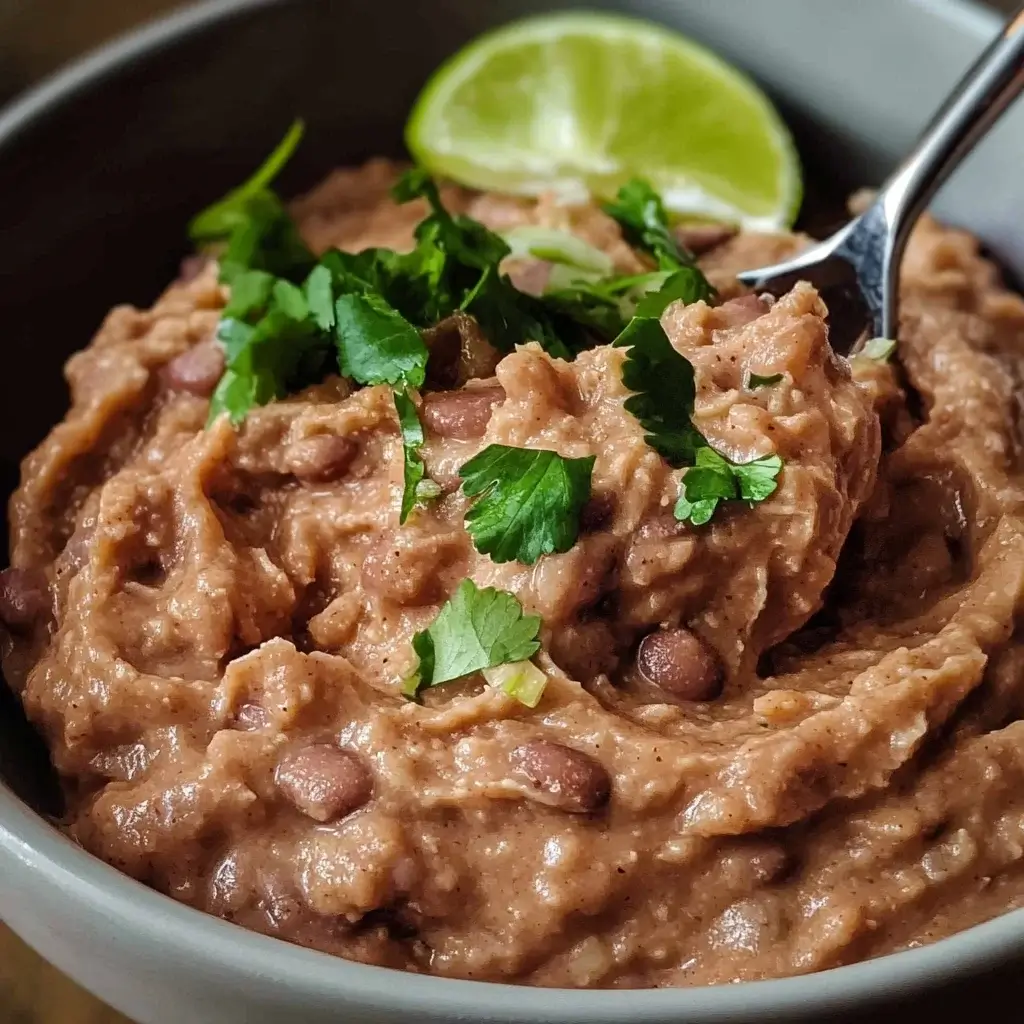
For years, refried beans in our house came straight from a can. Convenient? Sure. Thrilling? Absolutely not. They were… fine. But “fine” isn’t really what we aim for when it comes to food, is it? Especially when we’re talking about something as foundational and comforting as refried beans. Then, I decided to try making them from scratch. Honestly, the transformation was astonishing. The depth of flavor, the creamy texture, the pure, unadulterated beany goodness – it was a revelation. My family, initially skeptical of “homemade” anything that wasn’t dessert, became instant converts. These Homemade Refried Beans are now a staple in our kitchen, gracing taco nights, burrito bowls, and even simply enjoyed with tortilla chips as a hearty dip. And the best part? They are incredibly easy to make, naturally vegan, and so much healthier and tastier than anything you’ll find in a can. If you’re ready to ditch the canned beans and experience the real deal – authentic, flavorful, and utterly satisfying refried beans – then this recipe is for you. Prepare to be amazed at how simple and rewarding it is to make this Mexican classic from scratch!
Ingredients: Building Blocks for Flavorful Refried Beans
Creating exceptional Homemade Refried Beans starts with selecting the right ingredients. Here’s a detailed list of what you’ll need to make truly delicious and authentic refried beans, along with notes on ingredient choices and potential substitutions.
For the Beans (The Star of the Show):
- 1 pound Dried Pinto Beans: Pinto beans are the classic choice for refried beans, providing a creamy texture and earthy flavor that is quintessential to this dish. Look for high-quality dried pinto beans that are uniform in color and size. You can also use pink beans or black beans for variations, although pinto beans are traditional.
- 8 cups Water (or Vegetable Broth for extra flavor): Water is used to cook the beans until tender. Using vegetable broth instead of water will infuse the beans with an extra layer of savory flavor right from the start. Low-sodium broth is recommended to control the overall salt level.
- 1 teaspoon Salt: Salt is crucial for seasoning the beans during cooking and bringing out their natural flavor. Kosher salt or sea salt are preferred for their clean taste.
- 1 Bay Leaf: Bay leaf adds a subtle, aromatic depth to the beans as they cook, enhancing their overall complexity. It’s important to remove the bay leaf before refrying the beans.
- Optional: 1 Onion, quartered: Adding a quartered onion to the bean cooking liquid infuses the beans with a mild onion flavor. Yellow or white onion works well.
For Refrying (Adding Flavor and Texture):
- 1/4 cup Olive Oil (or other cooking oil like avocado oil or vegetable oil): Olive oil adds richness and flavor to the refried beans and helps create a smooth, creamy texture. You can also use other neutral-flavored cooking oils like avocado oil or vegetable oil. For a more traditional flavor, lard can be used (though this is not vegan).
- 1 Onion, finely chopped: Finely chopped onion is sautéed in oil to create a flavorful base for the refried beans. Yellow or white onion is typically used.
- 2-3 cloves Garlic, minced: Minced garlic adds a pungent, savory aroma and flavor that is essential to refried beans. Freshly minced garlic is best.
- 1-2 teaspoons Ground Cumin: Cumin is a classic spice in Mexican cuisine and adds a warm, earthy, and slightly smoky flavor to refried beans. Adjust the amount to your preference.
- 1/2 – 1 teaspoon Chili Powder: Chili powder adds a mild heat and depth of flavor. Use a mild chili powder to control the spice level, or use a spicier blend if you prefer a kick. Ancho chili powder is a good option for a richer, less spicy flavor.
- Salt and Black Pepper to taste: Essential seasonings to balance the flavors and enhance the overall taste of the refried beans.
Ingredient Notes and Substitutions:
- Dried Beans: Using dried beans is highly recommended for the best flavor and texture in homemade refried beans. Canned beans can be used in a pinch (see FAQ), but the flavor and texture will be noticeably different and less authentic.
- Broth vs. Water: Using vegetable broth instead of water to cook the beans adds significant depth of flavor. Chicken broth can also be used if you are not making a vegan version.
- Cooking Oil: Olive oil is a healthy and flavorful choice. For a more neutral flavor, you can use avocado oil or vegetable oil. Traditionally, lard is used in refried beans for its rich flavor and texture, but olive oil is a delicious and vegan-friendly alternative.
- Spices: Cumin and chili powder are essential for classic refried bean flavor. You can adjust the amounts to your liking and experiment with other spices like smoked paprika, oregano, or coriander for variations.
- Onion and Garlic: Fresh onion and garlic are crucial for building flavor. Do not substitute onion or garlic powder for fresh in this recipe for the best results.
By carefully selecting these ingredients, you’re setting the foundation for truly exceptional Homemade Refried Beans that are rich in flavor, creamy in texture, and far superior to anything store-bought.
Instructions: Step-by-Step Guide to Homemade Refried Bean Perfection
Follow these detailed, step-by-step instructions to create your own incredibly delicious and creamy Homemade Refried Beans. We’ll guide you through each stage, from cooking the dried beans to achieving that perfect refried texture and flavor.
Step 1: Soak the Pinto Beans (Optional but Recommended)
- Rinse and Sort Beans: Place the dried pinto beans in a colander and rinse them thoroughly under cold running water. Pick through the beans to remove any small stones, debris, or shriveled beans.
- Soaking Methods (Choose One):
- Overnight Soak (Long Soak): Place the rinsed beans in a large pot and cover them with about 8 cups of water (or vegetable broth). Ensure the water level is at least 2-3 inches above the beans as they will expand. Let them soak at room temperature for at least 8 hours or overnight.
- Quick Soak Method: If you are short on time, use the quick soak method. Place the rinsed beans in a large pot and cover them with 8 cups of water (or broth). Bring the water to a rolling boil and boil for 2 minutes. Remove the pot from the heat, cover it, and let the beans soak for 1 hour.
- Drain and Rinse Soaked Beans: After soaking, drain the beans in a colander and rinse them again with fresh water. Soaking helps to rehydrate the beans, reduce cooking time, and make them more digestible. While soaking is optional, it is highly recommended for the best texture and reduced cooking time.
Step 2: Cook the Pinto Beans
- Combine Beans and Cooking Liquid: In a large pot (the same pot you used for soaking, if using the overnight method, or a clean pot if quick soaking), add the drained and rinsed beans and 8 cups of fresh water (or vegetable broth). Add 1 teaspoon of salt and the bay leaf (and quartered onion, if using).
- Bring to a Boil, Then Simmer: Bring the mixture to a rolling boil over high heat. Once boiling, reduce the heat to low, cover the pot, and let the beans simmer gently.
- Simmer Until Tender: Simmer the beans for approximately 1.5 to 2 hours, or until they are very tender and easily mashed with a fork. The cooking time will vary depending on the freshness and type of beans and whether you soaked them. Stir occasionally during cooking and add more hot water or broth if needed to keep the beans submerged in liquid.
- Check for Doneness: To check if the beans are done, take a few beans out with a spoon and try to mash them against the side of the pot with a fork. They should mash easily and be creamy. If they are still firm or resist mashing, continue to simmer them for longer, checking for tenderness every 15-20 minutes.
- Remove Bay Leaf (and Onion, if used): Once the beans are fully cooked and tender, remove the bay leaf (and quartered onion, if used) from the pot and discard.
Step 3: Prepare the Flavor Base for Refrying
- Heat Olive Oil: In a large, heavy-bottomed skillet or Dutch oven over medium heat, heat the olive oil (or other cooking oil).
- Sauté Onion: Add the finely chopped onion to the hot oil and sauté for about 5-7 minutes, until softened and translucent. Stir occasionally to prevent burning.
- Add Garlic and Spices: Add the minced garlic, ground cumin, and chili powder to the skillet with the sautéed onions. Cook for another 1-2 minutes, stirring constantly, until fragrant. Be careful not to burn the garlic and spices; cooking them briefly in oil releases their aromas and flavors.
Step 4: Refry and Mash the Beans
- Add Cooked Beans (with some cooking liquid): Carefully ladle about half of the cooked beans, along with about 1-2 cups of their cooking liquid, into the skillet with the sautéed onion and spices. The cooking liquid is crucial for achieving a creamy texture.
- Mash the Beans: Using a potato masher, bean masher, or the back of a wooden spoon, mash the beans directly in the skillet. Mash to your desired consistency – some people prefer completely smooth refried beans, while others like them slightly chunky. Continue to mash and stir the beans and cooking liquid together.
- Add Remaining Beans (and more cooking liquid as needed): Gradually add the remaining cooked beans to the skillet, along with more cooking liquid as needed to achieve a creamy, spreadable consistency. You may not need to use all of the cooking liquid – add it gradually until you reach your desired texture. Continue to mash and stir as you add more beans.
- Simmer and Thicken: Reduce the heat to low and let the refried beans simmer for about 10-15 minutes, stirring frequently. This allows the flavors to meld together and the beans to thicken to a creamy, spreadable consistency. If the beans become too thick, add a little more cooking liquid to thin them out. If they are too thin, continue to simmer uncovered to reduce excess liquid.
- Season to Taste: Taste the refried beans and season with additional salt and black pepper to your preference. Start with a little at a time and adjust as needed.
Step 5: Serve and Enjoy!
- Serve Hot: Serve your Homemade Refried Beans hot as a side dish, dip, or as part of your favorite Mexican dishes like tacos, burritos, or enchiladas.
- Garnish (Optional): Garnish with fresh cilantro, chopped onions, crumbled vegan cheese, or a dollop of vegan sour cream, if desired.
Following these detailed instructions will guide you to create incredibly flavorful, creamy, and authentic Homemade Refried Beans that are far superior to canned versions. Enjoy the process and the delicious results!
Nutrition Facts: A Healthy and Hearty Plant-Based Staple
Homemade Refried Beans, made from scratch, are not only delicious but also a nutritious and wholesome plant-based food. Here’s an approximate breakdown of the nutrition facts per serving (based on a serving size of about 1/2 cup of refried beans), keeping in mind that these values can vary slightly based on specific ingredient quantities and preparation methods.
Serving Size: Approximately 1/2 cup (about 4 ounces or 113 grams)
Approximate Calories per Serving: 180-220 calories
Macronutrients (Approximate):
- Protein: 8-10 grams
- Good source of plant-based protein from pinto beans, essential for muscle building and repair, and satiety.
- Fat: 8-12 grams
- Fats primarily come from the olive oil used for refrying. These are mostly healthy fats, including monounsaturated and polyunsaturated fats.
- Carbohydrates: 20-25 grams
- Complex carbohydrates from pinto beans, providing sustained energy.
- Fiber: 7-9 grams
- Excellent source of dietary fiber, promoting digestive health, regulating blood sugar levels, and contributing to feelings of fullness and satiety.
Micronutrients (Significant Sources – Varies slightly):
- Minerals:
- Iron: Pinto beans are a good source of iron, essential for oxygen transport and energy levels.
- Potassium: Important for blood pressure regulation and muscle function.
- Magnesium: Involved in numerous bodily functions including muscle and nerve function, blood sugar control, and blood pressure regulation.
- Folate (Vitamin B9): Pinto beans are a rich source of folate, crucial for cell growth and development, especially important during pregnancy.
- Manganese: Important for bone health, wound healing, and metabolism.
Health Benefits of Homemade Refried Beans:
- Excellent Source of Plant-Based Protein: Provides a significant amount of protein, making it a valuable protein source for vegetarians and vegans.
- High in Fiber: The high fiber content supports digestive health, promotes regularity, helps lower cholesterol levels, and aids in weight management by increasing satiety.
- Good Source of Iron: Contributes to iron intake, which is important for preventing iron deficiency anemia.
- Rich in Folate: Provides folate, an essential nutrient, particularly important for women of childbearing age.
- Relatively Low in Fat and Calories: When made with olive oil and in moderation, refried beans can be a relatively low-fat and moderate-calorie food, especially compared to versions made with lard or excessive amounts of oil.
- Vegan and Gluten-Free: Naturally vegan and gluten-free, making them suitable for various dietary needs and preferences.
Note: For more precise nutrition information, especially if you adjust ingredient quantities or use different types of oil, you can use online nutrition calculators or apps and input your specific recipe. This nutritional breakdown highlights the health benefits and nutritional density of Homemade Refried Beans, making them a wonderful addition to a healthy and balanced diet.
Preparation Time: From Dried Beans to Creamy Refried Goodness
Making Homemade Refried Beans from dried beans does require some time, but much of it is passive cooking time. Here’s a breakdown of the approximate time involved in each step:
Total Preparation Time (Including Soaking): Approximately 3-4 hours (including soaking time, mostly passive)
Active Cooking Time: Approximately 45-60 minutes (active time)
Breakdown:
- Bean Soaking (Optional but Recommended): 8 hours (overnight soak) or 1 hour (quick soak) – Passive time.
- Bean Cooking Time: 1.5 – 2 hours (simmering time) – Mostly passive time, requires occasional stirring.
- Vegetable Prep (Chopping Onion and Garlic): 10 minutes – Active time.
- Sautéing Onion and Garlic: 8-10 minutes – Active time.
- Refrying and Mashing Beans: 20-30 minutes – Active time, requires stirring and mashing.
Tips for Managing Time and Making it Easier:
- Soak Beans Overnight: The overnight soak method is the easiest and requires minimal active time. Start soaking the beans before bed and they’ll be ready to cook the next day.
- Cook Beans on Weekends or in Advance: Cook a large batch of pinto beans on the weekend or whenever you have more time. Cooked beans can be stored in their cooking liquid in the refrigerator for up to 5 days or frozen for longer storage. This way, you can have cooked beans ready to go for making refried beans quickly on a weeknight.
- Use a Pressure Cooker or Instant Pot (Faster Cooking): For significantly faster bean cooking, use a pressure cooker or Instant Pot. Soaked pinto beans can cook in as little as 20-25 minutes in a pressure cooker, plus pressure release time. Follow your pressure cooker manufacturer’s instructions for cooking dried beans.
- Efficient Workflow: While the beans are simmering, you can prep the onions and garlic for refrying to maximize efficiency.
While the total preparation time might seem long at first glance, remember that much of it is passive simmering time. The active cooking time is manageable, and the incredible flavor and health benefits of Homemade Refried Beans are well worth the effort. Once you master the process, you’ll find it’s a rewarding and relatively straightforward way to create a delicious and nutritious staple.
How to Serve: Enjoying Your Delicious Homemade Refried Beans
Homemade Refried Beans are incredibly versatile and can be served in countless delicious ways. Here are some ideas to inspire you and help you enjoy your freshly made refried beans to the fullest:
Serving Styles:
- Classic Side Dish: Serve refried beans as a classic side dish alongside Mexican-inspired meals like tacos, burritos, enchiladas, fajitas, quesadillas, or huevos rancheros.
- Burrito Filling: Use refried beans as a primary filling for burritos, adding a creamy and hearty element. Combine them with rice, salsa, guacamole, and other fillings.
- Taco Filling: Refried beans can be used as a vegetarian taco filling. They pair well with toppings like salsa, lettuce, tomatoes, onions, cilantro, and vegan cheese.
- Bean Dip: Serve warm refried beans as a delicious and hearty dip with tortilla chips. Top with your favorite toppings like salsa, guacamole, vegan sour cream, or shredded vegan cheese.
- Layered Dip: Incorporate refried beans as a layer in a 7-layer dip or other layered Mexican dips.
- Nachos Topping: Spread refried beans over tortilla chips as a base for nachos. Top with vegan cheese, salsa, jalapeños, olives, and other nacho toppings.
- Bean and Cheese Dip: Melt vegan cheese into warm refried beans for a simple and satisfying bean and cheese dip.
- Breakfast Burritos or Tacos: Include refried beans in breakfast burritos or tacos for a hearty and protein-rich start to the day.
Garnishing Ideas (Toppings for extra flavor and visual appeal):
- Fresh Cilantro, chopped: Adds a fresh, herbaceous note and a pop of green color.
- Diced White or Red Onion: Provides a sharp, pungent contrast to the creamy beans.
- Salsa (Pico de Gallo, Roja, Verde): Adds freshness, acidity, and flavor complexity.
- Guacamole or Avocado Slices: Adds creaminess and healthy fats.
- Vegan Sour Cream or Cashew Cream: Adds coolness and tanginess.
- Shredded Vegan Cheese: Adds cheesy flavor and melty texture.
- Pickled Jalapeños or Sliced Jalapeños: For a spicy kick.
- Lime Wedges: Squeeze lime juice over the beans for brightness and acidity.
- Hot Sauce: For extra heat.
- Toasted Pumpkin Seeds (Pepitas): Adds crunch and nutty flavor.
Serving Occasions:
- Weeknight Dinners: Quick and easy to prepare once beans are cooked, perfect for busy weeknights.
- Taco Tuesdays: An essential component of any Taco Tuesday feast.
- Mexican Fiesta or Potlucks: A crowd-pleasing dish for parties and gatherings.
- Game Day or Movie Night Snacks: Serve as a dip with tortilla chips for a hearty and satisfying snack.
- Vegetarian or Vegan Meals: A versatile and protein-rich staple for vegetarian and vegan diets.
By exploring these serving suggestions and garnishing ideas, you can enjoy your Homemade Refried Beans in a variety of delicious and satisfying ways, making them a versatile and cherished part of your meal repertoire.
Additional Tips: Elevating Your Homemade Refried Beans
Want to take your Homemade Refried Beans from delicious to absolutely exceptional? Here are five additional tips to enhance the flavor, texture, and overall experience:
- Toast Your Spices: Before adding the cumin and chili powder to the skillet, lightly toast them in the dry skillet over medium heat for 1-2 minutes, stirring constantly, until fragrant. Toasting spices before adding them to oil enhances their aroma and flavor depth, making your refried beans even more flavorful. Be careful not to burn them.
- Use Cooking Liquid for Creaminess: The cooking liquid from the beans is liquid gold! It’s packed with flavor and starch from the beans, which helps create a naturally creamy texture when refried. Be sure to reserve enough cooking liquid and add it gradually while mashing and refrying the beans until you achieve your desired consistency. Don’t discard it!
- Adjust Consistency to Your Preference: Refried beans can be made to various consistencies, from completely smooth to slightly chunky. For smoother beans, mash them more thoroughly and add more cooking liquid. You can even use an immersion blender for an ultra-smooth texture (be careful when blending hot liquids). For chunkier beans, mash less and use less cooking liquid. Experiment to find your perfect texture.
- Add Smoked Paprika for Smokiness: For an extra layer of smoky flavor, add 1/2 – 1 teaspoon of smoked paprika along with the cumin and chili powder. Smoked paprika adds a wonderful depth and complexity that complements the earthy beans beautifully.
- Make a Big Batch and Freeze: Homemade Refried Beans freeze exceptionally well. Make a large batch and freeze them in portion-sized containers or freezer bags for easy weeknight meals. Thaw in the refrigerator overnight or microwave directly from frozen. Having pre-made refried beans in the freezer makes it quick and convenient to enjoy this delicious dish anytime.
By incorporating these additional tips, you can further refine your Homemade Refried Bean recipe and create a truly gourmet, flavorful, and satisfying dish that will impress everyone who tastes them.
FAQ: Your Questions Answered About Homemade Refried Beans
Here are some frequently asked questions about making Homemade Refried Beans to help you confidently create this delicious and versatile dish.
Q1: Can I use canned beans instead of dried beans to make refried beans?
A: Yes, you can use canned pinto beans to make refried beans in a pinch, but the flavor and texture will be noticeably different from using dried beans. Canned beans tend to be softer and less flavorful. If using canned beans, drain and rinse them well. You will need approximately 4-5 cans (15-ounce cans) of pinto beans to equal 1 pound of dried beans. Skip the soaking and cooking steps and start directly with Step 3 (preparing the flavor base) and Step 4 (refrying and mashing). You will likely need to add water or broth to achieve the desired creamy consistency, as canned beans have less cooking liquid. Homemade refried beans from dried beans are significantly tastier and have a superior texture, so dried beans are highly recommended whenever possible.
Q2: Do I really need to soak the beans? Is it absolutely necessary?
A: Soaking dried beans is not absolutely necessary, but it is highly recommended for several reasons:
- Reduced Cooking Time: Soaking significantly reduces the cooking time of the beans. Unsoaked beans will take considerably longer to cook until tender.
- Improved Texture: Soaking helps beans cook more evenly and become creamier in texture.
- Easier Digestion: Soaking helps to break down complex sugars in beans that can cause gas and digestive discomfort, making them easier to digest.
While you can cook beans without soaking, it will take longer, and the texture and digestibility may be slightly compromised. If you are short on time, the quick soak method is a good compromise.
Q3: How do I store leftover Homemade Refried Beans?
A: Store leftover Homemade Refried Beans in an airtight container in the refrigerator for up to 4-5 days. Reheat them gently in a skillet over medium heat or in the microwave until heated through. Add a splash of water or broth if needed to thin them out during reheating.
Q4: Can I make refried beans in a slow cooker?
A: Yes, you can cook the beans in a slow cooker. For slow cooker refried beans:
- Rinse and sort 1 pound of dried pinto beans (soaking is optional but recommended).
- Place the beans in a slow cooker with 8 cups of water or broth, 1 teaspoon salt, and a bay leaf (and quartered onion, if using).
- Cook on low for 8-10 hours or on high for 4-5 hours, or until beans are very tender.
- Proceed with Step 3 (preparing the flavor base) and Step 4 (refrying and mashing) as described in the instructions, using the stovetop method.
Slow cooking beans results in very tender and flavorful beans, perfect for refried beans.
Q5: Can I make refried black beans instead of pinto beans using this recipe?
A: Yes, you can easily adapt this recipe to make refried black beans. Simply substitute 1 pound of dried black beans for the pinto beans. The cooking time may be slightly shorter for black beans. Follow the same soaking, cooking, and refrying instructions as for pinto beans. Refried black beans have a slightly different flavor profile – earthier and less creamy than pinto beans – but are equally delicious and versatile. You may want to adjust the spices slightly to complement the flavor of black beans, perhaps adding a touch of chipotle powder for smokiness.
Print
Homemade Refried Beans Recipe
Ingredients
For the Beans (The Star of the Show):
-
- 1 pound Dried Pinto Beans: Pinto beans are the classic choice for refried beans, providing a creamy texture and earthy flavor that is quintessential to this dish. Look for high-quality dried pinto beans that are uniform in color and size. You can also use pink beans or black beans for variations, although pinto beans are traditional.
-
- 8 cups Water (or Vegetable Broth for extra flavor): Water is used to cook the beans until tender. Using vegetable broth instead of water will infuse the beans with an extra layer of savory flavor right from the start. Low-sodium broth is recommended to control the overall salt level.
-
- 1 teaspoon Salt: Salt is crucial for seasoning the beans during cooking and bringing out their natural flavor. Kosher salt or sea salt are preferred for their clean taste.
-
- 1 Bay Leaf: Bay leaf adds a subtle, aromatic depth to the beans as they cook, enhancing their overall complexity. It’s important to remove the bay leaf before refrying the beans.
-
- Optional: 1 Onion, quartered: Adding a quartered onion to the bean cooking liquid infuses the beans with a mild onion flavor. Yellow or white onion works well.
For Refrying (Adding Flavor and Texture):
-
- 1/4 cup Olive Oil (or other cooking oil like avocado oil or vegetable oil): Olive oil adds richness and flavor to the refried beans and helps create a smooth, creamy texture. You can also use other neutral-flavored cooking oils like avocado oil or vegetable oil. For a more traditional flavor, lard can be used (though this is not vegan).
-
- 1 Onion, finely chopped: Finely chopped onion is sautéed in oil to create a flavorful base for the refried beans. Yellow or white onion is typically used.
-
- 2–3 cloves Garlic, minced: Minced garlic adds a pungent, savory aroma and flavor that is essential to refried beans. Freshly minced garlic is best.
-
- 1–2 teaspoons Ground Cumin: Cumin is a classic spice in Mexican cuisine and adds a warm, earthy, and slightly smoky flavor to refried beans. Adjust the amount to your preference.
-
- 1/2 – 1 teaspoon Chili Powder: Chili powder adds a mild heat and depth of flavor. Use a mild chili powder to control the spice level, or use a spicier blend if you prefer a kick. Ancho chili powder is a good option for a richer, less spicy flavor.
-
- Salt and Black Pepper to taste: Essential seasonings to balance the flavors and enhance the overall taste of the refried beans.
Instructions
Step 1: Soak the Pinto Beans (Optional but Recommended)
-
- Rinse and Sort Beans: Place the dried pinto beans in a colander and rinse them thoroughly under cold running water. Pick through the beans to remove any small stones, debris, or shriveled beans.
-
- Soaking Methods (Choose One):
-
- Overnight Soak (Long Soak): Place the rinsed beans in a large pot and cover them with about 8 cups of water (or vegetable broth). Ensure the water level is at least 2-3 inches above the beans as they will expand. Let them soak at room temperature for at least 8 hours or overnight.
-
- Quick Soak Method: If you are short on time, use the quick soak method. Place the rinsed beans in a large pot and cover them with 8 cups of water (or broth). Bring the water to a rolling boil and boil for 2 minutes. Remove the pot from the heat, cover it, and let the beans soak for 1 hour.
-
- Soaking Methods (Choose One):
-
- Drain and Rinse Soaked Beans: After soaking, drain the beans in a colander and rinse them again with fresh water. Soaking helps to rehydrate the beans, reduce cooking time, and make them more digestible. While soaking is optional, it is highly recommended for the best texture and reduced cooking time.
Step 2: Cook the Pinto Beans
-
- Combine Beans and Cooking Liquid: In a large pot (the same pot you used for soaking, if using the overnight method, or a clean pot if quick soaking), add the drained and rinsed beans and 8 cups of fresh water (or vegetable broth). Add 1 teaspoon of salt and the bay leaf (and quartered onion, if using).
-
- Bring to a Boil, Then Simmer: Bring the mixture to a rolling boil over high heat. Once boiling, reduce the heat to low, cover the pot, and let the beans simmer gently.
-
- Simmer Until Tender: Simmer the beans for approximately 1.5 to 2 hours, or until they are very tender and easily mashed with a fork. The cooking time will vary depending on the freshness and type of beans and whether you soaked them. Stir occasionally during cooking and add more hot water or broth if needed to keep the beans submerged in liquid.
-
- Check for Doneness: To check if the beans are done, take a few beans out with a spoon and try to mash them against the side of the pot with a fork. They should mash easily and be creamy. If they are still firm or resist mashing, continue to simmer them for longer, checking for tenderness every 15-20 minutes.
-
- Remove Bay Leaf (and Onion, if used): Once the beans are fully cooked and tender, remove the bay leaf (and quartered onion, if used) from the pot and discard.
Step 3: Prepare the Flavor Base for Refrying
-
- Heat Olive Oil: In a large, heavy-bottomed skillet or Dutch oven over medium heat, heat the olive oil (or other cooking oil).
-
- Sauté Onion: Add the finely chopped onion to the hot oil and sauté for about 5-7 minutes, until softened and translucent. Stir occasionally to prevent burning.
-
- Add Garlic and Spices: Add the minced garlic, ground cumin, and chili powder to the skillet with the sautéed onions. Cook for another 1-2 minutes, stirring constantly, until fragrant. Be careful not to burn the garlic and spices; cooking them briefly in oil releases their aromas and flavors.
Step 4: Refry and Mash the Beans
-
- Add Cooked Beans (with some cooking liquid): Carefully ladle about half of the cooked beans, along with about 1-2 cups of their cooking liquid, into the skillet with the sautéed onion and spices. The cooking liquid is crucial for achieving a creamy texture.
-
- Mash the Beans: Using a potato masher, bean masher, or the back of a wooden spoon, mash the beans directly in the skillet. Mash to your desired consistency – some people prefer completely smooth refried beans, while others like them slightly chunky. Continue to mash and stir the beans and cooking liquid together.
-
- Add Remaining Beans (and more cooking liquid as needed): Gradually add the remaining cooked beans to the skillet, along with more cooking liquid as needed to achieve a creamy, spreadable consistency. You may not need to use all of the cooking liquid – add it gradually until you reach your desired texture. Continue to mash and stir as you add more beans.
-
- Simmer and Thicken: Reduce the heat to low and let the refried beans simmer for about 10-15 minutes, stirring frequently. This allows the flavors to meld together and the beans to thicken to a creamy, spreadable consistency. If the beans become too thick, add a little more cooking liquid to thin them out. If they are too thin, continue to simmer uncovered to reduce excess liquid.
-
- Season to Taste: Taste the refried beans and season with additional salt and black pepper to your preference. Start with a little at a time and adjust as needed.
Step 5: Serve and Enjoy!
-
- Serve Hot: Serve your Homemade Refried Beans hot as a side dish, dip, or as part of your favorite Mexican dishes like tacos, burritos, or enchiladas.
-
- Garnish (Optional): Garnish with fresh cilantro, chopped onions, crumbled vegan cheese, or a dollop of vegan sour cream, if desired.
Nutrition
- Serving Size: one normal portion
- Calories: 180-220
- Fat: 8-12 grams
- Carbohydrates: 20-25 grams
- Fiber: 7-9 grams
- Protein: 8-10 grams