
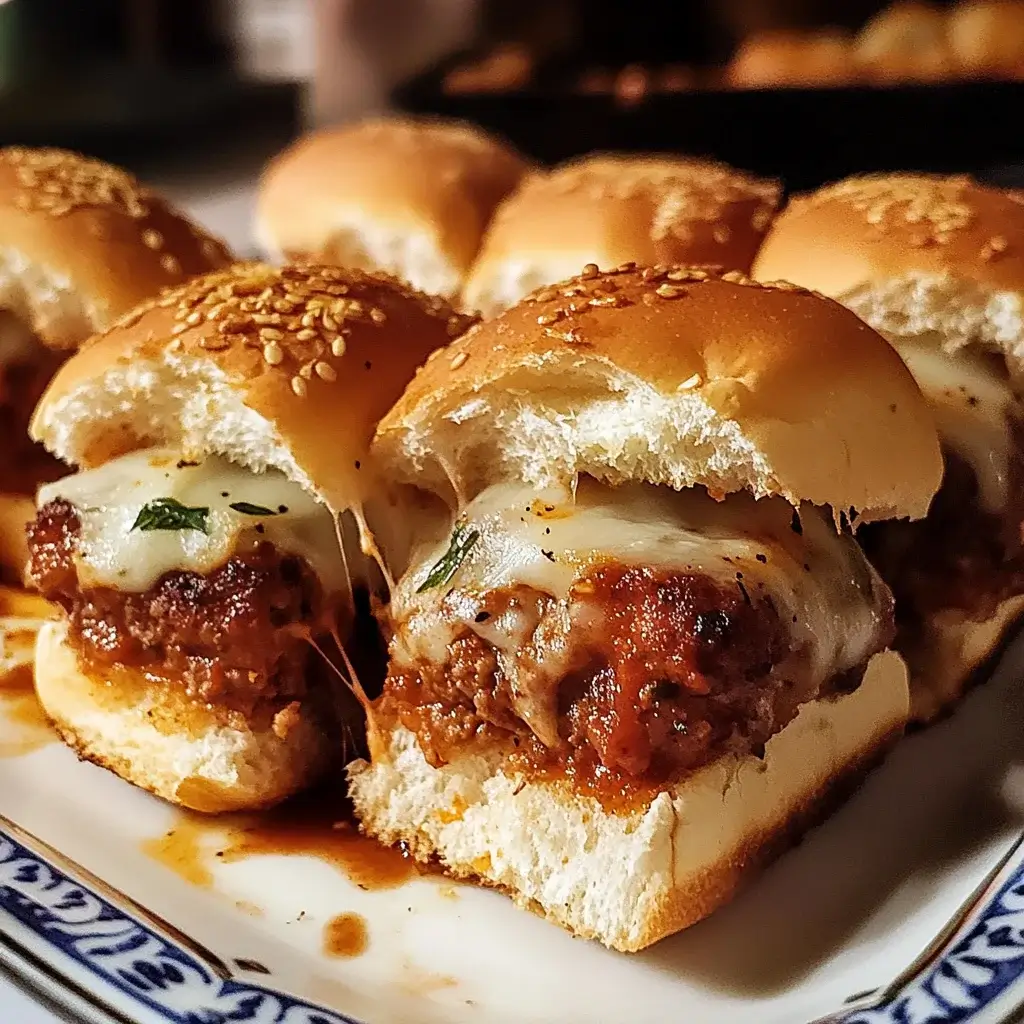
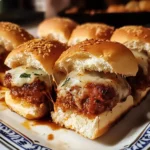
I’ll never forget the chaos – the good kind – the first time I served these Homemade Meatball Sliders at a party. It was a casual game day get-together, and I wanted something more substantial than chips and dip, but less formal than a sit-down meal. I’d always loved a good meatball sub, but the full-sized version felt too cumbersome for mingling. Sliders seemed like the perfect solution! I spent the afternoon carefully crafting the meatballs, letting them simmer gently in a rich marinara sauce until the whole house smelled incredible. The aroma alone had guests drifting towards the kitchen before I even finished assembling them. Arranging those little beauties on fluffy slider buns, topping them with sauce and gooey, melted provolone cheese felt like creating edible jewels. When I finally brought the platter out, the reaction was instantaneous – a collective “Ooooh!” followed by a swarm of hands reaching for them. They vanished in minutes! Even my notoriously picky nephew, who usually eyes homemade food with suspicion, devoured three of them, sauce happily smeared on his cheeks. Since then, these sliders have become my go-to recipe for potlucks, family dinners when I want something fun and easy, and pretty much any gathering where I want guaranteed happy eaters. They are incredibly flavorful, surprisingly simple to make in batches, and universally loved – the perfect bite-sized comfort food.
Ingredients for Crowd-Pleasing Homemade Meatball Sliders
This recipe yields approximately 16-20 sliders, perfect for a party appetizer or a fun family meal. The key lies in flavourful, tender meatballs, a robust sauce, and the right buns and cheese to bring it all together.
For the Homemade Meatballs:
- Ground Meat: 1 lb total, combination recommended for best flavour and texture:
- 1/2 lb Ground Beef (80/20 or 85/15 recommended for flavour and moisture)
- 1/2 lb Ground Pork (adds richness and tenderness)
- Alternative: You can use all ground beef, or substitute ground turkey or chicken (use dark meat for more moisture, or add extra binding/fat).
- Binder & Moisture:
- 1/2 cup Panko Breadcrumbs (Japanese breadcrumbs create a lighter texture than traditional)
- 1/4 cup Whole Milk (or buttermilk) – Soaks the breadcrumbs, adding moisture.
- 1 large Egg, lightly beaten – Acts as a binder.
- Flavor & Aromatics:
- 1/2 cup grated Parmesan Cheese (use freshly grated for best flavour and meltability)
- 1/4 cup finely chopped Fresh Parsley
- 2 cloves Garlic, minced (about 1 tbsp)
- 1 tsp Dried Oregano
- 1/2 tsp Dried Basil
- 1/2 tsp Salt (adjust to taste)
- 1/4 tsp Black Pepper, freshly ground
- Optional: Pinch of Red Pepper Flakes for a little heat
For the Sauce & Assembly:
- Marinara Sauce: 24-32 oz good quality Marinara Sauce (store-bought or homemade) – Choose a sauce with good body, not too watery.
- Slider Buns: 16-20 Slider Buns (Brioche, Hawaiian rolls, or classic white slider buns work well) – Look for soft buns that hold up to the sauce.
- Cheese: 8-10 slices Provolone Cheese, halved (or 16-20 small slices) – Mild provolone melts beautifully and complements the meatballs. Mozzarella is also a great option. Use about 1/2 slice per slider.
- Optional Enhancements:
- 1 tbsp Olive Oil (if pan-searing meatballs)
- Butter or Garlic Butter (for toasting the buns)
- Fresh Basil Leaves (for garnish)
Ingredient Considerations:
- Meat Choice: The classic beef and pork combination offers a fantastic balance. Beef provides a robust flavour, while pork adds tenderness and moisture due to its higher fat content. If using leaner meats like turkey or all lean beef, ensure adequate moisture from the milk/breadcrumbs and egg, and perhaps consider adding a little olive oil to the mix.
- Breadcrumbs: Panko breadcrumbs are preferred because their airy, jagged texture absorbs liquid without becoming overly dense, leading to lighter meatballs compared to fine, traditional breadcrumbs. If using traditional, you might need slightly less milk.
- Cheese: While provolone is classic for meatball subs (and sliders), low-moisture mozzarella melts wonderfully and provides that signature cheese pull. You could even use a blend or try sliced Swiss for a different flavour profile. Grating your own Parmesan is highly recommended over pre-grated, which often contains anti-caking agents that hinder melting and flavour.
- Sauce: A good quality marinara is crucial. Look for one made with simple ingredients like tomatoes, garlic, herbs, and olive oil. If your sauce seems too thin, you can simmer it down a bit before adding the meatballs. If making homemade, allow ample time for it to develop flavour.
- Buns: Softness is key, but they shouldn’t disintegrate. Brioche buns add richness, Hawaiian rolls add sweetness (a popular choice!), and classic white buns are neutral. Toasting them slightly helps prevent sogginess.
Instructions: Crafting Your Perfect Meatball Sliders
Follow these steps to create tender meatballs simmered in sauce and assembled into irresistible sliders.
Part 1: Making the Meatballs
- Soak the Binder: In a large mixing bowl, combine the Panko breadcrumbs and milk. Let it sit for 5-10 minutes, allowing the breadcrumbs to absorb the milk fully. This step is crucial for tender meatballs as it prevents the breadcrumbs from drawing moisture out of the meat.
- Add Flavor Ingredients: To the soaked breadcrumb mixture, add the lightly beaten egg, grated Parmesan cheese, finely chopped fresh parsley, minced garlic, dried oregano, dried basil, salt, black pepper, and optional red pepper flakes. Stir gently to combine everything well.
- Incorporate the Meat: Add the ground beef and ground pork (or your chosen ground meat) to the bowl with the breadcrumb mixture.
- Mix Gently: Using your hands (clean hands are the best tool here!), gently mix the meat with the other ingredients until just combined. Be careful not to overmix! Overworking the meat will result in tough, dense meatballs. Mix only until you no longer see distinct streaks of the breadcrumb mixture.
- Form the Meatballs: Portion the mixture and gently roll it into small meatballs, approximately 1 to 1.5 inches in diameter – sized appropriately to fit comfortably on your slider buns. Aim for consistency in size so they cook evenly. You should get around 16-20 meatballs, matching the number of slider buns. Wetting your hands slightly can help prevent the mixture from sticking. Place the formed meatballs on a baking sheet lined with parchment paper or wax paper.
Part 2: Cooking the Meatballs & Simmering in Sauce
You have two primary options for cooking the meatballs before adding them to the sauce: baking (easier, less mess) or pan-searing (more flavour development through browning).
- Option A: Baking (Recommended for Ease)
- Preheat your oven to 400°F (200°C).
- Arrange the formed meatballs in a single layer on a parchment-lined baking sheet, ensuring they aren’t touching.
- Bake for 12-15 minutes, or until they are lightly browned and nearly cooked through. They don’t need to be fully cooked, as they will finish cooking in the sauce.
- Option B: Pan-Searing (for Extra Flavor)
- Heat 1 tbsp of olive oil in a large skillet or Dutch oven over medium-high heat.
- Carefully place the meatballs in the hot skillet, working in batches if necessary to avoid overcrowding.
- Sear the meatballs for about 1-2 minutes per side, until nicely browned all over. Again, they don’t need to be cooked through at this stage. The browning adds a layer of flavour (Maillard reaction).
- Remove the seared meatballs and set them aside on a plate. If there’s excessive fat in the skillet, you can carefully drain some of it off.
- Simmering in Sauce:
- Pour the marinara sauce into a large saucepan, pot, or Dutch oven (use the same one if you pan-seared, scraping up any browned bits from the bottom for extra flavour).
- Bring the sauce to a gentle simmer over medium heat.
- Carefully add the browned (baked or pan-seared) meatballs to the simmering sauce. Stir gently to coat them.
- Reduce the heat to low, cover the pot, and let the meatballs simmer gently in the sauce for at least 20-30 minutes, or up to an hour for flavours to meld further. The meatballs should be fully cooked through and tender, and the sauce should have thickened slightly. Stir occasionally to prevent sticking.
Part 3: Assembling the Sliders
- Prepare the Buns: While the meatballs simmer, prepare your slider buns. For best results and to prevent sogginess, lightly toast them. You can do this in a few ways:
- Oven Method (Best for Batches): Preheat oven to 350°F (175°C). Slice the slider buns horizontally (keeping the tops and bottoms connected in a slab if possible, like Hawaiian rolls often come). Place them cut-side up on a baking sheet. Optional: Brush lightly with melted butter or garlic butter. Bake for 3-5 minutes until lightly golden and toasted.
- Skillet Method: Melt a little butter in a skillet over medium heat. Place buns cut-side down and toast for 1-2 minutes until golden.
- Arrange Bottom Buns: Place the toasted bottom halves of the slider buns into a baking dish or leave them on the baking sheet, arranging them snugly together.
- Add Meatballs & Sauce: Using a spoon, carefully place one cooked meatball onto each bottom bun. Spoon a little extra marinara sauce over each meatball – enough for flavour but not so much that it becomes excessively messy.
- Top with Cheese: Place a halved slice of provolone (or your chosen cheese) over each meatball, covering it and some of the sauce.
- Melt the Cheese: Place the baking dish/sheet with the sliders under the oven broiler (set to low or watch carefully!) for 1-3 minutes, or just until the cheese is melted, bubbly, and slightly golden. Keep a close eye on them as the broiler can burn things quickly! Alternatively, you can cover the baking dish with foil and return it to the 350°F (175°C) oven for 5-7 minutes until the cheese is melted.
- Add the Tops: Remove from the oven/broiler. Carefully place the toasted top halves of the slider buns onto the melted cheese.
- Final Touches (Optional): If desired, brush the tops of the buns with a little more melted garlic butter before or after melting the cheese. Garnish with fresh basil leaves just before serving. You can insert decorative toothpicks through the center of each slider to help hold them together, especially for parties.
Nutrition Facts
- Servings: This recipe yields approximately 16-20 sliders.
- Estimated Calories per Slider: Approximately 180-280 kcal.
Important Disclaimer: This nutritional information is an estimate only. Actual values can vary significantly based on:
* Specific Ingredients: The type and fat content of the ground meat (80/20 beef vs. lean turkey), brand of marinara sauce (sugar/oil content), type of slider buns (brioche vs. white), and type/amount of cheese used will all impact the final counts.
* Portion Size: The exact size of the meatballs and the amount of sauce and cheese added to each slider will affect the per-slider nutrition.
* Cooking Method: Pan-searing meatballs in oil will add slightly more fat/calories than baking them. Using butter to toast buns also adds calories.
These sliders provide a good source of protein from the meat and cheese. They also contain carbohydrates from the buns and sauce, and fat primarily from the meat and cheese. Using whole wheat slider buns or adding vegetables to the sauce or meatball mix (like finely shredded zucchini or carrots) can increase the fiber content. For a lighter version, consider using leaner ground meat, low-fat cheese, and being mindful of sauce and butter additions.
Preparation Time
Crafting these delicious sliders involves several stages. Here’s a breakdown of the estimated time:
- Meatball Preparation (Mixing & Rolling): 15-20 minutes
- Meatball Cooking (Baking or Pan-Searing): 15-20 minutes
- Simmering Time (Meatballs in Sauce): 20-60 minutes (minimum 20 recommended)
- Assembly & Melting Cheese: 10-15 minutes
Total Estimated Time: Approximately 1 hour to 1 hour 55 minutes (depending significantly on the simmering time chosen).
Time Management Notes:
- The simmering time is flexible. A shorter simmer (20-30 mins) works fine, but a longer simmer (up to an hour) allows flavours to develop more deeply.
- Much of the simmering time is hands-off, allowing you to prepare other dishes or relax.
- You can make the meatballs and simmer them in the sauce ahead of time (see Additional Tips), significantly reducing the preparation time needed just before serving. Assembly is quick.
How to Serve Homemade Meatball Sliders
These sliders are versatile and always a hit. Here’s how to serve them effectively for maximum enjoyment:
- Presentation:
- Platter Power: Arrange the finished sliders closely together on a large platter or wooden board for a visually appealing, abundant look, perfect for parties.
- Baking Dish Charm: Serve them directly from the baking dish they were assembled and melted in, especially if keeping them warm (see below). This works well for casual family dinners.
- Individual Touch: Insert fun toothpicks or cocktail skewers through the center of each slider to make them easier to grab and hold together. Garnish the platter with fresh basil or parsley sprigs.
- Serving Temperature: Meatball sliders are best served warm, while the cheese is gooey and melted and the meatballs are tender.
- Occasions: These are perfect for:
- Game Day Parties / Super Bowl Parties
- Casual Get-Togethers & Potlucks
- Easy Weeknight Dinners (serve 2-3 per person as a main)
- Appetizer Spreads
- Birthday Parties (kid-friendly!)
- Holiday Gatherings
- Accompaniments & Side Dishes: Pair them with simple sides that complement the rich flavours:
- Classic Comfort: French fries, tater tots, or onion rings.
- Fresh Contrast: A simple green salad with a vinaigrette dressing, Caesar salad, or a coleslaw.
- Crunchy Snacks: Potato chips or vegetable sticks (carrots, celery) with dip.
- Italian Flair: Serve alongside other Italian-inspired appetizers like bruschetta or Caprese skewers.
- Pickles: A side of dill pickle spears or pickled vegetables cuts through the richness nicely.
- Keeping Them Warm (for Parties):
- Slow Cooker Method: After cooking and simmering, transfer the meatballs and sauce to a slow cooker set on the “Warm” setting. Keep the toasted buns and cheese separate. Let guests assemble their own sliders, or quickly assemble batches under the broiler just before replenishing the platter. This is often the best method for longer parties.
- Chafing Dish / Warming Tray: Assemble the sliders in a disposable aluminum pan or oven-safe dish that fits your chafing dish or warming tray. Keep the heat low to prevent drying out. This works best for shorter durations (1-2 hours).
- Drink Pairings:
- Casual: Beer (lagers, pale ales), soft drinks, iced tea.
- Slightly Elevated: Fruity red wines like Chianti, Barbera, or even a lighter Zinfandel. Crisp white wines like Pinot Grigio can also work.
- Fun: Sparkling Rosé or Lambrusco.
Serving these sliders is all about ease and enjoyment. Make them accessible, keep them warm, and let everyone dig in!
Additional Tips for Slider Success
Take your homemade meatball sliders from great to absolutely unforgettable with these five essential tips:
- Master the Meat Mix for Tenderness: The secret to truly amazing meatballs is a tender, moist texture. Avoid dense, rubbery balls by:
- Using a Panade: Don’t skip soaking the breadcrumbs (Panko preferred) in milk or buttermilk. This pre-hydrates the binder, so it adds moisture rather than stealing it from the meat.
- Choosing the Right Meat: Incorporating ground pork (or even veal) alongside beef adds necessary fat, contributing to both flavour and tenderness. If using lean meat like turkey, consider adding a tablespoon of olive oil or finely grated onion to the mix for moisture.
- Gentle Handling: This is paramount. Mix the meat with the other ingredients using your hands just until combined. Overmixing develops the meat’s proteins (myosin), leading to toughness. Similarly, roll the meatballs gently – don’t compact them tightly.
- Adding Fat/Flavour: Ensure enough fat is present via the meat choice or additions like grated Parmesan cheese (which adds fat and flavour).
- Unlock Flavor with Browning & Simmering: While baking meatballs is easier, taking the time to pan-sear them first develops a deeper, richer flavour through the Maillard reaction (the chemical reaction that creates browning and complex taste). Even if you bake them, ensure they get some colour. Crucially, don’t skip the simmering step. Letting the cooked meatballs gently bubble away in the marinara sauce for at least 20-30 minutes (and up to an hour) allows them to absorb the sauce’s flavour, become incredibly tender, and infuse the sauce with their own meaty essence. This melding of flavours is key.
- Prevent the Dreaded Soggy Bun: No one wants a slider that falls apart due to a soggy bottom bun. Combat this by:
- Toasting the Buns: Lightly toasting the cut sides of the buns (in the oven, toaster oven, or a skillet with butter/garlic butter) creates a slight barrier against the sauce.
- Sauce Control: Spoon just enough sauce over the meatball for flavour and moisture, but don’t drown it. Most of the sauce should coat the meatball itself.
- Cheese Barrier: Placing the cheese slice over the meatball and sauce helps create another layer of protection for the top bun.
- Serve Promptly: Assemble the sliders just before serving or shortly before the cheese-melting step. The longer they sit fully assembled, the more likely the buns are to absorb moisture.
- Embrace Make-Ahead Strategies: Meatball sliders are fantastic for entertaining because significant portions can be prepared in advance, reducing stress on the day of serving.
- Meatballs & Sauce: Make the meatballs, cook them (bake or sear), and simmer them in the sauce a day or two ahead. Let the mixture cool completely, then store it in an airtight container in the refrigerator. Reheat gently on the stovetop or in a slow cooker until warmed through before assembling the sliders. The flavours often improve overnight!
- Components: You can also form the raw meatballs a day ahead and store them covered in the fridge on a lined baking sheet. Cook them just before simmering on the day of serving. Toast the buns shortly before assembly for optimal texture.
- Customize and Elevate: While the classic recipe is fantastic, don’t be afraid to put your own spin on it.
- Sauce Variations: Use a spicy arrabbiata sauce, a creamy vodka sauce, or even a pesto-marinara blend instead of plain marinara. Adding sautéed mushrooms or onions to your sauce boosts flavour.
- Cheese Choices: Experiment beyond provolone and mozzarella. Try smoked Gouda, fontina, or even a sprinkle of crumbled blue cheese for a bold twist. A dollop of ricotta cheese underneath the meatball adds creaminess.
- Bun Upgrades: Use pretzel slider buns for a salty chew, or brush standard buns with pesto butter instead of garlic butter.
- Meatball Add-ins: Finely chopped sautéed mushrooms, spinach, or different herbs (like fresh basil inside the meatball) can add complexity.
- Garnishes: Beyond fresh basil, consider a sprinkle of red pepper flakes, extra grated Parmesan, or a drizzle of quality balsamic glaze over the finished sliders.
By incorporating these tips, you can ensure your sliders are consistently delicious, perfectly textured, and tailored to your preferences or event needs.
Frequently Asked Questions (FAQ)
Here are answers to common questions about making Homemade Meatball Sliders:
- Q: Can I use frozen meatballs instead of homemade ones?
- A: Absolutely! Using pre-cooked frozen meatballs is a fantastic time-saver for busy weeknights or large parties. Choose a good quality brand and type (Italian-style recommended). You won’t need the meatball ingredients or the initial cooking steps (mixing, forming, browning). Simply add the frozen meatballs directly to your simmering marinara sauce. You will need to increase the simmering time to ensure the meatballs heat through completely – typically 30-45 minutes, or follow the package directions. While convenient, homemade meatballs generally offer superior flavour and texture control, but frozen is a perfectly acceptable shortcut.
- Q: How can I make these meatball sliders gluten-free?
- A: It’s quite straightforward to adapt this recipe for gluten-free needs:
- Meatballs: Replace the Panko breadcrumbs with certified gluten-free breadcrumbs or even crushed gluten-free crackers or almond flour (though texture may vary slightly). Ensure your Parmesan cheese doesn’t contain gluten-based anti-caking agents (freshly grated is safest). Verify your dried herbs are gluten-free.
- Sauce: Most plain marinara sauces are naturally gluten-free, but always check the label for hidden gluten sources (like modified food starch derived from wheat).
- Buns: Use certified gluten-free slider buns. Toasting them is highly recommended as GF breads can sometimes be more delicate.
- A: It’s quite straightforward to adapt this recipe for gluten-free needs:
- Q: What’s the best way to keep meatball sliders warm for a party?
- A: The best method for keeping them warm over an extended period (like a party) is often using a slow cooker (crockpot). Cook the meatballs and simmer them in the sauce as directed. Transfer the meatballs and sauce to the slow cooker and set it to the “Warm” or “Low” setting. Keep the toasted buns and cheese nearby. Guests can then assemble their own sliders as they wish, ensuring a warm meatball and fresh bun. Alternatively, you can assemble batches of sliders on a baking sheet, melt the cheese under the broiler, and replenish the main serving platter as needed. Serving directly from a chafing dish (as described in “How to Serve”) also works for shorter durations.
- Q: Can I use ground turkey or chicken instead of beef and pork?
- A: Yes, you can substitute ground turkey or chicken. However, since poultry is typically leaner than beef and especially pork, you may need to make adjustments for moisture and flavour:
- Choose Dark Meat: If possible, use ground dark meat turkey or chicken, as it has more fat and flavour than breast meat.
- Add Moisture: Consider adding a little extra fat (like a tablespoon of olive oil mixed into the meat) or moisture-rich ingredients (like finely grated onion or zucchini) to the meatball mixture. Be generous with the panade (milk/breadcrumbs).
- Boost Flavor: Poultry is milder, so ensure you use flavourful additions like Parmesan, garlic, fresh parsley, and potentially a bit more seasoning.
- Handle Gently: Leaner meats can become tough more easily, so be extra careful not to overmix.
- A: Yes, you can substitute ground turkey or chicken. However, since poultry is typically leaner than beef and especially pork, you may need to make adjustments for moisture and flavour:
- Q: Can I make the meatballs larger or smaller?
- A: Definitely! The 1-1.5 inch size is suggested to fit standard slider buns perfectly (one meatball per bun).
- Smaller Meatballs: You could make mini-meatballs (about 3/4 inch) and place 2-3 on each slider bun. This might be fun for kids or create a different texture profile. Adjust cooking time accordingly (they will cook faster).
- Larger Meatballs: You could make slightly larger meatballs, but ensure they still fit comfortably on the bun without overwhelming it. If they are significantly larger, you might need to slightly increase the initial cooking time (baking/searing) and ensure they simmer long enough to cook through completely. The key is ensuring they are appropriately sized for the bun and easy to eat in a slider format.
- A: Definitely! The 1-1.5 inch size is suggested to fit standard slider buns perfectly (one meatball per bun).
Homemade Meatball Sliders recipe
Ingredients
-
- Ground Meat: 1 lb total, combination recommended for best flavour and texture:
-
- 1/2 lb Ground Beef (80/20 or 85/15 recommended for flavour and moisture)
-
- 1/2 lb Ground Pork (adds richness and tenderness)
-
- Alternative: You can use all ground beef, or substitute ground turkey or chicken (use dark meat for more moisture, or add extra binding/fat).
-
- Ground Meat: 1 lb total, combination recommended for best flavour and texture:
-
- Binder & Moisture:
-
- 1/2 cup Panko Breadcrumbs (Japanese breadcrumbs create a lighter texture than traditional)
-
- 1/4 cup Whole Milk (or buttermilk) – Soaks the breadcrumbs, adding moisture.
-
- 1 large Egg, lightly beaten – Acts as a binder.
-
- Binder & Moisture:
-
- Flavor & Aromatics:
-
- 1/2 cup grated Parmesan Cheese (use freshly grated for best flavour and meltability)
-
- 1/4 cup finely chopped Fresh Parsley
-
- 2 cloves Garlic, minced (about 1 tbsp)
-
- 1 tsp Dried Oregano
-
- 1/2 tsp Dried Basil
-
- 1/2 tsp Salt (adjust to taste)
-
- 1/4 tsp Black Pepper, freshly ground
-
- Optional: Pinch of Red Pepper Flakes for a little heat
-
- Flavor & Aromatics:
For the Sauce & Assembly:
-
- Marinara Sauce: 24-32 oz good quality Marinara Sauce (store-bought or homemade) – Choose a sauce with good body, not too watery.
-
- Slider Buns: 16-20 Slider Buns (Brioche, Hawaiian rolls, or classic white slider buns work well) – Look for soft buns that hold up to the sauce.
-
- Cheese: 8-10 slices Provolone Cheese, halved (or 16-20 small slices) – Mild provolone melts beautifully and complements the meatballs. Mozzarella is also a great option. Use about 1/2 slice per slider.
-
- Optional Enhancements:
-
- 1 tbsp Olive Oil (if pan-searing meatballs)
-
- Butter or Garlic Butter (for toasting the buns)
-
- Fresh Basil Leaves (for garnish)
-
- Optional Enhancements:
Ingredient Considerations:
-
- Meat Choice: The classic beef and pork combination offers a fantastic balance. Beef provides a robust flavour, while pork adds tenderness and moisture due to its higher fat content. If using leaner meats like turkey or all lean beef, ensure adequate moisture from the milk/breadcrumbs and egg, and perhaps consider adding a little olive oil to the mix.
-
- Breadcrumbs: Panko breadcrumbs are preferred because their airy, jagged texture absorbs liquid without becoming overly dense, leading to lighter meatballs compared to fine, traditional breadcrumbs. If using traditional, you might need slightly less milk.
-
- Cheese: While provolone is classic for meatball subs (and sliders), low-moisture mozzarella melts wonderfully and provides that signature cheese pull. You could even use a blend or try sliced Swiss for a different flavour profile. Grating your own Parmesan is highly recommended over pre-grated, which often contains anti-caking agents that hinder melting and flavour.
-
- Sauce: A good quality marinara is crucial. Look for one made with simple ingredients like tomatoes, garlic, herbs, and olive oil. If your sauce seems too thin, you can simmer it down a bit before adding the meatballs. If making homemade, allow ample time for it to develop flavour.
-
- Buns: Softness is key, but they shouldn’t disintegrate. Brioche buns add richness, Hawaiian rolls add sweetness (a popular choice!), and classic white buns are neutral. Toasting them slightly helps prevent sogginess.
Instructions
-
- Soak the Binder: In a large mixing bowl, combine the Panko breadcrumbs and milk. Let it sit for 5-10 minutes, allowing the breadcrumbs to absorb the milk fully. This step is crucial for tender meatballs as it prevents the breadcrumbs from drawing moisture out of the meat.
-
- Add Flavor Ingredients: To the soaked breadcrumb mixture, add the lightly beaten egg, grated Parmesan cheese, finely chopped fresh parsley, minced garlic, dried oregano, dried basil, salt, black pepper, and optional red pepper flakes. Stir gently to combine everything well.
-
- Incorporate the Meat: Add the ground beef and ground pork (or your chosen ground meat) to the bowl with the breadcrumb mixture.
-
- Mix Gently: Using your hands (clean hands are the best tool here!), gently mix the meat with the other ingredients until just combined. Be careful not to overmix! Overworking the meat will result in tough, dense meatballs. Mix only until you no longer see distinct streaks of the breadcrumb mixture.
-
- Form the Meatballs: Portion the mixture and gently roll it into small meatballs, approximately 1 to 1.5 inches in diameter – sized appropriately to fit comfortably on your slider buns. Aim for consistency in size so they cook evenly. You should get around 16-20 meatballs, matching the number of slider buns. Wetting your hands slightly can help prevent the mixture from sticking. Place the formed meatballs on a baking sheet lined with parchment paper or wax paper.
Part 2: Cooking the Meatballs & Simmering in Sauce
You have two primary options for cooking the meatballs before adding them to the sauce: baking (easier, less mess) or pan-searing (more flavour development through browning).
-
- Option A: Baking (Recommended for Ease)
-
- Preheat your oven to 400°F (200°C).
-
- Arrange the formed meatballs in a single layer on a parchment-lined baking sheet, ensuring they aren’t touching.
-
- Bake for 12-15 minutes, or until they are lightly browned and nearly cooked through. They don’t need to be fully cooked, as they will finish cooking in the sauce.
-
- Option A: Baking (Recommended for Ease)
-
- Option B: Pan-Searing (for Extra Flavor)
-
- Heat 1 tbsp of olive oil in a large skillet or Dutch oven over medium-high heat.
-
- Carefully place the meatballs in the hot skillet, working in batches if necessary to avoid overcrowding.
-
- Sear the meatballs for about 1-2 minutes per side, until nicely browned all over. Again, they don’t need to be cooked through at this stage. The browning adds a layer of flavour (Maillard reaction).
-
- Remove the seared meatballs and set them aside on a plate. If there’s excessive fat in the skillet, you can carefully drain some of it off.
-
- Option B: Pan-Searing (for Extra Flavor)
-
- Simmering in Sauce:
-
- Pour the marinara sauce into a large saucepan, pot, or Dutch oven (use the same one if you pan-seared, scraping up any browned bits from the bottom for extra flavour).
-
- Bring the sauce to a gentle simmer over medium heat.
-
- Carefully add the browned (baked or pan-seared) meatballs to the simmering sauce. Stir gently to coat them.
-
- Reduce the heat to low, cover the pot, and let the meatballs simmer gently in the sauce for at least 20-30 minutes, or up to an hour for flavours to meld further. The meatballs should be fully cooked through and tender, and the sauce should have thickened slightly. Stir occasionally to prevent sticking.
-
- Simmering in Sauce:
Part 3: Assembling the Sliders
-
- Prepare the Buns: While the meatballs simmer, prepare your slider buns. For best results and to prevent sogginess, lightly toast them. You can do this in a few ways:
-
- Oven Method (Best for Batches): Preheat oven to 350°F (175°C). Slice the slider buns horizontally (keeping the tops and bottoms connected in a slab if possible, like Hawaiian rolls often come). Place them cut-side up on a baking sheet. Optional: Brush lightly with melted butter or garlic butter. Bake for 3-5 minutes until lightly golden and toasted.
-
- Skillet Method: Melt a little butter in a skillet over medium heat. Place buns cut-side down and toast for 1-2 minutes until golden.
-
- Prepare the Buns: While the meatballs simmer, prepare your slider buns. For best results and to prevent sogginess, lightly toast them. You can do this in a few ways:
-
- Arrange Bottom Buns: Place the toasted bottom halves of the slider buns into a baking dish or leave them on the baking sheet, arranging them snugly together.
-
- Add Meatballs & Sauce: Using a spoon, carefully place one cooked meatball onto each bottom bun. Spoon a little extra marinara sauce over each meatball – enough for flavour but not so much that it becomes excessively messy.
-
- Top with Cheese: Place a halved slice of provolone (or your chosen cheese) over each meatball, covering it and some of the sauce.
-
- Melt the Cheese: Place the baking dish/sheet with the sliders under the oven broiler (set to low or watch carefully!) for 1-3 minutes, or just until the cheese is melted, bubbly, and slightly golden. Keep a close eye on them as the broiler can burn things quickly! Alternatively, you can cover the baking dish with foil and return it to the 350°F (175°C) oven for 5-7 minutes until the cheese is melted.
-
- Add the Tops: Remove from the oven/broiler. Carefully place the toasted top halves of the slider buns onto the melted cheese.
-
- Final Touches (Optional): If desired, brush the tops of the buns with a little more melted garlic butter before or after melting the cheese. Garnish with fresh basil leaves just before serving. You can insert decorative toothpicks through the center of each slider to help hold them together, especially for parties.
Nutrition
- Serving Size: one normal portion
- Calories: 180-280 kcal