
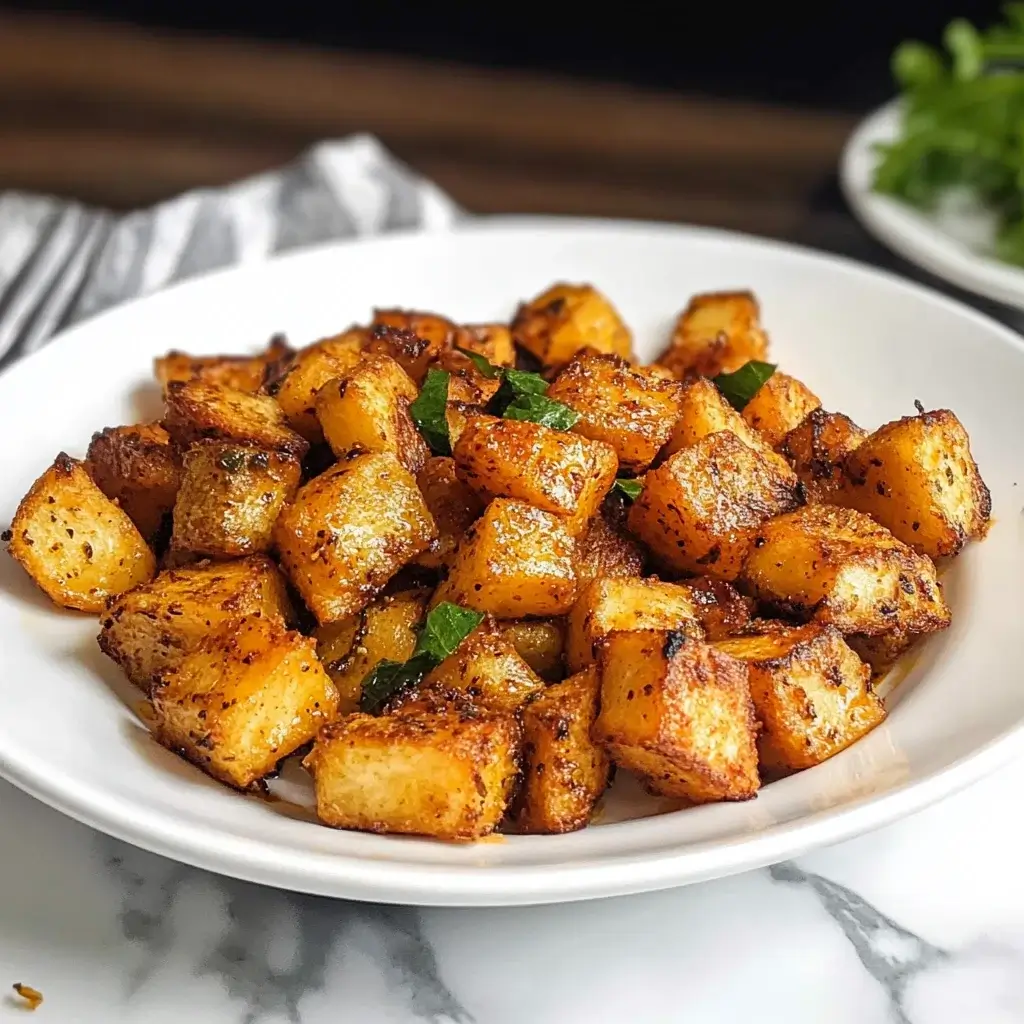

There are certain sounds that instantly signal “weekend morning” in my house. It’s not the birds chirping or the gentle hum of the refrigerator. It’s the rhythmic chop, chop, chop of potatoes hitting the cutting board, followed by the sizzle and pop as they meet hot oil in a cast iron skillet. Yes, you guessed it, we are a home fries family. And not just any home fries – we’re talking golden, crispy on the outside, fluffy on the inside, perfectly seasoned home fries that are the undisputed star of any breakfast spread. Over the years, I’ve experimented with countless variations, tweaking techniques and seasonings until I landed on what I believe is truly the perfect home fries recipe. It’s a recipe that’s been requested at countless brunches, has saved many a rushed weeknight dinner (home fries for dinner? Yes, please!), and has become a non-negotiable side dish whenever we have breakfast for dinner. Forget soggy, bland potatoes – these home fries are a flavor explosion, a textural delight, and surprisingly easy to master. Get ready to ditch the store-bought frozen bags and embrace the joy of homemade, truly exceptional home fries. You, and your breakfast plate, will never be the same.
Ingredients for Exceptional Home Fries
The beauty of home fries lies in their simplicity. With just a few humble ingredients, you can create a side dish that’s bursting with flavor and texture. However, the quality and type of ingredients you choose can make a significant difference in the final result. Let’s break down the essential components for truly exceptional home fries:
- Potatoes: 2 lbs Potatoes (Russet or Yukon Gold are highly recommended). The type of potato is arguably the most crucial element in achieving perfect home fries.
- Russet Potatoes: These are the classic choice for a reason. Russets are high in starch and low in moisture, which means they cook up incredibly fluffy on the inside and crisp up beautifully on the outside. Their drier texture is ideal for frying and roasting, resulting in that signature crispy exterior we all crave.
- Yukon Gold Potatoes: These are a fantastic alternative if you prefer a slightly creamier interior. Yukon Golds are also moderately starchy but have a naturally buttery flavor and a slightly waxy texture. They crisp up well, though perhaps not quite as dramatically as Russets, and offer a richer, more flavorful potato experience.
- Avoid Waxy Potatoes: Red potatoes, new potatoes, and fingerling potatoes are generally not recommended for home fries. These varieties are low in starch and high in moisture, which means they tend to steam rather than crisp up when cooked in this manner. They can become mushy or gummy instead of achieving that desirable crispy exterior.
- Oil: ¼ cup Cooking Oil (Vegetable Oil, Canola Oil, or Avocado Oil recommended). The type of oil you use also plays a vital role in the crispiness and flavor of your home fries.
- Neutral Oils: Vegetable oil, canola oil, and avocado oil are excellent choices because they have a high smoke point and a neutral flavor. This allows the natural potato flavor to shine through without any competing tastes from the oil itself. These oils also contribute to a beautifully crispy exterior.
- Olive Oil (with caution): While olive oil can be used, its lower smoke point means you need to be careful not to overheat it, or it can burn and impart a bitter flavor. If you use olive oil, opt for light olive oil rather than extra virgin, and keep the cooking temperature moderate. Olive oil can add a subtle fruity note to the fries.
- Butter (for flavor boost): While not ideal as the sole cooking fat due to its lower smoke point, butter can be added in combination with oil for a richer, more decadent flavor. Adding a tablespoon or two of butter towards the end of cooking can create a wonderful buttery aroma and taste.
- Onion: ½ medium Yellow Onion, diced. Onion adds a savory sweetness and aromatic depth to home fries.
- Yellow Onion: This is the classic choice for its balanced flavor that’s neither too mild nor too overpowering. It caramelizes beautifully as it cooks alongside the potatoes, adding a subtle sweetness.
- Sweet Onion (Vidalia): For a sweeter, milder flavor, you can use a sweet onion like Vidalia. These onions have a higher sugar content and caramelize even more readily, resulting in a sweeter home fry.
- Red Onion (for a sharper bite): If you prefer a slightly sharper, more pungent flavor, red onion can be used. However, red onion can be more assertive in flavor, so use it sparingly if you want the potato flavor to be the star.
- Garlic: 2-3 cloves Garlic, minced. Garlic is an essential aromatic that adds a savory, pungent kick to home fries.
- Fresh Garlic: Freshly minced garlic is always preferred for its vibrant flavor. Mince it finely to ensure it cooks evenly and doesn’t burn.
- Garlic Powder (as a substitute): In a pinch, you can use garlic powder, but fresh garlic provides a much brighter and more complex flavor. If using garlic powder, add about ½ to 1 teaspoon along with the other dry seasonings.
- Seasonings: Salt, Black Pepper, Paprika, and optional seasonings like Onion Powder, Garlic Powder, or Dried Herbs (Rosemary, Thyme, Oregano). Seasoning is where you can truly customize your home fries and make them your own.
- Salt and Black Pepper: These are the foundational seasonings and are essential for bringing out the flavor of the potatoes and other ingredients. Use kosher salt or sea salt for the best flavor. Freshly ground black pepper is always preferred.
- Paprika: Adds a subtle smoky sweetness and a beautiful reddish-orange hue to the home fries. Smoked paprika will enhance the smoky flavor, while sweet paprika adds a touch of sweetness and color.
- Onion Powder and Garlic Powder: These enhance the savory onion and garlic flavors and add depth to the overall seasoning profile.
- Dried Herbs: Rosemary, thyme, and oregano are classic herbs that pair beautifully with potatoes and add a warm, earthy, and aromatic dimension to your home fries. Use dried herbs for convenience, or fresh herbs finely chopped for a brighter flavor.
- Cayenne Pepper or Red Pepper Flakes (for heat): If you like a little spice, add a pinch of cayenne pepper or red pepper flakes to your seasoning blend.
- Other Spice Options: Consider adding chili powder, cumin, or even a touch of curry powder for unique flavor variations.
Instructions: Mastering the Art of Crispy Home Fries
Making perfect home fries is all about technique. While the ingredient list is simple, following these step-by-step instructions will ensure you achieve that ideal balance of crispy exterior and fluffy interior.
- Prepare the Potatoes: Wash the potatoes thoroughly. Peeling is optional, but for a more rustic home fry with slightly more texture, leave the skins on. If peeling, use a vegetable peeler to remove the potato skins. Dice the potatoes into uniform ½-inch to ¾-inch cubes. Uniformity is key for even cooking. Larger cubes will take longer to cook, while smaller cubes might become too crispy and dry out.
- Soak the Potatoes (Optional but Recommended for Extra Crispiness): Place the diced potatoes in a bowl and cover them with cold water. Let them soak for at least 30 minutes, or up to 2 hours in the refrigerator. Soaking helps to remove excess starch from the potatoes, which contributes to a crispier exterior and prevents them from sticking together during cooking. If you’re short on time, even a 15-minute soak can make a difference. After soaking, drain the potatoes thoroughly and pat them completely dry with paper towels. Excess moisture is the enemy of crispiness!
- Prepare the Aromatics: While the potatoes are soaking (or while they dry), dice the onion and mince the garlic. Have these ready to go for the next step.
- Heat the Oil: Heat the oil in a large skillet, preferably cast iron, over medium-high heat. Cast iron skillets distribute heat evenly and retain heat well, which is ideal for achieving crispy home fries. Ensure the skillet is large enough to accommodate the potatoes in a single layer without overcrowding. If you overcrowd the skillet, the potatoes will steam instead of fry and won’t crisp up properly. Let the oil heat up until it shimmers and a drop of water flicked into the pan sizzles immediately.
- Add Potatoes and Onions: Carefully add the diced potatoes and diced onion to the hot skillet in a single layer. Avoid overcrowding the pan. If necessary, cook the potatoes in batches to ensure they crisp up properly. Season generously with salt, black pepper, paprika, and any other desired seasonings (onion powder, garlic powder, dried herbs, etc.). Stir to coat the potatoes and onions evenly with the oil and seasonings.
- Cook the Home Fries: Cook the potatoes over medium-high heat, stirring occasionally, for about 15-20 minutes, or until they are golden brown and crispy on the outside and tender on the inside. Resist the urge to stir too frequently, as allowing the potatoes to sit undisturbed in the hot oil for a few minutes at a time helps them develop a crispy crust. Adjust the heat as needed to prevent burning. If the potatoes are browning too quickly, reduce the heat to medium.
- Add Garlic (towards the end): In the last 2-3 minutes of cooking, add the minced garlic to the skillet. Cook until fragrant, about 1 minute, stirring constantly to prevent burning. Garlic burns quickly, so add it towards the end of cooking to preserve its flavor and prevent it from becoming bitter.
- Check for Doneness: The home fries are done when they are golden brown and crispy on the outside and easily pierced with a fork, indicating they are tender on the inside. Taste one to check for seasoning and adjust salt and pepper as needed.
- Drain Excess Oil (Optional): If desired, you can drain excess oil by transferring the cooked home fries to a paper towel-lined plate for a minute or two before serving. This is optional but can help to reduce excess grease.
- Serve Immediately: Home fries are best served hot and fresh, right out of the skillet. Serve them immediately as a side dish for breakfast, brunch, lunch, or dinner.
Nutrition Facts: Fueling Your Day with Delicious Home Fries
While often considered a breakfast indulgence, home fries can actually be part of a balanced diet when prepared with wholesome ingredients and enjoyed in moderation. Here’s a general nutritional breakdown for a serving of homemade home fries (approximate, based on a serving size of about 1 cup):
- Servings: This recipe typically yields 4-6 servings as a side dish, depending on portion sizes.
- Calories per Serving (approximate, based on 4 servings): 200-300 calories. This can vary depending on the amount of oil used and the size of the potato serving.
- Macronutrients (approximate, per serving):
- Protein: 3-5 grams
- Fat: 10-15 grams (primarily from cooking oil)
- Carbohydrates: 25-35 grams (mostly from potatoes)
- Key Nutrients (approximate, per serving):
- Potassium: Potatoes are a good source of potassium, an important electrolyte for heart health and blood pressure regulation.
- Vitamin C: Potatoes contain vitamin C, an antioxidant that supports immune function.
- Vitamin B6: Potatoes are a source of vitamin B6, which is important for brain development and function.
- Fiber: Potatoes, especially with the skin on, provide dietary fiber, which aids in digestion and promotes satiety.
Important Note: These nutritional values are estimates and can vary based on specific ingredient choices, portion sizes, and cooking methods. Using less oil, leaving the potato skins on, and choosing healthier oil options like avocado oil can slightly improve the nutritional profile. Enjoy home fries as part of a balanced meal with protein, vegetables, and other nutrient-rich foods.
Preparation Time: Quick and Easy Home Fries
One of the best things about home fries is that they are relatively quick and easy to prepare, making them perfect for busy mornings or when you need a satisfying side dish in a hurry.
- Prep Time: 15-20 minutes. This includes washing, peeling (optional), and dicing the potatoes, dicing the onion, and mincing the garlic. Soaking the potatoes adds to the prep time but is mostly hands-off.
- Cook Time: 20-25 minutes. This includes heating the oil and cooking the potatoes until they are crispy and tender.
- Total Time: 35-45 minutes. From start to finish, you can have a batch of delicious homemade home fries on the table in under 45 minutes. If you skip the soaking step, the total time will be even shorter.
This recipe is perfect for weekend breakfasts or brunches when you want a hearty and flavorful side dish without spending hours in the kitchen. The hands-on time is minimal, and most of the cooking time is spent letting the potatoes crisp up in the skillet.
How to Serve: Versatile Ways to Enjoy Home Fries
Home fries are incredibly versatile and can be served in countless ways, making them a welcome addition to any meal, from breakfast to dinner. Here are some delicious serving suggestions:
- Classic Breakfast Staple:
- Eggs: Serve alongside scrambled eggs, fried eggs, poached eggs, or omelets for a classic breakfast pairing. The crispy potatoes and creamy eggs are a match made in breakfast heaven.
- Bacon, Sausage, or Ham: Pair with your favorite breakfast meats like crispy bacon, savory sausage patties, or sliced ham for a heartier and more substantial breakfast.
- Pancakes or Waffles: Serve as a savory contrast to sweet pancakes or waffles for a balanced breakfast or brunch spread.
- Breakfast Burritos or Tacos: Incorporate home fries into breakfast burritos or tacos for added texture and flavor.
- Brunch Favorites:
- Eggs Benedict: Serve as a base for Eggs Benedict instead of English muffins for a unique and flavorful brunch dish.
- Frittatas or Quiches: Include home fries as a filling in frittatas or quiches for added heartiness and potato goodness.
- Breakfast Skillets: Create a breakfast skillet with home fries as the base, topped with eggs, cheese, vegetables, and meats.
- Lunch and Dinner Side Dish:
- Burgers or Sandwiches: Serve as a satisfying side dish for burgers, sandwiches, or wraps instead of traditional french fries.
- Grilled Meats or Fish: Pair with grilled chicken, steak, pork chops, or fish for a hearty and flavorful dinner side dish.
- Roasted Chicken or Vegetables: Serve alongside roasted chicken or roasted vegetables for a comforting and balanced meal.
- Vegetarian Mains: Accompany vegetarian main dishes like veggie burgers, lentil loaf, or bean stews for a satisfying and potato-centric meal.
- Topping and Sauce Ideas:
- Ketchup, Mustard, or Mayonnaise: Classic dipping sauces for home fries.
- Spicy Mayo or Aioli: Elevate your dipping game with spicy mayo or garlic aioli.
- Salsa or Hot Sauce: Add a kick with salsa or your favorite hot sauce.
- Cheese Sauce or Gravy: Drizzle with cheese sauce or gravy for a decadent and comforting treat.
- Sour Cream or Greek Yogurt: Top with sour cream or Greek yogurt for a creamy and tangy contrast.
- Chopped Fresh Herbs: Garnish with chopped fresh parsley, chives, or cilantro for added freshness and flavor.
No matter how you choose to serve them, home fries are a versatile and crowd-pleasing side dish that is sure to be a hit. Their crispy texture and savory flavor make them a welcome addition to any meal.
Additional Tips for Achieving Home Fry Perfection
To consistently create home fries that are golden, crispy, and utterly delicious, keep these five essential tips in mind:
- Don’t Overcrowd the Skillet: This is the golden rule of crispy home fries. Overcrowding the skillet will cause the potatoes to steam instead of fry, resulting in soggy, unevenly cooked potatoes. Cook the potatoes in batches if necessary to ensure they have enough space to crisp up properly. A single layer is key for optimal crispiness.
- Preheat the Skillet and Oil Properly: Make sure the skillet and oil are adequately heated before adding the potatoes. A hot skillet and oil are essential for creating that initial sear and preventing the potatoes from sticking. The oil should be shimmering and hot enough that a drop of water flicked into the pan sizzles immediately.
- Soaking for Crispiness (Don’t Skip It if You Can): Soaking the diced potatoes in cold water, even for a short time, makes a noticeable difference in their crispiness. Soaking removes excess starch, which can hinder crisping and cause the potatoes to stick together. Patting them completely dry after soaking is equally important to remove excess moisture.
- Season Generously and in Layers: Don’t be shy with the seasoning! Season the potatoes generously with salt, pepper, and other desired spices right from the start. You can also add a little more seasoning towards the end of cooking to boost the flavor. Layering the seasoning throughout the cooking process ensures the flavors penetrate the potatoes deeply.
- Resist the Urge to Stir Constantly: While occasional stirring is necessary to ensure even cooking, resist the urge to stir the potatoes too frequently. Allowing the potatoes to sit undisturbed in the hot oil for a few minutes at a time allows them to develop a crispy crust on the bottom. Stirring too often disrupts the crisping process.
By following these tips, you’ll be well on your way to mastering the art of homemade home fries and creating consistently delicious results every time.
Frequently Asked Questions (FAQ) About Home Fries
Here are some common questions people have about making homemade home fries:
Q1: Can I make home fries ahead of time?
A: While home fries are best served fresh and hot for optimal crispiness, you can prep some components ahead of time. You can dice the potatoes and soak them in water up to a few hours in advance. Store the soaked potatoes in the refrigerator in the water to prevent browning. However, it’s best to cook the home fries just before serving for the best texture and flavor. Reheated home fries will lose some of their crispiness.
Q2: What’s the best oil to use for home fries?
A: Neutral oils with a high smoke point like vegetable oil, canola oil, or avocado oil are generally recommended for home fries. These oils have a mild flavor that won’t compete with the potatoes and can withstand high cooking temperatures without burning. Olive oil can be used with caution, but its lower smoke point requires careful temperature control.
Q3: My home fries are always soggy. What am I doing wrong?
A: Soggy home fries are usually caused by overcrowding the skillet, not using hot enough oil, or not patting the potatoes dry enough after soaking (if soaking). Make sure to cook the potatoes in a single layer, preheat the skillet and oil properly, and ensure the potatoes are completely dry before adding them to the hot oil. Soaking and patting dry are crucial for removing excess moisture and starch, which contribute to crispiness.
Q4: Can I bake home fries instead of frying them in a skillet?
A: Yes, you can bake home fries for a slightly healthier option. Preheat your oven to 400°F (200°C). Toss the diced potatoes with oil and seasonings, spread them in a single layer on a baking sheet, and bake for 25-35 minutes, flipping halfway through, until golden brown and tender. Baked home fries will be less crispy than skillet-fried home fries but still delicious and a good alternative.
Q5: Can I add other vegetables to my home fries?
A: Absolutely! Home fries are a great base for adding other vegetables. Bell peppers, onions (in addition to yellow onion), mushrooms, and even spinach or kale can be added to your home fries. Add heartier vegetables like bell peppers and mushrooms along with the onions at the beginning of cooking. Leafy greens like spinach or kale should be added towards the end of cooking, just until wilted.
We hope these FAQs help you troubleshoot any home fry challenges and inspire you to create your own perfect batch of crispy, golden home fries! Enjoy!
Print
Home Fries recipe
Ingredients
- Potatoes: 2 lbs Potatoes (Russet or Yukon Gold are highly recommended). The type of potato is arguably the most crucial element in achieving perfect home fries.
- Russet Potatoes: These are the classic choice for a reason. Russets are high in starch and low in moisture, which means they cook up incredibly fluffy on the inside and crisp up beautifully on the outside. Their drier texture is ideal for frying and roasting, resulting in that signature crispy exterior we all crave.
- Yukon Gold Potatoes: These are a fantastic alternative if you prefer a slightly creamier interior. Yukon Golds are also moderately starchy but have a naturally buttery flavor and a slightly waxy texture. They crisp up well, though perhaps not quite as dramatically as Russets, and offer a richer, more flavorful potato experience.
- Avoid Waxy Potatoes: Red potatoes, new potatoes, and fingerling potatoes are generally not recommended for home fries. These varieties are low in starch and high in moisture, which means they tend to steam rather than crisp up when cooked in this manner. They can become mushy or gummy instead of achieving that desirable crispy exterior.
- Oil: ¼ cup Cooking Oil (Vegetable Oil, Canola Oil, or Avocado Oil recommended). The type of oil you use also plays a vital role in the crispiness and flavor of your home fries.
- Neutral Oils: Vegetable oil, canola oil, and avocado oil are excellent choices because they have a high smoke point and a neutral flavor. This allows the natural potato flavor to shine through without any competing tastes from the oil itself. These oils also contribute to a beautifully crispy exterior.
- Olive Oil (with caution): While olive oil can be used, its lower smoke point means you need to be careful not to overheat it, or it can burn and impart a bitter flavor. If you use olive oil, opt for light olive oil rather than extra virgin, and keep the cooking temperature moderate. Olive oil can add a subtle fruity note to the fries.
- Butter (for flavor boost): While not ideal as the sole cooking fat due to its lower smoke point, butter can be added in combination with oil for a richer, more decadent flavor. Adding a tablespoon or two of butter towards the end of cooking can create a wonderful buttery aroma and taste.
- Onion: ½ medium Yellow Onion, diced. Onion adds a savory sweetness and aromatic depth to home fries.
- Yellow Onion: This is the classic choice for its balanced flavor that’s neither too mild nor too overpowering. It caramelizes beautifully as it cooks alongside the potatoes, adding a subtle sweetness.
- Sweet Onion (Vidalia): For a sweeter, milder flavor, you can use a sweet onion like Vidalia. These onions have a higher sugar content and caramelize even more readily, resulting in a sweeter home fry.
- Red Onion (for a sharper bite): If you prefer a slightly sharper, more pungent flavor, red onion can be used. However, red onion can be more assertive in flavor, so use it sparingly if you want the potato flavor to be the star.
- Garlic: 2-3 cloves Garlic, minced. Garlic is an essential aromatic that adds a savory, pungent kick to home fries.
- Fresh Garlic: Freshly minced garlic is always preferred for its vibrant flavor. Mince it finely to ensure it cooks evenly and doesn’t burn.
- Garlic Powder (as a substitute): In a pinch, you can use garlic powder, but fresh garlic provides a much brighter and more complex flavor. If using garlic powder, add about ½ to 1 teaspoon along with the other dry seasonings.
- Seasonings: Salt, Black Pepper, Paprika, and optional seasonings like Onion Powder, Garlic Powder, or Dried Herbs (Rosemary, Thyme, Oregano). Seasoning is where you can truly customize your home fries and make them your own.
- Salt and Black Pepper: These are the foundational seasonings and are essential for bringing out the flavor of the potatoes and other ingredients. Use kosher salt or sea salt for the best flavor. Freshly ground black pepper is always preferred.
- Paprika: Adds a subtle smoky sweetness and a beautiful reddish-orange hue to the home fries. Smoked paprika will enhance the smoky flavor, while sweet paprika adds a touch of sweetness and color.
- Onion Powder and Garlic Powder: These enhance the savory onion and garlic flavors and add depth to the overall seasoning profile.
- Dried Herbs: Rosemary, thyme, and oregano are classic herbs that pair beautifully with potatoes and add a warm, earthy, and aromatic dimension to your home fries. Use dried herbs for convenience, or fresh herbs finely chopped for a brighter flavor.
- Cayenne Pepper or Red Pepper Flakes (for heat): If you like a little spice, add a pinch of cayenne pepper or red pepper flakes to your seasoning blend.
- Other Spice Options: Consider adding chili powder, cumin, or even a touch of curry powder for unique flavor variations.
Instructions
- Prepare the Potatoes: Wash the potatoes thoroughly. Peeling is optional, but for a more rustic home fry with slightly more texture, leave the skins on. If peeling, use a vegetable peeler to remove the potato skins. Dice the potatoes into uniform ½-inch to ¾-inch cubes. Uniformity is key for even cooking. Larger cubes will take longer to cook, while smaller cubes might become too crispy and dry out.
- Soak the Potatoes (Optional but Recommended for Extra Crispiness): Place the diced potatoes in a bowl and cover them with cold water. Let them soak for at least 30 minutes, or up to 2 hours in the refrigerator. Soaking helps to remove excess starch from the potatoes, which contributes to a crispier exterior and prevents them from sticking together during cooking. If you’re short on time, even a 15-minute soak can make a difference. After soaking, drain the potatoes thoroughly and pat them completely dry with paper towels. Excess moisture is the enemy of crispiness!
- Prepare the Aromatics: While the potatoes are soaking (or while they dry), dice the onion and mince the garlic. Have these ready to go for the next step.
- Heat the Oil: Heat the oil in a large skillet, preferably cast iron, over medium-high heat. Cast iron skillets distribute heat evenly and retain heat well, which is ideal for achieving crispy home fries. Ensure the skillet is large enough to accommodate the potatoes in a single layer without overcrowding. If you overcrowd the skillet, the potatoes will steam instead of fry and won’t crisp up properly. Let the oil heat up until it shimmers and a drop of water flicked into the pan sizzles immediately.
- Add Potatoes and Onions: Carefully add the diced potatoes and diced onion to the hot skillet in a single layer. Avoid overcrowding the pan. If necessary, cook the potatoes in batches to ensure they crisp up properly. Season generously with salt, black pepper, paprika, and any other desired seasonings (onion powder, garlic powder, dried herbs, etc.). Stir to coat the potatoes and onions evenly with the oil and seasonings.
- Cook the Home Fries: Cook the potatoes over medium-high heat, stirring occasionally, for about 15-20 minutes, or until they are golden brown and crispy on the outside and tender on the inside. Resist the urge to stir too frequently, as allowing the potatoes to sit undisturbed in the hot oil for a few minutes at a time helps them develop a crispy crust. Adjust the heat as needed to prevent burning. If the potatoes are browning too quickly, reduce the heat to medium.
- Add Garlic (towards the end): In the last 2-3 minutes of cooking, add the minced garlic to the skillet. Cook until fragrant, about 1 minute, stirring constantly to prevent burning. Garlic burns quickly, so add it towards the end of cooking to preserve its flavor and prevent it from becoming bitter.
- Check for Doneness: The home fries are done when they are golden brown and crispy on the outside and easily pierced with a fork, indicating they are tender on the inside. Taste one to check for seasoning and adjust salt and pepper as needed.
- Drain Excess Oil (Optional): If desired, you can drain excess oil by transferring the cooked home fries to a paper towel-lined plate for a minute or two before serving. This is optional but can help to reduce excess grease.
- Serve Immediately: Home fries are best served hot and fresh, right out of the skillet. Serve them immediately as a side dish for breakfast, brunch, lunch, or dinner.
Nutrition
- Serving Size: one normal portion
- Calories: 200-300
- Fat: 10-15 grams
- Carbohydrates: 25-35 grams
- Protein: 3-5 grams