
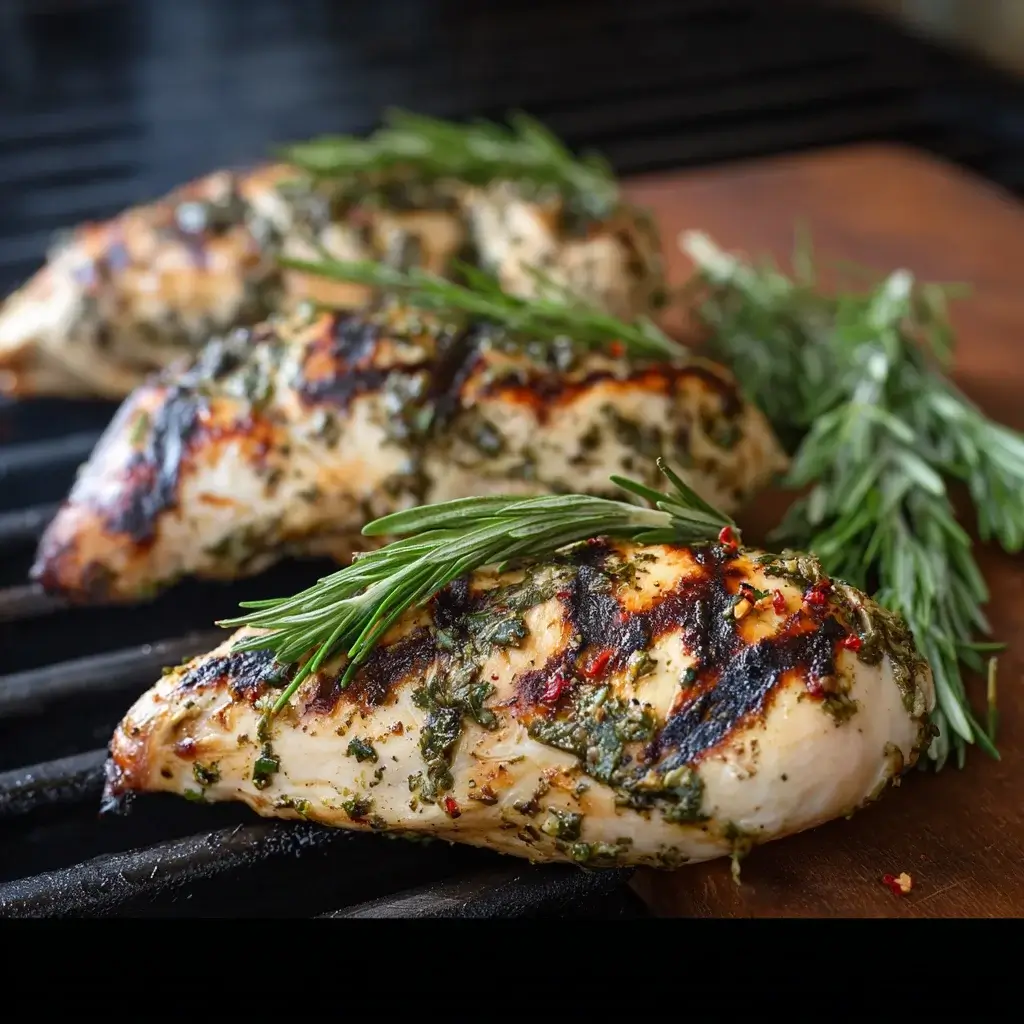

There’s a certain magic to summer grilling, a ritual that promises simple pleasures and delicious food. For a long time, however, my grilled chicken was anything but magical. It was often the culinary equivalent of a polite, boring handshake—dry, bland, and utterly forgettable. I tried countless dry rubs and bottled marinades, but the results were always disappointingly one-note. The turning point came on a sun-drenched afternoon when I had a surplus of fresh herbs from my garden and a desire for something vibrant and alive. I decided to abandon the spice cabinet and instead blitzed a huge bunch of parsley, cilantro, and mint with garlic, lemon, and olive oil. The resulting marinade was a brilliant, shocking green, and the aroma was electric. I submerged the chicken in this fragrant concoction and let it sit. Later, as the chicken hit the hot grill, the neighborhood was filled with the most incredible scent—a combination of fresh herbs, char, and savory garlic. My family, accustomed to my standard grilled fare, was instantly intrigued. The first bite was a revelation. The chicken was unbelievably juicy, infused with a complex, herbaceous flavor that was both bright and deeply savory. It was the best grilled chicken any of us had ever tasted. That recipe has since become the undisputed star of our summer cookouts, the one dish that disappears from the platter first, and the secret weapon that forever banished boring chicken from my grill.
Complete with the Ingredients Amount
This recipe is designed to marinate approximately 2 pounds of chicken, serving 4-6 people. The herb marinade is the star, so using fresh, vibrant ingredients is key.
For the Herb Marinade:
- Fresh Parsley: 1 large bunch (about 2 cups, lightly packed), thick stems removed
- Fresh Cilantro: 1 large bunch (about 2 cups, lightly packed), tender stems are okay
- Fresh Mint: 1/2 cup, lightly packed leaves
- Garlic: 4-5 large cloves, peeled
- Shallot: 1 small, peeled and roughly chopped (or 1/4 of a small red onion)
- Extra Virgin Olive Oil: 1/2 cup
- Fresh Lemon Juice: 1/4 cup (from 1-2 lemons)
- Lemon Zest: From 1 lemon
- Red Pepper Flakes: 1/2 teaspoon (adjust to your heat preference)
- Fine Sea Salt: 1 ½ teaspoons
- Freshly Ground Black Pepper: 1 teaspoon
For the Chicken:
- Boneless, Skinless Chicken Breasts: 2 pounds (about 4 medium-sized breasts)
A Deeper Dive into the Core Components
The symphony of flavors in this dish comes from understanding the role each ingredient plays. This isn’t just a list; it’s a carefully selected cast of characters.
- The Chicken: While this marinade is versatile, it shines with boneless, skinless chicken breasts. Their lean nature allows them to fully absorb the vibrant flavors without competing fats. The key to juicy results is sourcing good quality chicken and, most importantly, preparing it correctly. Pounding the breasts to an even thickness is a crucial step that ensures they cook evenly, preventing the thin parts from drying out while the thick parts are still cooking. You can also use boneless, skinless chicken thighs; they are more forgiving due to their higher fat content and will require a slightly longer cooking time.
- The Herb Trio (Parsley, Cilantro, Mint): This is the heart of the marinade.
- Parsley: Use flat-leaf (Italian) parsley. It provides a bright, grassy, and slightly peppery base that forms the backbone of the marinade’s flavor.
- Cilantro: Love it or hate it, cilantro is essential here. It adds a complex, citrusy, and almost zesty note that brightens the entire dish.
- Mint: This is the secret weapon. A smaller amount of mint adds a surprising, cooling freshness that cuts through the richness of the olive oil and the char from the grill. It elevates the marinade from just “herby” to something truly special and memorable.
- The Aromatics (Garlic and Shallot): These provide the savory, pungent depth. Fresh garlic is non-negotiable for its sharp, assertive flavor. A small shallot adds a milder, sweeter onion flavor than a regular onion, contributing a layer of complexity without overpowering the delicate herbs.
- The Acid and Fat (Lemon and Olive Oil): This is the functional base of the marinade.
- Olive Oil: The fat acts as a carrier for all the fat-soluble flavors in the herbs and garlic, helping them penetrate the meat. It also helps prevent the chicken from sticking to the grill and promotes a beautiful golden-brown crust.
- Lemon Juice: The acid works to tenderize the chicken by breaking down its proteins. More importantly, it adds a crucial bright, tangy counterpoint to the herbs and the smokiness from the grill. The lemon zest provides an extra punch of pure citrus aroma without the sourness.
Instructions
Follow these steps precisely for perfectly marinated and grilled chicken that is bursting with flavor and moisture.
Step 1: Create the Herb Marinade
- Prepare the Herbs: Wash and thoroughly dry all your fresh herbs. Excess water will dilute the marinade and prevent it from clinging to the chicken properly. Remove the thick, tough stems from the parsley, but the tender stems of the cilantro are fine to include as they are full of flavor.
- Combine Ingredients: In the bowl of a food processor, combine the parsley, cilantro, mint leaves, garlic cloves, and chopped shallot.
- Pulse for Texture: Pulse the mixture 5-6 times until the ingredients are roughly chopped. You are not looking for a smooth purée yet.
- Stream in Liquids: With the food processor running on low, slowly stream in the 1/2 cup of olive oil and 1/4 cup of lemon juice. Continue processing until the marinade is well-combined but still has some texture, resembling a coarse pesto or chimichurri. Over-processing can make the herbs bitter.
- Final Seasoning: Turn off the processor. Add the lemon zest, red pepper flakes, salt, and black pepper. Pulse just a couple more times to incorporate. Taste the marinade and adjust seasoning if necessary. It should taste potent and slightly saltier than you think is necessary, as it will be flavoring a lot of chicken.
Step 2: Prepare and Marinate the Chicken
- Prepare the Chicken: Place the chicken breasts between two sheets of plastic wrap or in a large zip-top bag. Using a meat mallet, rolling pin, or the bottom of a heavy skillet, gently pound the chicken to an even thickness of about 3/4 inch. This is the single most important step for ensuring juicy, evenly cooked chicken breasts.
- Reserve Marinade (Optional but Recommended): Scoop out about 1/4 cup of the fresh marinade and set it aside in a separate small bowl. This reserved portion will be used as a clean, safe sauce for serving.
- Marinate: Place the pounded chicken breasts in a large glass dish or a large zip-top bag. Pour the remaining marinade over the chicken. Use your hands or tongs to massage the marinade into the chicken, ensuring every surface is completely coated.
- Refrigerate: Cover the dish or seal the bag and place it in the refrigerator to marinate for at least 30 minutes, but no more than 4 hours. The acid in the lemon juice will begin to break down the texture of the chicken if left for too long, resulting in a mushy final product.
Step 3: Grill the Chicken
- Preheat the Grill: Preheat your gas or charcoal grill to medium-high heat, around 400-450°F (200-230°C). A hot grill is essential for getting a good sear and those coveted grill marks.
- Clean and Oil the Grates: Once the grill is hot, use a grill brush to clean the grates thoroughly. Then, use a paper towel dipped in a high-smoke-point oil (like canola or avocado oil) and, holding it with long tongs, wipe the grates. This prevents the chicken from sticking.
- Grill: Remove the chicken from the marinade, allowing any excess to drip off. Place the chicken breasts on the hot, oiled grates.
- Cook and Flip: Grill for 5-7 minutes on the first side, with the lid closed. Resist the urge to move the chicken; this allows it to develop a beautiful sear. Flip the chicken once and continue to cook for another 5-7 minutes on the second side.
- Check for Doneness: The most reliable way to check for doneness is with an instant-read meat thermometer. The chicken is cooked through when the internal temperature in the thickest part reaches 165°F (74°C). Cooking times will vary based on the exact thickness of your chicken and the heat of your grill.
- Rest the Chicken: This is a non-negotiable step. Immediately transfer the cooked chicken to a clean cutting board. Tent it loosely with aluminum foil and let it rest for 5-10 minutes. This allows the juices to redistribute throughout the meat, ensuring every bite is moist and tender.
Nutrition Facts
- Servings: 6
- Calories per serving: Approximately 350-400 kcal
This nutritional estimate is based on a 6-ounce serving of chicken and includes the marinade. The final count will vary based on the exact size of the chicken breasts.
- Protein: ~45g
- Carbohydrates: ~3g
- Fat: ~18g (primarily unsaturated fats from olive oil)
- Sodium: ~700mg
This dish is an excellent source of lean protein, making it a healthy and satisfying main course. It is naturally low in carbohydrates and gluten-free.
Preparation Time
- Preparation Time: 15 minutes (to make the marinade and pound the chicken)
- Marination Time: 30 minutes to 4 hours
- Cook Time: 10-15 minutes
- Total Hands-On Time: Approximately 30 minutes
How to Serve
This Herb-Infused Grilled Chicken is incredibly versatile. After resting, slice the chicken against the grain and serve it warm.
- Classic Platter Style:
- Arrange the sliced chicken on a platter.
- Drizzle with the reserved (uncontaminated) marinade.
- Garnish with extra fresh herbs and lemon wedges for squeezing.
- As a Healthy Main Course:
- Serve alongside grilled vegetables like zucchini, bell peppers, and asparagus.
- Pair with a quinoa salad tossed with feta cheese, cucumber, and tomatoes.
- Excellent with roasted sweet potatoes or a simple side of brown rice.
- In Salads:
- Let the chicken cool slightly, then slice or dice it to top a large Caesar salad or a fresh Greek salad. The herbaceous chicken replaces the need for a heavy dressing.
- In Sandwiches, Wraps, and Tacos:
- Slice the chicken thinly and stuff it into a warm pita with tzatziki, lettuce, and tomato for a Mediterranean-style wrap.
- Use it as the protein in soft tacos, topped with avocado, pico de gallo, and a sprinkle of cotija cheese.
- Layer it on a crusty baguette with provolone and arugula for a gourmet chicken sandwich.
Additional Tips
Master this recipe with these five crucial tips that make all the difference between good and great grilled chicken.
- Uniform Thickness is Everything: I cannot stress this enough. Pounding the chicken breasts to an even 3/4-inch thickness is the most important step for success. It guarantees that the entire piece of chicken cooks at the same rate, eliminating the common problem of dry, overcooked edges and an undercooked center.
- The Marination Sweet Spot: While marinating adds flavor, over-marinating with an acidic base like lemon juice will “cook” the outside of the chicken (like ceviche) and turn the texture unpleasantly mushy. For chicken breasts, a window of 30 minutes to 4 hours is perfect. If you need to prep further in advance, make the marinade but don’t add it to the chicken until you’re within that four-hour window.
- Don’t Fear a Hot Grill: A properly preheated, medium-high grill is essential. Placing chicken on a lukewarm grill will cause it to stick, and it will essentially steam instead of sear. You want to hear a confident sizzle the moment the chicken hits the grates. This initial high heat creates a delicious crust and beautiful grill marks.
- Use a Thermometer, Not a Timer: Every grill is different, and every piece of chicken has a slightly different thickness. The only way to guarantee perfectly cooked, juicy chicken is to use an instant-read digital thermometer. Timers are a guideline, but temperature is a fact. Pull the chicken off the grill the moment it hits 165°F.
- The Power of Resting: Slicing into chicken right off the grill is a cardinal sin of cooking. The intense heat forces all the juices to the center of the meat. Resting for 5-10 minutes allows those juices to relax and redistribute throughout the entire breast. Skipping this step will result in a dry piece of chicken sitting in a pool of its own lost juices on the cutting board.
FAQ Section
Here are answers to some of the most common questions about this recipe.
1. Can I use dried herbs instead of fresh?
While you technically can, I strongly advise against it for this recipe. The magic of this dish is the vibrant, fresh, and bright flavor of the herbs, which dried herbs cannot replicate. The marinade will have a completely different, much duller flavor and a gritty texture. If you are in a pinch and must use dried, the general rule is to use 1/3 the amount of dried herbs as fresh (e.g., 1 tablespoon fresh = 1 teaspoon dried).
2. Can I bake this chicken instead of grilling it?
Yes, this recipe works beautifully in the oven. Prepare and marinate the chicken as directed. Preheat your oven to 400°F (200°C). Place the marinated chicken breasts in a single layer in a baking dish. Bake for 20-25 minutes, or until the chicken is cooked through and the internal temperature reaches 165°F (74°C). For a bit of browning, you can switch the oven to broil for the last 1-2 minutes.
3. What other herbs can I use in the marinade?
This marinade is very adaptable. You can create different flavor profiles by swapping or adding herbs. For a more robust, woodsy flavor, try a combination of rosemary, thyme, and sage (use a lighter hand with these more potent herbs). A basil-parsley-oregano blend would give it a wonderful Italian twist. The key is to use a large volume of fresh herbs as the base.
4. Can I make the marinade ahead of time?
Yes, the marinade can be made up to 3 days in advance. Store it in an airtight container, like a glass jar, in the refrigerator. The flavors will actually meld and deepen over time. The surface may darken slightly due to oxidation, but just give it a good stir before using. Do not add it to the chicken until you are ready to begin the marination process.
5. How do I store and use the leftovers?
Leftover grilled chicken can be stored in an airtight container in the refrigerator for 3-4 days. It’s delicious cold, sliced on top of salads or in sandwiches. To reheat, you can gently warm it in a skillet over medium-low heat with a splash of water or chicken broth to keep it from drying out, or microwave it in short bursts. It is also excellent to freeze for later use in soups, tacos, or pasta dishes.
Herb-Infused Grilled Chicken recipe
Ingredients
For the Herb Marinade:
-
Fresh Parsley: 1 large bunch (about 2 cups, lightly packed), thick stems removed
-
Fresh Cilantro: 1 large bunch (about 2 cups, lightly packed), tender stems are okay
-
Fresh Mint: 1/2 cup, lightly packed leaves
-
Garlic: 4-5 large cloves, peeled
-
Shallot: 1 small, peeled and roughly chopped (or 1/4 of a small red onion)
-
Extra Virgin Olive Oil: 1/2 cup
-
Fresh Lemon Juice: 1/4 cup (from 1-2 lemons)
-
Lemon Zest: From 1 lemon
-
Red Pepper Flakes: 1/2 teaspoon (adjust to your heat preference)
-
Fine Sea Salt: 1 ½ teaspoons
-
Freshly Ground Black Pepper: 1 teaspoon
For the Chicken:
-
Boneless, Skinless Chicken Breasts: 2 pounds (about 4 medium-sized breasts)
Instructions
Step 1: Create the Herb Marinade
-
Prepare the Herbs: Wash and thoroughly dry all your fresh herbs. Excess water will dilute the marinade and prevent it from clinging to the chicken properly. Remove the thick, tough stems from the parsley, but the tender stems of the cilantro are fine to include as they are full of flavor.
-
Combine Ingredients: In the bowl of a food processor, combine the parsley, cilantro, mint leaves, garlic cloves, and chopped shallot.
-
Pulse for Texture: Pulse the mixture 5-6 times until the ingredients are roughly chopped. You are not looking for a smooth purée yet.
-
Stream in Liquids: With the food processor running on low, slowly stream in the 1/2 cup of olive oil and 1/4 cup of lemon juice. Continue processing until the marinade is well-combined but still has some texture, resembling a coarse pesto or chimichurri. Over-processing can make the herbs bitter.
-
Final Seasoning: Turn off the processor. Add the lemon zest, red pepper flakes, salt, and black pepper. Pulse just a couple more times to incorporate. Taste the marinade and adjust seasoning if necessary. It should taste potent and slightly saltier than you think is necessary, as it will be flavoring a lot of chicken.
Step 2: Prepare and Marinate the Chicken
-
Prepare the Chicken: Place the chicken breasts between two sheets of plastic wrap or in a large zip-top bag. Using a meat mallet, rolling pin, or the bottom of a heavy skillet, gently pound the chicken to an even thickness of about 3/4 inch. This is the single most important step for ensuring juicy, evenly cooked chicken breasts.
-
Reserve Marinade (Optional but Recommended): Scoop out about 1/4 cup of the fresh marinade and set it aside in a separate small bowl. This reserved portion will be used as a clean, safe sauce for serving.
-
Marinate: Place the pounded chicken breasts in a large glass dish or a large zip-top bag. Pour the remaining marinade over the chicken. Use your hands or tongs to massage the marinade into the chicken, ensuring every surface is completely coated.
-
Refrigerate: Cover the dish or seal the bag and place it in the refrigerator to marinate for at least 30 minutes, but no more than 4 hours. The acid in the lemon juice will begin to break down the texture of the chicken if left for too long, resulting in a mushy final product.
Step 3: Grill the Chicken
-
Preheat the Grill: Preheat your gas or charcoal grill to medium-high heat, around 400-450°F (200-230°C). A hot grill is essential for getting a good sear and those coveted grill marks.
-
Clean and Oil the Grates: Once the grill is hot, use a grill brush to clean the grates thoroughly. Then, use a paper towel dipped in a high-smoke-point oil (like canola or avocado oil) and, holding it with long tongs, wipe the grates. This prevents the chicken from sticking.
-
Grill: Remove the chicken from the marinade, allowing any excess to drip off. Place the chicken breasts on the hot, oiled grates.
-
Cook and Flip: Grill for 5-7 minutes on the first side, with the lid closed. Resist the urge to move the chicken; this allows it to develop a beautiful sear. Flip the chicken once and continue to cook for another 5-7 minutes on the second side.
-
Check for Doneness: The most reliable way to check for doneness is with an instant-read meat thermometer. The chicken is cooked through when the internal temperature in the thickest part reaches 165°F (74°C). Cooking times will vary based on the exact thickness of your chicken and the heat of your grill.
-
Rest the Chicken: This is a non-negotiable step. Immediately transfer the cooked chicken to a clean cutting board. Tent it loosely with aluminum foil and let it rest for 5-10 minutes. This allows the juices to redistribute throughout the meat, ensuring every bite is moist and tender.
Nutrition
- Serving Size: one normal portion
- Calories: 350-400 kcal
- Sodium: 700mg
- Fat: 18g
- Carbohydrates: 3g
- Protein: 45g