
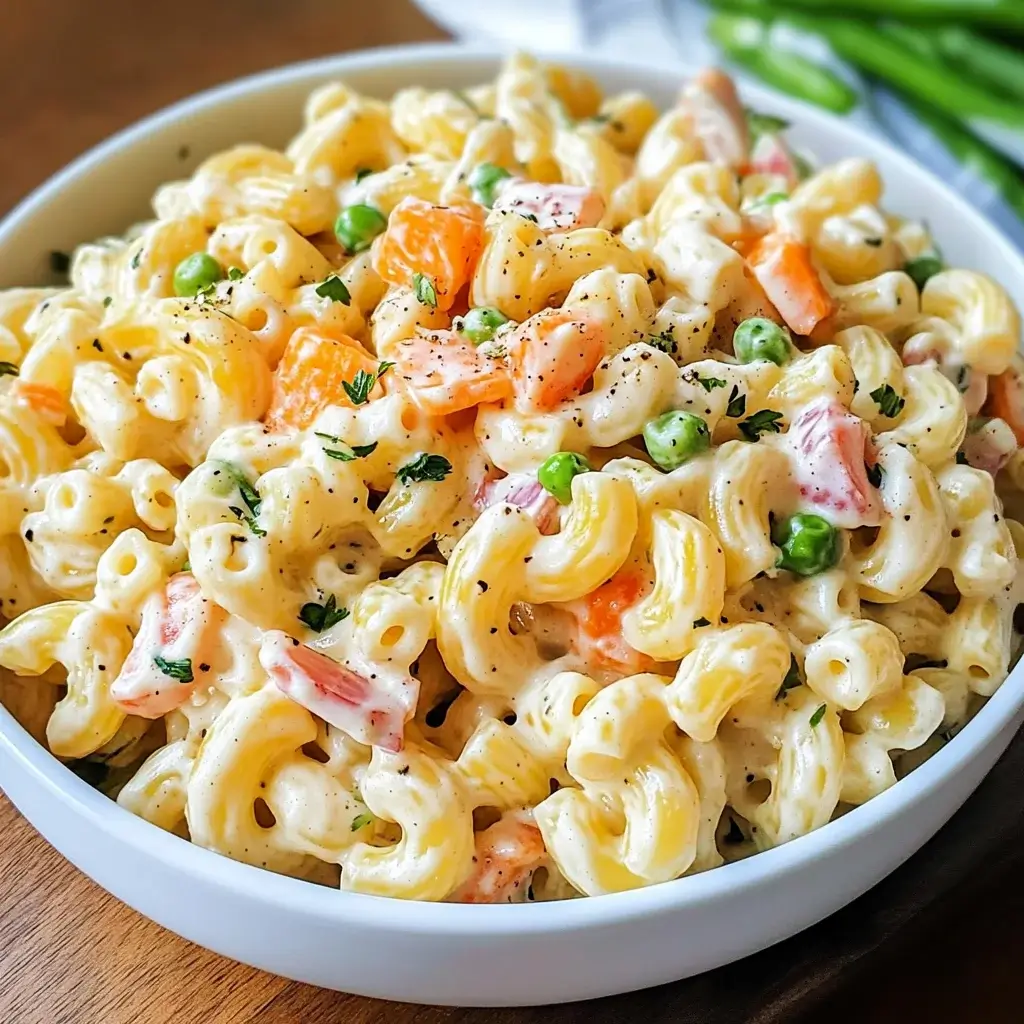
There’s something undeniably joyful about Hawaiian Macaroni Salad. It’s not just a side dish; it’s a creamy, tangy, and surprisingly complex taste of the islands that instantly transports me to sunny beaches and relaxed luaus. I first encountered authentic Hawaiian Mac Salad on a trip to Oahu. It was served alongside a “plate lunch” – that iconic Hawaiian meal – and I was immediately smitten. It was so different from the mayo-laden, often overly sweet macaroni salads I’d had before. This was softer, almost meltingly tender, with a unique tang and a subtle sweetness that was utterly addictive. Back home, I embarked on a mission to recreate that perfect texture and flavor. After many attempts, playing with dressing ingredients and macaroni cooking times, this recipe emerged. My family, who were initially skeptical about yet another macaroni salad, are now complete converts. They love its ultra-creamy texture and the way the simple flavors come together so perfectly. It’s now a non-negotiable side for our summer BBQs, potlucks, and whenever we crave a little taste of aloha.
Why This Hawaiian Macaroni Salad Recipe is a Taste of Paradise
Hawaiian Macaroni Salad, often simply called “Mac Salad,” is a beloved staple in Hawaiian cuisine, a key component of the iconic plate lunch. This particular recipe captures the authentic spirit and unique characteristics of this island favorite, setting it apart from other macaroni salads. Here’s why it’s a genuine taste of paradise:
Firstly, it champions an incredibly creamy and tender texture. Unlike many macaroni salads where the pasta remains distinctly al dente, authentic Hawaiian Mac Salad features macaroni that is intentionally overcooked. This allows the pasta to absorb more of the dressing, resulting in a softer, almost melting quality that is its signature.
Secondly, the dressing is a masterful blend of simplicity and unique flavor. The base is typically mayonnaise (Best Foods/Hellmann’s is often cited as the gold standard for authenticity), thinned with milk and balanced with a crucial tang from apple cider vinegar and a subtle sweetness from sugar. It’s not overly complex with a myriad of ingredients, but each component plays a vital role.
Thirdly, it incorporates a unique preparation method for the pasta. After overcooking, the hot macaroni is often tossed with apple cider vinegar and sometimes other seasonings before the mayonnaise dressing is added. This step allows the pasta to absorb the tangy vinegar directly, infusing it with a foundational flavor that permeates every bite.
Fourthly, it’s all about the chill time. This isn’t a salad you whip up and serve immediately. Hawaiian Mac Salad needs several hours, or preferably overnight, in the refrigerator. This allows the flavors to meld, the pasta to fully absorb the dressing, and the salad to achieve its characteristic creamy consistency. Patience is a key ingredient!
Finally, it’s the ultimate comfort food side dish. Its mild, creamy, and slightly tangy profile makes it the perfect cooling counterpoint to savory and often spicy plate lunch items like Kahlua pig, teriyaki chicken, or loco moco. It’s a crowd-pleaser that evokes the laid-back, welcoming spirit of Hawaii. This recipe isn’t just a side; it’s an experience.
The Secret to Authentic Texture: Overcooking the Macaroni
One of the most distinctive and, for some, surprising characteristics of authentic Hawaiian Macaroni Salad is the texture of the pasta itself. Unlike Italian pasta dishes where “al dente” (cooked to be firm to the bite) is the gold standard, the macaroni in Hawaiian Mac Salad is intentionally overcooked.
This might seem counterintuitive if you’re used to traditional pasta preparation, but it’s a crucial step in achieving the signature soft, tender, and ultra-creamy consistency of true Hawaiian Mac Salad.
Why Overcook the Macaroni?
- Maximum Dressing Absorption: Overcooking the macaroni makes it more porous and starchy. This allows the pasta to soak up a significant amount of the mayonnaise-based dressing, not just be coated by it. The result is a salad where the dressing and pasta are intrinsically melded, rather than separate components.
- Softer, Creamier Mouthfeel: The slightly mushier (in a good way!) texture of the overcooked macaroni contributes to the overall creamy and comforting mouthfeel of the salad. It’s less about distinct pasta pieces and more about a cohesive, tender mass.
- Authenticity: This is how it’s traditionally made in Hawaii. Plate lunch spots and local families have perfected this method over generations. Trying to make it with al dente pasta simply won’t yield the same beloved result.
How to Properly Overcook Macaroni for Hawaiian Mac Salad:
- Boil Generously Salted Water: Start with a large pot of well-salted boiling water, just as you would for any pasta.
- Add Macaroni: Use standard elbow macaroni.
- Extend Cooking Time: Cook the macaroni for at least 2-5 minutes longer than the package directions suggest for al dente. Some traditionalists go even longer, aiming for pasta that is very soft and has swelled considerably.
- Example: If the package says 7-9 minutes for al dente, cook it for 11-14 minutes, or even a bit more.
- Test for Softness: The macaroni should be very tender, easily yielding to pressure, and not have any firmness in the center. It should look noticeably plumper than al dente pasta.
- Drain (But Don’t Rinse Yet – Usually): Typically, you’ll drain the pasta. The next step often involves tossing the hot, drained pasta with apple cider vinegar before rinsing (if rinsing at all).
While “overcooked” might sound like a mistake in other culinary contexts, for Hawaiian Macaroni Salad, it’s the deliberate secret to achieving that uniquely tender, creamy, and beloved texture. Embrace the softness!
The “Holy Trinity” of Hawaiian Mac Salad Dressing
The dressing for authentic Hawaiian Macaroni Salad is deceptively simple, yet its balance of key ingredients is what gives the salad its signature taste and creamy texture. While individual family recipes might have slight variations, a core “holy trinity” of ingredients forms the foundation:
- Mayonnaise (The Creamy Base):
- This is the undisputed star of the dressing. It provides the richness, creaminess, and primary flavor.
- The Brand Matters (to many!): For true authenticity, Best Foods Mayonnaise (sold as Hellmann’s east of the Rocky Mountains) is almost universally cited as the preferred brand in Hawaii. It has a specific tang and richness that locals swear by. While other mayonnaise brands can be used, die-hard fans will notice the difference.
- Role: Provides creaminess, richness, emulsification, and a tangy, savory flavor.
- Milk (The Thinner & Smoother):
- Whole milk is typically used to thin out the mayonnaise, making the dressing more pourable and helping it to coat and be absorbed by the overcooked macaroni more effectively. It also contributes to the overall creamy, smooth consistency.
- Some recipes might use evaporated milk for a slightly richer, different flavor, or even a touch of half-and-half, but regular whole milk is standard.
- Role: Thins the mayonnaise, adds moisture, contributes to smoothness and creaminess.
- Apple Cider Vinegar (The Essential Tang):
- This is a non-negotiable ingredient for achieving the characteristic tangy flavor profile of Hawaiian Mac Salad. Its bright acidity cuts through the richness of the mayonnaise and provides a crucial counterpoint.
- Often, the apple cider vinegar is added in two stages: first, tossed directly with the hot, drained, overcooked macaroni, allowing it to be absorbed deeply. Then, more might be incorporated into the mayonnaise dressing itself.
- Role: Provides essential tanginess, balances richness, enhances flavor absorption by the pasta.
Supporting Flavor Actors:
While the mayo, milk, and apple cider vinegar are foundational, a few other ingredients are commonly used to round out the dressing:
- Sugar (The Subtle Sweetness): A small amount of granulated sugar is typically added to balance the tang of the vinegar and mayonnaise, and to provide a very subtle underlying sweetness. It’s not meant to make the salad overtly sweet, but rather to harmonize the flavors.
- Salt and Pepper (The Enhancers): Basic seasonings to enhance all the other flavors. Black pepper is common, and sometimes white pepper is used for a less visible speckle.
- Grated Onion/Onion Juice (Optional Aromatic): Some recipes call for a small amount of finely grated onion (or just the juice from grated onion) to be added to the dressing for a subtle savory, aromatic kick. This should be used sparingly so as not to overpower the delicate balance.
The magic of the Hawaiian Mac Salad dressing lies in its simplicity and the perfect synergy of these core ingredients. It’s a creamy, tangy, slightly sweet concoction that, when combined with the intentionally overcooked macaroni, creates a uniquely delicious and comforting salad.
Beyond the Basics: Common Add-Ins and Variations
While the classic Hawaiian Macaroni Salad is perfect in its simplicity (macaroni and dressing), many local variations and popular add-ins exist that introduce different textures, colors, and subtle flavor notes. These are usually incorporated sparingly so as not to overwhelm the primary character of the mac salad.
Here are some common additions:
- Shredded Carrots:
- Finely shredded or grated carrots are probably the most common vegetable add-in.
- Purpose: Adds a touch of sweetness, a pleasant textural contrast (a slight crunch if not over-chilled for too long), and a vibrant pop of orange color.
- Usage: Usually raw, added along with the dressing.
- Finely Chopped Celery:
- Purpose: Provides a subtle savory flavor and a delicate crunch.
- Usage: Chopped very finely so it integrates well and doesn’t create overly chunky bites.
- Grated or Finely Minced Onion:
- Yellow or Maui sweet onions are often preferred.
- Purpose: Adds a mild, savory onion flavor. Some recipes call for grating the onion and then squeezing out the juice, adding only the juice to the dressing for flavor without the texture of onion pieces.
- Usage: Used sparingly to avoid overpowering the salad.
- Hard-Boiled Eggs (Chopped):
- Purpose: Adds richness, protein, and a different creamy texture.
- Usage: Coarsely chopped and gently folded in.
- Peas (Frozen, Thawed):
- Purpose: Adds a pop of green color and a touch of sweetness.
- Usage: Usually added frozen (they thaw quickly in the salad) or briefly blanched.
- Tiny Cooked Shrimp (Salad Shrimp):
- A less common but delicious addition, especially for a more “deluxe” mac salad.
- Purpose: Adds a seafood flavor and protein.
- Spam (Diced and Fried – a very Hawaiian touch!):
- For a truly local-style, savory kick.
- Purpose: Adds salty, umami-rich meatiness.
- Usage: Diced small and fried until slightly crispy before being folded in.
- Potatoes (Cooked and Diced):
- Sometimes seen in “Potato Mac Salad,” a popular hybrid.
- Purpose: Adds another starchy, creamy element.
Important Considerations for Add-Ins:
- Keep it Simple: The beauty of Hawaiian Mac Salad is its creamy simplicity. Don’t go overboard with too many add-ins, or you’ll lose its essential character. One or two well-chosen additions are usually sufficient.
- Texture: Aim for add-ins that are finely chopped or shredded so they integrate well with the soft macaroni and creamy dressing, rather than creating large, jarring chunks.
- Flavor Balance: Ensure any additions complement the core sweet-tangy-creamy flavor profile rather than clashing with it.
While the pure, unadulterated version is a classic for a reason, these common add-ins allow for personalization and can make your Hawaiian Mac Salad even more unique.
Gather Your Island Essentials: Complete Hawaiian Macaroni Salad Ingredients
Here’s what you’ll need to create this authentic and delicious Hawaiian Macaroni Salad:
For the Macaroni:
- 1 lb (450g) elbow macaroni
- Water for boiling
- 1-2 tablespoons salt (for boiling water)
- 1/4 cup apple cider vinegar (for tossing with hot macaroni)
For the Creamy Dressing:
- 2 cups Best Foods/Hellmann’s Mayonnaise (this brand is highly recommended for authenticity)
- 1/2 cup whole milk (plus more if needed to reach desired consistency)
- 2-3 tablespoons granulated sugar (adjust to taste)
- 1-2 tablespoons apple cider vinegar (adjust to taste)
- 1/2 teaspoon salt (or to taste)
- 1/4 – 1/2 teaspoon black pepper (or to taste)
Optional Add-Ins (Choose 1-2, or enjoy plain):
- 1 cup finely shredded carrots
- 1/2 cup finely chopped celery
- 1/4 cup finely grated yellow or Maui sweet onion (or 1-2 tablespoons onion juice)
- 2-3 hard-boiled eggs, chopped
Equipment:
- Large pot for boiling macaroni
- Colander
- Large mixing bowl
Step-by-Step to Aloha Perfection: Instructions
- Overcook the Macaroni: Bring a large pot of water to a rolling boil. Add 1-2 tablespoons of salt. Add the elbow macaroni and cook according to package directions, then continue to cook for an additional 3-5 minutes (or even longer) until the macaroni is very tender and noticeably swollen. It should be well past al dente.
- Drain and Vinegar Toss: Drain the overcooked macaroni thoroughly in a colander. Do not rinse it yet. Immediately transfer the hot, drained macaroni to a large mixing bowl. Pour the 1/4 cup of apple cider vinegar over the hot macaroni and toss well to coat every piece. Let it sit and absorb the vinegar for about 10-15 minutes, tossing occasionally. This step is crucial for infusing the pasta with tang.
- Cool the Macaroni (Optional Rinse): After the vinegar soak, some traditional recipes call for a very quick rinse with cold water to stop the cooking and cool it down slightly, while others skip this. If you rinse, make sure it’s brief and the pasta is well-drained. The goal is for the pasta to be warm, not hot, when mixing with the dressing, but not cold either. Many find letting it air cool after the vinegar soak is sufficient.
- Prepare the Dressing: While the macaroni is resting with the vinegar (or cooling), prepare the dressing. In a separate medium bowl, whisk together the Best Foods/Hellmann’s Mayonnaise, whole milk, sugar, 1-2 tablespoons of apple cider vinegar, salt, and black pepper until smooth and well combined. Taste and adjust seasonings – you might want a bit more sugar for sweetness or vinegar for tang. The dressing should be creamy but pourable; add a touch more milk if it seems too thick.
- Combine Macaroni and Dressing: Pour about two-thirds of the prepared dressing over the vinegar-marinated macaroni. Gently fold to combine, ensuring all the macaroni is evenly coated.
- Add Optional Ingredients: If using shredded carrots, celery, grated onion, or chopped hard-boiled eggs, add them now and gently fold them into the salad.
- First Chill & Absorb: Cover the bowl tightly with plastic wrap and refrigerate for at least 1-2 hours. During this time, the macaroni will start to absorb the dressing.
- Adjust Consistency & Second Chill (Crucial): After the initial chill, remove the salad from the refrigerator. The macaroni will likely have absorbed a lot of the dressing, and the salad might look a bit dry. Add the remaining one-third of the dressing (or more, as needed – you may even need to make a little extra dressing or thin with more milk) and gently mix again until it reaches your desired creamy consistency. It should look quite “saucy” at this stage, as it will continue to absorb.
- Final Chill (Overnight is Best): Cover the salad again and refrigerate for at least another 4-6 hours, but preferably overnight (8-12 hours). This extended chilling time is essential for the flavors to meld completely and for the salad to achieve its signature ultra-creamy texture.
- Serve: Before serving, give the salad a gentle stir. If it looks a little dry after the long chill, you can stir in a tablespoon or two of milk or a little extra mayonnaise thinned with milk to refresh its creaminess. Serve chilled as a side dish with your favorite Hawaiian plate lunch items or BBQ fare.
Nutritional Snapshot: A Look at Hawaiian Macaroni Salad
Servings: This recipe yields approximately 8-10 side dish servings.
Calories per serving (approximate): Around 350-450 calories per serving.
Please note: This is a rough estimation. The exact nutritional content can vary significantly based on:
- The specific brand of mayonnaise used (fat and calorie content varies).
- The amount of sugar added.
- The inclusion and quantity of optional add-ins.
- The exact serving size.
General Breakdown per Serving (Estimated):
- Protein: Moderate (from pasta, eggs if added)
- Fat: High (primarily from mayonnaise)
- Carbohydrates: Moderate to High (from macaroni and sugar)
- Sodium: Moderate, depending on added salt and mayonnaise brand.
Hawaiian Macaroni Salad is a rich and indulgent side dish. While delicious, it’s best enjoyed in moderation as part of a balanced meal, especially given its mayonnaise content. You can make lighter versions by using light mayonnaise, but this will alter the authentic taste and texture.
Timing Your Taste of Aloha: Preparation and Chilling Time
Understanding the timeline is crucial for authentic Hawaiian Macaroni Salad, as chilling is a key component.
- Macaroni Cooking & Vinegar Soak: 25-35 minutes
- Dressing Preparation: 5-10 minutes
- Combining & Initial Chill: 1-2 hours (hands-off)
- Adjusting & Final Chill: At least 4-6 hours, preferably 8-12 hours or overnight (hands-off)
Total Active Preparation Time: Approximately 30-45 minutes
Total Hands-Off Chilling Time: Minimum 5-8 hours, ideally 9-14 hours (or longer)
Summary for Planning:
- This salad is NOT a last-minute dish. It MUST be made well in advance.
- Best approach: Prepare it the day before you plan to serve it to allow for optimal flavor melding and texture development during the overnight chill.
Planning ahead is essential to experience Hawaiian Macaroni Salad at its creamy, flavorful best.
Perfect Pairings: How to Serve Your Hawaiian Macaroni Salad
Hawaiian Macaroni Salad is famously served as part of a “plate lunch,” but its creamy, tangy goodness makes it a fantastic side for many other dishes too.
Classic Plate Lunch Components:
A traditional Hawaiian plate lunch typically consists of:
- Two Scoops of White Rice: A non-negotiable staple.
- One Scoop of Macaroni Salad: Our star dish!
- An Entrée (or two):
- Kalua Pig: Slow-roasted, shredded pork with a smoky flavor.
- Teriyaki Chicken or Beef: Marinated and grilled or pan-fried.
- Chicken Katsu: Breaded and deep-fried chicken cutlet, often served with katsu sauce.
- Lau Lau: Pork and salted butterfish wrapped in taro leaves and ti leaves, then steamed.
- Loco Moco: A hamburger patty over rice, topped with a fried egg and brown gravy.
- Shoyu Chicken: Chicken simmered in a sweet soy sauce-based liquid.
- Mahi Mahi or other grilled fish.
Beyond the Plate Lunch – Other Great Pairings:
- BBQ and Grilled Meats:
- Perfect with grilled chicken, ribs, pulled pork, burgers, and hot dogs. Its coolness balances smoky, savory flavors.
- Picnics and Potlucks:
- A guaranteed crowd-pleaser that travels well (kept chilled).
- Fried Chicken:
- The creamy mac salad is a wonderful contrast to crispy fried chicken.
- Sandwiches:
- Serve alongside deli sandwiches, wraps, or sliders.
- Spicy Dishes:
- Its mild, creamy nature helps to cool the palate when served with spicy foods like spicy Korean BBQ or jerk chicken.
- Holiday Gatherings & Buffets:
- A welcome addition to casual holiday spreads, especially for summer holidays like the 4th of July or Labor Day.
Serving Tips:
- Always Serve Chilled: Hawaiian Mac Salad is best served cold.
- Use an Ice Cream Scoop: For that authentic plate lunch presentation, use an ice cream scoop to portion out the mac salad (and the rice!).
- Garnish (Optional): A light sprinkle of paprika or finely chopped fresh parsley can add a touch of color, though it’s not traditional.
No matter what you pair it with, this Hawaiian Macaroni Salad brings a uniquely satisfying, creamy, and tangy element to the meal.
Pro Tips for Authentic Island-Style Mac Salad
Achieve true Hawaiian Macaroni Salad perfection with these five expert tips:
- Embrace the Overcooked Macaroni: This is the number one rule for authentic texture. Cook your elbow macaroni well past al dente, until it’s very soft and swollen. This allows it to absorb the dressing beautifully and achieve that signature creamy, almost melting quality.
- Don’t Skip the Vinegar Soak for Hot Pasta: Tossing the hot, drained (unrinsed) macaroni with apple cider vinegar before adding the dressing is a crucial step. The warm pasta readily absorbs the vinegar, infusing it with a foundational tang that permeates every bite and balances the richness of the mayonnaise.
- Use Best Foods/Hellmann’s Mayonnaise: While you can use other brands, for the most authentic Hawaiian flavor and creamy texture, Best Foods (or Hellmann’s east of the Rockies) is the gold standard. Its specific tang and richness are what locals swear by.
- The Two-Stage Dressing & Chill is Key: Don’t just mix everything once and serve. Add about two-thirds of the dressing initially, chill for a couple of hours, then add the remaining dressing (or more, as needed) to reach desired creaminess before the final long chill. The pasta will absorb a lot of liquid, and this method ensures it stays perfectly creamy.
- Patience for Chilling is Non-Negotiable: Hawaiian Mac Salad needs extensive chilling time – ideally overnight. This isn’t just to get it cold; it’s essential for the flavors to meld, the pasta to fully absorb the dressing, and the salad to achieve its characteristic ultra-creamy, cohesive texture. Don’t rush this step!
By following these tips, you’ll move beyond a generic macaroni salad and create a truly authentic, island-style Hawaiian Mac Salad that will transport your taste buds to paradise.
Troubleshooting Common Hawaiian Mac Salad Issues
Even with a great recipe, sometimes things can go slightly awry. Here are some common issues with Hawaiian Macaroni Salad and how to troubleshoot them:
- Salad is Too Dry:
- Cause: The overcooked macaroni is very absorbent. You may not have used enough dressing, or it absorbed more than anticipated during chilling.
- Solution: This is usually an easy fix! Simply stir in a bit more mayonnaise thinned with a splash of milk until it reaches your desired creaminess. You can also make a small extra batch of the dressing (mayo, milk, sugar, vinegar, salt, pepper) to add. Do this before serving.
- Salad is Too Bland:
- Cause: Under-seasoning, not enough tang from the vinegar, or the flavors haven’t fully melded.
- Solution: Taste and adjust.
- For more tang: Add a little more apple cider vinegar (start with a teaspoon).
- For more sweetness (if desired): Add a pinch more sugar.
- For overall flavor: Ensure you’ve added enough salt and pepper. Sometimes a tiny bit more salt can make all the difference.
- Ensure it has chilled sufficiently for flavors to meld.
- Macaroni is Not Soft Enough (Too Al Dente):
- Cause: You didn’t overcook the macaroni sufficiently.
- Solution: Unfortunately, once the salad is made, it’s hard to fix this fundamental texture issue. For next time, make sure to cook the macaroni significantly longer than the package directions, until it’s very soft and swollen.
- Dressing is Too Thick or Too Thin:
- Too Thick: Stir in a tablespoon or two of milk at a time until it reaches a creamy, pourable consistency.
- Too Thin: This is less common if using the right proportions, as the pasta absorbs liquid. If it’s truly watery, you might have added too much milk initially or not drained the pasta well enough after a rinse. You can try adding a bit more mayonnaise to thicken it, but be careful not to make it too mayo-heavy. Ensure adequate chilling time, as this often helps it set up.
- Salad Tastes “Eggy” (if using Best Foods/Hellmann’s):
- Cause: Best Foods/Hellmann’s has a distinct eggy richness. If it’s too pronounced for your personal taste (though many love this), it might be that the other balancing flavors (vinegar, sugar, salt) are insufficient.
- Solution: Ensure you have enough apple cider vinegar and a touch of sugar to balance the mayonnaise. Proper chilling also helps the flavors meld and mellow.
Most issues with Hawaiian Mac Salad can be addressed by adjusting the dressing consistency or seasonings, and by ensuring the pasta is cooked correctly and the salad is chilled properly. Don’t be afraid to taste and tweak!
Your Hawaiian Mac Salad Questions Answered: FAQ
Here are answers to some frequently asked questions about making Hawaiian Macaroni Salad:
- Q: Do I really have to overcook the macaroni? It sounds wrong!
A: Yes, for authentic Hawaiian Macaroni Salad, intentionally overcooking the macaroni is crucial. It makes the pasta very tender and allows it to absorb the creamy dressing beautifully, resulting in the signature soft texture. It’s different from Italian pasta salads where al dente is preferred. - Q: Why is Best Foods/Hellmann’s Mayonnaise so important for this recipe?
A: Best Foods (west of the Rockies) or Hellmann’s (east of the Rockies) is the traditional mayonnaise used in Hawaii for mac salad. It has a specific tang, richness, and consistency that many believe is essential for the authentic flavor. While other mayos can be used, the taste and texture might be noticeably different to those familiar with the classic. - Q: Can I make Hawaiian Macaroni Salad a day or two in advance?
A: Yes, absolutely! In fact, it’s highly recommended to make it at least one day in advance. The salad benefits greatly from an overnight chill, allowing the flavors to meld and the pasta to fully absorb the dressing, resulting in the best texture and taste. It will keep well in the refrigerator for 2-3 days. - Q: My mac salad seems to get dry after chilling. What can I do?
A: This is very common because the overcooked pasta absorbs a lot of the dressing. The solution is to reserve some of the dressing (or make a little extra) to stir in just before serving. You can also revive it by stirring in a tablespoon or two of milk or a bit more mayonnaise thinned with milk until it reaches your desired creaminess again. - Q: What are the most common add-ins for Hawaiian Macaroni Salad?
A: The most popular simple add-ins are finely shredded carrots (for color, sweetness, and slight crunch) and sometimes finely chopped celery or grated onion. Some people also add chopped hard-boiled eggs. The key is to keep add-ins minimal and finely textured so they don’t overwhelm the creamy simplicity of the salad.
A Creamy Slice of Aloha: The Enduring Appeal
Hawaiian Macaroni Salad is so much more than just pasta and mayonnaise. It’s a cultural icon, a comforting staple, and a creamy, tangy delight that embodies the relaxed, welcoming spirit of the Hawaiian Islands. Its unique preparation – the intentionally overcooked macaroni, the crucial vinegar soak, the simple yet perfectly balanced dressing, and the essential extended chilling time – all contribute to a side dish that is truly special.
This recipe invites you to bring that authentic taste of aloha into your own kitchen. Whether you’re serving it as part of a traditional plate lunch, alongside your summer BBQ favorites, or simply as a comforting side, it’s sure to be a hit. Be patient with the process, embrace the chill, and get ready to enjoy a creamy, dreamy macaroni salad unlike any other. Mahalo!
Print
Hawaiian Macaroni Salad recipe
Ingredients
For the Macaroni:
-
- 1 lb (450g) elbow macaroni
-
- Water for boiling
-
- 1–2 tablespoons salt (for boiling water)
-
- 1/4 cup apple cider vinegar (for tossing with hot macaroni)
For the Creamy Dressing:
-
- 2 cups Best Foods/Hellmann’s Mayonnaise (this brand is highly recommended for authenticity)
-
- 1/2 cup whole milk (plus more if needed to reach desired consistency)
-
- 2–3 tablespoons granulated sugar (adjust to taste)
-
- 1–2 tablespoons apple cider vinegar (adjust to taste)
-
- 1/2 teaspoon salt (or to taste)
-
- 1/4 – 1/2 teaspoon black pepper (or to taste)
Optional Add-Ins (Choose 1-2, or enjoy plain):
-
- 1 cup finely shredded carrots
-
- 1/2 cup finely chopped celery
-
- 1/4 cup finely grated yellow or Maui sweet onion (or 1–2 tablespoons onion juice)
-
- 2–3 hard-boiled eggs, chopped
Instructions
-
- Overcook the Macaroni: Bring a large pot of water to a rolling boil. Add 1-2 tablespoons of salt. Add the elbow macaroni and cook according to package directions, then continue to cook for an additional 3-5 minutes (or even longer) until the macaroni is very tender and noticeably swollen. It should be well past al dente.
-
- Drain and Vinegar Toss: Drain the overcooked macaroni thoroughly in a colander. Do not rinse it yet. Immediately transfer the hot, drained macaroni to a large mixing bowl. Pour the 1/4 cup of apple cider vinegar over the hot macaroni and toss well to coat every piece. Let it sit and absorb the vinegar for about 10-15 minutes, tossing occasionally. This step is crucial for infusing the pasta with tang.
-
- Cool the Macaroni (Optional Rinse): After the vinegar soak, some traditional recipes call for a very quick rinse with cold water to stop the cooking and cool it down slightly, while others skip this. If you rinse, make sure it’s brief and the pasta is well-drained. The goal is for the pasta to be warm, not hot, when mixing with the dressing, but not cold either. Many find letting it air cool after the vinegar soak is sufficient.
-
- Prepare the Dressing: While the macaroni is resting with the vinegar (or cooling), prepare the dressing. In a separate medium bowl, whisk together the Best Foods/Hellmann’s Mayonnaise, whole milk, sugar, 1-2 tablespoons of apple cider vinegar, salt, and black pepper until smooth and well combined. Taste and adjust seasonings – you might want a bit more sugar for sweetness or vinegar for tang. The dressing should be creamy but pourable; add a touch more milk if it seems too thick.
-
- Combine Macaroni and Dressing: Pour about two-thirds of the prepared dressing over the vinegar-marinated macaroni. Gently fold to combine, ensuring all the macaroni is evenly coated.
-
- Add Optional Ingredients: If using shredded carrots, celery, grated onion, or chopped hard-boiled eggs, add them now and gently fold them into the salad.
-
- First Chill & Absorb: Cover the bowl tightly with plastic wrap and refrigerate for at least 1-2 hours. During this time, the macaroni will start to absorb the dressing.
-
- Adjust Consistency & Second Chill (Crucial): After the initial chill, remove the salad from the refrigerator. The macaroni will likely have absorbed a lot of the dressing, and the salad might look a bit dry. Add the remaining one-third of the dressing (or more, as needed – you may even need to make a little extra dressing or thin with more milk) and gently mix again until it reaches your desired creamy consistency. It should look quite “saucy” at this stage, as it will continue to absorb.
-
- Final Chill (Overnight is Best): Cover the salad again and refrigerate for at least another 4-6 hours, but preferably overnight (8-12 hours). This extended chilling time is essential for the flavors to meld completely and for the salad to achieve its signature ultra-creamy texture.
-
- Serve: Before serving, give the salad a gentle stir. If it looks a little dry after the long chill, you can stir in a tablespoon or two of milk or a little extra mayonnaise thinned with milk to refresh its creaminess. Serve chilled as a side dish with your favorite Hawaiian plate lunch items or BBQ fare.
Nutrition
- Serving Size: one normal portion
- Calories: 350-450