

There are certain dishes that possess a unique culinary magic, an ability to transport you across oceans and through time with a single, evocative aroma. For me, the savory-sweet, intoxicating scent of bulgogi is a direct portal to a bustling table, surrounded by the warmth of friends and family, the sizzle of a hot grill providing a familiar, happy soundtrack to laughter and conversation. My first true, life-altering experience with this iconic Korean flavor was not in a Michelin-starred restaurant or a trendy urban eatery, but at a friend’s humble backyard barbecue during my college years. Her mother, a woman whose cooking was the stuff of legend among our friend group, was the orchestrator of this feast. I watched, mesmerized, as she worked with thin, ruby-red slices of ribeye, her hands moving with the practiced, almost unconscious grace of someone who has shared this gift of food a thousand times over. The air grew thick with the perfume of the marinade—a complex and perfect harmony of salty soy sauce, nutty sesame oil, pungent garlic, and the warm spice of fresh ginger. That day, as I took my first bite of the tender, caramelized meat, I fell deeply and irrevocably in love with the magic of Korean barbecue—that exquisite, intricate dance of salty, sweet, and deeply savory notes that electrifies the palate.
For years following that day, I dedicated myself to recreating that experience. I learned about the traditional methods, the importance of using quality cuts like ribeye or sirloin, and the art of slicing the beef paper-thin against the grain—a task that requires a semi-frozen piece of meat and a very sharp knife. I learned about the traditional marinade, which often includes grated Asian pear, a natural tenderizer that imparts a subtle, fruity sweetness. I embraced the long, patient marination, understanding that this was where the true alchemy happened. But as life became fuller and busier, the reality of a demanding job and a hungry family meant that the hours required for traditional bulgogi were a luxury I couldn’t always afford on a hectic weeknight. Yet, the craving for that specific, comforting flavor remained. I yearned for a way to capture the essence of bulgogi in a format that was faster, more forgiving, and weeknight-accessible.
That’s when the idea of using ground beef sparked. It felt like a culinary lightbulb moment, a simple solution that had been hiding in plain sight. Ground beef, the dependable workhorse of so many weeknight meals, was not only budget-friendly and readily available but also possessed a unique ability to act like a sponge, soaking up every last drop of a flavorful marinade. Its texture meant that long tenderizing times were unnecessary, and it would cook in a fraction of the time required for sliced steak. It was the perfect canvas for a quick-fire version of the dish I loved so much.
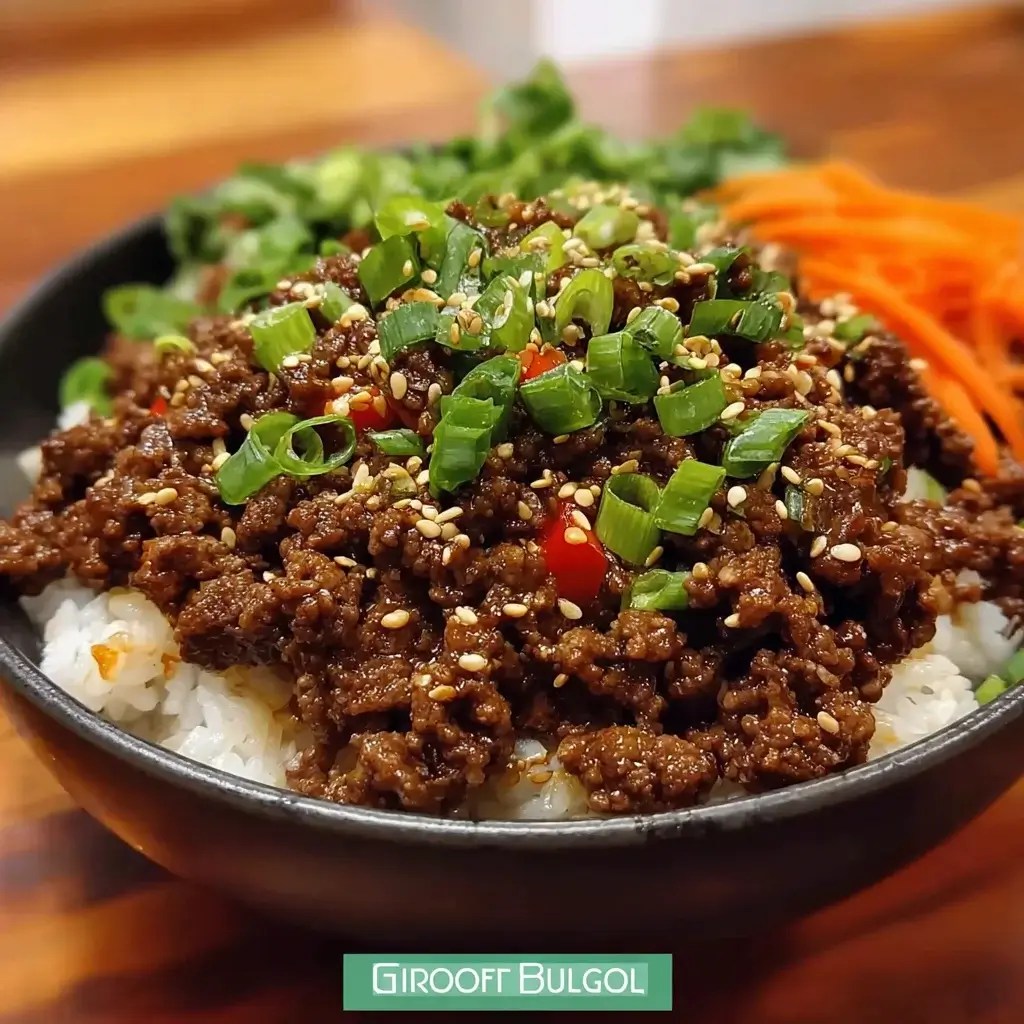
The first time I made this Ground Beef Bulgogi, I held my breath, almost shocked at how brilliantly it worked. As the marinated beef hit the hot skillet, the kitchen instantly filled with that same, unforgettable bulgogi aroma, a scent so powerful it felt like a memory made tangible. I served it in its simplest form, piled high over a bowl of steaming rice, finished with a generous sprinkle of toasted sesame seeds and freshly sliced green onions. My family devoured it. My son, who can be my most discerning food critic, had his bowl up for seconds before he was even halfway through his first helping. It had all the delicious, essential hallmarks of the classic dish—the savory depth from the soy and garlic, the gentle sweetness from the brown sugar, the fragrant, nutty finish from the sesame oil—but it was on our dinner table in under 30 minutes. It has since become one of our most requested meals, our ultimate go-to for a dinner that is simultaneously quick, incredibly flavorful, and feels special without an ounce of stress. It is the spirit of a Korean barbecue, beautifully and practically translated for the wonderful chaos of a modern weeknight.
Complete with the ingredients amount
This recipe for Ground Beef Bulgogi is meticulously designed for an explosion of flavor achieved in record time. The power lies in a potent, perfectly balanced marinade that elevates humble ground beef into a culinary masterpiece. The ingredient list is a carefully curated collection of fresh aromatics and the foundational pantry staples of Korean cuisine. This recipe generously serves approximately 4 people, making it ideal for a family dinner.
For the Bulgogi Marinade (The Flavor Core):
This marinade is where the magic happens. Each ingredient plays a crucial role in creating the signature sweet, savory, and aromatic flavor profile.
- Low-Sodium Soy Sauce: ⅓ cup. This is the savory backbone of the marinade. Using a low-sodium variety is absolutely crucial. As the sauce reduces during cooking, the saltiness becomes concentrated, and regular soy sauce can easily make the final dish overpowering. A good quality, naturally brewed soy sauce (like Kikkoman or San-J) will provide the best flavor. For a gluten-free option, Tamari is a perfect substitute.
- Toasted Sesame Oil: 1 tablespoon. This is the soul of the dish, providing the signature nutty, fragrant aroma that is unmistakably bulgogi. It’s important to use toasted sesame oil, which is dark brown and has a much more intense flavor than untoasted (light-colored) sesame oil. A little goes a very long way.
- Brown Sugar: 2 tablespoons, packed. This provides the essential sweetness that balances the saltiness of the soy sauce. You can use either light or dark brown sugar; dark brown sugar contains more molasses and will lend a slightly deeper, more caramel-like flavor. Traditionally, grated Asian pear or apple is used for sweetness and its enzymatic tenderizing properties, but brown sugar provides a reliable and convenient alternative.
- Mirin (Korean or Japanese Rice Wine): 1 tablespoon. Mirin is a sweet rice wine that adds a subtle, tangy sweetness, a beautiful glossiness to the final sauce, and helps to mellow any harsh flavors. If you cannot find mirin, you can substitute it with 1 tablespoon of dry sherry, or by mixing 1 tablespoon of water with ¼ teaspoon of granulated sugar.
- Fresh Garlic: 4 large cloves, finely minced. Freshness is non-negotiable here. The pungent, aromatic bite of fresh garlic is fundamental. Using a garlic press or a microplane will create a fine texture that dissolves seamlessly into the marinade.
- Fresh Ginger: 1 tablespoon, freshly grated. Like garlic, fresh ginger provides a warm, zesty spice that cuts through the richness and adds a vibrant layer of flavor. To easily peel ginger, use the edge of a spoon to scrape off the thin skin. A microplane is the best tool for grating it into a fine pulp, releasing all its flavorful juices.
- Gochujang (Korean Chili Paste) (optional): 1 to 2 teaspoons. For those who enjoy a touch of spicy-sweet complexity, gochujang is a fantastic addition. It’s a fermented Korean condiment made from chili powder, glutinous rice, and fermented soybeans. It adds a deep savory umami and a gentle, lingering heat. The amount can be adjusted based on your preference for spiciness.
For the Ground Beef and Vegetables:
- Ground Beef: 1 pound. The ideal choice is an 85/15 or 80/20 ground beef. The percentage refers to the lean-to-fat ratio. A little bit of fat is desirable here, as it renders during cooking, adding immense flavor and ensuring the beef stays tender and moist. Leaner ground beef (90/10 or 93/7) can be used, but the result may be slightly drier.
- Yellow Onion: 1 medium, thinly sliced. As the onion cooks with the beef, it softens and caramelizes, releasing its natural sugars and adding a foundational sweetness to the dish.
- Carrots: 1 medium, julienned or shredded. Carrots add a wonderful pop of color, a subtle earthy sweetness, and a pleasant textural contrast. To julienne, you can cut the carrot into thin matchsticks with a sharp knife, use a mandoline, or for the quickest and easiest method, use a julienne peeler.
- Green Onions (Scallions): 4, chopped, with whites and greens separated. This versatile aromatic is used in two ways. The firm, white and light green parts are cooked along with the other vegetables to impart a mild onion flavor. The tender, dark green tops are reserved and used as a fresh, sharp garnish at the end.
- Sesame Seeds: For garnish. Toasting the sesame seeds before use dramatically enhances their nutty flavor. You can do this by stirring them in a dry skillet over medium-low heat for a few minutes until they are fragrant and lightly golden.
- Cooked Rice: For serving. The classic pairing is a short-grain or medium-grain white rice, often called “sushi rice,” which is slightly sticky and perfect for soaking up the sauce. Jasmine rice is also an excellent choice.
Instructions
The true beauty of this Ground Beef Bulgogi recipe is its efficiency and the fact that it comes together in a single pan. The key to a smooth and stress-free cooking process is “mise en place”—having all your ingredients chopped, measured, and ready to go before you even turn on the stove.
Step 1: Prepare the Bulgogi Marinade
In a medium-sized mixing bowl—large enough to eventually hold the ground beef as well—combine all of your meticulously prepared marinade ingredients. Add the ⅓ cup of low-sodium soy sauce, 1 tablespoon of toasted sesame oil, 2 tablespoons of packed brown sugar, 1 tablespoon of mirin, the 4 cloves of finely minced garlic, the 1 tablespoon of freshly grated ginger, and the 1 to 2 teaspoons of gochujang, if you’re using it.
Using a whisk or a fork, stir everything together vigorously. Continue whisking until you can no longer see individual grains of brown sugar and the mixture has transformed into a uniform, glossy, and beautifully fragrant liquid. Take a moment to smell it—this is the aromatic promise of the delicious meal to come.
Step 2: Marinate the Ground Beef
Add the 1 pound of ground beef directly into the bowl with your prepared marinade. Now, using your hands (the best tool for this job) or a sturdy spoon, gently break up the ground beef and fold it into the marinade. The goal is to coat every bit of the meat with the sauce without overly compacting or mashing it. A gentle touch ensures the beef remains tender.
Once the beef is thoroughly coated, allow it to marinate for at least 15 minutes at room temperature. This brief period gives the salt in the soy sauce time to begin its work, drawing some moisture out of the meat and then allowing the meat to reabsorb that liquid, now packed with all the flavors of the marinade. If you have more time, this step can be done in advance. Cover the bowl and let the beef marinate in the refrigerator for up to 4 hours. A longer marination time will result in an even deeper, more complex flavor.
Step 3: Cook the Bulgogi Beef
Select a large, heavy-bottomed skillet or a wok and place it over medium-high heat. Allowing the pan to get properly hot is crucial for achieving a good sear on the beef. You’ll know it’s ready when a drop of water sizzles and evaporates almost instantly upon contact.
Add the entire mixture of marinated ground beef to the hot skillet. It should sizzle loudly the moment it hits the pan. Spread the beef out in a single layer as much as possible. Let it cook undisturbed for a minute or two to develop a deep brown crust on the bottom. This browning, known as the Maillard reaction, creates immense flavor. Then, begin to break up the meat with a spatula or a wooden spoon, stirring it around the pan until it is browned all over and cooked through. This process should take about 5-7 minutes.
Step 4: Add the Vegetables and Finish
Once the beef is fully browned and cooked through, add your prepared vegetables to the skillet. Tip in the thinly sliced yellow onion, the julienned carrots, and the reserved white and light green parts of the chopped green onions.
Continue to cook, stirring everything together frequently. The heat will cause the vegetables to soften and the onions to become translucent. The liquid from the marinade will bubble and reduce, creating a thick, glossy sauce that glazes every piece of meat and vegetable. This final stage of cooking should take another 3-4 minutes. You are looking for the carrots to be crisp-tender—cooked through but still with a slight bite.
Step 5: Serve and Garnish
Once the vegetables are cooked to your liking, remove the skillet from the heat. The dish is now ready to serve. The classic and most satisfying way to serve Ground Beef Bulgogi is over a bed of hot, fluffy rice. Spoon a generous portion of the beef and vegetable mixture over the rice, making sure to include plenty of the delicious pan sauce.
For the finishing touches that elevate the dish from great to exceptional, garnish generously. Sprinkle the reserved dark green parts of the scallions over the top for a burst of fresh, sharp flavor and vibrant color. Finish with a liberal sprinkle of toasted sesame seeds, which add a delightful nutty crunch and visual appeal. Serve immediately and enjoy the fruits of your very quick labor.
Nutrition Facts (Servings and calories per serving)
The nutritional information provided here is an estimate, as it can vary based on the specific ingredients used, such as the lean-to-fat ratio of the ground beef and the precise brands of the marinade components. This dish, at its core, is a well-balanced meal.
- Servings: This recipe is designed to yield 4 hearty servings.
- Calories per serving: Approximately 450-550 calories per serving. This calculation does not include the rice, which would add an additional 200-250 calories per cup.
This Ground Beef Bulgogi is an excellent source of high-quality protein, which is essential for muscle repair, satiety, and overall bodily function. The fat content, primarily from the beef and sesame oil, provides flavor and energy. While the marinade contains sugar, the overall carbohydrate count of the dish itself is relatively low (coming mainly from the vegetables and the marinade), making it a great option when served thoughtfully. To create an even more nutrient-dense meal, you can increase the volume of vegetables or serve it over a base of cauliflower rice. The beef provides a good source of iron and B vitamins, while the variety of fresh vegetables contributes fiber, vitamins, and minerals.
Preparation time
This recipe is a true weeknight champion, specifically engineered to be on the dinner table with minimal fuss and time.
- Active Preparation Time: 15 minutes. This is the hands-on “mise en place” time required to finely mince the garlic, grate the ginger, chop the vegetables, and whisk together the marinade. Efficient prep is the key to a fast cook time.
- Cook Time: 10-12 minutes. The cooking process is incredibly fast, moving from browning the beef to sautéing the vegetables in just a few minutes.
- Total Time: Approximately 25-27 minutes. From the moment you start chopping to the moment you sit down to eat, this meal can realistically be completed in under 30 minutes, making it faster than ordering takeout.
How to Serve
Ground Beef Bulgogi is a wonderfully versatile dish that can be served in a multitude of ways, moving far beyond a simple bowl of rice. Here are several delicious and creative methods to enjoy it:
- The Classic Bulgogi Rice Bowl (Bibimbap-style): This is the most traditional and arguably most satisfying way to serve it. Start with a base of fluffy steamed rice in a wide, shallow bowl. Top with a generous scoop of the hot ground beef bulgogi. Then, surround the beef with an array of colorful and textural toppings to create a “bibimbap-inspired” meal. Excellent additions include:
- A perfectly fried sunny-side-up egg, where the runny yolk creates a rich, secondary sauce.
- A spoonful of spicy, funky kimchi for a probiotic punch and a tangy crunch.
- Lightly sautéed spinach with garlic and sesame oil.
- Blanched bean sprouts.
- A drizzle of extra gochujang or sesame oil.
- Fresh and Crunchy Lettuce Wraps (Ssam): For a lighter, low-carb, and wonderfully interactive meal, serve the ground beef bulgogi as a filling for lettuce wraps. Provide large, crisp leaves of butter lettuce, romaine hearts, or iceberg lettuce. Guests can spoon the hot beef mixture into the lettuce cups. For an authentic touch, serve with a side of ssamjang, a thick, spicy dipping sauce made from fermented soybean paste and chili paste.
- Fusion-Style Bulgogi Tacos: Embrace culinary fusion by serving the bulgogi in warm tortillas. Corn or flour tortillas both work well. Spoon in the beef mixture and top with a quick, crunchy slaw. A fantastic slaw can be made from shredded purple cabbage and carrots, tossed with a creamy dressing made from mayonnaise, a touch of gochujang, lime juice, and sesame oil. Garnish with cilantro and a sprinkle of cotija cheese.
- Hearty Noodle Dishes: Toss the cooked ground beef bulgogi with your favorite type of noodles. It pairs beautifully with thick and chewy Japanese udon noodles. It is also fantastic with Korean glass noodles (made from sweet potato starch, as used in japchae) for a gluten-free option. Even a simple spaghetti can be transformed into an exciting fusion dish.
- Creative Comfort Food: Use the ground beef bulgogi as a flavor-packed component in other comfort food dishes.
- Bulgogi Quesadillas: Sprinkle the cooked beef and plenty of mozzarella cheese between two flour tortillas and griddle until golden brown and melty.
- Bulgogi Loaded Fries: Pile the beef over a bed of crispy French fries and top with melted cheese, a drizzle of spicy mayo, and chopped green onions.
- Stuffed Bell Peppers: Mix the cooked bulgogi with some rice, use it to stuff hollowed-out bell peppers, top with cheese, and bake until the peppers are tender.
Additional tips (5 tips)
These five expert tips will help you not only perfect your Ground Beef Bulgogi but also understand the culinary science behind the steps, empowering you to make this dish your own.
- Don’t Crowd the Pan for a Superior Sear: To achieve the deep, savory flavor that is the hallmark of well-cooked meat, you must brown it properly, not steam it. This requires giving the meat enough space in a hot pan. If you overcrowd the pan, the temperature will drop, and the moisture released from the meat will get trapped, essentially boiling the meat in its own juices. This results in a grey, bland product. Use a large skillet or wok, and if you need to double the recipe, cook the ground beef in two separate batches. That beautiful brown crust is flavor, so don’t skip this step.
- Julienne the Carrots for Perfect Texture and Quick Cooking: The way you cut your vegetables matters. Slicing the carrots into thin, delicate matchsticks (julienning) ensures they cook quickly and evenly, achieving a perfect crisp-tender texture that complements the soft beef. Thick chunks of carrot would remain hard and raw in the short cooking time. If you don’t have a special peeler or mandoline, you can achieve a similar result by using a standard vegetable peeler to make long, thin ribbons of carrot.
- Grate, Don’t Chop, Your Aromatics (Especially Ginger): For the most potent and well-distributed flavor from your fresh garlic and ginger, use a microplane or the smallest holes on a box grater. Grating the aromatics ruptures their cell walls, releasing far more of their flavorful essential oils than chopping does. It also creates a fine pulp that dissolves seamlessly into the marinade, ensuring that every bite is infused with flavor without any unpleasant, stringy bits of ginger.
- The Marinade is Your Canvas—Balance is Key: The magic of bulgogi lies in its perfect balance of salty, sweet, and savory elements. Think of the recipe as a guide, and your palate as the ultimate judge. Before you add the raw meat, dip a clean spoon into the marinade and taste it. Does it need more sweetness to balance the soy? Add another teaspoon of brown sugar. Do you want more of a tangy note? A tiny splash of rice vinegar can work wonders. Learning to taste and adjust is one of the most valuable skills in cooking.
- Embrace the Marination Time (When You Can): While this recipe is brilliantly designed for a quick 15-minute marinade that still yields delicious results, understanding the power of time can elevate your dish even further. If you have the foresight to prepare it in the morning or the night before, letting the ground beef marinate for several hours in the refrigerator will make a noticeable difference. The salt and acids in the marinade will have more time to work their way into the meat, resulting in a significantly deeper, more complex, and savory flavor in the final product.
FAQ section (5 Q/A)
Here are detailed answers to some of the most frequently asked questions about making this quick and delicious Ground Beef Bulgogi.
Q1: Can I use a different type of ground meat for this recipe?
A1: Yes, absolutely! This marinade is incredibly versatile and works wonderfully with other ground meats. Ground pork is an excellent choice and will result in a slightly richer, more succulent dish due to its higher fat content. Ground chicken or ground turkey are leaner alternatives that are also delicious; just be careful not to overcook them to maintain their moisture. You could even try it with ground lamb for a bolder, more gamier flavor profile. The cooking process and times remain virtually the same.
Q2: I can’t find mirin at my local grocery store. What is a good substitute?
A2: If you can’t find mirin, don’t worry, there are several effective substitutes. The easiest is to create a similar sweet-tangy profile by mixing 1 tablespoon of water with ¼ teaspoon of granulated sugar for every tablespoon of mirin the recipe calls for. Other good substitutes include dry sherry or a sweet Marsala wine. In a real pinch, you could even use apple juice or white grape juice, though they will impart a slightly fruitier note to the final dish.
Q3: Is this dish considered very spicy? How can I adjust the heat level?
A3: As the recipe is written with the optional gochujang, it is not very spicy. Gochujang provides more of a complex, savory, and mildly sweet heat rather than a sharp, fiery one. The spiciness level is easily adjustable.
- For No Spice: Simply omit the gochujang entirely. The dish will still be incredibly flavorful.
- For Mild Spice: Use 1 teaspoon of gochujang as suggested.
- For Medium Spice: Increase the gochujang to 1 tablespoon.
- For Extra Spice: In addition to more gochujang, you can add ½ teaspoon of Korean red pepper flakes (gochugaru) or a pinch of standard red pepper flakes to the marinade.
Q4: What is the best way to store and reheat leftovers to maintain quality?
A4: Leftover Ground Beef Bulgogi stores wonderfully. Place it in an airtight container in the refrigerator, where it will keep for up to 4 days. The flavors often meld and become even better on the second day. While you can use a microwave, the best method for reheating is in a skillet on the stovetop. Place the leftovers in a non-stick skillet over medium-low heat. Add a splash of water or chicken broth (about a tablespoon) to the pan. This creates a little steam and rehydrates the sauce, preventing the meat from becoming dry as it warms through.
Q5: Can I prepare this as a freezer meal for even faster weeknight dinners?
A5: Yes, this recipe is a fantastic candidate for freezer meal prep. You have two excellent options:
- Freeze Raw: This is the best method for preserving texture. Combine the raw ground beef with the marinade in a freezer-safe zip-top bag. Squeeze out as much air as possible, seal it, and flatten it for easy, space-saving storage. It can be frozen for up to 3 months. To use, simply thaw the bag in the refrigerator overnight, and then cook the entire contents according to the recipe instructions.
- Freeze Cooked: You can also freeze the fully cooked dish. Let it cool completely, then portion it into freezer-safe containers. To serve, thaw it overnight in the fridge and reheat using the stovetop method described above. This method is the ultimate in convenience, perfect for a heat-and-eat meal.
Ground Beef Bulgogi recipe
Ingredients
-
Low-Sodium Soy Sauce: ⅓ cup. This is the savory backbone of the marinade. Using a low-sodium variety is absolutely crucial. As the sauce reduces during cooking, the saltiness becomes concentrated, and regular soy sauce can easily make the final dish overpowering. A good quality, naturally brewed soy sauce (like Kikkoman or San-J) will provide the best flavor. For a gluten-free option, Tamari is a perfect substitute.
-
Toasted Sesame Oil: 1 tablespoon. This is the soul of the dish, providing the signature nutty, fragrant aroma that is unmistakably bulgogi. It’s important to use toasted sesame oil, which is dark brown and has a much more intense flavor than untoasted (light-colored) sesame oil. A little goes a very long way.
-
Brown Sugar: 2 tablespoons, packed. This provides the essential sweetness that balances the saltiness of the soy sauce. You can use either light or dark brown sugar; dark brown sugar contains more molasses and will lend a slightly deeper, more caramel-like flavor. Traditionally, grated Asian pear or apple is used for sweetness and its enzymatic tenderizing properties, but brown sugar provides a reliable and convenient alternative.
-
Mirin (Korean or Japanese Rice Wine): 1 tablespoon. Mirin is a sweet rice wine that adds a subtle, tangy sweetness, a beautiful glossiness to the final sauce, and helps to mellow any harsh flavors. If you cannot find mirin, you can substitute it with 1 tablespoon of dry sherry, or by mixing 1 tablespoon of water with ¼ teaspoon of granulated sugar.
-
Fresh Garlic: 4 large cloves, finely minced. Freshness is non-negotiable here. The pungent, aromatic bite of fresh garlic is fundamental. Using a garlic press or a microplane will create a fine texture that dissolves seamlessly into the marinade.
-
Fresh Ginger: 1 tablespoon, freshly grated. Like garlic, fresh ginger provides a warm, zesty spice that cuts through the richness and adds a vibrant layer of flavor. To easily peel ginger, use the edge of a spoon to scrape off the thin skin. A microplane is the best tool for grating it into a fine pulp, releasing all its flavorful juices.
-
Gochujang (Korean Chili Paste) (optional): 1 to 2 teaspoons. For those who enjoy a touch of spicy-sweet complexity, gochujang is a fantastic addition. It’s a fermented Korean condiment made from chili powder, glutinous rice, and fermented soybeans. It adds a deep savory umami and a gentle, lingering heat. The amount can be adjusted based on your preference for spiciness.
For the Ground Beef and Vegetables:
-
Ground Beef: 1 pound. The ideal choice is an 85/15 or 80/20 ground beef. The percentage refers to the lean-to-fat ratio. A little bit of fat is desirable here, as it renders during cooking, adding immense flavor and ensuring the beef stays tender and moist. Leaner ground beef (90/10 or 93/7) can be used, but the result may be slightly drier.
-
Yellow Onion: 1 medium, thinly sliced. As the onion cooks with the beef, it softens and caramelizes, releasing its natural sugars and adding a foundational sweetness to the dish.
-
Carrots: 1 medium, julienned or shredded. Carrots add a wonderful pop of color, a subtle earthy sweetness, and a pleasant textural contrast. To julienne, you can cut the carrot into thin matchsticks with a sharp knife, use a mandoline, or for the quickest and easiest method, use a julienne peeler.
-
Green Onions (Scallions): 4, chopped, with whites and greens separated. This versatile aromatic is used in two ways. The firm, white and light green parts are cooked along with the other vegetables to impart a mild onion flavor. The tender, dark green tops are reserved and used as a fresh, sharp garnish at the end.
-
Sesame Seeds: For garnish. Toasting the sesame seeds before use dramatically enhances their nutty flavor. You can do this by stirring them in a dry skillet over medium-low heat for a few minutes until they are fragrant and lightly golden.
-
Cooked Rice: For serving. The classic pairing is a short-grain or medium-grain white rice, often called “sushi rice,” which is slightly sticky and perfect for soaking up the sauce. Jasmine rice is also an excellent choice.
Instructions
In a medium-sized mixing bowl—large enough to eventually hold the ground beef as well—combine all of your meticulously prepared marinade ingredients. Add the ⅓ cup of low-sodium soy sauce, 1 tablespoon of toasted sesame oil, 2 tablespoons of packed brown sugar, 1 tablespoon of mirin, the 4 cloves of finely minced garlic, the 1 tablespoon of freshly grated ginger, and the 1 to 2 teaspoons of gochujang, if you’re using it.
Using a whisk or a fork, stir everything together vigorously. Continue whisking until you can no longer see individual grains of brown sugar and the mixture has transformed into a uniform, glossy, and beautifully fragrant liquid. Take a moment to smell it—this is the aromatic promise of the delicious meal to come.
Add the 1 pound of ground beef directly into the bowl with your prepared marinade. Now, using your hands (the best tool for this job) or a sturdy spoon, gently break up the ground beef and fold it into the marinade. The goal is to coat every bit of the meat with the sauce without overly compacting or mashing it. A gentle touch ensures the beef remains tender.
Once the beef is thoroughly coated, allow it to marinate for at least 15 minutes at room temperature. This brief period gives the salt in the soy sauce time to begin its work, drawing some moisture out of the meat and then allowing the meat to reabsorb that liquid, now packed with all the flavors of the marinade. If you have more time, this step can be done in advance. Cover the bowl and let the beef marinate in the refrigerator for up to 4 hours. A longer marination time will result in an even deeper, more complex flavor.
Select a large, heavy-bottomed skillet or a wok and place it over medium-high heat. Allowing the pan to get properly hot is crucial for achieving a good sear on the beef. You’ll know it’s ready when a drop of water sizzles and evaporates almost instantly upon contact.
Add the entire mixture of marinated ground beef to the hot skillet. It should sizzle loudly the moment it hits the pan. Spread the beef out in a single layer as much as possible. Let it cook undisturbed for a minute or two to develop a deep brown crust on the bottom. This browning, known as the Maillard reaction, creates immense flavor. Then, begin to break up the meat with a spatula or a wooden spoon, stirring it around the pan until it is browned all over and cooked through. This process should take about 5-7 minutes.
Once the beef is fully browned and cooked through, add your prepared vegetables to the skillet. Tip in the thinly sliced yellow onion, the julienned carrots, and the reserved white and light green parts of the chopped green onions.
Continue to cook, stirring everything together frequently. The heat will cause the vegetables to soften and the onions to become translucent. The liquid from the marinade will bubble and reduce, creating a thick, glossy sauce that glazes every piece of meat and vegetable. This final stage of cooking should take another 3-4 minutes. You are looking for the carrots to be crisp-tender—cooked through but still with a slight bite.
Once the vegetables are cooked to your liking, remove the skillet from the heat. The dish is now ready to serve. The classic and most satisfying way to serve Ground Beef Bulgogi is over a bed of hot, fluffy rice. Spoon a generous portion of the beef and vegetable mixture over the rice, making sure to include plenty of the delicious pan sauce.
For the finishing touches that elevate the dish from great to exceptional, garnish generously. Sprinkle the reserved dark green parts of the scallions over the top for a burst of fresh, sharp flavor and vibrant color. Finish with a liberal sprinkle of toasted sesame seeds, which add a delightful nutty crunch and visual appeal. Serve immediately and enjoy the fruits of your very quick labor.
Nutrition
- Serving Size: one normal portion
- Calories: 200-250