
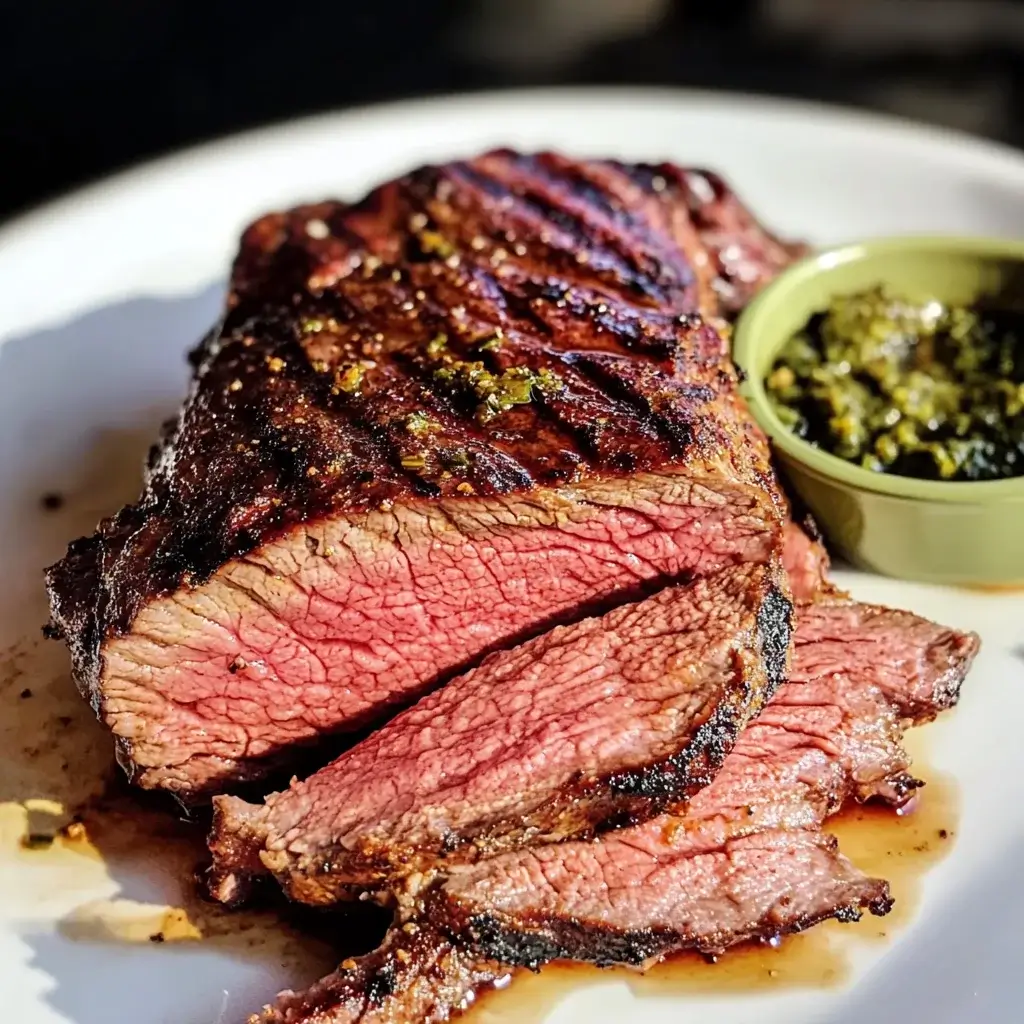

The first time I grilled a tri-tip steak, I was a bit intimidated. It’s not your typical ribeye or sirloin; it’s a unique cut with its own personality. I had heard whispers of its deliciousness, of its tender texture and robust beefy flavor, but also tales of it being tricky to cook just right. Armed with a new grill and a healthy dose of determination, I decided to take the plunge. After marinating it overnight in a simple but flavorful blend of herbs and spices, I carefully seared it over high heat, then moved it to indirect heat to finish cooking. The aroma alone was intoxicating – smoky, savory, and utterly mouthwatering. When I finally sliced into it, the results were breathtaking. Perfectly medium-rare, juicy, and tender, with a beautiful crust and a smoky char. It was a revelation! My family raved about it, declaring it the best steak they’d had in ages. Since then, grilled tri-tip has become a regular feature at our backyard barbecues. It’s surprisingly easy once you understand the technique, and the flavor payoff is immense. If you’re looking to elevate your grilling game and impress your guests with a truly exceptional cut of beef, you absolutely have to try this Grilled Tri-tip recipe. Prepare to be amazed by the flavor and tenderness you can achieve right on your own grill.
Ingredients for the Ultimate Grilled Tri-Tip
Creating a truly unforgettable Grilled Tri-tip experience starts with selecting high-quality ingredients and understanding how each component contributes to the final flavor and tenderness. Let’s break down each ingredient in detail, discussing its purpose and offering suggestions for variations and substitutions to help you tailor this recipe to your preferences.
- Tri-Tip Steak (2-3 pounds): The star of the show! Tri-tip, also known as a California cut, bottom sirloin butt, or Santa Maria steak, is a triangular cut of beef from the bottom sirloin. It’s prized for its rich, beefy flavor, tenderness when cooked properly, and relatively lean profile compared to other steak cuts. When selecting your tri-tip, look for a steak that is well-marbled with intramuscular fat. Marbling is the white flecks of fat within the muscle that melt during cooking, adding flavor and moisture. A good quality tri-tip will have a vibrant red color and feel firm to the touch. You can find tri-tip steaks at most well-stocked grocery stores or butcher shops. If possible, opt for a Choice or Prime grade tri-tip for superior flavor and tenderness. Consider the size of your tri-tip based on your serving needs. A 2-3 pound tri-tip is typically sufficient to feed 4-6 people. If you are unable to find tri-tip, you could potentially substitute with a sirloin flap steak or a picanha roast, though these will have slightly different textures and may require adjusted cooking times.
- Olive Oil (¼ cup, extra virgin): Olive oil serves as the base of our marinade, helping to distribute the flavors of the other ingredients and aiding in moisture retention during grilling. Extra virgin olive oil is preferred for its superior flavor and health benefits. It also helps to prevent the meat from sticking to the grill grates. The olive oil also contributes to the browning and crust formation on the exterior of the tri-tip during searing. You can use other neutral oils like canola oil or vegetable oil if you prefer, but extra virgin olive oil adds a subtle fruity and peppery note that enhances the overall flavor profile. Infused olive oils, such as garlic or herb-infused, can also be used to add another layer of flavor complexity.
- Soy Sauce (¼ cup, low sodium): Soy sauce is a key ingredient in the marinade, providing umami richness and saltiness that tenderizes the meat and deepens the flavor. Low sodium soy sauce is recommended to control the overall salt level in the marinade and final dish. Soy sauce’s enzymatic action also helps break down muscle fibers, contributing to a more tender tri-tip. Tamari, a gluten-free soy sauce alternative, can be used as a substitute. If you want a sweeter marinade, you can use a combination of soy sauce and teriyaki sauce.
- Worcestershire Sauce (2 tablespoons): Worcestershire sauce adds another layer of umami and complex savory flavors to the marinade. It contains vinegar, molasses, tamarind, and other spices, contributing depth and tanginess. Worcestershire sauce enhances the beefy flavor of the tri-tip and complements the other marinade ingredients. If you don’t have Worcestershire sauce, you can try a combination of soy sauce and a touch of vinegar, but Worcestershire offers a unique flavor profile that is hard to replicate exactly.
- Garlic (4 cloves, minced): Garlic is a foundational flavor enhancer in countless cuisines, and grilling tri-tip is no exception. Freshly minced garlic provides a pungent, aromatic, and savory note that permeates the meat during marinating and grilling. Use fresh garlic cloves for the best flavor. Garlic powder can be used as a substitute in a pinch, but fresh garlic provides a much more vibrant and complex flavor. Roasted garlic can also be used for a sweeter, mellower garlic flavor.
- Fresh Rosemary (2 tablespoons, chopped): Fresh rosemary brings a fragrant, piney, and slightly peppery herbaceousness to the marinade. Rosemary is a classic pairing with beef and complements the robust flavor of tri-tip beautifully. Use fresh rosemary leaves for the most aromatic and flavorful results. Dried rosemary can be used as a substitute, but use about half the amount as dried herbs are more concentrated. Other herbs that pair well with beef and can be used in place of or in addition to rosemary include thyme, oregano, and marjoram.
- Fresh Thyme (2 tablespoons, chopped): Fresh thyme adds a delicate, earthy, and slightly lemony herbaceous note that balances the richness of the beef and complements the rosemary. Thyme is another classic herb that enhances the savory flavors of grilled meats. Use fresh thyme leaves for the best flavor. Dried thyme can be used as a substitute, using about half the amount of fresh thyme.
- Dijon Mustard (1 tablespoon): Dijon mustard acts as an emulsifier in the marinade, helping to bind the oil and water-based ingredients together. It also adds a tangy, slightly spicy, and complex flavor note that enhances the overall profile. Dijon mustard’s acidity also contributes to tenderizing the meat. You can use other types of mustard, such as whole grain mustard or yellow mustard, but Dijon mustard provides a particularly refined and balanced flavor.
- Black Pepper (1 tablespoon, freshly ground): Freshly ground black pepper provides a pungent, aromatic, and slightly spicy kick that enhances the savory flavors and adds depth to the marinade. Freshly ground pepper is always preferred for its more robust flavor and aroma compared to pre-ground pepper. You can adjust the amount of black pepper to your preference. Cracked black pepper can also be used for a coarser texture and more intense pepper flavor.
- Salt (1 tablespoon, kosher salt or sea salt): Salt is essential for seasoning the tri-tip and enhancing its natural flavors. Kosher salt or sea salt are preferred for their clean, pure flavor and coarser texture, which helps to distribute the salt more evenly. Salt also plays a crucial role in tenderizing meat by breaking down muscle proteins. Adjust the amount of salt to your preference, considering the saltiness of the soy sauce already in the marinade. Remember to season again with salt and pepper after grilling, if needed.
These thoughtfully selected ingredients, when combined in the marinade and applied to a quality tri-tip steak, will create a Grilled Tri-tip that is incredibly flavorful, tender, and juicy. Understanding the role of each ingredient allows you to make adjustments and substitutions based on your taste preferences and what you have available, ensuring a delicious and successful grilling experience every time.
Instructions for Grilling the Perfect Tri-Tip
Grilling a tri-tip to perfection requires a combination of proper preparation, precise grilling technique, and a little patience. Follow these step-by-step instructions to ensure your Grilled Tri-tip is tender, juicy, and bursting with flavor every time.
Step 1: Prepare the Marinade
- In a medium bowl, whisk together the olive oil, soy sauce, Worcestershire sauce, minced garlic, chopped fresh rosemary, chopped fresh thyme, Dijon mustard, black pepper, and salt. Whisking ensures all ingredients are thoroughly combined and emulsified, creating a homogenous marinade. Taste the marinade and adjust seasoning if needed, keeping in mind it will concentrate as it marinates the meat.
Step 2: Marinate the Tri-Tip
- Place the tri-tip steak in a large resealable plastic bag or a shallow dish. Pour the marinade over the tri-tip, ensuring it is evenly coated on all sides. If using a plastic bag, squeeze out as much air as possible and seal tightly. If using a dish, turn the tri-tip a few times to ensure even coating.
- Marinate in the refrigerator for at least 4 hours, and preferably overnight (8-12 hours). Longer marinating times allow the flavors to penetrate deeper into the meat and further tenderize the tri-tip. Do not marinate for longer than 24 hours, as excessive marinating can sometimes make the meat texture mushy.
Step 3: Prepare the Grill
- Remove the tri-tip from the refrigerator about 30-40 minutes before grilling to allow it to come closer to room temperature. This helps ensure more even cooking.
- Preheat your grill to high heat for searing and medium heat for indirect cooking. For a charcoal grill, arrange hot coals on one side of the grill, creating a direct heat zone and an indirect heat zone. For a gas grill, preheat all burners to high, then reduce heat on one or two burners to create an indirect heat zone. The grill should be hot enough to sear the tri-tip quickly, but also have a cooler zone for gentle cooking.
- Clean the grill grates thoroughly and lightly oil them with cooking oil to prevent sticking. Clean grates ensure better searing and prevent the tri-tip from sticking and tearing.
Step 4: Sear the Tri-Tip
- Remove the tri-tip from the marinade, letting any excess marinade drip off. Do not pat dry, as some marinade moisture helps with searing. Discard the used marinade.
- Place the tri-tip on the direct heat zone of the grill and sear for 3-4 minutes per side, or until a rich brown crust forms. Listen for the sizzle and watch for the development of a deep brown color. Searing over high heat creates the Maillard reaction, developing complex flavors and a desirable crust.
Step 5: Cook with Indirect Heat
- Move the seared tri-tip to the indirect heat zone of the grill. This is crucial for cooking the tri-tip through without burning the exterior.
- Close the grill lid and cook for approximately 10-20 minutes, or until the internal temperature reaches your desired level of doneness. Use a meat thermometer inserted into the thickest part of the tri-tip to monitor the internal temperature.
- For medium-rare: 130-135°F (54-57°C)
- For medium: 135-140°F (57-60°C)
- For medium-well: 140-145°F (60-63°C)
- For well-done: 145°F+ (63°C+) (Not recommended for tri-tip as it can become tough)
Baking times are estimates and can vary based on grill temperature, thickness of the tri-tip, and desired level of doneness. Always rely on a meat thermometer for accuracy.
Step 6: Rest the Tri-Tip
- Once the tri-tip reaches your desired internal temperature, remove it from the grill and place it on a cutting board.
- Tent loosely with aluminum foil and let it rest for 10-15 minutes. Resting is essential as it allows the juices to redistribute throughout the meat, resulting in a more tender and flavorful tri-tip. Do not skip this step!
Step 7: Slice and Serve
- Identify the grain of the tri-tip. The grain runs lengthwise along the steak. It’s important to slice against the grain for maximum tenderness.
- Slice the tri-tip thinly against the grain. For tri-tip, it’s often beneficial to slice it in half along the grain first, and then slice each half against the grain. This is because the grain direction can change slightly within the tri-tip muscle.
- Serve immediately and enjoy the delicious Grilled Tri-tip! You can season with a sprinkle of flaky sea salt and freshly ground black pepper after slicing, if desired.
Following these detailed instructions meticulously will ensure you grill a perfectly cooked Tri-tip that is tender, juicy, flavorful, and worthy of any barbecue celebration. Enjoy the process and savor the incredible results!
Nutrition Facts for Grilled Tri-Tip (Per Serving)
Understanding the nutritional content of your Grilled Tri-tip can be helpful for making informed dietary choices. Please remember that these are approximate values and can vary based on the specific cut of meat, trimming, and portion sizes. The nutrition facts below are estimated per serving, assuming a serving size of approximately 4 ounces (113 grams) of cooked tri-tip.
Servings: 6 servings (approximate, depending on tri-tip size)
Approximate Nutrition Facts Per Serving (4 ounces cooked):
- Calories: 250-300 kcal
- Protein: 30-35g
- Total Fat: 12-15g
- Saturated Fat: 5-7g
- Cholesterol: 80-90mg
- Sodium: 400-500mg (depending on marinade and added salt)
- Total Carbohydrates: 2-3g (primarily from marinade, negligible in meat itself)
- Dietary Fiber: 0g
- Sugars: 1-2g (from marinade ingredients)
Key Nutritional Highlights and Considerations:
- Calories: Grilled Tri-tip is moderately caloric, with a serving providing around 250-300 calories. The calorie count is primarily from protein and fat.
- Protein: Tri-tip is an excellent source of high-quality protein, with a substantial 30-35 grams per serving. Protein is essential for muscle building, repair, and overall bodily functions.
- Fat: The fat content is moderate, with about 12-15 grams of total fat per serving, including saturated fat. Choosing leaner cuts of tri-tip and trimming excess visible fat can help reduce the fat content.
- Cholesterol: Tri-tip contains cholesterol, which is naturally found in animal products. Individuals monitoring cholesterol intake should be mindful of portion sizes.
- Sodium: The sodium content is moderate, primarily due to the soy sauce and salt in the marinade. Using low-sodium soy sauce and controlling added salt can help reduce sodium levels.
- Carbohydrates: The carbohydrate content is very low, mainly coming from the marinade ingredients like soy sauce and Dijon mustard, which are negligible in terms of overall carbohydrate intake from the meat itself.
- Vitamins and Minerals: Beef is a good source of several vitamins and minerals, including:
- Vitamin B12: Essential for nerve function and red blood cell formation.
- Iron: Crucial for oxygen transport and preventing anemia.
- Zinc: Important for immune function and cell growth.
- Selenium: An antioxidant that protects cells from damage.
Important Notes:
- These nutritional values are estimates and can vary based on factors like the specific cut of tri-tip, trimming, cooking method, and portion size.
- Grilled Tri-tip is a nutrient-dense food, providing significant protein and essential micronutrients.
- For individuals watching fat intake, choosing leaner cuts and trimming visible fat is recommended.
- This recipe uses a marinade, which contributes minimal calories, carbohydrates, and sodium.
Enjoy Grilled Tri-tip as part of a balanced diet, and consider pairing it with plenty of vegetables and whole grains for a complete and nutritious meal.
Preparation Time for Grilled Tri-Tip
Preparing Grilled Tri-tip involves several stages, from marinade preparation to grilling and resting. Here’s a breakdown of the preparation time to help you plan accordingly.
Total Time: Approximately 5 hours and 15 minutes (including marinating time)
Breakdown of Time:
- Prep Time (Marinade & Meat): 20-25 minutes
- This includes gathering ingredients, mincing garlic, chopping herbs, whisking together the marinade, and preparing the tri-tip for marinating.
- Marinating Time: 4 hours minimum, ideally 8-12 hours (overnight)
- Marinating is largely passive time, but essential for flavor and tenderization. Plan ahead to allow sufficient marinating time.
- Grill Preheat & Prep Time: 15-20 minutes
- This includes removing tri-tip from the refrigerator to come to room temperature, preheating the grill to the correct temperatures for searing and indirect cooking, and cleaning and oiling the grates.
- Cook Time (Searing & Indirect Heat): 15-25 minutes
- Searing takes about 6-8 minutes total (3-4 minutes per side). Indirect cooking time varies depending on desired doneness and grill temperature, typically ranging from 10-20 minutes.
- Resting Time: 10-15 minutes
- Resting is crucial after grilling and should not be skipped.
Tips to Optimize Preparation Time:
- Prepare Marinade Ahead: The marinade can be made a day or two in advance and stored in the refrigerator. This saves time on the day of grilling.
- Marinate Overnight: Marinating overnight is ideal and requires minimal active time on the grilling day.
- Efficient Prep Work: Organize your ingredients and tools before starting. Mince garlic and chop herbs while the marinade ingredients are being measured out.
- Utilize Grill Preheat Time: While the grill is preheating, you can be preparing side dishes or setting the table.
- Invest in a Meat Thermometer: A reliable meat thermometer is essential for accurate cooking and reduces guesswork, potentially saving time and preventing overcooking.
Overall, while the total time including marinating is several hours, the active hands-on time for preparing and grilling Tri-tip is relatively short, around 45-60 minutes. The majority of the time is passive marinating and resting time. Planning ahead and utilizing efficient prep techniques can make grilling Tri-tip a manageable and rewarding culinary experience, even on a busy day.
How to Serve Grilled Tri-Tip: Delicious Serving Suggestions
Grilled Tri-tip is incredibly versatile and can be served in a multitude of ways, making it a fantastic centerpiece for any meal. Its robust flavor and tender texture pair well with a variety of sides and complements different cuisines. Here are some delicious serving suggestions to elevate your Grilled Tri-tip experience:
Classic Steakhouse Style:
- Simply Sliced: The most straightforward and satisfying way to enjoy grilled tri-tip is simply sliced and served as a steak. Let the quality of the meat and the delicious marinade shine.
- Au Jus or Pan Sauce: Serve sliced tri-tip with a simple au jus made from beef broth or a pan sauce created from the drippings and marinade. This adds extra moisture and richness.
- Horseradish Cream Sauce: A creamy horseradish sauce provides a tangy and spicy kick that complements the richness of the tri-tip perfectly.
- Chimichurri Sauce: A vibrant and herbaceous chimichurri sauce, made with parsley, cilantro, garlic, and olive oil, adds a fresh and zesty counterpoint to the beef.
Sandwiches and Wraps:
- Tri-Tip Sandwiches: Slice the tri-tip thinly and pile it onto toasted rolls or baguette slices. Add your favorite toppings like caramelized onions, roasted peppers, provolone cheese, or BBQ sauce for a hearty and flavorful sandwich.
- Tri-Tip Wraps: Use sliced tri-tip in wraps with grilled vegetables, hummus, tzatziki sauce, or salsa for a lighter and Mediterranean-inspired meal.
- Philly Cheesesteak Style: Thinly slice the tri-tip and sauté with onions and peppers, then pile onto hoagie rolls with melted provolone or cheese sauce for a gourmet Philly cheesesteak twist.
Salads and Bowls:
- Tri-Tip Steak Salad: Top a bed of mixed greens with grilled tri-tip slices, cherry tomatoes, cucumbers, red onion, avocado, and a vinaigrette dressing for a satisfying and protein-packed salad.
- Grain Bowls: Create hearty grain bowls with quinoa, brown rice, or farro, topped with grilled tri-tip, roasted vegetables (like sweet potatoes, Brussels sprouts, or broccoli), and a flavorful dressing or sauce.
- Southwest Bowls: Combine grilled tri-tip with black beans, corn, avocado, salsa, sour cream, and cilantro-lime rice for a delicious Southwest-inspired bowl.
Tacos and Nachos:
- Tri-Tip Tacos: Dice or shred the grilled tri-tip and use it as a filling for tacos. Top with cilantro, onions, salsa, guacamole, and lime wedges.
- Tri-Tip Nachos: Layer tortilla chips with shredded cheese, grilled tri-tip pieces, black beans, jalapenos, and your favorite nacho toppings. Bake until cheese is melted and bubbly.
Side Dish Pairings:
- Classic BBQ Sides: Coleslaw, potato salad, macaroni salad, corn on the cob, baked beans, grilled vegetables.
- Roasted Vegetables: Roasted asparagus, Brussels sprouts, carrots, potatoes, sweet potatoes, bell peppers.
- Salads: Green salad, Caesar salad, Caprese salad, wedge salad.
- Grains and Starches: Mashed potatoes, baked potatoes, risotto, polenta, couscous.
- Bread: Garlic bread, cornbread, dinner rolls, crusty bread for soaking up juices.
Serving Temperature:
- Serve Warm: Grilled Tri-tip is best served warm, shortly after resting and slicing.
- Reheat Leftovers: Leftover tri-tip can be reheated gently in a skillet or microwave, or enjoyed cold in sandwiches or salads.
No matter how you choose to serve it, Grilled Tri-tip is sure to be a crowd-pleaser. Experiment with these serving suggestions to discover your favorite ways to enjoy this incredibly flavorful and versatile cut of beef!
Additional Tips for Grilling the Best Tri-Tip Every Time
To consistently grill a truly exceptional Tri-tip that is tender, juicy, and full of flavor, keep these five additional tips in mind:
- Start with a Quality Tri-Tip: The foundation of any great grilled tri-tip is the quality of the meat itself. Choose a tri-tip steak that is well-marbled with intramuscular fat. Look for a Choice or Prime grade tri-tip if possible. Freshness is also key; ensure the tri-tip looks vibrant red and feels firm to the touch. Sourcing your tri-tip from a reputable butcher or well-stocked grocery store is a good starting point. A high-quality cut of meat will inherently have better flavor and texture, making your grilling efforts even more rewarding.
- Don’t Skip the Marinade (and Marinate Long Enough): The marinade in this recipe is crucial for both flavor and tenderization. Don’t be tempted to skip or shorten the marinating time. Allowing the tri-tip to marinate for at least 4 hours, and ideally overnight (8-12 hours), allows the flavors to penetrate deeply into the meat, and the acids and enzymes in the marinade help to break down muscle fibers, resulting in a more tender final product. The marinade not only enhances the taste but also helps the tri-tip retain moisture during grilling, preventing it from drying out.
- Master the Sear and Indirect Heat Technique: Tri-tip benefits greatly from the sear and indirect heat grilling method. Searing over high heat first creates a flavorful crust and locks in juices. Then, moving the tri-tip to indirect heat allows it to cook through gently and evenly without burning the exterior. Mastering this two-zone grilling technique is key to cooking tri-tip perfectly. Ensure you have a distinct direct heat zone for searing and a cooler indirect heat zone for finishing. Monitor the grill temperature and adjust as needed to maintain consistent heat levels.
- Use a Meat Thermometer and Know Your Temperatures: Guesswork has no place in grilling a perfect tri-tip. Invest in a reliable meat thermometer and use it to monitor the internal temperature of the tri-tip throughout the grilling process. Knowing the precise internal temperature is the only way to ensure your tri-tip is cooked to your desired level of doneness (medium-rare, medium, etc.) without overcooking or undercooking. Refer to the temperature guidelines provided in the instructions and use the meat thermometer to check the temperature in the thickest part of the tri-tip.
- Always Slice Against the Grain (and Know the Grain Direction): Slicing tri-tip against the grain is absolutely essential for maximizing tenderness. Tri-tip has a distinct grain, which are the muscle fibers running in a particular direction. If you slice with the grain, you will be cutting through long muscle fibers, resulting in chewier slices. Slicing against the grain shortens these muscle fibers, making each bite significantly more tender. Before slicing, carefully examine the tri-tip to identify the direction of the grain. As mentioned earlier, for tri-tip, it’s often helpful to slice it in half along the grain first, and then slice each half against the grain to account for potential changes in grain direction within the muscle. Slice thinly and enjoy the melt-in-your-mouth tenderness!
By incorporating these additional tips into your grilling routine, you’ll be well-equipped to consistently cook Grilled Tri-tip that is not only delicious but also perfectly tender and juicy, impressing your family and friends every time. Happy grilling!
Frequently Asked Questions (FAQ) About Grilled Tri-Tip
Here are five frequently asked questions about grilling tri-tip, along with detailed answers to help you master this delicious cut of beef:
Q1: What is the best internal temperature for grilled tri-tip?
A: The best internal temperature for grilled tri-tip depends on your desired level of doneness. Here’s a guide to internal temperatures and corresponding levels of doneness:
- Medium-Rare: 130-135°F (54-57°C) – This is the most commonly recommended and preferred level of doneness for tri-tip, as it yields the most tender and juicy results. The center will be warm and red, transitioning to pink towards the edges.
- Medium: 135-140°F (57-60°C) – Medium tri-tip will have a larger band of pink in the center, surrounded by brown edges. It will be slightly firmer than medium-rare but still tender and juicy.
- Medium-Well: 140-145°F (60-63°C) – Medium-well tri-tip will have a very thin line of pink in the center, mostly cooked through. It will be less juicy and more firm than medium-rare or medium.
- Well-Done: 145°F+ (63°C+) – Well-done tri-tip is generally not recommended as it can become dry and tough. If you prefer well-done beef, other cuts may be more suitable.
Always use a reliable meat thermometer to accurately measure the internal temperature and remove the tri-tip from the grill when it reaches the lower end of your desired temperature range, as the temperature will continue to rise slightly during resting.
Q2: Can I use different marinades for tri-tip? What are some variations?
A: Yes, absolutely! While the marinade in this recipe is delicious and classic, tri-tip is very versatile and pairs well with a wide variety of marinades. Here are some marinade variations you can try:
- Santa Maria Style Marinade: This is a classic and simple marinade for tri-tip, featuring olive oil, red wine vinegar, garlic, salt, black pepper, and dried herbs like oregano and parsley. It emphasizes the natural beefy flavor.
- Teriyaki Marinade: For an Asian-inspired flavor, use a teriyaki marinade with soy sauce, sake or mirin, ginger, garlic, sesame oil, and a touch of brown sugar or honey.
- Citrus Herb Marinade: Combine olive oil, citrus juice (orange, lemon, or lime), garlic, cilantro, oregano, and cumin for a bright and zesty marinade.
- Spicy Chipotle Marinade: Add chipotle peppers in adobo sauce, smoked paprika, cumin, garlic, and olive oil for a smoky and spicy kick.
- Coffee Rub/Marinade: For a bolder, more robust flavor, use a coffee rub or marinade with ground coffee, brown sugar, chili powder, paprika, garlic powder, and onion powder.
Feel free to experiment with different flavor profiles and ingredients to create your own signature tri-tip marinade!
Q3: Can I grill tri-tip on a gas grill or do I need a charcoal grill?
A: You can grill tri-tip successfully on both gas and charcoal grills. The key is to be able to create both direct and indirect heat zones on your grill, regardless of the fuel source.
- Gas Grill: Gas grills are convenient and offer precise temperature control. To create two zones, preheat all burners to high for searing, then reduce the heat to medium or low on one or two burners to create an indirect heat zone.
- Charcoal Grill: Charcoal grills impart a smoky flavor that many grill enthusiasts love. To create two zones, arrange hot coals on one side of the grill, leaving the other side without coals for indirect cooking.
Both grill types will work well for this recipe. Charcoal grills will provide a more pronounced smoky flavor, while gas grills offer easier temperature management. Choose the grill type you are most comfortable using and that best suits your preferences.
Q4: How should I slice tri-tip for the best tenderness?
A: Slicing tri-tip correctly, against the grain, is crucial for tenderness. Here’s how to do it:
- Identify the Grain: Before slicing, examine the cooked tri-tip to identify the direction of the muscle fibers (the grain). They typically run lengthwise along the steak.
- Slice in Half (Optional but Recommended): For tri-tip, it’s often helpful to slice it in half along the grain first, separating the two main muscle sections. This is because the grain direction can sometimes shift slightly between these sections.
- Slice Against the Grain: Once you’ve identified the grain direction (or separated the sections), slice thinly across the grain, perpendicular to the direction of the muscle fibers. Think of slicing “across” the grain, not “with” it.
- Thin Slices: Aim for thin slices, about ¼ inch thick. Thin slices are more tender and easier to chew than thick slices.
Slicing against the grain shortens the muscle fibers, making each bite significantly more tender and enjoyable.
Q5: How long can I store leftover grilled tri-tip and how should I reheat it?
A: Leftover grilled tri-tip can be safely stored in the refrigerator for 3-4 days. To store it properly:
- Cool Completely: Allow the tri-tip to cool completely after grilling before storing it.
- Wrap Tightly: Wrap the tri-tip tightly in plastic wrap or aluminum foil, or place it in an airtight container.
To reheat leftover grilled tri-tip and maintain its moisture and tenderness:
- Skillet Reheating: Slice the tri-tip thinly and reheat it in a skillet over medium-low heat with a little beef broth or olive oil. Cook gently until heated through, being careful not to overcook and dry it out.
- Microwave Reheating (Less Ideal): Microwaving can dry out the tri-tip. If using a microwave, slice thinly, place on a microwave-safe plate with a damp paper towel over it, and reheat in short intervals at medium power, checking frequently to avoid overcooking.
- Cold Leftovers: Alternatively, enjoy leftover tri-tip cold in sandwiches, salads, or wraps.
Reheating gently and avoiding overcooking are key to keeping leftover tri-tip as tender and flavorful as possible.
We hope these FAQs have addressed your questions about grilling tri-tip! Enjoy grilling this fantastic cut of beef and experimenting with this delicious recipe.
Print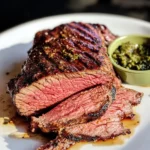
Grilled Tri-tip recipe
Ingredients
- Tri-Tip Steak (2-3 pounds): The star of the show! Tri-tip, also known as a California cut, bottom sirloin butt, or Santa Maria steak, is a triangular cut of beef from the bottom sirloin. It’s prized for its rich, beefy flavor, tenderness when cooked properly, and relatively lean profile compared to other steak cuts. When selecting your tri-tip, look for a steak that is well-marbled with intramuscular fat. Marbling is the white flecks of fat within the muscle that melt during cooking, adding flavor and moisture. A good quality tri-tip will have a vibrant red color and feel firm to the touch. You can find tri-tip steaks at most well-stocked grocery stores or butcher shops. If possible, opt for a Choice or Prime grade tri-tip for superior flavor and tenderness. Consider the size of your tri-tip based on your serving needs. A 2-3 pound tri-tip is typically sufficient to feed 4-6 people. If you are unable to find tri-tip, you could potentially substitute with a sirloin flap steak or a picanha roast, though these will have slightly different textures and may require adjusted cooking times.
- Olive Oil (¼ cup, extra virgin): Olive oil serves as the base of our marinade, helping to distribute the flavors of the other ingredients and aiding in moisture retention during grilling. Extra virgin olive oil is preferred for its superior flavor and health benefits. It also helps to prevent the meat from sticking to the grill grates. The olive oil also contributes to the browning and crust formation on the exterior of the tri-tip during searing. You can use other neutral oils like canola oil or vegetable oil if you prefer, but extra virgin olive oil adds a subtle fruity and peppery note that enhances the overall flavor profile. Infused olive oils, such as garlic or herb-infused, can also be used to add another layer of flavor complexity.
- Soy Sauce (¼ cup, low sodium): Soy sauce is a key ingredient in the marinade, providing umami richness and saltiness that tenderizes the meat and deepens the flavor. Low sodium soy sauce is recommended to control the overall salt level in the marinade and final dish. Soy sauce’s enzymatic action also helps break down muscle fibers, contributing to a more tender tri-tip. Tamari, a gluten-free soy sauce alternative, can be used as a substitute. If you want a sweeter marinade, you can use a combination of soy sauce and teriyaki sauce.
- Worcestershire Sauce (2 tablespoons): Worcestershire sauce adds another layer of umami and complex savory flavors to the marinade. It contains vinegar, molasses, tamarind, and other spices, contributing depth and tanginess. Worcestershire sauce enhances the beefy flavor of the tri-tip and complements the other marinade ingredients. If you don’t have Worcestershire sauce, you can try a combination of soy sauce and a touch of vinegar, but Worcestershire offers a unique flavor profile that is hard to replicate exactly.
- Garlic (4 cloves, minced): Garlic is a foundational flavor enhancer in countless cuisines, and grilling tri-tip is no exception. Freshly minced garlic provides a pungent, aromatic, and savory note that permeates the meat during marinating and grilling. Use fresh garlic cloves for the best flavor. Garlic powder can be used as a substitute in a pinch, but fresh garlic provides a much more vibrant and complex flavor. Roasted garlic can also be used for a sweeter, mellower garlic flavor.
- Fresh Rosemary (2 tablespoons, chopped): Fresh rosemary brings a fragrant, piney, and slightly peppery herbaceousness to the marinade. Rosemary is a classic pairing with beef and complements the robust flavor of tri-tip beautifully. Use fresh rosemary leaves for the most aromatic and flavorful results. Dried rosemary can be used as a substitute, but use about half the amount as dried herbs are more concentrated. Other herbs that pair well with beef and can be used in place of or in addition to rosemary include thyme, oregano, and marjoram.
- Fresh Thyme (2 tablespoons, chopped): Fresh thyme adds a delicate, earthy, and slightly lemony herbaceous note that balances the richness of the beef and complements the rosemary. Thyme is another classic herb that enhances the savory flavors of grilled meats. Use fresh thyme leaves for the best flavor. Dried thyme can be used as a substitute, using about half the amount of fresh thyme.
- Dijon Mustard (1 tablespoon): Dijon mustard acts as an emulsifier in the marinade, helping to bind the oil and water-based ingredients together. It also adds a tangy, slightly spicy, and complex flavor note that enhances the overall profile. Dijon mustard’s acidity also contributes to tenderizing the meat. You can use other types of mustard, such as whole grain mustard or yellow mustard, but Dijon mustard provides a particularly refined and balanced flavor.
- Black Pepper (1 tablespoon, freshly ground): Freshly ground black pepper provides a pungent, aromatic, and slightly spicy kick that enhances the savory flavors and adds depth to the marinade. Freshly ground pepper is always preferred for its more robust flavor and aroma compared to pre-ground pepper. You can adjust the amount of black pepper to your preference. Cracked black pepper can also be used for a coarser texture and more intense pepper flavor.
- Salt (1 tablespoon, kosher salt or sea salt): Salt is essential for seasoning the tri-tip and enhancing its natural flavors. Kosher salt or sea salt are preferred for their clean, pure flavor and coarser texture, which helps to distribute the salt more evenly. Salt also plays a crucial role in tenderizing meat by breaking down muscle proteins. Adjust the amount of salt to your preference, considering the saltiness of the soy sauce already in the marinade. Remember to season again with salt and pepper after grilling, if needed.
Instructions
Step 1: Prepare the Marinade
- In a medium bowl, whisk together the olive oil, soy sauce, Worcestershire sauce, minced garlic, chopped fresh rosemary, chopped fresh thyme, Dijon mustard, black pepper, and salt. Whisking ensures all ingredients are thoroughly combined and emulsified, creating a homogenous marinade. Taste the marinade and adjust seasoning if needed, keeping in mind it will concentrate as it marinates the meat.
Step 2: Marinate the Tri-Tip
- Place the tri-tip steak in a large resealable plastic bag or a shallow dish. Pour the marinade over the tri-tip, ensuring it is evenly coated on all sides. If using a plastic bag, squeeze out as much air as possible and seal tightly. If using a dish, turn the tri-tip a few times to ensure even coating.
- Marinate in the refrigerator for at least 4 hours, and preferably overnight (8-12 hours). Longer marinating times allow the flavors to penetrate deeper into the meat and further tenderize the tri-tip. Do not marinate for longer than 24 hours, as excessive marinating can sometimes make the meat texture mushy.
Step 3: Prepare the Grill
- Remove the tri-tip from the refrigerator about 30-40 minutes before grilling to allow it to come closer to room temperature. This helps ensure more even cooking.
- Preheat your grill to high heat for searing and medium heat for indirect cooking. For a charcoal grill, arrange hot coals on one side of the grill, creating a direct heat zone and an indirect heat zone. For a gas grill, preheat all burners to high, then reduce heat on one or two burners to create an indirect heat zone. The grill should be hot enough to sear the tri-tip quickly, but also have a cooler zone for gentle cooking.
- Clean the grill grates thoroughly and lightly oil them with cooking oil to prevent sticking. Clean grates ensure better searing and prevent the tri-tip from sticking and tearing.
Step 4: Sear the Tri-Tip
- Remove the tri-tip from the marinade, letting any excess marinade drip off. Do not pat dry, as some marinade moisture helps with searing. Discard the used marinade.
- Place the tri-tip on the direct heat zone of the grill and sear for 3-4 minutes per side, or until a rich brown crust forms. Listen for the sizzle and watch for the development of a deep brown color. Searing over high heat creates the Maillard reaction, developing complex flavors and a desirable crust.
Step 5: Cook with Indirect Heat
- Move the seared tri-tip to the indirect heat zone of the grill. This is crucial for cooking the tri-tip through without burning the exterior.
- Close the grill lid and cook for approximately 10-20 minutes, or until the internal temperature reaches your desired level of doneness. Use a meat thermometer inserted into the thickest part of the tri-tip to monitor the internal temperature.
- For medium-rare: 130-135°F (54-57°C)
- For medium: 135-140°F (57-60°C)
- For medium-well: 140-145°F (60-63°C)
- For well-done: 145°F+ (63°C+) (Not recommended for tri-tip as it can become tough)
Baking times are estimates and can vary based on grill temperature, thickness of the tri-tip, and desired level of doneness. Always rely on a meat thermometer for accuracy.
Step 6: Rest the Tri-Tip
- Once the tri-tip reaches your desired internal temperature, remove it from the grill and place it on a cutting board.
- Tent loosely with aluminum foil and let it rest for 10-15 minutes. Resting is essential as it allows the juices to redistribute throughout the meat, resulting in a more tender and flavorful tri-tip. Do not skip this step!
Step 7: Slice and Serve
- Identify the grain of the tri-tip. The grain runs lengthwise along the steak. It’s important to slice against the grain for maximum tenderness.
- Slice the tri-tip thinly against the grain. For tri-tip, it’s often beneficial to slice it in half along the grain first, and then slice each half against the grain. This is because the grain direction can change slightly within the tri-tip muscle.
- Serve immediately and enjoy the delicious Grilled Tri-tip! You can season with a sprinkle of flaky sea salt and freshly ground black pepper after slicing, if desired.
Nutrition
- Serving Size: one normal portion
- Calories: 250-300 kcal
- Sugar: 1-2g
- Sodium: 400-500mg
- Fat: 12-15g
- Saturated Fat: 5-7g
- Carbohydrates: 2-3g
- Protein: 30-35g
- Cholesterol: 80-90mg