
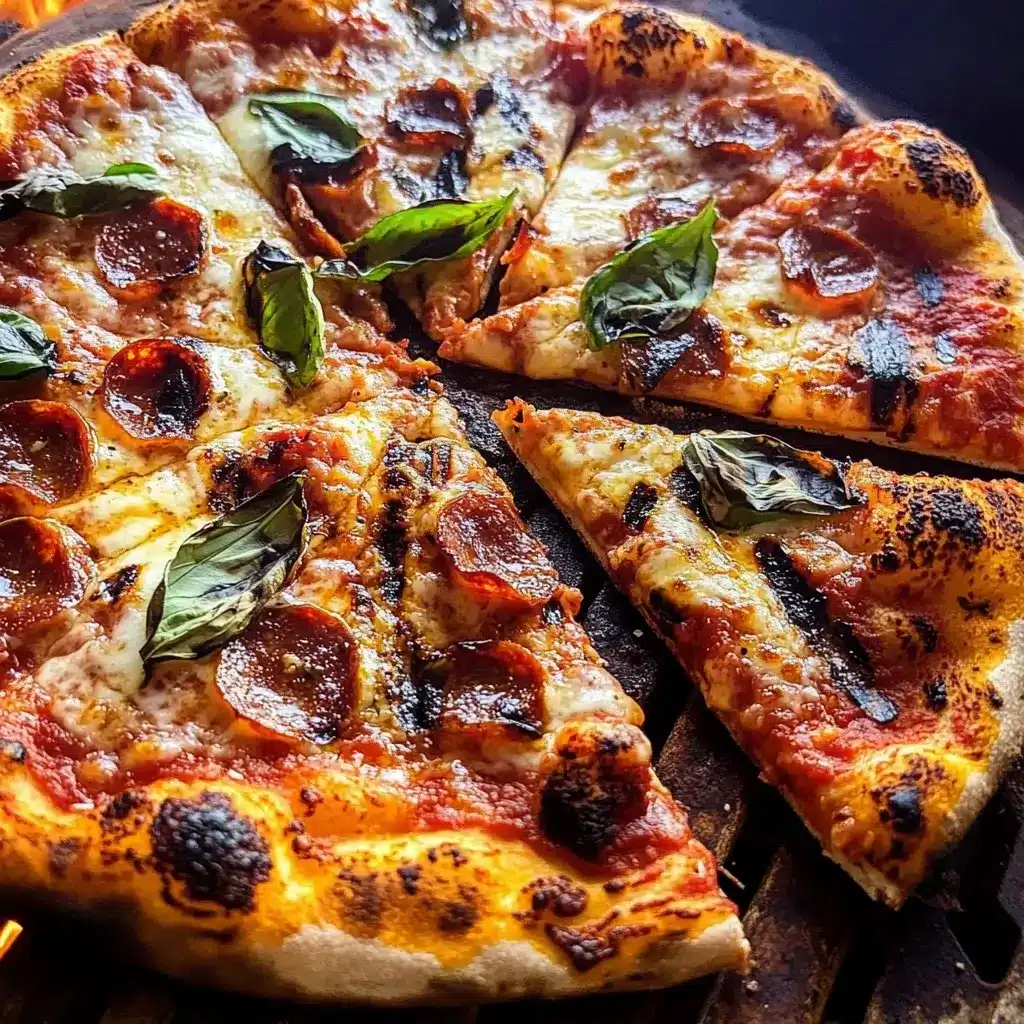

The first time someone suggested making pizza on the grill, I’ll admit, I was skeptical. My mind conjured images of dough falling through the grates, cheese melting into a fiery inferno, and a general smoky, chaotic mess. But my friend, a seasoned griller, insisted it was a game-changer. So, one sunny afternoon, we tried it. That first bite of grilled pizza was a revelation. The crust was impossibly crispy with a subtle smoky char, the toppings tasted vibrant and fresh, and the cheese was perfectly melted and bubbly. It was unlike any oven-baked pizza I’d ever had. My family was instantly hooked. Now, grilled pizza nights are a summer staple in our household. The kids love helping to stretch the dough and choose their toppings, and there’s something inherently joyful about cooking outdoors. This recipe, refined over many delicious experiments, captures that perfect grilled pizza magic – a crispy, chewy, smoky crust that serves as the perfect canvas for your favorite flavors. It’s simpler than you think, and I promise, once you try it, your pizza nights will never be the same.
The Ultimate Grilled Pizza Recipe: Mastering Smoky, Crispy Perfection
Forget delivery and step away from your oven! Grilling pizza unlocks a world of flavor and texture that indoor cooking simply can’t replicate. The intense heat of the grill creates an unbelievably crispy crust with a delightful chewiness and a subtle smoky essence that elevates this humble dish to gourmet status. This comprehensive guide will walk you through everything you need to know, from crafting the perfect dough to mastering the grilling technique, ensuring your homemade grilled pizza is a resounding success.
Ingredients: Building Your Grilled Masterpiece
The beauty of pizza lies in its simplicity and adaptability. For the best grilled pizza, quality ingredients are key.
For the Pizza Dough (makes 2-3 medium or 4 small pizzas):
- Warm Water (1 1/2 cups / 355 ml, about 105-115°F / 40-46°C): Crucial for activating the yeast.
- Active Dry Yeast (2 1/4 teaspoons / 7g, or 1 standard packet): The leavening agent that gives dough its rise and airy texture.
- Sugar (1 teaspoon / 4g): Feeds the yeast and adds a touch of sweetness. Honey or maple syrup can also be used.
- Bread Flour or “00” Flour (4 cups / 480-500g, plus more for dusting): Bread flour has a higher protein content, leading to a chewier crust. “00” flour is finely milled and traditional for Neapolitan-style pizza, yielding a tender yet crisp crust. All-purpose flour can be used in a pinch, but the texture will be slightly different.
- Kosher Salt (2 teaspoons / 12g): Flavors the dough and controls yeast activity.
- Extra Virgin Olive Oil (2 tablespoons / 30ml, plus more for oiling bowl and grill): Adds flavor, richness, and helps create a crispier crust.
For the Simple Pizza Sauce (makes about 2 cups):
- Canned San Marzano Crushed Tomatoes (1 can, 28 oz / 794g): San Marzano tomatoes are prized for their sweetness and low acidity. If unavailable, use good quality crushed tomatoes.
- Garlic (2 cloves, minced): For aromatic depth.
- Dried Oregano (1 teaspoon / 1g): A classic pizza herb.
- Salt (1/2 teaspoon / 3g, or to taste):
- Black Pepper (1/4 teaspoon / 0.5g, or to taste):
- Extra Virgin Olive Oil (1 tablespoon / 15ml):
- Optional: Red Pepper Flakes (pinch, for a little heat)
- Optional: Fresh Basil (a few leaves, torn, to stir in at the end or use as garnish)
For the Toppings (suggestions, feel free to customize!):
- Low-Moisture Mozzarella Cheese (8-12 oz / 225-340g, freshly shredded or thinly sliced): Low-moisture is crucial to prevent a soggy pizza. Avoid fresh mozzarella packed in water unless you drain and pat it extremely dry.
- Parmesan Cheese (1/4 cup / 25g, freshly grated): Adds a salty, nutty flavor.
- Pepperoni Slices
- Cooked Italian Sausage, crumbled
- Sliced Mushrooms (sautéed briefly if very moist)
- Sliced Bell Peppers (any color)
- Sliced Red Onion
- Olives (Kalamata, black, or green)
- Fresh Basil Leaves (for garnish after grilling)
- Prosciutto (add after grilling to prevent it from becoming too tough)
- Arugula (add after grilling for a fresh, peppery bite)
Equipment Needed:
- Grill (Charcoal or Gas): Both work well.
- Pizza Peel or Large Rimless Baking Sheet: For transferring the dough to and from the grill.
- Grill Brush: For cleaning the grates.
- Long-Handled Tongs: For rotating and handling the pizza.
- Spatula (large, sturdy): Helpful for moving the pizza.
- Pastry Brush or Paper Towel dipped in oil: For oiling grill grates.
- Cornmeal or Semolina Flour: For dusting the peel to prevent sticking.
- Rolling Pin (optional, hand-stretching is often preferred):
- Pizza Cutter or Sharp Kitchen Shears: For slicing.
Step-by-Step Instructions: Your Path to Grilled Pizza Glory
Follow these instructions carefully, and you’ll be rewarded with incredible grilled pizza. Remember, grilling pizza is a fast process once the dough hits the grates, so having everything prepped (mise en place) is essential.
Phase 1: Prepare the Dough (Can be done 1-3 days ahead)
- Activate Yeast: In a large bowl or the bowl of a stand mixer, combine the warm water and sugar. Sprinkle the yeast over the top and let it sit for 5-10 minutes, or until foamy. This indicates the yeast is active.
- Combine Dry Ingredients: In a separate bowl, whisk together the flour and kosher salt.
- Mix Dough: Add the olive oil to the yeast mixture. Gradually add the flour mixture to the wet ingredients.
- Stand Mixer: Using the dough hook attachment, mix on low speed until a shaggy dough forms. Increase the speed to medium-low and knead for 5-7 minutes, or until the dough is smooth, elastic, and pulls away from the sides of the bowl. If the dough is too sticky, add a little more flour, one tablespoon at a time. If too dry, add a little more water, one teaspoon at a time.
- By Hand: Stir with a wooden spoon until a shaggy dough forms. Turn the dough out onto a lightly floured surface and knead for 8-10 minutes, until smooth and elastic.
- First Rise (Bulk Fermentation): Lightly oil a large clean bowl. Place the dough in the bowl, turning it once to coat with oil. Cover the bowl tightly with plastic wrap or a damp kitchen towel. Let the dough rise in a warm, draft-free place for 1 to 1.5 hours, or until doubled in size.
- Cold Fermentation Option (Recommended for better flavor): After kneading, place the oiled dough in a covered bowl or zip-top bag and refrigerate for 1-3 days. This slow fermentation develops more complex flavors. Remove from the fridge 2-3 hours before grilling to allow it to come to room temperature and complete its rise.
- Divide and Second Rise (Proofing): Gently punch down the risen dough to release air. Turn it out onto a lightly floured surface. Divide the dough into 2, 3, or 4 equal portions, depending on the desired pizza size. Form each portion into a smooth ball. Place the dough balls on a lightly floured baking sheet, cover loosely with plastic wrap or a damp towel, and let them rest and rise for another 30-60 minutes, or until puffy. (If using cold-fermented dough, this step is done after it comes to room temperature).
Phase 2: Prepare the Sauce and Toppings
- Make the Sauce: In a small bowl, combine the crushed San Marzano tomatoes, minced garlic, dried oregano, salt, pepper, and olive oil. Stir well. If using, add a pinch of red pepper flakes. Taste and adjust seasonings as needed. Set aside. (This can be made ahead and refrigerated).
- Prep Toppings: Shred your mozzarella and grate your Parmesan. Slice, chop, or cook any toppings as needed. Meats like sausage should be pre-cooked. Vegetables with high water content (like fresh mushrooms or raw zucchini) benefit from a quick sauté or pre-grilling to release some moisture and prevent a soggy pizza. Arrange all toppings in small bowls for easy access near the grill.
Phase 3: Prepare the Grill
- Clean and Oil Grates: Thoroughly clean your grill grates with a grill brush. Use tongs to rub the grates with a paper towel lightly dipped in high-heat cooking oil (like canola, vegetable, or grapeseed oil), or use a pastry brush to apply oil. This prevents the dough from sticking.
- Set Up for Two-Zone Heating (Crucial!):
- Charcoal Grill: Arrange hot coals on one side of the grill, leaving the other side empty or with very few coals. This creates a hot direct heat zone and a cooler indirect heat zone.
- Gas Grill: Heat all burners on high for 10-15 minutes to get the grates very hot. Then, turn off or set to low the burners on one side, while keeping the burners on the other side on medium-high or high.
- Preheat Grill: Aim for a temperature of around 450-550°F (230-290°C) in the direct heat zone. The grill needs to be very hot to cook the crust quickly. Close the lid and let the grill preheat for at least 10-15 minutes.
Phase 4: Stretch and Grill the Pizza
- Stretch the Dough: Lightly dust your pizza peel (or rimless baking sheet) with cornmeal or semolina flour to prevent sticking. Take one dough ball and place it on a lightly floured work surface. Gently press down in the center, working your way out towards the edges, leaving a slightly thicker rim for the crust (the “cornicione”). You can use your fingertips, knuckles, or gently stretch it over the backs of your hands. Aim for a 10-12 inch round (or your desired shape), about 1/8 to 1/4 inch thick. Avoid using a rolling pin if possible, as hand-stretching preserves more air bubbles for a better texture. Do not make it too thin in the center, or it might tear.
- Transfer Dough to Peel: Carefully transfer the stretched dough to the prepared pizza peel. Lightly brush the top surface of the dough with a thin layer of olive oil. This helps create a barrier against a soggy crust and promotes browning.
- First Grill (Bottom Crust): Quickly and carefully slide the dough (oiled side down) from the peel onto the hot, direct heat side of the grill. Close the lid immediately. Grill for 1-3 minutes, or until the bottom is nicely browned, lightly charred in spots, and has visible grill marks. The dough will puff up. Use tongs to check the underside.
- Flip and Top: Using tongs and a large spatula, quickly flip the dough over onto the cooler, indirect heat side of the grill (or onto the peel temporarily if that’s easier for you). The grilled side is now up.
- Add Toppings (Work Quickly!): Working fast, spread a thin layer of pizza sauce over the grilled surface, leaving a small border for the crust. Sprinkle with mozzarella and Parmesan cheese, then add your desired toppings. Do not overload the pizza with sauce or toppings, as this will make it heavy, difficult to cook through, and potentially soggy.
- Second Grill (Melt Cheese & Finish Crust): Slide the topped pizza back onto the indirect heat side of the grill (if you moved it to the peel). Close the lid. Cook for another 3-7 minutes, or until the cheese is melted and bubbly, the toppings are heated through, and the bottom of the crust is golden brown and crisp. Rotate the pizza 180 degrees halfway through if one side is cooking faster. If the bottom is browning too quickly before the cheese melts, move it further into the indirect zone or slightly reduce the heat under it if using a gas grill.
- Rest and Serve: Carefully slide the finished pizza onto a cutting board. Let it rest for a minute or two before slicing and serving. This allows the cheese to set slightly. Garnish with fresh basil, if desired.
- Repeat: Repeat the process with the remaining dough balls and toppings, ensuring the grill grates are still clean and oiled, and the temperature is maintained.
Nutritional Snapshot (Approximate)
Nutritional information for grilled pizza can vary wildly based on dough thickness, amount of cheese, type and quantity of toppings, and oil used. The following is a very rough estimate for one slice (assuming an average 12-inch pizza cut into 8 slices) with cheese and a moderate amount of toppings.
- Servings: This recipe makes 2-4 pizzas, yielding approximately 16-32 slices depending on size.
- Serving Size: 1 slice
- Calories per serving (1 slice): Approximately 250-400 calories.
- Note: The dough itself (flour, oil) and cheese are the primary calorie contributors. Leaner toppings and less cheese will reduce the calorie count.
Time Investment: From Flour to Fire
- Dough Preparation (Active Time): 20-30 minutes (mixing, kneading)
- Dough Rise Time (Passive): 1.5 – 2.5 hours (for standard rise) OR 24-72 hours (for cold fermentation, plus 2-3 hours to come to room temp)
- Sauce & Topping Prep: 20-30 minutes
- Grill Prep & Preheat: 15-20 minutes
- Grilling Time (per pizza): 5-10 minutes
- Total Active Time (excluding long rise): Approximately 1 hour – 1 hour 30 minutes
- Total Time (with standard rise): Approximately 3 – 4 hours
- Total Time (with cold fermentation): 1-3 days (mostly passive)
How to Serve: Enjoying Your Grilled Creation
Grilled pizza is best enjoyed hot off the grill! Here are some tips for serving:
- Immediate Gratification:
- Serve pizzas as soon as they come off the grill. Have plates and napkins ready.
- Slice with a sharp pizza cutter or kitchen shears (shears work surprisingly well for rustic, uneven cuts).
- Garnishes for Flair:
- A sprinkle of freshly torn basil leaves adds a burst of freshness and color.
- A drizzle of high-quality extra virgin olive oil over the finished pizza.
- A pinch of red pepper flakes for those who like extra heat.
- An extra dusting of grated Parmesan cheese.
- Perfect Pairings:
- Salads: A simple Caesar salad, a fresh arugula salad with lemon vinaigrette, or a hearty Italian chopped salad complements the richness of the pizza.
- Antipasto Platter: Olives, cured meats, cheeses, and marinated vegetables make a great starter or accompaniment.
- Grilled Vegetables: Asparagus, zucchini, or bell peppers tossed on the grill alongside the pizza.
- Beverages:
- Craft Beer: A crisp lager, pale ale, or IPA.
- Wine: A light-bodied red like Chianti or Barbera, or a crisp white like Pinot Grigio or Sauvignon Blanc.
- Lemonade or Iced Tea: Refreshing non-alcoholic options.
Additional Tips for Grilled Pizza Mastery
Elevate your grilled pizza game from good to extraordinary with these expert tips:
- Mise en Place is Non-Negotiable: Grilling pizza happens fast. Have your dough stretched, sauce ready, cheese shredded, and all toppings prepped and within arm’s reach before the first dough hits the grill. You won’t have time to chop an onion once the crust is cooking.
- Don’t Overload Your Pizza: This is the most common mistake. Too much sauce will make the crust soggy. Too many toppings will weigh down the dough, prevent even cooking, and make it difficult to transfer. Less is truly more with grilled pizza.
- Master Two-Zone Heating: Direct heat is for charring and crisping the initial side of the dough. Indirect heat is for melting the cheese and cooking the toppings through without burning the bottom crust. This is crucial for success.
- Room Temperature Dough is Your Friend: Cold dough is difficult to stretch and won’t puff up as nicely on the grill. Allow dough balls to sit at room temperature for at least 30-60 minutes (or 2-3 hours if coming from a long cold ferment in the fridge) before stretching.
- Keep the Lid Closed (Mostly): Closing the grill lid traps heat, creating an oven-like environment that helps the cheese melt and toppings cook evenly. Open it only when necessary to check, flip, or rotate the pizza.
Frequently Asked Questions (FAQ)
Your common queries about grilling pizza, answered!
- Q: Can I use store-bought pizza dough for grilling?
- A: Absolutely! Store-bought dough is a great time-saver. Look for fresh dough balls from your grocery store’s refrigerated section or a local pizzeria. Allow it to come to room temperature for at least 30-60 minutes before stretching, just like homemade dough.
- Q: What’s better for grilled pizza: a charcoal grill or a gas grill?
- A: Both work wonderfully! Charcoal grills can impart a slightly smokier flavor, which many people love. They can also achieve very high temperatures. Gas grills offer more precise temperature control and are often quicker to heat up and clean. The key with either is to achieve high heat and set up a two-zone fire.
- Q: My pizza dough keeps sticking to the grill grates! What am I doing wrong?
- A: Several factors can cause sticking:
- Grill not hot enough: The grates need to be screaming hot.
- Grates not clean: Old debris can cause sticking.
- Grates not oiled: A thin layer of oil creates a non-stick surface.
- Dough too wet/sticky: Your dough might need a bit more flour.
- Not enough oil on the dough itself: Brushing the side of the dough that goes down first with olive oil helps.
- Not enough cornmeal/flour on the peel: This can cause it to stick to the peel and tear when transferring.
- A: Several factors can cause sticking:
- Q: How do I get a really crispy crust on the grill?
- A: High heat is your best friend for a crispy crust. Ensure your grill is properly preheated. Grilling the dough directly on the grates for the first side creates excellent char and crispness. Avoid overloading with sauce and toppings. A thinner crust will also crisp up more easily. Some people also like to use a pizza stone or steel on the grill, which can help retain and distribute heat evenly for an extra-crisp bottom.
- Q: Can I assemble the entire pizza before putting it on the grill?
- A: It’s generally not recommended for direct grilling. Raw dough with sauce and toppings will quickly become soggy and is very difficult to slide off a peel onto hot grates without tearing or toppings shifting. The method of grilling one side first, then flipping and quickly topping, works best for direct grate grilling. If using a pizza stone or steel on the grill that has been preheated for a long time, you can assemble the pizza on the peel and launch it onto the hot stone, similar to oven baking.
The Science and Art of Perfect Grilled Pizza Crust
The crust is arguably the most critical component of any pizza, and grilling introduces unique dynamics that can make or break it. Understanding a bit of the science helps:
- High Heat & Maillard Reaction: The intense direct heat from the grill grates causes rapid water evaporation from the dough’s surface and encourages the Maillard reaction (browning) and some caramelization. This results in those beautiful grill marks, a deeply savory flavor, and a crispy exterior.
- Smoke Infusion: Whether using charcoal or gas (with wood chips, if desired), smoke particles adhere to the dough, imparting a subtle or more pronounced smoky flavor that’s characteristic of grilled foods.
- Steam & Oven Spring: As the dough hits the hot grates, the water within it quickly turns to steam, causing the dough to puff up rapidly – this is known as “oven spring” (or “grill spring” in this case). This creates an airy, open crumb structure within the crust.
- Oil’s Role: Brushing the dough with olive oil before it hits the grates serves multiple purposes:
- It helps prevent sticking.
- It conducts heat, promoting better browning and crisping.
- It adds flavor.
Achieving the Ideal Texture: Crispy, Chewy, Charred (but not Burnt)
- Dough Hydration: A moderately hydrated dough (around 60-65% hydration – the ratio of water to flour by weight) is often ideal for grilling. Too wet, and it’s hard to handle and can stick. Too dry, and it might be tough.
- Proper Kneading: Develops the gluten structure, giving the crust its chewiness and strength to hold its shape.
- Fermentation: A good rise (either a quick warm rise or a long cold ferment) develops flavor and creates the gas bubbles necessary for an airy interior.
- Stretching Technique: Hand-stretching gently, rather than using a rolling pin, helps preserve more of those precious air bubbles. Aim for an even thickness, perhaps slightly thicker at the edges for a defined cornicione.
- Two-Zone Heat Control: This cannot be overstated. The initial sear on direct heat builds the char and crisp. Moving to indirect heat allows the interior of the crust to cook through and the toppings to melt without the bottom burning to a crisp.
Mastering grilled pizza crust is an art that comes with practice. Don’t be discouraged if your first attempt isn’t perfect. Each grilling session is a learning opportunity to understand how your specific grill and dough behave.
Beyond the Basics: Elevating Your Grilled Pizza Game
Once you’ve mastered the fundamentals, there are many ways to take your grilled pizza experience to the next level:
- Experiment with Dough Flavors:
- Add dried herbs like rosemary or thyme directly into your dough.
- Incorporate a tablespoon or two of grated Parmesan or Pecorino Romano into the dry ingredients.
- Use garlic-infused olive oil in the dough.
- Explore Different Sauces:
- White Pizza (Bianca): Skip the tomato sauce. Use a base of olive oil, minced garlic, ricotta cheese, and mozzarella.
- Pesto Base: Spread a layer of basil pesto instead of tomato sauce.
- BBQ Sauce: For a BBQ chicken pizza, use your favorite barbecue sauce as the base.
- Gourmet Topping Combinations:
- Fig jam, prosciutto, arugula, and balsamic glaze.
- Pear, gorgonzola, walnuts, and honey.
- Spicy soppressata, hot honey, and fresh mozzarella.
- Shrimp, garlic, lemon zest, and red pepper flakes (add shrimp towards the end of cooking).
- Utilize a Pizza Stone or Steel on the Grill:
- Place a pizza stone or baking steel on the grill grates during preheating (allow at least 30-45 minutes for it to get scorching hot).
- You can then launch your fully assembled pizza onto the hot stone/steel, similar to baking in an oven. This provides very even heat and can result in an exceptionally crispy bottom crust without direct char marks from the grates. It also makes transferring easier.
- Infuse More Smoke:
- If using a gas grill, employ a smoker box with wood chips (hickory, apple, or mesquite work well).
- With charcoal, add a few chunks of smoking wood directly to the hot coals.
- Dessert Pizzas:
- Grill the dough plain or with a light brushing of melted butter and cinnamon sugar.
- Once off the grill, top with Nutella, fresh berries, sliced bananas, whipped cream, or a chocolate drizzle.
A Final Word: Embrace the Flame!
Grilled pizza is more than just a meal; it’s an experience. It’s about embracing the outdoors, the sizzle of the grill, and the joy of creating something delicious with your own hands. Don’t be afraid to experiment with doughs, sauces, and toppings. Each pizza is a canvas for your culinary creativity. With a little practice and the tips in this guide, you’ll be slinging perfectly charred, crispy, and smoky pizzas that will amaze your friends and family. So, fire up that grill, gather your ingredients, and get ready to discover your new favorite way to make pizza! Happy grilling!
Print
GRILLED PIZZA recipe
Ingredients
-
- Warm Water (1 1/2 cups / 355 ml, about 105-115°F / 40-46°C): Crucial for activating the yeast.
-
- Active Dry Yeast (2 1/4 teaspoons / 7g, or 1 standard packet): The leavening agent that gives dough its rise and airy texture.
-
- Sugar (1 teaspoon / 4g): Feeds the yeast and adds a touch of sweetness. Honey or maple syrup can also be used.
-
- Bread Flour or “00” Flour (4 cups / 480-500g, plus more for dusting): Bread flour has a higher protein content, leading to a chewier crust. “00” flour is finely milled and traditional for Neapolitan-style pizza, yielding a tender yet crisp crust. All-purpose flour can be used in a pinch, but the texture will be slightly different.
-
- Kosher Salt (2 teaspoons / 12g): Flavors the dough and controls yeast activity.
-
- Extra Virgin Olive Oil (2 tablespoons / 30ml, plus more for oiling bowl and grill): Adds flavor, richness, and helps create a crispier crust.
For the Simple Pizza Sauce (makes about 2 cups):
-
- Canned San Marzano Crushed Tomatoes (1 can, 28 oz / 794g): San Marzano tomatoes are prized for their sweetness and low acidity. If unavailable, use good quality crushed tomatoes.
-
- Garlic (2 cloves, minced): For aromatic depth.
-
- Dried Oregano (1 teaspoon / 1g): A classic pizza herb.
-
- Salt (1/2 teaspoon / 3g, or to taste):
-
- Black Pepper (1/4 teaspoon / 0.5g, or to taste):
-
- Extra Virgin Olive Oil (1 tablespoon / 15ml):
-
- Optional: Red Pepper Flakes (pinch, for a little heat)
-
- Optional: Fresh Basil (a few leaves, torn, to stir in at the end or use as garnish)
For the Toppings (suggestions, feel free to customize!):
-
- Low-Moisture Mozzarella Cheese (8-12 oz / 225-340g, freshly shredded or thinly sliced): Low-moisture is crucial to prevent a soggy pizza. Avoid fresh mozzarella packed in water unless you drain and pat it extremely dry.
-
- Parmesan Cheese (1/4 cup / 25g, freshly grated): Adds a salty, nutty flavor.
-
- Pepperoni Slices
-
- Cooked Italian Sausage, crumbled
-
- Sliced Mushrooms (sautéed briefly if very moist)
-
- Sliced Bell Peppers (any color)
-
- Sliced Red Onion
-
- Olives (Kalamata, black, or green)
-
- Fresh Basil Leaves (for garnish after grilling)
-
- Prosciutto (add after grilling to prevent it from becoming too tough)
-
- Arugula (add after grilling for a fresh, peppery bite)
Equipment Needed:
-
- Grill (Charcoal or Gas): Both work well.
-
- Pizza Peel or Large Rimless Baking Sheet: For transferring the dough to and from the grill.
-
- Grill Brush: For cleaning the grates.
-
- Long-Handled Tongs: For rotating and handling the pizza.
-
- Spatula (large, sturdy): Helpful for moving the pizza.
-
- Pastry Brush or Paper Towel dipped in oil: For oiling grill grates.
-
- Cornmeal or Semolina Flour: For dusting the peel to prevent sticking.
-
- Rolling Pin (optional, hand-stretching is often preferred):
-
- Pizza Cutter or Sharp Kitchen Shears: For slicing.
Instructions
-
- Activate Yeast: In a large bowl or the bowl of a stand mixer, combine the warm water and sugar. Sprinkle the yeast over the top and let it sit for 5-10 minutes, or until foamy. This indicates the yeast is active.
-
- Combine Dry Ingredients: In a separate bowl, whisk together the flour and kosher salt.
-
- Mix Dough: Add the olive oil to the yeast mixture. Gradually add the flour mixture to the wet ingredients.
-
- Stand Mixer: Using the dough hook attachment, mix on low speed until a shaggy dough forms. Increase the speed to medium-low and knead for 5-7 minutes, or until the dough is smooth, elastic, and pulls away from the sides of the bowl. If the dough is too sticky, add a little more flour, one tablespoon at a time. If too dry, add a little more water, one teaspoon at a time.
-
- By Hand: Stir with a wooden spoon until a shaggy dough forms. Turn the dough out onto a lightly floured surface and knead for 8-10 minutes, until smooth and elastic.
-
- Mix Dough: Add the olive oil to the yeast mixture. Gradually add the flour mixture to the wet ingredients.
-
- First Rise (Bulk Fermentation): Lightly oil a large clean bowl. Place the dough in the bowl, turning it once to coat with oil. Cover the bowl tightly with plastic wrap or a damp kitchen towel. Let the dough rise in a warm, draft-free place for 1 to 1.5 hours, or until doubled in size.
-
- Cold Fermentation Option (Recommended for better flavor): After kneading, place the oiled dough in a covered bowl or zip-top bag and refrigerate for 1-3 days. This slow fermentation develops more complex flavors. Remove from the fridge 2-3 hours before grilling to allow it to come to room temperature and complete its rise.
-
- First Rise (Bulk Fermentation): Lightly oil a large clean bowl. Place the dough in the bowl, turning it once to coat with oil. Cover the bowl tightly with plastic wrap or a damp kitchen towel. Let the dough rise in a warm, draft-free place for 1 to 1.5 hours, or until doubled in size.
-
- Divide and Second Rise (Proofing): Gently punch down the risen dough to release air. Turn it out onto a lightly floured surface. Divide the dough into 2, 3, or 4 equal portions, depending on the desired pizza size. Form each portion into a smooth ball. Place the dough balls on a lightly floured baking sheet, cover loosely with plastic wrap or a damp towel, and let them rest and rise for another 30-60 minutes, or until puffy. (If using cold-fermented dough, this step is done after it comes to room temperature).
Phase 2: Prepare the Sauce and Toppings
-
- Make the Sauce: In a small bowl, combine the crushed San Marzano tomatoes, minced garlic, dried oregano, salt, pepper, and olive oil. Stir well. If using, add a pinch of red pepper flakes. Taste and adjust seasonings as needed. Set aside. (This can be made ahead and refrigerated).
-
- Prep Toppings: Shred your mozzarella and grate your Parmesan. Slice, chop, or cook any toppings as needed. Meats like sausage should be pre-cooked. Vegetables with high water content (like fresh mushrooms or raw zucchini) benefit from a quick sauté or pre-grilling to release some moisture and prevent a soggy pizza. Arrange all toppings in small bowls for easy access near the grill.
Phase 3: Prepare the Grill
-
- Clean and Oil Grates: Thoroughly clean your grill grates with a grill brush. Use tongs to rub the grates with a paper towel lightly dipped in high-heat cooking oil (like canola, vegetable, or grapeseed oil), or use a pastry brush to apply oil. This prevents the dough from sticking.
-
- Set Up for Two-Zone Heating (Crucial!):
-
- Charcoal Grill: Arrange hot coals on one side of the grill, leaving the other side empty or with very few coals. This creates a hot direct heat zone and a cooler indirect heat zone.
-
- Gas Grill: Heat all burners on high for 10-15 minutes to get the grates very hot. Then, turn off or set to low the burners on one side, while keeping the burners on the other side on medium-high or high.
-
- Set Up for Two-Zone Heating (Crucial!):
-
- Preheat Grill: Aim for a temperature of around 450-550°F (230-290°C) in the direct heat zone. The grill needs to be very hot to cook the crust quickly. Close the lid and let the grill preheat for at least 10-15 minutes.
Phase 4: Stretch and Grill the Pizza
-
- Stretch the Dough: Lightly dust your pizza peel (or rimless baking sheet) with cornmeal or semolina flour to prevent sticking. Take one dough ball and place it on a lightly floured work surface. Gently press down in the center, working your way out towards the edges, leaving a slightly thicker rim for the crust (the “cornicione”). You can use your fingertips, knuckles, or gently stretch it over the backs of your hands. Aim for a 10-12 inch round (or your desired shape), about 1/8 to 1/4 inch thick. Avoid using a rolling pin if possible, as hand-stretching preserves more air bubbles for a better texture. Do not make it too thin in the center, or it might tear.
-
- Transfer Dough to Peel: Carefully transfer the stretched dough to the prepared pizza peel. Lightly brush the top surface of the dough with a thin layer of olive oil. This helps create a barrier against a soggy crust and promotes browning.
-
- First Grill (Bottom Crust): Quickly and carefully slide the dough (oiled side down) from the peel onto the hot, direct heat side of the grill. Close the lid immediately. Grill for 1-3 minutes, or until the bottom is nicely browned, lightly charred in spots, and has visible grill marks. The dough will puff up. Use tongs to check the underside.
-
- Flip and Top: Using tongs and a large spatula, quickly flip the dough over onto the cooler, indirect heat side of the grill (or onto the peel temporarily if that’s easier for you). The grilled side is now up.
-
- Add Toppings (Work Quickly!): Working fast, spread a thin layer of pizza sauce over the grilled surface, leaving a small border for the crust. Sprinkle with mozzarella and Parmesan cheese, then add your desired toppings. Do not overload the pizza with sauce or toppings, as this will make it heavy, difficult to cook through, and potentially soggy.
-
- Second Grill (Melt Cheese & Finish Crust): Slide the topped pizza back onto the indirect heat side of the grill (if you moved it to the peel). Close the lid. Cook for another 3-7 minutes, or until the cheese is melted and bubbly, the toppings are heated through, and the bottom of the crust is golden brown and crisp. Rotate the pizza 180 degrees halfway through if one side is cooking faster. If the bottom is browning too quickly before the cheese melts, move it further into the indirect zone or slightly reduce the heat under it if using a gas grill.
-
- Rest and Serve: Carefully slide the finished pizza onto a cutting board. Let it rest for a minute or two before slicing and serving. This allows the cheese to set slightly. Garnish with fresh basil, if desired.
-
- Repeat: Repeat the process with the remaining dough balls and toppings, ensuring the grill grates are still clean and oiled, and the temperature is maintained.
Nutrition
- Serving Size: one normal portion
- Calories: 250-400