
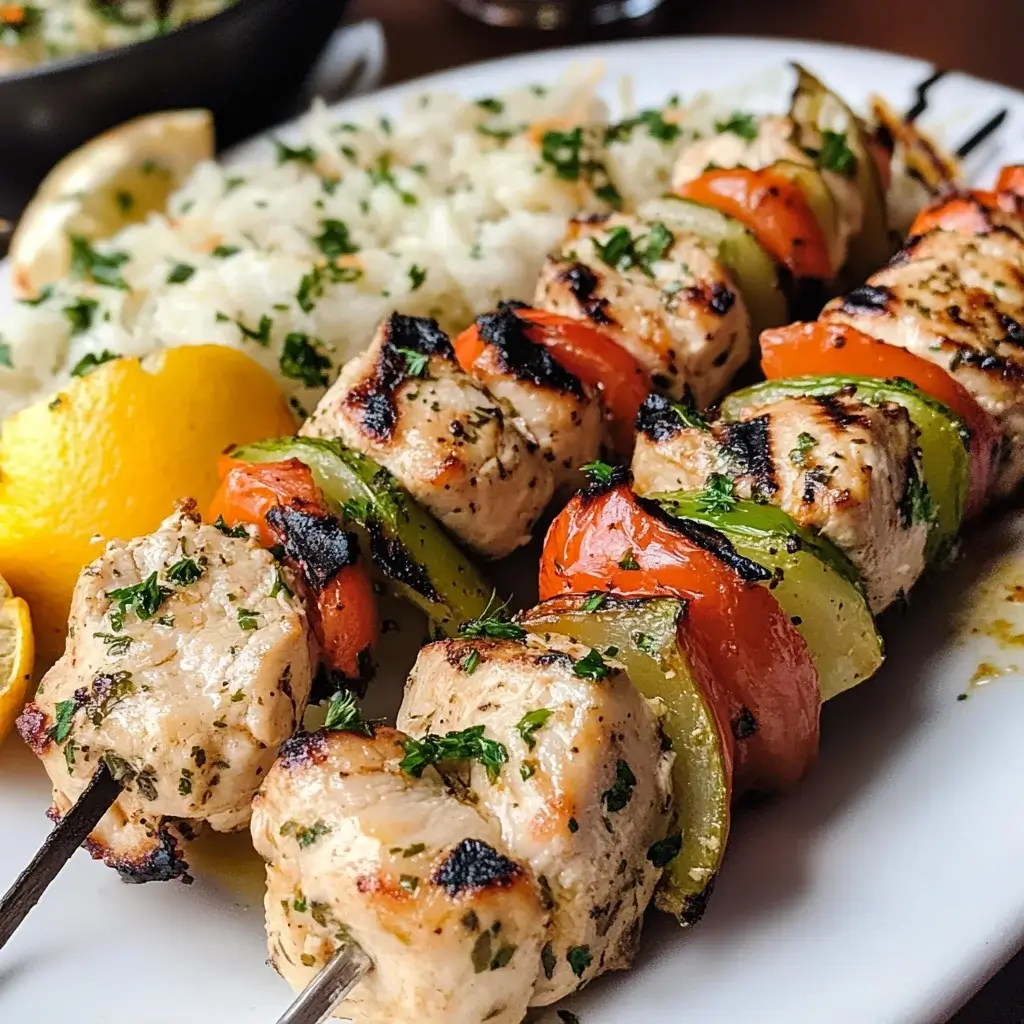

There’s something undeniably captivating about the aroma of marinated chicken sizzling over an open flame, especially when those aromas are infused with the bright, herbaceous notes of the Mediterranean. Greek chicken kabobs, or “souvlaki” as they are often known, are more than just a meal; they are a vibrant celebration of flavor, a taste of sunshine on a stick, and a healthy and satisfying way to enjoy chicken. In my household, Greek chicken kabobs have become a beloved summer tradition, and honestly, we make them year-round because they are just that good. From weeknight dinners to weekend barbecues, these kabobs are always a hit. The tender, juicy chicken, infused with the zesty marinade, is simply irresistible, and the versatility of serving options makes them a culinary chameleon. Whether you’re a seasoned grill master or a stovetop novice, this recipe is designed to empower you to create restaurant-quality Greek chicken kabobs in your own kitchen. Get ready to transport your taste buds to the sun-drenched shores of Greece with this comprehensive guide to crafting the perfect Greek chicken kabobs.
Ingredients for Authentic and Flavorful Greek Chicken Kabobs
The secret to truly exceptional Greek chicken kabobs lies in the quality and balance of the ingredients, particularly the marinade. A well-crafted marinade not only tenderizes the chicken but also infuses it with the vibrant, signature flavors of Greek cuisine. Here’s a detailed list of everything you’ll need, along with insights into why each ingredient is important and potential substitutions:
- 2 pounds Boneless, Skinless Chicken Thighs, cut into 1 ½ – 2 inch pieces: Chicken thighs are the star of the show and are highly recommended for their superior flavor and moisture retention compared to chicken breasts when grilled or cooked on kabobs.
- Why Chicken Thighs? Chicken thighs have a higher fat content, which keeps them incredibly juicy and tender during grilling or cooking. They also boast a richer, more robust flavor than chicken breasts.
- Chicken Breast Option: If you prefer chicken breast, you can use it, but be extra cautious not to overcook it as it can dry out more easily. Consider marinating for a longer period and grilling for a shorter time at a slightly lower heat. Cut chicken breasts into slightly larger pieces to help retain moisture.
- Cutting Size: Cutting the chicken into 1 ½ – 2 inch pieces ensures even cooking on the kabobs and prevents them from drying out too quickly.
- For the Marinade:
- ½ cup Olive Oil (Extra Virgin): Olive oil is the foundation of the Greek marinade, contributing richness, flavor, and helping to tenderize the chicken. Extra virgin olive oil provides the best flavor and health benefits.
- Why Extra Virgin Olive Oil? Extra virgin olive oil is cold-pressed and retains more of its natural flavor and antioxidants. It’s the cornerstone of Mediterranean cooking.
- Substitution: If you don’t have extra virgin olive oil, you can use regular olive oil, but the flavor will be slightly less pronounced. Avoid using other cooking oils as they won’t provide the same authentic Greek flavor.
- ¼ cup Fresh Lemon Juice: Lemon juice is essential for the bright, zesty flavor of Greek marinade and also acts as a natural tenderizer for the chicken. Freshly squeezed lemon juice is always preferred for the best flavor.
- Why Fresh Lemon Juice? Fresh lemon juice has a brighter, more vibrant flavor than bottled lemon juice. It also contains enzymes that help break down proteins and tenderize the chicken.
- Substitution: Bottled lemon juice can be used in a pinch, but the flavor will be less fresh. Avoid using lime juice as it has a different flavor profile.
- 4 Cloves Garlic, minced: Garlic is a flavor powerhouse in Greek cuisine, adding pungent and savory notes that complement the lemon and herbs beautifully. Freshly minced garlic is crucial for the best flavor.
- Why Fresh Garlic? Fresh garlic provides a much more intense and aromatic flavor compared to garlic powder.
- Substitution: Garlic powder can be used in a pinch (about 1 teaspoon), but fresh garlic is highly recommended for authentic flavor.
- 2 Tablespoons Dried Oregano: Oregano is the quintessential Greek herb, providing a warm, slightly peppery, and aromatic flavor that is characteristic of Greek cuisine. Dried oregano works wonderfully in marinades as its flavor intensifies during cooking.
- Why Dried Oregano? Dried oregano has a more concentrated flavor than fresh oregano and holds up well in marinades and during grilling.
- Fresh Oregano Option: You can use fresh oregano (about ¼ cup chopped), but dried oregano is more traditional and often preferred in marinades.
- 1 Tablespoon Dried Thyme: Thyme adds a slightly earthy, minty, and lemony note that complements the oregano and lemon beautifully, adding depth to the marinade. Dried thyme is convenient and flavorful in marinades.
- Why Dried Thyme? Similar to oregano, dried thyme has a more concentrated flavor than fresh and works well in marinades.
- Fresh Thyme Option: You can use fresh thyme (about 2 tablespoons chopped), but dried thyme is readily available and provides a classic Greek flavor.
- 1 teaspoon Salt: Salt is essential for seasoning the chicken and enhancing all the flavors in the marinade. Use kosher salt or sea salt for best results.
- Why Salt? Salt is not just for flavor; it helps to draw moisture into the chicken during marinating and enhances the taste of all other ingredients.
- Salt Type: Kosher salt and sea salt are preferred for their pure flavor and larger crystals, which are easier to measure.
- ½ teaspoon Black Pepper: Freshly ground black pepper adds a touch of spice and warmth, balancing the bright flavors of the lemon and herbs.
- Why Freshly Ground Pepper? Freshly ground black pepper has a more robust and aromatic flavor compared to pre-ground pepper.
- Substitution: White pepper can be used for a milder pepper flavor.
- Optional: Pinch of Red Pepper Flakes (for a touch of heat): If you like a subtle kick of heat, a pinch of red pepper flakes can add a pleasant warmth to the marinade without making it overly spicy.
- Heat Level Control: Red pepper flakes are optional and can be adjusted to your spice preference.
- ½ cup Olive Oil (Extra Virgin): Olive oil is the foundation of the Greek marinade, contributing richness, flavor, and helping to tenderize the chicken. Extra virgin olive oil provides the best flavor and health benefits.
- For the Kabobs (Optional):
- 1 Red Onion, cut into wedges: Red onion adds a slightly sweet and pungent flavor that complements the chicken and vegetables on the kabobs.
- 1 Green Bell Pepper, cut into 1 ½ – 2 inch pieces: Green bell pepper adds sweetness, a slight bitterness, and a vibrant color to the kabobs.
- 1 Yellow Bell Pepper, cut into 1 ½ – 2 inch pieces: Yellow bell pepper is sweeter than green bell pepper and adds another layer of flavor and color.
- 1 Zucchini, cut into ½ inch thick rounds: Zucchini adds a mild, slightly sweet flavor and a tender texture when grilled.
- Cherry Tomatoes: Cherry tomatoes add bursts of sweetness and juicy texture, and their vibrant red color enhances the visual appeal of the kabobs.
- Vegetable Variations: Feel free to customize the vegetables based on your preferences and what’s in season. Other great options include:
- Mushrooms: Cremini or button mushrooms.
- Eggplant: Cubed eggplant, pre-salted and drained.
- Pineapple: Chunks of fresh pineapple for a sweet and savory twist.
- Halloumi Cheese: Cubes of halloumi cheese for a salty and squeaky texture (add towards the end of grilling as it cooks quickly).
- Wooden or Metal Skewers: Skewers are essential for assembling and cooking the kabobs. Wooden skewers should be soaked in water for at least 30 minutes before grilling to prevent them from burning. Metal skewers are reusable and don’t require soaking.
- Wooden Skewers Preparation: Soaking wooden skewers in water is crucial to prevent them from catching fire on the grill.
- Metal Skewers Convenience: Metal skewers are a great reusable option and distribute heat more evenly, which can help cook the chicken more uniformly.
Having all your ingredients prepped and measured before you begin will make the process of assembling and cooking your Greek chicken kabobs much smoother and more enjoyable. Now, let’s move on to the step-by-step instructions for creating these flavorful delights!
Step-by-Step Instructions for Perfect Greek Chicken Kabobs
Making Greek chicken kabobs is a straightforward and rewarding process. Follow these detailed step-by-step instructions to create juicy, flavorful kabobs that will impress your family and friends.
- Prepare the Marinade: In a large bowl or a resealable plastic bag, whisk together the olive oil, lemon juice, minced garlic, dried oregano, dried thyme, salt, and black pepper (and red pepper flakes, if using).
- Marinade Base: Ensure all marinade ingredients are well combined to create a flavorful base for the chicken.
- Bowl or Bag: A large bowl works well for marinating, allowing for easy mixing. A resealable plastic bag is also convenient for marinating and ensures the chicken is fully submerged in the marinade.
- Marinate the Chicken: Add the chicken pieces to the marinade and toss to coat evenly. If using a bowl, cover it with plastic wrap. If using a plastic bag, seal it tightly, removing as much air as possible. Marinate in the refrigerator for at least 2 hours, or preferably overnight, for maximum flavor and tenderness.
- Marinating Time: A minimum of 2 hours of marinating is recommended, but overnight marinating (8-12 hours) will result in the most flavorful and tender chicken. Longer marinating times allow the flavors to penetrate deeply and the lemon juice to tenderize the chicken effectively.
- Even Coating: Ensure all chicken pieces are well coated with the marinade for uniform flavor infusion.
- Prepare the Vegetables (if using): While the chicken is marinating, prepare your vegetables by washing and cutting them into appropriate sizes for kabobs (as described in the ingredient list).
- Vegetable Prep: Having the vegetables prepped while the chicken marinates saves time and streamlines the assembly process.
- Vegetable Variations: Prepare your chosen vegetables based on your preferences and availability.
- Soak Wooden Skewers (if using): If using wooden skewers, soak them in water for at least 30 minutes before assembling the kabobs. This will prevent them from burning on the grill.
- Soaking Time: Ensure wooden skewers are fully submerged in water for at least 30 minutes to prevent burning. You can weigh them down with a plate if needed.
- Assemble the Kabobs: Thread the marinated chicken pieces onto the skewers, alternating with your chosen vegetables (red onion wedges, bell pepper pieces, zucchini rounds, cherry tomatoes, etc.), if desired. You can create a pattern or simply alternate ingredients randomly. Don’t overcrowd the skewers; leave a little space between pieces for even cooking.
- Kabob Assembly Pattern: You can create visually appealing patterns by alternating chicken and vegetables in a specific order.
- Spacing: Leave a small gap between pieces on the skewers to allow heat to circulate and cook everything evenly. Overcrowding can lead to uneven cooking.
- Chicken Placement: Thread the chicken pieces through two points to secure them firmly on the skewers and prevent them from spinning.
- Preheat Grill (or Oven/Broiler):
- Grilling: Preheat your grill to medium-high heat (around 375-450°F or 190-230°C). Clean and lightly oil the grill grates to prevent sticking.
- Oven Baking: Preheat your oven to 400°F (200°C). Line a baking sheet with parchment paper or foil for easy cleanup.
- Broiling: Preheat your broiler to high. Position an oven rack about 4-6 inches from the broiler element. Line a baking sheet with foil and lightly grease a broiler rack if you have one (or use the baking sheet directly).
- Cook the Kabobs:
- Grilling: Place the kabobs on the preheated grill and cook for about 8-12 minutes, turning them occasionally, until the chicken is cooked through and nicely browned, and the vegetables are tender-crisp. The internal temperature of the chicken should reach 165°F (74°C).
- Oven Baking: Place the kabobs on the prepared baking sheet and bake in the preheated oven for 20-25 minutes, or until the chicken is cooked through and the vegetables are tender. Turn the kabobs halfway through cooking to ensure even browning.
- Broiling: Place the kabobs on the prepared baking sheet or broiler rack and broil for about 4-6 minutes per side, or until the chicken is cooked through and nicely browned. Watch carefully to prevent burning, as broilers can cook very quickly.
- Cooking Time Variations: Cooking times may vary depending on the heat of your grill, oven, or broiler, the size of your chicken pieces, and the vegetables used.
- Internal Temperature Check: Use an instant-read thermometer to ensure the chicken reaches an internal temperature of 165°F (74°C) for food safety. Insert the thermometer into the thickest part of a chicken piece, avoiding the skewer.
- Vegetable Doneness: Cook vegetables to your desired level of tenderness. They should be tender-crisp but not mushy.
- Rest (Optional but Recommended): Once cooked, remove the kabobs from the grill, oven, or broiler and let them rest for a few minutes (2-3 minutes) before serving. This allows the juices to redistribute, resulting in more tender and flavorful chicken.
- Why Resting is Beneficial: Resting allows the muscle fibers in the chicken to relax and reabsorb juices, resulting in a juicier and more tender final product.
- Serve and Enjoy! Serve your delicious Greek chicken kabobs immediately, garnished with fresh parsley or lemon wedges, if desired. They are fantastic on their own or with your favorite Greek sides and sauces.
Following these detailed instructions will guide you to making perfect Greek chicken kabobs every time, whether you choose to grill, bake, or broil them. Get ready to enjoy the taste of the Mediterranean!
Nutritional Information for Greek Chicken Kabobs
Understanding the nutritional content of your Greek chicken kabobs can help you make informed choices about your diet. Please remember that these are estimations and can vary based on specific ingredient brands, portion sizes, and the types and amounts of vegetables used.
Servings
This recipe typically yields approximately 4-6 servings, depending on the size of the kabobs and serving portions. Nutritional information is usually provided per kabob serving (assuming 1-2 kabobs per serving).
Calories per Serving (Estimated)
One serving of Greek chicken kabobs (approximately 2 kabobs with vegetables) is estimated to contain approximately 350-450 calories.
Approximate Nutritional Breakdown per Serving (Estimated):
- Calories: 350-450
- Protein: 40-50 grams
- Fat: 15-20 grams (primarily from olive oil and chicken thighs)
- Saturated Fat: 3-5 grams (from chicken thighs and olive oil)
- Cholesterol: 180-220 mg
- Sodium: 400-500 mg (varies with added salt and marinade)
- Carbohydrates: 10-15 grams (primarily from vegetables)
- Fiber: 3-4 grams
- Sugar: 5-7 grams (naturally occurring in vegetables and lemon juice)
Important Notes:
- These values are estimates and can fluctuate based on the specific ingredients used, particularly the type of chicken (thighs vs. breasts), the amount of olive oil, and the vegetables included. Using chicken breasts and reducing olive oil will lower the calorie and fat content.
- Serving sizes can vary. Adjust portion sizes to manage calorie intake.
- Greek chicken kabobs are a relatively healthy meal option, being high in lean protein and moderate in fat, with added fiber and vitamins from vegetables.
- This information is for general guidance only and should not be considered definitive nutritional advice. For precise nutritional information, you can use online nutrition calculators and input the specific ingredient brands and quantities used.
Greek chicken kabobs are a nutritious and delicious meal that fits well into a balanced diet, particularly a Mediterranean-style diet.
Preparation Time for Greek Chicken Kabobs
Planning your time when making Greek chicken kabobs is helpful for efficient meal preparation. Here’s a breakdown of the time involved:
- Prep Time (Marinade & Chicken): This includes measuring marinade ingredients, mincing garlic, juicing lemons, cutting chicken, and preparing the marinade. Expect to spend approximately 20-25 minutes actively preparing the marinade and chicken.
- Marinating Time: Marinating the chicken takes at least 2 hours, or preferably overnight (8-12 hours) for optimal flavor and tenderness. This is inactive time in the refrigerator.
- Vegetable Prep Time (Optional): If using vegetables, washing and cutting them will take approximately 10-15 minutes.
- Kabob Assembly Time: Threading the chicken and vegetables onto skewers takes approximately 15-20 minutes.
- Cooking Time (Grilling, Baking, or Broiling): Cooking time varies depending on the method:
- Grilling: 8-12 minutes
- Oven Baking: 20-25 minutes
- Broiling: 8-12 minutes (total, flipping halfway)
- Resting Time (Optional): Resting the cooked kabobs takes approximately 2-3 minutes.
Total Time (Approximate):
From start to finish, making Greek chicken kabobs will take approximately 2 hours 45 minutes to 13 hours, depending on the marinating time and cooking method chosen. Active hands-on time is roughly 50-60 minutes.
Time Breakdown Summary:
- Active Prep Time (Marinade & Chicken): 20-25 minutes
- Inactive Marinating Time: 2 hours – 12 hours (flexible)
- Vegetable Prep Time (Optional): 10-15 minutes
- Kabob Assembly Time: 15-20 minutes
- Cooking Time: 8-25 minutes (depending on method)
- Resting Time (Optional): 2-3 minutes
- Total Time: 2 hours 45 minutes – 13 hours
Tips for Time Management:
- Marinate Ahead: Marinate the chicken the night before or in the morning to minimize prep time on the day of cooking.
- Prep Vegetables While Chicken Marinates: Utilize the marinating time to wash and cut your vegetables.
- Efficient Assembly: Assemble the kabobs while the grill, oven, or broiler is preheating.
- Quick Cooking Methods: Grilling and broiling are faster cooking methods compared to oven baking, if time is a constraint.
Greek chicken kabobs are a relatively quick and easy meal to prepare, especially if you marinate the chicken in advance. The majority of the time is inactive marinating, making it a manageable dish for weeknights or weekend gatherings.
How to Serve Greek Chicken Kabobs: Delicious Serving Suggestions
Greek chicken kabobs are incredibly versatile and can be served in a multitude of delicious ways. Here are some serving suggestions to inspire your Greek feast:
- Classic Platter with Greek Sides:
- Pita Bread: Serve warm pita bread alongside the kabobs for wrapping or dipping.
- Tzatziki Sauce: A must-have! Creamy tzatziki sauce is the perfect accompaniment for dipping kabobs and pita bread.
- Greek Salad (Horiatiki Salad): A refreshing Greek salad with tomatoes, cucumbers, onions, olives, feta cheese, and a simple vinaigrette.
- Lemon Roasted Potatoes: Flavorful roasted potatoes with lemon, oregano, and olive oil.
- Greek Rice Pilaf: Fluffy rice pilaf with herbs and lemon zest.
- Hummus and Olives: Serve with hummus for dipping vegetables or pita, and a side of Kalamata olives.
- Kabob Wraps and Sandwiches:
- Pita Wraps: Wrap the grilled chicken and vegetables in warm pita bread with tzatziki sauce, lettuce, tomatoes, and onions for a delicious Greek gyro-style wrap.
- Kabob Sandwiches: Serve the kabobs on toasted baguette slices or ciabatta rolls with your favorite toppings and sauces for a hearty sandwich.
- Kabobs over Grains or Salads:
- Greek Salad Bowls: Serve the grilled kabobs over a large Greek salad for a complete and healthy meal.
- Quinoa or Couscous Bowls: Serve kabobs over quinoa or couscous with roasted vegetables and a lemon-herb dressing for a grain bowl option.
- Rice Bowls: Serve kabobs over rice pilaf or plain rice with a side of steamed or grilled vegetables.
- Appetizer or Party Skewers:
- Mini Kabobs: Cut the chicken and vegetables into smaller pieces and thread them onto shorter skewers for appetizer-sized kabobs, perfect for parties or gatherings.
- Kabob Platter with Dips: Arrange mini kabobs on a platter with various dipping sauces like tzatziki, hummus, baba ghanoush, and skordalia (garlic and potato dip).
- Sauce Variations:
- Tzatziki Sauce (Classic): Yogurt-based sauce with cucumber, garlic, dill, and lemon.
- Hummus (Mediterranean Staple): Chickpea-based dip with tahini, lemon juice, and garlic.
- Skordalia (Garlic and Potato Dip): Creamy and garlicky dip made with potatoes, garlic, olive oil, and lemon juice.
- Lemon-Herb Vinaigrette: A simple vinaigrette made with lemon juice, olive oil, oregano, and thyme for drizzling over kabobs or salads.
- Spicy Feta Dip (Tyrokafteri): Whipped feta dip with roasted red peppers and chili flakes for a spicy kick.
No matter how you choose to serve them, Greek chicken kabobs are a crowd-pleasing and versatile dish. Their bright flavors and healthy ingredients make them a welcome addition to any meal.
Expert Tips for Perfect Greek Chicken Kabobs Every Time
To ensure your Greek chicken kabobs are consistently juicy, flavorful, and perfectly cooked, here are five expert tips to keep in mind:
- Don’t Skip the Marinade and Marinate Long Enough: The marinade is the heart and soul of Greek chicken kabobs. Don’t skimp on the marinade ingredients and allow ample marinating time (at least 2 hours, ideally overnight). The marinade tenderizes the chicken, infuses it with flavor, and keeps it juicy during cooking. A longer marinade time results in more flavorful and tender kabobs.
- Use Chicken Thighs for Maximum Juiciness: While chicken breasts can be used, chicken thighs are far superior for kabobs due to their higher fat content. Chicken thighs are more forgiving on the grill or in the oven and remain juicy and tender even if slightly overcooked. They also have a richer, more robust flavor that holds up well to the marinade and grilling.
- Don’t Overcrowd the Kabobs or the Cooking Surface: When assembling kabobs, leave a little space between the chicken and vegetables to allow for even cooking. Similarly, when grilling, baking, or broiling, don’t overcrowd the cooking surface. Overcrowding can steam the chicken and vegetables instead of searing or browning them properly. Cook in batches if necessary to maintain proper heat and airflow.
- Control the Heat and Don’t Overcook: Whether grilling, baking, or broiling, control the heat to prevent burning the outside of the kabobs before the inside is cooked through. Medium-high heat for grilling and 400°F (200°C) for baking are generally good starting points. Use an instant-read thermometer to ensure the chicken reaches an internal temperature of 165°F (74°C) to avoid overcooking and drying out the chicken.
- Rest the Cooked Kabobs: Allow the cooked kabobs to rest for a few minutes before serving. Resting allows the juices to redistribute throughout the chicken, resulting in more tender and flavorful kabobs. Cover the kabobs loosely with foil while they rest to keep them warm. Even a short resting time of 2-3 minutes can make a noticeable difference in juiciness.
By following these expert tips, you’ll be well-equipped to create consistently delicious and perfectly cooked Greek chicken kabobs that will impress every time. Enjoy the process and the amazing flavors!
Frequently Asked Questions About Greek Chicken Kabobs
Got questions about making Greek chicken kabobs? Here are answers to some frequently asked questions to help you bake with confidence and achieve kabob perfection:
Q1: Can I use chicken breast instead of chicken thighs?
A: Yes, you can use chicken breast, but with a few considerations:
- Tenderness: Chicken breast is leaner and can dry out more easily than chicken thighs. Marinating for a longer period (overnight is recommended) is even more crucial when using chicken breast to help tenderize it.
- Cooking Time: Chicken breast cooks slightly faster than chicken thighs. Reduce the cooking time slightly and monitor closely to avoid overcooking.
- Cut Size: Cut chicken breasts into slightly larger pieces (about 2-inch cubes) to help retain moisture during cooking.
- Juiciness: Chicken thighs will always be juicier and more flavorful for kabobs, but with proper marinating and cooking, chicken breast can still be delicious.
Q2: Can I marinate the chicken for longer than overnight?
A: While overnight marinating is ideal, you can marinate chicken thighs for up to 24 hours in the refrigerator. However, marinating chicken in lemon juice for excessively long periods (beyond 24 hours) can sometimes make the chicken texture slightly mushy due to the citric acid breaking down the proteins. For chicken breasts, it’s generally best not to marinate for longer than 12-18 hours to avoid texture changes. Overnight (8-12 hours) is usually the sweet spot for both chicken thighs and breasts.
Q3: Can I cook Greek chicken kabobs on the stovetop?
A: Yes, you can cook Greek chicken kabobs on the stovetop using a grill pan or a large skillet.
- Grill Pan: A grill pan will give you those desirable grill marks. Preheat the grill pan over medium-high heat, lightly oil it, and cook the kabobs, turning occasionally, until cooked through and browned.
- Skillet: A large skillet can also be used. Preheat it over medium-high heat, add a little olive oil, and cook the kabobs, turning occasionally, until cooked through and browned.
- Stovetop Cooking Time: Stovetop cooking will generally take a similar amount of time as grilling, around 8-12 minutes, depending on the heat and size of the chicken pieces.
Q4: What are some other vegetables I can use on Greek chicken kabobs?
A: Feel free to get creative with your vegetable choices! Great additions or substitutions include:
- Mushrooms (Cremini or Button): Add an earthy flavor and meaty texture.
- Eggplant (Cubed): Pre-salt and drain eggplant to remove excess moisture before threading onto skewers.
- Artichoke Hearts (Canned or Marinated): Add a tangy and briny flavor.
- Asparagus Spears: Add a delicate and slightly bitter flavor.
- Broccoli Florets: Add a cruciferous crunch.
- Cauliflower Florets: Add a mild and versatile flavor.
- Pineapple Chunks: For a sweet and savory twist.
- Halloumi Cheese (Cubes): Add towards the end of cooking as it cooks quickly and gets beautifully golden and slightly squeaky.
Q5: Can I make Greek chicken kabobs ahead of time?
A: You can prepare components of Greek chicken kabobs ahead of time to save time on cooking day.
- Marinate Chicken Ahead: Marinate the chicken up to 24 hours in advance and store it in the refrigerator.
- Prep Vegetables Ahead: Wash and cut vegetables a day ahead and store them in airtight containers in the refrigerator.
- Assemble Kabobs Ahead (Partially): You can thread the chicken and vegetables onto skewers a few hours before cooking and store them covered in the refrigerator. However, it’s best to grill, bake, or broil them shortly before serving for optimal quality.
- Cooked Kabobs (Reheating): Cooked kabobs are best enjoyed fresh. If you need to reheat them, gently warm them in a 300°F (150°C) oven or skillet until heated through, but be mindful that reheating can sometimes dry out the chicken slightly.
We hope these FAQs are helpful! Happy kabob making, and enjoy your delicious Greek feast!
Print
Greek Chicken Kabobs recipe
Ingredients
- 2 pounds Boneless, Skinless Chicken Thighs, cut into 1 ½ – 2 inch pieces: Chicken thighs are the star of the show and are highly recommended for their superior flavor and moisture retention compared to chicken breasts when grilled or cooked on kabobs.
- Why Chicken Thighs? Chicken thighs have a higher fat content, which keeps them incredibly juicy and tender during grilling or cooking. They also boast a richer, more robust flavor than chicken breasts.
- Chicken Breast Option: If you prefer chicken breast, you can use it, but be extra cautious not to overcook it as it can dry out more easily. Consider marinating for a longer period and grilling for a shorter time at a slightly lower heat. Cut chicken breasts into slightly larger pieces to help retain moisture.
- Cutting Size: Cutting the chicken into 1 ½ – 2 inch pieces ensures even cooking on the kabobs and prevents them from drying out too quickly.
- For the Marinade:
- ½ cup Olive Oil (Extra Virgin): Olive oil is the foundation of the Greek marinade, contributing richness, flavor, and helping to tenderize the chicken. Extra virgin olive oil provides the best flavor and health benefits.
- Why Extra Virgin Olive Oil? Extra virgin olive oil is cold-pressed and retains more of its natural flavor and antioxidants. It’s the cornerstone of Mediterranean cooking.
- Substitution: If you don’t have extra virgin olive oil, you can use regular olive oil, but the flavor will be slightly less pronounced. Avoid using other cooking oils as they won’t provide the same authentic Greek flavor.
- ¼ cup Fresh Lemon Juice: Lemon juice is essential for the bright, zesty flavor of Greek marinade and also acts as a natural tenderizer for the chicken. Freshly squeezed lemon juice is always preferred for the best flavor.
- Why Fresh Lemon Juice? Fresh lemon juice has a brighter, more vibrant flavor than bottled lemon juice. It also contains enzymes that help break down proteins and tenderize the chicken.
- Substitution: Bottled lemon juice can be used in a pinch, but the flavor will be less fresh. Avoid using lime juice as it has a different flavor profile.
- 4 Cloves Garlic, minced: Garlic is a flavor powerhouse in Greek cuisine, adding pungent and savory notes that complement the lemon and herbs beautifully. Freshly minced garlic is crucial for the best flavor.
- Why Fresh Garlic? Fresh garlic provides a much more intense and aromatic flavor compared to garlic powder.
- Substitution: Garlic powder can be used in a pinch (about 1 teaspoon), but fresh garlic is highly recommended for authentic flavor.
- 2 Tablespoons Dried Oregano: Oregano is the quintessential Greek herb, providing a warm, slightly peppery, and aromatic flavor that is characteristic of Greek cuisine. Dried oregano works wonderfully in marinades as its flavor intensifies during cooking.
- Why Dried Oregano? Dried oregano has a more concentrated flavor than fresh oregano and holds up well in marinades and during grilling.
- Fresh Oregano Option: You can use fresh oregano (about ¼ cup chopped), but dried oregano is more traditional and often preferred in marinades.
- 1 Tablespoon Dried Thyme: Thyme adds a slightly earthy, minty, and lemony note that complements the oregano and lemon beautifully, adding depth to the marinade. Dried thyme is convenient and flavorful in marinades.
- Why Dried Thyme? Similar to oregano, dried thyme has a more concentrated flavor than fresh and works well in marinades.
- Fresh Thyme Option: You can use fresh thyme (about 2 tablespoons chopped), but dried thyme is readily available and provides a classic Greek flavor.
- 1 teaspoon Salt: Salt is essential for seasoning the chicken and enhancing all the flavors in the marinade. Use kosher salt or sea salt for best results.
- Why Salt? Salt is not just for flavor; it helps to draw moisture into the chicken during marinating and enhances the taste of all other ingredients.
- Salt Type: Kosher salt and sea salt are preferred for their pure flavor and larger crystals, which are easier to measure.
- ½ teaspoon Black Pepper: Freshly ground black pepper adds a touch of spice and warmth, balancing the bright flavors of the lemon and herbs.
- Why Freshly Ground Pepper? Freshly ground black pepper has a more robust and aromatic flavor compared to pre-ground pepper.
- Substitution: White pepper can be used for a milder pepper flavor.
- Optional: Pinch of Red Pepper Flakes (for a touch of heat): If you like a subtle kick of heat, a pinch of red pepper flakes can add a pleasant warmth to the marinade without making it overly spicy.
- Heat Level Control: Red pepper flakes are optional and can be adjusted to your spice preference.
- ½ cup Olive Oil (Extra Virgin): Olive oil is the foundation of the Greek marinade, contributing richness, flavor, and helping to tenderize the chicken. Extra virgin olive oil provides the best flavor and health benefits.
- For the Kabobs (Optional):
- 1 Red Onion, cut into wedges: Red onion adds a slightly sweet and pungent flavor that complements the chicken and vegetables on the kabobs.
- 1 Green Bell Pepper, cut into 1 ½ – 2 inch pieces: Green bell pepper adds sweetness, a slight bitterness, and a vibrant color to the kabobs.
- 1 Yellow Bell Pepper, cut into 1 ½ – 2 inch pieces: Yellow bell pepper is sweeter than green bell pepper and adds another layer of flavor and color.
- 1 Zucchini, cut into ½ inch thick rounds: Zucchini adds a mild, slightly sweet flavor and a tender texture when grilled.
- Cherry Tomatoes: Cherry tomatoes add bursts of sweetness and juicy texture, and their vibrant red color enhances the visual appeal of the kabobs.
- Vegetable Variations: Feel free to customize the vegetables based on your preferences and what’s in season. Other great options include:
- Mushrooms: Cremini or button mushrooms.
- Eggplant: Cubed eggplant, pre-salted and drained.
- Pineapple: Chunks of fresh pineapple for a sweet and savory twist.
- Halloumi Cheese: Cubes of halloumi cheese for a salty and squeaky texture (add towards the end of grilling as it cooks quickly).
- Wooden or Metal Skewers: Skewers are essential for assembling and cooking the kabobs. Wooden skewers should be soaked in water for at least 30 minutes before grilling to prevent them from burning. Metal skewers are reusable and don’t require soaking.
- Wooden Skewers Preparation: Soaking wooden skewers in water is crucial to prevent them from catching fire on the grill.
- Metal Skewers Convenience: Metal skewers are a great reusable option and distribute heat more evenly, which can help cook the chicken more uniformly.
Instructions
- Prepare the Marinade: In a large bowl or a resealable plastic bag, whisk together the olive oil, lemon juice, minced garlic, dried oregano, dried thyme, salt, and black pepper (and red pepper flakes, if using).
- Marinade Base: Ensure all marinade ingredients are well combined to create a flavorful base for the chicken.
- Bowl or Bag: A large bowl works well for marinating, allowing for easy mixing. A resealable plastic bag is also convenient for marinating and ensures the chicken is fully submerged in the marinade.
- Marinate the Chicken: Add the chicken pieces to the marinade and toss to coat evenly. If using a bowl, cover it with plastic wrap. If using a plastic bag, seal it tightly, removing as much air as possible. Marinate in the refrigerator for at least 2 hours, or preferably overnight, for maximum flavor and tenderness.
- Marinating Time: A minimum of 2 hours of marinating is recommended, but overnight marinating (8-12 hours) will result in the most flavorful and tender chicken. Longer marinating times allow the flavors to penetrate deeply and the lemon juice to tenderize the chicken effectively.
- Even Coating: Ensure all chicken pieces are well coated with the marinade for uniform flavor infusion.
- Prepare the Vegetables (if using): While the chicken is marinating, prepare your vegetables by washing and cutting them into appropriate sizes for kabobs (as described in the ingredient list).
- Vegetable Prep: Having the vegetables prepped while the chicken marinates saves time and streamlines the assembly process.
- Vegetable Variations: Prepare your chosen vegetables based on your preferences and availability.
- Soak Wooden Skewers (if using): If using wooden skewers, soak them in water for at least 30 minutes before assembling the kabobs. This will prevent them from burning on the grill.
- Soaking Time: Ensure wooden skewers are fully submerged in water for at least 30 minutes to prevent burning. You can weigh them down with a plate if needed.
- Assemble the Kabobs: Thread the marinated chicken pieces onto the skewers, alternating with your chosen vegetables (red onion wedges, bell pepper pieces, zucchini rounds, cherry tomatoes, etc.), if desired. You can create a pattern or simply alternate ingredients randomly. Don’t overcrowd the skewers; leave a little space between pieces for even cooking.
- Kabob Assembly Pattern: You can create visually appealing patterns by alternating chicken and vegetables in a specific order.
- Spacing: Leave a small gap between pieces on the skewers to allow heat to circulate and cook everything evenly. Overcrowding can lead to uneven cooking.
- Chicken Placement: Thread the chicken pieces through two points to secure them firmly on the skewers and prevent them from spinning.
- Preheat Grill (or Oven/Broiler):
- Grilling: Preheat your grill to medium-high heat (around 375-450°F or 190-230°C). Clean and lightly oil the grill grates to prevent sticking.
- Oven Baking: Preheat your oven to 400°F (200°C). Line a baking sheet with parchment paper or foil for easy cleanup.
- Broiling: Preheat your broiler to high. Position an oven rack about 4-6 inches from the broiler element. Line a baking sheet with foil and lightly grease a broiler rack if you have one (or use the baking sheet directly).
- Cook the Kabobs:
- Grilling: Place the kabobs on the preheated grill and cook for about 8-12 minutes, turning them occasionally, until the chicken is cooked through and nicely browned, and the vegetables are tender-crisp. The internal temperature of the chicken should reach 165°F (74°C).
- Oven Baking: Place the kabobs on the prepared baking sheet and bake in the preheated oven for 20-25 minutes, or until the chicken is cooked through and the vegetables are tender. Turn the kabobs halfway through cooking to ensure even browning.
- Broiling: Place the kabobs on the prepared baking sheet or broiler rack and broil for about 4-6 minutes per side, or until the chicken is cooked through and nicely browned. Watch carefully to prevent burning, as broilers can cook very quickly.
- Cooking Time Variations: Cooking times may vary depending on the heat of your grill, oven, or broiler, the size of your chicken pieces, and the vegetables used.
- Internal Temperature Check: Use an instant-read thermometer to ensure the chicken reaches an internal temperature of 165°F (74°C) for food safety. Insert the thermometer into the thickest part of a chicken piece, avoiding the skewer.
- Vegetable Doneness: Cook vegetables to your desired level of tenderness. They should be tender-crisp but not mushy.
- Rest (Optional but Recommended): Once cooked, remove the kabobs from the grill, oven, or broiler and let them rest for a few minutes (2-3 minutes) before serving. This allows the juices to redistribute, resulting in more tender and flavorful chicken.
- Why Resting is Beneficial: Resting allows the muscle fibers in the chicken to relax and reabsorb juices, resulting in a juicier and more tender final product.
- Serve and Enjoy! Serve your delicious Greek chicken kabobs immediately, garnished with fresh parsley or lemon wedges, if desired. They are fantastic on their own or with your favorite Greek sides and sauces.
Nutrition
- Serving Size: one normal portion
- Calories: 350-450
- Sugar: 5-7 grams
- Sodium: 400-500 mg
- Fat: 15-20 grams
- Saturated Fat: 3-5 grams
- Carbohydrates: 10-15 grams
- Fiber: 3-4 grams
- Protein: 40-50 grams
- Cholesterol: 180-220 mg