Mac and cheese was always the ultimate comfort food of my childhood. It came from a blue box, involved a mysterious powder packet, and was the undisputed champion of after-school snacks. It was simple, it was predictable, and it was perfect. But as I grew older, my palate evolved. I started craving flavors with more depth, more complexity, and a little bit of an edge. I hosted dinner parties where I wanted to serve food that felt both comforting and sophisticated. One evening, staring at a log of creamy goat cheese in my fridge, an idea sparked. What if I could take the nostalgic comfort of mac and cheese and give it a grown-up, gourmet makeover? The result was nothing short of a culinary epiphany. This Goat Cheese Mac and Cheese is everything I was searching for. The goat cheese melts into a sauce that is unbelievably creamy, with a bright, tangy flavor that cuts through the richness in the most delightful way. It’s familiar enough to feel like a warm hug in a bowl, yet elegant enough to be the star of a dinner party. The first time I served it to friends, a hush fell over the table, followed by a chorus of “What is in this? It’s amazing!” It’s the recipe that proved to me that you can honor a childhood classic while elevating it to something truly special.
The Ultimate Creamy Goat Cheese Mac and Cheese
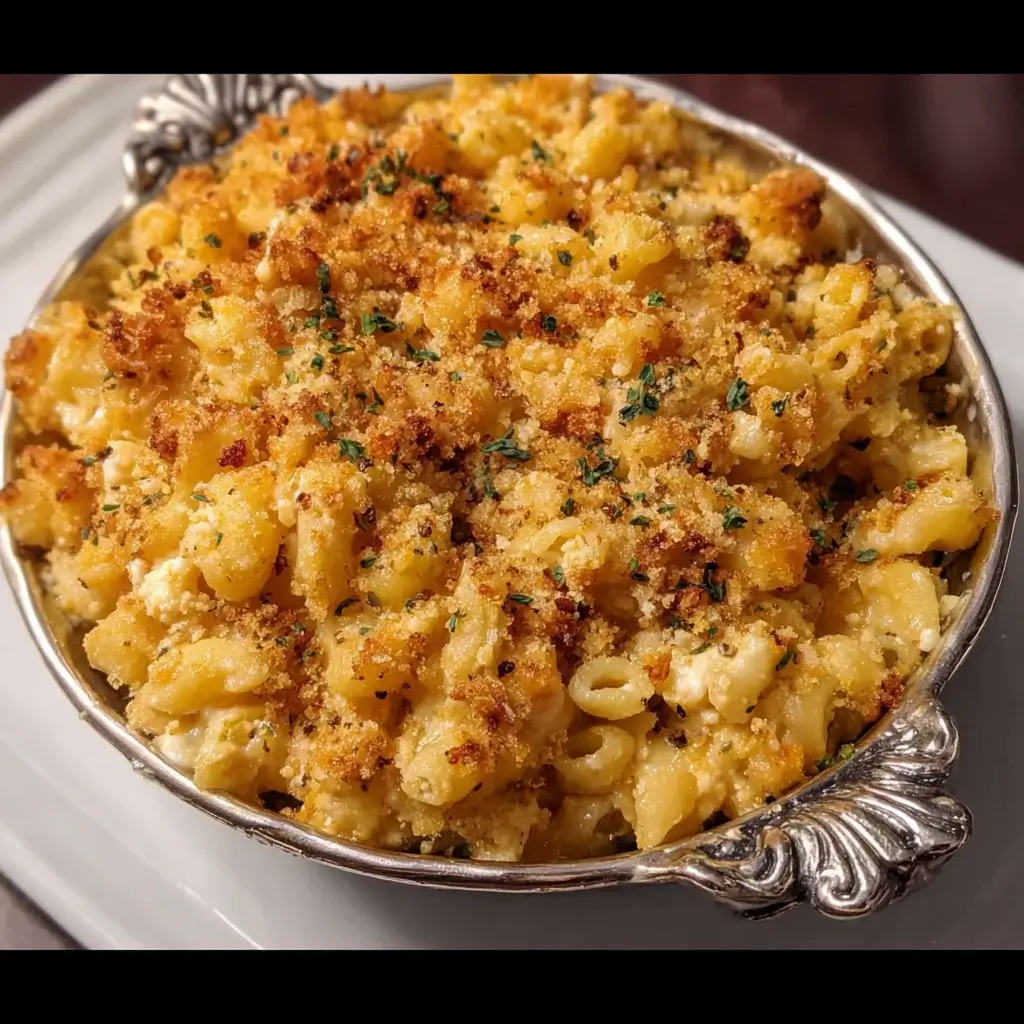
This recipe balances the distinctive tang of fresh goat cheese with the mellow, nutty flavor of Gruyère, creating a perfectly balanced and incredibly luxurious cheese sauce. A crunchy panko topping provides the perfect textural contrast to the creamy pasta bake.
Complete Ingredients List
For the Pasta:
- Pasta: 1 lb (450g) of a short, sturdy pasta shape. Cavatappi, cellentani, shells, or fusilli are excellent choices as their ridges and curls trap the sauce beautifully.
- Salt: For boiling the pasta water.
For the Creamy Goat Cheese Sauce:
- Unsalted Butter: 4 tablespoons.
- All-Purpose Flour: ¼ cup (30g).
- Whole Milk: 3 cups, warmed. Using whole milk is key for a rich, creamy sauce.
- Shallot: 1 large, finely minced. Adds a delicate, sweet onion flavor that is less sharp than a regular onion.
- Garlic: 2 cloves, finely minced.
- Goat Cheese (Chèvre): 8 oz (227g) log of plain, fresh goat cheese, crumbled and at room temperature. Using room temperature cheese helps it melt smoothly into the sauce.
- Gruyère Cheese: 8 oz (227g), freshly grated. Gruyère adds a wonderful nutty flavor and excellent melting properties that complement the goat cheese. You can also use a good quality sharp white cheddar or fontina.
- Dijon Mustard: 1 teaspoon. This adds a subtle tang that enhances the cheese flavors.
- Nutmeg: ¼ teaspoon, freshly grated if possible. A classic ingredient in béchamel sauce that adds warmth and depth.
- White Pepper: ½ teaspoon. White pepper provides a gentle heat without the black flecks of regular pepper, keeping your sauce pristine.
- Salt: To taste.
For the Crispy Panko Topping (Optional but Recommended):
- Panko Breadcrumbs: 1 cup (60g).
- Unsalted Butter: 2 tablespoons, melted.
- Fresh Thyme: 1 teaspoon, leaves only.
- Grated Parmesan Cheese: ¼ cup (25g), optional, for extra flavor.
Step-by-Step Instructions
Follow these instructions carefully, particularly when making the sauce, to ensure a smooth, creamy, and lump-free result.
- Preheat Oven and Prepare Baking Dish: Preheat your oven to 375°F (190°C). Grease a 9×13-inch baking dish or a similar 3-quart casserole dish with butter or cooking spray.
- Cook the Pasta: Bring a large pot of heavily salted water to a rolling boil. Add the pasta and cook according to package directions until it is al dente (still has a firm bite). It’s very important not to overcook the pasta at this stage, as it will continue to cook in the oven. Drain the pasta well and set it aside.
- Prepare the Panko Topping: While the pasta is cooking, prepare the topping. In a small bowl, combine the panko breadcrumbs, melted butter, fresh thyme leaves, and optional Parmesan cheese. Use your fingers to toss everything together until the breadcrumbs are evenly moistened. Set aside.
- Start the Sauce (Sauté Aromatics): In a large Dutch oven or heavy-bottomed pot, melt the 4 tablespoons of butter over medium heat. Add the finely minced shallot and cook, stirring occasionally, for 3-4 minutes until it has softened and become translucent. Add the minced garlic and cook for another minute until fragrant, being careful not to let it burn.
- Make the Roux: Sprinkle the flour over the melted butter and shallots. Cook, whisking constantly, for 1-2 minutes. This step cooks out the raw flour taste and is essential for thickening the sauce. The mixture should be bubbly and look like a thick paste.
- Create the Béchamel: While continuously whisking, slowly pour in the warmed milk in a thin stream. It’s crucial to add the milk slowly at first to prevent lumps. Once all the milk is incorporated, continue to cook, whisking frequently, for 5-8 minutes, until the sauce has thickened enough to coat the back of a spoon.
- Melt the Cheeses: Reduce the heat to low. Add the freshly grated Gruyère cheese to the sauce in handfuls, whisking until each addition is completely melted and smooth before adding the next. Once all the Gruyère is incorporated, remove the pot from the heat completely.
- Add the Goat Cheese and Season: Add the room temperature, crumbled goat cheese to the sauce. Whisk gently until the goat cheese has melted and the sauce is smooth and creamy. Whisk in the Dijon mustard, freshly grated nutmeg, and white pepper. Taste the sauce and season with salt as needed. The amount of salt will depend on the saltiness of your cheeses.
- Combine and Bake: Pour the drained, cooked pasta into the pot with the cheese sauce. Stir gently until every piece of pasta is thoroughly coated. Pour the mac and cheese mixture into your prepared baking dish and spread it into an even layer.
- Top and Bake: Sprinkle the prepared panko topping evenly over the surface of the mac and cheese. Place the dish in the preheated oven and bake for 20-25 minutes, or until the sauce is hot and bubbly and the topping is golden brown and crispy.
- Rest and Serve: Let the mac and cheese rest for 5-10 minutes before serving. This allows the sauce to set up slightly. Garnish with additional fresh thyme, if desired, and serve hot.
Nutrition Facts
- Servings: 8 main course servings or 12 side dish servings
- Calories per serving: Approximately 550-650 kcal (for a main course serving. This is an estimate and will vary based on the specific cheeses and pasta used.)
Preparation Time
- Prep Time: 20 minutes
- Cook Time: 35-40 minutes
- Total Time: Approximately 1 hour
How to Serve
This Goat Cheese Mac and Cheese is versatile enough to be the star of the show or a stunning supporting character. Here’s how to serve it for any occasion.
As a Sophisticated Main Course
When serving this as the main dish, pair it with simple, elegant sides that will complement its rich and tangy flavor without competing with it.
- Salad Pairings:
- Arugula Salad: A simple arugula salad with a lemon vinaigrette, shaved Parmesan, and toasted pine nuts. The peppery arugula and bright lemon cut through the creaminess perfectly.
- Simple Green Salad: Mixed greens with cucumber, cherry tomatoes, and a light balsamic vinaigrette.
- Vegetable Pairings:
- Roasted Asparagus: Drizzled with olive oil, salt, and pepper.
- Sautéed Green Beans: With a little garlic and lemon zest.
- Roasted Broccolini: A slightly bitter green that provides a wonderful contrast.
- Wine Pairing:
- Serve with a crisp, dry white wine with good acidity. A Sauvignon Blanc is a classic pairing for goat cheese. A dry Rosé or an unoaked Chardonnay would also be excellent choices.
As a Decadent Holiday or Dinner Party Side Dish
This is the ultimate side dish to elevate any special meal. It’s a showstopper at holiday gatherings like Thanksgiving or Christmas, or as part of a Sunday roast dinner.
- Serve alongside:
- Roasted Chicken: A classic whole roasted chicken with herbs.
- Pan-Seared Steak: A perfectly cooked filet mignon or ribeye.
- Braised Short Ribs: The tangy mac and cheese is a perfect foil for the rich, savory meat.
- Holiday Turkey or Ham: A guaranteed crowd-pleaser on the holiday buffet table.
Gourmet Garnish and Mix-In Ideas
Take your mac and cheese to the next level with these delicious additions.
- For Garnish (sprinkle on top after baking):
- Freshly chopped chives or parsley.
- A drizzle of high-quality truffle oil.
- Crispy, crumbled prosciutto or bacon.
- Toasted walnuts or pecans for a sweet, nutty crunch.
- For Mix-Ins (stir into the pasta and sauce before baking):
- Caramelized Onions: For a deep, sweet, and savory flavor.
- Sautéed Mushrooms: Earthy cremini or shiitake mushrooms are a fantastic addition.
- Wilted Spinach: Add a few handfuls of fresh spinach to the hot sauce to wilt it before mixing with the pasta.
- Sun-Dried Tomatoes: For a chewy texture and a pop of sweet, tangy flavor.
Additional Tips for Perfect Goat Cheese Mac and Cheese
These five tips will help you master this recipe and troubleshoot any potential issues.
- Use Room Temperature Cheeses: This is especially important for the soft goat cheese. Bringing your cheeses to room temperature for about 30 minutes before you start will help them melt evenly and smoothly into the sauce, preventing a grainy or separated texture. Cold cheese hitting a hot sauce is a recipe for disaster.
- The Importance of a Proper Roux and Béchamel: Don’t rush the sauce-making process. Cook the flour in the butter for at least a full minute to eliminate any raw taste. When you add the milk, make sure it’s warm and add it very slowly at first, whisking constantly. This gradual incorporation is the key to a perfectly smooth, lump-free béchamel base.
- Grate Your Own Cheese: Avoid pre-shredded cheeses. Packaged shredded cheeses are often coated with anti-caking agents like potato starch or cellulose, which can prevent them from melting smoothly and can result in a gritty texture in your final sauce. Buying a block of Gruyère and grating it yourself takes a few extra minutes but makes a world of difference.
- Cook the Pasta Truly Al Dente: “Al dente” means “to the tooth” in Italian, and it’s the point where pasta is cooked through but still has a firm bite. Because the mac and cheese will continue to cook in the hot sauce and bake in the oven, you must undercook it slightly. If you cook it to a soft stage initially, you’ll end up with mushy, overcooked pasta in the final dish.
- How to Make Ahead and Reheat: This dish can be assembled ahead of time, which is great for parties. Prepare the recipe through step 9 (combining pasta and sauce in the baking dish). Let it cool completely, then cover tightly with foil and refrigerate for up to 2 days. Do not add the panko topping yet. When ready to bake, let it sit at room temperature for 30 minutes, then prepare and add the fresh panko topping. You will need to add about 10-15 minutes to the baking time. To reheat leftovers, the oven or stovetop is best. For the stovetop, place a portion in a small saucepan with a splash of milk and heat over low heat, stirring gently, until creamy and hot.
Frequently Asked Questions (FAQ)
1. Can I use different cheeses instead of Gruyère?
Absolutely. While Gruyère provides a classic nutty flavor that pairs beautifully with goat cheese, several other cheeses work well. The goal is to choose a good melting cheese to balance the goat cheese’s strong tang. Excellent substitutes include sharp white cheddar, fontina, Gouda, or even Havarti. You could also substitute 2-4 oz of the Gruyère with cream cheese for an even creamier, tangier sauce.
2. Why did my cheese sauce turn out grainy or oily?
A grainy or separated sauce is usually caused by one of two things: heat that is too high, or adding the cheese too quickly. If the béchamel base is boiling or too hot when you add the cheese, the proteins in the cheese can seize up and curdle, creating a grainy texture. The fat can also separate, making it look oily. To prevent this, always lower the heat to the absolute minimum before adding the hard cheese, and remove the pot from the heat entirely before adding the soft goat cheese. Adding the cheese in small handfuls and whisking until smooth before adding more also helps.
3. Can I make this recipe entirely on the stovetop without baking?
Yes, you can! A stovetop-only version is quicker and results in a looser, creamier sauce. Simply follow the recipe through step 8 (making the sauce). Then, add the cooked pasta to the pot and stir to combine. Serve it immediately right from the pot. You will miss out on the crispy panko topping, but it will still be incredibly delicious.
4. What are the best pasta shapes to use for mac and cheese?
The best pasta shapes are those with plenty of nooks, crannies, ridges, and curls to trap the maximum amount of creamy cheese sauce in every bite. Cavatappi (corkscrews) is a top choice. Other fantastic options include Cellentani (similar to cavatappi), Shells (conchiglie), Fusilli, and classic Elbow Macaroni. Avoid long, straight pastas like spaghetti or fettuccine.
5. The goat cheese flavor is a little too strong for my family. How can I make it milder?
The tang of goat cheese is one of its defining characteristics, but it can be adjusted. The easiest way to mellow the flavor is to change the ratio of the cheeses. Instead of 8oz of goat cheese and 8oz of Gruyère, try using 6oz of goat cheese and 10oz of Gruyère (or another mild melting cheese like fontina). You can also add 2-3 tablespoons of heavy cream or a few ounces of cream cheese to the sauce, which will add richness and help temper the tangy flavor.
Print
Goat Cheese Mac and Cheese recipe
Ingredients
Complete Ingredients List
For the Pasta:
-
Pasta: 1 lb (450g) of a short, sturdy pasta shape. Cavatappi, cellentani, shells, or fusilli are excellent choices as their ridges and curls trap the sauce beautifully.
-
Salt: For boiling the pasta water.
For the Creamy Goat Cheese Sauce:
-
Unsalted Butter: 4 tablespoons.
-
All-Purpose Flour: ¼ cup (30g).
-
Whole Milk: 3 cups, warmed. Using whole milk is key for a rich, creamy sauce.
-
Shallot: 1 large, finely minced. Adds a delicate, sweet onion flavor that is less sharp than a regular onion.
-
Garlic: 2 cloves, finely minced.
-
Goat Cheese (Chèvre): 8 oz (227g) log of plain, fresh goat cheese, crumbled and at room temperature. Using room temperature cheese helps it melt smoothly into the sauce.
-
Gruyère Cheese: 8 oz (227g), freshly grated. Gruyère adds a wonderful nutty flavor and excellent melting properties that complement the goat cheese. You can also use a good quality sharp white cheddar or fontina.
-
Dijon Mustard: 1 teaspoon. This adds a subtle tang that enhances the cheese flavors.
-
Nutmeg: ¼ teaspoon, freshly grated if possible. A classic ingredient in béchamel sauce that adds warmth and depth.
-
White Pepper: ½ teaspoon. White pepper provides a gentle heat without the black flecks of regular pepper, keeping your sauce pristine.
-
Salt: To taste.
For the Crispy Panko Topping (Optional but Recommended):
-
Panko Breadcrumbs: 1 cup (60g).
-
Unsalted Butter: 2 tablespoons, melted.
-
Fresh Thyme: 1 teaspoon, leaves only.
-
Grated Parmesan Cheese: ¼ cup (25g), optional, for extra flavor.
Instructions
-
Preheat Oven and Prepare Baking Dish: Preheat your oven to 375°F (190°C). Grease a 9×13-inch baking dish or a similar 3-quart casserole dish with butter or cooking spray.
-
Cook the Pasta: Bring a large pot of heavily salted water to a rolling boil. Add the pasta and cook according to package directions until it is al dente (still has a firm bite). It’s very important not to overcook the pasta at this stage, as it will continue to cook in the oven. Drain the pasta well and set it aside.
-
Prepare the Panko Topping: While the pasta is cooking, prepare the topping. In a small bowl, combine the panko breadcrumbs, melted butter, fresh thyme leaves, and optional Parmesan cheese. Use your fingers to toss everything together until the breadcrumbs are evenly moistened. Set aside.
-
Start the Sauce (Sauté Aromatics): In a large Dutch oven or heavy-bottomed pot, melt the 4 tablespoons of butter over medium heat. Add the finely minced shallot and cook, stirring occasionally, for 3-4 minutes until it has softened and become translucent. Add the minced garlic and cook for another minute until fragrant, being careful not to let it burn.
-
Make the Roux: Sprinkle the flour over the melted butter and shallots. Cook, whisking constantly, for 1-2 minutes. This step cooks out the raw flour taste and is essential for thickening the sauce. The mixture should be bubbly and look like a thick paste.
-
Create the Béchamel: While continuously whisking, slowly pour in the warmed milk in a thin stream. It’s crucial to add the milk slowly at first to prevent lumps. Once all the milk is incorporated, continue to cook, whisking frequently, for 5-8 minutes, until the sauce has thickened enough to coat the back of a spoon.
-
Melt the Cheeses: Reduce the heat to low. Add the freshly grated Gruyère cheese to the sauce in handfuls, whisking until each addition is completely melted and smooth before adding the next. Once all the Gruyère is incorporated, remove the pot from the heat completely.
-
Add the Goat Cheese and Season: Add the room temperature, crumbled goat cheese to the sauce. Whisk gently until the goat cheese has melted and the sauce is smooth and creamy. Whisk in the Dijon mustard, freshly grated nutmeg, and white pepper. Taste the sauce and season with salt as needed. The amount of salt will depend on the saltiness of your cheeses.
-
Combine and Bake: Pour the drained, cooked pasta into the pot with the cheese sauce. Stir gently until every piece of pasta is thoroughly coated. Pour the mac and cheese mixture into your prepared baking dish and spread it into an even layer.
-
Top and Bake: Sprinkle the prepared panko topping evenly over the surface of the mac and cheese. Place the dish in the preheated oven and bake for 20-25 minutes, or until the sauce is hot and bubbly and the topping is golden brown and crispy.
-
Rest and Serve: Let the mac and cheese rest for 5-10 minutes before serving. This allows the sauce to set up slightly. Garnish with additional fresh thyme, if desired, and serve hot.
Nutrition
- Serving Size: one normal portion
- Calories: 550-650 kcal