
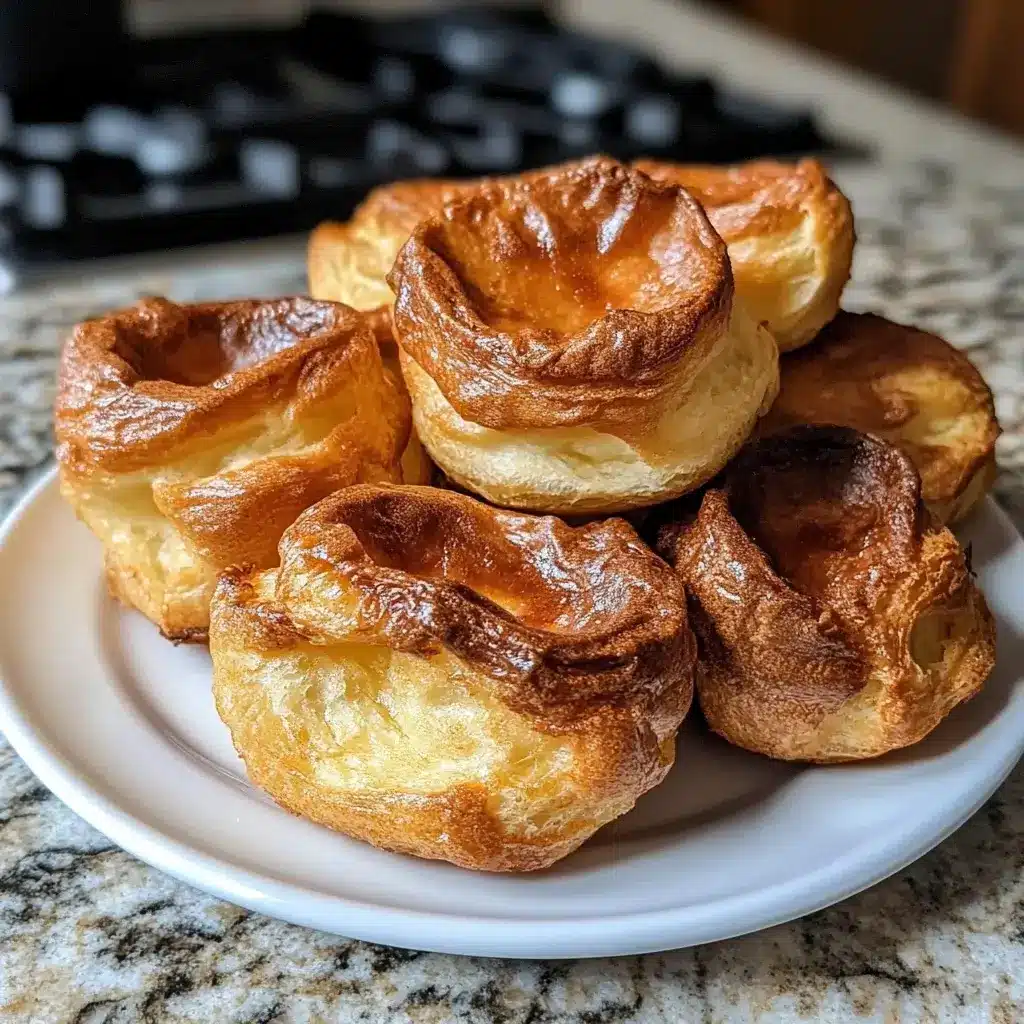
It’s always been a bit bittersweet watching everyone else pile their plates high with golden, puffy Yorkshire puddings at Sunday roast. Being gluten-free, I resigned myself to admiring them from afar, thinking these iconic British delights were forever off-limits. Store-bought gluten-free versions were… well, let’s just say they were never quite the same. That all changed when I decided to take matters into my own hands. After countless trials (and a few flatter-than-pancakes experiments!), I finally cracked the code to truly light, airy, and gloriously puffy Gluten-Free Yorkshire Puddings. The first time I served these to my family, the reaction was incredible. My husband, a Yorkshire pudding purist, couldn’t believe they were gluten-free! My kids, usually critical of anything ‘different’, were reaching for seconds. The satisfying ‘pop’ as they emerged from the oven, the crispy edges giving way to a soft, eggy interior – it was Yorkshire pudding perfection, finally accessible to everyone at our table. This recipe isn’t just about making gluten-free Yorkshire puddings; it’s about bringing back a cherished tradition, ensuring no one has to miss out on this essential part of a Sunday roast. Get ready to experience the joy of homemade, perfectly risen, gluten-free Yorkshire puddings that will rival any traditional recipe!
Ingredients for Fluffy Gluten-Free Yorkshire Puddings
Crafting exceptional Gluten-Free Yorkshire Puddings hinges on understanding the role of each ingredient, especially when navigating the nuances of gluten-free baking. Let’s break down each component, highlighting its importance and exploring suitable alternatives to ensure your puddings rise to impressive heights.
- 150g Gluten-Free All-Purpose Flour Blend: This is the cornerstone of our gluten-free Yorkshire puddings. It’s crucial to use a blend specifically designed for baking, not just a single gluten-free flour like almond or coconut flour. These blends typically combine rice flour, potato starch, tapioca starch, and sometimes cornstarch, along with a binder like xanthan gum or guar gum to mimic gluten’s elasticity. Different brands of gluten-free flour blends can behave slightly differently. For best results, use a high-quality blend that states it’s suitable for baking and is a direct 1:1 replacement for wheat flour in recipes. If your blend doesn’t contain xanthan gum or guar gum, you’ll need to add about ¼ teaspoon of xanthan gum to the recipe to provide structure. Avoid using single gluten-free flours like almond flour or coconut flour on their own as they won’t provide the necessary structure for Yorkshire puddings.
- Pinch of Salt: Salt is a flavor enhancer, crucial for balancing the richness of the eggs and fat in the batter. It also plays a role in gluten development in traditional recipes, but in our gluten-free version, it primarily serves to enhance the overall taste. Use fine sea salt or kosher salt for even distribution. Don’t skip the salt – it makes a noticeable difference in the final flavor.
- 3 large Eggs: Eggs are the binding agent in Yorkshire puddings, providing structure, richness, and that characteristic eggy flavor. Large eggs are the standard size for most recipes. Ensure your eggs are fresh and at room temperature. Room temperature eggs emulsify more easily with the other ingredients, resulting in a smoother batter and potentially better rise. If you only have medium eggs, you can use 4 to achieve a similar volume. For a richer pudding, you can use a mix of whole eggs and egg yolks, but for this recipe, whole eggs work perfectly.
- 200ml Milk (full-fat recommended): Milk provides the liquid component of the batter, contributing to its pourable consistency and aiding in the rise of the puddings. Full-fat milk is recommended for its richer flavor and slightly better texture in gluten-free baking. However, you can use semi-skimmed or skimmed milk if preferred, although the puddings might be slightly less rich. For a dairy-free option, you can substitute with plant-based milk such as unsweetened almond milk, soy milk, or oat milk. Oat milk, in particular, tends to have a creamier texture similar to full-fat milk and works well in baking. Avoid using coconut milk from a can as it can be too heavy and impart a coconut flavor.
- 50ml Water: Water, in combination with milk, helps to achieve the ideal batter consistency. Using a mix of milk and water can sometimes result in slightly lighter puddings. You can adjust the ratio of milk to water slightly to fine-tune the texture to your liking. Using only milk will result in richer puddings, while using more water will make them slightly lighter.
- Vegetable Oil, Lard, or Beef Dripping for cooking: The type of fat you use for cooking significantly impacts the flavor and crispness of your Yorkshire puddings. Traditionally, beef dripping is favored for its rich flavor and ability to create incredibly crispy puddings. Lard is another excellent traditional option, producing similarly crispy results. Vegetable oil is a readily available and vegetarian-friendly alternative that will still produce good results, though the flavor will be more neutral. Ensure the fat is preheated in the oven until smoking hot before adding the batter – this is crucial for the rapid rise and puff. You’ll need about 1-2 tablespoons of fat per pudding well, depending on the size of your muffin tin.
Optional Ingredients for Enhanced Flavor:
- Fresh Herbs (Thyme, Rosemary): Adding finely chopped fresh herbs like thyme or rosemary to the batter can infuse a subtle savory flavor that complements roast dinners beautifully. Use about 1-2 teaspoons of finely chopped herbs.
- Garlic Powder or Onion Powder: A pinch of garlic powder or onion powder can add a subtle savory depth to the batter. Use about ¼ teaspoon of either.
- Black Pepper: Freshly ground black pepper can be added to the batter along with salt for extra seasoning.
By carefully selecting your gluten-free flour blend and choosing the right cooking fat, you’re laying the foundation for truly exceptional Gluten-Free Yorkshire Puddings.
Instructions: Baking Perfect Gluten-Free Yorkshire Puddings
Now, let’s embark on the exciting journey of baking your own glorious Gluten-Free Yorkshire Puddings! Follow these detailed, step-by-step instructions to achieve that coveted light, airy texture and impressive rise.
Step 1: Prepare the Batter (and Rest if Possible)
- Whisk Dry Ingredients: In a large mixing bowl, whisk together the gluten-free all-purpose flour blend and salt until well combined. This ensures even distribution of the salt throughout the flour.
- Whisk Eggs: In a separate bowl, lightly whisk the eggs until just combined. Avoid over-whisking at this stage.
- Gradually Add Milk and Water to Eggs: Gradually whisk in the milk and water to the whisked eggs, mixing until just combined and smooth. Pour the liquid mixture into the bowl with the dry ingredients.
- Whisk Batter Until Smooth: Whisk the wet ingredients into the dry ingredients until you have a smooth batter, free of lumps. Don’t overmix, but ensure all the flour is incorporated and the batter is homogenous. The batter should be quite thin, similar to the consistency of single cream or heavy cream.
- Rest the Batter (Optional but Recommended): For best results, cover the batter and let it rest in the refrigerator for at least 30 minutes, or ideally up to 2 hours. Resting allows the gluten-free flour to fully hydrate, which can improve the texture and rise of the puddings. If you are short on time, you can skip the resting step, but resting is beneficial.
Step 2: Preheat Oven and Fat
- Preheat Oven: Preheat your oven to a high temperature of 450°F (230°C). A very hot oven is crucial for achieving the rapid rise and puffy texture of Yorkshire puddings.
- Add Fat to Muffin Tin: While the oven is preheating, add about 1-2 teaspoons (or tablespoons, depending on muffin tin size) of your chosen cooking fat (vegetable oil, lard, or beef dripping) to each well of a 12-cup muffin tin. If using a traditional Yorkshire pudding tin, add fat to each well.
- Heat Fat in Oven: Place the muffin tin with the fat into the preheating oven. It’s essential to heat the fat in the oven until it is smoking hot. This will take about 10-15 minutes once the oven reaches temperature. The hot fat is what causes the batter to puff up dramatically when it hits the tin. Be extremely careful when handling the hot tin and hot fat.
Step 3: Bake the Yorkshire Puddings
- Carefully Pour Batter into Hot Fat: Once the fat is smoking hot and the oven is at temperature, carefully remove the hot muffin tin from the oven. Working quickly but carefully, pour the batter into each hot fat-filled well, filling each well about halfway full. The batter should sizzle immediately as it hits the hot fat.
- Return to Oven and Bake at High Temperature: Immediately return the muffin tin to the preheated oven and bake at 450°F (230°C) for 15 minutes. Do not open the oven door during this initial high-temperature baking phase, as this can cause the puddings to deflate.
- Reduce Oven Temperature and Continue Baking: After 15 minutes at 450°F (230°C), reduce the oven temperature to 350°F (175°C) and continue to bake for another 10-15 minutes, or until the Yorkshire puddings are golden brown and puffed up and sound hollow when tapped lightly on the top. The total baking time is typically around 25-30 minutes. Keep an eye on them towards the end of baking to prevent over-browning.
- Remove from Oven and Serve Immediately: Once baked, remove the muffin tin from the oven. Carefully remove the Gluten-Free Yorkshire Puddings from the muffin tin and serve immediately. They are best enjoyed fresh and warm.
Following these detailed instructions, paying close attention to oven temperature and hot fat, will guide you to baking beautiful, puffy, and delicious Gluten-Free Yorkshire Puddings. Enjoy the triumphant rise and the satisfyingly crispy and airy texture!
Nutrition Facts for Gluten-Free Yorkshire Puddings
Understanding the nutritional content of your Gluten-Free Yorkshire Puddings can be helpful, especially when incorporating them into your meal planning. Here’s a general overview of the nutrition facts for a single Gluten-Free Yorkshire Pudding. Please note that these are estimates and can vary based on the specific gluten-free flour blend used, the type of fat, and portion sizes.
Servings: Makes approximately 12 Yorkshire Puddings (using a standard 12-cup muffin tin)
Serving Size: One Gluten-Free Yorkshire Pudding
Approximate Nutritional Values per Serving (based on 1 pudding, estimations):
- Calories: Approximately 80-120 calories
- Total Fat: 5-8g
- Saturated Fat: 1-3g (varies depending on fat used)
- Unsaturated Fat: 3-5g (varies depending on fat used)
- Cholesterol: 40-50mg
- Sodium: 50-80mg
- Total Carbohydrates: 8-12g
- Dietary Fiber: <1g
- Sugars: <1g
- Protein: 2-3g
Key Nutritional Highlights and Considerations:
- Moderate Calorie Content: A single Gluten-Free Yorkshire Pudding is relatively moderate in calories, making it a reasonable addition to a meal, especially when considering it’s often served as part of a larger roast dinner.
- Moderate Fat Content: The fat content comes from the eggs and the cooking fat. The type of fat used will influence the saturated fat content. Using vegetable oil will generally result in lower saturated fat compared to lard or beef dripping.
- Source of Protein (Modest): Eggs contribute a small amount of protein to each pudding.
- Low in Fiber and Sugars: Gluten-Free Yorkshire Puddings are not a significant source of dietary fiber and are low in sugars.
- Sodium Content: The sodium content is relatively low per pudding but can add up if consuming multiple puddings and considering the sodium content of accompanying gravy and roast dinner components.
Important Considerations for a Healthier Approach (Modifications are Limited due to the Nature of the Dish):
- Portion Control: Be mindful of portion sizes. While one or two puddings are a typical serving, consuming several will increase the calorie, fat, and sodium intake significantly.
- Type of Cooking Fat: Choosing vegetable oil over lard or beef dripping will reduce the saturated fat content. However, traditional fats like beef dripping contribute significantly to the flavor and crispness.
- Gluten-Free Flour Blend Composition: The nutritional content can vary slightly depending on the specific gluten-free flour blend used. Some blends may be higher in carbohydrates or have different fiber content. Check the nutritional information of your chosen flour blend if you are tracking specific nutrients.
- Balance with Vegetables and Lean Protein: Enjoy Gluten-Free Yorkshire Puddings as part of a balanced meal that includes plenty of vegetables and lean protein sources like roast chicken, turkey, or lean beef to create a more nutritionally complete meal.
- Homemade vs. Store-Bought (If Applicable): Homemade versions generally allow for more control over ingredients, including the type and amount of fat and flour blend used. Store-bought gluten-free Yorkshire puddings may have varying nutritional profiles and potentially added ingredients.
It’s important to remember that Yorkshire Puddings, whether gluten-free or traditional, are typically considered a treat or accompaniment to a roast dinner rather than a primary source of nutrients. Enjoy them in moderation as part of a varied and balanced diet. For precise nutritional values, you can use online nutrition calculators and input the specific brands and quantities of ingredients you use.
Preparation Time for Gluten-Free Yorkshire Puddings
One of the appealing aspects of Gluten-Free Yorkshire Puddings is their relatively quick preparation time, making them a feasible addition to your Sunday roast even when time is somewhat limited. Here’s a breakdown of the estimated preparation and cooking times:
Prep Time: 10-15 minutes (plus optional batter resting time)
This includes the time it takes to:
- Whisk dry ingredients (flour and salt).
- Whisk eggs and liquids (milk and water).
- Combine wet and dry ingredients to make the batter.
- Optional batter resting time (30 minutes to 2 hours, passive time).
- Prepare muffin tin and add fat to wells.
Cook Time: 25-30 minutes
This is the time the Yorkshire puddings bake in the preheated oven at 450°F (230°C) initially, then at 350°F (175°C). The exact cooking time may vary slightly depending on your oven and muffin tin.
Total Active Time: 35-45 minutes (excluding batter resting time)
From start to finish, with active preparation and cooking, you can have freshly baked Gluten-Free Yorkshire Puddings ready in under 45 minutes. If you include the batter resting time, the total time from start to finish will be longer, but the active hands-on time remains relatively short.
Tips to Streamline Preparation:
- Rest Batter While Oven Preheats: If you choose to rest the batter, you can prepare it while the oven is preheating, making efficient use of time.
- Use a Whisk for Batter: Using a whisk for mixing the batter is quick and effective. You don’t need any special equipment like a stand mixer or hand mixer.
- Pre-measure Ingredients: Measure out all your ingredients (flour, salt, eggs, milk, water) before you start mixing. This “mise en place” approach streamlines the process and makes mixing faster.
- Simple Clean-Up: The batter is relatively simple, and clean-up is generally easy, especially if using a non-stick muffin tin.
The relatively short active preparation and cooking time make Gluten-Free Yorkshire Puddings a manageable and rewarding addition to your Sunday roast or any meal where you want to serve these delightful puffy treats.
How to Serve Gluten-Free Yorkshire Puddings
Gluten-Free Yorkshire Puddings are incredibly versatile and can be served in a multitude of ways, adapting to various meals and occasions. Here are some classic and creative serving suggestions:
Serving Occasions:
- Sunday Roast Essential: The quintessential accompaniment to a traditional Sunday roast dinner, especially roast beef. They are perfect alongside gravy, roast potatoes, vegetables, and your chosen roast meat.
- Midweek Roast Dinner Upgrade: Elevate a midweek roast chicken or pork dinner by adding these delightful puddings.
- Special Occasion Meal: Impress guests at holiday gatherings, birthday dinners, or any special occasion with homemade Gluten-Free Yorkshire Puddings.
- Starter or Appetizer: Serve smaller Yorkshire puddings as a unique starter or appetizer, filled with savory fillings.
- Casual Meal Enhancer: Add a touch of British comfort to a casual weeknight meal.
Serving Suggestions and Pairings:
- With Roast Beef and Gravy: The classic pairing! Serve warm Yorkshire puddings alongside slices of roast beef and lashings of rich beef gravy. The puddings are perfect for soaking up the gravy.
- With Roast Chicken or Pork: Equally delicious with roast chicken or pork. The puddings complement the flavors of poultry and pork beautifully.
- Filled with Savory Fillings (Appetizer/Starter): For a starter or appetizer, create smaller Yorkshire puddings (using a mini muffin tin) and fill them with savory fillings such as:
- Creamed Mushrooms: Sautéed mushrooms in a creamy sauce.
- Beef Bourguignon: Small portions of beef stew.
- Pulled Pork: Slow-cooked pulled pork.
- Smoked Salmon and Cream Cheese: For a more elegant starter.
- Roasted Vegetables: Small pieces of roasted vegetables with a balsamic glaze.
- With Sausages and Mash (“Toad in the Hole” – Variation): While traditionally “Toad in the Hole” is baked with sausages inside a large Yorkshire pudding, you can adapt it by serving Gluten-Free Yorkshire Puddings alongside sausages and mashed potatoes, drizzled with onion gravy.
- Dessert Yorkshire Puddings (Sweet Twist – Less Traditional but Fun): For a less traditional but fun twist, you can lightly sweeten the batter (add a tablespoon of sugar) and serve cooled Yorkshire puddings as a dessert with:
- Fruit and Cream: Fresh berries and whipped cream.
- Custard: Warm vanilla custard.
- Chocolate Sauce: Drizzled chocolate sauce and ice cream.
Serving Temperature:
- Warm (Essential for Main Course): For serving with a roast dinner, Gluten-Free Yorkshire Puddings are best served warm, straight from the oven. They are designed to be enjoyed fresh and puffy.
- Room Temperature (for Appetizers/Desserts): If serving as appetizers or desserts, they can be served slightly cooled or at room temperature, depending on the filling or accompaniment.
The versatility of Gluten-Free Yorkshire Puddings allows them to be adapted for various courses and cuisines. Whether you stick to the classic roast dinner pairing or get creative with fillings and sweet variations, they are sure to be a delightful addition to your table.
Additional Tips for Perfect Gluten-Free Yorkshire Puddings
To consistently achieve show-stopping Gluten-Free Yorkshire Puddings, here are five crucial tips to elevate your baking game:
- Ensure Fat is Smoking Hot Before Adding Batter: This is the most critical tip for achieving puff and rise. The fat in the muffin tin wells must be smoking hot when the batter is poured in. The dramatic temperature difference between the hot fat and the cool batter creates steam instantly, causing the puddings to puff up rapidly. Heat the fat in the oven for a full 10-15 minutes after the oven has reached temperature to ensure it’s adequately hot.
- Don’t Open the Oven Door During the Initial High-Temperature Baking: Resist the urge to peek! Opening the oven door during the first 15 minutes of baking at high temperature can cause a sudden drop in oven temperature, which can deflate the puddings and prevent them from rising properly. Trust the process and keep the oven door firmly closed during this crucial initial phase.
- Use Room Temperature Batter (or Slightly Chilled): While hot fat is essential, the batter temperature is also important. Room temperature or slightly chilled batter works best. Avoid using batter that is too cold straight from the refrigerator, as this can also hinder the initial rise. Resting the batter in the refrigerator is beneficial, but allow it to come to near room temperature before baking if it has been chilled for an extended period.
- Correct Batter Consistency is Key: The batter should be thin, similar to single cream or heavy cream. If the batter is too thick, the puddings may not rise properly and can be dense. If it’s too thin, they might spread too much and not hold their shape. If your batter seems too thick, you can add a tablespoon or two more of milk or water to thin it slightly.
- Experiment with Different Gluten-Free Flour Blends: As mentioned earlier, gluten-free flour blends can vary. If you are not achieving consistent results with one blend, try a different high-quality gluten-free all-purpose flour blend. Some blends are specifically formulated for baking and may yield better results for Yorkshire puddings than others. Look for blends that contain a good balance of flours and starches and include xanthan gum or guar gum.
By mastering these tips, especially the hot fat and undisturbed initial baking phase, you’ll be well on your way to consistently baking impressive, puffy, and delicious Gluten-Free Yorkshire Puddings that will be the highlight of any meal.
FAQ About Gluten-Free Yorkshire Puddings
Here are some frequently asked questions about making Gluten-Free Yorkshire Puddings, along with helpful answers to guide you to gluten-free baking success:
Q1: Why are my Gluten-Free Yorkshire Puddings not rising?
A1: The most common reasons for Gluten-Free Yorkshire Puddings not rising are:
- Fat Not Hot Enough: The fat in the muffin tin wells was not smoking hot when the batter was added. Ensure you preheat the fat in the oven for a full 10-15 minutes after the oven reaches 450°F (230°C).
- Oven Temperature Too Low: Your oven temperature may be inaccurate. Use an oven thermometer to verify your oven is reaching and maintaining 450°F (230°C) for the initial baking phase.
- Opening Oven Door Too Early: Opening the oven door during the first 15 minutes of baking at high temperature can cause deflation. Avoid peeking!
- Batter Too Thick: If the batter is too thick, it might not puff up as readily. Ensure your batter is the consistency of single cream. Thin with a tablespoon or two of milk or water if needed.
- Overmixing Batter: While gluten-free batter is less prone to toughness from overmixing, still avoid excessive mixing. Mix just until smooth.
Review these points and ensure you are following the instructions precisely, especially regarding fat temperature and oven temperature.
Q2: Can I make Gluten-Free Yorkshire Puddings dairy-free/vegan?
A2: Yes, you can adapt this recipe to be dairy-free and even vegan with some substitutions:
- Dairy-Free Milk: Substitute cow’s milk with unsweetened plant-based milk such as oat milk (recommended for creaminess), soy milk, or almond milk.
- Vegan Eggs (Egg Replacer): While more challenging, you can experiment with commercial vegan egg replacers designed for baking. Flax eggs or chia eggs are less likely to provide the necessary structure for Yorkshire puddings. A dedicated egg replacer blend is more likely to yield better results. Be aware that vegan Yorkshire puddings may be slightly denser and less puffy than those made with eggs and dairy milk.
- Vegan Cooking Fat: Use vegetable oil for cooking to keep the recipe vegan. Avoid lard or beef dripping.
While achieving the exact same texture and rise as traditional Yorkshire puddings in a fully vegan version can be tricky, with careful ingredient selection and experimentation, you can create a satisfying dairy-free or vegan alternative.
Q3: Can I make the batter ahead of time?
A3: Yes, you can make the Gluten-Free Yorkshire Pudding batter ahead of time. In fact, resting the batter in the refrigerator for at least 30 minutes (up to 2 hours) is recommended for improved texture. You can prepare the batter up to 24 hours in advance and store it covered in the refrigerator. Before baking, allow the batter to come to near room temperature for about 30 minutes if it has been chilled for a longer period. Whisk briefly before using if there is any separation.
Q4: How do I store leftover Gluten-Free Yorkshire Puddings?
A4: Leftover Gluten-Free Yorkshire Puddings are best stored at room temperature in an airtight container for up to 2 days. They can also be stored in the refrigerator for up to 3 days, but they may become slightly softer in texture.
Q5: How do I reheat Gluten-Free Yorkshire Puddings?
A5: To reheat Gluten-Free Yorkshire Puddings and restore some of their crispness:
- Oven Reheating (Recommended): Preheat your oven to 350°F (175°C). Place the Yorkshire puddings on a baking sheet and reheat for 5-10 minutes, or until warmed through and slightly crisp again.
- Air Fryer Reheating: Reheating in an air fryer can also work well to crisp them up. Air fry at 350°F (175°C) for 3-5 minutes, checking frequently to prevent over-drying.
- Microwave (Less Recommended): Microwaving is not recommended as it will make them soft and potentially soggy. If you must microwave, do so in short bursts and be aware the texture will be compromised.
Oven reheating is the best method for restoring crispness and warmth to leftover Gluten-Free Yorkshire Puddings.
We hope these FAQs have addressed your questions and empowered you to bake confident and delicious Gluten-Free Yorkshire Puddings! Happy baking and enjoy your gluten-free roast dinners!
Print
Gluten Free Yorkshire Puddings recipe
Ingredients
-
- 150g Gluten-Free All-Purpose Flour Blend: This is the cornerstone of our gluten-free Yorkshire puddings. It’s crucial to use a blend specifically designed for baking, not just a single gluten-free flour like almond or coconut flour. These blends typically combine rice flour, potato starch, tapioca starch, and sometimes cornstarch, along with a binder like xanthan gum or guar gum to mimic gluten’s elasticity. Different brands of gluten-free flour blends can behave slightly differently. For best results, use a high-quality blend that states it’s suitable for baking and is a direct 1:1 replacement for wheat flour in recipes. If your blend doesn’t contain xanthan gum or guar gum, you’ll need to add about ¼ teaspoon of xanthan gum to the recipe to provide structure. Avoid using single gluten-free flours like almond flour or coconut flour on their own as they won’t provide the necessary structure for Yorkshire puddings.
-
- Pinch of Salt: Salt is a flavor enhancer, crucial for balancing the richness of the eggs and fat in the batter. It also plays a role in gluten development in traditional recipes, but in our gluten-free version, it primarily serves to enhance the overall taste. Use fine sea salt or kosher salt for even distribution. Don’t skip the salt – it makes a noticeable difference in the final flavor.
-
- 3 large Eggs: Eggs are the binding agent in Yorkshire puddings, providing structure, richness, and that characteristic eggy flavor. Large eggs are the standard size for most recipes. Ensure your eggs are fresh and at room temperature. Room temperature eggs emulsify more easily with the other ingredients, resulting in a smoother batter and potentially better rise. If you only have medium eggs, you can use 4 to achieve a similar volume. For a richer pudding, you can use a mix of whole eggs and egg yolks, but for this recipe, whole eggs work perfectly.
-
- 200ml Milk (full-fat recommended): Milk provides the liquid component of the batter, contributing to its pourable consistency and aiding in the rise of the puddings. Full-fat milk is recommended for its richer flavor and slightly better texture in gluten-free baking. However, you can use semi-skimmed or skimmed milk if preferred, although the puddings might be slightly less rich. For a dairy-free option, you can substitute with plant-based milk such as unsweetened almond milk, soy milk, or oat milk. Oat milk, in particular, tends to have a creamier texture similar to full-fat milk and works well in baking. Avoid using coconut milk from a can as it can be too heavy and impart a coconut flavor.
-
- 50ml Water: Water, in combination with milk, helps to achieve the ideal batter consistency. Using a mix of milk and water can sometimes result in slightly lighter puddings. You can adjust the ratio of milk to water slightly to fine-tune the texture to your liking. Using only milk will result in richer puddings, while using more water will make them slightly lighter.
-
- Vegetable Oil, Lard, or Beef Dripping for cooking: The type of fat you use for cooking significantly impacts the flavor and crispness of your Yorkshire puddings. Traditionally, beef dripping is favored for its rich flavor and ability to create incredibly crispy puddings. Lard is another excellent traditional option, producing similarly crispy results. Vegetable oil is a readily available and vegetarian-friendly alternative that will still produce good results, though the flavor will be more neutral. Ensure the fat is preheated in the oven until smoking hot before adding the batter – this is crucial for the rapid rise and puff. You’ll need about 1-2 tablespoons of fat per pudding well, depending on the size of your muffin tin.
Instructions
Step 1: Prepare the Batter (and Rest if Possible)
-
- Whisk Dry Ingredients: In a large mixing bowl, whisk together the gluten-free all-purpose flour blend and salt until well combined. This ensures even distribution of the salt throughout the flour.
-
- Whisk Eggs: In a separate bowl, lightly whisk the eggs until just combined. Avoid over-whisking at this stage.
-
- Gradually Add Milk and Water to Eggs: Gradually whisk in the milk and water to the whisked eggs, mixing until just combined and smooth. Pour the liquid mixture into the bowl with the dry ingredients.
-
- Whisk Batter Until Smooth: Whisk the wet ingredients into the dry ingredients until you have a smooth batter, free of lumps. Don’t overmix, but ensure all the flour is incorporated and the batter is homogenous. The batter should be quite thin, similar to the consistency of single cream or heavy cream.
-
- Rest the Batter (Optional but Recommended): For best results, cover the batter and let it rest in the refrigerator for at least 30 minutes, or ideally up to 2 hours. Resting allows the gluten-free flour to fully hydrate, which can improve the texture and rise of the puddings. If you are short on time, you can skip the resting step, but resting is beneficial.
Step 2: Preheat Oven and Fat
-
- Preheat Oven: Preheat your oven to a high temperature of 450°F (230°C). A very hot oven is crucial for achieving the rapid rise and puffy texture of Yorkshire puddings.
-
- Add Fat to Muffin Tin: While the oven is preheating, add about 1-2 teaspoons (or tablespoons, depending on muffin tin size) of your chosen cooking fat (vegetable oil, lard, or beef dripping) to each well of a 12-cup muffin tin. If using a traditional Yorkshire pudding tin, add fat to each well.
-
- Heat Fat in Oven: Place the muffin tin with the fat into the preheating oven. It’s essential to heat the fat in the oven until it is smoking hot. This will take about 10-15 minutes once the oven reaches temperature. The hot fat is what causes the batter to puff up dramatically when it hits the tin. Be extremely careful when handling the hot tin and hot fat.
Step 3: Bake the Yorkshire Puddings
-
- Carefully Pour Batter into Hot Fat: Once the fat is smoking hot and the oven is at temperature, carefully remove the hot muffin tin from the oven. Working quickly but carefully, pour the batter into each hot fat-filled well, filling each well about halfway full. The batter should sizzle immediately as it hits the hot fat.
-
- Return to Oven and Bake at High Temperature: Immediately return the muffin tin to the preheated oven and bake at 450°F (230°C) for 15 minutes. Do not open the oven door during this initial high-temperature baking phase, as this can cause the puddings to deflate.
-
- Reduce Oven Temperature and Continue Baking: After 15 minutes at 450°F (230°C), reduce the oven temperature to 350°F (175°C) and continue to bake for another 10-15 minutes, or until the Yorkshire puddings are golden brown and puffed up and sound hollow when tapped lightly on the top. The total baking time is typically around 25-30 minutes. Keep an eye on them towards the end of baking to prevent over-browning.
-
- Remove from Oven and Serve Immediately: Once baked, remove the muffin tin from the oven. Carefully remove the Gluten-Free Yorkshire Puddings from the muffin tin and serve immediately. They are best enjoyed fresh and warm.
Nutrition
- Serving Size: one normal portion
- Calories: 80-120
- Sugar: 1g
- Sodium: 50-80mg
- Fat: 5-8g
- Saturated Fat: 1-3g
- Unsaturated Fat: 3-5g
- Carbohydrates: 8-12g
- Fiber: 1g
- Protein: 2-3g
- Cholesterol: 40-50mg