
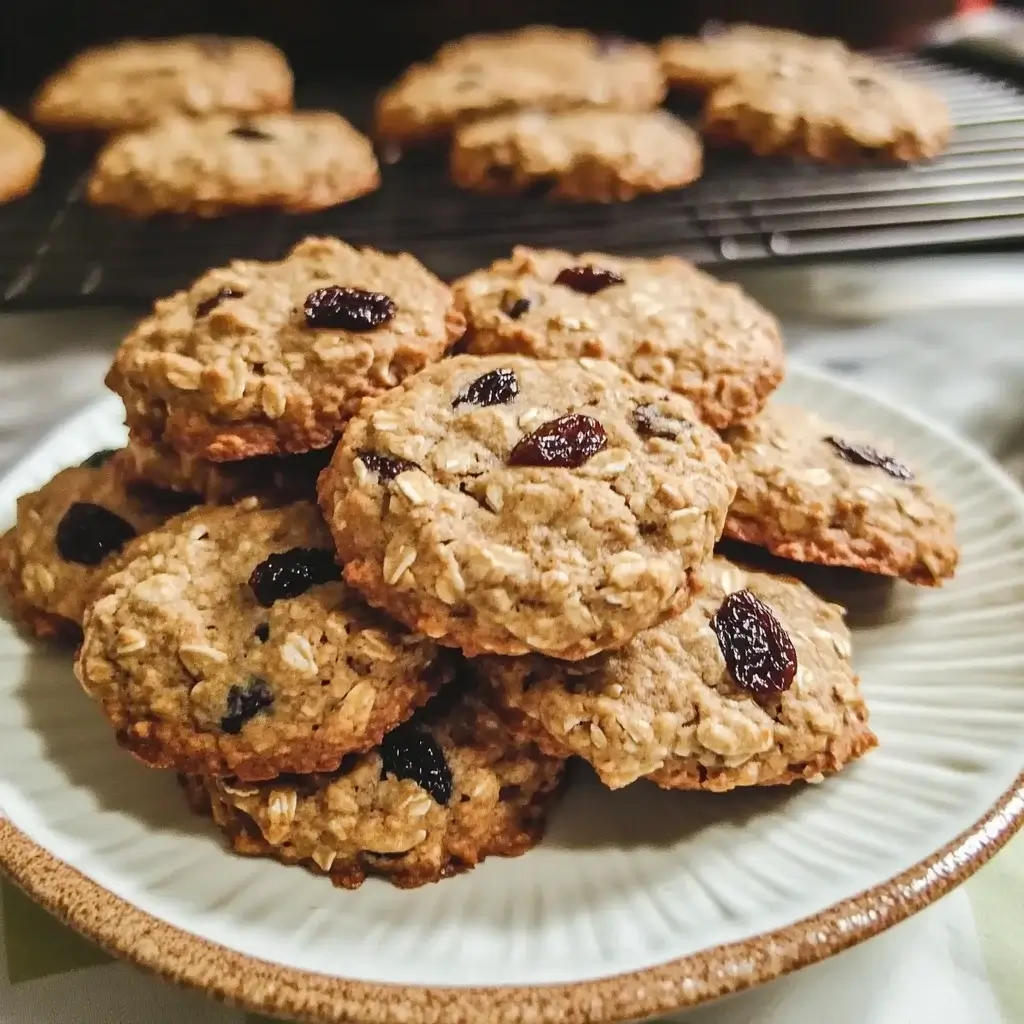

There’s something undeniably comforting about a classic oatmeal raisin cookie – the chewiness, the warmth of cinnamon, the sweet bursts of raisin. For years, it was a treat I thought I’d have to admire from afar after switching to a gluten-free and vegan lifestyle. Finding a recipe that truly captured that nostalgic magic, without gluten or any animal products, felt like searching for a unicorn. Then came this recipe. The first time I pulled a batch of these Gluten-Free Vegan Oatmeal Raisin Cookies from the oven, the aroma alone told me I was onto something special. My family, including my toughest critics (my kids!), devoured them. They couldn’t believe they were both gluten-free and vegan. They have the perfect texture – slightly crisp edges giving way to a wonderfully soft and chewy centre – and the flavour is spot-on. They taste like pure, unadulterated comfort, proving that dietary restrictions don’t mean sacrificing deliciousness. These cookies have become a staple in our house, perfect for lunchboxes, afternoon snacks, or simply satisfying that sweet craving in a wholesome way. Sharing this recipe feels like sharing a little piece of happiness.
The Quest for the Perfect Bite: Gluten-Free Vegan Oatmeal Raisin Cookies
Oatmeal raisin cookies hold a special place in the cookie hall of fame. They represent warmth, nostalgia, and simple, satisfying sweetness. But for those navigating gluten sensitivities, celiac disease, or choosing a vegan lifestyle (avoiding dairy, eggs, and other animal products), indulging in this classic treat can seem challenging. Fear not! The world of baking has evolved, and creating delicious, allergy-friendly treats is more accessible than ever. This recipe is the culmination of much testing and tweaking, designed to deliver everything you love about traditional oatmeal raisin cookies – the chewy texture, the comforting spice, the delightful sweetness – entirely gluten-free and vegan.
Why focus on making these cookies both gluten-free and vegan? Firstly, inclusivity. More and more people are adopting plant-based diets or need to avoid gluten for health reasons. Having a go-to recipe that caters to these needs means everyone can enjoy a homemade treat together. Secondly, taste and texture don’t need to be compromised! By carefully selecting ingredients like a high-quality gluten-free flour blend, certified gluten-free oats, plant-based butter or coconut oil, and a flax “egg” as a binder, we can replicate (and some might say even improve upon!) the characteristics of the original. These cookies aren’t just “good for gluten-free vegan”; they’re genuinely great cookies, full stop. Get ready to bake a batch of chewy, flavourful, utterly irresistible oatmeal raisin cookies that will disappear faster than you can say “more, please!”
Gather Your Goodies: Ingredients for Gluten-Free Vegan Oatmeal Raisin Cookies
Precision is key in gluten-free and vegan baking, as the ingredients work together synergistically to create the desired texture and structure. Using the right components makes all the difference. Here’s what you’ll need:
- Gluten-Free All-Purpose Flour Blend: 1 ½ cups (approx. 180-190g). Crucial Note: Use a blend specifically designed for baking that contains xanthan gum. Brands like Bob’s Red Mill 1-to-1 Baking Flour, King Arthur Gluten-Free Measure for Measure Flour, or similar blends work well. If your blend doesn’t contain xanthan gum, you’ll need to add about ¾ teaspoon separately. Weighing your flour is highly recommended for accuracy in gluten-free baking.
- Certified Gluten-Free Rolled Oats: 1 ½ cups (approx. 135g). Crucial Note: Oats are naturally gluten-free but often cross-contaminated with wheat during processing. Ensure your oats are certified gluten-free if baking for someone with celiac disease or severe sensitivity. Use old-fashioned rolled oats, not instant or steel-cut, for the best chewy texture.
- Vegan Butter or Solid Coconut Oil: ½ cup (113g), softened but still cool to the touch. If using coconut oil, use refined unless you want a distinct coconut flavour. Ensure it’s solid but scoopable, not melted. Vegan butter sticks often provide better results similar to dairy butter.
- Brown Sugar: ¾ cup (165g), packed. Light or dark brown sugar works. Brown sugar adds moisture and a classic caramel flavour. Coconut sugar can be substituted but may slightly alter texture and flavour.
- Granulated Sugar: ¼ cup (50g). Contributes to crisp edges and spread. Cane sugar or regular white sugar works.
- Flax Egg: 1 tablespoon ground flaxseed meal + 3 tablespoons water. This acts as our vegan binder, replacing the traditional egg. (See Instructions Step 1 for preparation). Chia seeds (1 tbsp ground + 3 tbsp water) can also work.
- Unsweetened Plant-Based Milk: 1-2 Tablespoons (e.g., almond, soy, oat – ensure oat milk is GF if needed). Adds a little extra moisture if the dough seems too dry. Optional, but sometimes needed depending on the flour blend.
- Vanilla Extract: 1 ½ teaspoons. Pure vanilla extract provides the best flavour.
- Baking Soda: 1 teaspoon. Our primary leavening agent. Make sure it’s fresh!
- Ground Cinnamon: 1 teaspoon. The classic warming spice for oatmeal cookies. Feel free to add a pinch of nutmeg or allspice too, if desired.
- Salt: ½ teaspoon. Balances the sweetness and enhances flavours. Use fine sea salt or kosher salt.
- Raisins: 1 cup (approx. 150g). Use regular or golden raisins. You can adjust the amount to your preference. Ensure they aren’t excessively dry; plump ones are best.
- Optional Add-ins:
- Chopped Walnuts or Pecans: ½ cup
- Vegan Chocolate Chips: ½ – ¾ cup (Enjoy Life, Simple Truth, etc.)
- Unsweetened Shredded Coconut: ¼ – ½ cup
- Other Dried Fruit (cranberries, chopped dates, apricots): Substitute for some or all of the raisins.
Step-by-Step Baking Guide: Creating Your Cookies
Follow these instructions carefully for chewy, delicious gluten-free and vegan oatmeal raisin cookies every time!
- Prepare the Flax Egg: In a small bowl, whisk together 1 tablespoon of ground flaxseed meal and 3 tablespoons of water. Set aside for at least 5-10 minutes to thicken into a gel-like consistency. This mimics the binding properties of a traditional egg.
- Preheat and Prep: Preheat your oven to 350°F (175°C). Line two large baking sheets with parchment paper or silicone baking mats. This prevents sticking and promotes even baking.
- Combine Dry Ingredients: In a medium bowl, whisk together the gluten-free all-purpose flour blend, certified gluten-free rolled oats, baking soda, ground cinnamon, and salt. Whisking helps distribute the leavening agent and spices evenly, ensuring consistent flavour and rise in every cookie. Set aside.
- Cream Butter and Sugars: In a large bowl, using a stand mixer with the paddle attachment or a handheld electric mixer, beat the softened vegan butter (or solid coconut oil) on medium speed until smooth and creamy, about 1 minute. Add the packed brown sugar and granulated sugar. Beat on medium-high speed for 2-3 minutes, scraping down the sides of the bowl occasionally, until the mixture is light, fluffy, and well combined. This step incorporates air, which contributes to the cookie’s texture.
- Add Wet Ingredients: Add the prepared flax egg and vanilla extract to the creamed butter/sugar mixture. Beat on medium speed until fully incorporated, scraping down the sides of the bowl as needed. The mixture should look cohesive.
- Combine Wet and Dry: Gradually add the dry ingredient mixture (from Step 3) to the wet ingredients in the large bowl. Mix on low speed until just combined. Be careful not to overmix! Overmixing can lead to tough cookies. Stop mixing as soon as most of the flour streaks disappear. If the dough seems exceptionally dry or crumbly (this can vary with GF flour blends), add 1 tablespoon of plant-based milk and mix briefly. Add a second tablespoon only if absolutely necessary.
- Fold in Raisins: Remove the bowl from the mixer (if using). Add the raisins (and any optional nuts or chocolate chips) to the dough. Use a sturdy spatula or wooden spoon to fold them in evenly. Ensure they are well distributed throughout the dough.
- Scoop the Dough: Use a medium cookie scoop (about 1.5 – 2 tablespoons) or two spoons to drop rounded mounds of dough onto the prepared baking sheets. Space them about 2 inches apart, as they will spread during baking. Aim for uniform size so they bake evenly. You should get approximately 18-24 cookies depending on size.
- (Optional but Recommended) Chill the Dough: For thicker, chewier cookies with less spread, cover the baking sheets with plastic wrap and chill the scooped dough in the refrigerator for at least 30 minutes (or up to an hour). This allows the gluten-free flours to hydrate and firms up the fat, preventing excessive spreading.
- Bake: Place the baking sheets in the preheated oven. Bake for 10-14 minutes. The exact time depends on your oven and the size of your cookies. The cookies should look set around the edges and lightly golden brown. The centres might still look slightly soft or underdone – this is key for a chewy texture! They will continue to firm up as they cool. Avoid overbaking, which leads to dry, hard cookies.
- Cool: Remove the baking sheets from the oven. Let the cookies cool on the baking sheets for 5-10 minutes. They will be delicate initially, and this allows them to set further. After 5-10 minutes, carefully transfer the cookies using a spatula to a wire rack to cool completely.
- Enjoy! Once cooled, indulge in your delicious homemade Gluten-Free Vegan Oatmeal Raisin Cookies!
Nutritional Information (Approximate)
Please remember these figures are estimates. Actual nutritional content will vary based on the specific brands of ingredients used (especially flour blends, vegan butter/oil, sugars, and add-ins), cookie size, and final yield.
- Servings: Approximately 18-24 cookies (based on using a 1.5-2 tablespoon cookie scoop)
- Calories per Cookie (Estimated): Roughly 120-180 calories per cookie.
Potential Nutritional Highlights:
- Source of Fiber: Thanks to the rolled oats and raisins.
- Gluten-Free: Suitable for individuals with celiac disease or gluten sensitivity (ensure certified GF oats are used).
- Vegan/Plant-Based: Contains no dairy, eggs, or other animal products.
- Wholesome Ingredients: Utilizes whole grain oats and often less refined sugars like brown or coconut sugar compared to some traditional recipes.
For precise calculations, input your specific ingredients and quantities into an online nutritional calculator.
Time Commitment: Prep, Chill, Bake, Cool
Planning your baking session helps! Here’s a breakdown of the time involved:
- Preparation Time: 15-20 minutes (Includes measuring ingredients, making the flax egg, mixing the dough, and scooping).
- Chilling Time (Optional but Recommended): 30-60 minutes.
- Baking Time: 10-14 minutes per batch (if baking in multiple batches, factor this in).
- Cooling Time: 15-20 minutes (5-10 minutes on the baking sheet, plus additional time on the wire rack).
- Total Time (Without Chilling): Approximately 40-55 minutes.
- Total Time (With Chilling): Approximately 1 hour 10 minutes – 1 hour 55 minutes.
While chilling adds extra time, it significantly improves the final texture, making it well worth the wait if you desire that perfect chewiness and reduced spread.
Serving Suggestions: Enjoying Your Cookies
These Gluten-Free Vegan Oatmeal Raisin Cookies are fantastic on their own, but here are some delightful ways to serve and enjoy them:
- Classic Milk and Cookies:
- Pair warm cookies with a tall glass of your favourite cold plant-based milk (almond, soy, oat, cashew, or coconut milk are all great choices). Dunking is highly encouraged!
- Coffee or Tea Companion:
- Enjoy a cookie (or two!) with your morning coffee or afternoon tea for a comforting pick-me-up. The warm spices pair beautifully with hot beverages.
- Dessert Upgrade:
- Ice Cream Sandwiches: Place a scoop of your favorite vegan ice cream (vanilla, salted caramel, or even cinnamon flavour) between two cookies. Freeze briefly before serving.
- Crumble Topping: Crumble a cookie over a bowl of vegan yogurt, chia pudding, or baked fruit (like apples or pears) for added texture and flavour.
- Packed Lunches and Snacks:
- These cookies hold up well and are perfect additions to school or work lunchboxes.
- They make a great portable snack for hikes, road trips, or busy afternoons.
- Sharing and Gifting:
- Arrange the cookies attractively on a platter for gatherings, potlucks, or parties. They’re always a crowd-pleaser!
- Stack them in a clear cellophane bag tied with a ribbon or pack them in a decorative tin for a thoughtful homemade gift.
- Warm from the Oven:
- Honestly, one of the best ways is to enjoy them slightly warm, just after they’ve cooled enough to handle. The chewiness is at its peak!
Baker’s Dozen: Extra Tips for Cookie Perfection (Okay, 5 Tips!)
Achieve gluten-free vegan baking mastery with these essential tips:
- Measure Flour Correctly: This is crucial in gluten-free baking. Avoid scooping directly from the bag, which compacts the flour. Instead, use the “spoon and level” method: fluff the flour in its container, gently spoon it into your measuring cup until overflowing, then level off the excess with the back of a knife. For ultimate accuracy, use a kitchen scale – weights are provided in the ingredient list as a guide. Too much flour leads to dry, crumbly cookies.
- Don’t Overmix the Dough: Once you combine the wet and dry ingredients, mix only until they are just incorporated. Overmixing develops the starches in gluten-free flours differently than gluten, potentially leading to tough or overly dense cookies. Stop as soon as you don’t see major flour streaks. Folding in the raisins by hand helps prevent overmixing.
- Embrace the Chill: While optional, chilling the scooped cookie dough for at least 30 minutes makes a noticeable difference. It helps prevent the cookies from spreading too much (a common issue in GF/vegan baking), allows the flour to hydrate fully (improving texture), and concentrates the flavours. If you have the time, don’t skip this step!
- Know Your Oven & Avoid Overbaking: Ovens can vary. Start checking your cookies around the lower end of the recommended baking time (10 minutes). They should look set around the edges and perhaps slightly puffed, but the centres should still appear slightly soft or underdone. They will firm up considerably as they cool on the baking sheet and then the wire rack. Overbaked cookies will be hard and dry rather than chewy.
- Proper Storage for Lasting Freshness: Store cooled cookies in an airtight container at room temperature. They are best enjoyed within 3-4 days for optimal texture. You can add a piece of bread (gluten-free, if needed for the household) to the container to help maintain moisture and keep them softer for longer. For longer storage, freeze the baked cookies in a freezer-safe bag or container for up to 2-3 months. Thaw at room temperature. You can also freeze the scooped, unbaked dough balls and bake them directly from frozen (add 1-2 minutes to the baking time).
Frequently Asked Questions (FAQ) – Gluten-Free Vegan Oatmeal Raisin Cookies
Got questions? Here are answers to some common queries about this recipe:
- Q: Can I use regular all-purpose flour (with gluten) instead of the gluten-free blend?
- A: This recipe is specifically developed for a gluten-free flour blend containing xanthan gum. Regular all-purpose flour behaves very differently. While you could potentially adapt it, you would likely need to omit the xanthan gum (if adding separately) and might need to adjust liquid amounts or baking times. It would require experimentation. For a traditional (non-GF) vegan oatmeal raisin cookie, it’s best to search for a recipe specifically developed for regular flour.
- Q: Why do I need certified gluten-free oats? Aren’t oats naturally gluten-free?
- A: Yes, pure oats are naturally gluten-free. However, they are very commonly grown, harvested, transported, and processed using the same equipment as wheat, barley, and rye. This leads to significant cross-contamination risk. For individuals with celiac disease or high gluten sensitivity, consuming regular oats can cause a reaction. Certified gluten-free oats are grown and processed under strict protocols to ensure they meet standards for gluten content (typically below 20 parts per million). If you are not baking for someone with celiac/sensitivity, regular rolled oats are fine, but the recipe would no longer be strictly gluten-free.
- Q: Can I substitute the flax egg with something else?
- A: The flax egg acts as a binder. A chia egg (1 tbsp ground chia seeds + 3 tbsp water, let sit 10-15 min) is usually the best substitute and works similarly. Other options like unsweetened applesauce (¼ cup) or mashed banana (¼ cup) can sometimes work as binders and add moisture, but they will also impart their own flavour (especially banana) and may alter the cookie’s final texture, potentially making it more cakey. For the classic oatmeal cookie texture, flax or chia eggs are recommended.
- Q: My cookies spread too much and are flat. What went wrong?
- A: Several factors can cause excessive spreading:
- Fat Temperature: Your vegan butter or coconut oil might have been too soft or melted. Ensure it’s softened but still cool.
- Chilling: Did you skip the chilling step? Chilling the dough significantly helps control spread.
- Oven Temperature: Your oven might be running cooler than the dial indicates. An oven thermometer can verify accuracy.
- Baking Surface: Greased pans can encourage spreading more than parchment paper or silicone mats.
- Flour Measurement: Using slightly too little flour can contribute to spread. Ensure accurate measurement.
- A: Several factors can cause excessive spreading:
- Q: Can I make the cookie dough ahead of time?
- A: Yes! You can prepare the dough, cover it tightly with plastic wrap, and refrigerate it for up to 2-3 days before baking. Alternatively, scoop the dough balls onto a parchment-lined tray, freeze until solid, then transfer the frozen dough balls to a freezer-safe bag or container. You can bake them directly from frozen, adding 1-2 minutes to the baking time. This is great for having fresh cookies on demand!
Baking delicious treats that everyone can enjoy, regardless of dietary restrictions, is incredibly rewarding. These Gluten-Free Vegan Oatmeal Raisin Cookies are proof that you don’t need gluten, dairy, or eggs to create a truly classic and comforting cookie experience. With their perfectly chewy texture, warm spice notes, and sweet raisin goodness, they are sure to become a favourite in your baking repertoire. Whether you’re baking for yourself, your family, or friends with dietary needs, this recipe delivers pure, unadulterated joy in every bite. So preheat your oven, gather your ingredients, and get ready to fill your home with the irresistible aroma of freshly baked oatmeal raisin cookies – the gluten-free and vegan way! Happy Baking!
Print
Gluten-Free Vegan Oatmeal Raisin Cookies recipe
Ingredients
-
- Gluten-Free All-Purpose Flour Blend: 1 ½ cups (approx. 180-190g). Crucial Note: Use a blend specifically designed for baking that contains xanthan gum. Brands like Bob’s Red Mill 1-to-1 Baking Flour, King Arthur Gluten-Free Measure for Measure Flour, or similar blends work well. If your blend doesn’t contain xanthan gum, you’ll need to add about ¾ teaspoon separately. Weighing your flour is highly recommended for accuracy in gluten-free baking.
-
- Certified Gluten-Free Rolled Oats: 1 ½ cups (approx. 135g). Crucial Note: Oats are naturally gluten-free but often cross-contaminated with wheat during processing. Ensure your oats are certified gluten-free if baking for someone with celiac disease or severe sensitivity. Use old-fashioned rolled oats, not instant or steel-cut, for the best chewy texture.
-
- Vegan Butter or Solid Coconut Oil: ½ cup (113g), softened but still cool to the touch. If using coconut oil, use refined unless you want a distinct coconut flavour. Ensure it’s solid but scoopable, not melted. Vegan butter sticks often provide better results similar to dairy butter.
-
- Brown Sugar: ¾ cup (165g), packed. Light or dark brown sugar works. Brown sugar adds moisture and a classic caramel flavour. Coconut sugar can be substituted but may slightly alter texture and flavour.
-
- Granulated Sugar: ¼ cup (50g). Contributes to crisp edges and spread. Cane sugar or regular white sugar works.
-
- Flax Egg: 1 tablespoon ground flaxseed meal + 3 tablespoons water. This acts as our vegan binder, replacing the traditional egg. (See Instructions Step 1 for preparation). Chia seeds (1 tbsp ground + 3 tbsp water) can also work.
-
- Unsweetened Plant-Based Milk: 1-2 Tablespoons (e.g., almond, soy, oat – ensure oat milk is GF if needed). Adds a little extra moisture if the dough seems too dry. Optional, but sometimes needed depending on the flour blend.
-
- Vanilla Extract: 1 ½ teaspoons. Pure vanilla extract provides the best flavour.
-
- Baking Soda: 1 teaspoon. Our primary leavening agent. Make sure it’s fresh!
-
- Ground Cinnamon: 1 teaspoon. The classic warming spice for oatmeal cookies. Feel free to add a pinch of nutmeg or allspice too, if desired.
-
- Salt: ½ teaspoon. Balances the sweetness and enhances flavours. Use fine sea salt or kosher salt.
-
- Raisins: 1 cup (approx. 150g). Use regular or golden raisins. You can adjust the amount to your preference. Ensure they aren’t excessively dry; plump ones are best.
-
- Optional Add-ins:
-
- Chopped Walnuts or Pecans: ½ cup
-
- Vegan Chocolate Chips: ½ – ¾ cup (Enjoy Life, Simple Truth, etc.)
-
- Unsweetened Shredded Coconut: ¼ – ½ cup
-
- Other Dried Fruit (cranberries, chopped dates, apricots): Substitute for some or all of the raisins.
-
- Optional Add-ins:
Instructions
-
- Prepare the Flax Egg: In a small bowl, whisk together 1 tablespoon of ground flaxseed meal and 3 tablespoons of water. Set aside for at least 5-10 minutes to thicken into a gel-like consistency. This mimics the binding properties of a traditional egg.
-
- Preheat and Prep: Preheat your oven to 350°F (175°C). Line two large baking sheets with parchment paper or silicone baking mats. This prevents sticking and promotes even baking.
-
- Combine Dry Ingredients: In a medium bowl, whisk together the gluten-free all-purpose flour blend, certified gluten-free rolled oats, baking soda, ground cinnamon, and salt. Whisking helps distribute the leavening agent and spices evenly, ensuring consistent flavour and rise in every cookie. Set aside.
-
- Cream Butter and Sugars: In a large bowl, using a stand mixer with the paddle attachment or a handheld electric mixer, beat the softened vegan butter (or solid coconut oil) on medium speed until smooth and creamy, about 1 minute. Add the packed brown sugar and granulated sugar. Beat on medium-high speed for 2-3 minutes, scraping down the sides of the bowl occasionally, until the mixture is light, fluffy, and well combined. This step incorporates air, which contributes to the cookie’s texture.
-
- Add Wet Ingredients: Add the prepared flax egg and vanilla extract to the creamed butter/sugar mixture. Beat on medium speed until fully incorporated, scraping down the sides of the bowl as needed. The mixture should look cohesive.
-
- Combine Wet and Dry: Gradually add the dry ingredient mixture (from Step 3) to the wet ingredients in the large bowl. Mix on low speed until just combined. Be careful not to overmix! Overmixing can lead to tough cookies. Stop mixing as soon as most of the flour streaks disappear. If the dough seems exceptionally dry or crumbly (this can vary with GF flour blends), add 1 tablespoon of plant-based milk and mix briefly. Add a second tablespoon only if absolutely necessary.
-
- Fold in Raisins: Remove the bowl from the mixer (if using). Add the raisins (and any optional nuts or chocolate chips) to the dough. Use a sturdy spatula or wooden spoon to fold them in evenly. Ensure they are well distributed throughout the dough.
-
- Scoop the Dough: Use a medium cookie scoop (about 1.5 – 2 tablespoons) or two spoons to drop rounded mounds of dough onto the prepared baking sheets. Space them about 2 inches apart, as they will spread during baking. Aim for uniform size so they bake evenly. You should get approximately 18-24 cookies depending on size.
-
- (Optional but Recommended) Chill the Dough: For thicker, chewier cookies with less spread, cover the baking sheets with plastic wrap and chill the scooped dough in the refrigerator for at least 30 minutes (or up to an hour). This allows the gluten-free flours to hydrate and firms up the fat, preventing excessive spreading.
-
- Bake: Place the baking sheets in the preheated oven. Bake for 10-14 minutes. The exact time depends on your oven and the size of your cookies. The cookies should look set around the edges and lightly golden brown. The centres might still look slightly soft or underdone – this is key for a chewy texture! They will continue to firm up as they cool. Avoid overbaking, which leads to dry, hard cookies.
-
- Cool: Remove the baking sheets from the oven. Let the cookies cool on the baking sheets for 5-10 minutes. They will be delicate initially, and this allows them to set further. After 5-10 minutes, carefully transfer the cookies using a spatula to a wire rack to cool completely.
-
- Enjoy! Once cooled, indulge in your delicious homemade Gluten-Free Vegan Oatmeal Raisin Cookies!
Nutrition
- Serving Size: one normal portion
- Calories: 120-180