
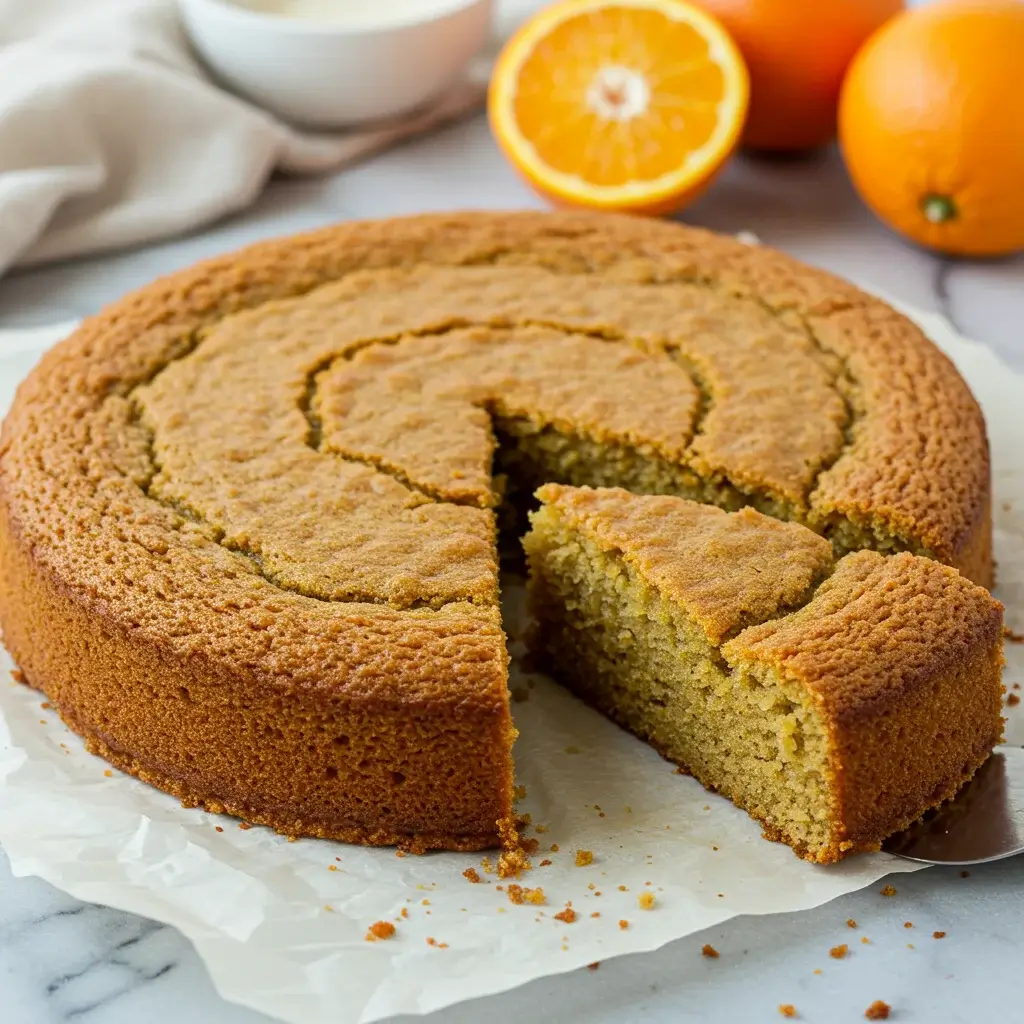

Are you in the mood for a cake that’s light, refreshing, and gluten-free? Look no further than the Gluten-Free Orange Olive Oil Cake! This delightful citrus treat is perfect for any occasion, from casual gatherings to special celebrations. With its rich blend of almond flour, fresh orange zest, and high-quality olive oil, this cake promises a moist and flavorful experience that will leave you wanting more. In this article, we’ll guide you through the recipe and share tips and tricks for creating the perfect cake. Let’s dive in!
Ingredients
Creating a delicious gluten-free Orange Olive Oil Cake requires the right blend of ingredients. Here’s what you’ll need:
- 1 cup almond flour: This adds a nutty flavor and keeps the cake moist.
- 1/2 cup gluten-free all-purpose flour: Ensures the cake has the right structure and texture.
- 1 tsp baking powder: Helps the cake rise and become fluffy.
- 1/2 tsp salt: Enhances the flavors.
- 1/2 cup sugar: Provides sweetness and balances the tartness of the orange.
- 1/2 cup olive oil: Adds moisture and a subtle fruity flavor.
- 3 large eggs: Gives structure and richness to the cake.
- Zest of 1 orange: Infuses the cake with a fresh citrus aroma.
- 1/2 cup fresh orange juice: Enhances the orange flavor.
Instructions
Follow these simple steps to create your own Gluten-Free Orange Olive Oil Cake:
- Preheat the Oven:
Preheat your oven to 350°F (175°C). Grease a round cake pan with olive oil or line it with parchment paper to prevent sticking. - Mix the Dry Ingredients:
In a medium mixing bowl, combine the almond flour, gluten-free all-purpose flour, baking powder, and salt. Stir well to ensure the ingredients are evenly distributed. - Prepare the Wet Ingredients:
In a separate large mixing bowl, whisk together the sugar and olive oil until well combined. Add the eggs, one at a time, ensuring each egg is fully incorporated before adding the next. Stir in the orange zest and fresh orange juice, mixing until smooth. - Combine Wet and Dry Ingredients:
Gradually add the dry ingredients to the wet mixture, stirring until the batter is smooth and there are no lumps. - Pour the Batter:
Pour the batter into the prepared cake pan, smoothing the top with a spatula to ensure even baking. - Bake the Cake:
Place the cake in the preheated oven and bake for 25-30 minutes. To check for doneness, insert a toothpick into the center of the cake. If it comes out clean, the cake is ready. - Cool and Serve:
Allow the cake to cool in the pan for about 10 minutes before transferring it to a wire rack to cool completely. Once cooled, slice and serve.
Nutrition Facts
Understanding the nutritional content of your cake can help you make informed dietary choices. Here’s a breakdown of the nutrition facts per slice, assuming the cake is divided into 8 servings:
- Calories: 180
- Protein: 4g
- Carbs: 15g
- Fat: 12g
- Fiber: 2g
- Sugar: 7g
How to Serve
The Gluten-Free Orange Olive Oil Cake is a delightful dessert that not only caters to those with gluten sensitivities but also impresses with its rich, complex flavors and moist texture. This versatile cake can be served in a variety of ways, each enhancing its unique characteristics and making it suitable for different occasions. Here are some comprehensive serving suggestions to elevate your dining experience:
Plain
Serving the cake plain allows you to fully appreciate its intricate blend of flavors. The natural sweetness from the oranges and the nuttiness of the olive oil come together beautifully, creating a simple yet sophisticated treat. This presentation is perfect for casual gatherings or weekday indulgences when you want something light but satisfying. Pair it with a cup of coffee or tea to complement the flavors, making it an ideal afternoon snack or a delightful breakfast option.
With a Dusting of Powdered Sugar
A light dusting of powdered sugar transforms the cake into a visually appealing dessert. The delicate layer of sugar not only adds a hint of sweetness but also creates a lovely contrast against the golden crust of the cake. To achieve an even dusting, use a fine-mesh sieve and sprinkle the sugar gently over the surface just before serving. This simple yet elegant presentation is perfect for special occasions, such as birthdays or dinner parties, where aesthetics matter as much as flavor.
Paired with Whipped Cream
For those who enjoy a richer dessert experience, serving the cake with a dollop of freshly whipped cream is an excellent option. The creamy texture of the whipped cream balances the cake’s dense and moist structure, creating a harmonious combination of flavors and textures. You can enhance the whipped cream by adding a touch of vanilla extract or orange zest for an extra layer of flavor. This pairing is particularly delightful for festive occasions or brunches, where guests can savor the rich creaminess alongside the cake’s citrus notes.
Garnished with Fresh Fruit
Top your Gluten-Free Orange Olive Oil Cake with slices of fresh fruit to elevate its presentation and flavor profile. Fresh oranges or a medley of berries not only enhance the cake’s citrus essence but also provide a vibrant pop of color that makes the dessert visually appealing. Berries, such as strawberries, blueberries, or raspberries, can add a touch of tartness that beautifully contrasts with the sweetness of the cake. This fresh garnish makes for a refreshing dessert option that is perfect for warmer months or outdoor gatherings.
Drizzled with Orange Glaze
For those craving an extra burst of citrus flavor, a simple orange glaze can take your cake to the next level. To prepare the glaze, combine powdered sugar with freshly squeezed orange juice until you achieve a smooth consistency. Drizzle it over the cooled cake, allowing it to seep into the top layer and create a glossy finish. This addition not only heightens the orange flavor but also adds a delightful sweetness that complements the cake’s existing flavors. This serving option is ideal for festive occasions or potlucks, where the cake can be the star of the dessert table, drawing attention with its beautiful glaze.
Creative Serving Suggestions
For those looking to impress or add a unique twist, consider these creative serving suggestions:
- Citrus Compote: Create a citrus compote by simmering chopped oranges, lemons, and a bit of sugar. Serve the cake with this warm compote drizzled over the top for a delightful contrast of warm and cold.
- Ice Cream Pairing: Serve slices of the cake alongside a scoop of vanilla or almond-flavored ice cream. The creaminess of the ice cream paired with the citrus notes of the cake creates a deliciously indulgent dessert experience.
- Layered Dessert: For a stunning presentation, consider layering pieces of the cake with whipped cream and fresh fruit in a glass. This not only makes for a visually appealing dessert but also allows guests to enjoy a blend of flavors in every bite.
- Toasted Almonds or Pistachios: For an added crunch, sprinkle some toasted almonds or crushed pistachios on top of the cake or alongside the whipped cream. The nutty flavor will complement the olive oil base and add an interesting texture to the dessert.
By exploring these various serving methods, you can transform the Gluten-Free Orange Olive Oil Cake into a versatile and memorable dessert that is sure to please a wide range of palates. Whether you choose to keep it simple or opt for elaborate presentations, this cake will undoubtedly shine in any setting.
Additional Tips for Perfecting Your Gluten-Free Orange Olive Oil Cake
To ensure your Gluten-Free Orange Olive Oil Cake turns out perfectly every time, consider these additional tips:
Use High-Quality Olive Oil
The flavor and quality of olive oil can vary significantly, impacting the overall taste of your cake. Choosing a high-quality, fruity olive oil is essential for the best flavor profile. Look for extra virgin olive oil, which is cold-pressed and retains more of the natural flavors and health benefits. A robust, fruity olive oil, with notes of green apple, almond, or even pepper, can enhance the citrus notes of the cake, creating a more complex and delightful flavor. Be mindful that cheaper oils may have a bland taste that could lead to a less flavorful cake. If possible, opt for an olive oil from a reputable brand or local producers, as they often have more distinctive profiles.
Zest with Care
When zesting the orange, it’s important to avoid the white pith underneath the peel, as it can add bitterness to your cake. Use a microplane or a fine grater to gently remove only the colored part of the peel, which contains the aromatic oils that contribute to the cake’s flavor. If you do inadvertently zest some of the pith, try to scrape it off before incorporating the zest into your batter. Additionally, using fresh oranges is key; the zest from older oranges may not have the same vibrant flavor, and zesting just before use ensures maximum freshness and aroma.
Check the Cake Early
Oven temperatures can vary widely, even between similar models, so it’s wise to start checking the cake for doneness at the 25-minute mark. Insert a toothpick into the center of the cake; if it comes out clean or with just a few moist crumbs attached, your cake is done. If the toothpick comes out with wet batter, continue baking, checking every few minutes until it reaches the desired doneness. This technique helps prevent overbaking, which can result in a dry cake. Remember that gluten-free cakes often bake differently than traditional cakes, and they can frequently require a little less time, so vigilance is key.
Customize Your Cake
Feel free to add a teaspoon of vanilla extract or a pinch of cinnamon for additional depth of flavor. Vanilla complements the citrus beautifully, enhancing the overall sweetness and aroma of the cake. Cinnamon adds a warm, spicy note that can elevate the flavor profile, making it feel more indulgent. Additionally, consider incorporating other flavor elements such as almond extract or even a splash of orange liqueur for a sophisticated twist. If you enjoy textures, adding a handful of chopped nuts like almonds or pistachios can provide a delightful crunch that contrasts with the moistness of the cake.
Store Properly
To maintain the freshness and quality of your cake, store any leftovers in an airtight container at room temperature for up to three days, or refrigerate for extended freshness. If you choose to refrigerate, be aware that the cake may dry out slightly, so it’s advisable to let it come to room temperature before serving. For longer storage, consider freezing individual slices wrapped tightly in plastic wrap and then placed in a freezer bag. This way, you can enjoy your cake later without sacrificing flavor or texture. When ready to eat, simply thaw at room temperature or warm in the oven for a few minutes to restore its original moisture and warmth.
By following these additional tips, you can create a Gluten-Free Orange Olive Oil Cake that not only meets dietary needs but also delights the palate with its rich and vibrant flavors. Happy baking!
FAQs
Q: Can I substitute another type of flour for almond flour?
A: Almond flour is key to the cake’s texture and flavor. If you have a nut allergy, you might try sunflower seed flour, although the flavor will differ.
Q: Can I use bottled orange juice instead of fresh?
A: Fresh orange juice is recommended for the best flavor, but bottled juice can be used in a pinch. Ensure it is 100% juice with no added sugars.
Q: Is this cake suitable for freezing?
A: Yes, you can freeze the cake. Wrap it tightly in plastic wrap, then in aluminum foil, and store in the freezer for up to two months. Thaw at room temperature before serving.
Q: Can I make this recipe vegan?
A: You can try replacing the eggs with a flaxseed or chia seed egg substitute, but the texture may differ slightly.
Q: How do I prevent the cake from sticking to the pan?
A: Grease the pan well with olive oil or use parchment paper to line the bottom of the pan for easy removal.
Conclusion
The Gluten-Free Orange Olive Oil Cake is a delectable dessert that combines the earthy richness of almond flour with the bright, tangy flavor of oranges. Whether you’re following a gluten-free diet or simply looking for a delicious cake to enjoy, this recipe is sure to impress. With its simple ingredients and straightforward instructions, you’ll be able to whip up this cake in no time. Enjoy it on its own or with your favorite toppings, and savor every bite of this delightful citrus treat.
Print
Gluten-Free Orange Olive Oil Cake recipe
Ingredients
- 1 cup almond flour: This adds a nutty flavor and keeps the cake moist.
- 1/2 cup gluten-free all-purpose flour: Ensures the cake has the right structure and texture.
- 1 tsp baking powder: Helps the cake rise and become fluffy.
- 1/2 tsp salt: Enhances the flavors.
- 1/2 cup sugar: Provides sweetness and balances the tartness of the orange.
- 1/2 cup olive oil: Adds moisture and a subtle fruity flavor.
- 3 large eggs: Gives structure and richness to the cake.
- Zest of 1 orange: Infuses the cake with a fresh citrus aroma.
- 1/2 cup fresh orange juice: Enhances the orange flavor.
Instructions
- Preheat the Oven:
Preheat your oven to 350°F (175°C). Grease a round cake pan with olive oil or line it with parchment paper to prevent sticking. - Mix the Dry Ingredients:
In a medium mixing bowl, combine the almond flour, gluten-free all-purpose flour, baking powder, and salt. Stir well to ensure the ingredients are evenly distributed. - Prepare the Wet Ingredients:
In a separate large mixing bowl, whisk together the sugar and olive oil until well combined. Add the eggs, one at a time, ensuring each egg is fully incorporated before adding the next. Stir in the orange zest and fresh orange juice, mixing until smooth. - Combine Wet and Dry Ingredients:
Gradually add the dry ingredients to the wet mixture, stirring until the batter is smooth and there are no lumps. - Pour the Batter:
Pour the batter into the prepared cake pan, smoothing the top with a spatula to ensure even baking. - Bake the Cake:
Place the cake in the preheated oven and bake for 25-30 minutes. To check for doneness, insert a toothpick into the center of the cake. If it comes out clean, the cake is ready. - Cool and Serve:
Allow the cake to cool in the pan for about 10 minutes before transferring it to a wire rack to cool completely. Once cooled, slice and serve.
Nutrition
- Serving Size: one normal portion
- Calories: 180
- Sugar: 7g
- Fat: 12g
- Carbohydrates: 15g
- Fiber: 2g
- Protein: 4g