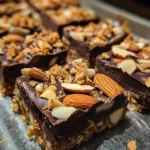



French cuisine is renowned for its exquisite flavors and rich textures, and the French butter cake, also known as “Gâteau Breton,” is no exception. Traditionally made with simple ingredients, this cake offers a buttery, tender crumb that melts in your mouth. For those adhering to a gluten-free diet, this version allows you to enjoy the classic flavors without compromising on taste or texture. In this article, we’ll explore how to make a gluten-free French butter cake that’s perfect for any occasion.
Ingredients
Creating the perfect gluten-free French butter cake requires a few simple ingredients. Here’s what you’ll need:
- 1 cup (230g) unsalted butter, softened
- 1 cup (200g) sugar
- 4 large eggs
- 1 cup (125g) gluten-free all-purpose flour
- 1 tsp baking powder
- 1 tsp vanilla extract
- 1/4 tsp salt
- Zest of 1 lemon (optional)
With these ingredients in hand, you’re ready to embark on a delightful baking journey.
Instructions
Making a gluten-free French butter cake is straightforward and rewarding. Follow these steps for a successful bake:
- Preheat your oven to 350°F (180°C). Grease a round cake pan to ensure easy removal of the cake after baking.
- Cream together softened butter and sugar in a mixing bowl until light and fluffy. This step is crucial for achieving the cake’s tender texture.
- Add eggs one at a time, mixing well after each addition. This helps in creating a smooth and consistent batter.
- In another bowl, whisk together the gluten-free flour, baking powder, and salt. This ensures even distribution of the dry ingredients.
- Gradually add dry ingredients to the butter mixture, mixing until combined. Avoid overmixing to ensure a light and airy cake.
- Stir in vanilla extract and lemon zest, if using. The lemon zest adds a subtle citrus note that complements the rich buttery flavor.
- Pour the batter into the prepared cake pan and smooth the top with a spatula to ensure even baking.
- Bake for 30-35 minutes or until a toothpick inserted into the center comes out clean. Let the cake cool before serving to allow the flavors to develop.
Nutrition Facts
Understanding the nutritional profile of your dessert can help you enjoy it mindfully. Here’s a breakdown of the nutrition facts per slice, based on 12 slices:
- Calories: 230
- Protein: 3g
- Fat: 12g
- Carbohydrates: 30g
- Fiber: 1g
- Sugar: 10g
This cake offers a balanced indulgence, perfect for satisfying your sweet tooth.
How to Serve
A French butter cake is a delightful treat that embodies the essence of simplicity and elegance in its flavor and texture. Its versatility makes it suitable for various occasions, from casual gatherings to formal celebrations. Here are some comprehensive serving suggestions to enhance your experience with this delectable cake:
Simple and Elegant
The most straightforward way to serve a French butter cake is to present it as is. This minimalist approach allows the rich, buttery flavor and moist texture to take center stage. For a touch of sophistication, you can dust the cake with a light sprinkling of powdered sugar or cocoa powder right before serving. Consider using a decorative cake stand to elevate its presentation. Additionally, pairing it with a slice of citrus—like a lemon or orange—can enhance its visual appeal while providing a complementary zesty note.
With Fresh Berries
Enhancing your French butter cake with fresh berries is a delightful way to incorporate seasonal flavors. Berries such as raspberries, blueberries, strawberries, or blackberries not only add a vibrant pop of color but also provide a refreshing contrast to the cake’s richness. You can serve the berries on the side or create a beautiful berry compote to drizzle over each slice. For an extra touch, consider macerating the berries with a sprinkle of sugar and a squeeze of lemon juice. This will intensify their natural sweetness and create a luscious topping that elevates your dessert.
Topped with Whipped Cream
A dollop of freshly whipped cream can transform the simple butter cake into an indulgent dessert. Whip heavy cream until soft peaks form, and sweeten it with a touch of powdered sugar or vanilla extract for added flavor. For a creative twist, you can infuse the whipped cream with flavors such as lavender, orange zest, or almond extract. To serve, place a generous scoop of whipped cream on each slice, and consider garnishing with a sprig of mint or a few additional berries for a visually appealing finish. This luxurious touch will make your cake feel even more special.
Paired with Coffee or Tea
The subtle sweetness of a French butter cake pairs beautifully with a hot cup of coffee or tea, making it an ideal choice for afternoon gatherings or brunch. The cake’s buttery notes complement the rich flavors of coffee, whether it’s a bold espresso or a smooth latte. For tea lovers, consider serving it alongside a fragrant Earl Grey or a soothing chamomile. You can even create a themed serving experience—such as a French café setting—by offering café au lait or a selection of herbal teas, allowing guests to choose their favorite pairing. Including small decorative sugar cubes or flavored syrups can also add a charming touch to the beverage service.
Creative Variations
For those looking to experiment further, consider adding a layer of flavor by incorporating different toppings or accompaniments. A drizzle of homemade caramel or chocolate sauce can add a decadent touch, while a scoop of vanilla or berry ice cream can introduce a delightful contrast in temperature and texture. You might also consider serving the cake with a side of citrus curd or a fruit compote for an added layer of taste and vibrancy.
Presentation Ideas
Presentation plays a crucial role in how a cake is perceived. When serving a French butter cake, consider using decorative plates or serving platters to enhance its visual appeal. You can also use cake slices arranged on a platter with fresh flowers or herbs to create an inviting display. For special occasions, consider adding edible glitter or gold leaf for a touch of extravagance.
Regardless of how you decide to serve your French butter cake, each option offers a unique way to enjoy its delightful flavor and texture. Whether you choose simplicity or embellishment, this cake is sure to impress and satisfy, making it a cherished addition to any dessert table..
Additional Tips for Perfecting Your Gluten-Free French Butter Cake
To ensure your gluten-free French butter cake is a resounding success, consider the following detailed tips that will enhance your baking experience and the final outcome:
1. Room Temperature Ingredients
Why It Matters: Using ingredients like butter and eggs at room temperature helps to create a smoother batter, which is crucial for achieving a tender crumb. Cold ingredients can lead to uneven mixing, resulting in a denser texture.
How to Prepare:
- Butter: Remove the butter from the refrigerator at least 30 minutes before you start baking. The butter should be soft enough to leave an indentation when pressed with a finger but not so warm that it starts to melt.
- Eggs: Similarly, take the eggs out of the fridge about 30 minutes prior to mixing. If you’re short on time, you can place the eggs in a bowl of warm (not hot) water for about 10 minutes to quickly bring them to room temperature.
2. Quality Ingredients
Choosing the Right Flour: The type of gluten-free flour you use can significantly affect the texture and flavor of your cake. Opt for blends that contain a mix of different flours (like rice flour, almond flour, and tapioca flour) to achieve a balanced taste and consistency.
Tip for Success:
- Look for certified gluten-free flours to ensure there is no cross-contamination with gluten. Brands like Bob’s Red Mill, King Arthur Flour, or Cup4Cup offer blends that are well-suited for baking.
- If possible, sift your gluten-free flour before measuring it. This aerates the flour and helps prevent clumping, leading to a lighter cake.
3. Baking Time
Understanding Oven Variability: Every oven has its own personality, and baking times can vary based on factors such as altitude, humidity, and the specific model of the oven.
How to Check for Doneness:
- Start checking your cake about 5-10 minutes before the suggested baking time. Insert a toothpick or cake tester into the center of the cake. If it comes out clean or with a few moist crumbs (not wet batter), your cake is done.
- If your cake is browning too quickly but isn’t done in the center, you can cover it loosely with aluminum foil to prevent over-browning.
4. Cooling
Importance of Cooling: Allowing the cake to cool properly is crucial for maintaining its structure and preventing it from becoming soggy or breaking apart.
Cooling Process:
- After removing the cake from the oven, let it cool in the pan for about 10-15 minutes. This short resting period allows the cake to firm up, making it easier to remove from the pan.
- Once the edges have pulled away from the sides of the pan, gently run a knife around the perimeter to loosen it. Carefully invert the pan onto a wire rack, tapping it gently if necessary.
- After the cake has been transferred, allow it to cool completely on the wire rack before icing or serving. This step helps to set the texture and makes slicing easier.
5. Additional Flavor Enhancements
Experiment with Flavor Additions: To elevate your gluten-free French butter cake, consider incorporating additional flavors such as vanilla extract, almond extract, or citrus zest.
How to Enhance Flavor:
- Vanilla Extract: Use pure vanilla extract for a rich flavor. About 1-2 teaspoons should suffice, depending on your taste preference.
- Citrus Zest: Adding the zest of a lemon or orange can brighten the cake and add a refreshing note. Use about 1 teaspoon of zest for a subtle flavor enhancement.
- Almond Extract: A few drops of almond extract can add an exotic twist that complements the richness of the butter.
By following these comprehensive tips, you’ll not only enhance the quality of your gluten-free French butter cake but also enjoy a more rewarding baking experience. Happy baking!
FAQs
Q1: Can I make this cake in advance?
A1: Yes, you can bake the cake a day in advance. Store it in an airtight container at room temperature or in the refrigerator.
Q2: Can I freeze the French butter cake?
A2: Absolutely! Wrap the cake tightly in plastic wrap and aluminum foil before freezing. It can be stored for up to 3 months.
Q3: Can I substitute the lemon zest with another flavor?
A3: Certainly! Orange zest or a teaspoon of almond extract can be used for a different flavor profile.
Q4: Is it possible to make this cake dairy-free?
A4: You can substitute the butter with a dairy-free alternative. However, the taste and texture may slightly vary.
Conclusion
The gluten-free French butter cake is not just a dessert; it is an exquisite experience that marries the rich, indulgent flavors of traditional French baking with the accommodating needs of those following a gluten-free diet. This cake embodies the essence of French patisserie, where simplicity and quality reign supreme, making it an accessible choice for anyone looking to indulge without the gluten.
A Symphony of Flavors and Textures
At its core, this cake is a celebration of butter. The use of high-quality, unsalted French butter elevates the overall flavor profile, infusing the cake with a creamy richness that is both luxurious and comforting. The cake’s texture is equally important; it should be tender and moist, with a delicate crumb that melts in your mouth. The gluten-free flour blend plays a crucial role in achieving this ideal texture. Opting for a blend that includes almond flour, rice flour, or a dedicated gluten-free all-purpose flour can enhance both flavor and moisture retention, resulting in a cake that rivals its gluten-laden counterparts.
A Simple Yet Elegant Recipe for All Skill Levels
One of the most appealing aspects of this gluten-free French butter cake is its simplicity. The recipe typically requires just a handful of ingredients—butter, sugar, eggs, gluten-free flour, and a touch of vanilla or citrus zest for flavor. This straightforward approach makes it an excellent choice for novice bakers who may feel intimidated by more complex desserts. However, seasoned bakers will also find joy in the ease of preparation, allowing them to focus on the nuances of flavor and presentation.
To make the experience even more delightful, consider experimenting with add-ins or toppings. Fresh fruits like berries or citrus slices can be folded into the batter for an added burst of flavor, or the cake can be adorned with a dusting of powdered sugar or a simple glaze for a touch of elegance. Such variations not only enhance the visual appeal but also cater to diverse tastes, making this cake a versatile option for various occasions.
Perfect for Any Occasion
Whether you’re enjoying a slice alongside your morning coffee, celebrating a special occasion, or hosting a dinner party, this gluten-free French butter cake is sure to impress. Its ability to transition seamlessly from breakfast treat to a sophisticated dessert makes it a standout choice. The cake can be served plain, allowing the buttery flavor to shine, or dressed up with whipped cream, a scoop of vanilla ice cream, or a fruit compote for a more indulgent experience.
Moreover, the gluten-free French butter cake is a fantastic option for gatherings where dietary restrictions may be a concern. Its universal appeal means that gluten-free guests won’t feel excluded, and everyone will appreciate the delectable taste it offers. The cake can even be made ahead of time, allowing you to enjoy the festivities without the stress of last-minute baking.
The Importance of Quality Ingredients and Careful Preparation
To achieve the ultimate gluten-free French butter cake, remember that the quality of your ingredients is paramount. Invest in high-quality butter, fresh eggs, and a gluten-free flour blend that you trust. Additionally, the technique plays a significant role in the outcome. Creaming the butter and sugar until light and fluffy is essential for incorporating air, which contributes to the cake’s rise and texture. Be attentive to baking times and check for doneness with a toothpick—this will prevent overbaking and ensure a moist, tender cake.
As you embark on your baking journey, take the time to savor the process. Baking should be an enjoyable experience, allowing you to connect with the ingredients and the tradition of French baking. With each step, from mixing to pouring into the pan, appreciate the transformation happening before your eyes.
In conclusion, the gluten-free French butter cake is more than just a recipe; it is a culinary journey that invites bakers of all skill levels to create something truly special. Gather your ingredients, embrace the art of baking, and relish in the warm, comforting flavors of this beloved classic. Bon appétit! Whether you share it with loved ones or savor it on your own, this cake is sure to bring joy and satisfaction to any occasion.
Print
Gluten-Free French Butter Cake recipe
Ingredients
- 1 cup (230g) unsalted butter, softened
- 1 cup (200g) sugar
- 4 large eggs
- 1 cup (125g) gluten-free all-purpose flour
- 1 tsp baking powder
- 1 tsp vanilla extract
- 1/4 tsp salt
- Zest of 1 lemon (optional)
Instructions
- Preheat your oven to 350°F (180°C). Grease a round cake pan to ensure easy removal of the cake after baking.
- Cream together softened butter and sugar in a mixing bowl until light and fluffy. This step is crucial for achieving the cake’s tender texture.
- Add eggs one at a time, mixing well after each addition. This helps in creating a smooth and consistent batter.
- In another bowl, whisk together the gluten-free flour, baking powder, and salt. This ensures even distribution of the dry ingredients.
- Gradually add dry ingredients to the butter mixture, mixing until combined. Avoid overmixing to ensure a light and airy cake.
- Stir in vanilla extract and lemon zest, if using. The lemon zest adds a subtle citrus note that complements the rich buttery flavor.
- Pour the batter into the prepared cake pan and smooth the top with a spatula to ensure even baking.
- Bake for 30-35 minutes or until a toothpick inserted into the center comes out clean. Let the cake cool before serving to allow the flavors to develop.
Nutrition
- Serving Size: one normal portion
- Calories: 230
- Sugar: 10g
- Fat: 12g
- Carbohydrates: 30g
- Fiber: 1g
- Protein: 3g