
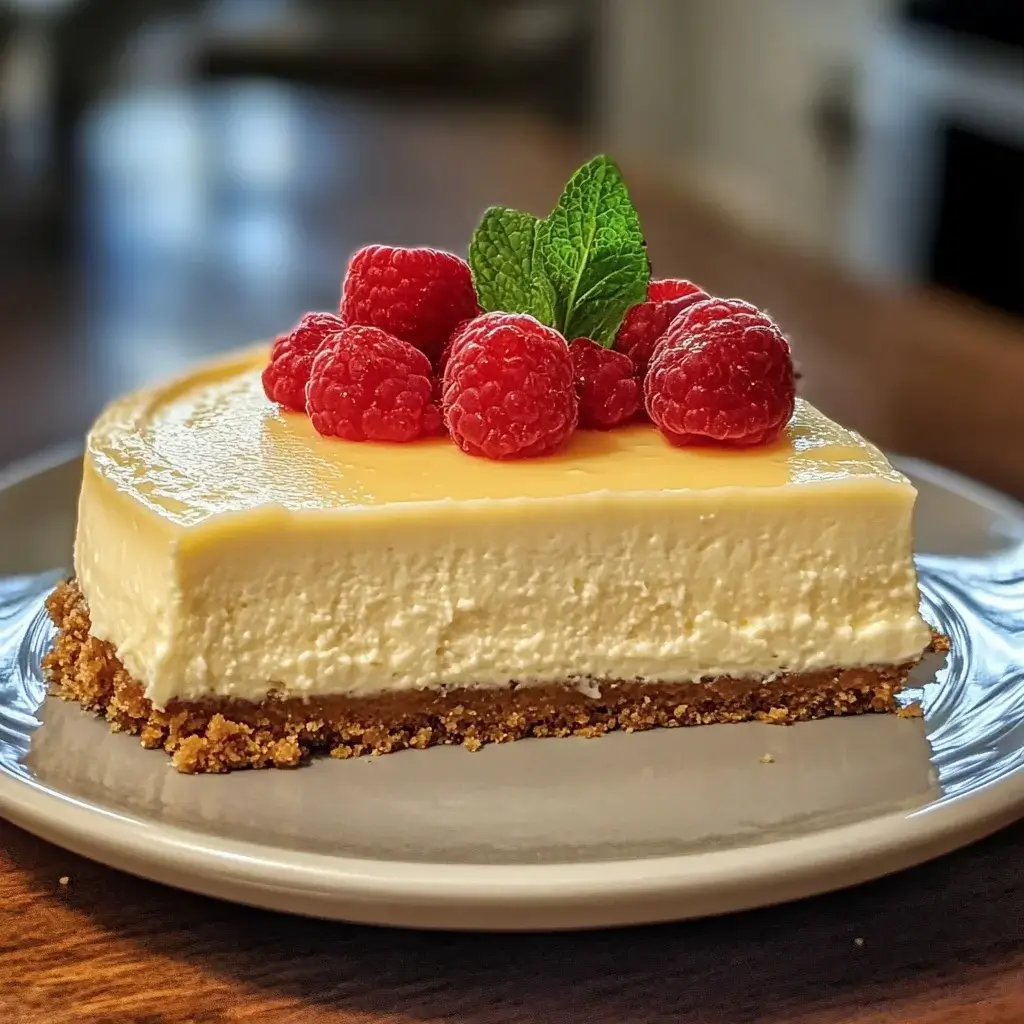

It’s funny how sometimes dietary restrictions lead to discovering even better versions of classic desserts, isn’t it? When we first went gluten-free in our household, cheesecake felt like a distant memory. Traditional graham cracker crust? Out. But the craving for that creamy, tangy, rich dessert persisted. That’s when I embarked on a mission to create a gluten-free cheesecake that wasn’t just “good for gluten-free,” but genuinely outstanding. And after countless trials (and delicious errors!), I landed on this recipe. Honestly, I think it’s even better than the original! The almond flour crust is buttery and subtly nutty, the filling is incredibly smooth and decadent, and no one ever guesses it’s gluten-free. It’s become a staple for celebrations, potlucks, and even just a special weekend treat. If you’ve been missing cheesecake or are baking for someone who needs gluten-free options, prepare to be amazed. This Gluten-Free Cheesecake is a game-changer – proof that deliciousness knows no dietary bounds.
Ingredients: The Foundation of a Perfect Gluten-Free Cheesecake
Crafting a truly exceptional Gluten-Free Cheesecake hinges on selecting the right ingredients and understanding their roles. Let’s delve into each component, exploring why they are crucial and discussing options for optimal results.
- For the Crust: The gluten-free foundation of deliciousness! A traditional graham cracker crust is off-limits for gluten-free baking, but thankfully, there are fantastic alternatives that deliver equally delightful flavor and texture.
- Almond Flour: Our star ingredient for a naturally gluten-free and flavorful crust! Almond flour, made from finely ground almonds, provides a buttery, slightly nutty flavor and a tender crumb that mimics the texture of a graham cracker crust beautifully. It’s naturally gluten-free, readily available, and adds a wonderful richness to the cheesecake base. Blanched almond flour, which has the skins removed, is preferred for a smoother texture and lighter color.
- Gluten-Free Graham Crackers (Certified): If you prefer a more traditional graham cracker flavor, you can use certified gluten-free graham crackers. Many brands now offer gluten-free versions that are specifically made to taste and crumble like regular graham crackers. Ensure they are certified gluten-free to avoid cross-contamination. When using gluten-free graham crackers, simply crush them into fine crumbs using a food processor or by placing them in a zip-top bag and rolling with a rolling pin.
- Gluten-Free Cookie Crumbs (e.g., Shortbread, Vanilla Wafers): For a sweeter and slightly different flavor profile, you can use gluten-free cookie crumbs as a crust base. Gluten-free shortbread cookies or vanilla wafers, when crushed, make a lovely and flavorful crust. Again, ensure they are certified gluten-free.
- Melted Butter: The binding agent and flavor enhancer for the crust! Melted unsalted butter binds the almond flour (or gluten-free crumbs) together, creating a cohesive and flavorful crust. The butter adds richness, helps the crust crisp up slightly during baking, and contributes to its overall deliciousness. Unsalted butter is preferred to control the salt content.
- Granulated Sugar: Adding a touch of sweetness to the crust! Granulated sugar provides a subtle sweetness that balances the richness of the butter and the nutty flavor of the almond flour (or gluten-free crumbs). It also helps the crust to caramelize slightly during baking.
- Optional Spices (Cinnamon, Nutmeg): Enhance the crust flavor with a hint of spice! A pinch of ground cinnamon or nutmeg can add warmth and complexity to the gluten-free crust, especially when using almond flour or gluten-free graham crackers. These spices complement the cheesecake filling beautifully.
- For the Filling: The creamy, tangy, and decadent heart of the cheesecake! The filling is where the magic truly happens, creating that signature cheesecake texture and flavor.
- Cream Cheese (Full-Fat, Block Style): The star of the cheesecake filling! Full-fat, block-style cream cheese is absolutely essential for achieving that rich, creamy, and tangy cheesecake texture. Reduced-fat or whipped cream cheese will not provide the same richness and density. Ensure you use block-style cream cheese, not cream cheese spread in a tub. Philadelphia brand is a widely available and reliable choice.
- Sour Cream (Full-Fat): Adding tanginess and moisture to the filling! Full-fat sour cream contributes to the signature tangy flavor of cheesecake and also adds moisture, preventing the cheesecake from becoming too dry. Full-fat sour cream is preferred for its richer flavor and creamier texture.
- Granulated Sugar: Sweetening the cheesecake filling! Granulated sugar provides the primary sweetness to the cheesecake filling, balancing the tanginess of the cream cheese and sour cream. The amount of sugar is carefully balanced to create a cheesecake that is sweet but not overly sugary.
- Eggs: Binding and enriching the filling! Eggs are crucial for binding the cheesecake filling together, providing structure, richness, and a smooth texture. They help the cheesecake set properly during baking and contribute to its overall creamy consistency. Use large eggs for best results.
- Egg Yolks (Optional, for extra richness): For an even richer and more decadent cheesecake filling, you can add extra egg yolks. Egg yolks are high in fat and lecithin, which contribute to a smoother, creamier, and more luxurious texture. Adding a few extra egg yolks will elevate the richness of the cheesecake.
- Vanilla Extract: Enhancing the flavor profile! Vanilla extract enhances the overall flavor of the cheesecake, adding warmth, depth, and a classic cheesecake aroma. Use pure vanilla extract for the best flavor. Vanilla bean paste can also be used for a more intense vanilla flavor and visual appeal (vanilla bean specks).
- Lemon Juice (Freshly Squeezed): Adding brightness and tanginess! Freshly squeezed lemon juice is essential for balancing the richness of the cream cheese and adding a bright, tangy note that is characteristic of cheesecake. Fresh lemon juice is preferred over bottled lemon juice for its fresher and brighter flavor.
- Optional Flavorings (Lemon Zest, Almond Extract, etc.): Customize your cheesecake flavor! You can customize the flavor of your gluten-free cheesecake by adding other flavorings to the filling. Lemon zest will intensify the lemon flavor, almond extract will add a subtle nutty note, and other extracts like orange, or peppermint can create unique flavor variations.
- For the Topping (Optional): Adding visual appeal and extra flavor! While a plain gluten-free cheesecake is delicious on its own, toppings can enhance both its appearance and taste.
- Sour Cream Topping (Classic): A classic cheesecake topping made with sour cream, sugar, and vanilla extract. A sour cream topping adds a smooth, tangy layer that complements the richness of the cheesecake and creates a beautiful contrast in color and texture.
- Fruit Topping (Berries, Cherry Pie Filling, etc.): Fresh berries (strawberries, raspberries, blueberries), cherry pie filling, or other fruit compotes make delightful and colorful toppings for gluten-free cheesecake. Fruit toppings add sweetness, freshness, and visual appeal.
- Chocolate Ganache: For chocolate lovers, a smooth chocolate ganache topping is a decadent and indulgent option. Chocolate ganache adds richness, sweetness, and a beautiful glossy finish.
- Caramel Sauce: Caramel sauce adds a buttery, sweet, and slightly salty element that pairs wonderfully with cheesecake. Drizzle caramel sauce over the cheesecake for a simple yet elegant topping.
- Whipped Cream: A simple and classic topping! Whipped cream adds lightness, sweetness, and a beautiful cloud-like texture to the cheesecake.
Instructions: Baking a Flawless Gluten-Free Cheesecake
Baking a Gluten-Free Cheesecake might seem daunting, but with these clear, step-by-step instructions, you can achieve cheesecake perfection at home.
- Prepare the Crust: Preheat oven to 350°F (175°C). In a medium bowl, combine almond flour (or gluten-free graham cracker/cookie crumbs), melted butter, and granulated sugar (and optional spices, if using). Mix until evenly moistened and crumbly.
- Press Crust into Pan: Press the crumb mixture firmly into the bottom of a 9-inch springform pan. You can use the bottom of a measuring cup or your fingers to create an even and compact crust layer. For a slightly higher crust edge, press some of the mixture up the sides of the pan, about an inch high.
- Bake Crust (Optional): For a slightly firmer and more flavorful crust, bake the crust in the preheated oven for 8-10 minutes. This step is optional but recommended. Remove from oven and let cool slightly while you prepare the filling.
- Prepare Cheesecake Filling: In a large bowl, using an electric mixer (stand mixer or hand mixer), beat the softened cream cheese until smooth and creamy. Ensure the cream cheese is truly softened to avoid lumps in the filling.
- Add Sugar and Sour Cream: Gradually add the granulated sugar to the cream cheese, beating until smooth and well combined. Scrape down the sides of the bowl as needed. Beat in the sour cream until smooth and incorporated.
- Incorporate Eggs and Egg Yolks (if using): Beat in the eggs one at a time, followed by the egg yolks (if using), mixing until just combined after each addition. Be careful not to overmix at this stage, as overmixing can incorporate too much air and cause the cheesecake to crack during baking.
- Add Flavorings: Stir in the vanilla extract and freshly squeezed lemon juice (and any other optional flavorings, like lemon zest or almond extract) until evenly distributed throughout the filling.
- Pour Filling into Crust: Pour the cheesecake filling evenly over the prepared crust in the springform pan. Smooth the top surface with a spatula.
- Bake in Water Bath (Recommended): To prevent cracking and ensure even baking, a water bath is highly recommended. Wrap the bottom of the springform pan tightly with heavy-duty aluminum foil to prevent water from seeping in. Place the wrapped springform pan inside a larger roasting pan. Pour hot water into the roasting pan, reaching about halfway up the sides of the springform pan.
- Bake Cheesecake: Carefully place the roasting pan with the cheesecake and water bath in the preheated oven. Bake for 60-75 minutes, or until the cheesecake is set around the edges but still slightly jiggly in the center. The exact baking time may vary depending on your oven. The cheesecake should be lightly golden around the edges.
- Cool Gradually: Turn off the oven and leave the cheesecake in the oven with the door slightly ajar for 1 hour. This gradual cooling process helps prevent cracking. After 1 hour, remove the cheesecake from the oven and water bath. Let it cool completely on a wire rack at room temperature.
- Chill Thoroughly: Once completely cooled at room temperature, cover the cheesecake with plastic wrap and chill in the refrigerator for at least 6 hours, or preferably overnight. Chilling is essential for the cheesecake to fully set and develop its best flavor and texture.
- Prepare Topping (Optional): While the cheesecake is chilling, prepare your desired topping (sour cream topping, fruit topping, chocolate ganache, etc.), if using.
- Serve and Enjoy: Before serving, carefully remove the sides of the springform pan. Slice and serve chilled. Top with your prepared topping, if desired.
Nutrition Facts: Understanding the Indulgence of Gluten-Free Cheesecake
Gluten-Free Cheesecake, like traditional cheesecake, is a rich and decadent dessert. Understanding its nutritional profile can help you enjoy it mindfully as part of a balanced diet. The following nutrition information is an estimate per serving (assuming 12 servings are cut from a 9-inch cheesecake) and can vary based on specific ingredients, crust type, and toppings.
Serving Size: 1 Slice (approximately 1/12th of a 9-inch cheesecake)
Approximate Nutritional Values per Serving:
- Calories: 350-450 calories (depending on crust and toppings)
- Protein: 6-8 grams
- Fat: 25-35 grams
- Saturated Fat: 15-20 grams (primarily from cream cheese and butter)
- Unsaturated Fat: 8-12 grams (primarily from almond flour and butter)
- Carbohydrates: 25-35 grams
- Fiber: 1-2 grams
- Sugar: 20-25 grams (primarily added sugars)
- Sodium: 200-300 mg
- Cholesterol: 150-200 mg
Key Nutritional Considerations:
- Calorie Dense: Gluten-Free Cheesecake is calorie-dense due to its high fat and sugar content. Portion control is important.
- High in Fat and Saturated Fat: The fat content comes primarily from cream cheese and butter, which are high in saturated fat. Enjoy cheesecake in moderation as part of a balanced diet.
- Sugar Content: Cheesecake is a dessert and is high in added sugars. Be mindful of sugar intake, especially if you are managing blood sugar levels.
- Protein: Cheesecake provides a moderate amount of protein, mainly from cream cheese and eggs.
- Minimal Fiber: The fiber content is relatively low, primarily from almond flour (if used in the crust).
Making Healthier Choices (Modifications):
While Gluten-Free Cheesecake is inherently a treat, you can make some modifications to slightly improve its nutritional profile, although it will still be a rich dessert:
- Reduce Sugar: You can slightly reduce the amount of sugar in the filling and crust (by about 10-20%) without significantly impacting the texture.
- Use Part Reduced-Fat Cream Cheese (with caution): While full-fat cream cheese is recommended for best texture and flavor, you could experiment with using part reduced-fat cream cheese. However, be aware that it may alter the texture slightly, potentially making it less creamy and more prone to cracking. Do not use fat-free cream cheese.
- Fruit Toppings: Opt for fresh fruit toppings like berries instead of high-sugar toppings like caramel sauce or chocolate ganache to add natural sweetness and vitamins.
- Portion Control: Enjoy smaller slices of cheesecake to manage calorie and fat intake.
It’s important to remember that Gluten-Free Cheesecake is a dessert to be enjoyed in moderation as a special treat. Being aware of its nutritional content allows you to make informed choices and savor it responsibly.
Preparation Time: Planning for Gluten-Free Cheesecake Perfection
Creating a Gluten-Free Cheesecake requires some time and planning, primarily due to the baking and chilling process. However, the active preparation time is relatively manageable.
Total Preparation Time: Approximately 8-10 hours (including chilling time)
Breakdown of Time:
- Prep Time (Crust and Filling Preparation): 30-40 minutes
- Making the crust mixture and pressing it into the pan.
- Softening cream cheese and preparing the filling ingredients.
- Mixing the cheesecake filling.
- Baking Time: 60-75 minutes
- Oven Cooling Time: 1 hour
- Room Temperature Cooling Time: 2-3 hours
- Chilling Time (in Refrigerator): Minimum 6 hours, ideally overnight (8+ hours)
- Optional Topping Preparation (while chilling): 15-20 minutes
Active Hands-On Time: Approximately 1-1.5 hours
Planning Ahead is Key:
- Start the Day Before: Ideally, start making your Gluten-Free Cheesecake the day before you plan to serve it. This allows for ample chilling time, which is crucial for the cheesecake to fully set and develop its best texture and flavor.
- Softening Cream Cheese: Remember to take the cream cheese out of the refrigerator well in advance (at least 1-2 hours) to allow it to soften properly. Softened cream cheese is essential for a smooth, lump-free filling.
- Water Bath Preparation: Factor in the time to prepare the water bath setup, including wrapping the springform pan and heating the water.
Tips for Efficient Preparation:
- Prepare Crust Ahead (Optional): You can prepare the crust a day in advance and store it, tightly covered, at room temperature until ready to use.
- Make Topping While Chilling: Prepare your desired topping (sour cream topping, fruit compote, chocolate ganache) while the cheesecake is chilling in the refrigerator to maximize your time.
While the total time for Gluten-Free Cheesecake is long due to chilling, the active time spent in the kitchen is manageable. Planning ahead and breaking down the tasks will make the process smoother and less overwhelming, rewarding you with a truly delicious and impressive gluten-free dessert.
How to Serve Gluten-Free Cheesecake: Serving Suggestions and Enhancements
Gluten-Free Cheesecake is a versatile dessert that can be served in various ways, enhancing its flavor and presentation. Here are some serving suggestions to elevate your cheesecake experience:
Serving Styles:
- Classic Slice: Serve chilled slices of Gluten-Free Cheesecake on dessert plates. This is the most traditional and straightforward way to enjoy it.
- With Topping: Top each slice with your desired topping (sour cream topping, fruit topping, chocolate ganache, caramel sauce, whipped cream) just before serving.
- Individual Cheesecakes (Mini or Cupcake Size): For individual portions, bake the cheesecake batter in muffin tins or ramekins lined with gluten-free cookie crumbs or almond flour. These are perfect for parties or portion control.
- Deconstructed Cheesecake: For a more modern and elegant presentation, deconstruct the cheesecake. Crumble the gluten-free crust on a plate, top with scoops of cheesecake filling, and garnish with fresh fruit and sauce.
Topping Suggestions:
- Fresh Berries: A classic and refreshing choice! Strawberries, raspberries, blueberries, and blackberries add sweetness, tartness, and beautiful color.
- Cherry Pie Filling: A nostalgic and comforting topping. Use a high-quality cherry pie filling or make your own from scratch.
- Mixed Berry Compote: A homemade berry compote (cooked berries with a touch of sugar and lemon juice) adds a warm and flavorful fruit element.
- Lemon Curd: For lemon lovers! Lemon curd adds a bright, tangy, and creamy topping that complements the richness of the cheesecake.
- Salted Caramel Sauce: The perfect balance of sweet and salty! Drizzle salted caramel sauce over the cheesecake for an indulgent treat.
- Chocolate Ganache: For chocolate enthusiasts! A smooth chocolate ganache adds richness and decadence.
- Whipped Cream: A simple and classic topping that adds lightness and sweetness.
- Sour Cream Topping: A traditional cheesecake topping that adds a tangy and creamy layer.
- Toasted Nuts (Almonds, Pecans, Walnuts): Add crunch and nutty flavor by sprinkling toasted nuts over the cheesecake or topping.
- Cookie Crumbs (Gluten-Free): For a textural element, sprinkle gluten-free cookie crumbs (from the crust or extra cookies) on top.
Serving Occasions:
- Special Occasions and Celebrations: Gluten-Free Cheesecake is perfect for birthdays, holidays, anniversaries, and other special events.
- Dinner Parties: Impress your guests with a homemade gluten-free cheesecake as a sophisticated dessert.
- Potlucks and Gatherings: Bring a gluten-free cheesecake to share at potlucks and gatherings – it’s sure to be a hit, even with non-gluten-free eaters.
- Holiday Dessert: A wonderful addition to holiday dessert tables, especially for those needing gluten-free options.
- Weekend Treat: Enjoy a slice of gluten-free cheesecake as a special weekend indulgence.
Beverage Pairings:
- Coffee or Espresso: The richness of cheesecake pairs beautifully with the bitterness of coffee or espresso.
- Tea (Black Tea, Herbal Tea): Black tea or herbal teas like chamomile or peppermint tea complement cheesecake nicely.
- Dessert Wine (Late Harvest Riesling, Port): For a more indulgent pairing, a dessert wine like Late Harvest Riesling or Port wine can enhance the cheesecake experience.
- Milk or Flavored Milk (Chocolate Milk, Almond Milk): Milk or flavored milk (like chocolate milk or almond milk) are comforting and kid-friendly pairings.
By exploring these serving suggestions and pairings, you can customize your Gluten-Free Cheesecake presentation and create a memorable dessert experience for any occasion.
Additional Tips for Gluten-Free Cheesecake Success
Baking a Gluten-Free Cheesecake can be even more foolproof with these additional tips, ensuring a perfectly creamy, crack-free, and delicious result:
- Use Room Temperature Ingredients (Especially Cream Cheese and Eggs): Room temperature cream cheese is absolutely essential for a smooth, lump-free cheesecake filling. Take cream cheese out of the refrigerator at least 1-2 hours before baking to allow it to soften completely. Room temperature eggs also incorporate more easily into the batter and contribute to a smoother texture.
- Don’t Overmix the Batter: Overmixing the cheesecake batter can incorporate too much air, which can lead to cracks forming on the surface during baking. Mix the batter just until the ingredients are combined and smooth. Once the eggs are added, mix on low speed and only until incorporated.
- Bake in a Water Bath (Highly Recommended): A water bath is crucial for baking a creamy, crack-free cheesecake. The water bath creates a humid environment in the oven, which helps the cheesecake bake more evenly and gently, preventing the edges from setting too quickly and cracking the top. Ensure the water level in the roasting pan is halfway up the sides of the springform pan throughout baking.
- Cool Cheesecake Gradually in the Oven: Rapid temperature changes can cause cheesecake to crack. After baking, turn off the oven and leave the cheesecake in the oven with the door slightly ajar for 1 hour. This gradual cooling process helps prevent thermal shock and reduces the risk of cracking.
- Chill Thoroughly Before Serving (Essential): Chilling the Gluten-Free Cheesecake for at least 6 hours, or preferably overnight, is essential for it to fully set and develop its best flavor and texture. Chilling also makes it easier to slice and serve cleanly. Resist the temptation to slice into it too soon – patience is key for cheesecake perfection!
By following these additional tips, you can confidently bake a Gluten-Free Cheesecake that is not only gluten-free but also incredibly delicious, creamy, and visually stunning.
Frequently Asked Questions (FAQ) About Gluten-Free Cheesecake
Here are some frequently asked questions about Gluten-Free Cheesecake to address common concerns and help you bake with confidence:
Q1: Can I make this cheesecake dairy-free or vegan?
A: Making a truly dairy-free or vegan cheesecake requires significant recipe modifications and substitutions. While it’s possible to create plant-based cheesecake-style desserts, they will have a different texture and flavor profile than traditional dairy-based cheesecake. For dairy-free options, you can explore recipes that use cashew cream, coconut cream, or vegan cream cheese alternatives. Vegan cheesecake recipes often use agar-agar or other plant-based gelling agents to help them set.
Q2: Why did my cheesecake crack? How can I prevent cracks?
A: Cheesecake cracking is a common concern, but preventable! The most common causes of cracks are overbaking, overmixing the batter, and rapid temperature changes. To prevent cracks:
* Don’t Overbake: Bake just until the edges are set and the center is slightly jiggly.
* Don’t Overmix: Mix batter just until combined, especially after adding eggs.
* Use a Water Bath: Bake in a water bath to ensure even baking and prevent rapid setting of edges.
* Cool Gradually: Cool cheesecake slowly in the oven with the door ajar after baking.
Q3: Can I freeze Gluten-Free Cheesecake?
A: Yes, Gluten-Free Cheesecake freezes well. To freeze:
* Cool the cheesecake completely and chill thoroughly.
* Remove the sides of the springform pan.
* Wrap the whole cheesecake or individual slices tightly in plastic wrap, then in foil.
* Freeze for up to 2-3 months.
* Thaw in the refrigerator overnight before serving. Toppings are best added after thawing.
Q4: Can I use a different type of gluten-free flour for the crust?
A: While almond flour is recommended for its flavor and texture, you can experiment with other gluten-free flours for the crust. You could try a gluten-free all-purpose flour blend, oat flour (certified gluten-free), or even coconut flour (though coconut flour is very absorbent and may require recipe adjustments). Almond flour generally provides the best flavor and texture closest to a traditional graham cracker crust in gluten-free baking.
Q5: My cheesecake is not setting up, what did I do wrong?
A: If your cheesecake is not setting up, it could be due to underbaking, incorrect ingredient ratios, or using reduced-fat cream cheese.
* Ensure Adequate Baking Time: Bake for the recommended time and check for doneness – edges set, center slightly jiggly.
* Use Full-Fat Cream Cheese: Reduced-fat cream cheese may not set up as firmly.
* Accurate Measurements: Double-check ingredient measurements, especially cream cheese, eggs, and sugar.
* Chilling is Crucial: Ensure you chill the cheesecake for at least 6 hours or overnight, as chilling is essential for it to fully set.
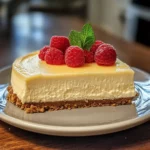
Gluten-Free Cheesecake recipe
Ingredients
- For the Crust: The gluten-free foundation of deliciousness! A traditional graham cracker crust is off-limits for gluten-free baking, but thankfully, there are fantastic alternatives that deliver equally delightful flavor and texture.
- Almond Flour: Our star ingredient for a naturally gluten-free and flavorful crust! Almond flour, made from finely ground almonds, provides a buttery, slightly nutty flavor and a tender crumb that mimics the texture of a graham cracker crust beautifully. It’s naturally gluten-free, readily available, and adds a wonderful richness to the cheesecake base. Blanched almond flour, which has the skins removed, is preferred for a smoother texture and lighter color.
- Gluten-Free Graham Crackers (Certified): If you prefer a more traditional graham cracker flavor, you can use certified gluten-free graham crackers. Many brands now offer gluten-free versions that are specifically made to taste and crumble like regular graham crackers. Ensure they are certified gluten-free to avoid cross-contamination. When using gluten-free graham crackers, simply crush them into fine crumbs using a food processor or by placing them in a zip-top bag and rolling with a rolling pin.
- Gluten-Free Cookie Crumbs (e.g., Shortbread, Vanilla Wafers): For a sweeter and slightly different flavor profile, you can use gluten-free cookie crumbs as a crust base. Gluten-free shortbread cookies or vanilla wafers, when crushed, make a lovely and flavorful crust. Again, ensure they are certified gluten-free.
- Melted Butter: The binding agent and flavor enhancer for the crust! Melted unsalted butter binds the almond flour (or gluten-free crumbs) together, creating a cohesive and flavorful crust. The butter adds richness, helps the crust crisp up slightly during baking, and contributes to its overall deliciousness. Unsalted butter is preferred to control the salt content.
- Granulated Sugar: Adding a touch of sweetness to the crust! Granulated sugar provides a subtle sweetness that balances the richness of the butter and the nutty flavor of the almond flour (or gluten-free crumbs). It also helps the crust to caramelize slightly during baking.
- Optional Spices (Cinnamon, Nutmeg): Enhance the crust flavor with a hint of spice! A pinch of ground cinnamon or nutmeg can add warmth and complexity to the gluten-free crust, especially when using almond flour or gluten-free graham crackers. These spices complement the cheesecake filling beautifully.
- For the Filling: The creamy, tangy, and decadent heart of the cheesecake! The filling is where the magic truly happens, creating that signature cheesecake texture and flavor.
- Cream Cheese (Full-Fat, Block Style): The star of the cheesecake filling! Full-fat, block-style cream cheese is absolutely essential for achieving that rich, creamy, and tangy cheesecake texture. Reduced-fat or whipped cream cheese will not provide the same richness and density. Ensure you use block-style cream cheese, not cream cheese spread in a tub. Philadelphia brand is a widely available and reliable choice.
- Sour Cream (Full-Fat): Adding tanginess and moisture to the filling! Full-fat sour cream contributes to the signature tangy flavor of cheesecake and also adds moisture, preventing the cheesecake from becoming too dry. Full-fat sour cream is preferred for its richer flavor and creamier texture.
- Granulated Sugar: Sweetening the cheesecake filling! Granulated sugar provides the primary sweetness to the cheesecake filling, balancing the tanginess of the cream cheese and sour cream. The amount of sugar is carefully balanced to create a cheesecake that is sweet but not overly sugary.
- Eggs: Binding and enriching the filling! Eggs are crucial for binding the cheesecake filling together, providing structure, richness, and a smooth texture. They help the cheesecake set properly during baking and contribute to its overall creamy consistency. Use large eggs for best results.
- Egg Yolks (Optional, for extra richness): For an even richer and more decadent cheesecake filling, you can add extra egg yolks. Egg yolks are high in fat and lecithin, which contribute to a smoother, creamier, and more luxurious texture. Adding a few extra egg yolks will elevate the richness of the cheesecake.
- Vanilla Extract: Enhancing the flavor profile! Vanilla extract enhances the overall flavor of the cheesecake, adding warmth, depth, and a classic cheesecake aroma. Use pure vanilla extract for the best flavor. Vanilla bean paste can also be used for a more intense vanilla flavor and visual appeal (vanilla bean specks).
- Lemon Juice (Freshly Squeezed): Adding brightness and tanginess! Freshly squeezed lemon juice is essential for balancing the richness of the cream cheese and adding a bright, tangy note that is characteristic of cheesecake. Fresh lemon juice is preferred over bottled lemon juice for its fresher and brighter flavor.
- Optional Flavorings (Lemon Zest, Almond Extract, etc.): Customize your cheesecake flavor! You can customize the flavor of your gluten-free cheesecake by adding other flavorings to the filling. Lemon zest will intensify the lemon flavor, almond extract will add a subtle nutty note, and other extracts like orange, or peppermint can create unique flavor variations.
- For the Topping (Optional): Adding visual appeal and extra flavor! While a plain gluten-free cheesecake is delicious on its own, toppings can enhance both its appearance and taste.
- Sour Cream Topping (Classic): A classic cheesecake topping made with sour cream, sugar, and vanilla extract. A sour cream topping adds a smooth, tangy layer that complements the richness of the cheesecake and creates a beautiful contrast in color and texture.
- Fruit Topping (Berries, Cherry Pie Filling, etc.): Fresh berries (strawberries, raspberries, blueberries), cherry pie filling, or other fruit compotes make delightful and colorful toppings for gluten-free cheesecake. Fruit toppings add sweetness, freshness, and visual appeal.
- Chocolate Ganache: For chocolate lovers, a smooth chocolate ganache topping is a decadent and indulgent option. Chocolate ganache adds richness, sweetness, and a beautiful glossy finish.
- Caramel Sauce: Caramel sauce adds a buttery, sweet, and slightly salty element that pairs wonderfully with cheesecake. Drizzle caramel sauce over the cheesecake for a simple yet elegant topping.
- Whipped Cream: A simple and classic topping! Whipped cream adds lightness, sweetness, and a beautiful cloud-like texture to the cheesecake.
Instructions
- Prepare the Crust: Preheat oven to 350°F (175°C). In a medium bowl, combine almond flour (or gluten-free graham cracker/cookie crumbs), melted butter, and granulated sugar (and optional spices, if using). Mix until evenly moistened and crumbly.
- Press Crust into Pan: Press the crumb mixture firmly into the bottom of a 9-inch springform pan. You can use the bottom of a measuring cup or your fingers to create an even and compact crust layer. For a slightly higher crust edge, press some of the mixture up the sides of the pan, about an inch high.
- Bake Crust (Optional): For a slightly firmer and more flavorful crust, bake the crust in the preheated oven for 8-10 minutes. This step is optional but recommended. Remove from oven and let cool slightly while you prepare the filling.
- Prepare Cheesecake Filling: In a large bowl, using an electric mixer (stand mixer or hand mixer), beat the softened cream cheese until smooth and creamy. Ensure the cream cheese is truly softened to avoid lumps in the filling.
- Add Sugar and Sour Cream: Gradually add the granulated sugar to the cream cheese, beating until smooth and well combined. Scrape down the sides of the bowl as needed. Beat in the sour cream until smooth and incorporated.
- Incorporate Eggs and Egg Yolks (if using): Beat in the eggs one at a time, followed by the egg yolks (if using), mixing until just combined after each addition. Be careful not to overmix at this stage, as overmixing can incorporate too much air and cause the cheesecake to crack during baking.
- Add Flavorings: Stir in the vanilla extract and freshly squeezed lemon juice (and any other optional flavorings, like lemon zest or almond extract) until evenly distributed throughout the filling.
- Pour Filling into Crust: Pour the cheesecake filling evenly over the prepared crust in the springform pan. Smooth the top surface with a spatula.
- Bake in Water Bath (Recommended): To prevent cracking and ensure even baking, a water bath is highly recommended. Wrap the bottom of the springform pan tightly with heavy-duty aluminum foil to prevent water from seeping in. Place the wrapped springform pan inside a larger roasting pan. Pour hot water into the roasting pan, reaching about halfway up the sides of the springform pan.
- Bake Cheesecake: Carefully place the roasting pan with the cheesecake and water bath in the preheated oven. Bake for 60-75 minutes, or until the cheesecake is set around the edges but still slightly jiggly in the center. The exact baking time may vary depending on your oven. The cheesecake should be lightly golden around the edges.
- Cool Gradually: Turn off the oven and leave the cheesecake in the oven with the door slightly ajar for 1 hour. This gradual cooling process helps prevent cracking. After 1 hour, remove the cheesecake from the oven and water bath. Let it cool completely on a wire rack at room temperature.
- Chill Thoroughly: Once completely cooled at room temperature, cover the cheesecake with plastic wrap and chill in the refrigerator for at least 6 hours, or preferably overnight. Chilling is essential for the cheesecake to fully set and develop its best flavor and texture.
- Prepare Topping (Optional): While the cheesecake is chilling, prepare your desired topping (sour cream topping, fruit topping, chocolate ganache, etc.), if using.
- Serve and Enjoy: Before serving, carefully remove the sides of the springform pan. Slice and serve chilled. Top with your prepared topping, if desired.
Nutrition
- Serving Size: one normal portion
- Calories: 350-450
- Sugar: 20-25 grams
- Sodium: 200-300 mg
- Fat: 25-35 grams
- Saturated Fat: 15-20 grams
- Unsaturated Fat: 8-12 grams
- Carbohydrates: 25-35 grams
- Fiber: 1-2 grams
- Protein: 6-8 grams
- Cholesterol: 150-200 mg