
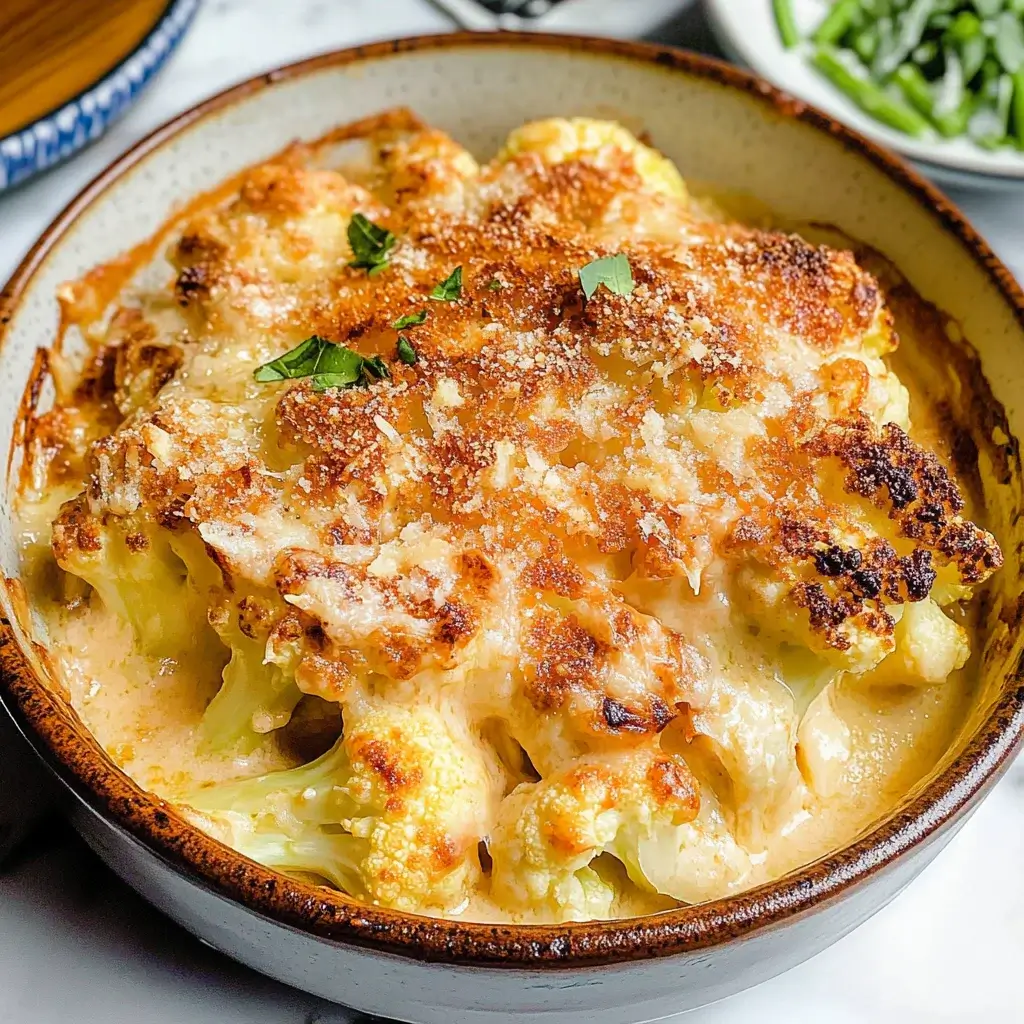
It’s funny how dietary needs can sometimes lead to the most delicious discoveries. Being gluten-free in a world of wheat-based comfort food can feel limiting, but it’s truly pushed me to explore incredibly flavorful alternatives. Cauliflower cheese was always a classic in our household, a creamy, cheesy hug on a plate. But when I went gluten-free, I wondered if I’d have to say goodbye to this beloved dish. Thankfully, the answer was a resounding NO! This Gluten-Free Cauliflower Cheese recipe is even better than the traditional version, in my opinion. It’s just as rich, decadent, and comforting, but without any gluten, making it accessible and enjoyable for everyone. The creamy, cheesy sauce coats perfectly tender cauliflower florets, and the bubbly, golden topping adds a delightful crunch. Honestly, no one in my family can even tell it’s gluten-free, and that’s the ultimate compliment! It’s become a staple side dish at our Sunday roasts and a comforting main course on colder evenings. If you’re looking for a gluten-free comfort food that’s both easy to make and utterly irresistible, you’ve found it. Get ready to fall in love with gluten-free cauliflower cheese all over again!
Ingredients for Delicious Gluten-Free Cauliflower Cheese
Crafting the perfect Gluten-Free Cauliflower Cheese starts with selecting high-quality, gluten-free ingredients. This recipe focuses on creating a creamy, flavorful sauce without relying on wheat-based thickeners. Here’s a detailed breakdown of what you’ll need, along with gluten-free considerations and potential substitutions:
- Cauliflower: 1 large head of cauliflower (approximately 1.2-1.5 kg or 2.5-3 lbs). Fresh cauliflower is the star of the show! Choose a firm, white head of cauliflower with tightly closed florets. Avoid cauliflower with brown spots or a loose, floppy texture, as this indicates it’s past its prime. You can also use pre-cut cauliflower florets to save time, but ensure they are fresh and have not started to dry out. Using fresh cauliflower will give the best flavor and texture to your dish.
- Gluten-Free Flour Blend: ¼ cup of gluten-free all-purpose flour blend. This is the key to creating a roux (the base of our creamy sauce) without wheat flour. Ensure your gluten-free flour blend is a good quality, all-purpose mix that contains a blend of flours like rice flour, tapioca starch, potato starch, and possibly xanthan gum (or guar gum). Xanthan gum or guar gum is important for binding and providing structure in gluten-free baking and sauces. Different gluten-free flour blends can vary in texture and taste, so use a brand you trust and have used successfully before. Brands like Bob’s Red Mill Gluten Free 1-to-1 Baking Flour, King Arthur Gluten-Free Measure for Measure Flour, or Cup4Cup are popular and reliable choices.
- Butter: ¼ cup (½ stick or 57g) of unsalted butter. Butter is crucial for creating a rich and flavorful roux, and it adds a lovely buttery taste to the sauce. Unsalted butter is preferred as it allows you to control the overall salt level of the dish. If you only have salted butter, you can use it, but reduce the amount of added salt later in the recipe. For a dairy-free or vegan option, you can substitute with a good quality vegan butter alternative, but be aware that this may slightly alter the flavor profile.
- Milk: 3 cups of whole milk. Whole milk provides the best richness and creaminess for the cheese sauce. However, you can use 2% milk or semi-skimmed milk if you prefer a slightly lighter sauce. For a dairy-free or vegan option, you can substitute with unsweetened plant-based milk alternatives like almond milk, soy milk, oat milk, or cashew milk. Oat milk and cashew milk tend to be creamier and work particularly well in cheese sauces. Avoid using rice milk, as it can be quite thin and may not provide the desired creamy texture.
- Heavy Cream (Double Cream): ½ cup of heavy cream (double cream). Heavy cream adds extra richness and luxuriousness to the cheese sauce. It helps to create a velvety smooth texture and a deeper flavor. You can omit the heavy cream for a slightly lighter sauce, or substitute with more whole milk or half-and-half (single cream). For a dairy-free option, you can use full-fat coconut milk (the thick creamy part from the top of a chilled can) or a plant-based heavy cream alternative, although these might slightly alter the flavor.
- Cheddar Cheese: 2 cups of grated mature cheddar cheese. Cheddar cheese is the classic choice for cauliflower cheese, providing a sharp, savory, and cheesy flavor. Mature or sharp cheddar cheese will give the most intense flavor. You can use a mix of cheddar cheeses, such as a combination of mild and mature cheddar, or even add a touch of extra-sharp cheddar for a bolder taste. Pre-grated cheese can be used for convenience, but freshly grated cheese generally melts more smoothly and has a better texture.
- Parmesan Cheese: ½ cup of grated Parmesan cheese. Parmesan cheese adds a salty, umami-rich, and nutty flavor that complements the cheddar beautifully. Freshly grated Parmesan cheese is highly recommended for the best flavor and melting quality. You can use pre-grated Parmesan, but it may not melt as smoothly. For a vegetarian version, ensure you are using a vegetarian Parmesan cheese, as traditional Parmesan is made with animal rennet. For a vegan version, nutritional yeast can be used to mimic some of the cheesy, umami flavor, although it won’t replicate the texture of Parmesan.
- Dijon Mustard: 1 teaspoon of Dijon mustard. Dijon mustard adds a subtle tang and depth of flavor to the cheese sauce. It helps to balance the richness of the cheese and butter. Dijon mustard is naturally gluten-free, but always check the label to be certain, especially if you have celiac disease or severe gluten sensitivity.
- Nutmeg: ¼ teaspoon of ground nutmeg. Nutmeg adds a warm, slightly sweet, and aromatic spice that enhances the flavors of the cheese sauce. Freshly grated nutmeg is ideal for the most intense flavor, but ground nutmeg works well too. Use it sparingly, as it can be overpowering if too much is added.
- Salt: 1 teaspoon, or to taste. Salt is essential for seasoning and enhancing the flavors of all the ingredients, especially the cheese and cauliflower. Start with 1 teaspoon and adjust to your preference, tasting as you go. Kosher salt or sea salt are preferred for their pure taste.
- Black Pepper: ½ teaspoon, freshly ground, or to taste. Freshly ground black pepper adds a pungent and aromatic spice that complements the other flavors. Adjust the amount to your liking. White pepper can also be used for a milder peppery flavor.
- Optional Topping (Gluten-Free Breadcrumbs): ½ cup of gluten-free breadcrumbs (optional). Gluten-free breadcrumbs can be sprinkled over the top of the cauliflower cheese before baking to create a crispy, golden crust. Ensure you are using certified gluten-free breadcrumbs. You can make your own by toasting gluten-free bread and then pulsing it in a food processor, or you can purchase pre-made gluten-free breadcrumbs. For a dairy-free and vegan option, you can use toasted gluten-free panko breadcrumbs or crushed gluten-free crackers.
This detailed ingredient list ensures you have everything you need to create a truly delicious and satisfying Gluten-Free Cauliflower Cheese. Remember to double-check labels to ensure all ingredients are certified gluten-free if necessary, and feel free to adjust cheese types and seasonings to your personal preferences.
Instructions: Making Gluten-Free Cauliflower Cheese Step-by-Step
Follow these step-by-step instructions to create your perfect Gluten-Free Cauliflower Cheese. Each step is designed to be clear and easy to follow, ensuring even beginner cooks can achieve creamy, cheesy perfection.
- Preheat Oven and Prepare Cauliflower: Preheat your oven to 375°F (190°C). While the oven is preheating, prepare the cauliflower. Wash the cauliflower head thoroughly and remove the outer leaves. Cut the cauliflower into florets of roughly equal size. Larger florets will take longer to cook, so aim for bite-sized pieces for even cooking.
- Cook the Cauliflower: There are several ways to cook the cauliflower before adding it to the cheese sauce. Choose your preferred method:
- Boiling: Place the cauliflower florets in a large pot and cover with cold water. Add a pinch of salt. Bring to a boil and cook for 5-7 minutes, or until the cauliflower is tender-crisp. It should be slightly softened but still have a little bite. Drain the cauliflower thoroughly in a colander. Be careful not to overcook it, as it will become mushy in the oven.
- Steaming: Steam the cauliflower florets over boiling water for 8-10 minutes, or until tender-crisp. Steaming helps retain more nutrients and flavor compared to boiling.
- Roasting (Optional for deeper flavor): Toss the cauliflower florets with a drizzle of olive oil, salt, and pepper. Spread them in a single layer on a baking sheet and roast in the preheated oven for 15-20 minutes, or until lightly tender and slightly browned. Roasting adds a lovely roasted flavor to the cauliflower, which complements the cheese sauce beautifully. If roasting, you may need to slightly reduce the baking time for the finished cauliflower cheese later.
- Make the Gluten-Free Roux: While the cauliflower is cooking, prepare the gluten-free roux, which is the base of the cheese sauce. In a medium saucepan, melt the butter over medium heat. Once the butter is melted and slightly foamy, sprinkle in the gluten-free flour blend. Whisk continuously and vigorously for 1-2 minutes. This cooks out the raw flour taste and creates a smooth roux. The mixture will become slightly thickened and fragrant. It’s important to whisk constantly to prevent lumps from forming and to ensure the roux is smooth.
- Gradually Add Milk: Gradually pour in the milk, about ½ cup at a time, whisking continuously after each addition until smooth. This gradual addition of milk is crucial for preventing lumps and creating a smooth, creamy sauce. Continue whisking until all the milk is incorporated and the sauce starts to thicken slightly.
- Simmer and Thicken the Sauce: Reduce the heat to low and simmer the sauce gently for 5-7 minutes, stirring occasionally, until it thickens to a smooth, creamy consistency that coats the back of a spoon. Simmering allows the sauce to thicken properly and the flavors to meld together. If the sauce becomes too thick, you can add a splash more milk to thin it out to your desired consistency.
- Add Cheese and Seasonings: Remove the saucepan from the heat. Stir in the grated cheddar cheese and Parmesan cheese, Dijon mustard, nutmeg, salt, and black pepper. Stir until all the cheese is melted and the sauce is smooth and cheesy. Taste the sauce and adjust seasonings as needed. You may want to add more salt, pepper, or mustard to taste.
- Combine Cauliflower and Sauce: Gently fold the cooked cauliflower florets into the cheese sauce, ensuring they are evenly coated. Be careful not to break up the cauliflower too much.
- Transfer to Baking Dish and Bake: Pour the cauliflower and cheese sauce mixture into a greased or oven-safe baking dish (approximately 9×13 inch or similar size). Spread it out evenly in the dish.
- Add Optional Topping (Gluten-Free Breadcrumbs): If using gluten-free breadcrumbs, sprinkle them evenly over the top of the cauliflower cheese. This will create a golden, crispy topping during baking.
- Bake Until Golden and Bubbly: Bake in the preheated oven for 20-25 minutes, or until the top is golden brown and bubbly, and the sauce is heated through and bubbling around the edges. The baking time may vary slightly depending on your oven and the depth of the baking dish.
- Rest and Serve: Remove the Gluten-Free Cauliflower Cheese from the oven and let it rest for a few minutes before serving. This allows the sauce to set slightly and makes it easier to serve. Serve hot and enjoy!
Following these detailed instructions will guide you through each step of creating a perfect Gluten-Free Cauliflower Cheese, from preparing the cauliflower and making the gluten-free roux to baking it to golden, cheesy perfection. Enjoy this comforting and delicious dish!
Nutrition Facts: Gluten-Free Cauliflower Cheese – A Cheesy Breakdown
Gluten-Free Cauliflower Cheese is a comforting and flavorful dish that provides a good source of vegetables and calcium, but it’s also rich and calorie-dense due to the cheese and butter. Here’s a general overview of the nutritional information. Please note that these values are estimates and can vary based on specific ingredients used, brands, serving sizes, and milk/cheese fat content.
Servings: 6-8 servings
Estimated Calories per Serving: Approximately 400-550 calories per serving
Approximate Nutritional Breakdown per Serving (based on estimates and standard ingredients):
- Calories: 400-550 kcal
- Total Fat: 30-40g
- Saturated Fat: 18-25g (primarily from butter and cheese)
- Unsaturated Fat: 8-15g
- Cholesterol: 100-150mg
- Sodium: 500-700mg (can vary significantly based on cheese type and added salt)
- Total Carbohydrates: 15-20g
- Dietary Fiber: 5-7g
- Sugars: 5-8g (naturally occurring from cauliflower and milk)
- Protein: 15-20g
Key Nutritional Highlights:
- Good Source of Vegetables: Cauliflower is a cruciferous vegetable rich in vitamins (especially Vitamin C and Vitamin K), minerals, and antioxidants. It’s also a good source of fiber.
- Excellent Source of Calcium: Cheese is a significant source of calcium, which is essential for bone health.
- Moderate Protein: Cheese and milk contribute to the protein content, making it a somewhat satisfying dish.
- Source of Healthy Fats (Unsaturated): While it contains saturated fat, there are also unsaturated fats present in dairy products.
- Gluten-Free: This recipe is designed to be completely gluten-free, making it suitable for those with celiac disease or gluten intolerance.
Important Considerations:
- High in Fat and Calories: Due to the butter, cheese, and cream, this dish is relatively high in fat and calories. Portion control is important, especially if you are watching your calorie or fat intake.
- Saturated Fat Content: Saturated fat content is significant due to the dairy ingredients. If you are concerned about saturated fat, you can use reduced-fat cheese and milk options, although this will affect the creaminess and flavor.
- Sodium Content: Cheese is naturally salty, and added salt in the recipe can contribute to a moderate sodium level. If you are watching your sodium intake, you can use reduced-sodium cheese or adjust the amount of added salt.
- Customization for Healthier Options:
- Reduced-Fat Cheese and Milk: Using reduced-fat cheddar cheese, Parmesan cheese, and 2% milk can significantly reduce the fat and calorie content.
- Increase Cauliflower: Increasing the amount of cauliflower relative to the cheese sauce can make it more vegetable-heavy and slightly lower in calories per serving.
- Whole Wheat Gluten-Free Flour: If you can find a gluten-free flour blend that is higher in whole grains, it can slightly increase the fiber content.
- Portion Control: Be mindful of serving sizes to manage calorie intake.
Disclaimer: These nutritional facts are estimates for informational purposes only. For precise nutritional information, you should use a nutrition calculator and input the exact brands and quantities of ingredients you use. Consult with a nutritionist or dietitian for personalized dietary advice.
Preparation Time: Getting Gluten-Free Cauliflower Cheese Ready
Gluten-Free Cauliflower Cheese is a relatively straightforward dish to prepare, making it a great option for both weeknight meals and weekend gatherings. Here’s a breakdown of the estimated times:
- Prep Time: 20-25 minutes
- This includes washing and cutting the cauliflower into florets.
- Measuring out all ingredients (gluten-free flour, butter, milk, cream, cheeses, seasonings).
- Preheating the oven.
- Grating cheese if using blocks of cheese.
- Cook Time (Cauliflower): 5-10 minutes (boiling or steaming) or 15-20 minutes (roasting)
- This depends on the chosen method for pre-cooking the cauliflower. Boiling and steaming are quicker, while roasting adds flavor but takes longer.
- Cook Time (Cheese Sauce): 10-15 minutes
- Making the gluten-free roux and simmering the cheese sauce until thickened.
- Bake Time: 20-25 minutes
- Baking the assembled cauliflower cheese in the oven until golden and bubbly.
- Resting Time: 5-10 minutes
- Allowing the dish to rest slightly before serving.
Total Estimated Time: Approximately 1 hour to 1 hour 15 minutes (depending on cauliflower cooking method)
Time-Saving Tips:
- Pre-Cut Cauliflower: Using pre-cut cauliflower florets from the grocery store can save you about 5-10 minutes of prep time.
- Pre-Grated Cheese: Using pre-grated cheese is convenient and saves a few minutes, although freshly grated cheese generally melts better and has a better flavor.
- Cook Cauliflower While Making Sauce: You can start cooking the cauliflower (boiling or steaming) while you are simultaneously preparing the cheese sauce to maximize efficiency.
- Make Sauce Ahead: You can prepare the cheese sauce a day ahead of time and store it in the refrigerator. This will significantly reduce the preparation time on the day you want to bake the cauliflower cheese. Just reheat the sauce gently before combining it with the cauliflower and baking.
Planning Ahead:
- Morning Prep: You can chop the cauliflower and grate the cheese in the morning or the day before and store them in airtight containers in the refrigerator.
- Weekend Baking: Gluten-Free Cauliflower Cheese is a great dish to prepare on the weekend when you have more time. You can bake it in the morning and enjoy it for lunch or dinner, or prepare it for a Sunday roast.
While the total time might seem a bit lengthy, much of it is hands-off cooking and baking time. The active preparation time is around 30-40 minutes, which is manageable for a satisfying and comforting dish. The delicious results are well worth the effort!
How to Serve Gluten-Free Cauliflower Cheese: Serving Suggestions
Gluten-Free Cauliflower Cheese is a wonderfully versatile dish that can be served in various ways, making it perfect for different meals and occasions. Here are some serving suggestions to help you enjoy it to its fullest:
- As a Classic Side Dish:
- Sunday Roast: Serve Gluten-Free Cauliflower Cheese as a traditional side dish alongside a Sunday roast dinner. It pairs beautifully with roasted meats like beef, chicken, lamb, or pork, as well as vegetarian roasts.
- Weeknight Dinner Side: Accompany simpler weeknight meals like grilled chicken, baked fish, sausages, or lentil loaf with a generous serving of cauliflower cheese.
- Vegetarian Main Meal Side: When serving a vegetarian main course, cauliflower cheese can act as a substantial and flavorful side that adds richness and comfort to the meal.
- As a Vegetarian Main Course:
- Hearty Vegetarian Meal: Serve a larger portion of Gluten-Free Cauliflower Cheese as a satisfying vegetarian main course, especially for lunch or a lighter dinner.
- Pair with Salad and Bread (Gluten-Free): Make it a complete meal by serving it with a fresh green salad and some crusty gluten-free bread or rolls for dipping into the cheesy sauce.
- Jacket Potatoes: Serve a scoop of cauliflower cheese on top of baked jacket potatoes for a comforting and filling vegetarian meal.
- Elevate it with Additions:
- Ham or Bacon: For a non-vegetarian twist, stir in cooked and diced ham or crispy bacon pieces into the cauliflower cheese before baking. This adds a smoky, savory element.
- Leeks or Onions: Sauté sliced leeks or onions and add them to the cauliflower cheese mixture for extra flavor and texture.
- Broccoli or Other Vegetables: Mix in other cooked vegetables like broccoli florets, peas, or green beans along with the cauliflower for a more vegetable-rich dish.
- Spice it Up: Add a pinch of chili flakes or a dash of hot sauce to the cheese sauce for a subtle kick of heat.
- Herbs: Stir in fresh herbs like chopped parsley, chives, or thyme into the sauce or sprinkle them on top before serving for added freshness and aroma.
- Serving Temperature and Presentation:
- Serve Hot: Gluten-Free Cauliflower Cheese is best served hot, right out of the oven. The cheese sauce is at its creamiest and the topping is perfectly golden.
- Garnish: Garnish with a sprinkle of fresh parsley or chives before serving for a touch of color and freshness. A dusting of extra grated Parmesan cheese can also enhance the presentation.
- Individual Portions: For a more elegant presentation, bake the cauliflower cheese in individual ramekins or small oven-safe dishes.
- Accompaniments:
- Pickles or Relish: Serve with a side of pickles, chutney, or relish to cut through the richness of the cheese and add a tangy contrast.
- Crusty Bread (Gluten-Free): Offer slices of crusty gluten-free bread for scooping up the cheesy cauliflower.
- Green Salad: A simple green salad with a light vinaigrette dressing provides a refreshing balance to the richness of the cauliflower cheese.
By considering these serving suggestions, you can present and enjoy your Gluten-Free Cauliflower Cheese in a variety of ways, making it a versatile and appreciated dish for any meal or occasion. It’s a comforting classic made accessible and delicious for everyone, regardless of dietary needs.
Additional Tips for Perfect Gluten-Free Cauliflower Cheese: Expert Advice
To ensure your Gluten-Free Cauliflower Cheese is a resounding success every time, here are five additional tips and expert advice to keep in mind:
- Don’t Overcook the Cauliflower: The texture of the cauliflower is key to a great cauliflower cheese. Overcooked cauliflower will become mushy and unpleasant. Aim for tender-crisp cauliflower that still has a slight bite. Whether you boil, steam, or roast it, monitor it closely and remove it from the heat as soon as it’s just tender. Remember, it will continue to cook slightly in the oven with the cheese sauce. Slightly undercooked cauliflower is preferable to overcooked, as it will soften further during baking.
- Use a Good Quality Gluten-Free Flour Blend: The success of your gluten-free cheese sauce heavily relies on the quality of your gluten-free flour blend. Choose a reputable brand that is specifically designed for all-purpose baking and sauce-making. Avoid using single gluten-free flours like just rice flour or just potato starch, as they may not provide the right texture and binding. A blend that includes xanthan gum or guar gum is usually best for achieving a smooth, non-gritty sauce. Experiment with different brands to find one you prefer, but starting with well-known brands like Bob’s Red Mill or King Arthur is recommended.
- Make a Smooth Roux – Whisk Vigorously: The roux is the foundation of your creamy cheese sauce, and a smooth roux is essential for a lump-free sauce. When making the roux, whisk the gluten-free flour and melted butter together continuously and vigorously for the full 1-2 minutes. This cooks out the raw flour taste and creates a smooth base. When adding the milk, pour it in gradually, whisking constantly after each addition to ensure it’s fully incorporated and smooth before adding more. Patience and consistent whisking are key to a silky smooth sauce.
- Use a Variety of Cheeses for Depth of Flavor: While cheddar is classic, using a combination of cheeses elevates the flavor profile of your cauliflower cheese. Cheddar provides a sharp, savory base, while Parmesan adds saltiness and umami. Consider adding a touch of Gruyère for nuttiness, Red Leicester for a richer color and slightly sweeter flavor, or even a little bit of smoked cheese for a smoky depth. Experiment with different cheese combinations to find your perfect blend. Freshly grated cheese also melts more smoothly and has a better flavor than pre-grated cheese.
- Bake to Golden Perfection, but Don’t Overbake: Baking the cauliflower cheese in the oven is crucial for melting the cheese, melding the flavors, and creating a bubbly, golden topping. Bake it until the top is nicely golden brown and the sauce is bubbling around the edges. However, be careful not to overbake it, as the cheese sauce can become oily or split if baked for too long at too high a temperature. Once it reaches a golden brown color and is heated through, it’s ready to come out of the oven. Overbaking can also dry out the cauliflower.
By following these expert tips in addition to the recipe instructions, you will be well on your way to creating a truly exceptional Gluten-Free Cauliflower Cheese that is creamy, cheesy, flavorful, and perfectly textured every time!
Frequently Asked Questions (FAQ) about Gluten-Free Cauliflower Cheese
Here are 5 frequently asked questions about making Gluten-Free Cauliflower Cheese, along with detailed answers to help you troubleshoot and perfect your recipe:
Q1: Can I make Gluten-Free Cauliflower Cheese dairy-free or vegan?
A: Yes, you can definitely adapt this recipe to be dairy-free and vegan! The key substitutions are for the butter, milk, cream, and cheese. For butter, use a good quality vegan butter alternative. For milk and cream, use unsweetened plant-based milk alternatives like oat milk, cashew milk, or full-fat coconut milk (for extra richness). Oat milk and cashew milk are particularly good for creamy sauces. For cheese, use vegan cheddar-style and Parmesan-style cheese shreds. There are many brands of vegan cheese available now, and the quality has improved significantly. Nutritional yeast can also be added to the sauce for extra cheesy, umami flavor. When making a vegan roux with vegan butter and plant-based milk, the process is similar to a traditional roux. Taste and adjust seasonings as needed, as vegan cheeses may have slightly different flavor profiles than dairy cheeses.
Q2: My gluten-free cheese sauce is lumpy – how can I fix it?
A: Lumpy cheese sauce is a common issue, but it can usually be fixed! The most common cause of lumps is adding milk too quickly to the roux or not whisking vigorously enough. If your sauce is lumpy, the first step is to try whisking it vigorously over low heat. Sometimes, this can smooth out small lumps. If whisking doesn’t work, you can use an immersion blender or transfer the sauce to a regular blender (being careful with hot liquids!) and blend until smooth. Then, return the sauce to the saucepan and continue simmering it gently to thicken. To prevent lumps in the first place, remember to make a smooth roux by whisking the gluten-free flour and butter thoroughly, and add the milk gradually, whisking constantly after each addition until smooth.
Q3: Can I prepare Gluten-Free Cauliflower Cheese ahead of time?
A: Yes, Gluten-Free Cauliflower Cheese is a great dish to prepare in advance. You can assemble the entire dish (cooked cauliflower and cheese sauce in the baking dish, with or without topping) up to 24 hours ahead of time. Cover it tightly with plastic wrap and store it in the refrigerator. When you are ready to bake, remove it from the refrigerator about 30 minutes before baking to take off the chill. Then, bake as directed in the recipe, you may need to add a few extra minutes to the baking time if it’s very cold. Alternatively, you can just prepare the cheese sauce ahead of time (up to 2-3 days) and store it in the refrigerator. When ready to assemble, reheat the sauce gently on the stovetop, cook the cauliflower, and then combine and bake as instructed. Freshly baked cauliflower cheese is always best, but preparing it ahead of time is a convenient option for meal planning or entertaining.
Q4: Can I freeze Gluten-Free Cauliflower Cheese?
A: While you can freeze Gluten-Free Cauliflower Cheese, the texture may change slightly upon thawing and reheating. Dairy-based sauces can sometimes become slightly grainy after freezing and thawing. However, it is still possible to freeze it successfully. Let the baked cauliflower cheese cool completely, then cut it into portions and wrap them tightly in plastic wrap, followed by aluminum foil, or place them in airtight freezer-safe containers. Freeze for up to 2-3 months. To reheat, thaw in the refrigerator overnight, then reheat in a preheated oven at 350°F (175°C) until heated through and bubbly. You may need to add a splash of milk or cream when reheating to restore some of the creamy texture. Freezing is best for leftovers, but for the best texture, freshly made is always recommended.
Q5: What are some variations I can try with this Gluten-Free Cauliflower Cheese recipe?
A: There are many delicious variations you can try to customize your Gluten-Free Cauliflower Cheese! Here are a few ideas:
* Smoked Cheese: Use smoked cheddar or smoked Gruyère cheese for a smoky flavor.
* Spicy Cauliflower Cheese: Add a pinch of chili flakes, cayenne pepper, or a dash of hot sauce to the cheese sauce for a spicy kick.
* Garlic Cauliflower Cheese: Roast the cauliflower with garlic cloves for a roasted garlic flavor, or add roasted garlic puree to the cheese sauce.
* Herbaceous Cauliflower Cheese: Stir in fresh herbs like chopped thyme, rosemary, or sage into the cheese sauce for an herby aroma.
* Vegetable Medley: Add other cooked vegetables like broccoli, peas, carrots, or leeks to create a vegetable medley cauliflower cheese.
* Breadcrumb Topping Variations: Use gluten-free panko breadcrumbs for extra crispiness, or mix the breadcrumbs with grated Parmesan cheese, herbs, or melted butter for added flavor and texture.
These FAQs and answers should help you navigate any questions or challenges you might encounter while making Gluten-Free Cauliflower Cheese, ensuring you achieve delicious and satisfying results every time! Enjoy experimenting with this classic dish!
Print
Gluten Free Cauliflower Cheese recipe
Ingredients
-
- Cauliflower: 1 large head of cauliflower (approximately 1.2-1.5 kg or 2.5-3 lbs). Fresh cauliflower is the star of the show! Choose a firm, white head of cauliflower with tightly closed florets. Avoid cauliflower with brown spots or a loose, floppy texture, as this indicates it’s past its prime. You can also use pre-cut cauliflower florets to save time, but ensure they are fresh and have not started to dry out. Using fresh cauliflower will give the best flavor and texture to your dish.
-
- Gluten-Free Flour Blend: ¼ cup of gluten-free all-purpose flour blend. This is the key to creating a roux (the base of our creamy sauce) without wheat flour. Ensure your gluten-free flour blend is a good quality, all-purpose mix that contains a blend of flours like rice flour, tapioca starch, potato starch, and possibly xanthan gum (or guar gum). Xanthan gum or guar gum is important for binding and providing structure in gluten-free baking and sauces. Different gluten-free flour blends can vary in texture and taste, so use a brand you trust and have used successfully before. Brands like Bob’s Red Mill Gluten Free 1-to-1 Baking Flour, King Arthur Gluten-Free Measure for Measure Flour, or Cup4Cup are popular and reliable choices.
-
- Butter: ¼ cup (½ stick or 57g) of unsalted butter. Butter is crucial for creating a rich and flavorful roux, and it adds a lovely buttery taste to the sauce. Unsalted butter is preferred as it allows you to control the overall salt level of the dish. If you only have salted butter, you can use it, but reduce the amount of added salt later in the recipe. For a dairy-free or vegan option, you can substitute with a good quality vegan butter alternative, but be aware that this may slightly alter the flavor profile.
-
- Milk: 3 cups of whole milk. Whole milk provides the best richness and creaminess for the cheese sauce. However, you can use 2% milk or semi-skimmed milk if you prefer a slightly lighter sauce. For a dairy-free or vegan option, you can substitute with unsweetened plant-based milk alternatives like almond milk, soy milk, oat milk, or cashew milk. Oat milk and cashew milk tend to be creamier and work particularly well in cheese sauces. Avoid using rice milk, as it can be quite thin and may not provide the desired creamy texture.
-
- Heavy Cream (Double Cream): ½ cup of heavy cream (double cream). Heavy cream adds extra richness and luxuriousness to the cheese sauce. It helps to create a velvety smooth texture and a deeper flavor. You can omit the heavy cream for a slightly lighter sauce, or substitute with more whole milk or half-and-half (single cream). For a dairy-free option, you can use full-fat coconut milk (the thick creamy part from the top of a chilled can) or a plant-based heavy cream alternative, although these might slightly alter the flavor.
-
- Cheddar Cheese: 2 cups of grated mature cheddar cheese. Cheddar cheese is the classic choice for cauliflower cheese, providing a sharp, savory, and cheesy flavor. Mature or sharp cheddar cheese will give the most intense flavor. You can use a mix of cheddar cheeses, such as a combination of mild and mature cheddar, or even add a touch of extra-sharp cheddar for a bolder taste. Pre-grated cheese can be used for convenience, but freshly grated cheese generally melts more smoothly and has a better texture.
-
- Parmesan Cheese: ½ cup of grated Parmesan cheese. Parmesan cheese adds a salty, umami-rich, and nutty flavor that complements the cheddar beautifully. Freshly grated Parmesan cheese is highly recommended for the best flavor and melting quality. You can use pre-grated Parmesan, but it may not melt as smoothly. For a vegetarian version, ensure you are using a vegetarian Parmesan cheese, as traditional Parmesan is made with animal rennet. For a vegan version, nutritional yeast can be used to mimic some of the cheesy, umami flavor, although it won’t replicate the texture of Parmesan.
-
- Dijon Mustard: 1 teaspoon of Dijon mustard. Dijon mustard adds a subtle tang and depth of flavor to the cheese sauce. It helps to balance the richness of the cheese and butter. Dijon mustard is naturally gluten-free, but always check the label to be certain, especially if you have celiac disease or severe gluten sensitivity.
-
- Nutmeg: ¼ teaspoon of ground nutmeg. Nutmeg adds a warm, slightly sweet, and aromatic spice that enhances the flavors of the cheese sauce. Freshly grated nutmeg is ideal for the most intense flavor, but ground nutmeg works well too. Use it sparingly, as it can be overpowering if too much is added.
-
- Salt: 1 teaspoon, or to taste. Salt is essential for seasoning and enhancing the flavors of all the ingredients, especially the cheese and cauliflower. Start with 1 teaspoon and adjust to your preference, tasting as you go. Kosher salt or sea salt are preferred for their pure taste.
-
- Black Pepper: ½ teaspoon, freshly ground, or to taste. Freshly ground black pepper adds a pungent and aromatic spice that complements the other flavors. Adjust the amount to your liking. White pepper can also be used for a milder peppery flavor.
-
- Optional Topping (Gluten-Free Breadcrumbs): ½ cup of gluten-free breadcrumbs (optional). Gluten-free breadcrumbs can be sprinkled over the top of the cauliflower cheese before baking to create a crispy, golden crust. Ensure you are using certified gluten-free breadcrumbs. You can make your own by toasting gluten-free bread and then pulsing it in a food processor, or you can purchase pre-made gluten-free breadcrumbs. For a dairy-free and vegan option, you can use toasted gluten-free panko breadcrumbs or crushed gluten-free crackers.
Instructions
-
- Preheat Oven and Prepare Cauliflower: Preheat your oven to 375°F (190°C). While the oven is preheating, prepare the cauliflower. Wash the cauliflower head thoroughly and remove the outer leaves. Cut the cauliflower into florets of roughly equal size. Larger florets will take longer to cook, so aim for bite-sized pieces for even cooking.
-
- Cook the Cauliflower: There are several ways to cook the cauliflower before adding it to the cheese sauce. Choose your preferred method:
-
- Boiling: Place the cauliflower florets in a large pot and cover with cold water. Add a pinch of salt. Bring to a boil and cook for 5-7 minutes, or until the cauliflower is tender-crisp. It should be slightly softened but still have a little bite. Drain the cauliflower thoroughly in a colander. Be careful not to overcook it, as it will become mushy in the oven.
-
- Steaming: Steam the cauliflower florets over boiling water for 8-10 minutes, or until tender-crisp. Steaming helps retain more nutrients and flavor compared to boiling.
-
- Roasting (Optional for deeper flavor): Toss the cauliflower florets with a drizzle of olive oil, salt, and pepper. Spread them in a single layer on a baking sheet and roast in the preheated oven for 15-20 minutes, or until lightly tender and slightly browned. Roasting adds a lovely roasted flavor to the cauliflower, which complements the cheese sauce beautifully. If roasting, you may need to slightly reduce the baking time for the finished cauliflower cheese later.
-
- Cook the Cauliflower: There are several ways to cook the cauliflower before adding it to the cheese sauce. Choose your preferred method:
-
- Make the Gluten-Free Roux: While the cauliflower is cooking, prepare the gluten-free roux, which is the base of the cheese sauce. In a medium saucepan, melt the butter over medium heat. Once the butter is melted and slightly foamy, sprinkle in the gluten-free flour blend. Whisk continuously and vigorously for 1-2 minutes. This cooks out the raw flour taste and creates a smooth roux. The mixture will become slightly thickened and fragrant. It’s important to whisk constantly to prevent lumps from forming and to ensure the roux is smooth.
-
- Gradually Add Milk: Gradually pour in the milk, about ½ cup at a time, whisking continuously after each addition until smooth. This gradual addition of milk is crucial for preventing lumps and creating a smooth, creamy sauce. Continue whisking until all the milk is incorporated and the sauce starts to thicken slightly.
-
- Simmer and Thicken the Sauce: Reduce the heat to low and simmer the sauce gently for 5-7 minutes, stirring occasionally, until it thickens to a smooth, creamy consistency that coats the back of a spoon. Simmering allows the sauce to thicken properly and the flavors to meld together. If the sauce becomes too thick, you can add a splash more milk to thin it out to your desired consistency.
-
- Add Cheese and Seasonings: Remove the saucepan from the heat. Stir in the grated cheddar cheese and Parmesan cheese, Dijon mustard, nutmeg, salt, and black pepper. Stir until all the cheese is melted and the sauce is smooth and cheesy. Taste the sauce and adjust seasonings as needed. You may want to add more salt, pepper, or mustard to taste.
-
- Combine Cauliflower and Sauce: Gently fold the cooked cauliflower florets into the cheese sauce, ensuring they are evenly coated. Be careful not to break up the cauliflower too much.
-
- Transfer to Baking Dish and Bake: Pour the cauliflower and cheese sauce mixture into a greased or oven-safe baking dish (approximately 9×13 inch or similar size). Spread it out evenly in the dish.
-
- Add Optional Topping (Gluten-Free Breadcrumbs): If using gluten-free breadcrumbs, sprinkle them evenly over the top of the cauliflower cheese. This will create a golden, crispy topping during baking.
-
- Bake Until Golden and Bubbly: Bake in the preheated oven for 20-25 minutes, or until the top is golden brown and bubbly, and the sauce is heated through and bubbling around the edges. The baking time may vary slightly depending on your oven and the depth of the baking dish.
-
- Rest and Serve: Remove the Gluten-Free Cauliflower Cheese from the oven and let it rest for a few minutes before serving. This allows the sauce to set slightly and makes it easier to serve. Serve hot and enjoy!
Nutrition
- Serving Size: one normal portion
- Calories: 400-550
- Sugar: 5-8g
- Sodium: 500-700mg
- Fat: 30-40g
- Saturated Fat: 18-25g
- Unsaturated Fat: 8-15g
- Carbohydrates: 15-20g
- Fiber: 5-7g
- Protein: 15-20g
- Cholesterol: 100-150mg