
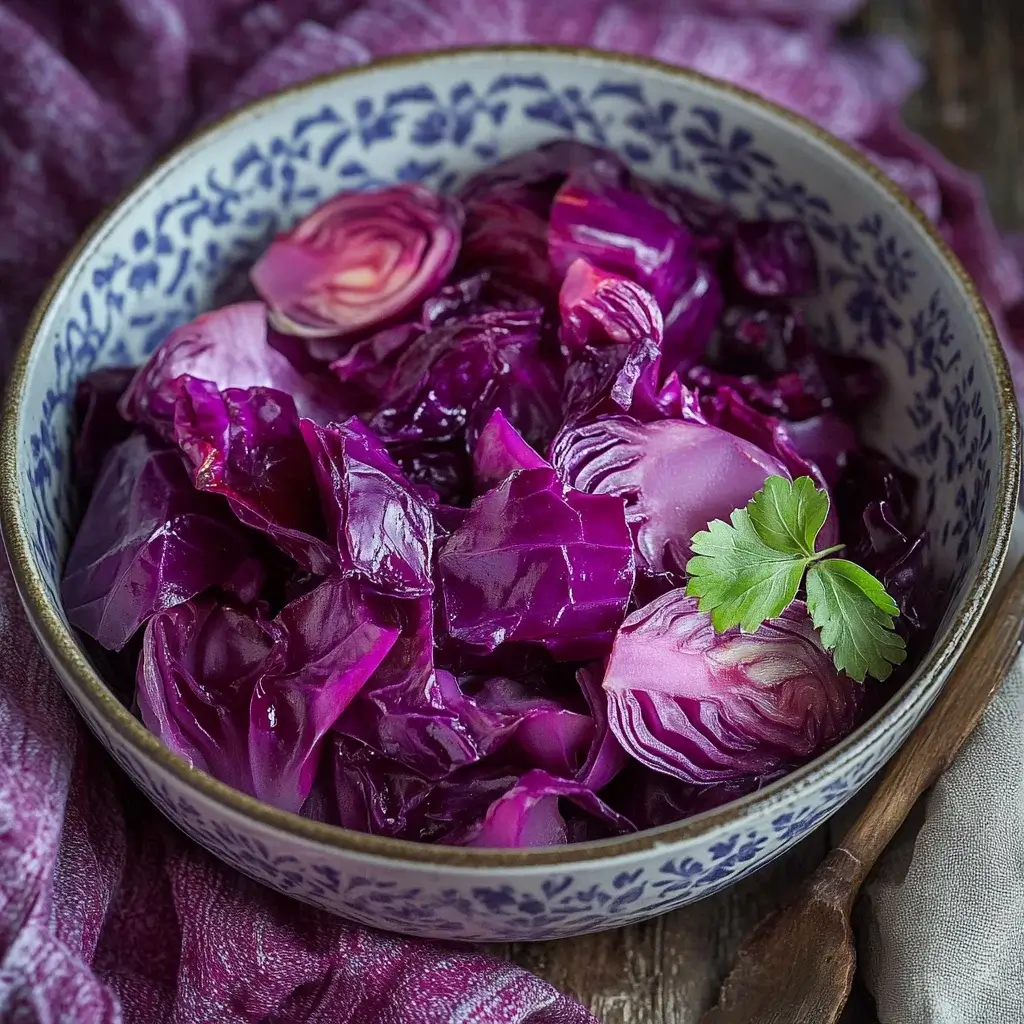

There’s a certain magic to German Red Cabbage, or Rotkohl as it’s affectionately known. It’s more than just a side dish; it’s a vibrant, flavorful journey that perfectly balances sweet, sour, and savory notes. I first truly fell in love with it during a trip to Germany, where it seemed to accompany every hearty roast and savory sausage with an almost regal presence. The deep, jewel-toned purple, the tangy aroma infused with apples and spices – it was captivating. Back home, I was determined to recreate that authentic taste. After several attempts, tweaking ingredients and simmering times, this recipe emerged. It’s become a beloved staple in our house, especially during the fall and winter months. My family adores how it transforms a simple head of cabbage into something so complex and comforting. The way the apples melt into the cabbage, the gentle warmth of the cloves, and that perfect sweet-sour tang make it an irresistible accompaniment to so many meals, and it always fills the kitchen with the most wonderful, festive aroma.
Why This German Red Cabbage (Rotkohl) Recipe is a Culinary Gem
German Red Cabbage, or Rotkohl (also known as Blaukraut in some southern German regions), is a traditional side dish that holds a cherished place in German cuisine. This particular recipe captures the authentic essence of this classic, offering a delightful interplay of flavors and textures that make it a standout accompaniment. Here’s why it’s a culinary gem you’ll want to make again and again:
Firstly, it boasts an exquisite balance of sweet and sour flavors. This is the hallmark of great Rotkohl. The sweetness typically comes from apples and a touch of sugar, while the characteristic tang is derived from vinegar (often apple cider or red wine vinegar) and sometimes lemon juice. This dynamic duo creates a flavor profile that is both refreshing and deeply satisfying, cutting through the richness of accompanying meats.
Secondly, the aromatic spices elevate it beyond simple cooked cabbage. Ingredients like cloves, bay leaves, and sometimes juniper berries or allspice, infuse the cabbage with warm, comforting, and subtly complex notes. These aromatics are quintessentially German and contribute significantly to the dish’s authentic character.
Thirdly, the slow braising process transforms the cabbage. Raw red cabbage can be quite tough and peppery. However, when slowly simmered in the flavorful braising liquid, it becomes incredibly tender, almost melting in your mouth, while still retaining a pleasant bite. The vibrant purple color also deepens and intensifies during cooking, making it visually stunning.
Fourthly, it’s incredibly versatile and pairs wonderfully with a wide range of dishes. Rotkohl is the classic partner for hearty German fare like sauerbraten, bratwurst, pork roast (Schweinebraten), and rouladen, as well as game meats like venison or duck. It’s also fantastic alongside roasted chicken or turkey, especially during festive seasons like Christmas.
Finally, it’s surprisingly easy to make and improves with age. While it requires some simmering time, most of it is hands-off. Plus, Rotkohl is one of those magical dishes that often tastes even better the next day (or even two days later) as the flavors continue to meld and deepen. This makes it an excellent make-ahead side dish for entertaining or meal prepping. This recipe delivers an authentic taste of Germany that is both comforting and impressively flavorful.
The Star Ingredient: Understanding Red Cabbage
Red cabbage, the vibrant hero of Rotkohl, is more than just a colorful vegetable. It’s a cruciferous powerhouse packed with nutrients and a unique flavor profile that transforms beautifully when cooked.
Characteristics of Red Cabbage:
- Color: Its stunning deep purple or reddish hue comes from anthocyanins, a type of flavonoid pigment. Interestingly, the exact color can vary depending on the pH level of the soil it’s grown in and the ingredients it’s cooked with. Acidic ingredients (like vinegar or lemon juice) help it retain its vibrant red/purple color, while alkaline conditions can turn it bluish (hence the name Blaukraut in some regions where it might be cooked with more alkaline ingredients or less acid).
- Flavor: Raw red cabbage has a slightly peppery, earthy, and mildly bitter taste, more assertive than green cabbage. When cooked, especially braised as in Rotkohl, this flavor mellows considerably, becoming sweeter and more nuanced, readily absorbing the flavors of the braising liquid.
- Texture: Raw, it’s crisp and crunchy. Slow cooking softens it significantly, making it tender and succulent.
- Nutritional Value: Red cabbage is low in calories but rich in vitamins (notably Vitamin C and Vitamin K), minerals, fiber, and antioxidants, particularly those anthocyanins responsible for its color, which have various health benefits.
Choosing the Best Red Cabbage for Rotkohl:
- Firmness and Weight: Select a head of red cabbage that feels firm, heavy for its size, and tightly packed. Avoid heads with soft spots, bruises, or wilted outer leaves.
- Color: Look for a vibrant, deep purple color. The outer leaves should look fresh and crisp.
- Size: Choose a size appropriate for the amount you want to make. A medium head (about 2-3 pounds) will yield a generous amount of Rotkohl, as it cooks down considerably.
Preparing Red Cabbage:
- Remove Outer Leaves: Peel off any tough, wilted, or damaged outer leaves.
- Wash: Rinse the head of cabbage under cold running water.
- Quarter and Core: Place the cabbage on a cutting board, stem-end down. Cut it in half from top to bottom through the core. Then, cut each half in half again to make quarters. Carefully cut out the tough triangular core from each quarter.
- Shred or Slice: For Rotkohl, the cabbage needs to be thinly shredded or sliced. You can do this in several ways:
- With a Sharp Knife: Place a cabbage quarter cut-side down and slice it thinly across the grain.
- With a Mandoline Slicer: This is the easiest way to get uniform, very thin shreds. Use the safety guard carefully.
- With a Food Processor: Use the slicing disk attachment. This is fast but may result in less uniform pieces than by hand or mandoline.
Properly selected and prepared red cabbage is the first step towards a delicious and authentic batch of German Rotkohl.
The Sweet & Sour Symphony: Key Flavoring Agents
The soul of German Red Cabbage lies in its perfectly balanced sweet and sour profile. This isn’t achieved by accident but through a careful selection of ingredients that work in harmony.
The Sweet Elements:
- Apples:
- These are a traditional and crucial ingredient. They not only provide natural sweetness but also contribute a lovely fruity aroma and break down during cooking to add to the sauce’s body.
- Best types: Tart or sweet-tart apples that hold their shape somewhat but also soften nicely are ideal. Good choices include:
- Granny Smith: Adds a good tartness to balance sweetness.
- Braeburn, Honeycrisp, Jonagold, Gala: Offer a good balance of sweet and tart.
- Avoid very soft apples that will turn to complete mush too quickly (like McIntosh, unless you prefer that texture) or overly sweet apples that might not provide enough contrast.
- Preparation: Apples are typically peeled, cored, and then grated, thinly sliced, or finely diced.
- Sugar:
- A modest amount of sugar (granulated white sugar, brown sugar, or even a touch of honey or maple syrup) is often added to enhance the sweetness and balance the acidity of the vinegar. Brown sugar can add a slight molasses note.
- The amount can be adjusted based on the sweetness of the apples and personal preference.
The Sour (Acidic) Elements:
- Vinegar:
- This is the primary souring agent and is essential for the characteristic tang of Rotkohl. It also plays a vital role in helping the cabbage retain its beautiful red/purple color.
- Apple Cider Vinegar: A very popular and traditional choice. Its fruity notes complement the apples in the dish.
- Red Wine Vinegar: Another excellent option, providing a slightly different, more robust acidic tang.
- White Wine Vinegar: Can also be used for a cleaner, sharper acidity.
- Avoid harsh distilled white vinegar unless in a very small quantity, as its flavor can be overpowering.
- Lemon Juice (Optional):
- Some recipes include a squeeze of fresh lemon juice, either during cooking or at the end, to brighten the flavors and add another layer of acidity.
Achieving the Balance:
The key is to create a dynamic interplay where neither the sweetness nor the sourness dominates, but rather they enhance each other. Tasting and adjusting towards the end of the cooking process is important. If it’s too tart, a little more sugar might be needed. If too sweet, a touch more vinegar can balance it out. This sweet-sour symphony is what makes Rotkohl so uniquely delicious and a perfect foil for rich, savory main courses.
Aromatic Spices: The Soul of Authentic Rotkohl
Beyond the foundational sweet and sour notes, it’s the carefully chosen aromatic spices that infuse German Red Cabbage with its characteristic warmth, depth, and authentic Old-World charm. These spices are not meant to be overpowering but rather to create a subtle, complex background that complements the cabbage and apples.
- Cloves (Nelken):
- Whole Cloves: This is arguably one of the most distinctive spices in traditional Rotkohl. Whole cloves impart a warm, pungent, and slightly sweet aroma and flavor.
- Usage: Typically, a few whole cloves (3-6) are studded into a piece of onion or apple, or simply added to the pot and removed before serving. Using them whole prevents the flavor from becoming too intense, which can happen with ground cloves.
- Bay Leaves (Lorbeerblätter):
- Dried Bay Leaves: These add a subtle, savory, and slightly herbal undertone that is common in many European braised dishes.
- Usage: One or two dried bay leaves are usually added to the braising liquid and removed before serving.
- Juniper Berries (Wacholderbeeren) (Optional but Authentic):
- These small, dark berries have a slightly piney, bittersweet flavor that is very characteristic of German and Central European cuisine, especially with game meats and cabbage.
- Usage: A few (3-5) lightly crushed juniper berries can be added. They provide a unique, slightly resinous note. Remove before serving.
- Allspice Berries (Piment) (Optional):
- Whole Allspice Berries: Allspice gets its name because its flavor is said to resemble a combination of cloves, cinnamon, and nutmeg.
- Usage: A couple of whole allspice berries can be added for a warm, complex spice note. Remove before serving.
- Black Peppercorns (Schwarze Pfefferkörner) (Optional):
- Whole Black Peppercorns: A few whole peppercorns can add a gentle background warmth without the direct heat of ground pepper.
- Usage: Add to the pot and they can be strained out or picked out.
- Onion (Zwiebel):
- While also an aromatic vegetable, the sautéed onion forms a crucial flavor base, providing sweetness and savory depth that underpins the spices.
Using Spices Wisely:
- Whole vs. Ground: For long braises like Rotkohl, whole spices are generally preferred. They release their flavors more slowly and evenly, and they can be easily removed before serving, preventing gritty textures or overly potent spots.
- Sachet (Optional): To make removal easier, you can tie the whole spices (cloves, bay leaves, juniper berries, allspice, peppercorns) in a small piece of cheesecloth to create a “bouquet garni” or spice sachet.
- Balance is Key: The goal is a harmonious blend where no single spice dominates. The spices should enhance, not overwhelm, the primary flavors of the cabbage, apple, and the sweet-sour sauce.
These aromatic spices are what transport a simple dish of cooked cabbage to the realm of authentic, comforting, and deeply flavorful German Rotkohl.
Gather Your Ingredients: Authentic German Red Cabbage (Rotkohl)
Here’s what you’ll need to create this classic German side dish:
Main Ingredients:
- 1 medium head of red cabbage (about 2-2.5 lbs / approx. 1 kg), cored and thinly shredded
- 2 medium apples (such as Granny Smith, Braeburn, or Honeycrisp), peeled, cored, and grated or thinly sliced
- 1 medium yellow onion, thinly sliced or chopped
- 2 tablespoons unsalted butter or vegetable oil (or bacon fat for extra flavor)
For the Braising Liquid & Seasonings:
- 1/2 cup apple cider vinegar (or red wine vinegar)
- 1/4 cup water (or apple juice for extra sweetness/apple flavor)
- 2-3 tablespoons granulated sugar (or brown sugar), adjust to taste
- 1 teaspoon salt (or to taste)
- 1/2 teaspoon black pepper (or to taste)
- 4-6 whole cloves
- 1-2 dried bay leaves
- Optional: 3-5 juniper berries, lightly crushed
- Optional: 1/4 teaspoon ground allspice (if not using whole berries)
Equipment:
- Large, heavy-bottomed pot or Dutch oven with a tight-fitting lid
Step-by-Step to Perfect Rotkohl: Instructions
- Prepare the Cabbage and Apples: Core and thinly shred the red cabbage. Peel, core, and grate or thinly slice the apples. Thinly slice or chop the onion.
- Sauté Onion: Melt the butter (or oil/bacon fat) in a large, heavy-bottomed pot or Dutch oven over medium heat. Add the sliced/chopped onion and cook, stirring occasionally, for 5-7 minutes, until softened and translucent but not browned.
- Add Cabbage and Apples: Add the shredded red cabbage and grated/sliced apples to the pot with the onions. Stir well to combine. Cook for 5-7 minutes, stirring occasionally, allowing the cabbage to wilt slightly.
- Add Braising Liquid and Seasonings: Pour in the apple cider vinegar and water (or apple juice). Sprinkle with the sugar, salt, and pepper. Add the whole cloves (you can stud them into a piece of onion or apple for easy removal later, or place them in a spice sachet), bay leaves, and optional juniper berries/allspice. Stir everything together thoroughly to ensure the cabbage is well-coated.
- Braise the Cabbage: Bring the mixture to a gentle simmer. Once simmering, reduce the heat to low, cover the pot tightly with a lid, and let the cabbage braise for 45 minutes to 1.5 hours.
- The cooking time depends on how tender you like your cabbage. For slightly firmer cabbage, aim for the shorter end. For very tender, almost melting cabbage, braise for the longer duration.
- Stir the cabbage occasionally (every 20-30 minutes) during braising to prevent sticking and ensure even cooking. Add a tablespoon or two more water or apple juice if the mixture looks too dry.
- Taste and Adjust: After the initial braising time, remove the lid. The cabbage should be tender and have a vibrant deep purple color. Remove the bay leaves, whole cloves (and juniper berries/allspice if used and not in a sachet). Taste the Rotkohl and adjust seasonings as needed.
- If it’s too tart, add a little more sugar (1 teaspoon at a time).
- If it’s not tangy enough, add a splash more vinegar.
- Adjust salt and pepper to your preference.
- Final Simmer (Optional): If there’s a lot of excess liquid and you prefer a less “saucy” Rotkohl, you can simmer it uncovered for another 10-15 minutes, stirring occasionally, to allow some of the liquid to evaporate and the flavors to concentrate further.
- Serve: Serve the German Red Cabbage warm as a side dish. It’s particularly good with roasted meats, sausages, or poultry.
Nutritional Snapshot: A Look at German Red Cabbage
Servings: This recipe typically yields 6-8 side dish servings.
Calories per serving (approximate): Around 80-120 calories per serving.
Please note: This is a rough estimation. The exact nutritional content can vary based on:
- The size of the cabbage and apples.
- The amount of sugar and fat (butter/oil) used.
- The exact serving size.
General Breakdown per Serving (Estimated):
- Protein: Low
- Fat: Low (primarily from butter/oil, if used)
- Carbohydrates: Moderate (from cabbage, apples, and sugar)
- Fiber: High (from cabbage and apples)
- Vitamins & Minerals: Good source of Vitamin C, Vitamin K, and various antioxidants (especially anthocyanins from the red cabbage). Also provides some potassium.
- Sodium: Moderate, depending on added salt.
German Red Cabbage is generally considered a healthy and flavorful side dish. It’s rich in beneficial plant compounds and fiber. The sugar content can be adjusted to preference for those monitoring sugar intake.
Timing Your Dish: Preparation and Cooking Time
Understanding the timeline will help you plan this delicious German side dish.
- Active Preparation (Chopping, Slicing, Grating): 15-25 minutes
- Sautéing Onion & Wilting Cabbage/Apples: 10-15 minutes
- Braising Time (Hands-Off): 45 minutes – 1.5 hours
- Final Adjustments/Simmering (Optional): 10-15 minutes
Total Active Preparation Time: Approximately 25-40 minutes (spread out)
Total Hands-Off Braising Time: Approximately 45 minutes to 1.5 hours
Summary for Planning:
- This dish is relatively quick to get started, with the majority of the time being hands-off simmering.
- It’s an excellent candidate for making ahead, as the flavors improve over time.
This makes it manageable for a weekend meal or even a weeknight if you start it early enough, and ideal for preparing in advance for gatherings.
Perfect Pairings: How to Serve Your German Red Cabbage (Rotkohl)
Authentic German Red Cabbage (Rotkohl) is a versatile side dish that shines alongside a variety of main courses, particularly those with rich, savory flavors. Its sweet-sour profile provides a wonderful contrast.
Classic German Pairings:
- Sauerbraten: This is perhaps the most iconic pairing. The tangy Rotkohl beautifully complements the marinated, slow-cooked beef.
- Pork Roast (Schweinebraten): The richness of roasted pork is perfectly cut by the acidity of the red cabbage.
- Sausages (Wurst): Serve alongside bratwurst, knockwurst, weisswurst, or any of your favorite German sausages. Often served with mashed potatoes or Spätzle.
- Rouladen: The savory beef rolls filled with bacon, onions, and pickles are a natural match for Rotkohl.
- Schnitzel (Pork or Veal): While often served with lemon and fries, a side of Rotkohl adds a traditional touch.
- Kassler (Smoked Pork Chops/Loin): The smoky flavor of Kassler is enhanced by the sweet and tangy cabbage.
- Duck or Goose (Ente oder Gans): Especially popular during festive seasons like Christmas, roasted duck or goose with Rotkohl and potato dumplings (Klöße) is a classic celebratory meal.
- Game Meats (Wild): Venison, wild boar, or rabbit dishes are often accompanied by Rotkohl.
Beyond German Cuisine:
- Roast Chicken or Turkey: A fantastic side dish for your Sunday roast or holiday turkey, offering a more flavorful alternative to standard vegetable sides.
- Pork Chops (Pan-fried or Baked): Simple pork chops are elevated by a side of flavorful Rotkohl.
- Meatloaf: Adds a tangy contrast to a classic meatloaf.
- Ham: Especially good with a holiday baked ham.
- Vegetarian Mains: Can be a flavorful component in a vegetarian meal, perhaps alongside hearty lentil patties, mushroom strudel, or cheese Spätzle (Käsespätzle).
Other Accompaniments often served with Rotkohl in a German meal:
- Potato Dumplings (Kartoffelklöße or Knödel)
- Mashed Potatoes (Kartoffelbrei)
- Spätzle (German egg noodles)
- Boiled Potatoes (Salzkartoffeln)
- Applesauce (Apfelmus)
No matter what you serve it with, this German Red Cabbage is sure to add a vibrant color, delightful flavor, and a touch of authentic European charm to your plate.
Pro Tips for Perfecting Your Rotkohl
Achieve an authentic and utterly delicious German Red Cabbage with these five expert tips:
- Don’t Be Afraid of a Long, Slow Braise: While some recipes might suggest shorter cooking times, true Rotkohl benefits from a patient, gentle simmer (at least 45 minutes, often longer). This allows the cabbage to become exceptionally tender, almost melting, and gives the flavors ample time to meld and deepen. The longer it braises, the more the sweet, sour, and spiced notes permeate every shred.
- Balance Sweet and Sour Carefully – Taste and Adjust: The hallmark of great Rotkohl is the perfect equilibrium between sweetness (from apples, sugar) and acidity (from vinegar). Start with the recommended amounts, but always taste towards the end of cooking. If it’s too tart, add a bit more sugar. If it tastes flat or too sweet, a splash more vinegar can work wonders. Personal preference plays a role here.
- Use Whole Spices for Subtle Infusion: While ground spices can be used in a pinch, whole spices like cloves, bay leaves, and juniper berries release their flavors more gently and can be easily removed before serving. This prevents gritty textures and overpowering individual spice notes. Consider studding cloves into an onion piece or using a cheesecloth sachet for easy removal.
- Embrace the “Better Next Day” Phenomenon: Rotkohl is one of those magical dishes that often tastes even better a day or two after it’s made. The flavors continue to marry and deepen as it rests. This makes it an excellent make-ahead side dish, perfect for reducing stress when entertaining.
- Incorporate Fat for Flavor and Mouthfeel: Whether it’s butter, a neutral oil, or (for extra authentic German flavor) rendered bacon fat or goose fat, a bit of fat at the start to sauté the onions helps to build flavor and adds a pleasing richness to the final dish. Don’t skimp on this initial step.
By following these tips, your homemade German Red Cabbage will rival that served in the best German kitchens, boasting authentic flavor and delightful texture.
Beyond the Classic: Rotkohl Variations and Additions
While this traditional German Red Cabbage recipe is fantastic as is, there are several ways to put your own spin on it or explore regional variations:
- Fruit Variations:
- Cranberries or Lingonberries: Add a handful of fresh or frozen cranberries (or a dollop of lingonberry jam) during the last 20-30 minutes of cooking for an extra layer of tartness and festive color, especially popular around the holidays.
- Pears: Substitute one of the apples with a firm pear for a different fruit sweetness.
- Raisins or Dried Currants: Add a small handful of raisins or dried currants along with the apples for pockets of sweetness and a slightly chewy texture.
- Liquid Enhancements:
- Red Wine: Replace some or all of the water/apple juice with a dry red wine (like Merlot or Pinot Noir) for a richer, deeper flavor. This is a very common and delicious variation.
- Beef or Vegetable Broth: Can be used instead of water for a more savory undertone.
- Spice Twists:
- Caraway Seeds: A teaspoon of caraway seeds adds a distinctively earthy, slightly anise-like flavor common in German cooking.
- Star Anise: One whole star anise can be added for a warm, licorice-like note (use sparingly and remove before serving).
- Cinnamon Stick: A small piece of cinnamon stick can add a warm, sweet spice, especially nice for holiday versions.
- Added Richness:
- Bacon: Start by rendering diced bacon in the pot. Remove the crispy bacon bits and set aside. Sauté the onions in the bacon fat, then proceed with the recipe. Stir the crispy bacon back in before serving or use as a garnish.
- Goose Fat or Duck Fat: For an incredibly authentic and rich flavor, use goose or duck fat instead of butter or oil for sautéing the onions.
- Texture and Sweetness:
- Redcurrant Jelly (Johannisbeergelee): A tablespoon or two stirred in at the end of cooking can add a beautiful gloss, sweetness, and fruity tang. This is a classic finishing touch in many German recipes.
Feel free to experiment with these additions once you’re comfortable with the base recipe. The key is to maintain the overall balance of sweet, sour, and spice that defines authentic Rotkohl.
Your Rotkohl Questions Answered: FAQ
Here are answers to some frequently asked questions about making German Red Cabbage:
- Q: Why is my red cabbage turning blue or a dull color instead of vibrant red/purple?
A: Red cabbage contains pigments called anthocyanins, which are sensitive to pH. Acidic ingredients (like vinegar or lemon juice) help the cabbage retain its vibrant red or purple hue. If cooked in alkaline conditions or without enough acid, it can turn bluish or a muddy purple. Ensure you add the vinegar relatively early in the cooking process. - Q: Can I make German Red Cabbage ahead of time?
A: Yes, absolutely! Rotkohl is an excellent make-ahead dish. In fact, many people believe it tastes even better the next day (or even two days later) as the flavors have more time to meld and deepen. Store it in an airtight container in the refrigerator and gently reheat on the stovetop or in the microwave. - Q: How long does homemade Rotkohl last in the refrigerator?
A: Properly stored in an airtight container, homemade German Red Cabbage will last for 4-5 days in the refrigerator. - Q: Can I freeze German Red Cabbage?
A: Yes, Rotkohl freezes quite well. Allow it to cool completely, then transfer it to freezer-safe containers or heavy-duty freezer bags. It can be frozen for up to 3 months. Thaw overnight in the refrigerator and reheat gently. The texture might be slightly softer after freezing and thawing, but the flavor remains good. - Q: What are the best apples to use for Rotkohl?
A: Tart or sweet-tart apples that hold their shape reasonably well during cooking but also soften nicely are ideal. Good choices include Granny Smith (for tartness), Braeburn, Honeycrisp, Jonagold, or Gala. Avoid apples that turn to complete mush too quickly (like McIntosh) unless you prefer a very smooth apple texture in your cabbage.
A Taste of Tradition: The Enduring Charm of Rotkohl
German Red Cabbage is far more than a simple vegetable side dish; it’s a vibrant expression of culinary tradition, a harmonious blend of sweet, sour, and aromatic spice that has graced German tables for generations. Its jewel-toned beauty, comforting aroma, and complex yet perfectly balanced flavor make it a truly special accompaniment to any hearty meal.
This recipe invites you to bring that authentic taste of Germany into your own kitchen. The process of slowly braising the cabbage, watching it transform in color and texture, and smelling the wonderful aromas of apple and spice, is a rewarding experience in itself. Whether you’re pairing it with a traditional German roast, a simple weeknight sausage, or a festive holiday bird, this Rotkohl is sure to impress and delight. Enjoy the rich flavors and the comforting warmth of this timeless classic!
Print
German Red Cabbage recipe
Ingredients
Main Ingredients:
-
- 1 medium head of red cabbage (about 2–2.5 lbs / approx. 1 kg), cored and thinly shredded
-
- 2 medium apples (such as Granny Smith, Braeburn, or Honeycrisp), peeled, cored, and grated or thinly sliced
-
- 1 medium yellow onion, thinly sliced or chopped
-
- 2 tablespoons unsalted butter or vegetable oil (or bacon fat for extra flavor)
For the Braising Liquid & Seasonings:
-
- 1/2 cup apple cider vinegar (or red wine vinegar)
-
- 1/4 cup water (or apple juice for extra sweetness/apple flavor)
-
- 2–3 tablespoons granulated sugar (or brown sugar), adjust to taste
-
- 1 teaspoon salt (or to taste)
-
- 1/2 teaspoon black pepper (or to taste)
-
- 4–6 whole cloves
-
- 1–2 dried bay leaves
-
- Optional: 3-5 juniper berries, lightly crushed
-
- Optional: 1/4 teaspoon ground allspice (if not using whole berries)
Instructions
-
- Prepare the Cabbage and Apples: Core and thinly shred the red cabbage. Peel, core, and grate or thinly slice the apples. Thinly slice or chop the onion.
-
- Sauté Onion: Melt the butter (or oil/bacon fat) in a large, heavy-bottomed pot or Dutch oven over medium heat. Add the sliced/chopped onion and cook, stirring occasionally, for 5-7 minutes, until softened and translucent but not browned.
-
- Add Cabbage and Apples: Add the shredded red cabbage and grated/sliced apples to the pot with the onions. Stir well to combine. Cook for 5-7 minutes, stirring occasionally, allowing the cabbage to wilt slightly.
-
- Add Braising Liquid and Seasonings: Pour in the apple cider vinegar and water (or apple juice). Sprinkle with the sugar, salt, and pepper. Add the whole cloves (you can stud them into a piece of onion or apple for easy removal later, or place them in a spice sachet), bay leaves, and optional juniper berries/allspice. Stir everything together thoroughly to ensure the cabbage is well-coated.
-
- Braise the Cabbage: Bring the mixture to a gentle simmer. Once simmering, reduce the heat to low, cover the pot tightly with a lid, and let the cabbage braise for 45 minutes to 1.5 hours.
-
- The cooking time depends on how tender you like your cabbage. For slightly firmer cabbage, aim for the shorter end. For very tender, almost melting cabbage, braise for the longer duration.
-
- Stir the cabbage occasionally (every 20-30 minutes) during braising to prevent sticking and ensure even cooking. Add a tablespoon or two more water or apple juice if the mixture looks too dry.
-
- Braise the Cabbage: Bring the mixture to a gentle simmer. Once simmering, reduce the heat to low, cover the pot tightly with a lid, and let the cabbage braise for 45 minutes to 1.5 hours.
-
- Taste and Adjust: After the initial braising time, remove the lid. The cabbage should be tender and have a vibrant deep purple color. Remove the bay leaves, whole cloves (and juniper berries/allspice if used and not in a sachet). Taste the Rotkohl and adjust seasonings as needed.
-
- If it’s too tart, add a little more sugar (1 teaspoon at a time).
-
- If it’s not tangy enough, add a splash more vinegar.
-
- Adjust salt and pepper to your preference.
-
- Taste and Adjust: After the initial braising time, remove the lid. The cabbage should be tender and have a vibrant deep purple color. Remove the bay leaves, whole cloves (and juniper berries/allspice if used and not in a sachet). Taste the Rotkohl and adjust seasonings as needed.
-
- Final Simmer (Optional): If there’s a lot of excess liquid and you prefer a less “saucy” Rotkohl, you can simmer it uncovered for another 10-15 minutes, stirring occasionally, to allow some of the liquid to evaporate and the flavors to concentrate further.
-
- Serve: Serve the German Red Cabbage warm as a side dish. It’s particularly good with roasted meats, sausages, or poultry.
Nutrition
- Serving Size: one normal portion
- Calories: 80-120