
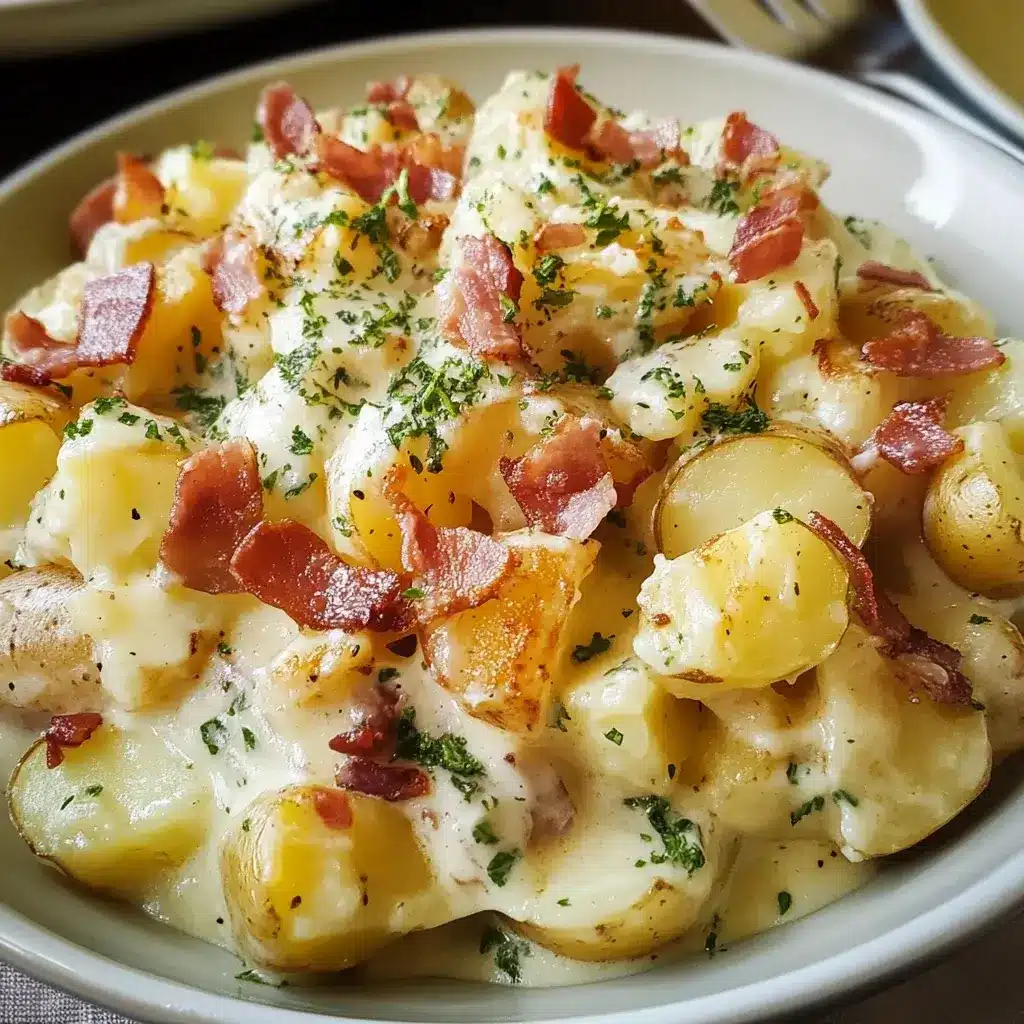
It’s funny how food can transport you, isn’t it? One bite, one aroma, and suddenly you’re back in a specific place, a specific time. For me, German Potato Salad does just that. It takes me straight back to summer barbecues with my Oma, her bustling kitchen filled with the savory scent of bacon and vinegar. Growing up, “kartoffelsalat” was a non-negotiable side dish at every family gathering. It wasn’t the creamy, mayonnaise-laden potato salad I knew from American picnics; this was something different, something… alive. Warm, tangy, with a subtle sweetness and that unmistakable smoky bacon flavor – it was addictive. Frankly, as a kid, I wasn’t always thrilled about “salad,” but Oma’s German Potato Salad was a different story. It was comforting, flavorful, and honestly, kind of exciting. Years later, I’ve carried on the tradition, tweaking Oma’s recipe just slightly (don’t tell her!) to perfect it for my own family. And guess what? It’s a hit! From skeptical teenagers to potluck guests, everyone raves about this warm, vinegar-based wonder. It’s become our go-to for summer cookouts, cozy fall dinners, and anytime we crave a taste of authentic, heartwarming German comfort food. Ready to experience the magic of German Potato Salad yourself? Let’s dive into the recipe!
Ingredients for Authentic and Flavorful German Potato Salad
Creating truly authentic and flavorful German Potato Salad relies heavily on the quality and balance of its ingredients. This isn’t just about boiled potatoes and vinegar; it’s about layering flavors and textures to create a symphony in your mouth. Let’s break down each ingredient and understand why it’s crucial for achieving that perfect German Potato Salad taste.
The Heart of the Salad: Potatoes
- 2 Pounds Yukon Gold Potatoes (or Yellow Potatoes): The potato is, naturally, the star of the show. Yukon Gold or other yellow potatoes are highly recommended for German Potato Salad because of their creamy texture, slightly buttery flavor, and ability to hold their shape after boiling. They are waxy potatoes, meaning they are lower in starch than russet potatoes, which prevents them from becoming mushy when cooked and tossed in the dressing. Avoid using russet or Idaho potatoes, as they tend to fall apart and absorb too much dressing, resulting in a less desirable texture. Small to medium-sized potatoes are ideal, as they cook more evenly and are easier to handle. Preparation Tip: It’s best to boil the potatoes whole and unpeeled. This helps them retain moisture and flavor during cooking. Scrub the potatoes thoroughly before boiling to remove any dirt.
The Flavor Base: Dressing Components
- 4 Slices Thick-Cut Bacon, Diced: Bacon is absolutely essential for authentic German Potato Salad. It provides a smoky, savory depth of flavor that permeates the entire dish. Thick-cut bacon is preferred as it renders more fat and provides more substantial bacon pieces. Dice the bacon before cooking for even rendering and crispy bits. Flavor Enhancement Tip: Don’t discard the bacon fat! Bacon fat is liquid gold in this recipe. It’s used to sauté the onions and forms a crucial part of the warm, flavorful dressing.
- 1 Medium Yellow Onion, Finely Chopped: Onion adds a pungent, aromatic layer to the dressing. Yellow onions are a good all-purpose choice, offering a balance of sweetness and sharpness when cooked. Finely chopping the onion ensures it cooks quickly and evenly in the bacon fat and blends seamlessly into the salad without overpowering other flavors. Shallots can be used as a milder alternative if you prefer a less intense onion flavor.
- 1/2 Cup Apple Cider Vinegar (or White Wine Vinegar): Vinegar is the key to the tangy, signature flavor of German Potato Salad. Apple cider vinegar is a classic choice, providing a slightly fruity and mellow acidity. White wine vinegar is another excellent option, offering a cleaner, brighter tang. Avoid using harsh distilled white vinegar, as it can be too overpowering. The vinegar balances the richness of the bacon fat and potatoes and prevents the salad from being heavy.
- 1/4 Cup Chicken Broth (or Vegetable Broth): Broth adds moisture and depth of flavor to the dressing. Chicken broth enhances the savory notes, while vegetable broth is a suitable vegetarian alternative. Low-sodium broth is recommended to control the salt level. The warm broth helps to slightly “cook” the potatoes further as they absorb the dressing.
- 2 Tablespoons Granulated Sugar (or Brown Sugar): Sugar balances the acidity of the vinegar and rounds out the overall flavor profile. Granulated sugar provides clean sweetness, while brown sugar adds a subtle molasses-like depth. Adjust the amount of sugar to your preference; some recipes call for less, others for slightly more, depending on the desired level of sweetness.
- 2 Tablespoons Dijon Mustard: Dijon mustard adds a subtle tang, spice, and complexity to the dressing. It also acts as an emulsifier, helping to bind the dressing ingredients together. Dijon mustard provides a more refined flavor compared to yellow mustard.
- 1 Teaspoon Celery Seed: Celery seed is a classic spice in German Potato Salad, adding a distinctive, slightly bitter and aromatic note that complements the other flavors beautifully. It provides a subtle herbaceous complexity. If you don’t have celery seed, you can omit it, but it does contribute to the authentic flavor profile.
- Salt and Freshly Ground Black Pepper, to taste: Salt and pepper are essential seasonings to enhance all the flavors in the salad. Season generously, tasting as you go, to achieve a well-balanced and flavorful dish. Freshly ground black pepper adds a more pungent and nuanced flavor compared to pre-ground pepper.
Optional Additions (For Texture and Visual Appeal):
- Fresh Parsley, Chopped (for garnish): Fresh parsley adds a bright, herbaceous note and a pop of green color as a garnish. Flat-leaf parsley (Italian parsley) is preferred for its stronger flavor and less coarse texture compared to curly parsley.
- Hard-Boiled Eggs, Sliced or Chopped (optional): Hard-boiled eggs are a common addition in some German Potato Salad variations, adding protein, richness, and visual appeal. If using, hard-boil eggs and slice or chop them before adding to the salad.
- Pickles, Diced (Dill or Sweet Pickles – optional): Some regional variations include diced pickles, adding a tangy, crunchy element. Dill pickles or sweet pickles can be used, depending on your preference for a more savory or slightly sweeter salad.
By carefully selecting these high-quality ingredients and understanding their roles, you are setting the stage for creating truly authentic and incredibly delicious German Potato Salad that will transport you straight to a German kitchen!
Instructions: Crafting Authentic German Potato Salad Step-by-Step
Now that you have all your ingredients assembled, it’s time to embark on the rewarding process of making authentic German Potato Salad. Follow these detailed, step-by-step instructions to ensure perfectly cooked potatoes, a flavorful warm dressing, and a truly satisfying final dish.
- Boil the Potatoes: Place the unpeeled potatoes in a large pot and cover them with cold water. Add about 1 teaspoon of salt to the water. Bring to a boil over high heat, then reduce heat to medium and simmer until the potatoes are tender when pierced with a knife, about 20-25 minutes. Doneness Test: The potatoes are done when a knife inserted into the center goes in easily with little resistance. Avoid overcooking, as the potatoes will become mushy.
- Cook the Bacon: While the potatoes are boiling, cook the diced bacon in a large skillet over medium heat until crispy. Remove the bacon from the skillet with a slotted spoon and set aside, reserving the bacon fat in the skillet. Bacon Crispness: Cook the bacon to your desired level of crispness. Some prefer it very crispy, while others prefer it slightly chewy.
- Sauté the Onion: Add the chopped onion to the skillet with the reserved bacon fat. Cook over medium heat until softened and translucent, about 5-7 minutes. Do not brown the onions; you want them to be softened and slightly sweet. Aromatic Base: Sautéing the onion in bacon fat infuses it with rich, smoky flavor and creates the aromatic base for the dressing.
- Make the Warm Dressing: Add the apple cider vinegar, chicken broth, sugar, Dijon mustard, and celery seed to the skillet with the sautéed onions. Bring to a simmer and cook for 2-3 minutes, stirring occasionally, until the sugar is dissolved and the dressing is slightly thickened. Season with salt and freshly ground black pepper to taste. Flavor Infusion: Simmering the dressing ingredients together allows the flavors to meld and deepen, creating a more complex and harmonious dressing.
- Peel and Slice the Potatoes: Once the potatoes are cooked and slightly cooled (but still warm), carefully peel them while they are still warm. Peeling warm potatoes is easier than peeling cold potatoes. Slice the potatoes into ¼-inch thick slices. Potato Texture: Slicing the potatoes while they are still warm allows them to absorb the warm dressing more effectively, resulting in a more flavorful and cohesive salad. Don’t let the potatoes cool completely before slicing, as they will become harder to peel and slice neatly.
- Combine Potatoes and Dressing: In a large bowl, gently combine the warm potato slices with the warm dressing. Toss gently to coat the potatoes evenly with the dressing. Be careful not to mash the potatoes. Gentle Handling: Handle the potatoes gently to avoid breaking them apart. You want to maintain the potato slices intact for the best texture and visual appeal.
- Add Bacon and Parsley (and Optional Eggs/Pickles): Stir in the cooked bacon and chopped fresh parsley. If using hard-boiled eggs or pickles, gently fold them in as well. Final Touches: Adding the bacon and parsley at the end preserves their texture and freshness.
- Taste and Adjust Seasoning: Taste the potato salad and adjust seasoning as needed. You may need to add more salt, pepper, vinegar, or sugar to achieve the perfect balance of flavors according to your preference. Personalized Flavor: Seasoning is crucial! Taste and adjust until the salad is perfectly balanced and flavorful to your liking.
- Serve Warm or at Room Temperature: German Potato Salad is traditionally served warm or at room temperature. It can be served immediately or allowed to sit for 30 minutes to an hour for the flavors to meld further. Flavor Development: Allowing the salad to sit for a short period enhances the flavor as the potatoes fully absorb the dressing.
- Garnish and Enjoy: Garnish with additional fresh parsley, if desired, and serve warm or at room temperature. Enjoy your authentic and delicious German Potato Salad!
Following these detailed instructions will guide you through each step of creating a truly authentic and flavorful German Potato Salad that is sure to impress. The key is to use quality ingredients, cook the potatoes and bacon properly, create a balanced warm dressing, and gently combine everything while the potatoes are still warm for optimal flavor absorption. Guten Appetit!
Nutrition Facts: A Hearty and Flavorful Side Dish
German Potato Salad, while incredibly flavorful and satisfying, is also a relatively nutritious side dish, especially when compared to creamy, mayonnaise-based potato salads. It offers a good source of carbohydrates, some protein, and various vitamins and minerals. Let’s delve into the nutritional profile of this classic German dish.
Serving Size and Calories Per Serving (Approximate):
- Serving Size: 1 cup (approximately 150-200 grams)
- Calories Per Serving: Approximately 250-350 calories (depending on ingredients and portion size)
Detailed Nutritional Breakdown (per serving, approximate values):
- Calories: 250-350 kcal
- Carbohydrates: 30-40g
- Fiber: 3-5g (Good source of dietary fiber from potatoes and onions)
- Sugars: 5-10g (Naturally occurring sugars from potatoes and added sugar)
- Protein: 5-7g (Contributed by potatoes and bacon)
- Fat: 10-18g (Depending on bacon and portion size)
- Saturated Fat: Varies depending on bacon fat content
- Unsaturated Fat: From bacon fat and potatoes
- Sodium: Varies depending on salt added and broth used (moderate to high)
- Vitamins and Minerals (Significant amounts of):
- Vitamin C: From potatoes and onions, an antioxidant and immune booster.
- Potassium: From potatoes, an electrolyte important for heart health and blood pressure regulation.
- Vitamin B6: From potatoes, important for brain development and function.
- Iron: From potatoes and bacon, important for energy production and oxygen transport.
- Magnesium: From potatoes, essential for muscle and nerve function, blood sugar control, and blood pressure regulation.
- Manganese: From potatoes, an essential trace mineral involved in various metabolic processes.
Health Considerations and Benefits:
- Lower in Fat and Calories than Mayonnaise-Based Potato Salad: German Potato Salad, being vinegar-based, is generally lower in fat and calories compared to traditional American potato salad which is heavily reliant on mayonnaise.
- Good Source of Complex Carbohydrates: Potatoes provide complex carbohydrates, which are a good source of energy.
- Source of Fiber: Potatoes and onions contribute dietary fiber, which is important for digestive health and satiety.
- Moderate Protein Content: While not a high-protein dish, it provides a moderate amount of protein from potatoes and bacon.
- Sodium Content: Be mindful of the sodium content, especially if using regular broth and adding salt generously. Choose low-sodium broth and adjust salt to taste.
- Fat Content: While it contains fat from bacon, it’s important to consider portion size and balance it with other lighter dishes in a meal.
Important Note: Nutritional values can vary based on the specific types and brands of ingredients used, portion sizes, and cooking methods. These values are approximate and intended to provide a general understanding of the nutritional profile of German Potato Salad. For more precise nutritional information, you can use online nutrition calculators and input the specific quantities and types of ingredients you use in your recipe.
German Potato Salad, when enjoyed in moderation as part of a balanced diet, can be a flavorful and satisfying side dish that provides some nutritional benefits. Its warm, tangy, and savory flavors make it a welcome addition to many meals.
Preparation Time: From Start to Finish in Under an Hour
German Potato Salad, despite its rich flavors and satisfying heartiness, is surprisingly quick and easy to prepare. From start to finish, you can have this delicious side dish ready in under an hour, making it perfect for weeknight dinners or last-minute gatherings.
Total Preparation Time: Approximately 45-55 minutes
Breakdown of Time:
- Active Preparation Time: 20-25 minutes
- Potato Scrubbing and Pot Preparation: 2-3 minutes
- Bacon Dicing and Cooking: 5-7 minutes
- Onion Chopping and Sautéing: 3-5 minutes
- Dressing Preparation (simmering): 3-5 minutes
- Potato Peeling and Slicing: 5-7 minutes
- Cooking Time (Potatoes): 20-25 minutes
- Resting/Flavor Melding Time (Optional): 15-30 minutes (enhances flavor but not essential)
Why it’s relatively Quick:
- Simple Cooking Techniques: The recipe involves basic cooking techniques like boiling, sautéing, and simmering.
- Simultaneous Cooking: You can cook the bacon and prepare the dressing while the potatoes are boiling, maximizing efficiency.
- Minimal Prep Work: Ingredient preparation is straightforward and doesn’t require any complex steps.
- Make-Ahead Option: While best served warm or at room temperature, components can be prepped ahead (potatoes boiled, bacon cooked, dressing made) and assembled closer to serving time.
Time-Saving Tips:
- Start Potatoes in Cold Water: Starting potatoes in cold water ensures they cook evenly.
- Dice Bacon While Cold: Dicing bacon is easier when it’s cold and firm.
- Use a Food Processor for Onion Chopping (Optional): If you have a food processor with a chopping blade, you can use it to quickly chop the onion.
- Prepare Components Ahead: You can boil the potatoes and cook the bacon a day in advance and store them separately in the refrigerator. The dressing can also be made ahead and stored at room temperature. Assemble the salad closer to serving time.
The relatively short preparation time makes German Potato Salad a fantastic choice for a flavorful and satisfying side dish that doesn’t require hours in the kitchen. It’s a perfect balance of ease and deliciousness, ideal for both everyday meals and special occasions.
How to Serve German Potato Salad: Perfect Pairings and Presentation
German Potato Salad, with its warm, tangy, and savory flavors, is a versatile side dish that pairs beautifully with a wide variety of main courses and cuisines. Knowing how to serve it enhances the overall dining experience. Here are some serving suggestions, perfect pairings, and presentation ideas for your German Potato Salad:
Serving Temperature and Timing:
- Traditionally Served Warm or Room Temperature: German Potato Salad is typically served warm or at room temperature, not chilled like American potato salad. This allows the flavors of the warm dressing to shine and the potato texture to remain pleasant.
- Serve Soon After Making: For the best flavor and texture, serve the potato salad relatively soon after making it, ideally within a few hours. While it can be reheated gently, it’s best enjoyed fresh.
- Make Ahead and Reheat Gently (if needed): You can make German Potato Salad a few hours ahead of time and keep it at room temperature. If making it further in advance, store it in the refrigerator and gently reheat it in a skillet or microwave before serving, taking care not to overcook the potatoes.
Perfect Pairings – Main Course Suggestions:
- Grilled or Roasted Meats:
- Sausages (Bratwurst, Knockwurst): A classic German pairing! The savory potato salad complements the rich flavors of German sausages perfectly.
- Pork Chops or Roast Pork: The tangy potato salad cuts through the richness of pork dishes beautifully.
- Grilled Chicken or Roast Chicken: A versatile pairing for chicken, adding a flavorful and hearty side.
- Steaks or Burgers: German Potato Salad is a delicious and unexpected side for steaks or burgers, offering a welcome change from fries or creamy potato salad.
- Seafood:
- Grilled or Baked Salmon: The tanginess of the potato salad complements the richness of salmon.
- Pan-Seared White Fish: A lighter pairing with flaky white fish.
- Vegetarian Options:
- Grilled Halloumi Cheese: The salty, savory halloumi pairs well with the tangy potato salad.
- Vegetarian Sausages or Burgers: For a vegetarian BBQ or cookout, offer German Potato Salad alongside plant-based sausages or burgers.
- Lentil Loaf or Nut Roast: A hearty vegetarian main course complemented by the flavorful potato salad.
- Other German Dishes:
- Schnitzel: A traditional German pairing for schnitzel, offering a comforting and flavorful side.
- Rouladen: Beef rouladen and German Potato Salad make a classic and satisfying German meal.
- ** Sauerbraten:** Another traditional German beef dish that pairs wonderfully with potato salad.
Presentation Ideas:
- Simple Serving Bowl: For casual meals, a simple serving bowl or platter works perfectly.
- Garnish with Fresh Parsley: Always garnish with a sprinkle of fresh chopped parsley for a pop of color and freshness.
- Arrange on a Platter with Sausages or Meats: For a more visually appealing presentation, arrange German Potato Salad alongside grilled sausages or meats on a platter.
- Individual Serving Dishes: For a more elegant presentation, serve individual portions of potato salad in small bowls or ramekins.
- Top with Extra Bacon Bits or Crispy Onions (Optional): For added texture and visual appeal, sprinkle extra crispy bacon bits or store-bought crispy fried onions on top just before serving.
Occasions to Serve German Potato Salad:
- Barbecues and Cookouts: A perfect side dish for summer BBQs and cookouts, especially alongside grilled meats and sausages.
- Picnics and Potlucks: Portable and flavorful, ideal for picnics and potluck gatherings.
- Oktoberfest Celebrations: A must-have side dish for Oktoberfest parties and German-themed events.
- Weeknight Dinners: Quick and easy to make, perfect for weeknight meals alongside simple main courses.
- Holiday Gatherings: A delicious and crowd-pleasing side dish for Thanksgiving, Christmas, or Easter dinners.
By considering these serving suggestions, pairings, and presentation tips, you can elevate your German Potato Salad from a simple side dish to a star component of a delicious and memorable meal, perfectly complementing a wide range of cuisines and occasions.
Additional Tips for Perfect German Potato Salad
To consistently create outstanding German Potato Salad that’s bursting with flavor and has the perfect texture, here are five additional tips that will elevate your recipe from good to exceptional:
- Use High-Quality Bacon and Don’t Skimp on the Fat: Bacon is a cornerstone of authentic German Potato Salad flavor. Invest in good-quality, thick-cut bacon for the best results. Don’t be afraid of the bacon fat – it’s essential for the flavor and texture of the dressing. Render the bacon fat well and use it generously to sauté the onions and create the warm dressing base. The bacon fat infuses the entire salad with its smoky, savory goodness.
- Don’t Overcook the Potatoes: Overcooked potatoes will become mushy and fall apart when tossed with the dressing, resulting in a less desirable texture. Cook the potatoes just until they are tender when pierced with a knife, but still hold their shape. Err on the side of slightly undercooked rather than overcooked. They will continue to soften slightly as they absorb the warm dressing.
- Dress the Potatoes While Warm: It’s crucial to dress the potatoes while they are still warm. Warm potatoes absorb the dressing much more effectively than cold potatoes. This allows the tangy, flavorful dressing to penetrate the potato slices fully, resulting in a more flavorful and well-integrated salad. Peel and slice the potatoes while they are still warm and immediately toss them with the warm dressing for optimal flavor absorption.
- Taste and Adjust Seasoning Throughout: Seasoning is critical for achieving the perfect balance of flavors in German Potato Salad. Taste the dressing before adding the potatoes and adjust the salt, pepper, vinegar, and sugar to your liking. Taste the salad again after tossing the potatoes with the dressing and adjust seasoning further as needed. Don’t be afraid to be generous with seasoning, especially salt and vinegar, to create a bold and flavorful salad.
- Let it Rest (Briefly) for Flavor Melding: While German Potato Salad is often served warm, allowing it to rest for at least 30 minutes after assembling, even at room temperature, can significantly enhance the flavor. This resting time allows the flavors to meld and deepen, creating a more harmonious and complex taste profile. The potatoes will continue to absorb the dressing and the flavors will become more pronounced. If you have time, let it rest for an hour or even longer before serving for the best flavor development.
By incorporating these additional tips into your German Potato Salad preparation, you’ll consistently create a side dish that is not only authentic and delicious but also perfectly textured and bursting with flavor in every bite. These subtle nuances can truly make the difference between a good potato salad and a great potato salad.
Frequently Asked Questions (FAQ) About German Potato Salad
Curious to know more about German Potato Salad? You’re in the right place! Here are five frequently asked questions about this classic dish, along with detailed answers to help you become a German Potato Salad expert.
Q1: What’s the difference between German Potato Salad and American Potato Salad?
A: The main difference lies in the dressing and serving temperature.
- German Potato Salad: Is typically warm or room temperature, vinegar-based, and often includes bacon and onions. It’s tangy, savory, and sometimes slightly sweet. Mayonnaise is not used.
- American Potato Salad: Is typically served cold, mayonnaise-based, and often includes celery, pickles, and sometimes hard-boiled eggs. It’s creamy, often sweeter, and more mild in flavor compared to German Potato Salad.
In essence, German Potato Salad is warm, tangy, and bacon-y, while American Potato Salad is cold, creamy, and mayonnaise-based. They are distinct dishes with different flavor profiles and textures.
Q2: Can I make German Potato Salad ahead of time?
A: Yes, you can prepare components of German Potato Salad ahead of time, but it’s best assembled closer to serving.
- Potatoes: Potatoes can be boiled a day ahead, cooled, and stored in the refrigerator. Reheat them slightly before peeling and slicing to make peeling easier.
- Bacon: Bacon can be cooked and crumbled ahead of time and stored in an airtight container at room temperature or in the refrigerator.
- Dressing: The dressing can be made a day ahead and stored at room temperature or in the refrigerator. Reheat it gently before combining with the potatoes.
- Assembly: It’s best to assemble the salad (combine warm potatoes with warm dressing and other ingredients) closer to serving time (within a few hours) for the best texture and flavor. If making it a day ahead, store assembled salad in the refrigerator and gently reheat before serving.
Q3: Can I make German Potato Salad vegetarian or vegan?
A: Yes, with some modifications.
- Vegetarian: To make it vegetarian, simply omit the bacon. You can increase the amount of olive oil or butter used to sauté the onions to compensate for the bacon fat. Consider adding smoked paprika to the dressing for a hint of smoky flavor.
- Vegan: To make it vegan, omit the bacon and ensure you use vegetable broth. For a richer flavor, use olive oil instead of bacon fat to sauté the onions. You can also add a tablespoon of nutritional yeast to the dressing for a savory, umami note. Consider adding smoked tofu or tempeh bacon for a smoky, plant-based protein element.
Q4: What are the best potatoes to use for German Potato Salad?
A: Waxy potatoes are best for German Potato Salad as they hold their shape well after boiling and don’t become mushy.
- Yukon Gold Potatoes: Highly recommended for their creamy texture, slightly buttery flavor, and ability to hold their shape.
- Yellow Potatoes: Similar to Yukon Gold, excellent for potato salad.
- Red Potatoes: Also a good option, slightly waxier than Yukon Gold, hold their shape well.
- Avoid Russet or Idaho Potatoes: Russet and Idaho potatoes are starchy and tend to fall apart when boiled and tossed, making them less suitable for German Potato Salad.
Q5: Can I freeze German Potato Salad?
A: Freezing German Potato Salad is not recommended as the texture of the potatoes can become grainy and watery upon thawing. The vinegar-based dressing also doesn’t freeze and thaw particularly well. It’s best to make German Potato Salad fresh or enjoy leftovers within a few days stored in the refrigerator.
We hope these FAQs have answered your questions and equipped you with the knowledge to confidently make and enjoy delicious German Potato Salad. Prost! to your culinary adventures!
Print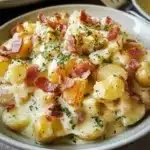
German Potato Salad recipe
Ingredients
The Heart of the Salad: Potatoes
- 2 Pounds Yukon Gold Potatoes (or Yellow Potatoes): The potato is, naturally, the star of the show. Yukon Gold or other yellow potatoes are highly recommended for German Potato Salad because of their creamy texture, slightly buttery flavor, and ability to hold their shape after boiling. They are waxy potatoes, meaning they are lower in starch than russet potatoes, which prevents them from becoming mushy when cooked and tossed in the dressing. Avoid using russet or Idaho potatoes, as they tend to fall apart and absorb too much dressing, resulting in a less desirable texture. Small to medium-sized potatoes are ideal, as they cook more evenly and are easier to handle. Preparation Tip: It’s best to boil the potatoes whole and unpeeled. This helps them retain moisture and flavor during cooking. Scrub the potatoes thoroughly before boiling to remove any dirt.
The Flavor Base: Dressing Components
- 4 Slices Thick-Cut Bacon, Diced: Bacon is absolutely essential for authentic German Potato Salad. It provides a smoky, savory depth of flavor that permeates the entire dish. Thick-cut bacon is preferred as it renders more fat and provides more substantial bacon pieces. Dice the bacon before cooking for even rendering and crispy bits. Flavor Enhancement Tip: Don’t discard the bacon fat! Bacon fat is liquid gold in this recipe. It’s used to sauté the onions and forms a crucial part of the warm, flavorful dressing.
- 1 Medium Yellow Onion, Finely Chopped: Onion adds a pungent, aromatic layer to the dressing. Yellow onions are a good all-purpose choice, offering a balance of sweetness and sharpness when cooked. Finely chopping the onion ensures it cooks quickly and evenly in the bacon fat and blends seamlessly into the salad without overpowering other flavors. Shallots can be used as a milder alternative if you prefer a less intense onion flavor.
- 1/2 Cup Apple Cider Vinegar (or White Wine Vinegar): Vinegar is the key to the tangy, signature flavor of German Potato Salad. Apple cider vinegar is a classic choice, providing a slightly fruity and mellow acidity. White wine vinegar is another excellent option, offering a cleaner, brighter tang. Avoid using harsh distilled white vinegar, as it can be too overpowering. The vinegar balances the richness of the bacon fat and potatoes and prevents the salad from being heavy.
- 1/4 Cup Chicken Broth (or Vegetable Broth): Broth adds moisture and depth of flavor to the dressing. Chicken broth enhances the savory notes, while vegetable broth is a suitable vegetarian alternative. Low-sodium broth is recommended to control the salt level. The warm broth helps to slightly “cook” the potatoes further as they absorb the dressing.
- 2 Tablespoons Granulated Sugar (or Brown Sugar): Sugar balances the acidity of the vinegar and rounds out the overall flavor profile. Granulated sugar provides clean sweetness, while brown sugar adds a subtle molasses-like depth. Adjust the amount of sugar to your preference; some recipes call for less, others for slightly more, depending on the desired level of sweetness.
- 2 Tablespoons Dijon Mustard: Dijon mustard adds a subtle tang, spice, and complexity to the dressing. It also acts as an emulsifier, helping to bind the dressing ingredients together. Dijon mustard provides a more refined flavor compared to yellow mustard.
- 1 Teaspoon Celery Seed: Celery seed is a classic spice in German Potato Salad, adding a distinctive, slightly bitter and aromatic note that complements the other flavors beautifully. It provides a subtle herbaceous complexity. If you don’t have celery seed, you can omit it, but it does contribute to the authentic flavor profile.
- Salt and Freshly Ground Black Pepper, to taste: Salt and pepper are essential seasonings to enhance all the flavors in the salad. Season generously, tasting as you go, to achieve a well-balanced and flavorful dish. Freshly ground black pepper adds a more pungent and nuanced flavor compared to pre-ground pepper.
Optional Additions (For Texture and Visual Appeal):
- Fresh Parsley, Chopped (for garnish): Fresh parsley adds a bright, herbaceous note and a pop of green color as a garnish. Flat-leaf parsley (Italian parsley) is preferred for its stronger flavor and less coarse texture compared to curly parsley.
- Hard-Boiled Eggs, Sliced or Chopped (optional): Hard-boiled eggs are a common addition in some German Potato Salad variations, adding protein, richness, and visual appeal. If using, hard-boil eggs and slice or chop them before adding to the salad.
- Pickles, Diced (Dill or Sweet Pickles – optional): Some regional variations include diced pickles, adding a tangy, crunchy element. Dill pickles or sweet pickles can be used, depending on your preference for a more savory or slightly sweeter salad.
Instructions
- Boil the Potatoes: Place the unpeeled potatoes in a large pot and cover them with cold water. Add about 1 teaspoon of salt to the water. Bring to a boil over high heat, then reduce heat to medium and simmer until the potatoes are tender when pierced with a knife, about 20-25 minutes. Doneness Test: The potatoes are done when a knife inserted into the center goes in easily with little resistance. Avoid overcooking, as the potatoes will become mushy.
- Cook the Bacon: While the potatoes are boiling, cook the diced bacon in a large skillet over medium heat until crispy. Remove the bacon from the skillet with a slotted spoon and set aside, reserving the bacon fat in the skillet. Bacon Crispness: Cook the bacon to your desired level of crispness. Some prefer it very crispy, while others prefer it slightly chewy.
- Sauté the Onion: Add the chopped onion to the skillet with the reserved bacon fat. Cook over medium heat until softened and translucent, about 5-7 minutes. Do not brown the onions; you want them to be softened and slightly sweet. Aromatic Base: Sautéing the onion in bacon fat infuses it with rich, smoky flavor and creates the aromatic base for the dressing.
- Make the Warm Dressing: Add the apple cider vinegar, chicken broth, sugar, Dijon mustard, and celery seed to the skillet with the sautéed onions. Bring to a simmer and cook for 2-3 minutes, stirring occasionally, until the sugar is dissolved and the dressing is slightly thickened. Season with salt and freshly ground black pepper to taste. Flavor Infusion: Simmering the dressing ingredients together allows the flavors to meld and deepen, creating a more complex and harmonious dressing.
- Peel and Slice the Potatoes: Once the potatoes are cooked and slightly cooled (but still warm), carefully peel them while they are still warm. Peeling warm potatoes is easier than peeling cold potatoes. Slice the potatoes into ¼-inch thick slices. Potato Texture: Slicing the potatoes while they are still warm allows them to absorb the warm dressing more effectively, resulting in a more flavorful and cohesive salad. Don’t let the potatoes cool completely before slicing, as they will become harder to peel and slice neatly.
- Combine Potatoes and Dressing: In a large bowl, gently combine the warm potato slices with the warm dressing. Toss gently to coat the potatoes evenly with the dressing. Be careful not to mash the potatoes. Gentle Handling: Handle the potatoes gently to avoid breaking them apart. You want to maintain the potato slices intact for the best texture and visual appeal.
- Add Bacon and Parsley (and Optional Eggs/Pickles): Stir in the cooked bacon and chopped fresh parsley. If using hard-boiled eggs or pickles, gently fold them in as well. Final Touches: Adding the bacon and parsley at the end preserves their texture and freshness.
- Taste and Adjust Seasoning: Taste the potato salad and adjust seasoning as needed. You may need to add more salt, pepper, vinegar, or sugar to achieve the perfect balance of flavors according to your preference. Personalized Flavor: Seasoning is crucial! Taste and adjust until the salad is perfectly balanced and flavorful to your liking.
- Serve Warm or at Room Temperature: German Potato Salad is traditionally served warm or at room temperature. It can be served immediately or allowed to sit for 30 minutes to an hour for the flavors to meld further. Flavor Development: Allowing the salad to sit for a short period enhances the flavor as the potatoes fully absorb the dressing.
- Garnish and Enjoy: Garnish with additional fresh parsley, if desired, and serve warm or at room temperature. Enjoy your authentic and delicious German Potato Salad!
Nutrition
- Serving Size: one normal portion
- Calories: 250-350 kcal
- Sugar: 5-10g
- Fat: 10-18g
- Carbohydrates: 30-40g
- Fiber: 3-5g
- Protein: 5-7g