
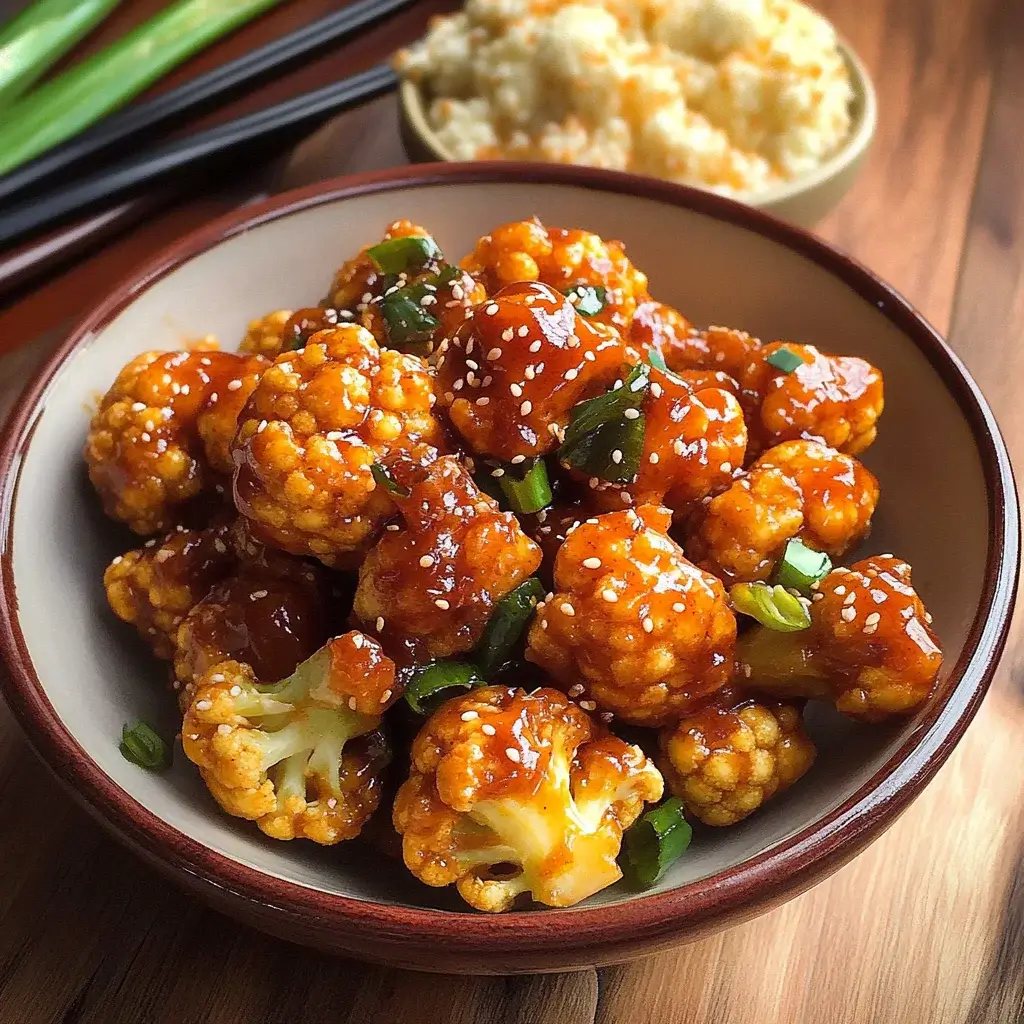

I still remember the first time I tried making General Tso’s anything at home. It was the classic chicken, and while tasty, it felt a bit heavy and like a “sometimes” treat. Then, a few years ago, on a mission to incorporate more plant-based meals into our family’s diet, I stumbled upon the idea of General Tso’s Cauliflower. I was skeptical, I admit. Could cauliflower really stand up to that iconic, bold sauce? Could it achieve that satisfyingly crispy texture? The answer, I discovered, was a resounding YES! The first batch I made disappeared in minutes. My husband, a devoted fan of the traditional version, was genuinely impressed by how flavorful and “meaty” the cauliflower felt. The kids loved the sweet and slightly spicy kick, and I loved that we were enjoying a beloved takeout flavor in a much healthier, veggie-packed way. It’s since become a regular in our meal rotation – a dish that feels indulgent yet is surprisingly wholesome, and always, always a crowd-pleaser.
The Undeniable Appeal of General Tso’s Cauliflower: A Modern Classic
General Tso’s Chicken is a cornerstone of Chinese-American cuisine, beloved for its irresistible combination of crispy, deep-fried chicken pieces tossed in a sweet, savory, tangy, and slightly spicy sauce. Its origins are somewhat debated, often attributed to Chef Peng Chang-kuei in Taiwan in the 1950s, though the version popularized in North America evolved significantly, becoming much sweeter. Regardless of its precise history, its iconic flavor profile has captured taste buds worldwide.
In recent years, as more people embrace plant-based eating or simply seek healthier alternatives to their favorite dishes, culinary creativity has blossomed. Enter General Tso’s Cauliflower. This ingenious adaptation takes all the beloved characteristics of the original sauce and pairs them with versatile, humble cauliflower. Why cauliflower? This cruciferous vegetable is a nutritional powerhouse, low in calories and carbs, yet high in fiber, vitamins C and K, and antioxidants. But beyond its health benefits, cauliflower possesses a remarkable ability to absorb flavors and, when cooked correctly, achieve a wonderfully “meaty” texture that can mimic chicken, especially when battered and crisped.
The magic of General Tso’s Cauliflower lies in this perfect marriage: the familiar, addictive sauce clinging to tender-crisp, often battered, cauliflower florets. It offers a way to enjoy those takeout cravings without the greasiness or heaviness often associated with deep-fried dishes. It’s a testament to how classic flavors can be reimagined for a modern, health-conscious palate without sacrificing deliciousness. Whether you’re vegan, vegetarian, or a dedicated omnivore looking to add more vegetables to your diet, General Tso’s Cauliflower is a dish that satisfies on every level – flavor, texture, and even a touch of virtuousness. Its popularity is a clear indicator that delicious food doesn’t always need meat to be the star.
Ingredients: Assembling Your General Tso’s Cauliflower Arsenal
To create truly exceptional General Tso’s Cauliflower, the quality and combination of your ingredients are key. Here’s what you’ll need:
For the Crispy Cauliflower:
- Cauliflower: 1 large head (about 2-2.5 lbs or 900-1100g), cut into 1.5 to 2-inch florets
- All-Purpose Flour: ¾ cup (90g) (or gluten-free all-purpose blend for GF version)
- Cornstarch: ¼ cup (30g) (for extra crispiness)
- Water or Unsweetened Plant-Based Milk (e.g., almond, soy): 1 cup (240ml), or as needed for batter consistency
- Salt: ½ teaspoon
- Black Pepper: ¼ teaspoon
- Garlic Powder: ½ teaspoon
- Optional: Panko Breadcrumbs: ½ cup (30g) for an even crispier coating (apply after batter)
- Cooking Oil: 2-3 tablespoons for baking/air frying, or more for shallow frying (e.g., avocado, canola, or vegetable oil)
For the General Tso’s Sauce:
- Soy Sauce (Low Sodium recommended): ¼ cup (60ml) (or Tamari/Coconut Aminos for gluten-free/soy-free)
- Rice Vinegar: ¼ cup (60ml) (unseasoned)
- Water or Vegetable Broth: ¼ cup (60ml)
- Brown Sugar (packed): ¼ cup (50g) (or maple syrup/agave for refined sugar-free)
- Hoisin Sauce: 2 tablespoons (optional, but adds depth)
- Sesame Oil (Toasted): 1 tablespoon
- Fresh Ginger: 1 tablespoon, minced (about a 1-inch piece)
- Fresh Garlic: 3-4 cloves, minced
- Red Pepper Flakes: ½ – 1 teaspoon (adjust to your spice preference), or 1-2 teaspoons Sriracha/Gochujang
- Cornstarch: 1 tablespoon
- Cold Water: 2 tablespoons (to make a cornstarch slurry)
For Garnish (Optional):
- Toasted Sesame Seeds: 1-2 teaspoons
- Sliced Green Onions (Scallions): 2-3, thinly sliced (green parts mostly)
- Steamed Rice or Quinoa: For serving
Key Ingredient Notes:
- Cauliflower Florets: Aim for relatively uniform pieces so they cook evenly. Bite-sized is best.
- Batter Consistency: The batter should be like thick pancake batter – thick enough to coat the cauliflower without being overly gloopy, but not so thin that it just runs off. Adjust liquid as needed.
- Sweetener: Brown sugar gives a classic depth, but maple syrup works wonderfully for a vegan, refined sugar-free option and adds a lovely gloss.
- Spice Level: Red pepper flakes provide a dry heat. Sriracha or Gochujang (Korean chili paste) can offer a more complex, slightly tangy heat. Start with less and add more if desired.
- Soy Sauce Alternatives: If you’re gluten-free, use tamari. For a soy-free option, coconut aminos are a good substitute, though you might need to adjust sweetness/saltiness slightly.
Step-by-Step Instructions: Crafting Your Crispy Cauliflower Delight
Follow these steps carefully to achieve restaurant-worthy General Tso’s Cauliflower at home.
Part 1: Preparing and Cooking the Cauliflower
- Preheat Oven/Air Fryer:
- For Baking: Preheat your oven to 425°F (220°C). Line a large baking sheet with parchment paper for easy cleanup and to prevent sticking.
- For Air Frying: Preheat your air fryer to 400°F (200°C).
- Prepare Cauliflower Florets: Wash the head of cauliflower thoroughly. Pat it dry with paper towels – excess moisture will prevent crisping. Cut into bite-sized florets, roughly 1.5 to 2 inches. Try to keep them fairly uniform in size for even cooking.
- Make the Batter: In a large mixing bowl, whisk together the all-purpose flour, ¼ cup cornstarch, salt, black pepper, and garlic powder. Gradually whisk in the 1 cup of water or plant-based milk until you have a smooth, thick batter, similar to pancake batter. If it’s too thick, add a little more liquid, a tablespoon at a time. If it’s too thin, add a bit more flour.
- Coat the Cauliflower: Add the cauliflower florets to the bowl with the batter. Gently toss and stir until all florets are evenly coated. Ensure each piece has a good layer of batter clinging to it.
- Optional Panko Step: If using panko breadcrumbs for extra crispiness, spread them on a separate plate. After dipping each floret in the batter, roll it in the panko crumbs to coat, pressing gently to help them adhere.
- Cook the Cauliflower (Choose your method):
- Baking Method:
- Arrange the battered cauliflower florets in a single layer on the prepared baking sheet, ensuring they are not overcrowded (use two baking sheets if necessary – overcrowding will steam them instead of crisping).
- Drizzle or spray lightly with 2-3 tablespoons of cooking oil.
- Bake for 20-25 minutes, flipping the florets halfway through, until they are golden brown, crispy on the outside, and tender on the inside. Cooking time may vary depending on your oven and the size of the florets.
- Air Frying Method:
- Place the battered cauliflower florets in the air fryer basket in a single layer. You may need to cook in batches to avoid overcrowding.
- Spray lightly with cooking oil.
- Air fry at 400°F (200°C) for 12-18 minutes, shaking the basket or flipping the florets halfway through, until golden brown and crispy.
- Shallow Frying Method (For an extra crispy, more indulgent result):
- Heat about ½ inch of neutral oil in a large, heavy-bottomed skillet or wok over medium-high heat until it shimmers (around 350-375°F or 175-190°C).
- Carefully add the battered cauliflower florets in a single layer, being careful not to overcrowd the pan (work in batches).
- Fry for 3-5 minutes per side, until golden brown and crispy.
- Remove with a slotted spoon and transfer to a wire rack lined with paper towels to drain excess oil.
- Baking Method:
Part 2: Making the General Tso’s Sauce
- Prepare Aromatics: While the cauliflower is cooking (or just before it’s done), prepare your sauce. Mince the garlic and ginger.
- Combine Sauce Ingredients (Except Cornstarch Slurry): In a small bowl, whisk together the soy sauce (or tamari/coconut aminos), rice vinegar, water/vegetable broth, brown sugar (or maple syrup/agave), hoisin sauce (if using), sesame oil, and red pepper flakes (or Sriracha/Gochujang).
- Make Cornstarch Slurry: In a separate very small bowl, whisk together the 1 tablespoon of cornstarch and 2 tablespoons of cold water until completely smooth. This will be used to thicken the sauce.
- Cook the Sauce: Heat a large skillet or wok over medium heat. If your cauliflower was baked or air-fried, you can add a teaspoon of oil here. If it was fried, you might not need extra.
- Add the minced ginger and garlic and sauté for about 30-60 seconds until fragrant. Be careful not to burn them.
- Pour the prepared sauce mixture (from step 2) into the skillet. Bring to a simmer, stirring occasionally.
- Once simmering, give the cornstarch slurry a quick re-whisk (as cornstarch settles) and pour it into the sauce. Continue to stir constantly until the sauce thickens to a glossy, syrup-like consistency that can coat the back of a spoon. This should take about 1-2 minutes.
- Taste the sauce and adjust seasonings if needed (more sweetener, more spice, a dash more soy sauce for saltiness).
- Remove from heat.
Part 3: Combining and Serving
- Coat the Cauliflower: Once the cauliflower is cooked to crispy perfection and the sauce has thickened, add the crispy cauliflower florets to the skillet with the sauce. Gently toss to coat every piece thoroughly. Work quickly to maintain as much crispiness as possible.
- Garnish and Serve Immediately: Transfer the saucy General Tso’s Cauliflower to a serving platter or individual bowls. Garnish with toasted sesame seeds and sliced green onions.
- Serve: This dish is best enjoyed immediately while the cauliflower is still crispy. Serve it over steamed white rice, brown rice, quinoa, or even cauliflower rice for a low-carb option. It also pairs well with steamed broccoli or other stir-fried vegetables.
Nutrition Facts (Approximate)
- Servings: This recipe typically serves 4 as a main dish or 6 as a side/appetizer.
- Calories per serving (approximate, for 1/4th of the recipe, baked, served without rice): Around 350-450 calories.
- This is an estimate and can vary significantly based on the exact amount of oil used (especially if frying), the specific brands of ingredients (e.g., sugar content in hoisin or sweeteners), and serving size. The batter and sauce contribute most of the calories beyond the cauliflower itself.
Preparation & Cook Time
Understanding the timeline helps in planning your delicious meal:
- Preparation Time (Chopping, Batter, Sauce Prep): Approximately 20-25 minutes.
- Cook Time (Cauliflower & Sauce):
- Baking: 20-25 minutes for cauliflower + 5-7 minutes for sauce.
- Air Frying: 12-18 minutes for cauliflower (may need batches) + 5-7 minutes for sauce.
- Shallow Frying: 6-10 minutes per batch for cauliflower + 5-7 minutes for sauce.
- Total Time (Active & Passive): Approximately 45-60 minutes, depending on the chosen cooking method for the cauliflower and if batch cooking is required.
How to Serve Your Glorious General Tso’s Cauliflower
Presentation and pairings can elevate your homemade General Tso’s Cauliflower from a simple meal to a memorable feast.
- As a Main Course:
- With Rice: The classic pairing. Serve over fluffy:
- Steamed white jasmine or basmati rice.
- Nutty brown rice for extra fiber.
- Fragrant coconut rice for a subtle twist.
- Cauliflower rice for a low-carb, double-cauliflower experience!
- With Quinoa: A protein-packed, gluten-free grain option.
- With Noodles: Lo mein noodles or rice noodles can be a fun alternative to rice.
- With Rice: The classic pairing. Serve over fluffy:
- As Part of a Larger Asian-Inspired Spread:
- Serve alongside other dishes like vegetable stir-fry, spring rolls, edamame, or a simple cucumber salad.
- As an Appetizer:
- Serve smaller portions on a platter, perhaps with toothpicks for easy grabbing at a party.
- Enhance with Sides:
- Steamed Greens: Simple steamed broccoli, bok choy, or green beans provide a fresh contrast.
- Quick Pickled Vegetables: Tangy pickled cucumbers or carrots can cut through the richness of the sauce.
- Garnish Power: Don’t underestimate the visual and textural impact of garnishes:
- Toasted Sesame Seeds: Add a nutty crunch and visual appeal.
- Freshly Sliced Green Onions (Scallions): Provide a mild oniony bite and a pop of fresh green.
- Fresh Cilantro Leaves: For those who enjoy its bright, herbaceous flavor.
- Extra Red Pepper Flakes: For those who like an extra kick of heat on top.
Additional Tips for General Tso’s Cauliflower Perfection
- Achieve Maximum Crispiness: The key to great General Tso’s Cauliflower is the texture.
- Don’t Overcrowd: Whether baking, air frying, or pan-frying, give the cauliflower florets space. Overcrowding traps steam, resulting in soggy cauliflower. Cook in batches if necessary.
- Dry Cauliflower: Ensure your cauliflower is patted dry after washing before battering.
- Cornstarch is Your Friend: Adding cornstarch to the batter (and for the sauce thickener) is crucial for crispiness and a glossy sauce.
- Sauce Last: Add the cooked cauliflower to the sauce just before serving. The longer it sits in the sauce, the softer it will become.
- Customize Your Sauce: The sauce is highly adaptable.
- Spice Level: Easily adjust the amount of red pepper flakes, Sriracha, or Gochujang. Taste and add more if you like it fiery. For a milder version, reduce or omit.
- Sweetness: Adjust the brown sugar or maple syrup to your preference.
- Tang: If you like it tangier, add an extra splash of rice vinegar.
- Gluten-Free Adaptation: This dish is easily made gluten-free.
- Use a good quality gluten-free all-purpose flour blend for the batter.
- Ensure your cornstarch is certified gluten-free (most are naturally, but check).
- Use Tamari instead of regular soy sauce.
- Double-check that your hoisin sauce (if using) is gluten-free.
- Make-Ahead Strategies (Partial):
- Cauliflower Prep: You can wash and chop the cauliflower florets a day or two in advance and store them in an airtight container in the refrigerator.
- Sauce Prep: The sauce ingredients (except the cornstarch slurry) can be whisked together and stored in the refrigerator for up to 3 days. Make the cornstarch slurry and thicken the sauce just before serving.
- It’s best to batter and cook the cauliflower just before saucing and serving for optimal crispiness.
- Reheating Leftovers (The Crispy Challenge):
- Leftover General Tso’s Cauliflower will inevitably lose some crispiness once refrigerated in the sauce.
- Best Method: Oven or Air Fryer: Spread the leftovers in a single layer on a baking sheet and reheat in a preheated oven at 350°F (175°C) for 10-15 minutes, or in an air fryer at 375°F (190°C) for 5-8 minutes, until heated through and some crispiness is restored.
- Microwave: Possible for quick heating, but it will result in softer cauliflower.
Frequently Asked Questions (FAQ) About General Tso’s Cauliflower
Q1: Is General Tso’s Cauliflower actually spicy?
A: It can be, but the spice level is highly customizable! The heat typically comes from red pepper flakes, Sriracha, or Gochujang. Our recipe suggests ½ – 1 teaspoon of red pepper flakes, which provides a mild to moderate kick. You can easily reduce this for a very mild dish or increase it significantly if you love spicy food. Always taste your sauce and adjust.
Q2: Can I make this dish vegan?
A: Absolutely! This recipe is easily made vegan. Ensure you use water or an unsweetened plant-based milk (like almond, soy, or oat milk) in the batter. If your sweetener of choice is typically honey for other recipes, opt for brown sugar, maple syrup, or agave nectar for the sauce to keep it vegan. Double-check that your hoisin sauce (if using) doesn’t contain any non-vegan ingredients (most are vegan, but it’s good to check).
Q3: What’s the secret to really crispy cauliflower without deep frying?
A: Several factors contribute:
* A good batter: The combination of flour and cornstarch is key.
* High heat: Whether baking or air frying, use a sufficiently high temperature.
* Don’t overcrowd the pan/basket: This allows hot air to circulate and crisp all sides.
* A touch of oil: Even when baking or air frying, a light spray or drizzle of oil helps with browning and crisping.
* Panko (optional): Adding a panko breadcrumb coating after the wet batter can create an even crunchier exterior.
* Sauce at the very end: Toss the crispy cauliflower with the sauce just before serving.
Q4: My sauce isn’t thickening properly. What did I do wrong?
A: This is usually due to issues with the cornstarch slurry.
* Slurry not smooth: Ensure the cornstarch is fully dissolved in cold water before adding it to the hot sauce. Lumps won’t dissolve properly.
* Not enough cornstarch: If the sauce is still too thin after simmering, you can make a little more slurry (e.g., ½ teaspoon cornstarch mixed with 1 teaspoon cold water) and add it, simmering until thickened.
* Not simmering long enough: The sauce needs to come to a gentle simmer after the slurry is added for the cornstarch to activate and thicken. Stir constantly.
* Too much liquid initially: Double-check your liquid measurements for the sauce.
Q5: Can I use frozen cauliflower for this recipe?
A: While you can, it’s generally not recommended if you’re aiming for a crispy texture. Frozen cauliflower releases a lot more moisture as it thaws and cooks, which makes it very difficult to get crispy; it tends to become mushy. For the best texture, fresh cauliflower is definitely the way to go for this particular dish. If you must use frozen, thaw it completely and pat it extremely dry with paper towels, but be prepared for a softer result.
General Tso’s Cauliflower recipe
Ingredients
For the Crispy Cauliflower:
- Cauliflower: 1 large head (about 2-2.5 lbs or 900-1100g), cut into 1.5 to 2-inch florets
- All-Purpose Flour: ¾ cup (90g) (or gluten-free all-purpose blend for GF version)
- Cornstarch: ¼ cup (30g) (for extra crispiness)
- Water or Unsweetened Plant-Based Milk (e.g., almond, soy): 1 cup (240ml), or as needed for batter consistency
- Salt: ½ teaspoon
- Black Pepper: ¼ teaspoon
- Garlic Powder: ½ teaspoon
- Optional: Panko Breadcrumbs: ½ cup (30g) for an even crispier coating (apply after batter)
- Cooking Oil: 2-3 tablespoons for baking/air frying, or more for shallow frying (e.g., avocado, canola, or vegetable oil)
For the General Tso’s Sauce:
- Soy Sauce (Low Sodium recommended): ¼ cup (60ml) (or Tamari/Coconut Aminos for gluten-free/soy-free)
- Rice Vinegar: ¼ cup (60ml) (unseasoned)
- Water or Vegetable Broth: ¼ cup (60ml)
- Brown Sugar (packed): ¼ cup (50g) (or maple syrup/agave for refined sugar-free)
- Hoisin Sauce: 2 tablespoons (optional, but adds depth)
- Sesame Oil (Toasted): 1 tablespoon
- Fresh Ginger: 1 tablespoon, minced (about a 1-inch piece)
- Fresh Garlic: 3-4 cloves, minced
- Red Pepper Flakes: ½ – 1 teaspoon (adjust to your spice preference), or 1-2 teaspoons Sriracha/Gochujang
- Cornstarch: 1 tablespoon
- Cold Water: 2 tablespoons (to make a cornstarch slurry)
For Garnish (Optional):
- Toasted Sesame Seeds: 1-2 teaspoons
- Sliced Green Onions (Scallions): 2-3, thinly sliced (green parts mostly)
- Steamed Rice or Quinoa: For serving
Instructions
Part 1: Preparing and Cooking the Cauliflower
- Preheat Oven/Air Fryer:
- For Baking: Preheat your oven to 425°F (220°C). Line a large baking sheet with parchment paper for easy cleanup and to prevent sticking.
- For Air Frying: Preheat your air fryer to 400°F (200°C).
- Prepare Cauliflower Florets: Wash the head of cauliflower thoroughly. Pat it dry with paper towels – excess moisture will prevent crisping. Cut into bite-sized florets, roughly 1.5 to 2 inches. Try to keep them fairly uniform in size for even cooking.
- Make the Batter: In a large mixing bowl, whisk together the all-purpose flour, ¼ cup cornstarch, salt, black pepper, and garlic powder. Gradually whisk in the 1 cup of water or plant-based milk until you have a smooth, thick batter, similar to pancake batter. If it’s too thick, add a little more liquid, a tablespoon at a time. If it’s too thin, add a bit more flour.
- Coat the Cauliflower: Add the cauliflower florets to the bowl with the batter. Gently toss and stir until all florets are evenly coated. Ensure each piece has a good layer of batter clinging to it.
- Optional Panko Step: If using panko breadcrumbs for extra crispiness, spread them on a separate plate. After dipping each floret in the batter, roll it in the panko crumbs to coat, pressing gently to help them adhere.
- Cook the Cauliflower (Choose your method):
- Baking Method:
- Arrange the battered cauliflower florets in a single layer on the prepared baking sheet, ensuring they are not overcrowded (use two baking sheets if necessary – overcrowding will steam them instead of crisping).
- Drizzle or spray lightly with 2-3 tablespoons of cooking oil.
- Bake for 20-25 minutes, flipping the florets halfway through, until they are golden brown, crispy on the outside, and tender on the inside. Cooking time may vary depending on your oven and the size of the florets.
- Air Frying Method:
- Place the battered cauliflower florets in the air fryer basket in a single layer. You may need to cook in batches to avoid overcrowding.
- Spray lightly with cooking oil.
- Air fry at 400°F (200°C) for 12-18 minutes, shaking the basket or flipping the florets halfway through, until golden brown and crispy.
- Shallow Frying Method (For an extra crispy, more indulgent result):
- Heat about ½ inch of neutral oil in a large, heavy-bottomed skillet or wok over medium-high heat until it shimmers (around 350-375°F or 175-190°C).
- Carefully add the battered cauliflower florets in a single layer, being careful not to overcrowd the pan (work in batches).
- Fry for 3-5 minutes per side, until golden brown and crispy.
- Remove with a slotted spoon and transfer to a wire rack lined with paper towels to drain excess oil.
- Baking Method:
Part 2: Making the General Tso’s Sauce
- Prepare Aromatics: While the cauliflower is cooking (or just before it’s done), prepare your sauce. Mince the garlic and ginger.
- Combine Sauce Ingredients (Except Cornstarch Slurry): In a small bowl, whisk together the soy sauce (or tamari/coconut aminos), rice vinegar, water/vegetable broth, brown sugar (or maple syrup/agave), hoisin sauce (if using), sesame oil, and red pepper flakes (or Sriracha/Gochujang).
- Make Cornstarch Slurry: In a separate very small bowl, whisk together the 1 tablespoon of cornstarch and 2 tablespoons of cold water until completely smooth. This will be used to thicken the sauce.
- Cook the Sauce: Heat a large skillet or wok over medium heat. If your cauliflower was baked or air-fried, you can add a teaspoon of oil here. If it was fried, you might not need extra.
- Add the minced ginger and garlic and sauté for about 30-60 seconds until fragrant. Be careful not to burn them.
- Pour the prepared sauce mixture (from step 2) into the skillet. Bring to a simmer, stirring occasionally.
- Once simmering, give the cornstarch slurry a quick re-whisk (as cornstarch settles) and pour it into the sauce. Continue to stir constantly until the sauce thickens to a glossy, syrup-like consistency that can coat the back of a spoon. This should take about 1-2 minutes.
- Taste the sauce and adjust seasonings if needed (more sweetener, more spice, a dash more soy sauce for saltiness).
- Remove from heat.
Part 3: Combining and Serving
- Coat the Cauliflower: Once the cauliflower is cooked to crispy perfection and the sauce has thickened, add the crispy cauliflower florets to the skillet with the sauce. Gently toss to coat every piece thoroughly. Work quickly to maintain as much crispiness as possible.
- Garnish and Serve Immediately: Transfer the saucy General Tso’s Cauliflower to a serving platter or individual bowls. Garnish with toasted sesame seeds and sliced green onions.
- Serve: This dish is best enjoyed immediately while the cauliflower is still crispy. Serve it over steamed white rice, brown rice, quinoa, or even cauliflower rice for a low-carb option. It also pairs well with steamed broccoli or other stir-fried vegetables.
Nutrition
- Serving Size: one normal portion
- Calories: 350-450