
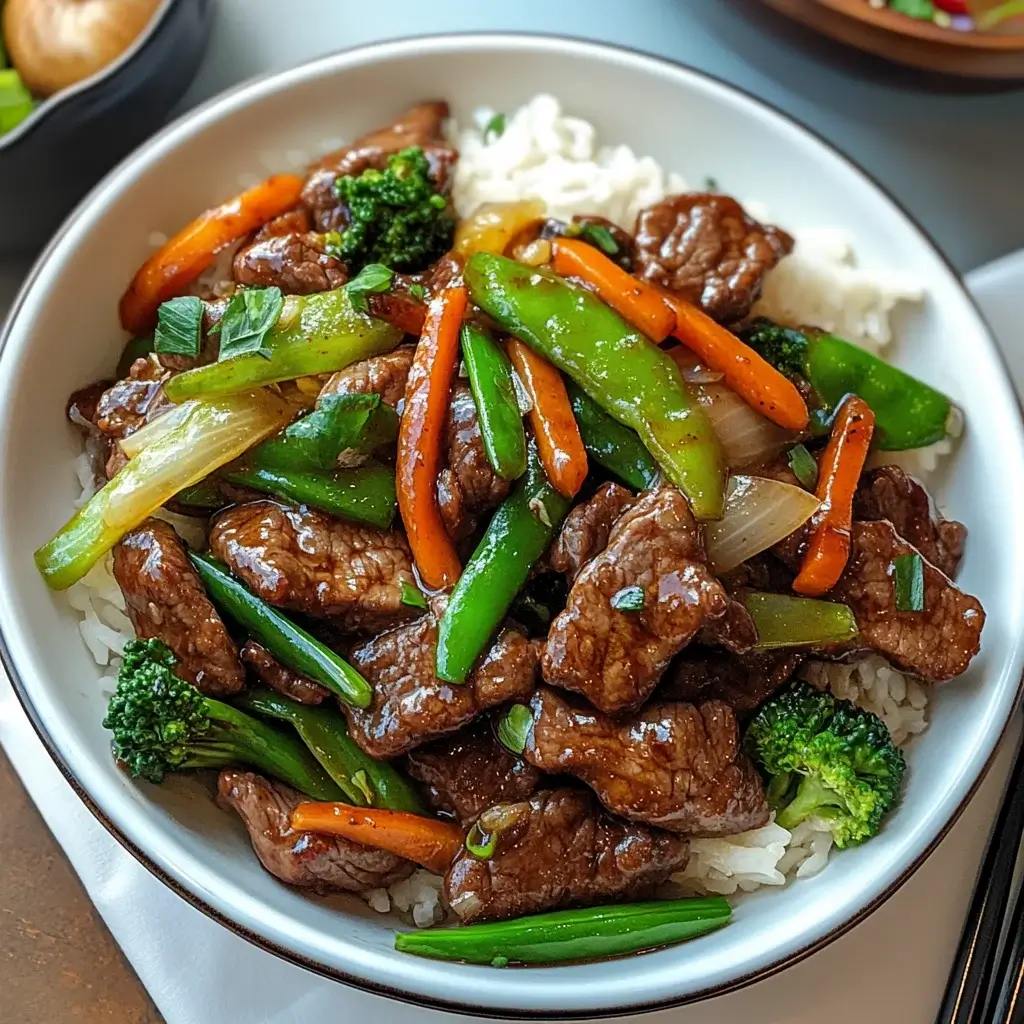

Weeknights in our house used to be synonymous with dinner dilemmas. Quick and easy often meant sacrificing flavor, and anything truly delicious seemed to require hours in the kitchen – time I just didn’t have. That all changed the day I stumbled upon Garlic Butter Beef Stir Fry. Honestly, it was a revelation. From prep to plate in under 30 minutes, this dish is a weeknight wonder. The aroma alone, as garlic and butter sizzle together, is enough to make your mouth water. And the taste? Oh my goodness, the taste! Tender strips of beef, perfectly seared and coated in a luscious, garlicky butter sauce, tossed with crisp-tender vegetables – it’s pure culinary magic. My family, even my notoriously picky teenager, absolutely raves about it. It’s become a regular request, and I’m always happy to oblige because it’s so simple to make and incredibly satisfying. If you’re searching for a fast, flavorful, and family-friendly meal that will banish weeknight dinner stress, you absolutely must try this Garlic Butter Beef Stir Fry recipe. Prepare to be amazed at how quickly you can create restaurant-quality deliciousness right in your own kitchen!
Ingredients: The Foundation of Flavorful Stir Fry
The key to an exceptional Garlic Butter Beef Stir Fry lies in selecting high-quality ingredients and understanding how each component contributes to the final dish. While the ingredient list is relatively concise, each element is crucial for achieving the perfect balance of flavors and textures. Let’s delve into each ingredient and explore why they are essential for creating a stir fry masterpiece.
- Beef Sirloin or Ribeye (1 pound): The star protein of our stir fry! Sirloin and ribeye are excellent choices for stir-frying because they are tender cuts of beef that cook quickly and remain juicy. Sirloin is leaner and offers a good balance of flavor and tenderness, making it a budget-friendly option. Ribeye, with its marbling of fat, is even more tender and flavorful, resulting in a more luxurious stir fry experience. You’ll want to choose about 1 pound of beef. When selecting your beef, look for cuts that are bright red in color, with good marbling (flecks of fat) for ribeye, and minimal gristle. For optimal tenderness, slice the beef against the grain into thin strips, about ¼ inch thick and 2-3 inches long. Slicing against the grain shortens the muscle fibers, making the beef incredibly tender when cooked quickly at high heat. If you can’t find sirloin or ribeye, flank steak or skirt steak can also be used, but they require marinating to tenderize them before stir-frying.
- Butter (4 tablespoons): The magic ingredient that elevates this stir fry to another level! Butter adds richness, flavor, and a beautiful glossy sheen to the sauce. Unsalted butter is recommended so you can control the salt level of the dish. You’ll need 4 tablespoons of butter, which might seem like a lot, but it’s essential for creating that luscious garlic butter sauce that coats the beef and vegetables. The butter melts and emulsifies with the garlic and soy sauce, creating a flavorful and decadent sauce that is simply irresistible. For a richer flavor, consider using European-style butter, which has a higher butterfat content.
- Garlic (6-8 cloves): The aromatic powerhouse that defines the flavor profile of this stir fry! Garlic adds pungent, savory, and slightly sweet notes that perfectly complement the richness of the butter and beef. You’ll need a generous amount of 6-8 cloves of garlic, minced. Freshly minced garlic is crucial for the best flavor. When mincing garlic, aim for a fine mince to ensure it cooks quickly and evenly in the hot wok or skillet, releasing its full aroma and flavor into the butter sauce. If you love garlic, feel free to add even more! Garlic powder is not a suitable substitute for fresh garlic in this recipe, as it lacks the fresh, pungent flavor that is essential for a garlic butter stir fry.
- Soy Sauce (1/4 cup): The umami backbone of the stir fry sauce! Soy sauce adds saltiness, savory depth, and umami richness that balances the sweetness of the butter and garlic. Low-sodium soy sauce is recommended to control the overall saltiness of the dish, allowing you to adjust the seasoning to your preference. You’ll need ¼ cup of soy sauce. Using low-sodium soy sauce prevents the stir fry from becoming overly salty and allows the other flavors to shine through. Tamari (gluten-free soy sauce) can be used as a substitute for those with gluten sensitivities.
- Brown Sugar (1 tablespoon): A touch of sweetness to balance the savory and salty flavors! Brown sugar adds a subtle molasses-like sweetness that complements the garlic and soy sauce and helps to create a balanced and complex flavor profile. You’ll need just 1 tablespoon of brown sugar. Light or dark brown sugar will work equally well. The brown sugar also helps to caramelize slightly in the hot pan, adding a subtle depth of flavor to the sauce. If you prefer, you can substitute honey or maple syrup for brown sugar, but brown sugar adds a unique depth of flavor that works particularly well in this stir fry.
- Rice Vinegar (1 tablespoon): A touch of acidity to brighten the flavors and cut through the richness! Rice vinegar adds a subtle tanginess that balances the richness of the butter and beef and enhances the overall flavor complexity of the stir fry. You’ll need 1 tablespoon of rice vinegar. Seasoned rice vinegar or unseasoned rice vinegar can be used. If using seasoned rice vinegar, be mindful of the added sugar and salt and adjust the soy sauce and brown sugar accordingly. If you don’t have rice vinegar, apple cider vinegar or white wine vinegar can be used as substitutes, but rice vinegar provides the most authentic flavor for Asian-inspired stir fries.
- Vegetables (about 4 cups, mixed): The healthy and colorful component of our stir fry! Choose a variety of your favorite stir-fry vegetables to add texture, nutrients, and vibrant colors to the dish. Aim for about 4 cups of mixed vegetables. Excellent choices include:
- Broccoli florets: Adds a hearty texture and mild, slightly bitter flavor.
- Bell peppers (red, yellow, orange): Adds sweetness, crunch, and vibrant color.
- Snap peas or snow peas: Adds sweetness and a crisp, delicate texture.
- Carrots (sliced or julienned): Adds sweetness and a slightly firm texture.
- Onions (sliced): Adds savory flavor and a slightly sweet and tender texture.
- Mushrooms (sliced): Adds earthy flavor and a meaty texture.
- Baby corn: Adds sweetness and a crisp, tender texture.
- Bok choy or other leafy greens: Adds a mild, slightly peppery flavor and tender texture.
- Sesame Oil (1 tablespoon): For aroma and flavor enhancement! Toasted sesame oil adds a nutty, aromatic richness that elevates the flavor of the stir fry, especially when used as a finishing touch. You’ll need 1 tablespoon of sesame oil. Toasted sesame oil is crucial for its intense aroma and flavor. Use it sparingly as it can be quite potent. Add it at the end of cooking or as a drizzle over the finished dish to preserve its delicate flavor. Regular sesame oil lacks the same depth of flavor and is not a suitable substitute for toasted sesame oil in this recipe.
- Cooking Oil (2 tablespoons): For stir-frying the beef and vegetables! You’ll need a neutral cooking oil with a high smoke point for stir-frying. Vegetable oil, canola oil, or peanut oil are all excellent choices. You’ll need 2 tablespoons of cooking oil. Using an oil with a high smoke point is important for stir-frying at high heat without the oil smoking or burning.
- Optional Garnishes (for serving): Garnishes add visual appeal and enhance the flavor and texture of the stir fry. Consider these delicious options:
- Sesame seeds (toasted): For nutty flavor and visual appeal.
- Chopped green onions or scallions: For freshness and mild oniony flavor.
- Red pepper flakes: For a touch of heat.
- Fresh cilantro or parsley: For freshness and herbal notes.
By carefully selecting high-quality ingredients and understanding their roles in the recipe, you’ll be well on your way to creating a truly exceptional Garlic Butter Beef Stir Fry that is bursting with flavor and restaurant-quality deliciousness.
Instructions: Mastering the Art of Stir Fry
Creating a mouthwatering Garlic Butter Beef Stir Fry is all about technique and timing. Stir-frying is a fast-paced cooking method that relies on high heat and constant movement to cook ingredients quickly and evenly while preserving their texture and flavor. Follow these step-by-step instructions to master the art of stir fry and create a restaurant-quality dish in your own kitchen.
Step 1: Prepare the Beef
- Slice the beef: As mentioned earlier, slice the beef sirloin or ribeye against the grain into thin strips, about ¼ inch thick and 2-3 inches long. Slicing against the grain is crucial for tender beef in stir fries. Use a sharp knife and slice evenly for consistent cooking.
- Season the beef (optional): While the garlic butter sauce is flavorful enough, you can optionally season the beef with a pinch of salt and black pepper before stir-frying for an extra layer of flavor. Some recipes also recommend marinating the beef briefly with a little soy sauce and cornstarch for extra tenderness, but it’s not strictly necessary for sirloin or ribeye.
Step 2: Prepare the Vegetables
- Wash and chop vegetables: Wash and chop all your chosen vegetables into bite-sized pieces. Ensure vegetables are cut into similar sizes for even cooking. Harder vegetables like carrots and broccoli florets should be cut into smaller pieces or thinner slices so they cook through in the stir fry time.
- Organize vegetables: It’s helpful to organize your chopped vegetables near your cooking station, as stir-frying moves quickly. Group vegetables that will be added at similar times together for efficiency.
Step 3: Prepare the Garlic Butter Sauce
- Mince the garlic: Mince the garlic cloves finely. Freshly minced garlic is essential for the best flavor.
- Combine sauce ingredients: In a small bowl, whisk together the soy sauce, brown sugar, and rice vinegar. This prepares the sauce for quick addition to the wok or skillet. Having the sauce pre-mixed ensures smooth and even distribution of flavors during stir-frying.
Step 4: Stir-Fry the Beef
- Heat wok or skillet: Heat a large wok or skillet over high heat. A wok is ideal for stir-frying due to its shape, which allows for high heat and even cooking, but a large skillet will also work. Ensure the wok or skillet is thoroughly heated before adding oil.
- Add cooking oil: Once the wok or skillet is hot, add 1 tablespoon of cooking oil and swirl to coat the bottom and sides.
- Stir-fry beef in batches: Add the sliced beef to the hot wok or skillet in a single layer. Do not overcrowd the pan, as this will lower the temperature and cause the beef to steam instead of sear. Stir-fry the beef in batches if necessary to ensure proper searing.
- Sear beef quickly: Stir-fry the beef for 1-2 minutes per side, or until browned and seared on the outside but still slightly pink in the center. Beef sirloin and ribeye cook very quickly at high heat. Overcooking will result in tough beef. Remove the seared beef from the wok or skillet and set aside.
Step 5: Stir-Fry the Vegetables
- Add more cooking oil: Add another 1 tablespoon of cooking oil to the wok or skillet and heat.
- Stir-fry vegetables in order of cooking time: Add the vegetables to the wok or skillet, starting with the harder vegetables that take longer to cook, such as broccoli florets and carrots. Stir-fry for 2-3 minutes.
- Add softer vegetables: Add softer vegetables like bell peppers, onions, and mushrooms. Stir-fry for another 2-3 minutes, or until the vegetables are crisp-tender – cooked through but still retaining a slight crunch. Stir-frying vegetables quickly at high heat preserves their texture and nutrients. Avoid overcooking the vegetables, which will make them mushy.
Step 6: Create the Garlic Butter Sauce and Combine
- Reduce heat to medium: Reduce the heat to medium under the wok or skillet.
- Add butter: Add 4 tablespoons of butter to the wok or skillet and let it melt completely.
- Add minced garlic: Add the minced garlic to the melted butter and sauté for 30 seconds to 1 minute, or until fragrant. Be careful not to burn the garlic, as it can become bitter. Sautéing the garlic in butter releases its aroma and flavor into the sauce.
- Pour in sauce mixture: Pour the prepared soy sauce, brown sugar, and rice vinegar mixture into the wok or skillet with the garlic butter. Stir to combine and bring to a simmer.
- Return beef to the wok or skillet: Return the seared beef to the wok or skillet with the garlic butter sauce and vegetables. Toss everything together to coat evenly with the sauce.
- Stir-fry briefly: Stir-fry for another 1-2 minutes to heat the beef through and allow the sauce to thicken slightly and coat all the ingredients beautifully.
Step 7: Finish and Serve
- Stir in sesame oil: Stir in 1 tablespoon of sesame oil for aroma and flavor enhancement.
- Taste and adjust seasoning: Taste the stir fry and adjust seasoning if needed. You may want to add a little more soy sauce for saltiness, brown sugar for sweetness, or rice vinegar for tanginess, depending on your preference.
- Serve immediately: Serve the Garlic Butter Beef Stir Fry immediately over cooked rice, noodles, or quinoa. Stir fries are best enjoyed fresh and hot.
- Garnish (optional): Garnish with toasted sesame seeds, chopped green onions, red pepper flakes, or fresh cilantro, if desired, for visual appeal and added flavor.
By following these detailed instructions and focusing on the key techniques of high heat stir-frying and quick cooking, you’ll be able to create a restaurant-quality Garlic Butter Beef Stir Fry that is both delicious and satisfying in just minutes! Enjoy the process and the incredible flavors of this weeknight dinner sensation.
Nutrition Facts: A Balanced and Satisfying Meal
Garlic Butter Beef Stir Fry is not only incredibly flavorful and quick to prepare, but it can also be a nutritious and balanced meal when made with lean beef and plenty of vegetables. This stir fry provides a good source of protein, vitamins, and minerals, making it a satisfying and wholesome dinner option. Let’s explore the approximate nutrition facts and health benefits of this delicious dish.
(Approximate Nutrition Facts Per Serving – based on 4 servings per recipe)
- Serving Size: Approximately 1.5 cups (375g)
- Calories: 450-550 calories (depending on beef cut and vegetable mix)
- Total Fat: 25-35 grams
- Saturated Fat: 12-18 grams (depending on beef cut and butter)
- Monounsaturated Fat: 8-12 grams (primarily from olive oil and beef)
- Polyunsaturated Fat: 3-5 grams
- Cholesterol: 150-200 mg (depending on beef cut)
- Sodium: 700-900 mg (depending on soy sauce used and salt added)
- Total Carbohydrate: 20-30 grams
- Dietary Fiber: 4-6 grams (depending on vegetable mix)
- Sugars: 10-15 grams (from brown sugar and vegetables)
- Protein: 30-40 grams
- Vitamin A: Excellent source (over 80% DV – Daily Value, depending on vegetables)
- Vitamin C: Good source (30-50% DV, depending on vegetables)
- Iron: Good source (20-30% DV)
- Potassium: Good source (15-20% DV)
- Vitamin K: Good source (15-20% DV, depending on vegetables)
- Other Micronutrients: Contains various B vitamins, magnesium, and other essential minerals, depending on the vegetable mix.
Important Notes on Nutrition:
- Serving Size: The nutrition facts are based on an approximate 1.5 cup serving. Portion sizes can vary, so adjust accordingly.
- Beef Cut: Using leaner cuts of beef like sirloin will reduce the fat and calorie content compared to fattier cuts like ribeye.
- Vegetable Mix: The specific vegetables you use will impact the vitamin, mineral, and fiber content. Including a variety of colorful vegetables will maximize the nutritional benefits.
- Sodium Content: Soy sauce contributes significantly to the sodium content. Using low-sodium soy sauce is highly recommended to reduce the overall sodium level of the dish.
- Butter Content: While butter adds flavor and richness, it also contributes to the fat and saturated fat content. Using butter in moderation and balancing it with lean protein and vegetables is key for a healthier stir fry.
- Carbohydrate Content: The carbohydrate content comes primarily from the vegetables and brown sugar. Serving the stir fry with rice, noodles, or quinoa will add to the carbohydrate count.
- Protein Powerhouse: Garlic Butter Beef Stir Fry is an excellent source of high-quality protein, which is essential for muscle building, satiety, and overall health.
Health Benefits of Garlic Butter Beef Stir Fry:
- Excellent Source of Protein: Provides a significant amount of protein from lean beef, supporting muscle growth and repair.
- Rich in Vitamins and Minerals: Packed with vitamins and minerals from a variety of vegetables, including Vitamin A, Vitamin C, Vitamin K, potassium, and iron.
- Good Source of Fiber: The vegetables contribute dietary fiber, promoting digestive health, regulating blood sugar levels, and increasing satiety.
- Heart-Healthy Fats (in moderation): While containing butter, the stir fry also includes monounsaturated and polyunsaturated fats from olive oil and beef, which can be part of a heart-healthy diet when consumed in moderation.
- Flavorful and Satisfying: The delicious garlic butter sauce makes it a very satisfying meal, helping to prevent overeating and cravings for less healthy options.
- Quick and Easy to Prepare: The fast cooking time and straightforward recipe make it a convenient and healthy meal option for busy weeknights.
Garlic Butter Beef Stir Fry, when made with mindful ingredient choices and portion control, can be a part of a healthy and balanced diet. Focus on using lean beef, plenty of vegetables, low-sodium soy sauce, and enjoying it in moderation as part of a varied and nutritious meal plan.
Preparation Time: Speedy Weeknight Dinner
One of the greatest advantages of Garlic Butter Beef Stir Fry is its incredibly quick preparation time. From start to finish, you can have a delicious and satisfying dinner on the table in under 30 minutes, making it a perfect choice for busy weeknights when time is of the essence. Let’s break down the preparation time into different stages to illustrate just how speedy this recipe is:
Total Preparation Time: Approximately 25-30 minutes
This total time encompasses both the active time you spend preparing the ingredients and cooking the stir fry. Here’s a breakdown of the different stages:
- Prep Time (Active Time): 15-20 minutes
- Beef Preparation: Slicing the beef into strips takes about 5-7 minutes.
- Vegetable Preparation: Washing and chopping the vegetables takes about 8-10 minutes, depending on the variety and quantity of vegetables you choose.
- Garlic Mincing: Mincing the garlic takes about 2-3 minutes.
- Sauce Preparation: Whisking together the sauce ingredients takes just a minute or two.
- Cook Time (Active Cooking Time): 10-15 minutes
- Stir-frying Beef: Searing the beef in batches takes about 3-5 minutes total.
- Stir-frying Vegetables: Stir-frying the vegetables takes about 5-7 minutes, depending on the type and quantity.
- Sauce and Combining: Melting butter, sautéing garlic, adding sauce, and combining everything takes about 2-3 minutes.
Factors Affecting Preparation Time:
- Vegetable Chopping Speed: Your knife skills and familiarity with chopping vegetables will influence the prep time. Pre-chopped vegetables can save time, but fresh is generally better for flavor and texture.
- Beef Slicing Speed: Slicing beef thinly and evenly takes a little practice but becomes faster with experience. A sharp knife is essential for efficient slicing.
- Wok/Skillet Heating Time: Heating a wok or skillet to high heat takes a few minutes. Ensure it’s fully heated before adding oil and ingredients for optimal stir-frying.
- Batch Cooking: Stir-frying beef in batches, if necessary, adds a few minutes to the cook time but is crucial for proper searing.
Tips for Faster Preparation:
- Efficient Knife Work: Practice your knife skills to chop vegetables and slice beef quickly and efficiently.
- Mise en Place: Prepare all ingredients – slice beef, chop vegetables, mince garlic, mix sauce – before you start cooking. This “mise en place” approach streamlines the cooking process and makes stir-frying much faster and smoother.
- Use a Food Processor (for Vegetables): For larger batches or if you want to save time chopping vegetables, you can use a food processor with a slicing or shredding attachment for certain vegetables like carrots, bell peppers, and onions.
- Frozen Vegetables (for Convenience): In a real time crunch, you can use frozen stir-fry vegetable blends. They are pre-cut and ready to go, saving significant prep time. Just be mindful that frozen vegetables may release more moisture during cooking, so you may need to stir-fry them for a bit longer to evaporate excess water and achieve crisp-tender texture.
- Pre-minced Garlic (in moderation): While freshly minced garlic is always best, pre-minced garlic from the jar can save a few minutes if you’re really short on time. However, use it sparingly as it can lack the fresh, pungent flavor of freshly minced garlic.
Garlic Butter Beef Stir Fry truly lives up to its reputation as a quick weeknight dinner solution. With minimal prep and fast cooking, you can enjoy a flavorful and satisfying meal on the table in under 30 minutes, making it a go-to recipe for busy individuals and families alike.
How to Serve Garlic Butter Beef Stir Fry: Versatile and Delicious
Garlic Butter Beef Stir Fry is a versatile dish that can be served in numerous ways, making it a fantastic option for various occasions and preferences. While traditionally served over rice, there are many creative and delicious ways to enjoy this flavorful stir fry. Here are some inspiring serving suggestions to elevate your Garlic Butter Beef Stir Fry experience:
Classic and Simple Servings:
- Over White Rice: The most traditional and classic way to serve stir fry. Fluffy white rice provides a neutral base that perfectly complements the rich garlic butter sauce and flavorful beef and vegetables.
- Over Brown Rice: For a healthier and nuttier option, serve over brown rice. Brown rice is a whole grain, offering more fiber and nutrients than white rice.
- Over Quinoa: A protein-rich and gluten-free option. Quinoa adds a slightly nutty flavor and chewy texture that pairs well with the stir fry.
- Over Noodles: Serve over your favorite noodles for a heartier and more comforting meal. Excellent noodle choices include:
- Egg noodles: Adds richness and a slightly chewy texture.
- Lo mein noodles: Thick and chewy wheat noodles perfect for stir fries.
- Udon noodles: Thick and slippery Japanese wheat noodles.
- Rice noodles: Gluten-free option, available in various widths.
Creative and Lower-Carb Servings:
- Over Cauliflower Rice: For a low-carb and vegetable-packed option, serve over cauliflower rice. Cauliflower rice is a great way to increase your vegetable intake and reduce carbohydrate content.
- In Lettuce Wraps: Serve the stir fry filling in crisp lettuce cups (like butter lettuce or romaine lettuce) for a refreshing and low-carb appetizer or light meal. This is a fantastic gluten-free and grain-free option.
- Over Zucchini Noodles (Zoodles): Another low-carb and vegetable-heavy option. Zucchini noodles provide a light and refreshing base for the flavorful stir fry.
- As a Filling for Spring Rolls or Summer Rolls: Use the cooled stir fry filling as a delicious and flavorful filling for spring rolls or summer rolls. Combine it with other fillings like vermicelli noodles, fresh herbs, and shredded carrots for a light and refreshing appetizer or meal.
Side Dish Pairings to Complete the Meal:
- Steamed Edamame: A simple and healthy side dish that provides extra protein and fiber.
- Miso Soup: A light and flavorful Japanese soup that complements Asian-inspired stir fries beautifully.
- Seaweed Salad: A refreshing and briny salad that provides a nice contrast to the richness of the stir fry.
- Asian Slaw or Salad: A crisp and refreshing slaw or salad with an Asian-inspired dressing (like sesame ginger vinaigrette) adds texture and freshness to the meal.
- Potstickers or Dumplings: Serve alongside pan-fried potstickers or steamed dumplings for a more substantial and satisfying Asian-inspired feast.
Garnish Ideas to Enhance the Presentation and Flavor:
- Toasted Sesame Seeds: Sprinkle toasted sesame seeds over the stir fry for nutty flavor, visual appeal, and a slight crunch.
- Chopped Green Onions or Scallions: Add freshly chopped green onions or scallions for freshness, mild oniony flavor, and a pop of color.
- Red Pepper Flakes: Sprinkle red pepper flakes for a touch of heat, if desired.
- Fresh Cilantro or Parsley: Garnish with fresh cilantro or parsley for freshness and herbal notes.
- Lime Wedges: Serve with lime wedges for a squeeze of acidity and brightness, which can enhance the flavors of the stir fry.
- Sriracha or Chili Garlic Sauce: Offer sriracha or chili garlic sauce on the side for those who like extra heat and spice.
By exploring these diverse serving suggestions and garnish ideas, you can enjoy Garlic Butter Beef Stir Fry in countless ways, making it a versatile and adaptable dish for any occasion. Experiment with different pairings and find your favorite way to savor this flavorful weeknight dinner sensation!
Additional Tips for the Best Garlic Butter Beef Stir Fry
While the recipe for Garlic Butter Beef Stir Fry is already quite straightforward and delicious, a few extra tips and tricks can help you elevate your stir fry game to restaurant-quality levels and ensure consistently perfect results every time. Here are five essential tips to make your Garlic Butter Beef Stir Fry truly exceptional:
1. High Heat is Key for Stir-Frying Success
- Hot Wok or Skillet: Stir-frying relies on high heat to cook ingredients quickly, sear meat properly, and maintain the crisp-tender texture of vegetables. Ensure your wok or skillet is thoroughly heated before adding oil and ingredients. You should see a wisp of smoke when the pan is hot enough.
- High Smoke Point Oil: Use a cooking oil with a high smoke point, such as vegetable oil, canola oil, or peanut oil. This prevents the oil from smoking or burning at high temperatures, which can impart a bitter flavor to your stir fry.
- Don’t Overcrowd the Pan: Overcrowding the wok or skillet will lower the temperature, causing the ingredients to steam instead of sear. Stir-fry beef and vegetables in batches if necessary to ensure they cook properly at high heat.
- Maintain High Heat Throughout: Keep the heat high throughout the stir-frying process. Adjust the heat as needed to prevent burning, but aim to maintain a high temperature for quick and efficient cooking.
2. Slice Beef Thinly and Against the Grain for Tenderness
- Thin Slices: Slicing the beef thinly is crucial for tenderness in stir fries. Thin slices cook quickly and prevent the beef from becoming tough when stir-fried at high heat. Aim for slices about ¼ inch thick.
- Slice Against the Grain: Always slice beef against the grain. Look for the direction of the muscle fibers in the beef and slice perpendicular to them. Slicing against the grain shortens the muscle fibers, making the beef incredibly tender when cooked quickly.
- Partially Frozen Beef (Optional): For easier and cleaner slicing, you can partially freeze the beef for about 20-30 minutes before slicing. This firms up the beef and makes it easier to cut thin, even slices.
3. Prepare All Ingredients Before You Start Cooking (Mise en Place)
- Mise en Place is Essential: “Mise en place” (French for “everything in its place”) is a fundamental principle in cooking, especially for stir-frying. Prepare all your ingredients – slice beef, chop vegetables, mince garlic, mix sauce – before you even turn on the heat.
- Streamlines Cooking: Stir-frying is a fast-paced cooking method, and having all ingredients prepped and organized allows you to cook efficiently and seamlessly without scrambling to chop vegetables while other ingredients are cooking.
- Prevents Burning: With everything prepped, you can focus solely on the cooking process and ensure that each ingredient is cooked for the right amount of time without burning anything.
4. Don’t Overcook the Vegetables: Aim for Crisp-Tender Texture
- Crisp-Tender Vegetables: The ideal texture for stir-fried vegetables is crisp-tender – cooked through but still retaining a slight crunch. Overcooked vegetables will become mushy and lose their flavor and nutritional value.
- Stir-fry Vegetables Quickly: Stir-fry vegetables quickly at high heat to preserve their texture and nutrients. Avoid overcooking them.
- Add Vegetables in Order of Cooking Time: Add harder vegetables (like broccoli and carrots) first, as they take longer to cook. Add softer vegetables (like bell peppers and onions) later. Leafy greens should be added last as they cook very quickly.
- Test for Doneness: Test vegetable doneness by piercing with a fork. They should be easily pierced but still offer some resistance.
5. Finish with Sesame Oil for Aromatic Depth
- Toasted Sesame Oil is Key: Toasted sesame oil has a much more intense and nutty aroma and flavor than regular sesame oil. Use toasted sesame oil for the best results.
- Add at the End: Add sesame oil at the very end of cooking or as a drizzle over the finished dish. Cooking sesame oil at high heat can diminish its flavor and aroma. Adding it as a finishing touch preserves its delicate and nutty notes.
- A Little Goes a Long Way: Sesame oil is potent, so use it sparingly. Just a tablespoon or two is enough to add a significant boost of aroma and flavor to the entire stir fry.
By implementing these additional tips, you’ll be well-equipped to create a Garlic Butter Beef Stir Fry that is not only quick and easy but also incredibly delicious, perfectly textured, and worthy of a restaurant menu. Enjoy the process of mastering this stir fry technique and savoring the flavorful results!
Frequently Asked Questions (FAQs) About Garlic Butter Beef Stir Fry
Do you have questions about making Garlic Butter Beef Stir Fry? You’re not alone! Here are five frequently asked questions, along with detailed answers to help you confidently prepare this delicious and quick weeknight meal.
Q1: Can I use a different cut of beef besides sirloin or ribeye?
A: Yes, you can use other cuts of beef for Garlic Butter Beef Stir Fry, but some cuts will require adjustments to ensure tenderness.
- Flank Steak or Skirt Steak: These are more affordable options but are less tender than sirloin or ribeye. To use them, you must marinate the beef for at least 30 minutes (or up to overnight) in a tenderizing marinade containing ingredients like soy sauce, cornstarch, and ginger. Slice flank steak or skirt steak thinly against the grain after marinating and stir-fry quickly.
- Top Round or Bottom Round: These are very lean and tougher cuts of beef. They are not recommended for stir-frying unless you are willing to spend significant time marinating them and slicing them extremely thinly. Even then, they may not be as tender as sirloin or ribeye.
- Pre-sliced Stir-Fry Beef: Many grocery stores sell pre-sliced stir-fry beef, often labeled as “beef for stir-fry.” These are usually made from less tender cuts and may require marinating. Check the packaging for recommendations.
- Chicken or Shrimp: For a non-beef variation, you can easily substitute boneless, skinless chicken breasts or thighs (cut into bite-sized pieces) or shrimp (peeled and deveined). Adjust the cooking time accordingly, as chicken and shrimp cook faster than beef.
For the best and most tender results with minimal effort, sirloin or ribeye are highly recommended for Garlic Butter Beef Stir Fry. If using other cuts, be prepared to marinate and adjust cooking times to prevent toughness.
Q2: Can I make this stir fry spicier?
A: Absolutely! Garlic Butter Beef Stir Fry can easily be adapted to add a spicy kick for those who enjoy heat. Here are several ways to make it spicier:
- Red Pepper Flakes: The simplest way to add heat is to sprinkle red pepper flakes into the stir fry while cooking the vegetables or when adding the sauce. Start with a small pinch and add more to taste.
- Chili Garlic Sauce or Sriracha: Add a spoonful of chili garlic sauce or sriracha to the garlic butter sauce mixture. These sauces add both heat and garlicky, tangy flavor.
- Fresh Chili Peppers: Finely chop fresh chili peppers like jalapeños, serranos, or Thai bird chilis and add them to the wok or skillet when sautéing the garlic. Adjust the type and amount of chili peppers to control the level of spiciness. Remove seeds and membranes for milder heat.
- Dried Chili Pods: Add a few dried chili pods (like Sichuan peppercorns or dried red chilies) to the cooking oil when stir-frying the beef or vegetables. This will infuse the oil with chili flavor and heat. Remove the chili pods before serving.
- Spicy Seasoning Blends: Use spicy seasoning blends like Cajun seasoning, chili seasoning, or spicy Asian stir-fry blends to season the beef or vegetables.
Start with a small amount of spice and taste as you go, adding more until you reach your desired level of heat. Remember that spice levels can vary, so adjust accordingly to your preference and the tolerance of those you are serving.
Q3: What are good vegetarian or vegan substitutes for beef in this stir fry?
A: While Garlic Butter Beef Stir Fry is centered around beef, you can create delicious vegetarian or vegan versions using plant-based protein substitutes. Here are some excellent options:
- Tofu (Firm or Extra-Firm): Press tofu to remove excess water, then cube it and pan-fry or bake it until golden brown and slightly crispy before adding it to the stir fry. Tofu absorbs flavors well and provides a good source of protein.
- Tempeh: Crumble or cube tempeh and pan-fry or bake it until browned and slightly crispy. Tempeh has a nutty flavor and firm texture that works well in stir fries.
- Seitan (Wheat Gluten): Seitan has a meaty texture and is high in protein. You can find pre-cooked seitan or make it from scratch. Slice or cube seitan and add it to the stir fry.
- Mushrooms (Portobello, Shiitake, Oyster): Mushrooms offer a meaty texture and earthy flavor. Slice or chop mushrooms and stir-fry them with the vegetables. Portobello, shiitake, and oyster mushrooms are particularly good choices for their texture and flavor.
- Jackfruit (Young Green Jackfruit in Brine): Young green jackfruit in brine, when drained and shredded, has a texture that can mimic pulled meat. Rinse and shred jackfruit, then sauté it until browned and slightly caramelized before adding it to the stir fry.
For vegan versions, ensure you use vegetable broth (if needed) and substitute butter with vegan butter or a generous amount of olive oil for sautéing and creating the sauce. Coconut aminos can be used as a soy-free and lower-sodium alternative to soy sauce.
Q4: Can I add different vegetables to this stir fry?
A: Absolutely! One of the beauties of stir fry is its versatility, and you can easily customize the vegetable mix to your liking and what you have on hand. Here are more vegetable ideas to add to your Garlic Butter Beef Stir Fry:
- Asparagus: Adds a tender-crisp texture and slightly grassy flavor.
Garlic Butter Beef Stir Fry Recipe
Ingredients
- Beef Sirloin or Ribeye (1 pound): The star protein of our stir fry! Sirloin and ribeye are excellent choices for stir-frying because they are tender cuts of beef that cook quickly and remain juicy. Sirloin is leaner and offers a good balance of flavor and tenderness, making it a budget-friendly option. Ribeye, with its marbling of fat, is even more tender and flavorful, resulting in a more luxurious stir fry experience. You’ll want to choose about 1 pound of beef. When selecting your beef, look for cuts that are bright red in color, with good marbling (flecks of fat) for ribeye, and minimal gristle. For optimal tenderness, slice the beef against the grain into thin strips, about ¼ inch thick and 2-3 inches long. Slicing against the grain shortens the muscle fibers, making the beef incredibly tender when cooked quickly at high heat. If you can’t find sirloin or ribeye, flank steak or skirt steak can also be used, but they require marinating to tenderize them before stir-frying.
- Butter (4 tablespoons): The magic ingredient that elevates this stir fry to another level! Butter adds richness, flavor, and a beautiful glossy sheen to the sauce. Unsalted butter is recommended so you can control the salt level of the dish. You’ll need 4 tablespoons of butter, which might seem like a lot, but it’s essential for creating that luscious garlic butter sauce that coats the beef and vegetables. The butter melts and emulsifies with the garlic and soy sauce, creating a flavorful and decadent sauce that is simply irresistible. For a richer flavor, consider using European-style butter, which has a higher butterfat content.
- Garlic (6-8 cloves): The aromatic powerhouse that defines the flavor profile of this stir fry! Garlic adds pungent, savory, and slightly sweet notes that perfectly complement the richness of the butter and beef. You’ll need a generous amount of 6-8 cloves of garlic, minced. Freshly minced garlic is crucial for the best flavor. When mincing garlic, aim for a fine mince to ensure it cooks quickly and evenly in the hot wok or skillet, releasing its full aroma and flavor into the butter sauce. If you love garlic, feel free to add even more! Garlic powder is not a suitable substitute for fresh garlic in this recipe, as it lacks the fresh, pungent flavor that is essential for a garlic butter stir fry.
- Soy Sauce (1/4 cup): The umami backbone of the stir fry sauce! Soy sauce adds saltiness, savory depth, and umami richness that balances the sweetness of the butter and garlic. Low-sodium soy sauce is recommended to control the overall saltiness of the dish, allowing you to adjust the seasoning to your preference. You’ll need ¼ cup of soy sauce. Using low-sodium soy sauce prevents the stir fry from becoming overly salty and allows the other flavors to shine through. Tamari (gluten-free soy sauce) can be used as a substitute for those with gluten sensitivities.
- Brown Sugar (1 tablespoon): A touch of sweetness to balance the savory and salty flavors! Brown sugar adds a subtle molasses-like sweetness that complements the garlic and soy sauce and helps to create a balanced and complex flavor profile. You’ll need just 1 tablespoon of brown sugar. Light or dark brown sugar will work equally well. The brown sugar also helps to caramelize slightly in the hot pan, adding a subtle depth of flavor to the sauce. If you prefer, you can substitute honey or maple syrup for brown sugar, but brown sugar adds a unique depth of flavor that works particularly well in this stir fry.
- Rice Vinegar (1 tablespoon): A touch of acidity to brighten the flavors and cut through the richness! Rice vinegar adds a subtle tanginess that balances the richness of the butter and beef and enhances the overall flavor complexity of the stir fry. You’ll need 1 tablespoon of rice vinegar. Seasoned rice vinegar or unseasoned rice vinegar can be used. If using seasoned rice vinegar, be mindful of the added sugar and salt and adjust the soy sauce and brown sugar accordingly. If you don’t have rice vinegar, apple cider vinegar or white wine vinegar can be used as substitutes, but rice vinegar provides the most authentic flavor for Asian-inspired stir fries.
- Vegetables (about 4 cups, mixed): The healthy and colorful component of our stir fry! Choose a variety of your favorite stir-fry vegetables to add texture, nutrients, and vibrant colors to the dish. Aim for about 4 cups of mixed vegetables. Excellent choices include:
- Broccoli florets: Adds a hearty texture and mild, slightly bitter flavor.
- Bell peppers (red, yellow, orange): Adds sweetness, crunch, and vibrant color.
- Snap peas or snow peas: Adds sweetness and a crisp, delicate texture.
- Carrots (sliced or julienned): Adds sweetness and a slightly firm texture.
- Onions (sliced): Adds savory flavor and a slightly sweet and tender texture.
- Mushrooms (sliced): Adds earthy flavor and a meaty texture.
- Baby corn: Adds sweetness and a crisp, tender texture.
- Bok choy or other leafy greens: Adds a mild, slightly peppery flavor and tender texture.
Choose a mix of vegetables with varying textures and colors for a visually appealing and nutritionally balanced stir fry. Frozen stir-fry vegetable blends can be used for convenience, but fresh vegetables generally offer better flavor and texture.
- Sesame Oil (1 tablespoon): For aroma and flavor enhancement! Toasted sesame oil adds a nutty, aromatic richness that elevates the flavor of the stir fry, especially when used as a finishing touch. You’ll need 1 tablespoon of sesame oil. Toasted sesame oil is crucial for its intense aroma and flavor. Use it sparingly as it can be quite potent. Add it at the end of cooking or as a drizzle over the finished dish to preserve its delicate flavor. Regular sesame oil lacks the same depth of flavor and is not a suitable substitute for toasted sesame oil in this recipe.
- Cooking Oil (2 tablespoons): For stir-frying the beef and vegetables! You’ll need a neutral cooking oil with a high smoke point for stir-frying. Vegetable oil, canola oil, or peanut oil are all excellent choices. You’ll need 2 tablespoons of cooking oil. Using an oil with a high smoke point is important for stir-frying at high heat without the oil smoking or burning.
- Optional Garnishes (for serving): Garnishes add visual appeal and enhance the flavor and texture of the stir fry. Consider these delicious options:
- Sesame seeds (toasted): For nutty flavor and visual appeal.
- Chopped green onions or scallions: For freshness and mild oniony flavor.
- Red pepper flakes: For a touch of heat.
- Fresh cilantro or parsley: For freshness and herbal notes.
Instructions
Step 1: Prepare the Beef
- Slice the beef: As mentioned earlier, slice the beef sirloin or ribeye against the grain into thin strips, about ¼ inch thick and 2-3 inches long. Slicing against the grain is crucial for tender beef in stir fries. Use a sharp knife and slice evenly for consistent cooking.
- Season the beef (optional): While the garlic butter sauce is flavorful enough, you can optionally season the beef with a pinch of salt and black pepper before stir-frying for an extra layer of flavor. Some recipes also recommend marinating the beef briefly with a little soy sauce and cornstarch for extra tenderness, but it’s not strictly necessary for sirloin or ribeye.
Step 2: Prepare the Vegetables
- Wash and chop vegetables: Wash and chop all your chosen vegetables into bite-sized pieces. Ensure vegetables are cut into similar sizes for even cooking. Harder vegetables like carrots and broccoli florets should be cut into smaller pieces or thinner slices so they cook through in the stir fry time.
- Organize vegetables: It’s helpful to organize your chopped vegetables near your cooking station, as stir-frying moves quickly. Group vegetables that will be added at similar times together for efficiency.
Step 3: Prepare the Garlic Butter Sauce
- Mince the garlic: Mince the garlic cloves finely. Freshly minced garlic is essential for the best flavor.
- Combine sauce ingredients: In a small bowl, whisk together the soy sauce, brown sugar, and rice vinegar. This prepares the sauce for quick addition to the wok or skillet. Having the sauce pre-mixed ensures smooth and even distribution of flavors during stir-frying.
Step 4: Stir-Fry the Beef
- Heat wok or skillet: Heat a large wok or skillet over high heat. A wok is ideal for stir-frying due to its shape, which allows for high heat and even cooking, but a large skillet will also work. Ensure the wok or skillet is thoroughly heated before adding oil.
- Add cooking oil: Once the wok or skillet is hot, add 1 tablespoon of cooking oil and swirl to coat the bottom and sides.
- Stir-fry beef in batches: Add the sliced beef to the hot wok or skillet in a single layer. Do not overcrowd the pan, as this will lower the temperature and cause the beef to steam instead of sear. Stir-fry the beef in batches if necessary to ensure proper searing.
- Sear beef quickly: Stir-fry the beef for 1-2 minutes per side, or until browned and seared on the outside but still slightly pink in the center. Beef sirloin and ribeye cook very quickly at high heat. Overcooking will result in tough beef. Remove the seared beef from the wok or skillet and set aside.
Step 5: Stir-Fry the Vegetables
- Add more cooking oil: Add another 1 tablespoon of cooking oil to the wok or skillet and heat.
- Stir-fry vegetables in order of cooking time: Add the vegetables to the wok or skillet, starting with the harder vegetables that take longer to cook, such as broccoli florets and carrots. Stir-fry for 2-3 minutes.
- Add softer vegetables: Add softer vegetables like bell peppers, onions, and mushrooms. Stir-fry for another 2-3 minutes, or until the vegetables are crisp-tender – cooked through but still retaining a slight crunch. Stir-frying vegetables quickly at high heat preserves their texture and nutrients. Avoid overcooking the vegetables, which will make them mushy.
Step 6: Create the Garlic Butter Sauce and Combine
- Reduce heat to medium: Reduce the heat to medium under the wok or skillet.
- Add butter: Add 4 tablespoons of butter to the wok or skillet and let it melt completely.
- Add minced garlic: Add the minced garlic to the melted butter and sauté for 30 seconds to 1 minute, or until fragrant. Be careful not to burn the garlic, as it can become bitter. Sautéing the garlic in butter releases its aroma and flavor into the sauce.
- Pour in sauce mixture: Pour the prepared soy sauce, brown sugar, and rice vinegar mixture into the wok or skillet with the garlic butter. Stir to combine and bring to a simmer.
- Return beef to the wok or skillet: Return the seared beef to the wok or skillet with the garlic butter sauce and vegetables. Toss everything together to coat evenly with the sauce.
- Stir-fry briefly: Stir-fry for another 1-2 minutes to heat the beef through and allow the sauce to thicken slightly and coat all the ingredients beautifully.
Step 7: Finish and Serve
- Stir in sesame oil: Stir in 1 tablespoon of sesame oil for aroma and flavor enhancement.
- Taste and adjust seasoning: Taste the stir fry and adjust seasoning if needed. You may want to add a little more soy sauce for saltiness, brown sugar for sweetness, or rice vinegar for tanginess, depending on your preference.
- Serve immediately: Serve the Garlic Butter Beef Stir Fry immediately over cooked rice, noodles, or quinoa. Stir fries are best enjoyed fresh and hot.
- Garnish (optional): Garnish with toasted sesame seeds, chopped green onions, red pepper flakes, or fresh cilantro, if desired, for visual appeal and added flavor.
Nutrition
- Serving Size: one normal portion
- Calories: 450-550
- Sugar: 10-15 grams
- Sodium: 700-900 mg
- Fat: 25-35 grams
- Saturated Fat: 12-18 grams
- Carbohydrates: 20-30 grams
- Fiber: 4-6 grams
- Protein: 30-40 grams
- Cholesterol: 150-200 mg